is kimchi spicy? 7 Surprising Facts You Need to Know
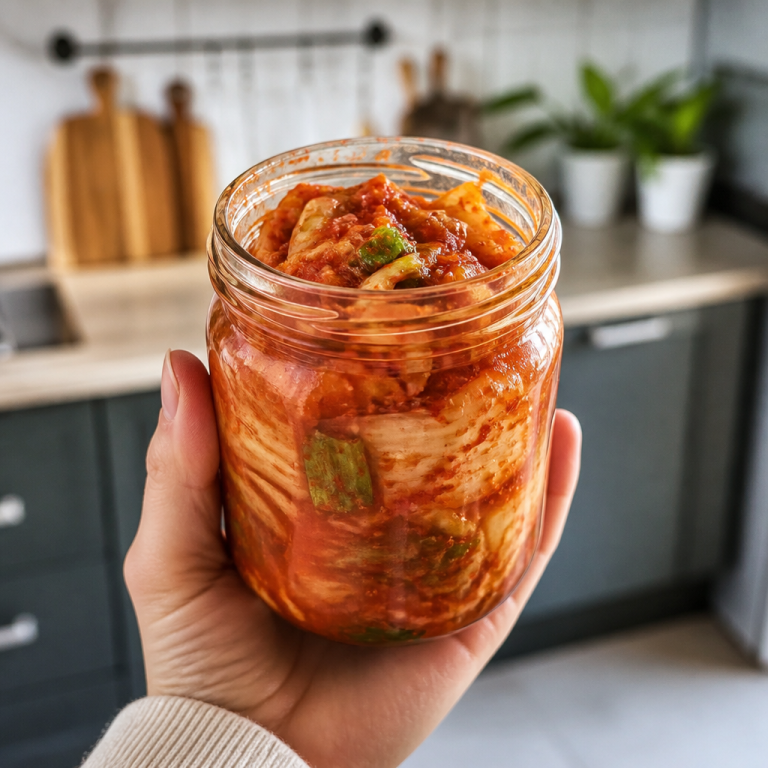
I still vividly remember my first real encounter with kimchi. It was at a bustling, cozy restaurant during a trip, and I was definitely intimidated. Everyone I knew had told me kimchi was super spicy, so I cautiously picked up a tiny piece of the vibrant red cabbage. To my surprise, the initial taste wasn't just a blast of heat. It was a complex symphony of flavors: a tangy sourness, a deep savory umami, and then, yes, a definite, satisfying kick, all wrapped in a wonderfully crisp texture. That moment completely transformed my understanding. Discover why this cornerstone of Korean cuisine is celebrated globally for its incredible array of preparations, each with its own unique characteristics that extend beyond just spiciness.
What Kimchi Is and Its Spice Profile
Kimchi is a traditional Korean fermented vegetable dish, a staple that has evolved over centuries to become an integral part of Korean meals. It's served with almost every meal, from breakfast to dinner, a testament to its cultural importance. While there are hundreds of varieties, the most recognized form is typically made with napa cabbage, known as baechu kimchi. This iconic dish is characterized by a complex interplay of flavors, where spiciness often takes center stage. However, this spiciness is just one facet of its intricate profile, which also includes sour, umami (a savory, almost meaty taste), and sometimes sweet notes, all developing through a fascinating fermentation process.
What is spicy kimchi?
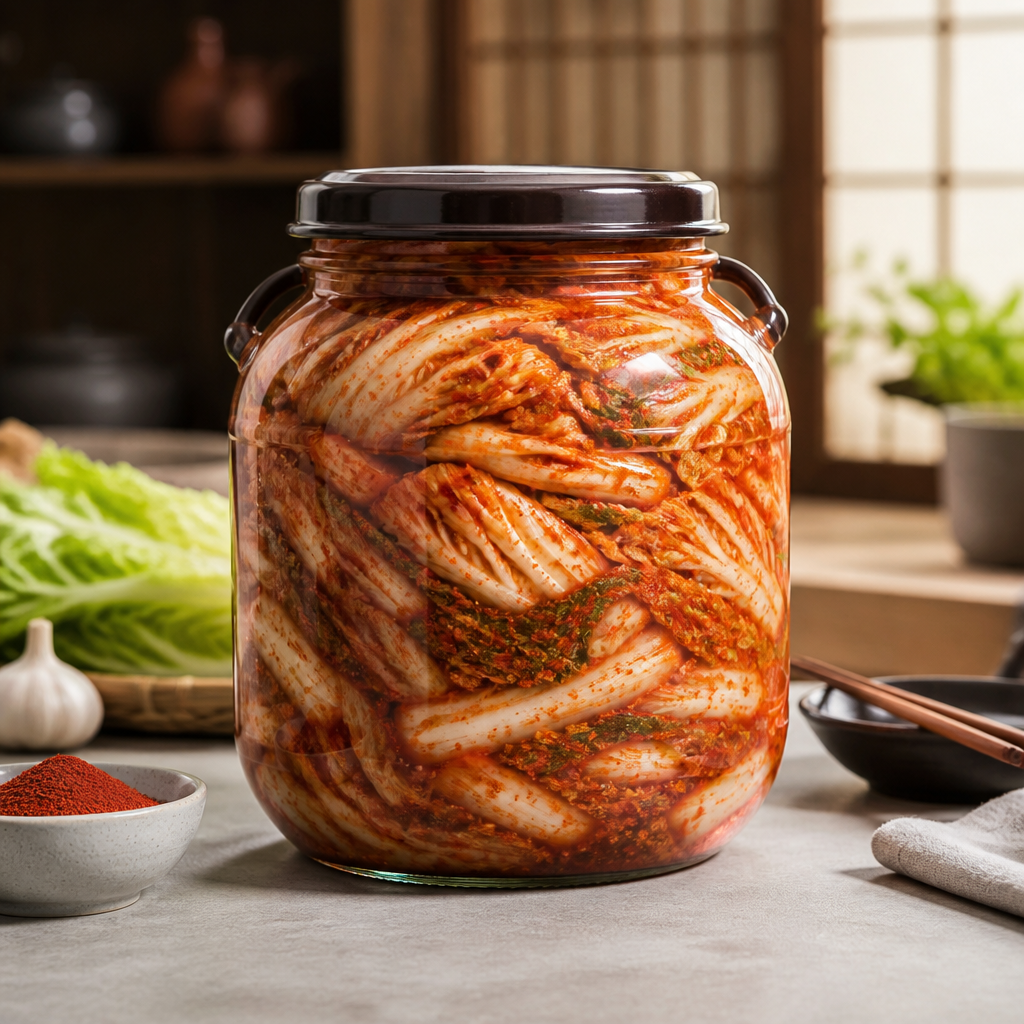
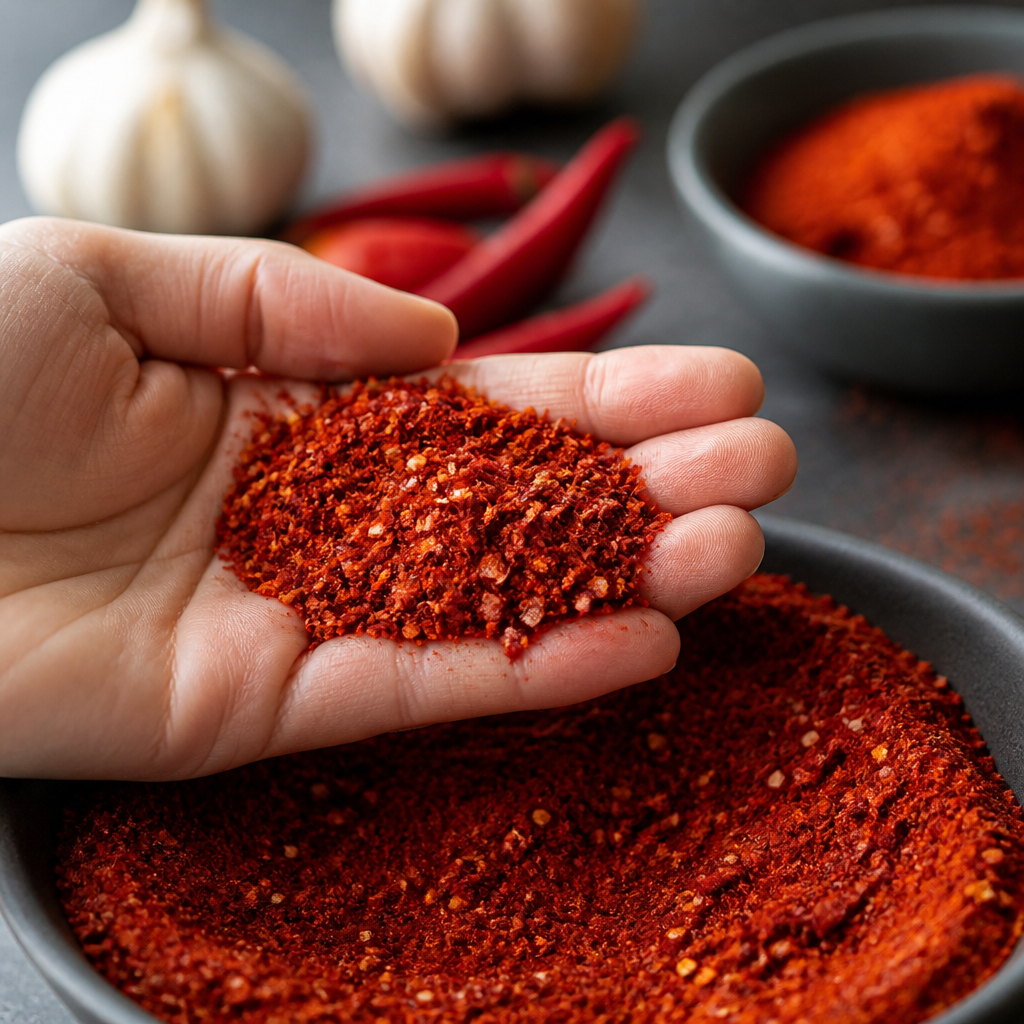
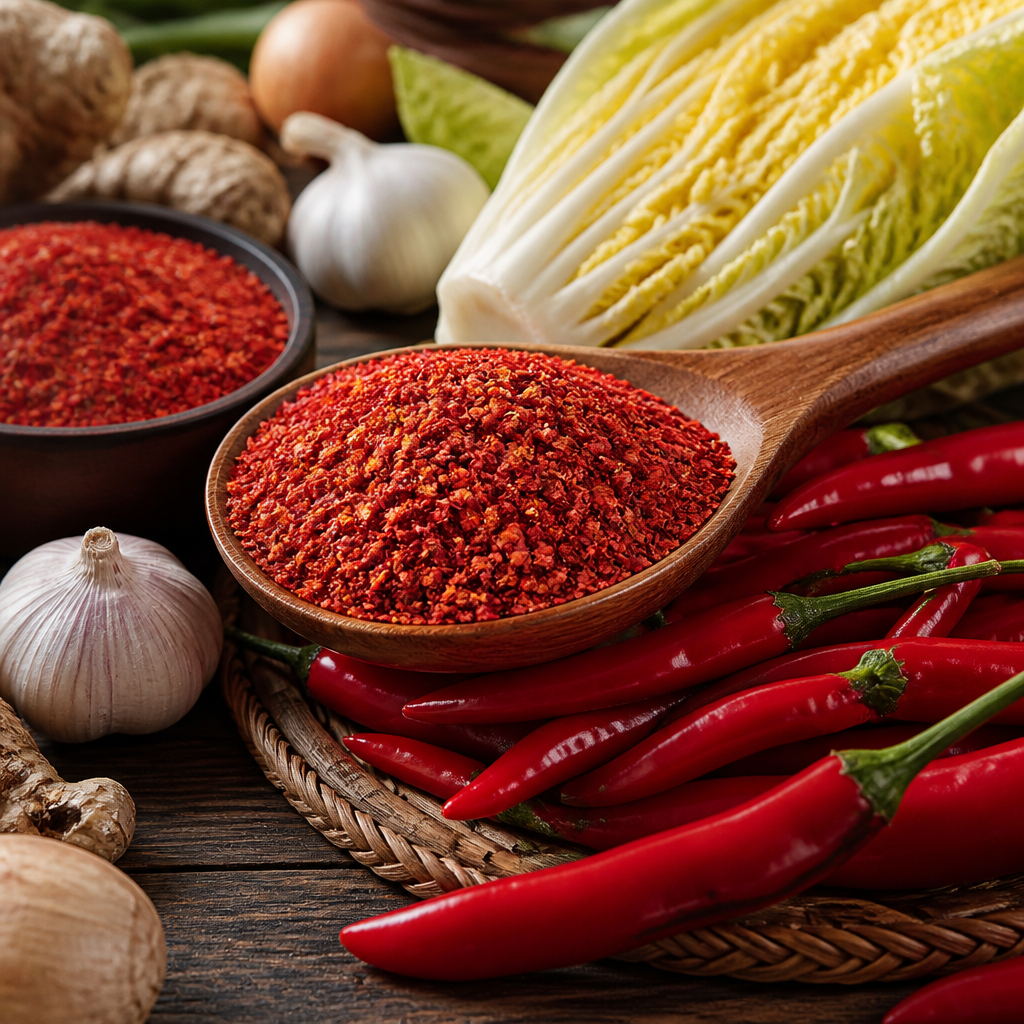
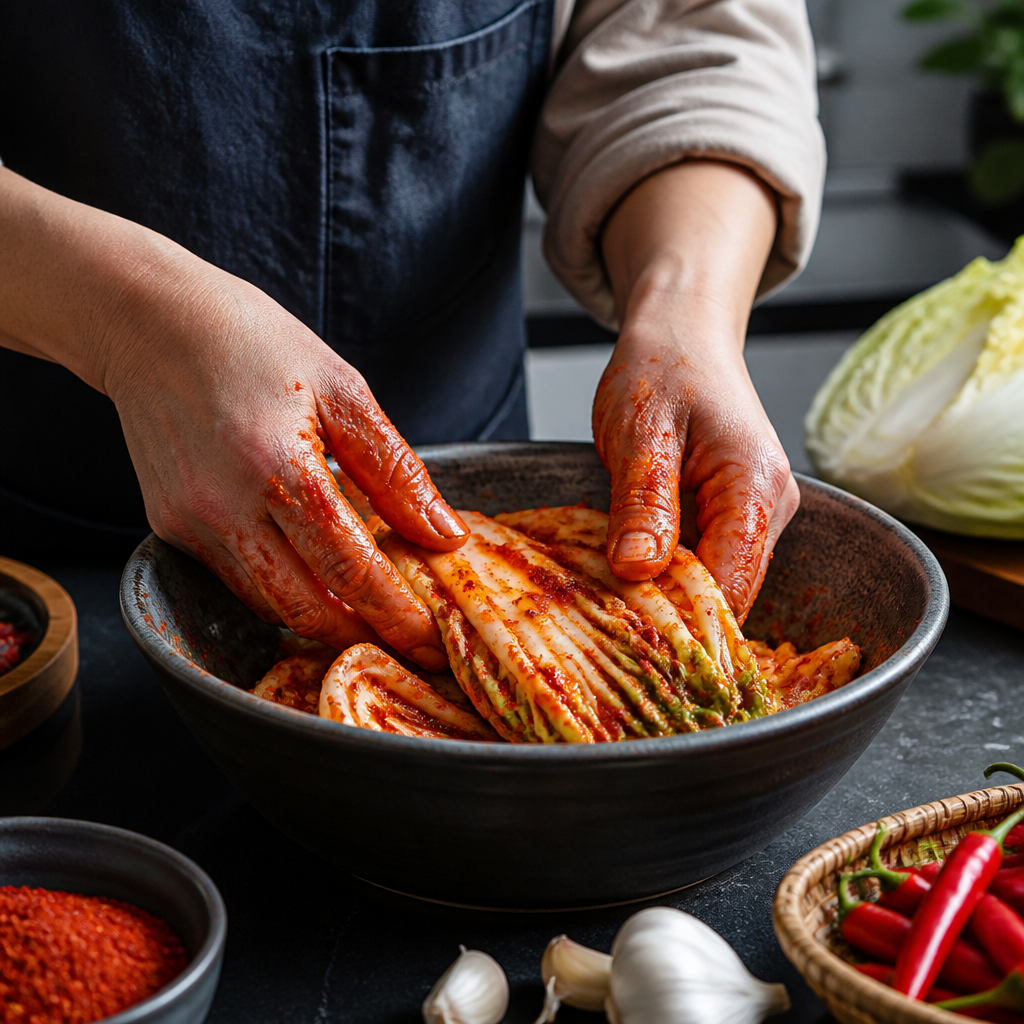
Spicy kimchi, especially baechu kimchi, is a traditional Korean fermented vegetable dish primarily made with napa cabbage. Its vibrant red color and characteristic heat come from gochugaru (Korean red chili pepper flakes). Beyond gochugaru, other essential seasonings include garlic, ginger, and jeotgal (salted seafood, like fermented anchovies or shrimp), which contribute to its depth of flavor. The gochugaru is the main ingredient responsible for the dish's signature red hue and spicy taste, with heat levels that can vary significantly. Depending on the specific variety of chili peppers used, the spiciness of gochugaru typically ranges from 1,500 to 10,000 Scoville Heat Units (SHU). This range means that some spicy kimchi can be quite mild, while others can deliver a substantial punch of heat, similar to or even spicier than a jalapeño pepper.
The fermentation process is absolutely crucial to kimchi's overall flavor development. During this period, beneficial lactic acid bacteria (like Lactobacillus species) thrive and produce lactic acid. This lactic acid is what gives kimchi its tangy, sour flavor, which develops and intensifies alongside the spiciness over time. Therefore, spicy kimchi isn't just about the heat; it's a harmonious blend of spicy, sour, and umami notes that evolve as the fermentation progresses. Historically, the dish became predominantly spicy only after chili peppers were introduced to Korea sometime between the 16th and 17th centuries. From a nutritional standpoint, a typical 100g serving of spicy kimchi offers approximately 15-30 calories, 1-2g of protein, and 2-3g of carbohydrates, along with notable amounts of vitamins and minerals.
Is kimchi spicy or sour?
Kimchi is a culinary marvel that masterfully combines both spicy and sour flavor profiles simultaneously. This dual characteristic is a defining feature of the dish. The spiciness is derived from gochugaru, while the sourness is a direct result of lactic acid fermentation. As beneficial lactic acid bacteria multiply, they convert sugars in the vegetables into lactic acid, which gradually lowers the pH and imparts a distinct tangy taste.
The balance between these two dominant flavors changes as kimchi ferments. Freshly made kimchi, _typically consumed within a few days of preparation_, tends to be predominantly spicy with only a minimal hint of sourness. As kimchi undergoes further fermentation, usually after two or more weeks, it develops increasingly pronounced sour notes. Dr. Kun-Young Park, a leading kimchi researcher and Professor of Food Science and Nutrition at Pusan National University, emphasizes the importance of this balance.
The balance between spicy and sour is what defines quality kimchi, with the optimal flavor profile achieved when fermentation reaches pH 4.0-4.2, creating harmony between capsaicin heat and lactic acid tanginess.
This expert opinion highlights that neither spiciness nor sourness alone defines kimchi; rather, it is their harmonious coexistence that creates the optimal taste. The intensity of sourness can also be influenced by storage temperature, with warmer temperatures accelerating fermentation and sourness development.
Is kimchi just spicy sauerkraut?
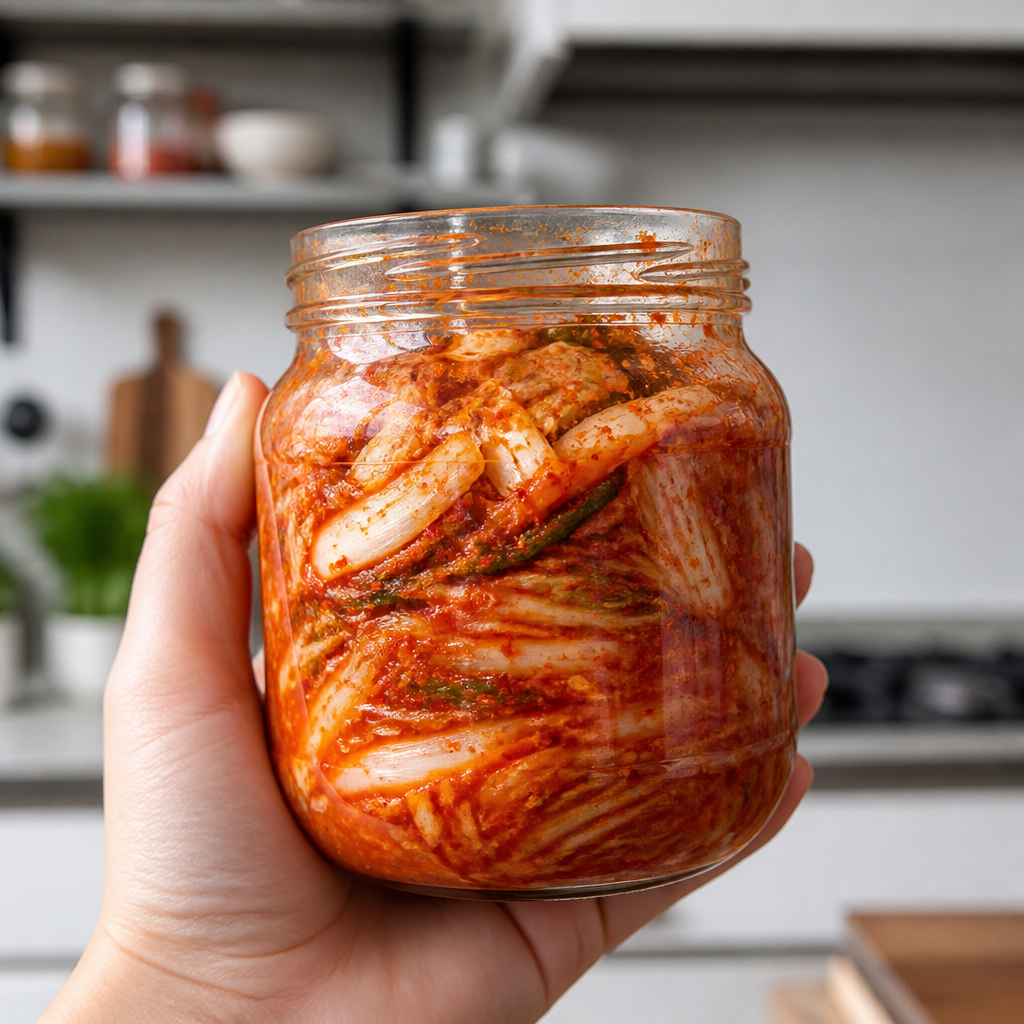
While both kimchi and sauerkraut are celebrated fermented cabbage products, they are distinct in their ingredients, preparation methods, and flavor profiles. To simply label kimchi as "spicy sauerkraut" would be to overlook the rich complexities and unique characteristics that define each dish.
The primary differences begin with the type of cabbage used and the additional ingredients. Kimchi traditionally utilizes napa cabbage and is seasoned with a vibrant paste containing gochugaru, garlic, ginger, and jeotgal. This creates a multi-layered flavor profile that is spicy, sour, and rich in umami. Sauerkraut, on the other hand, is typically made from green cabbage and is fermented with only salt, resulting in a flavor that is primarily sour and salty.
| Feature | Kimchi | Sauerkraut |
|---|---|---|
| Main Cabbage | Napa Cabbage | Green Cabbage |
| Key Seasonings | Gochugaru, garlic, ginger, jeotgal | Salt |
| Flavor Profile | Spicy, sour, umami, savory | Sour, salty |
| Origin | Korea | Germany / Eastern Europe |
Furthermore, the microbial communities involved in their fermentation differ, leading to variations in aromatic compounds and flavor complexities. Kimchi also generally contains higher levels of capsaicin, as well as vitamins A and C, compared to sauerkraut. Therefore, while both are healthy, fermented cabbage dishes, they offer distinct culinary experiences.
How Spicy Is Kimchi and Why?
The spiciness of kimchi is one of its most talked-about characteristics, often sparking curiosity and sometimes apprehension among those new to Korean cuisine. However, the level of heat in kimchi is not monolithic; it varies widely depending on the type, preparation, and even the region where it's made. Understanding "how spicy" kimchi is involves looking at the Scoville Heat Unit (SHU) scale and recognizing the factors that contribute to its fiery reputation.
How spicy is kimchi?
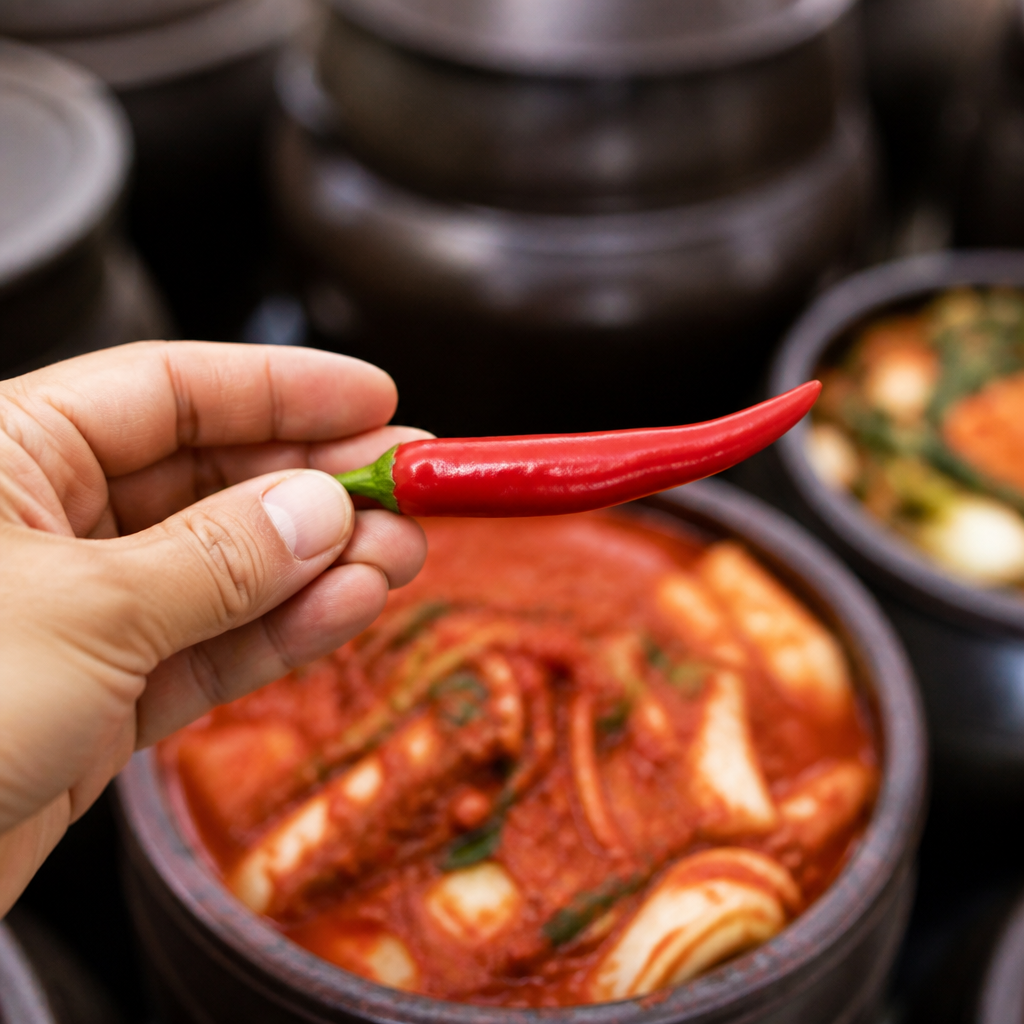
The spiciness of traditional Korean kimchi can vary considerably, typically ranging from 1,500 to 10,000 Scoville Heat Units (SHU). To put this into perspective, its lower end is generally milder than most jalapeño peppers (2,500 to 8,000 SHU), while the higher end can be just as spicy. This places traditional kimchi generally in the mild-to-medium heat category, making it approachable for many palates while still offering a noticeable kick.
The spiciness level is not uniform across all kimchi. Red kimchis, such as baechu kimchi (napa cabbage kimchi) and kkakdugi (radish kimchi), are well-known for their spicy profiles. In contrast, varieties like mul kimchi (water kimchi) contain minimal to no heat. As Michelin-starred Chef Hooni Kim explains, the fermentation process moderates the perceived spiciness. The lactic acid and umami create a complex flavor that makes the heat more approachable than raw chili peppers of an equivalent Scoville rating. Commercial kimchi brands sold internationally often adjust their recipes to cater to a broader range of palates, _resulting in a milder product than traditional recipes_.
Why is kimchi spicy?
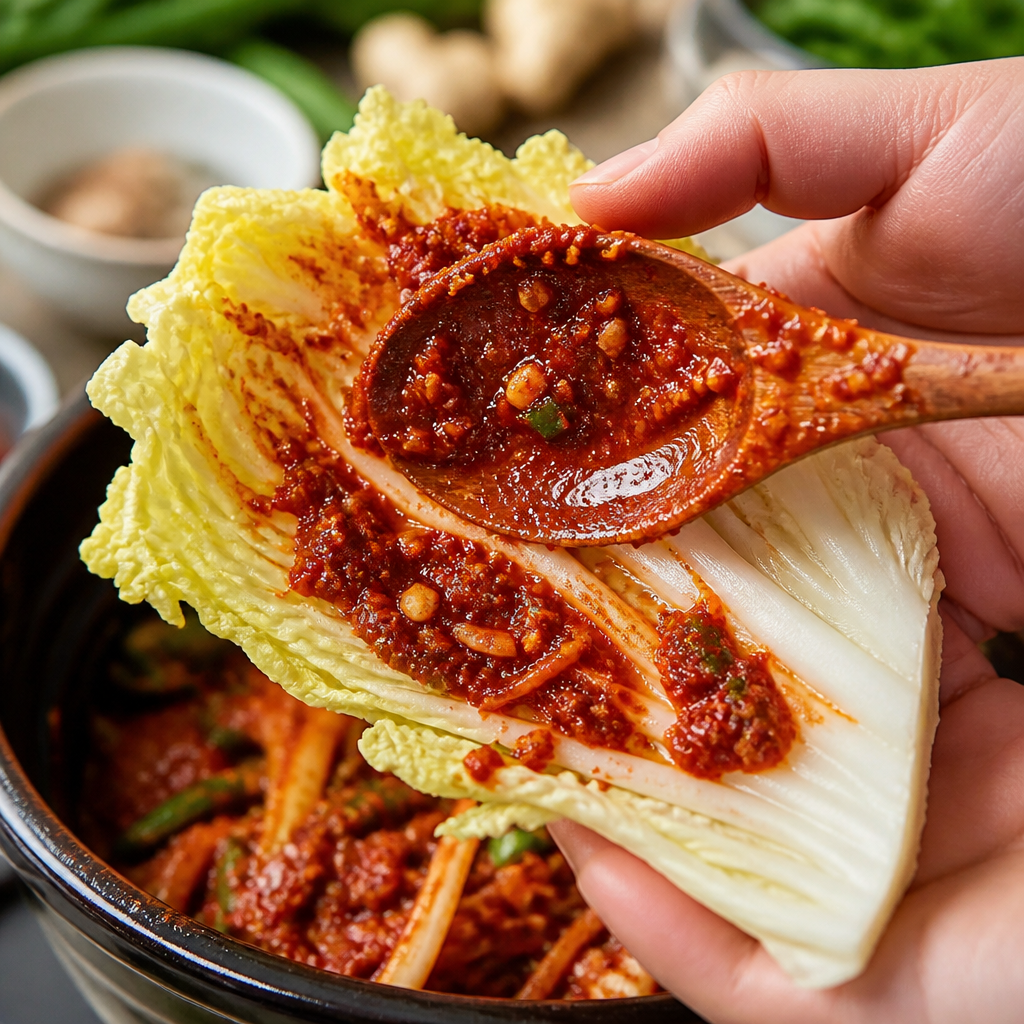
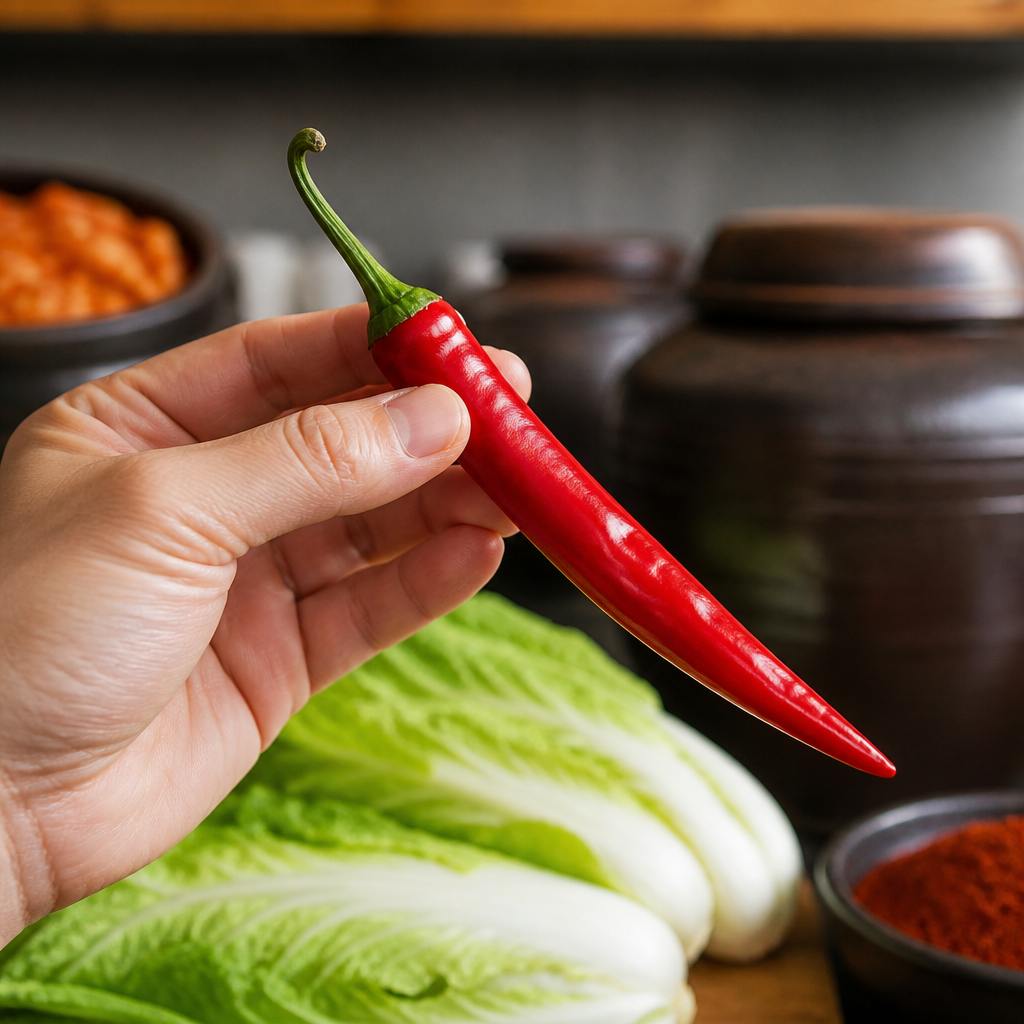
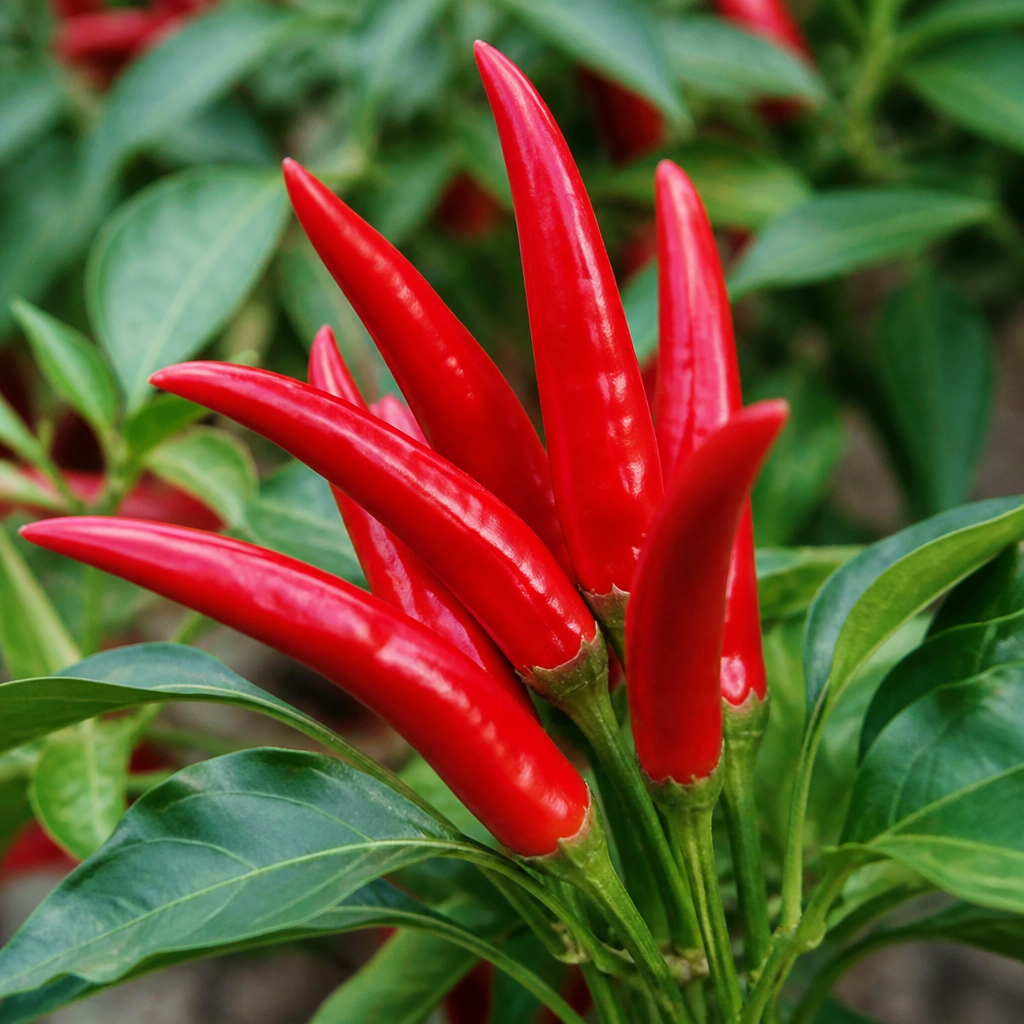
Kimchi is spicy primarily because of gochugaru, the Korean red chili pepper flakes that are a fundamental ingredient in most modern, popular varieties. These chili flakes contain capsaicin, the active chemical compound responsible for the burning sensation experienced when consuming spicy foods. Gochugaru is added during the seasoning process not only to impart its characteristic flavor and vibrant red color but also to contribute to the preservation of the vegetables.
The spicy version of kimchi is a relatively recent development in its long history. Chili peppers were introduced to the Korean peninsula from the Americas in the late 16th century. Prior to this introduction, kimchi was a non-spicy dish, preserved mainly with salt and seasoned with ingredients like garlic and ginger. Beyond flavor, capsaicin possesses antimicrobial properties, which play a crucial role in the fermentation process. It helps inhibit the growth of harmful bacteria while allowing beneficial lactic acid bacteria to thrive, ensuring the safety and successful fermentation of kimchi.
Is kimchi supposed to be spicy?
While many people associate kimchi with a spicy flavor, spiciness is not an absolute requirement for all kimchi. In reality, Korea boasts over 200 varieties of kimchi, and many of these traditional types are either non-spicy or only mildly seasoned. This diversity predates the introduction of chili peppers to Korea, indicating a long history of non-spicy kimchi preparations.
The most common modern kimchi, baechu kimchi, is generally expected to be spicy in Korean cuisine. However, regional and seasonal variations abound, and these often include non-spicy versions that are equally traditional and cherished. Examples of these non-spicy varieties include baek kimchi (white kimchi), mul kimchi (water kimchi), and dongchimi (radish water kimchi). The level of spiciness is often adjusted based on personal preference, regional traditions, and its intended use. For instance, kimchi prepared for children or the elderly is frequently made milder to accommodate their palates.
Is kimchi always spicy?
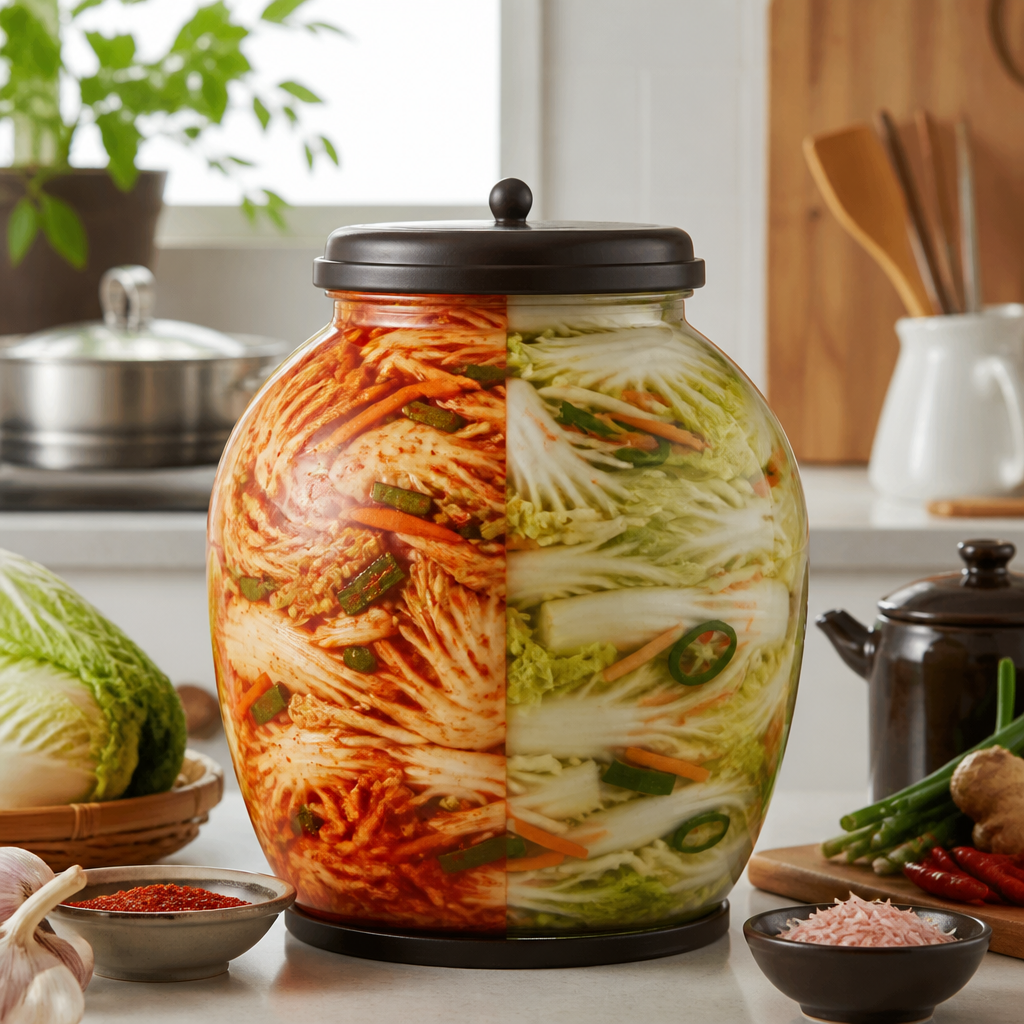
No, kimchi is not always spicy. This is a common misconception, largely because the most globally recognized types of kimchi are indeed spicy. However, the rich culinary tradition of Korea includes numerous traditional non-spicy varieties that are just as authentic and delicious. These non-spicy kimchis offer a different dimension to the fermented vegetable dish, appealing to a wider range of palates.
Several traditional non-spicy kimchi varieties exist, and they are prepared without the use of gochugaru. Key examples include baek kimchi (white kimchi), dongchimi (radish water kimchi), and mul kimchi (water kimchi). These varieties demonstrate that the flavor profile of kimchi can extend far beyond just spiciness. Non-spicy kimchi varieties hold a special place in Korean culinary culture, particularly during warmer months or for children and elderly populations.
Non-Spicy and Alternative Kimchi Options
For those who enjoy the health benefits and unique flavors of fermented foods but prefer to avoid heat, the world of kimchi offers a delightful array of non-spicy and alternative options. These varieties showcase the incredible versatility of kimchi, proving that its essence extends far beyond the fiery kick of chili peppers. From crisp, refreshing water-based kimchis to delicately seasoned white cabbage versions, there's a non-spicy kimchi for every palate.
Is there non spicy kimchi?
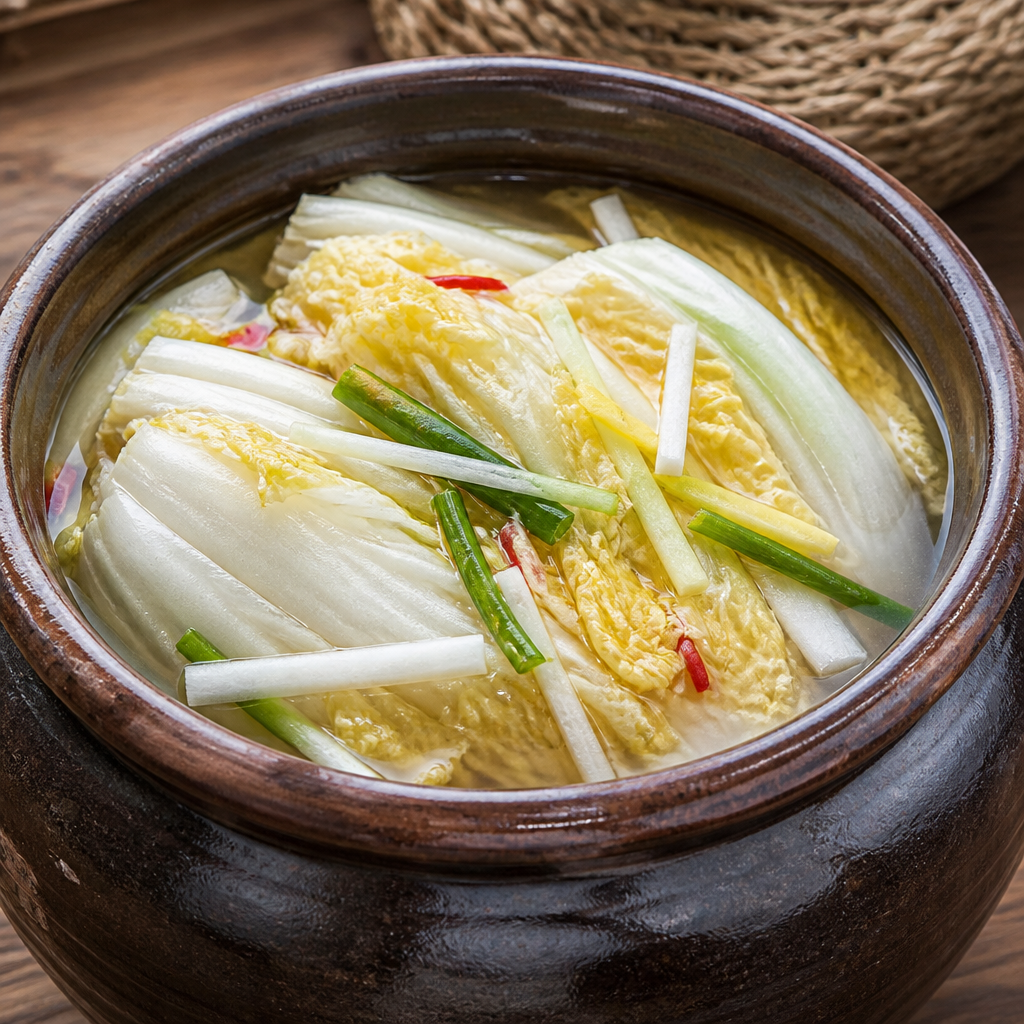
Yes, there are indeed several traditional non-spicy kimchi varieties, offering a delicious alternative for those who prefer to avoid heat. These options maintain the probiotic benefits and complex flavors of fermented vegetables without the addition of gochugaru. The existence of these varieties highlights the rich diversity within Korean culinary traditions.
Here are some popular non-spicy kimchi options:
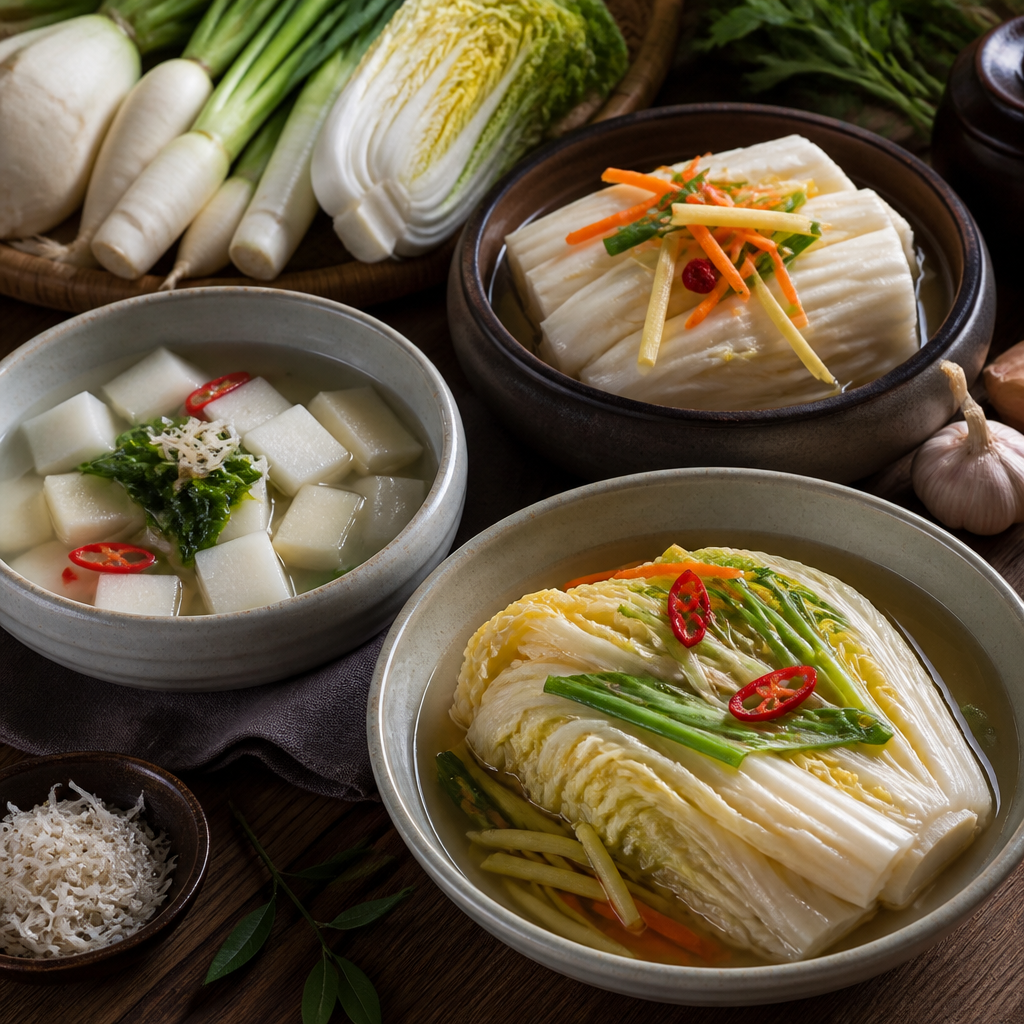
- Baek Kimchi (White Kimchi): The most well-known non-spicy variety, seasoned with garlic, ginger, and often sweetened with Korean pear.
- Dongchimi (Radish Water Kimchi): A refreshing, broth-based kimchi with a clear, tangy, and slightly effervescent broth.
- Nabak Kimchi (Water Kimchi): Combines radish and napa cabbage in a mild, refreshing broth.
- Oi Sobagi (Cucumber Kimchi): Can be prepared in a non-spicy version, focusing on the crispness of the cucumber.
Major Korean brands now offer baek kimchi and other mild options. Importantly, non-spicy kimchi provides the same significant probiotic benefits as its spicy counterparts. This means that choosing a non-spicy kimchi does not mean sacrificing the health advantages associated with fermented foods, _minus the specific benefits of capsaicin_.
Is white kimchi spicy?
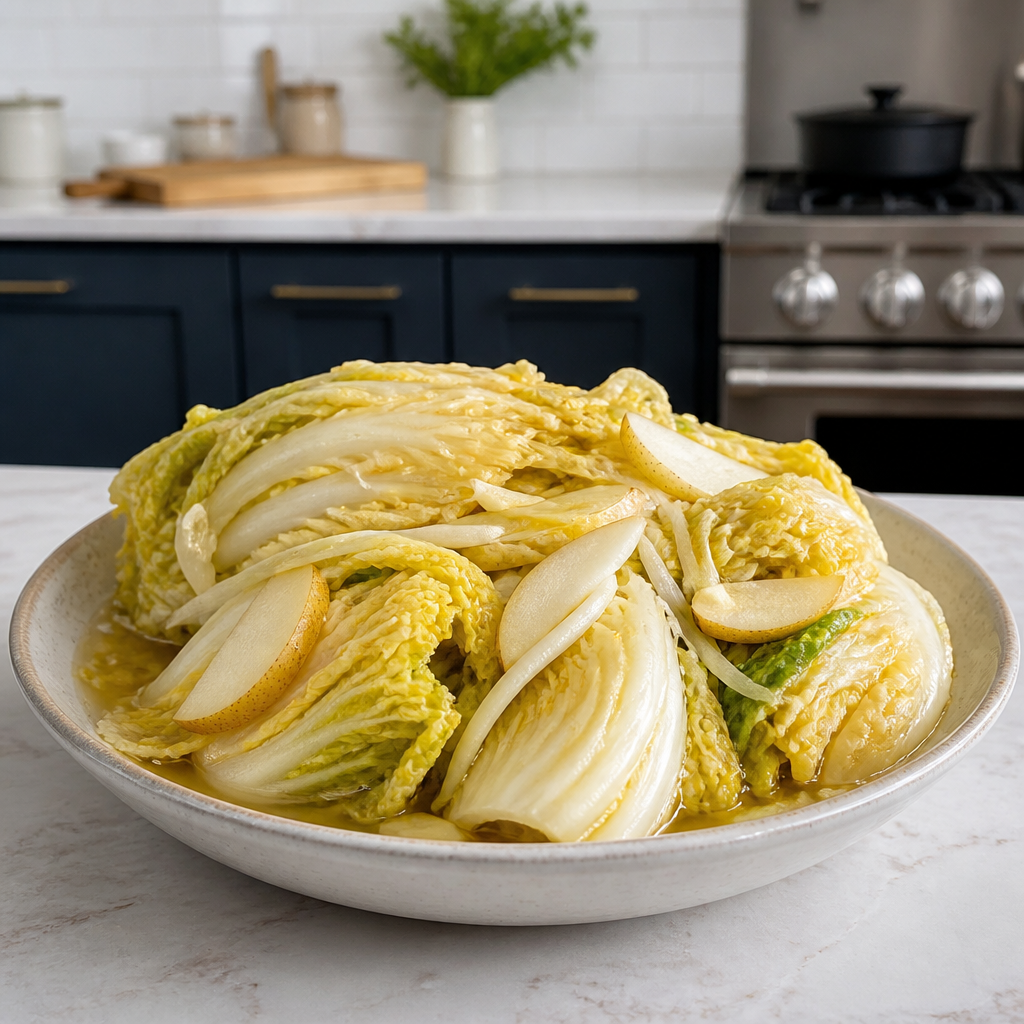
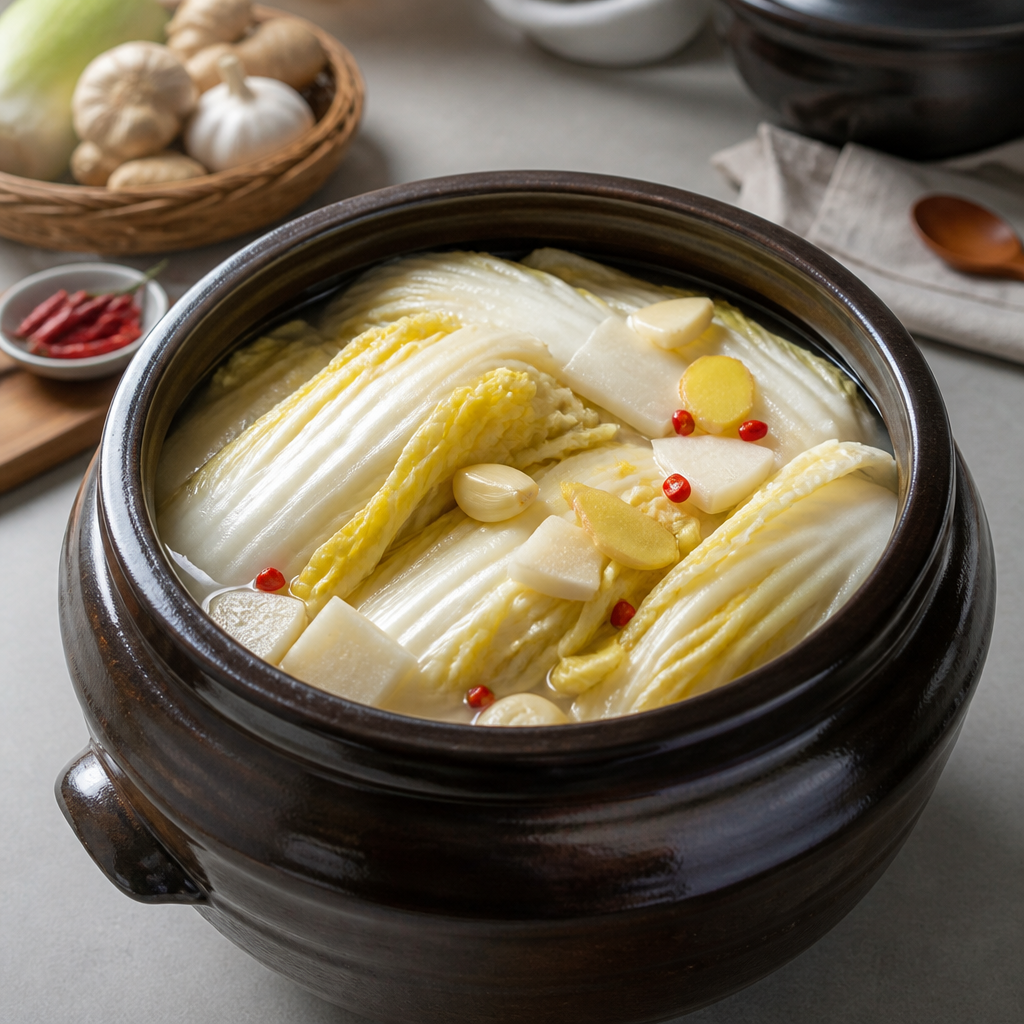
White kimchi, known in Korean as baek kimchi, is a traditional and distinctly non-spicy Korean kimchi variety. Its defining characteristic is the complete absence of gochugaru, the ingredient responsible for heat. As a result, baek kimchi has a pale appearance and a flavor profile that is mild, subtly sweet, and refreshing, with prominent notes of garlic and ginger.
The primary purpose of white kimchi is to provide an authentic kimchi experience for individuals who cannot tolerate spicy foods, including young children and those with digestive sensitivities. It serves as an excellent entry point for those new to kimchi. The ingredients are carefully selected to create its unique mild flavor. It uses napa cabbage as its base and incorporates Korean radish, garlic, and ginger. To achieve its characteristic sweetness, ingredients like Korean pear or apple are frequently added, along with jujubes, pine nuts, and chestnuts for texture. This thoughtful combination ensures that baek kimchi delivers a rich and satisfying flavor experience that is entirely free from spiciness.
Health Benefits of Spicy Kimchi
Beyond its complex flavors, spicy kimchi is widely recognized for its potential health benefits. As a fermented food, it is a rich source of probiotics, and the inclusion of chili peppers adds another layer of advantageous compounds. However, like any food, it's important to consider individual sensitivities when incorporating spicy kimchi into one's diet.
Is spicy kimchi good for you?
Spicy kimchi is often lauded for providing significant health benefits, stemming from its unique combination of fermented vegetables and chili peppers. One of its most well-known advantages is its probiotic support, as it contains a high concentration of beneficial Lactobacillus bacteria. These probiotics are crucial for maintaining a healthy gut microbiome, which can influence various aspects of overall health.
Dr. Ji-Young Lee, a Professor of Food and Nutrition at Seoul National University, highlights these benefits.
Regular consumption of spicy kimchi has been associated with improved gut microbiome diversity, enhanced immune function, and reduced markers of inflammation in multiple clinical studies, with the combination of probiotics and capsaicin providing synergistic health effects beyond either component alone.
The capsaicin in spicy kimchi specifically contributes additional health benefits, including a potential thermogenic effect that can slightly increase metabolism. Nutritionally, it is a good source of vitamins C and K, folate, and other minerals. However, it is important to approach the consumption of spicy kimchi with moderation, especially for certain individuals. Those with GERD, IBS, or a sensitivity to spicy foods should be mindful. Additionally, kimchi can have a relatively high sodium content. _Individuals who are monitoring their salt intake, particularly those with high blood pressure, should consider this when incorporating kimchi into their diet._
FAQ
Q1: What makes kimchi spicy?
A1: Kimchi's spiciness primarily comes from gochugaru, which are Korean red chili pepper flakes. These flakes contain capsaicin, the chemical compound responsible for the burning sensation, and are added during the seasoning process to give kimchi its characteristic heat and red color.
Q2: Is all kimchi spicy, or are there non-spicy options?
A2: No, not all kimchi is spicy. While many popular varieties like baechu kimchi are spicy, there are numerous traditional non-spicy options available. Examples include baek kimchi (white kimchi), dongchimi (radish water kimchi), and mul kimchi (water kimchi), which omit gochugaru entirely.
Q3: How spicy is traditional Korean kimchi on a scale?
A3: Traditional Korean kimchi typically ranges from 1,500 to 10,000 Scoville Heat Units (SHU). This places it in the mild-to-medium heat category, with some varieties being milder than a jalapeño and others being comparable or spicier. Commercial brands often reduce the spiciness for international markets to cater to broader tastes.
Q4: Does kimchi have a sour taste, and where does it come from?
A4: Yes, kimchi has a distinct sour taste that develops alongside its spiciness. This sourness is a result of lactic acid fermentation. Beneficial lactic acid bacteria convert sugars in the vegetables into lactic acid, which lowers the pH and creates the tangy, sour flavor that is a hallmark of well-fermented kimchi.
Q5: Are there health benefits to eating spicy kimchi, and are there any cautions?
A5: Spicy kimchi offers several potential health benefits, including probiotic support for gut health, high antioxidant content, and anti-inflammatory properties. Capsaicin may also contribute to increased metabolism. However, individuals with conditions like GERD or IBS, or those sensitive to spicy foods, should consume it in moderation. Its relatively high sodium content also warrants consideration for those monitoring salt intake.

Emily Carter is an American food lover who writes about Korean cuisine for people trying it for the first time. She covers what things taste like, how to eat them, and what to cook with them.