what does tteokbokki taste like: 7 Delicious Flavor Secrets
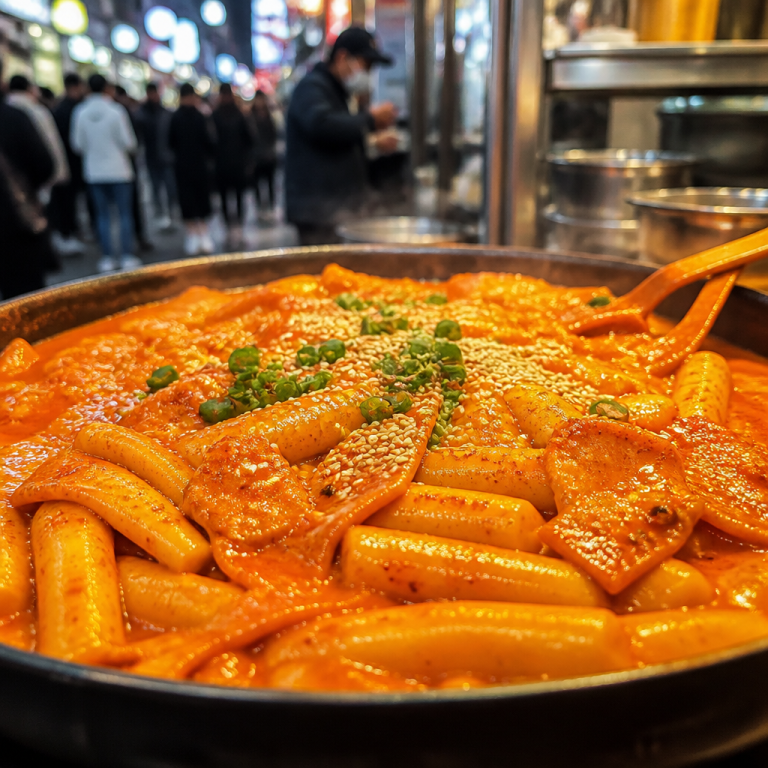
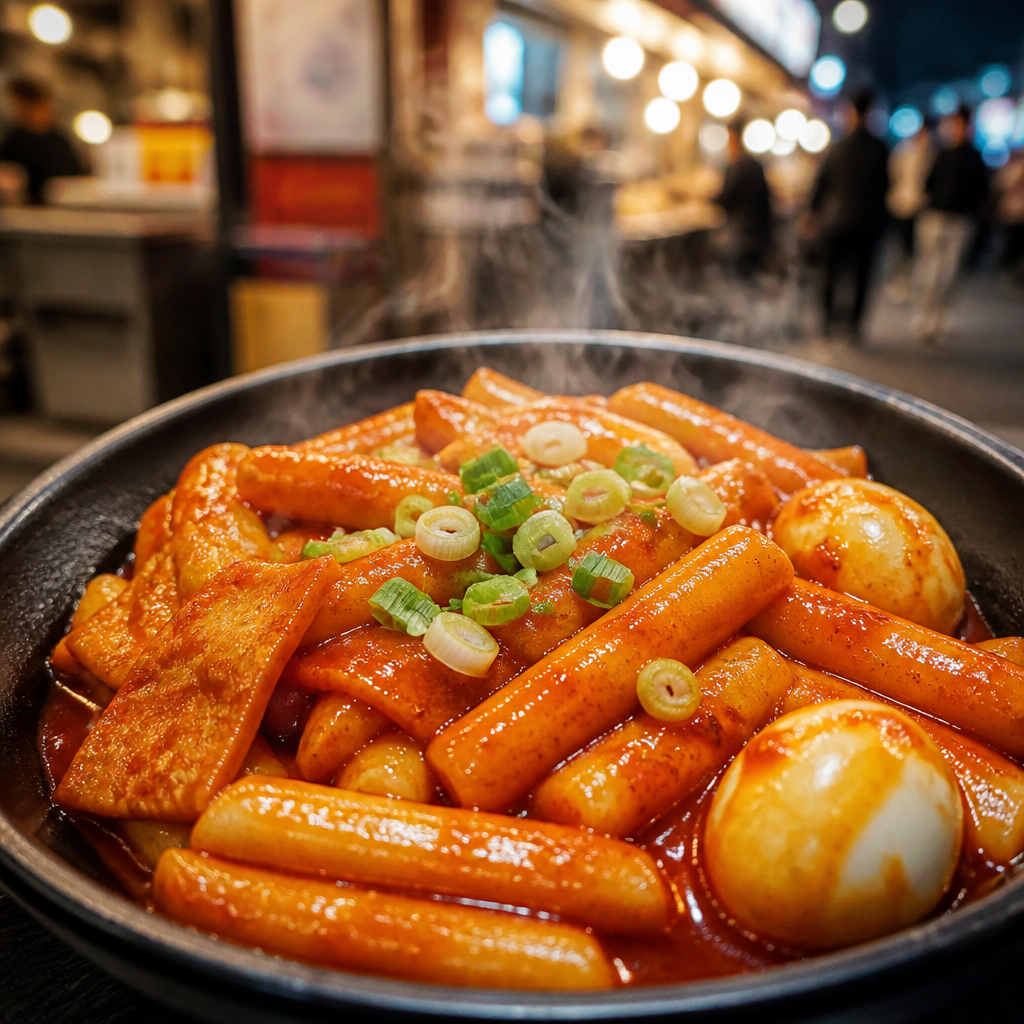
Imagine a brisk autumn evening in Myeongdong, Seoul. The air buzzes with the lively chatter of street vendors and the tantalizing scent of cooking food. A vibrant red glow from a street stall catches your eye, and there it is: a steaming cauldron of tteokbokki. The first bite is a revelation—the chewy rice cake, drenched in a rich, sweet-spicy sauce, immediately explains why this dish is so adored. It’s more than just food; it’s a warm, comforting hug in a bowl, a taste of Korea's bustling energy. For anyone wondering what this iconic street food truly tastes like, prepare for a delicious adventure. Discover its unique flavors, incredible textures, and the inviting aromas that make tteokbokki an unforgettable culinary delight.
What Is Tteokbokki
what is tteokbokki
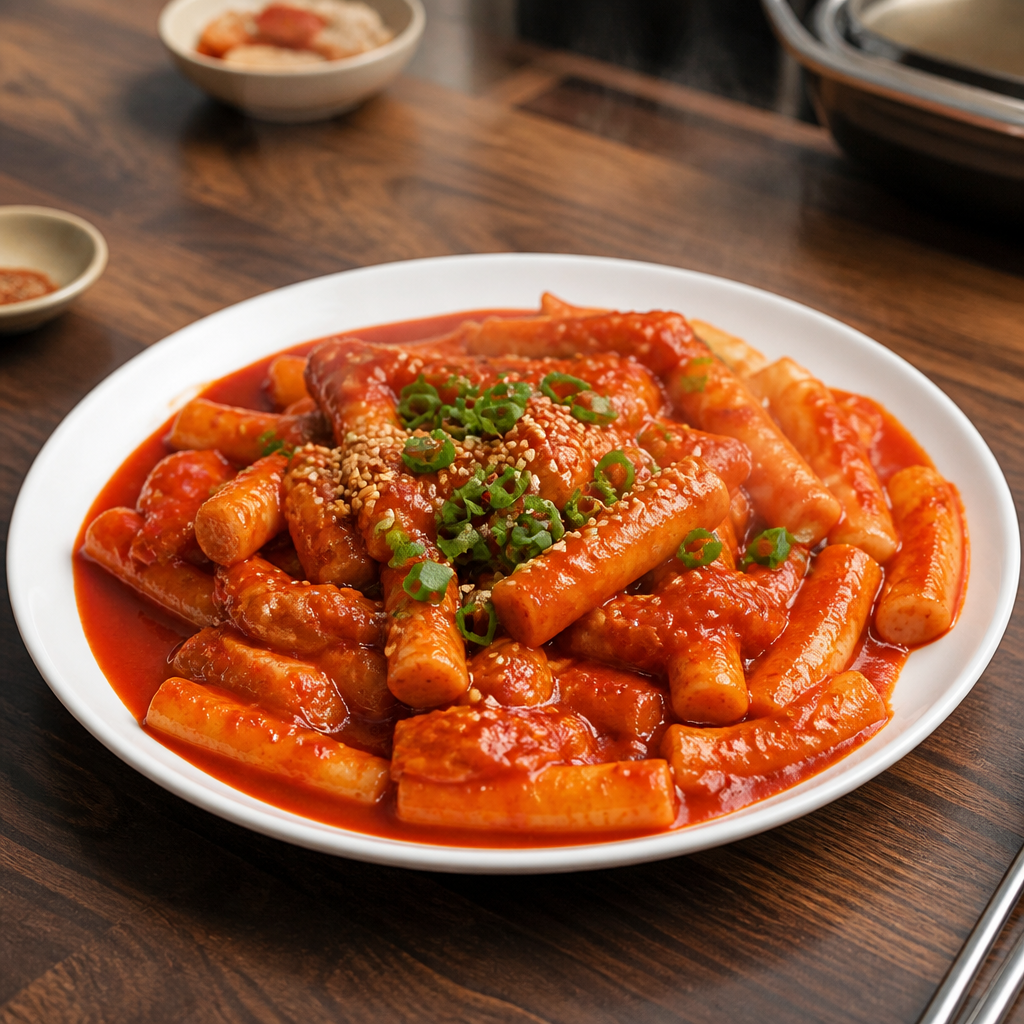
Tteokbokki (pronounced tuhk-BOHK-kee), written as 떡볶이 in Korean, is a true star of Korean street food. It's a vibrant, comforting dish that has become a symbol of Korea's tasty cuisine. Imagine soft, chewy, tube-shaped rice cakes – these are called tteok or garae-tteok – simmering in a rich, often reddish-orange sauce that's usually a mix of sweet, savory, and spicy flavors, made mostly from gochujang (Korean red chili paste). While these special rice cakes are definitely the main event, tteokbokki often comes with other delicious additions like bouncy fish cakes called eomuk, perfectly cooked hard-boiled eggs, and fresh green onions, all adding more yummy tastes and interesting textures to each mouthful.
The spicy, red tteokbokki we know and love today actually has a pretty interesting and not-so-ancient history. It was first made in 1953 by Ma Bok-rim at her small but famous street stall in Seoul's busy Sindang-dong area. Before her invention, tteokbokki was more of a fancy royal court dish, usually made with soy sauce and not spicy at all. Her genius idea was to add that vibrant red chili paste, transforming it into the zesty, spicy street food that quickly became a national obsession. This change made tteokbokki a dish for everyone, from busy students to office workers, cementing its place as a true Korean treasure.
But tteokbokki is much more than just a tasty snack; it’s a big part of Korean culture. It's an experience, a go-to comfort food, and one of the most famous street foods in the whole country. You can find it practically everywhere – from the bustling pojangmacha (lively street food tents) that pop up on city corners, to school cafeterias, and even special restaurants totally dedicated to it, often called 'tteokbokki houses'. This widespread presence shows just how much it's woven into everyday life and social gatherings, making it a favorite meal to share with friends and family.
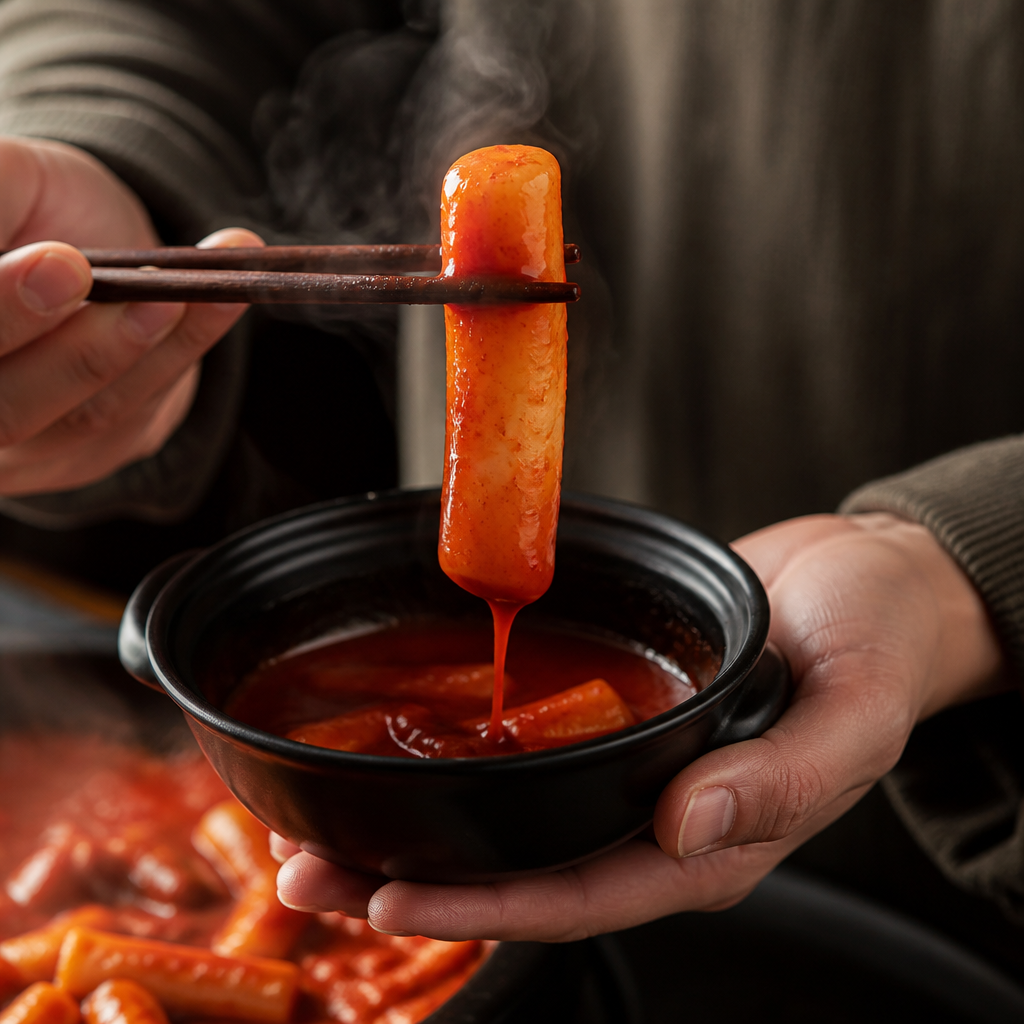
The real secret weapon that gives tteokbokki its unique charm is the garae-tteok rice cake itself. These special rice cakes are usually long, white, and cylinder-shaped, made from a type of rice flour called short-grain rice. They’re typically about 2 to 3 inches long, offering a nice, substantial bite. The way they're made – by steaming and then pounding the rice flour – gives them that super chewy, slightly sticky, or 'glutinous' texture, which is absolutely essential to the tteokbokki experience. These amazing rice cakes act like sponges, soaking up all that incredible sauce and becoming bursting with flavor.
what is the texture of tteokbokki
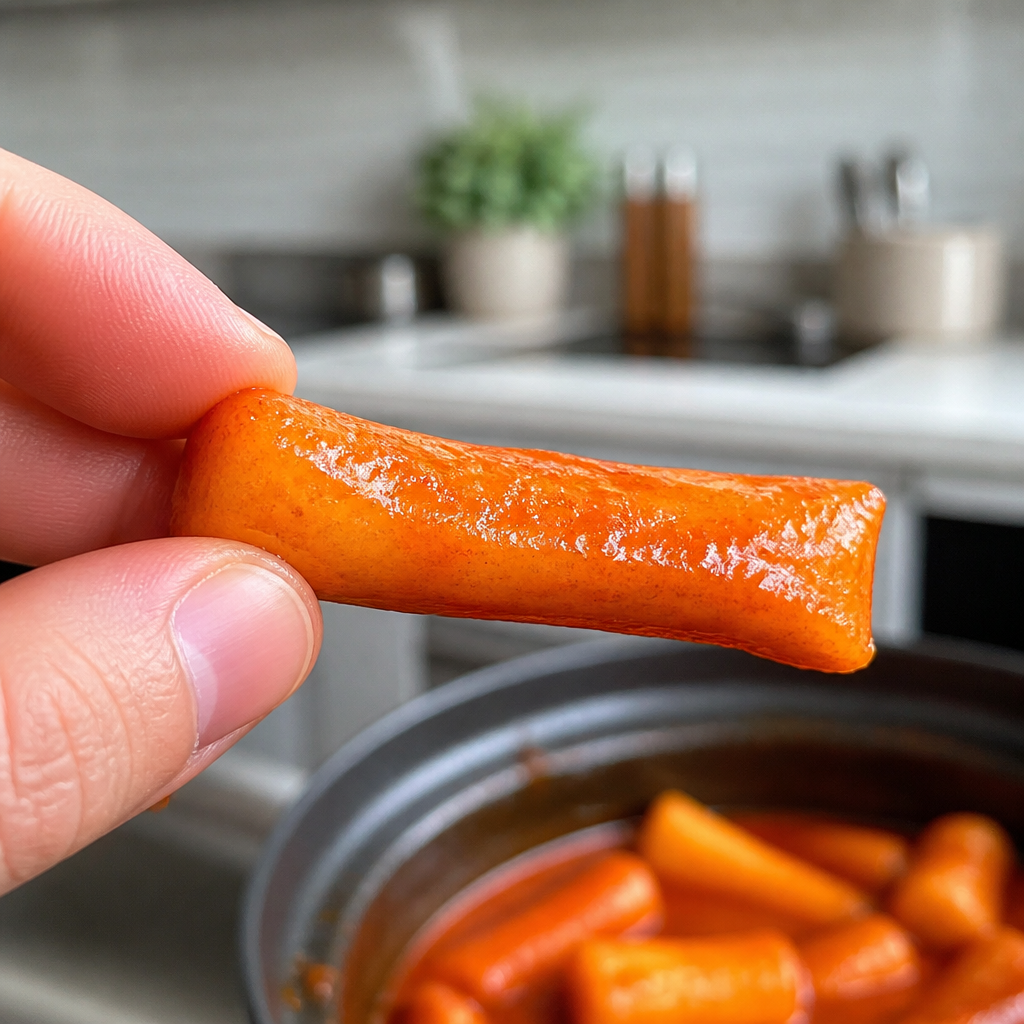
The way tteokbokki feels in your mouth, its texture, is arguably just as important as its flavor – it offers a truly distinctive sensation that sets it apart. The rice cakes, or tteok, are known for being chewy, soft, and notably glutinous (meaning sticky and elastic) all at the same time. In many Asian food traditions, this bouncy, elastic feel is often called 'QQ texture' (pronounced 'chew-chew'), describing a consistency that gives a satisfying chew without ever being tough. When cooked just right, these rice cakes keep their shape while becoming tender enough to bite through easily, creating an eating experience that is both fun and incredibly addictive.
This wonderfully chewy texture isn't just a happy accident; it’s actually thanks to a scientific process called gelatinization that happens when rice starch is cooked. When the rice flour in the tteok gets hot in water, its tiny starch parts soak up the liquid and puff up. This change is what gives the rice cakes their special elastic and sticky feel. Getting the cooking time and heat just right is crucial for this texture; _you want the tteok to be neither too hard nor too squishy_.
How you cook tteokbokki really makes a difference to its texture. Ideally, perfectly cooked tteokbokki should be soft enough that you can bite into it easily, but it should still have a nice chewiness that gives a satisfying bounce. This perfect balance is a huge part of why the dish is so appealing. If you cook the rice cakes too long, they can turn mushy and lose their unique shape, which really takes away from the fun of eating them. But if they're not cooked enough, they’ll be hard and dense, making them tough and less enjoyable.
Chef Hooni Kim, a famous Korean-American chef with Michelin-starred restaurants, has shared his expert thoughts on what makes for the best tteokbokki texture.
He says it should be soft and easy to give way, but still have a delightful chewiness. This wonderfully springy quality, which Koreans often describe as 'jjolgit-jjolgit' (pronounced JOL-git JOL-git), is exactly what makes the dish so captivating and, for many, so addictive.
Also, the texture of tteokbokki can change depending on whether you use fresh, frozen, or dried rice cakes. Fresh rice cakes usually have the best texture, much better than frozen or dried ones. Fresh tteok naturally feels softer and more elastic, giving you that ideal 'jjolgit-jjolgit' experience. Frozen tteok is convenient, but you need to thaw it completely, and it might lose a little bit of its springiness once cooked. Dried versions usually need to soak in water for a while before cooking to get them soft, and even then, their texture might be a little different from fresh tteok.
Taste and Smell Profile of Tteokbokki
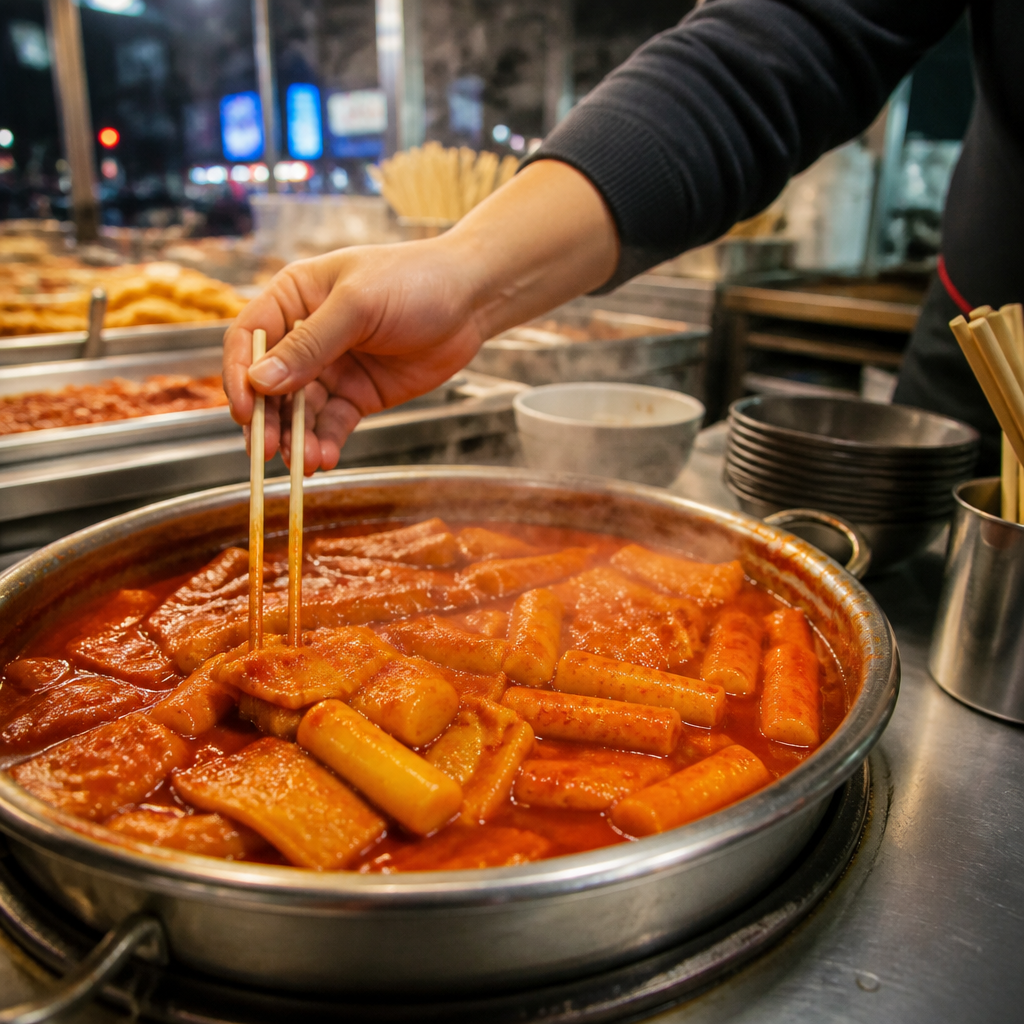
what does tteokbokki sauce taste like
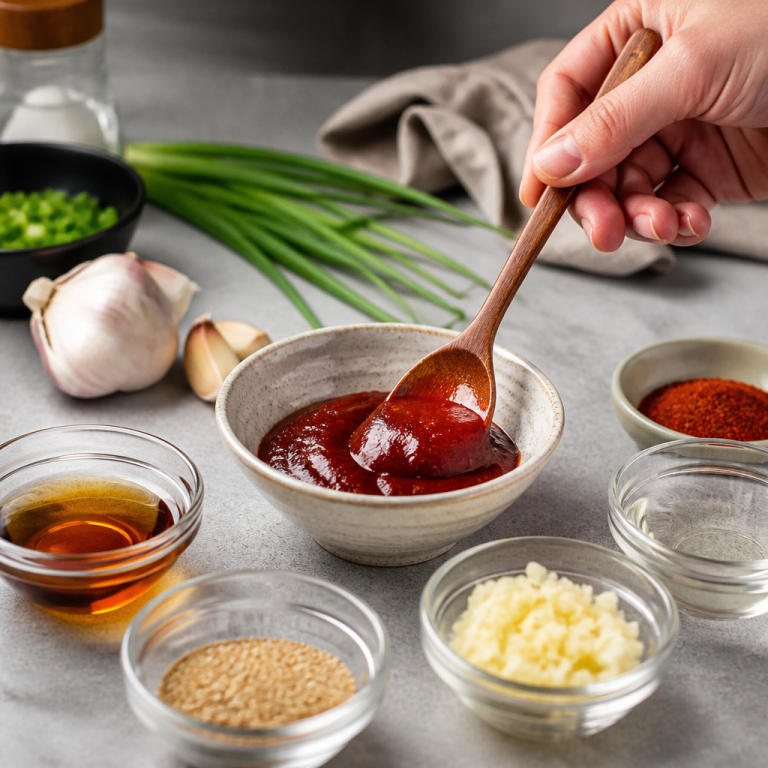
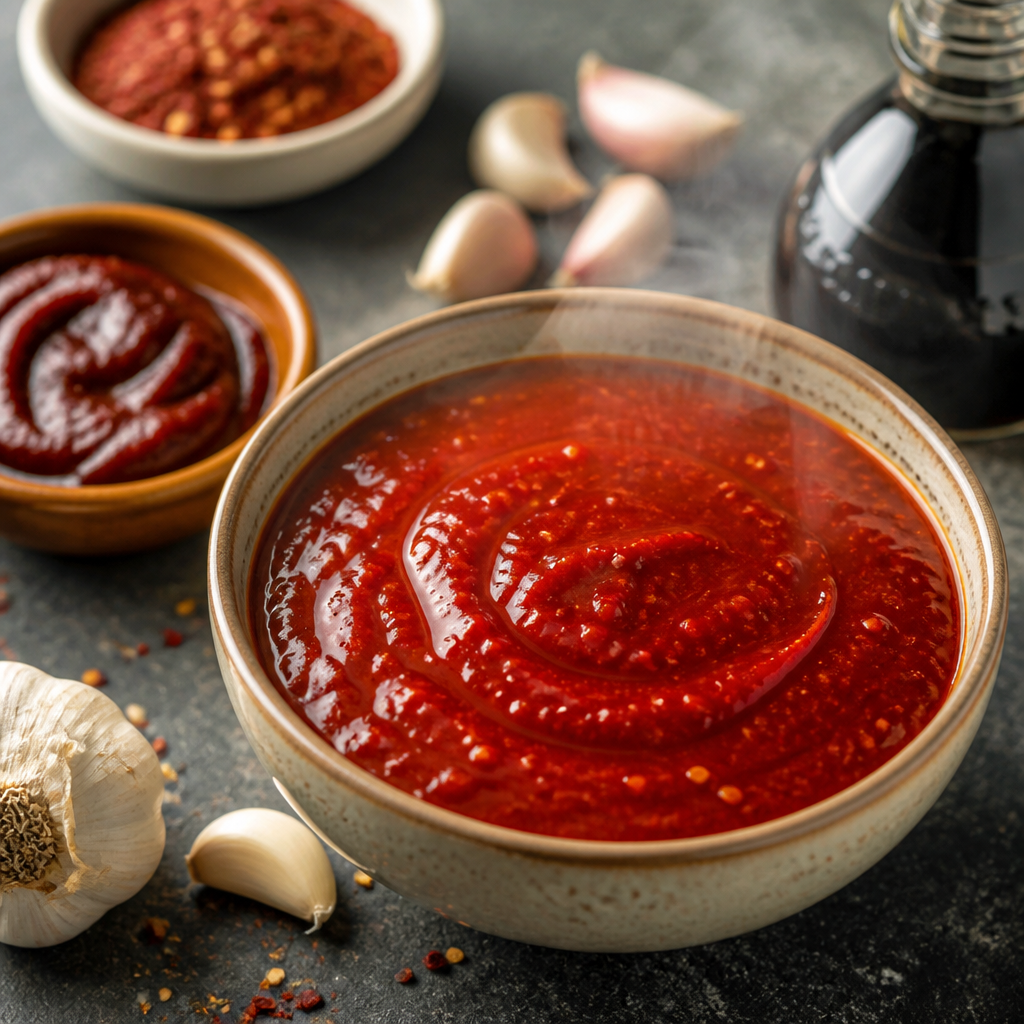
The sauce, without a doubt, is the very soul of tteokbokki. It brings together a really complex and exciting mix of flavors that is both special and deeply satisfying. The sauce is a masterclass in combining sweet, spicy, savory, and often a little bit tangy notes, creating a perfect harmony that’s a signature of Korean cooking. The secret to this rich flavor comes mainly from a few essential ingredients:
- Gochujang: Korean red chili paste that adds a savory, fermented depth (umami) and mild-to-medium heat.
- Gochugaru: Korean chili flakes that can be added to increase the spiciness to your preference.
- Sweetener: Sugar, corn syrup, or oligodang (rice syrup) balances the spice with a noticeable sweetness.
- Soy Sauce: Adds essential saltiness and more fermented goodness to round out the savory profile.
- Garlic: Provides a fresh, pungent kick that enhances all the other flavors.
At the heart of the sauce's taste are its main flavor builders. Gochujang adds a rich, fermented depth and a friendly warmth, not an overpowering fire. You can make it much spicier by adding more gochugaru, allowing you to pick your perfect spice level. What’s important is that this spice is perfectly balanced by a noticeable sweetness, creating that classic sweet-spicy harmony found in so many Korean dishes.
Beyond the sweet and spicy notes, those savory umami flavors are super important for building the sauce's deep richness. Many traditional tteokbokki recipes use a broth made from anchovies or kelp (seaweed), often called dashida or myeolchi yuksu. This broth lays down a fundamental layer of umami, making the sauce even richer with a savory complexity that boosts all the other flavors.
While most tteokbokki sauces aim for that perfect dance of sweet, spicy, and savory, there are endless ways people make it – different regions and even different cooks have their own twists. Some might make it extra spicy with more gochugaru, while others might add a touch of sesame oil for a rich, nutty flavor. As the sauce bubbles and cooks, its taste actually gets better and deeper. The rice cakes release some of their starch into the liquid, making the sauce thicker and more intense. This process creates a shiny, sticky coating that hugs the rice cakes and other ingredients perfectly.
what does tteokbokki smell like
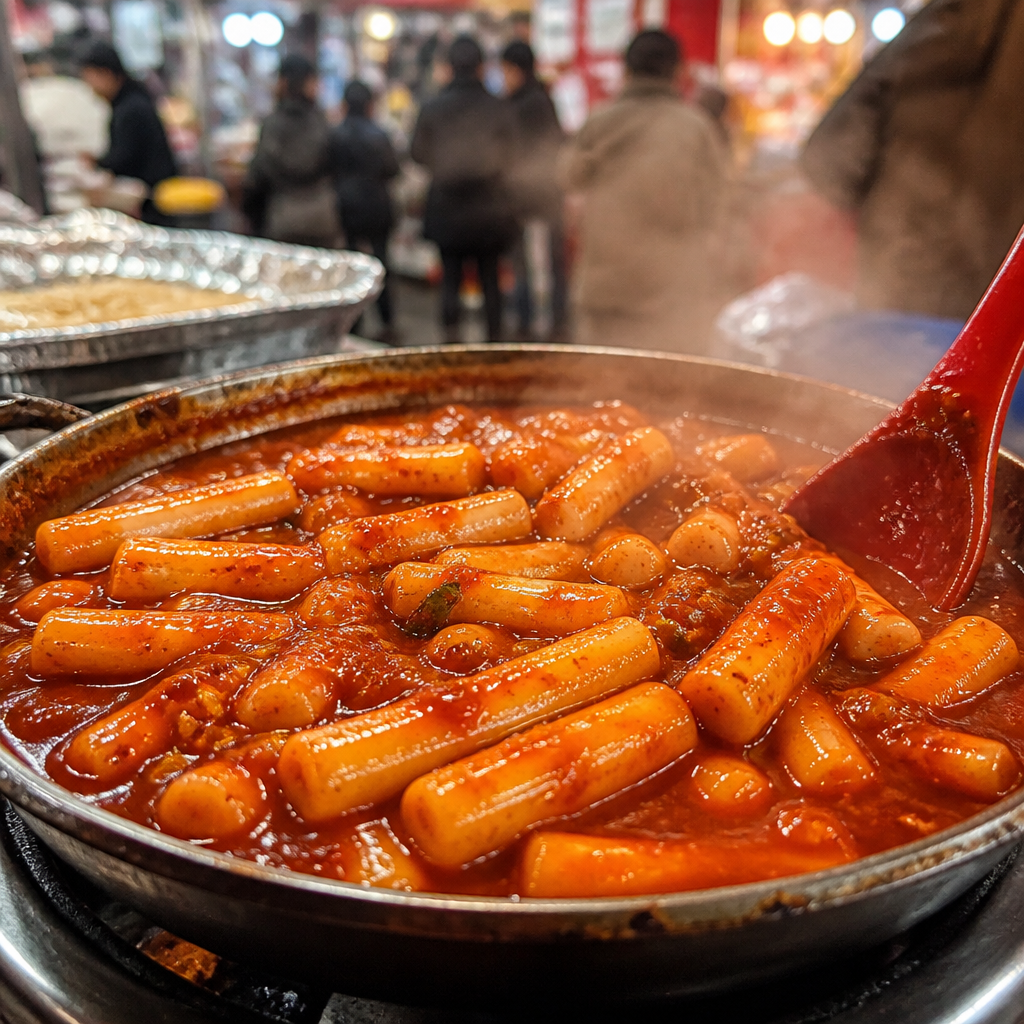
The smell of tteokbokki is just as special and welcoming as its taste – it’s often the first clue that it’s nearby in a lively Korean street market. It gives off a unique scent that blends sweet, spicy, and savory smells, creating an olfactory experience that's both complex and incredibly tempting. You’ll definitely notice the strong smells of gochujang (fermented chili paste), fresh garlic, and often a little hint of sesame. You might also pick up a subtle, underlying fishy smell, especially if the dish uses a broth made from anchovies or has fish cakes in it.
Looking closer at the main scent molecules (called 'aromatic compounds'), the smell of tteokbokki comes from several key chemicals. Capsaicinoids, which are the natural compounds that make chili peppers hot, are present from both gochugaru and gochujang, adding to the spicy part of the aroma. Allicin, the powerful compound found in garlic, gives it those strong, savory notes. Also, the way gochujang is fermented creates a bunch of tiny scent particles, like organic acids and esters, which give the aged chili paste its complex and unique fragrance.
The smell of tteokbokki cooking at street stalls is especially famous. People often describe it as strong (or 'pungent'), yet it’s totally appetizing and instantly recognizable if you know Korean food. That sweet-spicy scent has an amazing ability to travel quite a distance, easily pulling people walking by closer to where it's cooking. This widespread and tempting aroma is a huge part of the whole street food experience, acting like an irresistible invitation to come and have some.
People on cooking websites and forums often share their thoughts, comparing the smell of tteokbokki to a special mix of sweet barbecue sauce with chili oil, sometimes with a tiny hint of fermented soybean. Some also say it smells similar to other well-known Korean dishes that use gochujang, like bibimbap (a mixed rice dish) or the sauce for Korean fried chicken. The overall smell is a powerful hint of the taste to come, getting all your senses ready for the delicious experience.
how spicy is tteokbokki
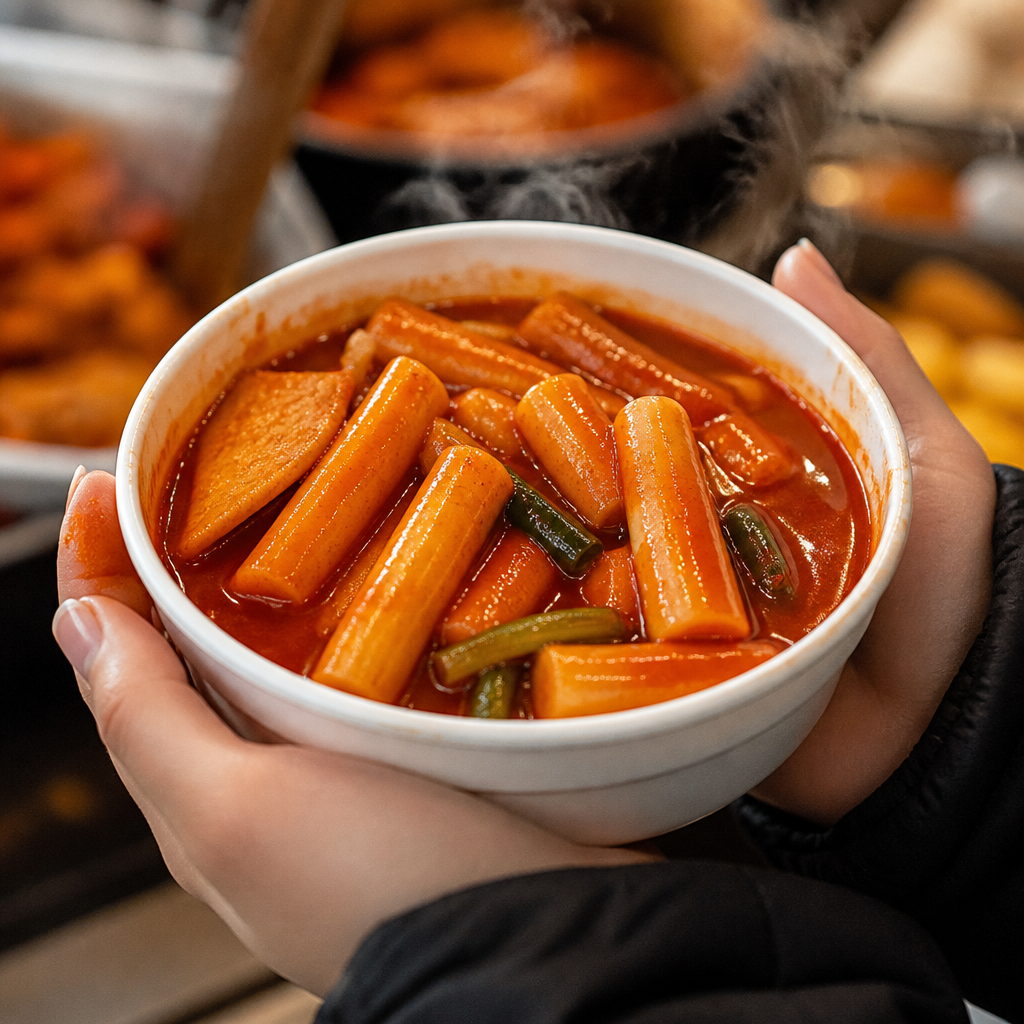
The spiciness of tteokbokki is definitely a key part of its flavor, but it’s often more complex and varied than you might first think. Classic tteokbokki usually falls in the range of mild to moderately spicy, a heat level often compared to jalapeño peppers (2,500-8,000 Scoville Heat Units). It's really important to remember that _the actual spiciness can change a lot depending on the specific recipe and cook_.
Different restaurants and recipes often have their own spice levels. Regular street-style tteokbokki is usually seen as medium-spicy (called bo-tong-mat, or 보통맛) for people who are used to Korean food. For those new to Korean cuisine, this amount of heat might feel quite spicy. To make sure everyone can enjoy it, you can often find mild versions (sun-han-mat, or 순한맛) and super-spicy versions (mae-un-mat, or 매운맛), letting you pick the perfect heat for you.
One cool thing about tteokbokki's heat is how you feel it. The spiciness often creeps up on you slowly, instead of hitting you right away with a sharp burn. The sweetness in the dish tends to hide some of the heat at first, making it seem milder than it is with the initial bite. But as you keep eating, the effect of the capsaicin (the stuff that makes chilies hot) gets stronger, leading to a nice, lasting warmth rather than a sudden, overwhelming burning feeling.
Chef Judy Joo, a well-known Korean-American chef, gives her expert take on tteokbokki's spice. She describes the dish's heat level as very friendly and easy to handle, designed to be a sweet-spicy snack where the warmth complements rather than overpowers the other tastes. Her view really emphasizes that tteokbokki is made to be enjoyed, with its spiciness meant to boost the whole taste experience, not take it over. This balance is a big reason why it’s so loved as a comfort food.
To give you a better idea, on the general Korean spice scale, standard tteokbokki usually scores around a 2-3 out of 5. This means it's milder than super-hot dishes like buldak ('fire chicken') or jjamppong (spicy seafood noodles), which are famous for their extreme heat. However, it's generally spicier than milder Korean foods like bulgogi (marinated grilled beef) or japchae (stir-fried glass noodles).
How to Enjoy Tteokbokki
what to eat with tteokbokki
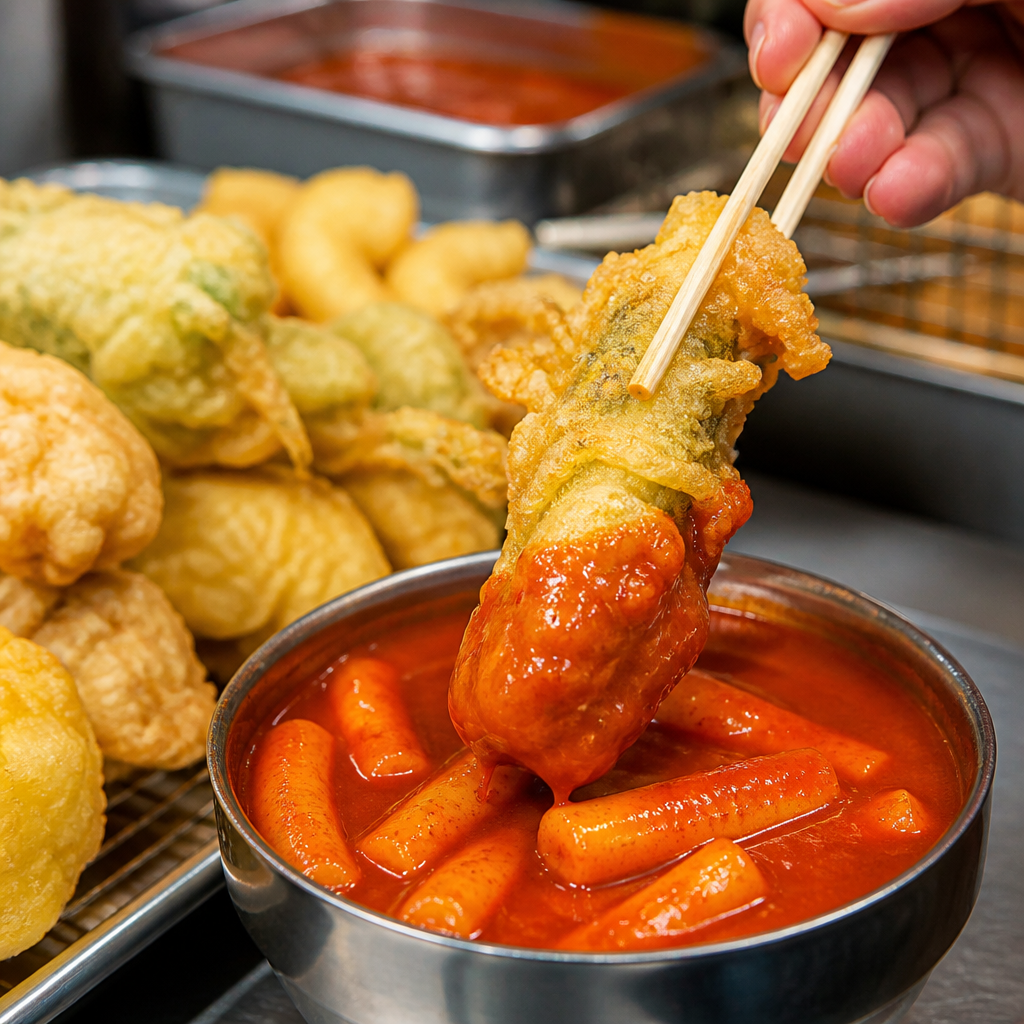
In Korea, tteokbokki is hardly ever eaten alone; it’s usually part of a bigger food adventure! It’s often enjoyed with a variety of other Korean street foods and side dishes that perfectly match its flavors and textures. These pairings are a huge part of the 'bunsik' (snack food) culture, where you mix and match different items to create a really satisfying and varied meal. Popular companions for tteokbokki include twigim (Korean fried foods), sundae (Korean blood sausage), crispy fried dumplings called mandu, extra fish cakes (eomuk), and gimbap (seaweed rice rolls). Each of these additions brings its own special taste and feel to your dining experience.
| Pairing Item | Description | Why it Works |
|---|---|---|
| Twigim | Assorted deep-fried items (e.g., shrimp, squid, vegetables) | The crispy texture provides a wonderful contrast to the chewy rice cakes, and they are perfect for dipping in the sauce. |
| Sundae | Korean blood sausage, often served steamed. | Its savory, earthy flavor complements the sweet and spicy tteokbokki sauce. |
| Mandu | Fried or steamed dumplings, usually filled with meat and vegetables. | The crispy or soft dumpling skin and savory filling are delicious when coated in the rich sauce. |
| Gimbap | Seaweed rice rolls filled with various ingredients. | A milder, savory option that helps balance the spiciness of the main dish. |
| Eomuk | Fish cakes, often served on skewers in a light broth. | Their bouncy texture and savory flavor add another layer to the tteokbokki. |
The absolute classic and most loved combination is definitely tteokbokki with twigim. This means taking those crispy fried goodies and dipping them right into the rich, spicy-sweet tteokbokki sauce. The amazing contrast between the crunchy coating of the twigim and the soft, chewy, spicy rice cakes creates a truly wonderful mix of textures and flavors that everyone loves.
Today, tteokbokki restaurants have also welcomed modern, 'fusion' additions. It’s very common to find tteokbokki served with melted cheese, often mozzarella, which adds a creamy, savory touch that also helps to calm down the spice. Another popular addition is ramen noodles, which gives us rabokki – a delicious fusion dish that combines the chewy rice cakes with springy noodles. Boiled eggs, extra green onions, and a sprinkle of sesame seeds are also often added for more flavor and texture.
Famous food writer and Korean cooking expert, Maangchi (Emily Kim), beautifully sums up why and how tteokbokki is eaten in Korea.
"Tteokbokki is rarely eaten alone in Korea—it's part of a 'bunsik' (snack food) culture where you mix and match different fried and spicy items… The combination of crispy twigim soaked in tteokbokki sauce is a textural experience that's greater than the sum of its parts."
Ultimately, tteokbokki is usually eaten as a snack or a lighter meal, not typically as a heavy main course. It’s often shared with friends at lively street stalls or savored as a comforting treat after school, which is why having those extra side items is so important for a truly satisfying experience. The joy of sharing and mixing different elements makes enjoying tteokbokki a social and delightful food adventure.

Emily Carter is an American food lover who writes about Korean cuisine for people trying it for the first time. She covers what things taste like, how to eat them, and what to cook with them.