mul naengmyeon vs bibim naengmyeon: 7 Key Differences Revealed
Korean cuisine is celebrated globally for its vibrant flavors. Among its most beloved dishes are naengmyeon, or cold noodles, which offer a refreshing escape, especially during warmer weather. Naengmyeon comes in two primary variations: mul naengmyeon and bibim naengmyeon. While they share the same type of noodle, they present distinct culinary experiences. Understanding these differences helps to fully discover the unique appeal of each.
Key Differences Between Mul Naengmyeon and Bibim Naengmyeon
What Are the Key Differences Between Mul Naengmyeon vs Bibim Naengmyeon?
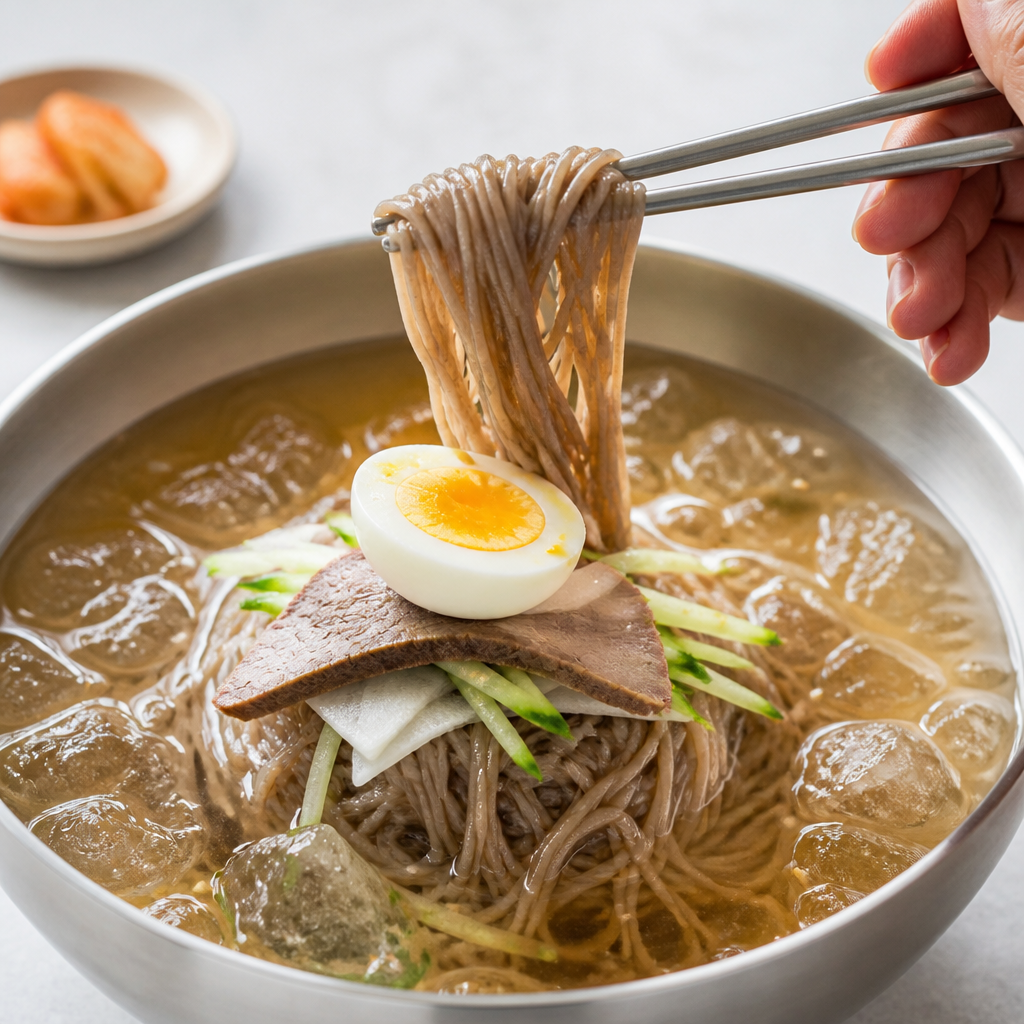
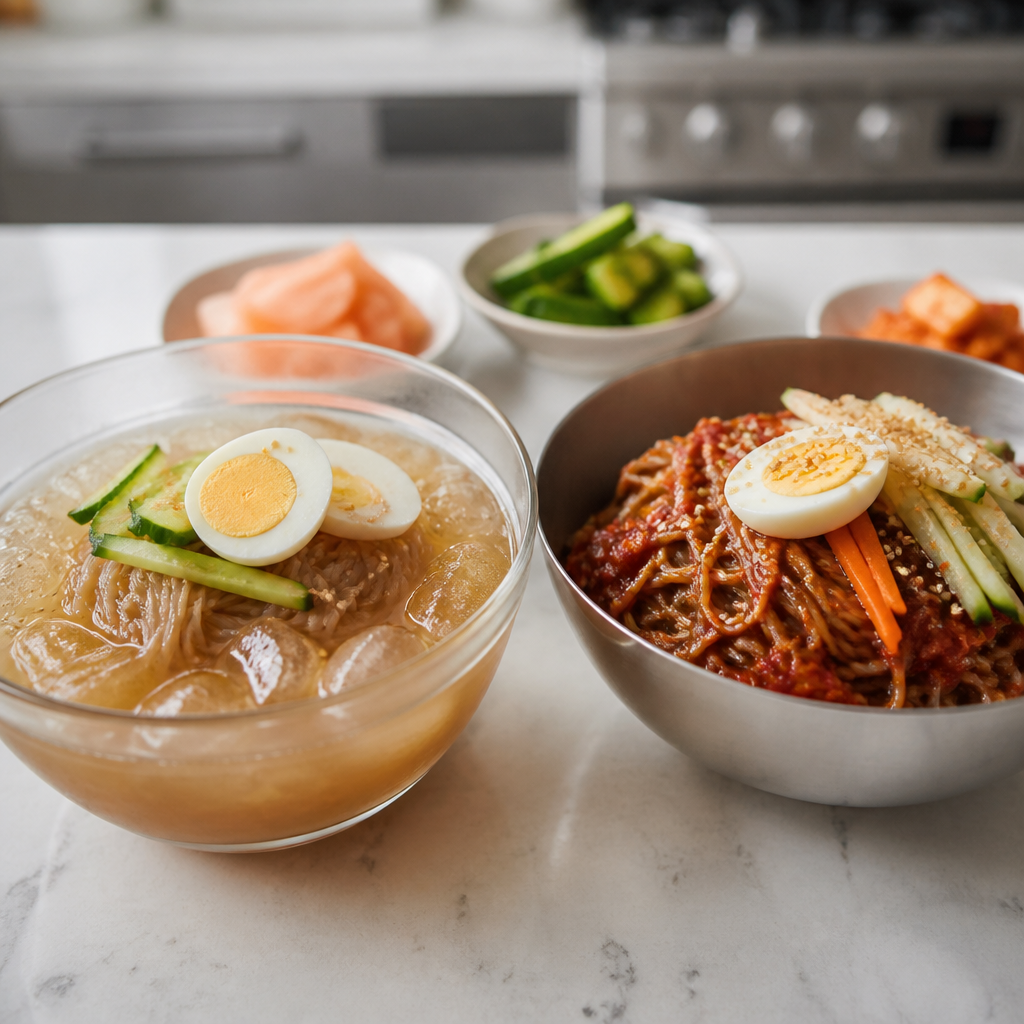
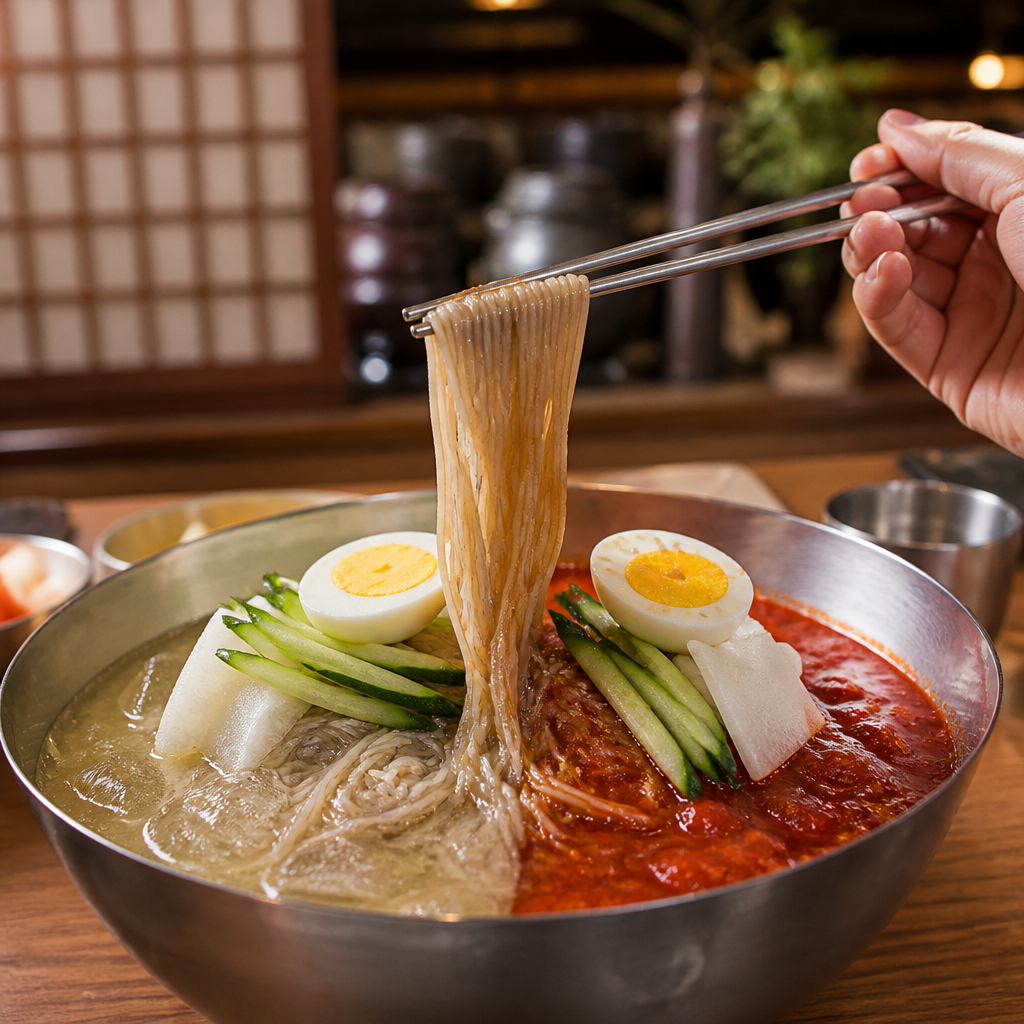
At its heart, mul naengmyeon is a cold noodle dish served in a chilled, savory broth, while bibim naengmyeon uses the same noodles tossed with a bright, spicy-sweet sauce. The broth-based dish traces its origins to Pyongyang, known for its delicate flavors, while the spicy version hails from the Hamhung region, famous for its bolder cuisine. Refugees brought these culinary traditions to South Korea after the Korean War, where they quickly gained nationwide popularity.
Traditionally, the chilled noodle soup is considered the quintessential summer dish, designed to combat the heat. The brothless counterpart, with its robust, spicy profile, is enjoyed year-round. Both typically feature memil guksu, noodles made from buckwheat, though modern variations sometimes incorporate sweet potato starch for an even chewier texture.
A significant difference lies in their serving temperature and preparation, with the broth-based dish served ice-cold and its saucy counterpart simply chilled. When eating the watery cold noodles, diners often use scissors to cut the long, chewy noodles into more manageable lengths. _Diners should use the provided scissors, as the noodles can be exceptionally long and chewy._ For the spicy mixed noodles, the aim is to thoroughly mix the noodles and toppings with the sauce, ensuring every strand is coated.
Mul Naengmyeon Broth Flavor Profile
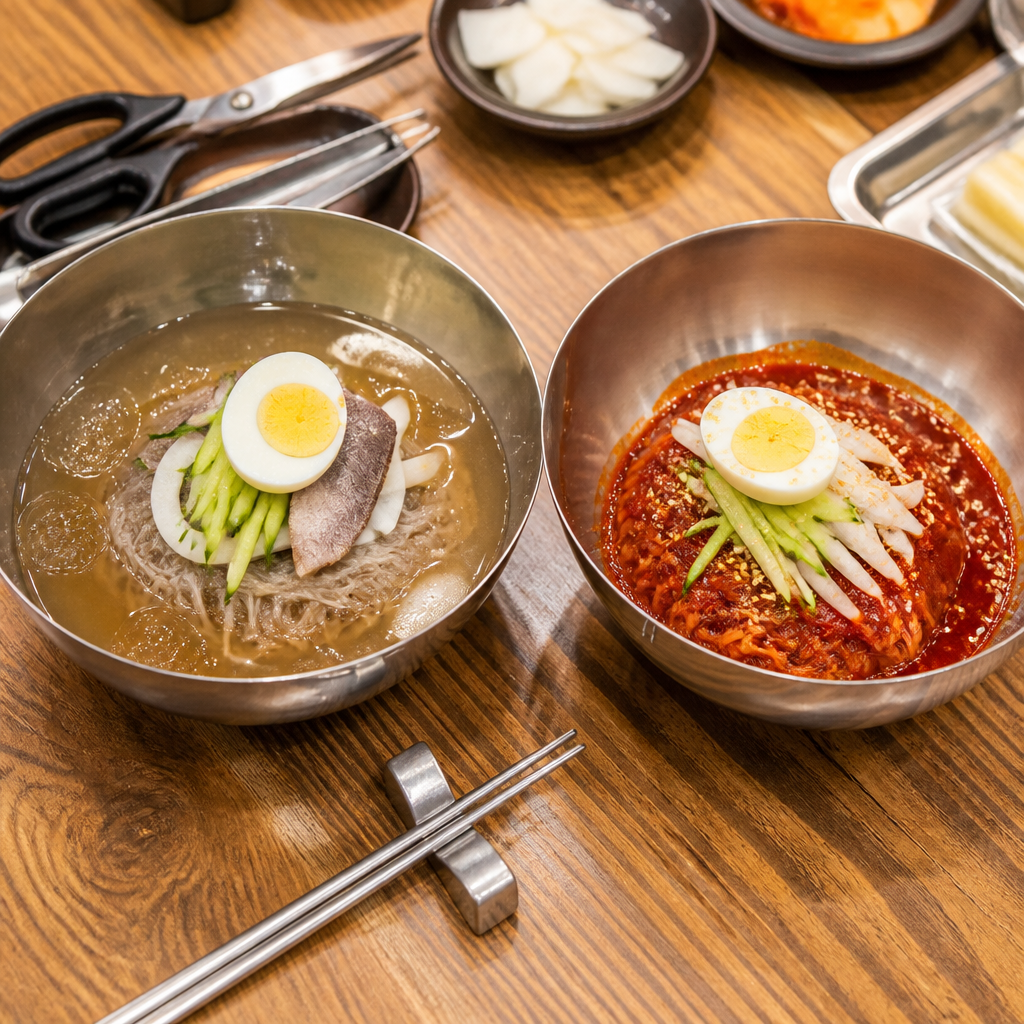
The broth in mul naengmyeon offers a clean, refreshing, and subtly savory taste. It's typically crafted from simmering beef brisket and combined with dongchimi (a watery radish kimchi). This creates a delicate balance of umami and a slight tanginess. The taste is intentionally mild, avoiding richness, a quality enhanced by its nearly frozen serving temperature.
Chef Edward Lee, a James Beard Award-winning chef, describes the broth as "deceptively simple—it's about restraint and balance, where the cold temperature amplifies the subtle beef umami and the gentle acidity from fermented radish water creates a palate-cleansing effect."
Traditional seasonings like vinegar and gyeoja (a potent Korean mustard oil) are typically provided on the side. This allows you to adjust the acidity and pungency to your preference, enabling a personalized balance of tang and heat that makes each bite uniquely satisfying.
What Are the Spicy Sauce Ingredients in Bibim Naengmyeon?
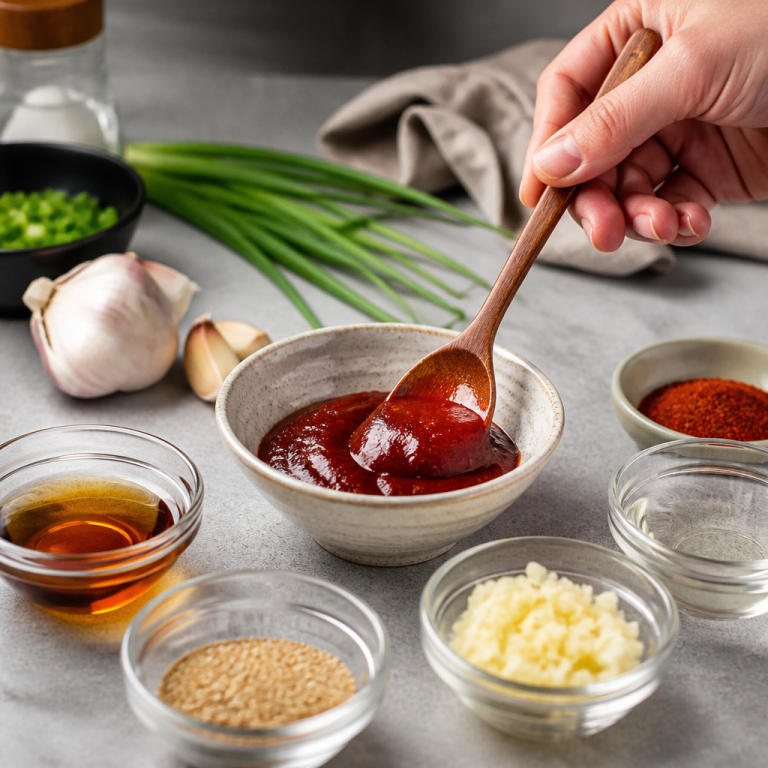
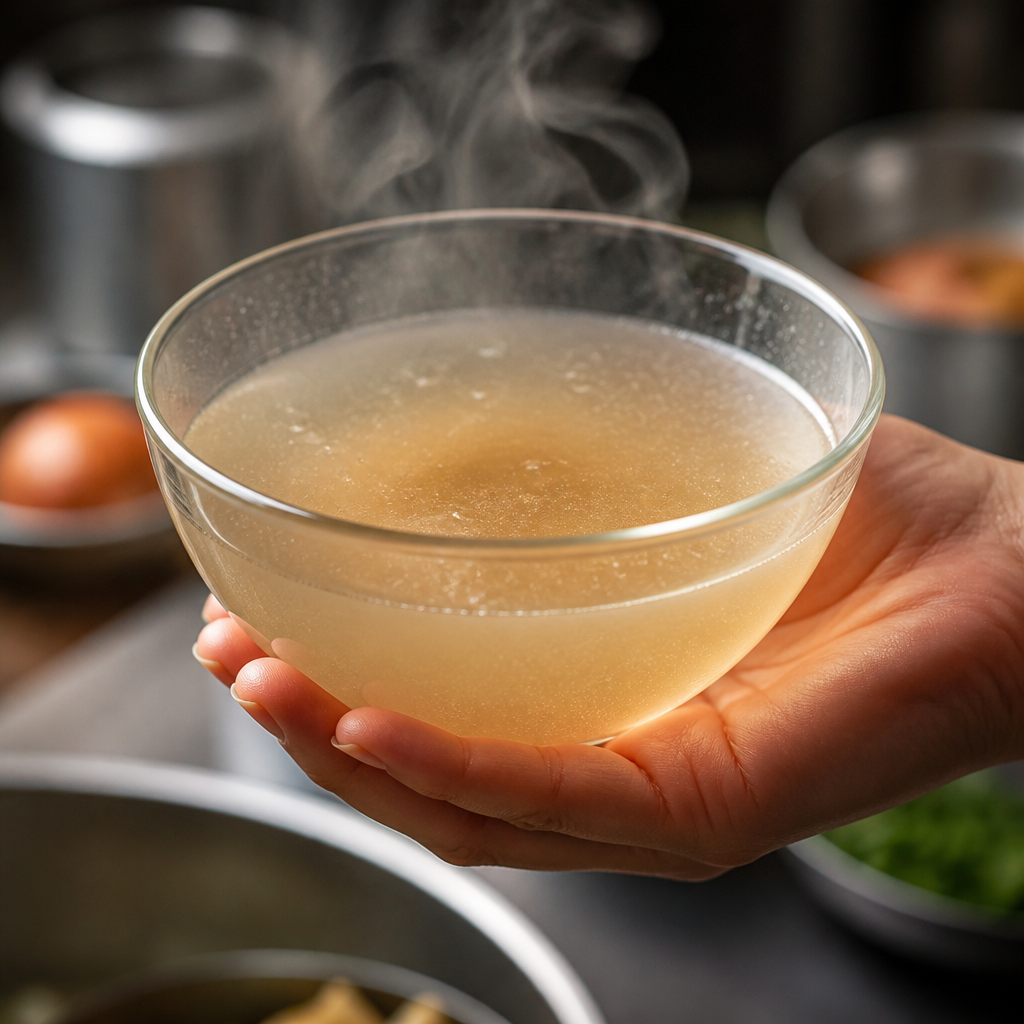
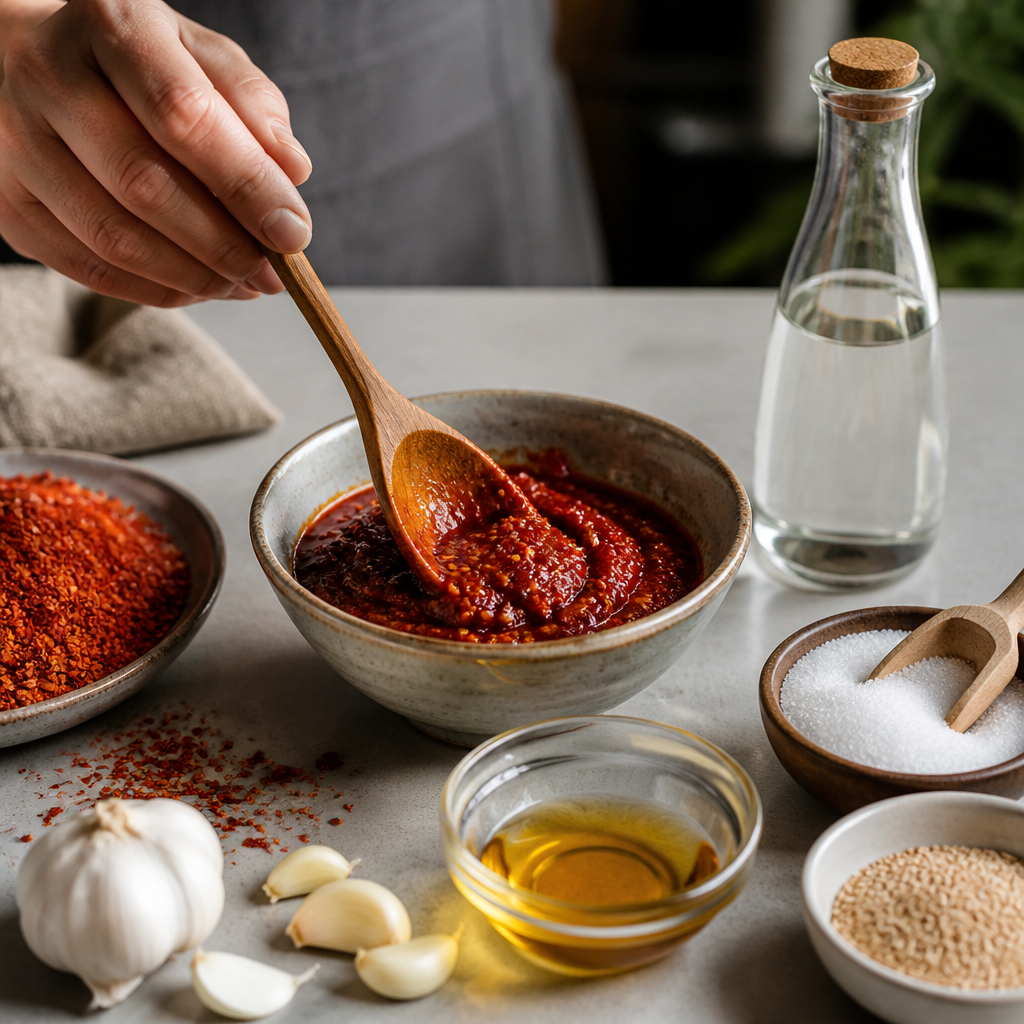
The sauce for bibim naengmyeon provides a complex blend of spicy, sweet, and tangy notes. Its core components include gochujang (Korean red chili paste), gochugaru (Korean chili flakes), sugar, vinegar, garlic, and sesame oil. Sweetness from sugar or fruit purees plays a crucial role in balancing the heat. Acidic elements like rice vinegar introduce a vital tanginess that cuts through the sauce's richness.
Aromatic ingredients such as minced garlic and toasted sesame oil add savory depth and a nutty fragrance. According to cooking expert Maangchi (Emily Kim), achieving an excellent sauce hinges on the precise balance of these elements. The secret lies not just in the heat, but in the delicate interplay of sweetness and tang that makes you crave another bite.
Mul Naengmyeon vs Bibim Naengmyeon Toppings
Both noodle dishes feature several classic toppings that contribute flavor and texture. Common garnishes include:
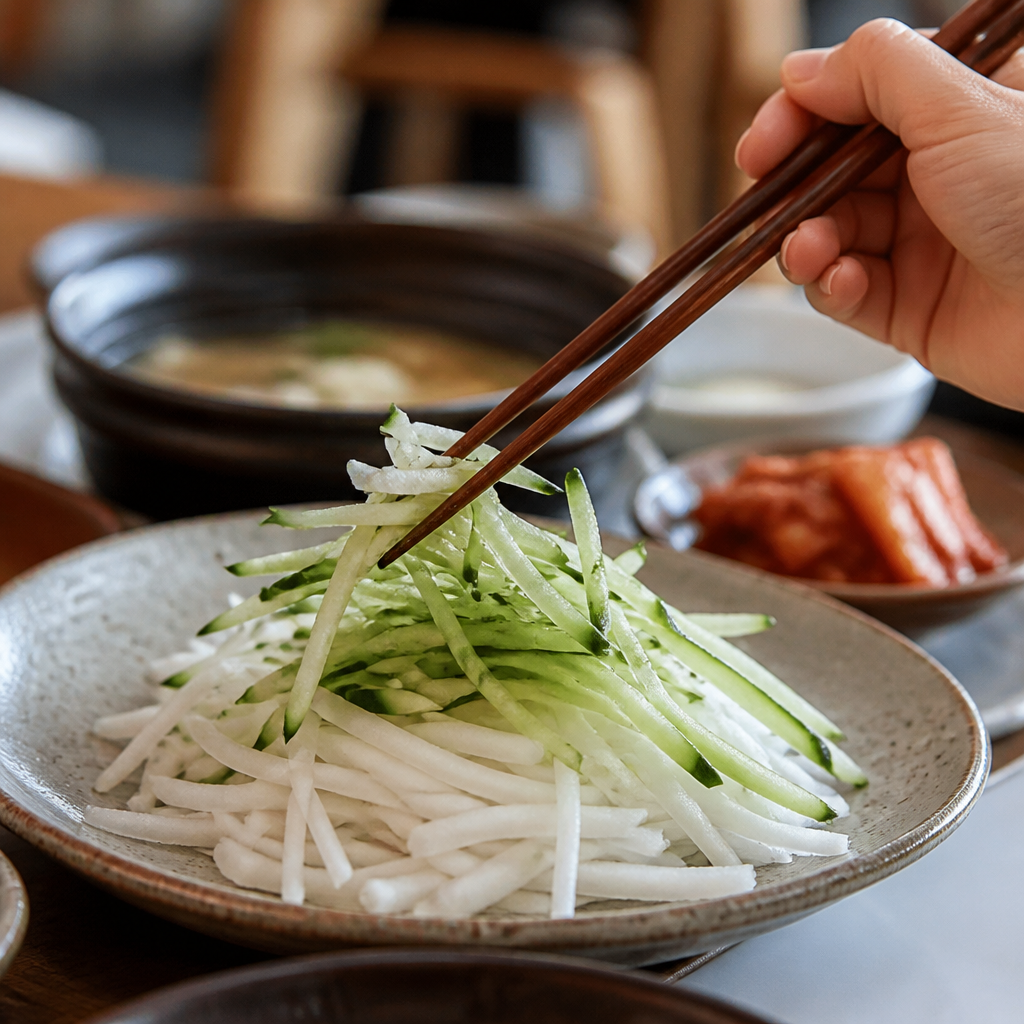
- Julienned cucumber
- Slices of Korean pear
- A halved boiled egg
- Thin slices of beef brisket
However, each style also incorporates specific additions that complement its unique character. The toppings in the broth-based dish are enjoyed alongside the broth, while the toppings for the spicy noodles are fully combined with the sauce.
| Topping Comparison | Mul Naengmyeon | Bibim Naengmyeon |
|---|---|---|
| Standard Protein | Boiled Beef Brisket | Boiled Beef Brisket or Raw Fish (Hoe) |
| Unique Additions | Slices of dongchimi radish, ice cubes | Raw fish (hoe) such as skate, flatfish, or pollock |
| Garnishing Style | Minimal, to preserve the broth's clarity | Generous, as toppings are mixed into the sauce |
Nutrition and Health Comparison

Mul Naengmyeon vs Bibim Naengmyeon Calories
Regarding calorie content, mul naengmyeon typically contains fewer calories, usually ranging between 400-500 per serving. In contrast, bibim naengmyeon generally has more, falling between 500-650 calories. This difference is primarily due to the richer gochujang-based sauce, sesame oil, and sometimes additional toppings found in the spicier dish.
The buckwheat noodles contribute a similar number of calories to both, but the broth in the watery noodles adds very few calories (30-50). However, the spicy sauce can add a substantial 150-200 calories due to its sugar, oil, and chili paste content. The brothless version also tends to have significantly more fat and added sugar.
Which is Healthier: Mul Naengmyeon or Bibim Naengmyeon?
Generally, mul naengmyeon is often considered the healthier choice between the two. It typically has fewer calories, less sodium, minimal added sugars, and a lower fat content, which can be beneficial for weight management or heart health.
In terms of sodium, the broth-based dish contains approximately 800-1,200mg per serving. The saucy version, however, can range from 1,200-1,800mg. _The higher sodium level in bibim naengmyeon can easily exceed 50% of the daily recommended intake for adults._ While the spicy dish provides capsaicin from chili peppers, which may boost metabolism, these benefits might be offset by its higher sodium and sugar content. To make either dish healthier, consider requesting less sauce or broth seasoning and adding extra vegetables.

Where to Experience Both Styles
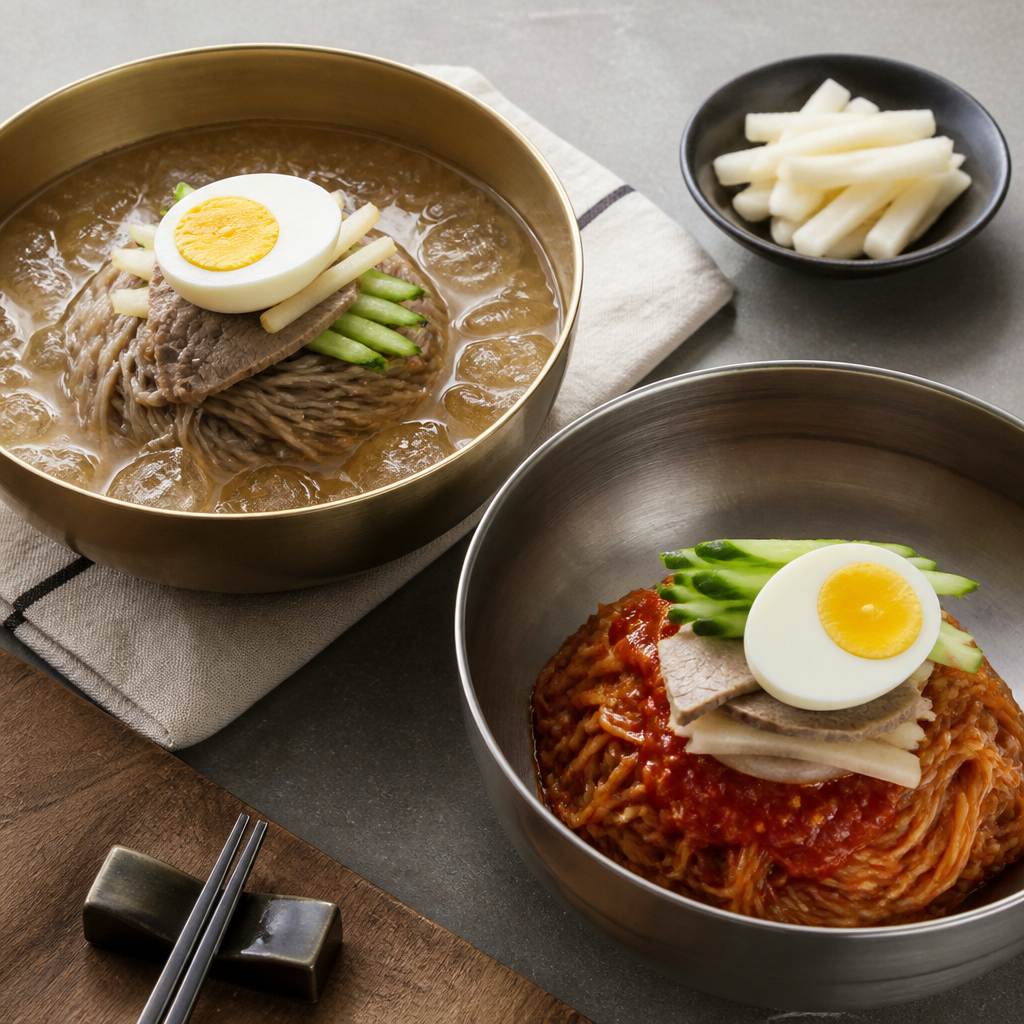
Experiencing both mul naengmyeon and bibim naengmyeon side-by-side is an excellent way to discover your personal preference. Many traditional naengmyeon restaurants in Korea feature both versions on their menus, making it common for groups to order both to share and compare.
Best Naengmyeon Restaurants to Try Both Styles
In Seoul, several renowned restaurants are celebrated for their authentic cold noodles. Woo Lae Oak, established in 1946, is an iconic destination for its North Korean recipes. Michelin Bib Gourmand recipients like Eulji Myeonok and Pildong Myeonok are highly praised for their subtle broth and balanced sauces. For those craving Hamhung-style dishes, Hamhung Myeonok is particularly esteemed for its spicy version. _For the most authentic and historical dining experience, visiting restaurants in Seoul's Jung-gu district is often recommended._
Matt Rodbard, editor-in-chief of TASTE magazine, suggests that "first-timers should order both styles at restaurants like Woo Lae Oak or Eulji Myeonok to understand the fundamental difference—the mul naengmyeon showcases the restaurant's broth-making skill, while the bibim reveals their sauce balance; trying both side-by-side is the best way to discover your preference."
Whether you're drawn to the refreshing chill of a savory, icy broth or the bold kick of a spicy sauce, both dishes promise a unique culinary adventure. Each offers a delicious journey into the heart of Korean cold noodle culture. Exploring both styles is about appreciating the incredible diversity and artistry within this beloved Korean staple.

Emily Carter is an American food lover who writes about Korean cuisine for people trying it for the first time. She covers what things taste like, how to eat them, and what to cook with them.