what to eat with tteokbokki: 10 Delicious Pairings
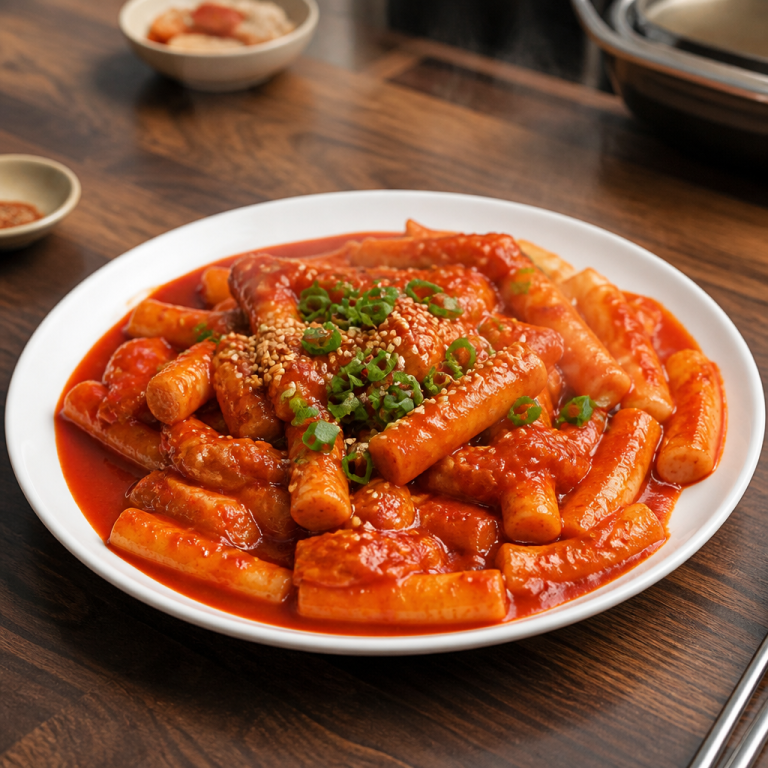
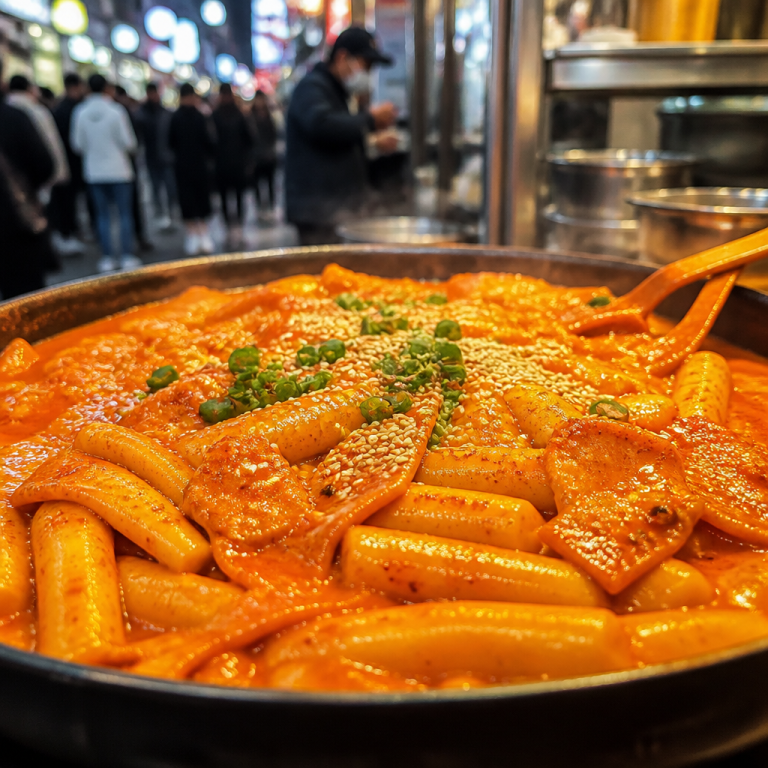
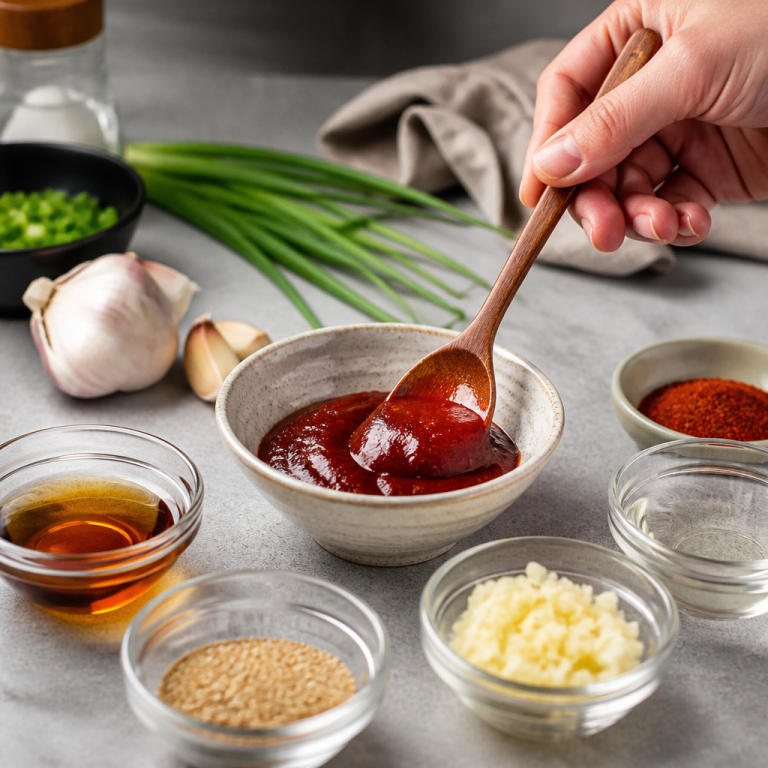
My love for tteokbokki started years ago while studying abroad in Seoul. I still clearly remember the first time I discovered a busy street food stall in Myeongdong on a chilly October evening. The sweet, spicy scent of the bubbling red sauce, the steam rising into the cool air, and the cheerful chatter of people gathered around all drew me in. That first bite of a chewy rice cake coated in that incredible gochujang sauce was a revelation. From that moment, I realized that while tteokbokki is amazing on its own, the experience is truly elevated when paired with the right companions. These additions don’t just enhance the flavor; they create a balanced meal, offering contrasts in taste and texture that make every bite more enjoyable.
Food Pairings for Tteokbokki
Exploring tteokbokki pairings reveals a thoughtful approach to balancing flavors and textures, characteristic of Korean cuisine. These complementary dishes aim to enhance the spicy, sweet, and chewy nature of the rice cakes, often by introducing elements that are fried, rich in protein, or refreshingly crisp. Discover the perfect companions that will elevate your tteokbokki experience, making it a versatile dish that can be customized to suit any occasion or craving. A great tteokbokki meal is all about the synergy between the main dish and its supporting cast.
What Foods Pair Well with Tteokbokki?
Foods that pair well with tteokbokki are carefully selected to complement its signature spicy, sweet, and chewy characteristics. These pairings typically include a variety of fried items, protein-rich additions, and refreshing vegetables, all designed to offset the heat and richness of the main dish. The strategic combination of these elements helps cleanse the palate, add textural contrast, and provide a fuller nutritional profile to the meal.
Popular pairing categories in Korean food culture include fried foods (twigim), traditional side dishes (banchan), various proteins, and modern additions like cheese. The table below summarizes key pairings and their roles.
| Pairing Category | Examples | Purpose & Flavor Profile |
|---|---|---|
| Fried Foods (Twigim) | Fried squid, sweet potato, seaweed rolls (gimmari) | Adds a crispy texture to contrast the chewy rice cakes. |
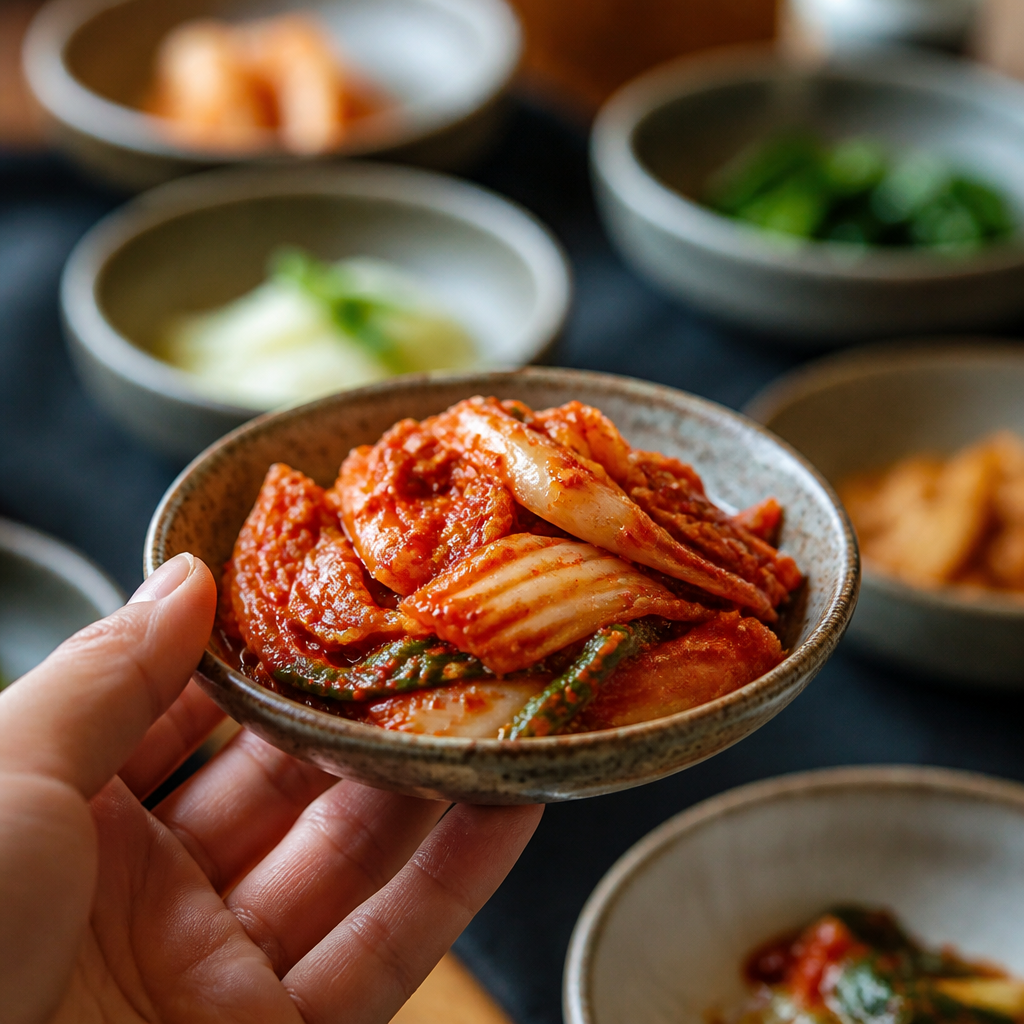
| Traditional Banchan | Pickled radish (danmuji), kimchi | Provides a refreshing, acidic crunch to cleanse the palate. |
| Protein Additions | Fish cakes (eomuk), boiled eggs, dumplings (mandu) | Makes the meal more substantial and adds savory flavors. |
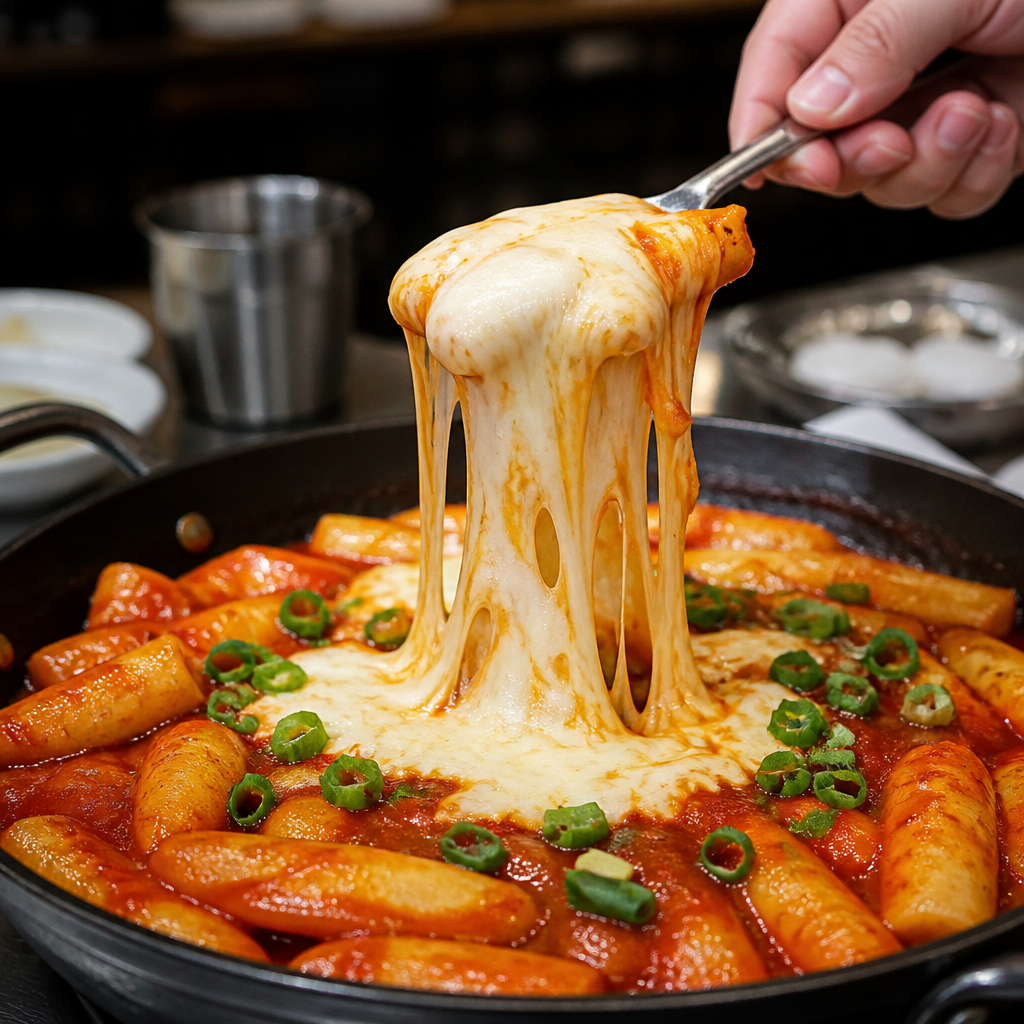
| Modern Additions | Mozzarella cheese | Adds a creamy, gooey texture and helps milden the spice. |
| Vegetables | Scallions, cabbage, perilla leaves | Adds freshness, crunch, and nutritional balance. |
Dairy products, especially cheese, have become a significant modern pairing. The casein protein in dairy effectively binds to capsaicin molecules (the source of heat in chili peppers) and washes them away, providing scientific relief from spiciness. This makes melted mozzarella not just a tasty addition but also a functional one.
What are the Best Side Dishes for Tteokbokki?
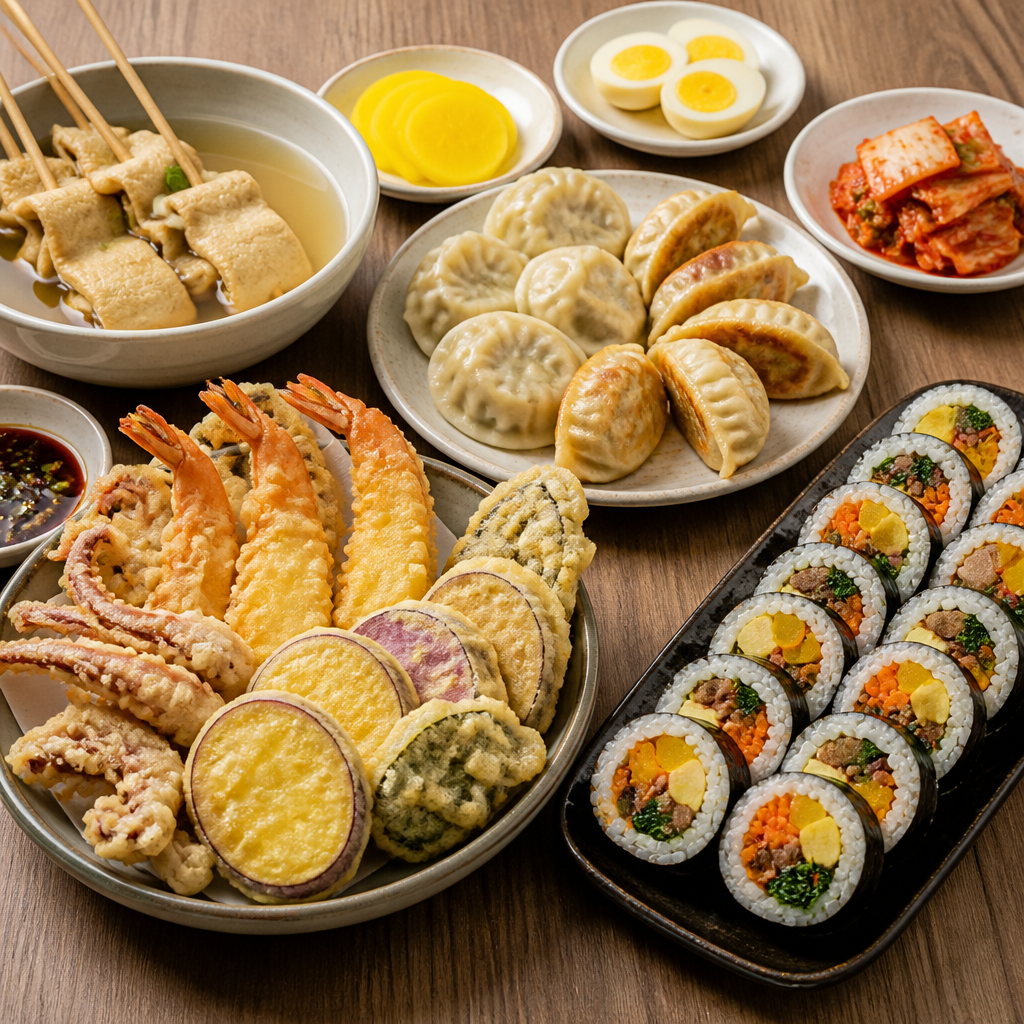
The best side dishes for tteokbokki create a harmonious meal, offering textures and flavors that complement the spicy main dish. These complementary Korean dishes often include fried items (twigim), kimbap, dumplings, and various banchan. The selection of side dishes is crucial for enhancing overall enjoyment, providing relief from the heat, and adding nutritional variety.
- Twigim (Korean Tempura): These fried items are a top pairing. Popular varieties include fried squid, shrimp, sweet potato, and seaweed rolls (gimmari). The crispiness offers a delightful textural contrast to the soft rice cakes, and they are perfect for dipping into leftover tteokbokki sauce.
- Kimbap (Seaweed Rice Rolls): As a mild and filling side, kimbap provides a refreshing break from the intense spice. Dipping slices of kimbap into the tteokbokki sauce is a common and beloved way to enjoy this iconic combination.
- Mandu (Korean Dumplings): Whether steamed or fried, mandu offers a savory, meaty or vegetable-filled bite that adds another layer of flavor and texture.
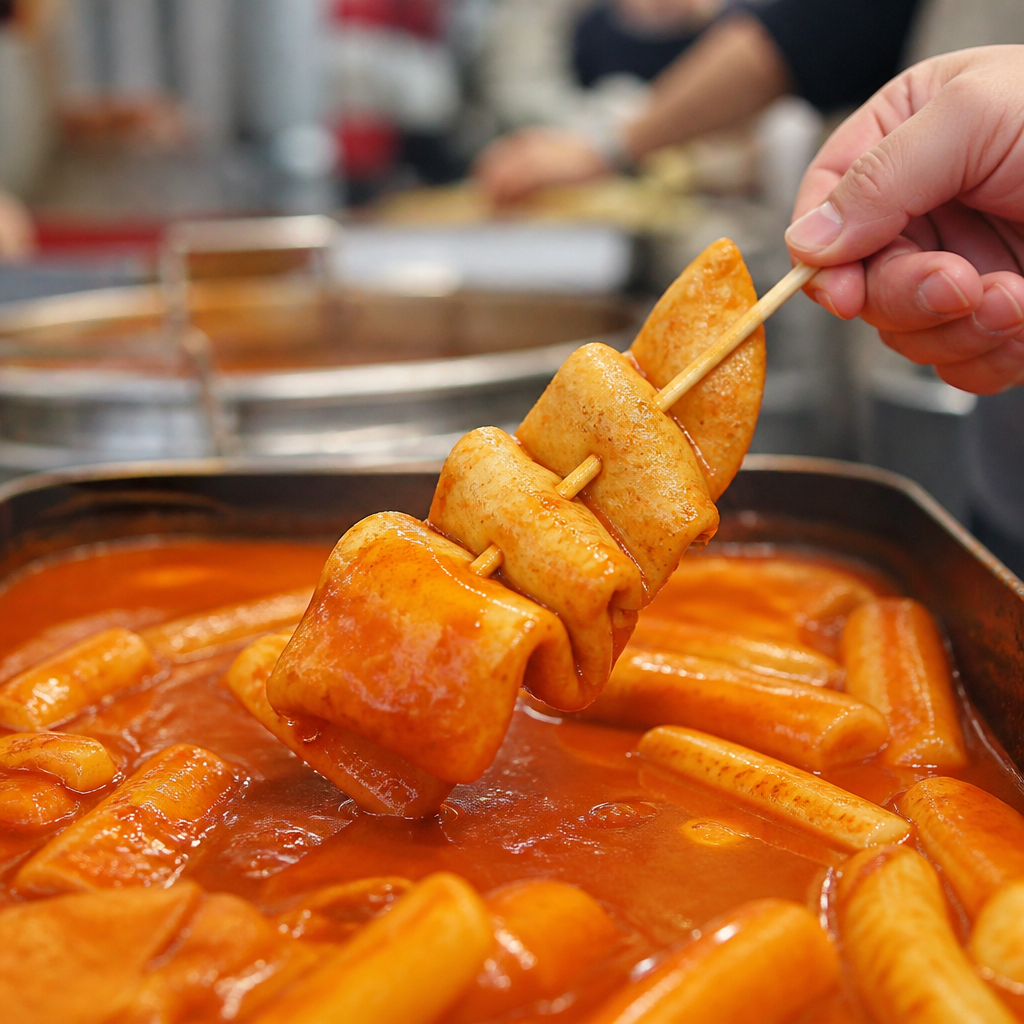
- Odeng (Fish Cake Skewers): Served in a light, savory broth, odeng offers a soothing contrast to the spiciness of tteokbokki. The warm broth is comforting and helps cleanse the palate.
- Danmuji (Pickled Radish): This essential banchan should not be overlooked. Its distinct sweet-sour-crunchy profile is incredibly effective at cutting through the richness and heat of tteokbokki.
- Boiled Eggs: Commonly added as a protein-rich side, the creamy yolk of a boiled egg helps moderate spice levels and adds a comforting element to the meal.
Tteokbokki Topping Ideas
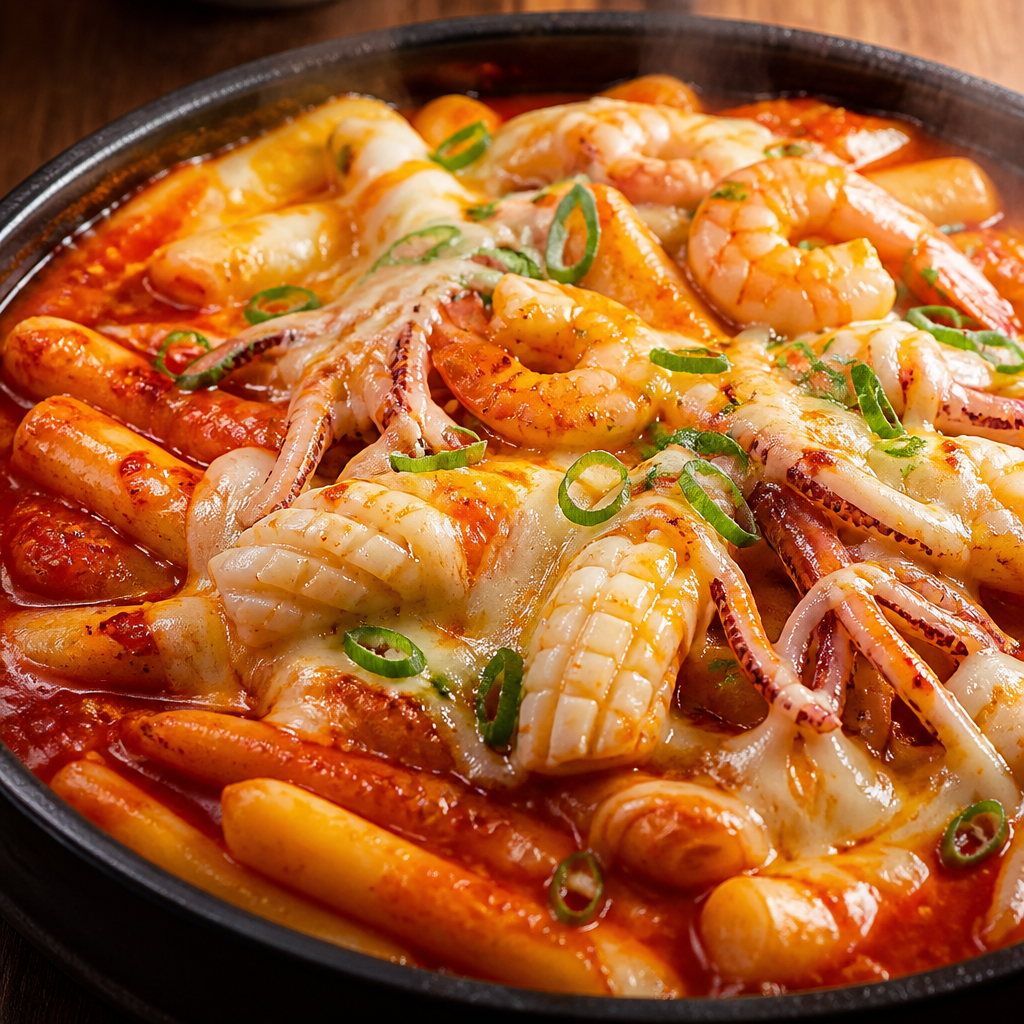
Tteokbokki toppings enhance its flavor, texture, and visual appeal, allowing for endless customization. These range from traditional ingredients to innovative modern additions that can transform a basic dish into a gourmet experience.
- Modern Cheese Toppings: Mozzarella is a top choice for its stretchy texture, while cheddar offers a sharper flavor. This trend is significant, with cheese-topped tteokbokki menu appearances growing 156% from 2020-2024.
- Traditional Protein Toppings: Fish cakes (eomuk), boiled eggs, Korean blood sausage (sundae), and dumplings (mandu) are classic choices that make the dish heartier. Adding ramen noodles creates rabokki, an even more substantial meal.
- Fresh Vegetable Toppings: Scallions are frequently used for their fresh flavor and vibrant color. Cabbage adds a pleasant crunch, while perilla leaves offer a unique aromatic quality.
- Premium Seafood Toppings: In restaurant settings, toppings like squid, shrimp, and imitation crab elevate the dish into a more luxurious meal.
- Fusion Toppings: Reflecting modern Korean food trends, creative additions include bacon bits for a smoky crunch, corn for sweetness, and hot dogs or Spam for a savory, umami-rich component.
- Spice Boosters: For those who crave extra heat, additional gochugaru (Korean red pepper flakes) and gochujang (red pepper paste) are common toppings, _but be mindful as this can significantly increase the spice level_.
Tteokbokki Meal Combinations
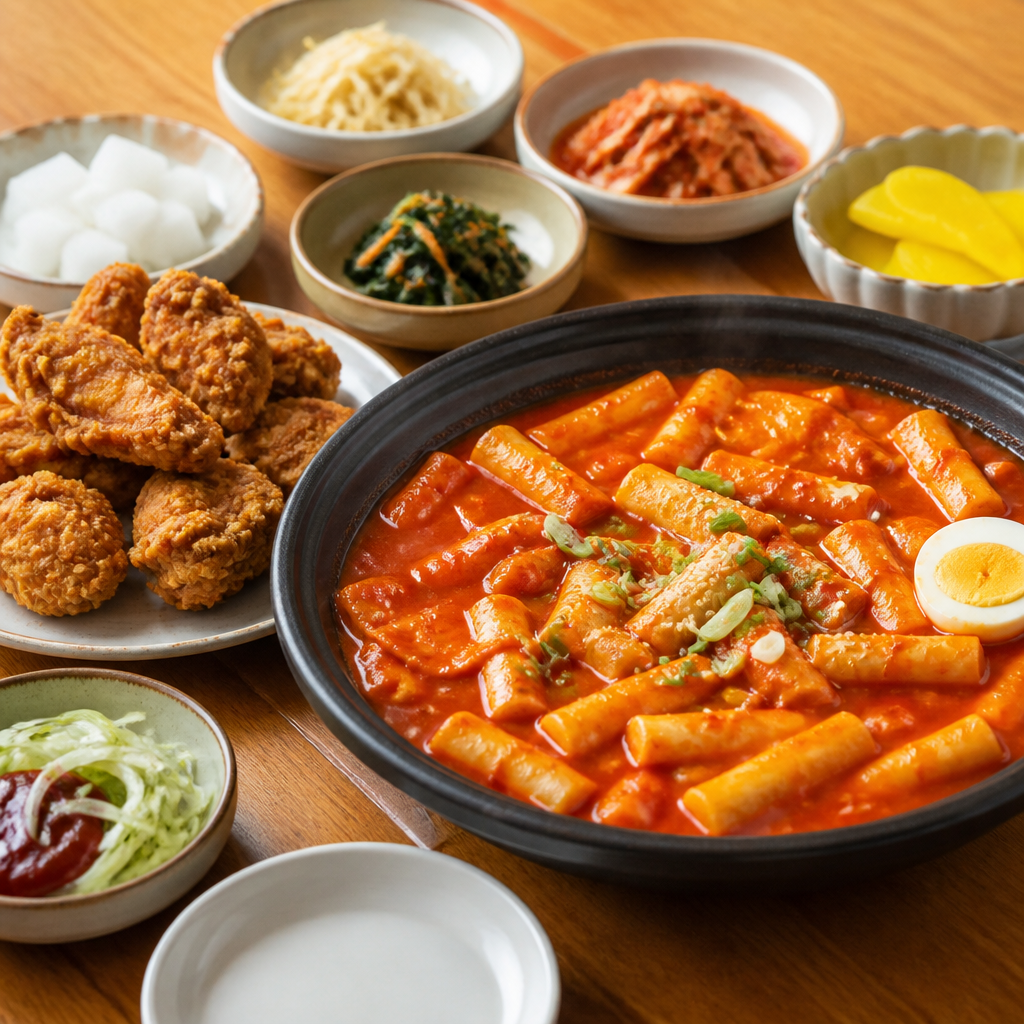
Tteokbokki meal combinations are curated sets that pair the spicy rice cakes with complementary foods and drinks to create a balanced dining experience. The goal is to offer a complete meal that delights the palate with diverse flavors and textures. The classic “tteokbokki set,” featuring tteokbokki with twigim and kimbap, is a staple in Korean food culture. Another traditional pairing is the “Tteokbokki + Sundae” combination, where Korean blood sausage is served alongside the spicy rice cakes.
Culinary experts from Le Cordon Bleu Korea emphasize that tteokbokki meal combinations embody the Korean concept of ‘bapsang’ (meal table), where variety and balance are paramount. This thoughtful approach aims to achieve ‘mat-ui jo-hwa’ (harmony of flavors) while ensuring the meal is nutritionally complete.
Modern combinations have also become popular. The “Rabokki” combination integrates instant ramen noodles directly into the tteokbokki, creating a hearty fusion dish. Another recent trend is the “Tteokbokki + Fried Chicken” pairing, which brings together two beloved Korean comfort foods for a satisfying meal, especially for delivery and takeout.
Tteokbokki Street Food and Drink Pairings
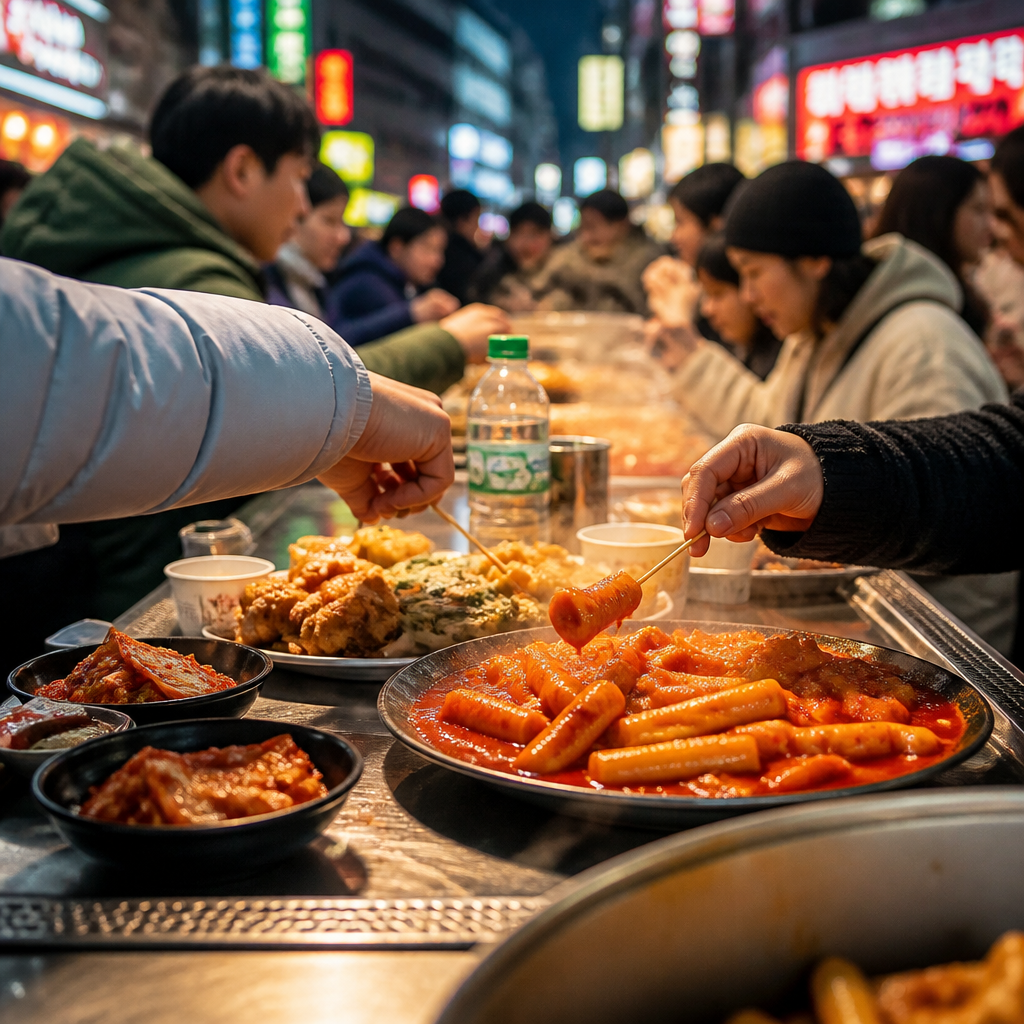
Korean street food culture is vibrant and diverse, with tteokbokki as a quintessential item. The experience of enjoying tteokbokki from a street stall, or pojangmacha, is defined by the traditional food and drink pairings that accompany it. These combinations represent authentic Korean street food traditions where multiple items are consumed together to create a rich tapestry of flavors.
Tteokbokki Street Food Pairings
Tteokbokki street food pairings are an integral part of Korean culinary identity. These combinations embody an authentic aspect of Korean street food culture, where multiple items are enjoyed together to create a balanced and satisfying meal.
Back in 2018, during my first trip to Gwangjang Market in Seoul, I vividly remember standing at a pojangmacha with friends, dipping odeng into my tteokbokki sauce while sipping the savory broth. It was a perfect, authentic street food moment.
The most traditional and iconic street food combination is the “3-piece set,” which consists of tteokbokki, twigim (fried items), and sundae (Korean blood sausage). This classic trio originated in Seoul’s Sindang-dong area during the 1950s-60s and remains a beloved choice today. Odeng, or fish cake skewers in a hot broth, is another common pairing that provides immediate and comforting relief from the fiery tteokbokki. For dessert, many enjoy hotteok (sweet Korean pancakes), a warm, chewy pancake filled with brown sugar syrup that perfectly balances the lingering heat.
What to Drink with Tteokbokki?
Choosing the right beverage is essential for enhancing the tteokbokki experience, as drinks can complement the dish’s rich flavors while providing effective relief from its spiciness.
Sweet carbonated drinks like cola and Korean lemon-lime soda are popular choices. The carbonation, sugar, and cold temperature work together to provide temporary relief from the capsaicin burn. From a scientific perspective, milk and other dairy-based drinks are considered the most effective at neutralizing spiciness. This is due to the casein protein in dairy, which binds to capsaicin molecules and helps wash them away from taste receptors. Yogurt drinks have also become a popular choice, with sales data showing a 45% increase in their purchase near tteokbokki vendors in 2024.
For adults, soju is a popular cultural pairing, especially in pojangmacha settings. However, _alcohol can actually intensify the perception of capsaicin_, making it a choice for those who enjoy the heat rather than seeking relief. While commonly consumed, water is generally the least effective drink, as it tends to spread the capsaicin around the mouth rather than neutralizing it.

FAQ
Q1: What are the most traditional side dishes to eat with tteokbokki?
A1: The most traditional side dishes for tteokbokki include twigim (Korean-style tempura, such as fried squid, shrimp, or seaweed rolls), sundae (Korean blood sausage), and odeng (fish cake skewers in broth). These items have been popular street food pairings since the mid-20th century.
Q2: Why is cheese a popular topping for tteokbokki, and does it help with spiciness?
A2: Cheese is a popular modern topping that adds a creamy, savory flavor. Scientifically, cheese can help with spiciness because its casein protein binds to capsaicin molecules, which are responsible for the burning sensation, effectively neutralizing some of the heat.
Q3: What kind of drinks are best for reducing the spiciness of tteokbokki?
A3: Milk and dairy-based drinks are scientifically the most effective at neutralizing spiciness due to their casein protein. Sweet carbonated drinks like cola or Korean cider and traditional sweet Korean drinks like sikhye (sweet rice punch) are also good options for temporary relief.
Q4: What is the “tteokbokki set” and what does it typically include?
A4: The “tteokbokki set” is a classic Korean meal combination. It typically includes tteokbokki as the main dish, accompanied by a selection of twigim (fried items), and kimbap (Korean seaweed rice rolls). This set offers a balanced meal with spicy, savory, and mild elements.
Q5: Are there any modern or fusion toppings for tteokbokki?
A5: Yes, modern fusion toppings for tteokbokki are increasingly popular. These can include bacon bits, corn kernels, hot dogs, Spam, and even creamy sauces like carbonara sauce, reflecting contemporary Korean food trends.

Emily Carter is an American food lover who writes about Korean cuisine for people trying it for the first time. She covers what things taste like, how to eat them, and what to cook with them.