What Is Rose Tteokbokki? 5 Delicious Facts to Know
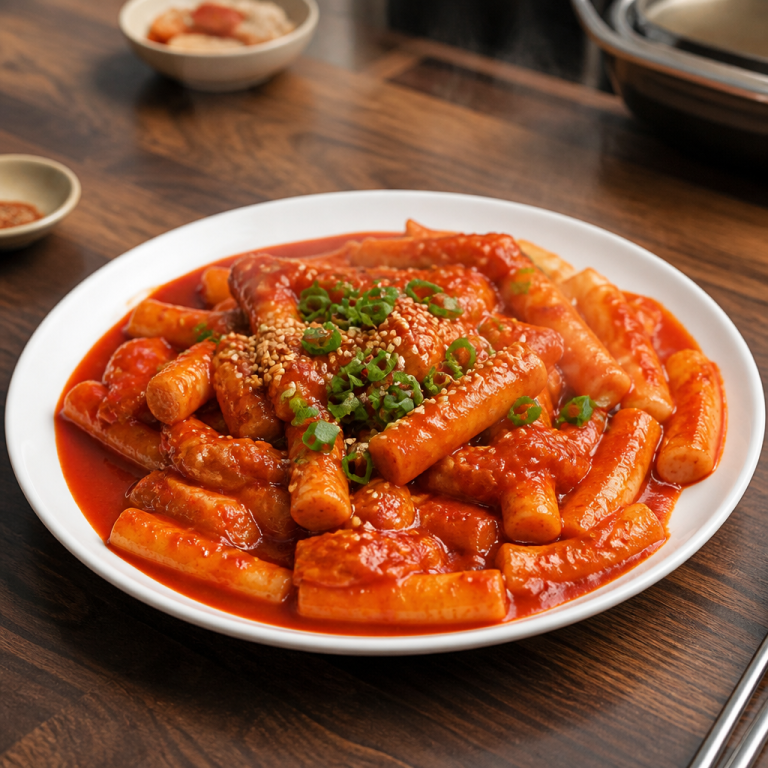
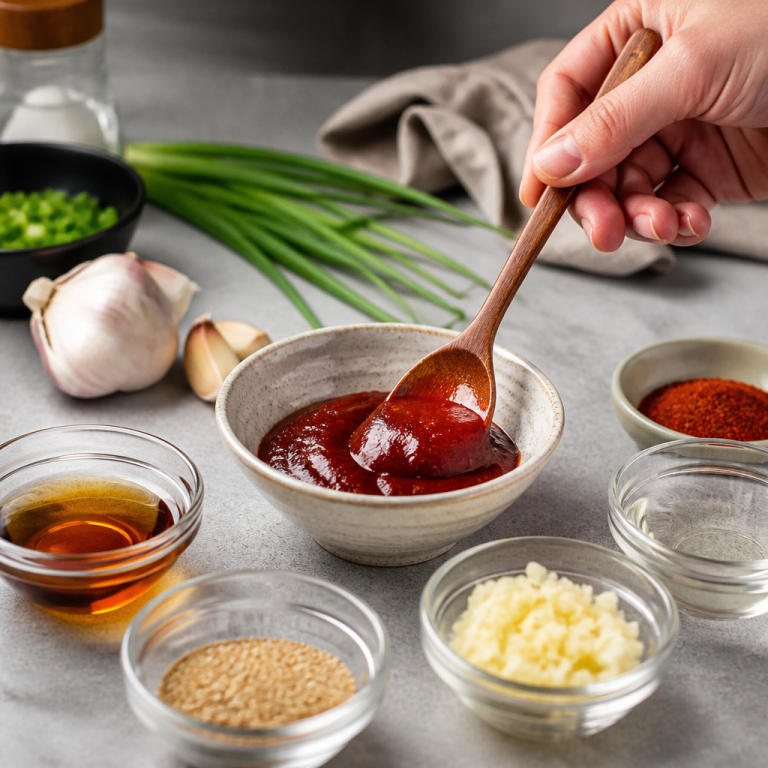
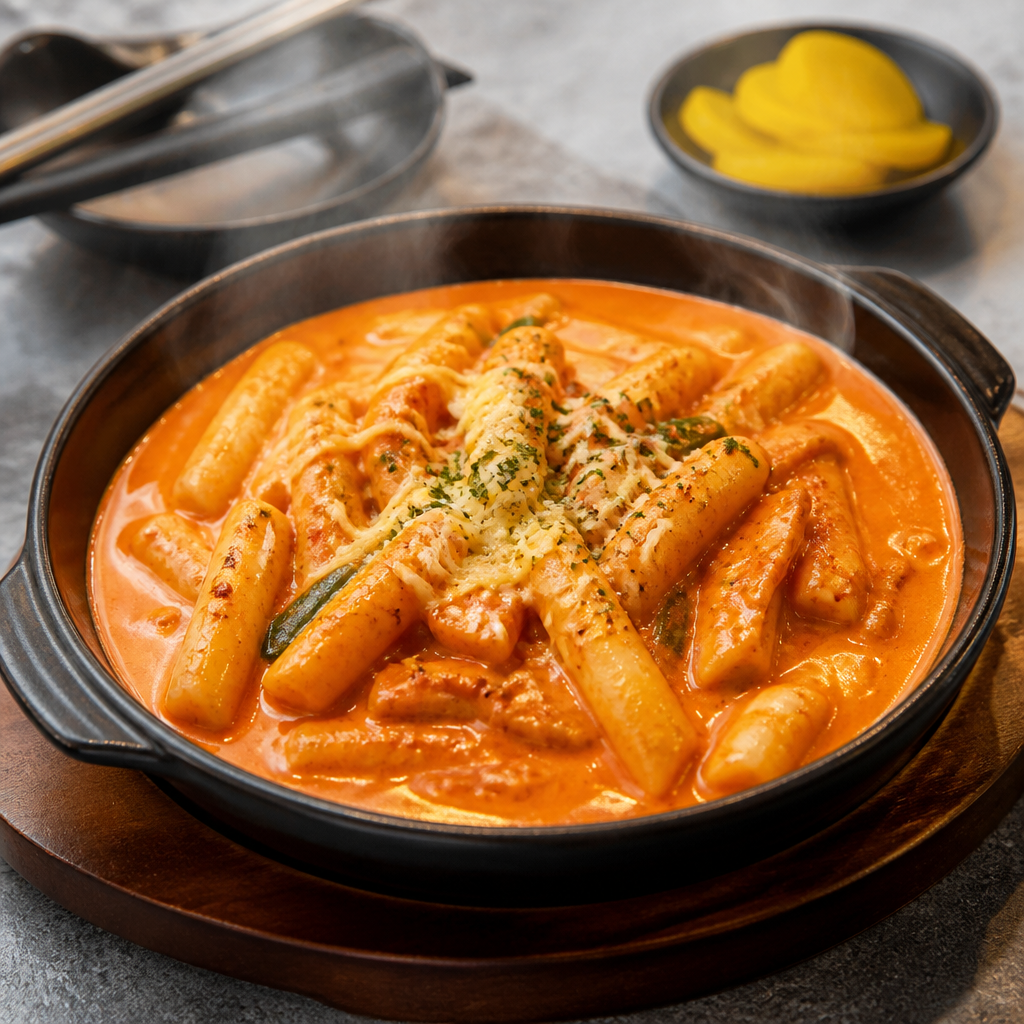
Rose tteokbokki (로제떡볶이) is a modern Korean fusion dish that has captured food lovers’ attention globally. It takes the traditional spicy rice cakes, tteokbokki, and reimagines them with a creamy, blush-colored sauce. This innovative dish blends the fiery kick of Korean red chili paste (gochujang) with the smooth richness of cream or milk. The result is a unique flavor profile that’s sweet, spicy, and distinctly creamy. The name “rose” (로제) comes from the sauce’s distinctive pink hue, not the flower. It draws inspiration from Italian “rosé” or “rosa” sauces that similarly combine a tomato base with cream.
The dish emerged in South Korea around 2020-2021, marking a significant moment in the country’s culinary scene. It quickly became a prominent part of a broader “rose” food trend, which saw cream-based sauces incorporated into various traditionally spicy Korean dishes. This trend rapidly gained popularity, largely thanks to its widespread presence on social media and Korean food delivery apps. Instantly, its visual appeal and more approachable spice level resonated with younger generations.
Culturally, this modern tteokbokki stands as a prime example of “K-fusion” cuisine. This culinary movement modernizes classic Korean street foods by integrating Western ingredients and cooking techniques. This approach aims to broaden the appeal of traditional Korean dishes, making them more accessible and exciting for both younger Korean demographics and an expanding international audience. It showcases a dynamic evolution in Korean cuisine, where heritage flavors are preserved while embracing global influences to create new and exciting culinary experiences. The dish offers a comforting yet exciting taste, making it a popular choice for those looking to explore Korean flavors with a creamy twist.
Rose Tteokbokki Overview and Comparison
Rose Tteokbokki Ingredients
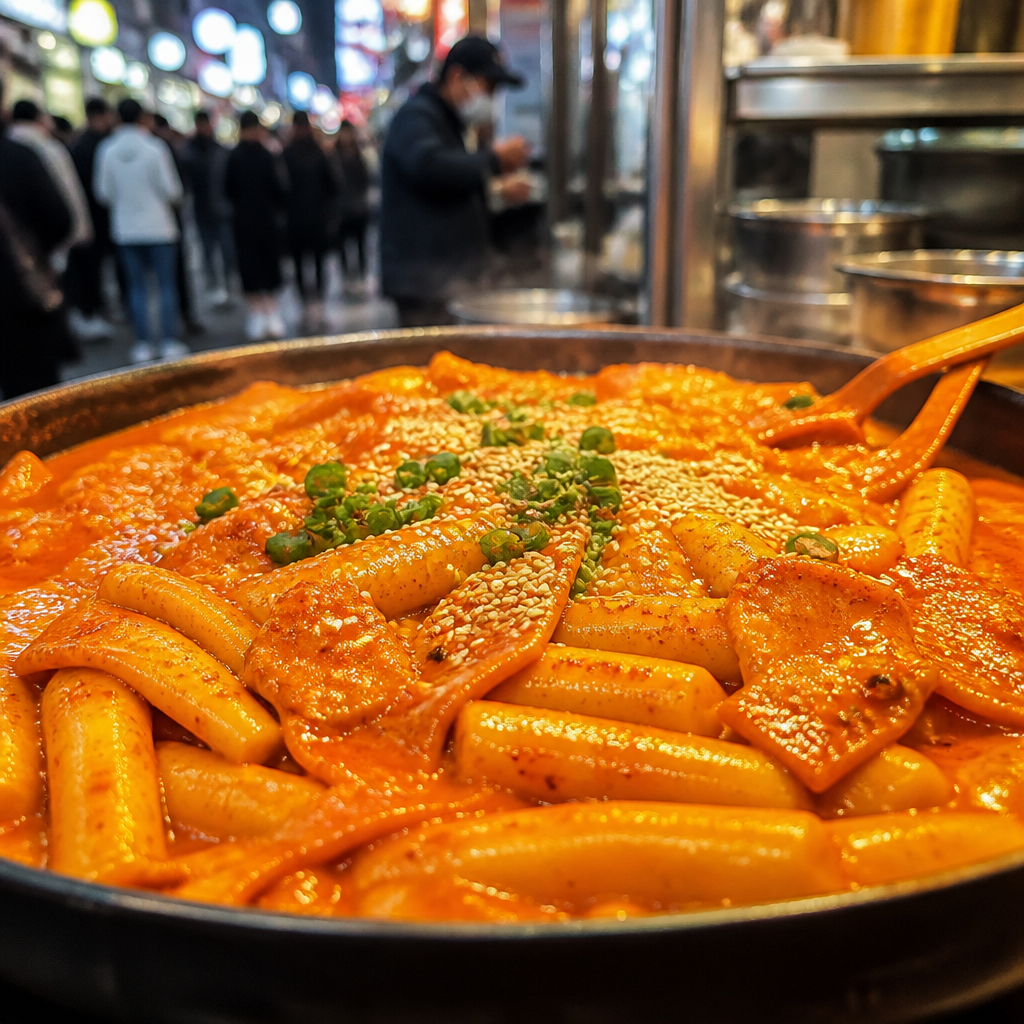
Crafting rose tteokbokki involves a thoughtful selection of ingredients that balance traditional Korean flavors with creamy Western elements. At its core, the dish relies on Korean rice cakes, specifically cylindrical garaetteok, which are the chewy foundation of any tteokbokki dish. These rice cakes are made from short-grain rice flour and possess a distinctively chewy texture that softens beautifully when cooked. Beyond the rice cakes, the essential components for the sauce include gochujang (Korean red chili paste), heavy cream or milk, gochugaru (Korean red chili flakes), sugar, minced garlic, and onion. The quality of gochujang is particularly crucial, as traditional fermented versions can impart a deeper, more complex umami flavor. _Note that some mass-produced gochujang versions may contain wheat._
The rose sauce itself is a delicate balance, often requiring a 2:1 or 3:1 ratio of gochujang to cream to achieve the desired flavor and color. To further enhance its depth, additional ingredients such as soy sauce, corn syrup or honey, and a liquid base of fish cake broth or water are incorporated. For the creamy element, heavy cream is often preferred for its ability to create the richest texture, but lighter alternatives like half-and-half, whole milk, or dairy-free options like oat or coconut milk can be used.
Beyond these core elements, the dish is highly customizable with a variety of popular add-ins that can transform it. Common additions include:
- Savory fish cakes (eomuk)
- Protein-rich boiled eggs
- Fresh scallions for a hint of oniony freshness
- Gooey mozzarella cheese for an extra layer of creaminess
- Crispy bacon or sliced sausages
- Vegetables like cabbage, onions, and carrots
- Instant ramen noodles to create a hearty “rabokki” (ramen + tteokbokki) style dish
Rose Tteokbokki vs. Regular Tteokbokki
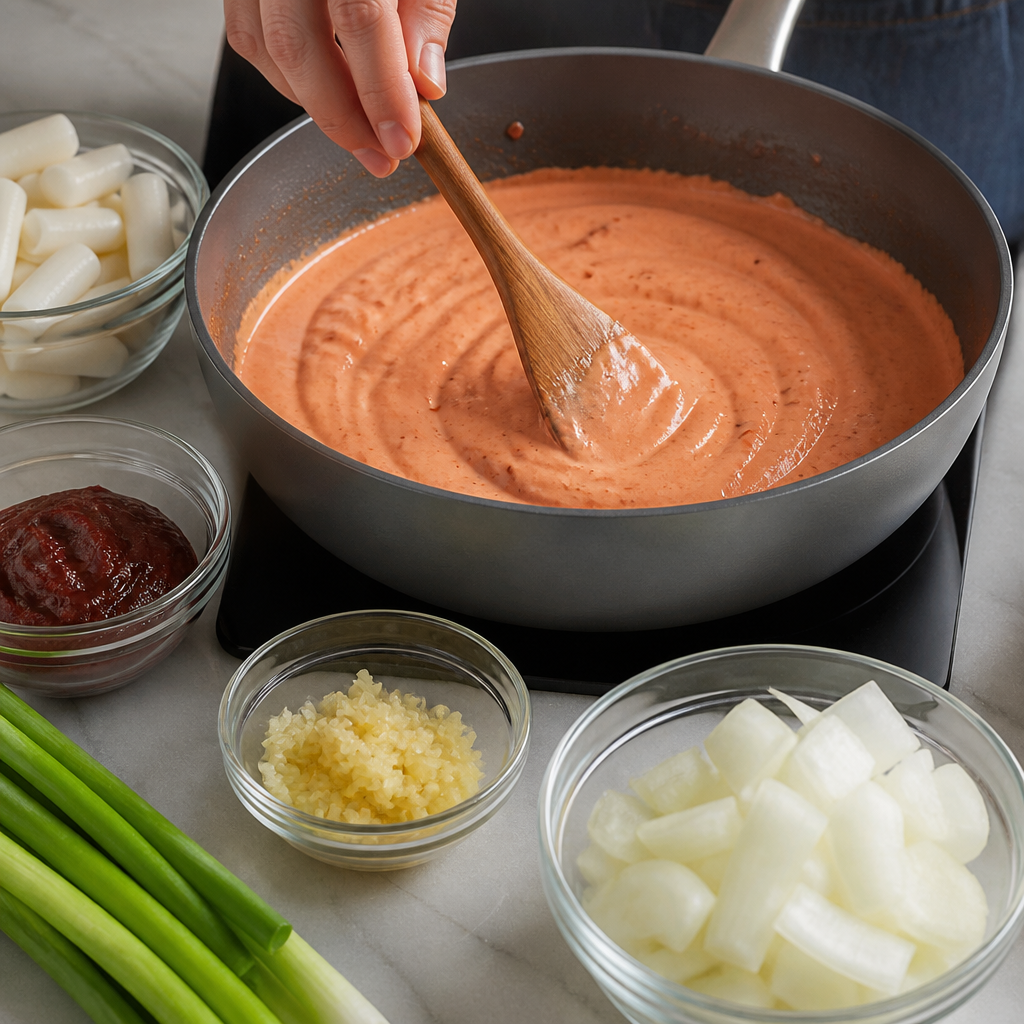
While both rose tteokbokki and its traditional counterpart share the common base of chewy rice cakes, they diverge significantly in flavor, appearance, and overall culinary experience. Traditional tteokbokki is celebrated for its intensely spicy, sweet, and savory gochujang-based sauce. In contrast, the rosé version offers a milder, creamier taste, with its spiciness significantly mellowed by the addition of cream, making it a more accessible option for those with a lower tolerance for heat.
The most striking difference lies in their sauce composition and visual appearance. The modern dish boasts a distinctive pink or coral hue, a direct result of the cream-chili combination. Its sauce is thicker and richer, with a velvety consistency. This makes it a popular choice for those who enjoy the flavors of tteokbokki but prefer a less intense heat.
Here is a simple breakdown of the key differences:
| Feature | Regular Tteokbokki | Rose Tteokbokki |
|---|---|---|
| Flavor Profile | Intensely spicy, sweet, and savory | Mildly spicy, sweet, and creamy |
| Sauce Color | Vibrant red-orange | Pink or light coral |
| Spice Level | Medium to very spicy | Mild |
| Calories (serving) | 250-350 | 450-600 |
| Typical Price | $5-8 | $8-12 |
How Do You Make Rose Tteokbokki?
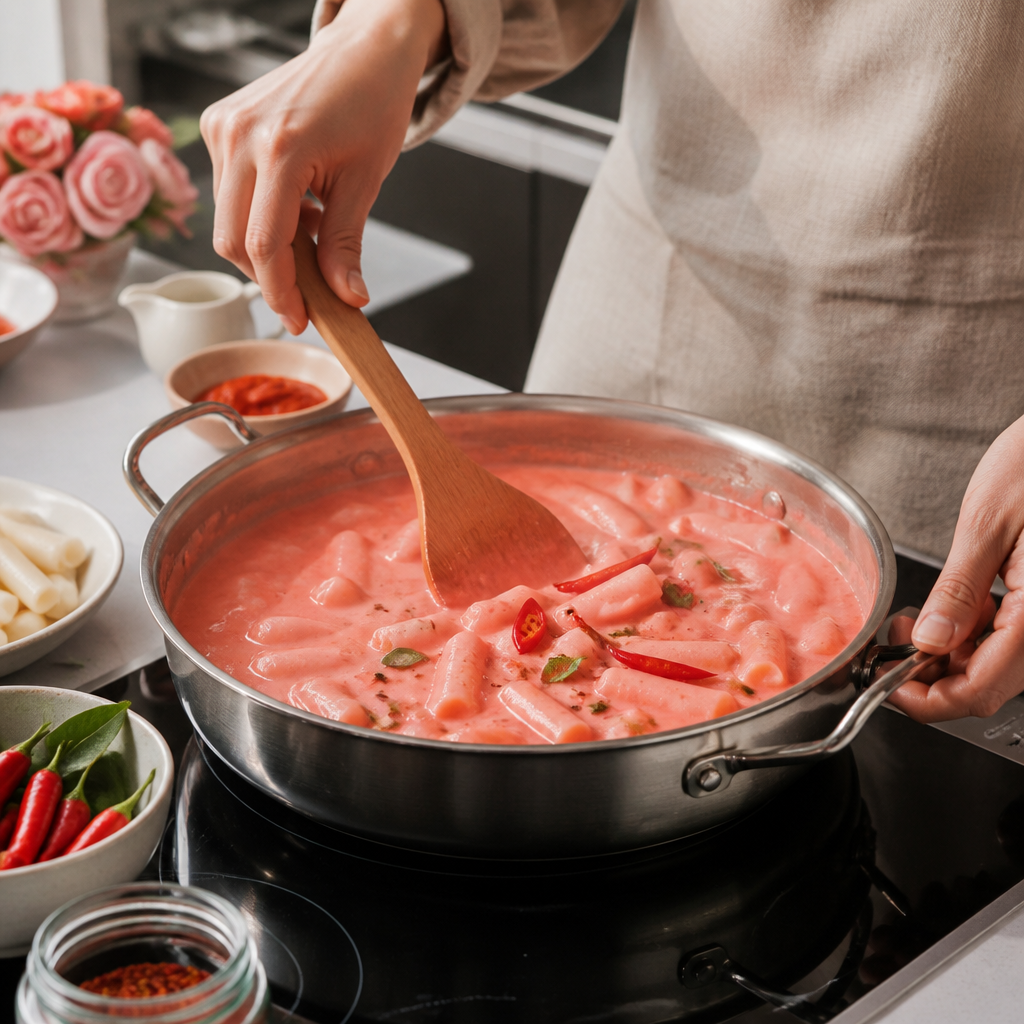
How to Make Rose Tteokbokki
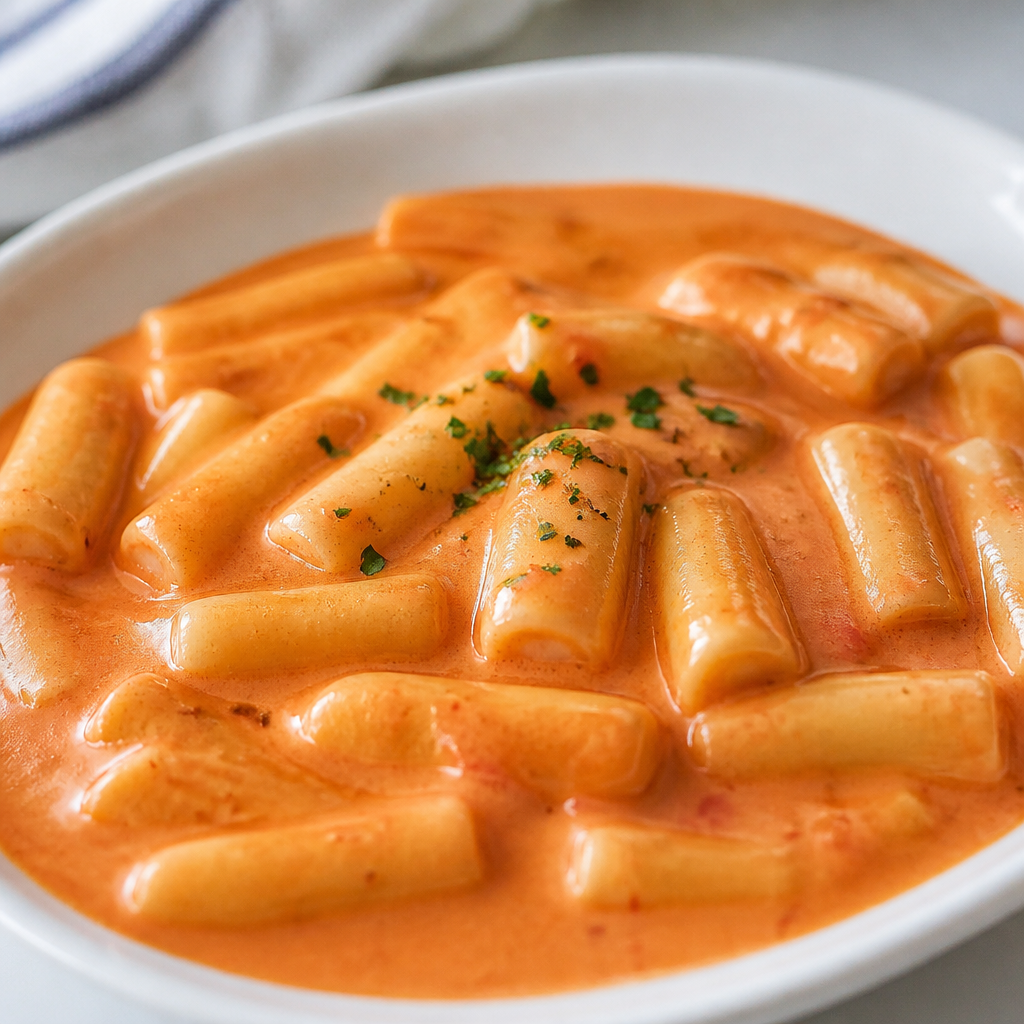
Making this fusion dish at home can be a rewarding experience, allowing you to customize the flavors and spice level to your preference. The process generally involves preparing the rice cakes, creating the signature rose sauce, and simmering all the ingredients together. The total preparation and cooking time is typically 25-35 minutes for a recipe that serves 2-3 people.
Here is a step-by-step guide:
- Prepare the Rice Cakes: The first step, rice cake preparation, is crucial for achieving the perfect chewy texture. If using frozen or dried cylindrical rice cakes (garaetteok), soak 300-400g in warm water for 10-15 minutes to soften them. Fresh rice cakes can be used directly.
- Create the Sauce Base: In a large pan, combine 2 cups of water or anchovy-kelp broth with 3 tbsp of gochujang, 1 tbsp of gochugaru, 2 tbsp of sugar, 1 tbsp of soy sauce, and 3 minced garlic cloves. Bring this mixture to a boil over medium-high heat, stirring until dissolved.
- Initial Simmer: Add the drained rice cakes to the boiling sauce base. This is also the stage to add optional ingredients like fish cakes (eomuk) or vegetables. Cook for 5-7 minutes, stirring occasionally.
- Add the Cream: Reduce the heat to medium-low and gradually pour in ½ to ¾ cup of heavy cream. Stir continuously as you add the cream to help it emulsify smoothly with the spicy base. _Adding cream too quickly or at too high a heat can cause it to separate or curdle._
- Final Simmer: Continue cooking for another 3-5 minutes, allowing the sauce to thicken and the rice cakes to become perfectly soft and chewy.
- Garnish and Serve: Remove the pan from the heat. Garnish your creation with freshly sliced scallions, a sprinkle of sesame seeds, and optional mozzarella cheese. Serve immediately while hot.
Chef Maangchi, a renowned Korean cooking expert, emphasizes that the secret to the perfect dish lies in balancing the deep, fermented flavor of gochujang with the luxurious richness of the cream. She advises that the sauce should be thick enough to sufficiently coat the rice cakes when the dish is ready.
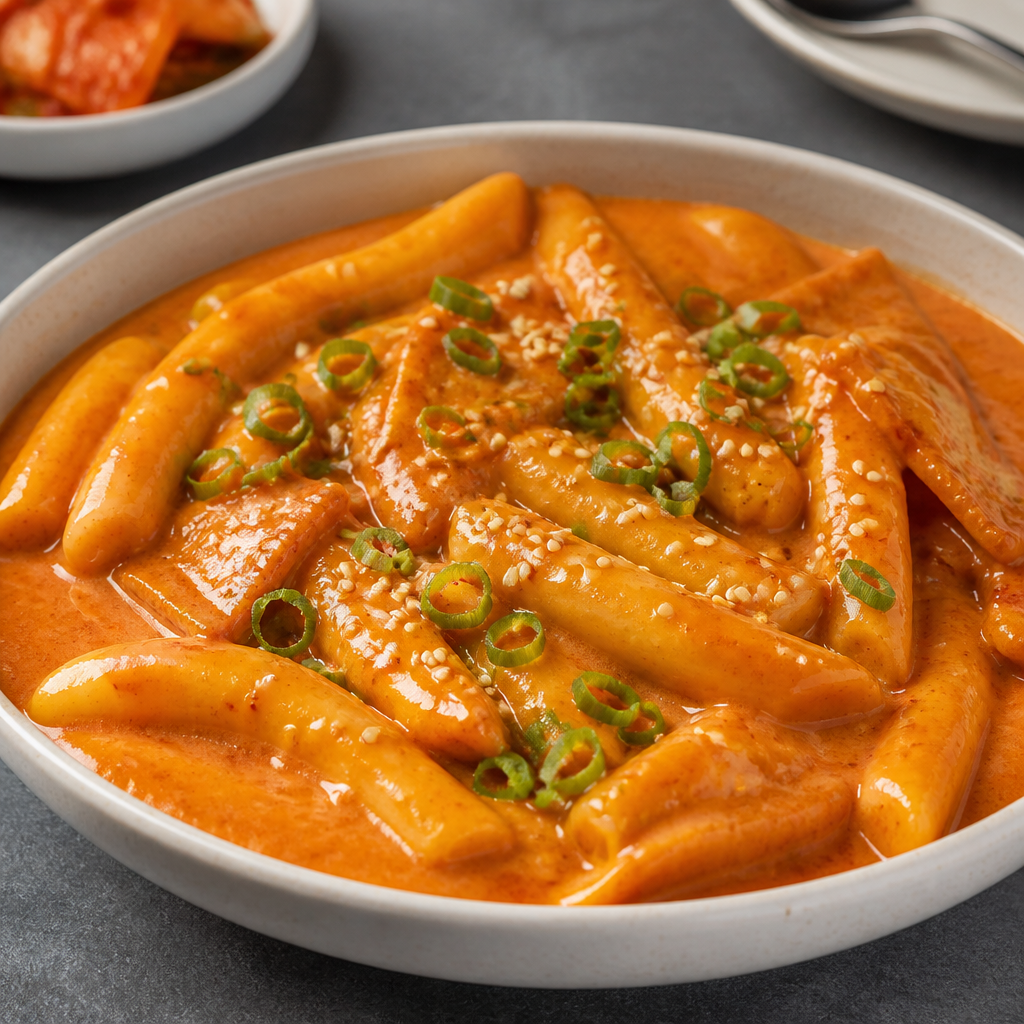
Rose Tteokbokki Sauce Recipe
The heart of rose tteokbokki lies in its distinctive sauce. For a standard batch, the fundamental sauce combines 3 tablespoons of gochujang, ½ cup of heavy cream, 2 tablespoons of sugar, 1 tablespoon of gochugaru, 1 tablespoon of soy sauce, 3 minced garlic cloves, and 1-2 cups of liquid (water or broth).
The ratio of gochujang to cream is a critical factor in determining the sauce’s flavor and spice level. Optimal guidelines suggest a gochujang-to-cream ratio ranging from 2:1 to 3:1 by volume. A 3:1 ratio will yield a spicier version, while a 2:1 ratio will result in a milder, creamier sauce. For the liquid base, using anchovy-kelp broth (dashima-myeolchi broth) instead of water can significantly enhance the dish with a deeper umami flavor. Sweetness can be adjusted with sugar, Korean corn syrup, or honey.
For a milder version, reduce the gochugaru and gochujang. For an extra spicy kick, increase the gochugaru or add cayenne pepper. While heavy cream is ideal for richness, substitutions like half-and-half, whole milk, or dairy-free options like coconut or cashew cream are viable. To deepen the umami profile, consider adding optional enhancers like fish sauce or oyster sauce. Always taste and adjust the seasoning before serving to achieve the perfect balance.
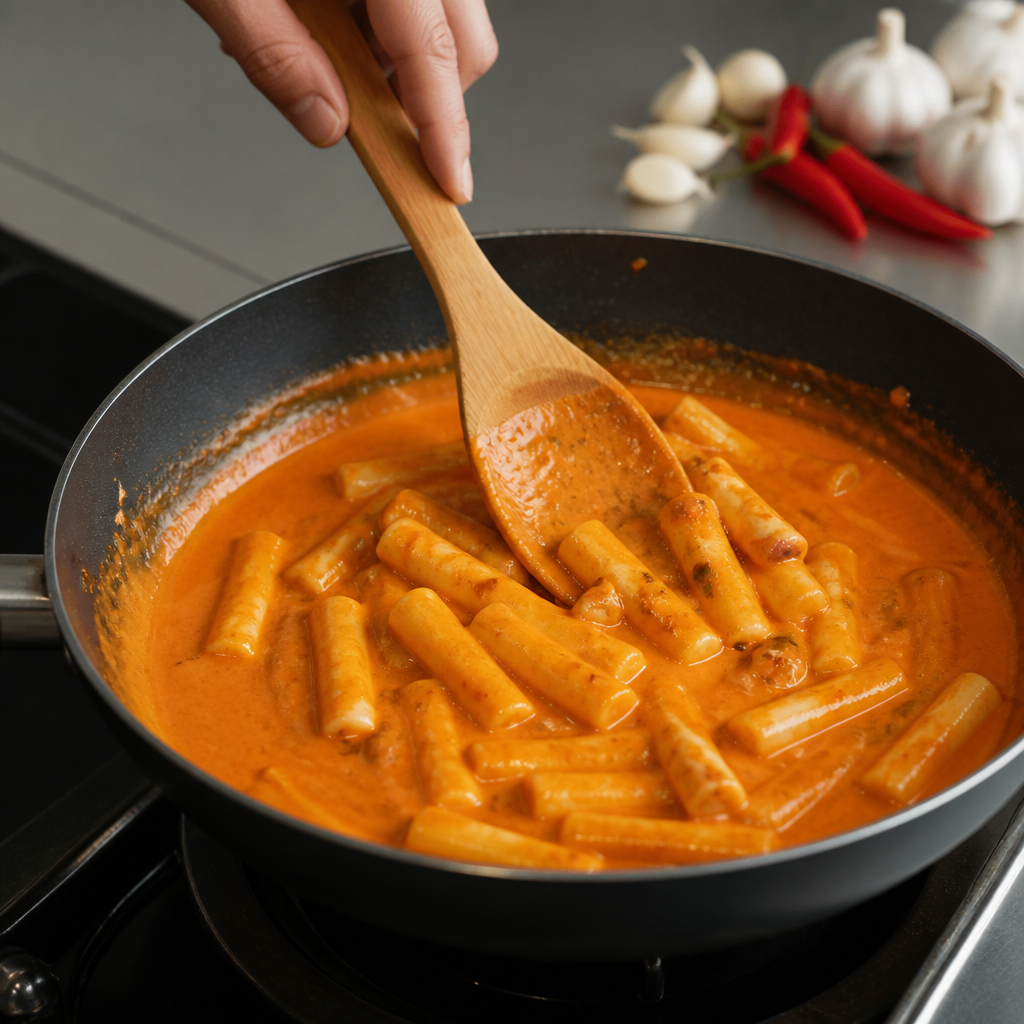
Rose Tteokbokki Nutrition and Where to Eat
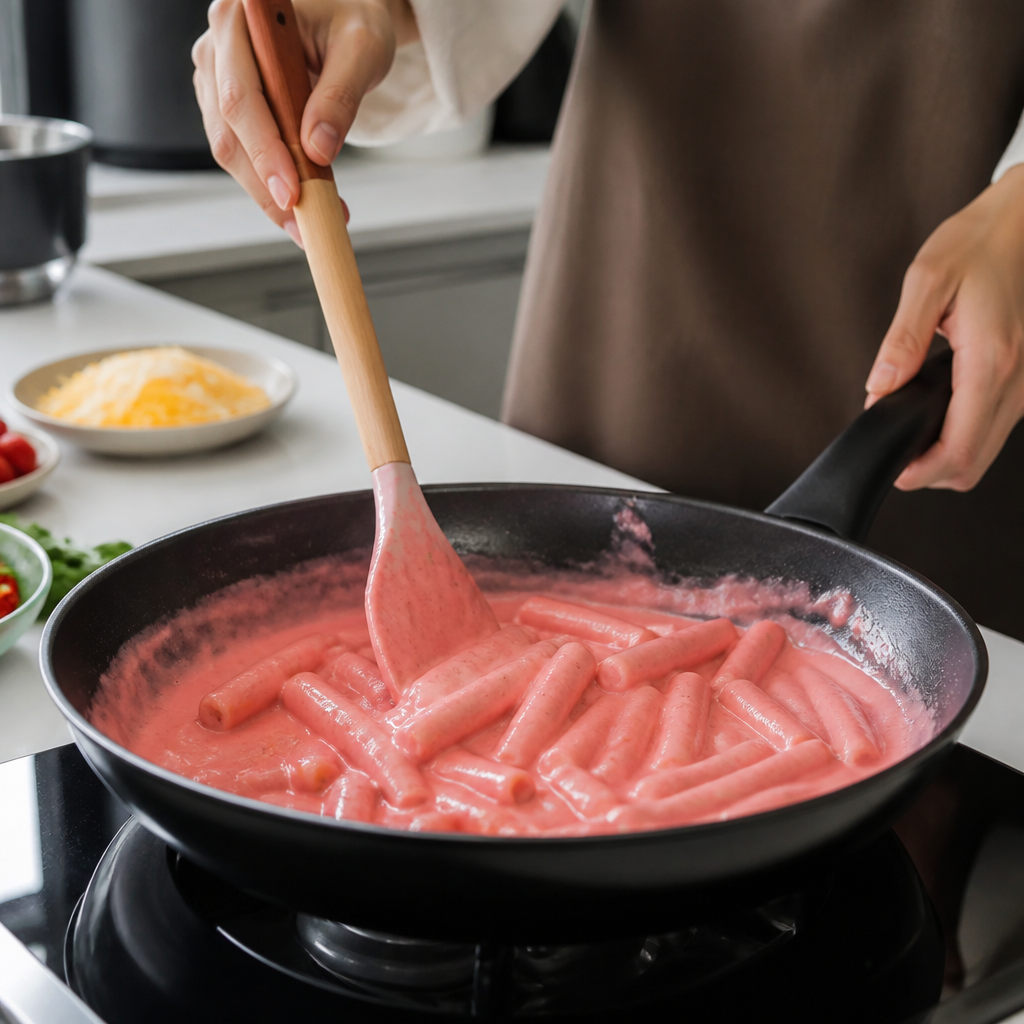
Rose Tteokbokki Calories and Nutrition
When considering rose tteokbokki, it is helpful to understand its nutritional profile. A standard serving of the dish, typically around 300-350g or 1.5 cups, may contain approximately 450-600 calories. This caloric content can vary based on the amount of cream used and any additional ingredients like cheese or bacon. The creamy version contains approximately 200-250 more calories than traditional tteokbokki.
Looking at the macronutrient breakdown, a typical serving is carbohydrate-dominant (60-75g), with significant fat content (15-25g) due to the heavy cream. Protein makes up a smaller portion (8-12g). Sodium content is also notable, with the rosé version containing 800-1,200mg per serving, which is 35-52% of the FDA’s recommended daily limit.
Registered Dietitian Nutritionist Kathy McManus, Director of the Department of Nutrition at Harvard Medical School’s Brigham and Women’s Hospital, suggests that while cream-based Korean fusion dishes like this fusion tteokbokki can be enjoyable occasionally, they are often high in saturated fat and sodium.
The refined carbohydrates in rice cakes have a high glycemic index (GI), which can cause blood glucose levels to rise quickly. To improve the nutritional balance, one can add more protein and vegetables. To reduce the calorie count, substitute heavy cream with lighter alternatives and reduce the amount of sugar. _Individuals with gluten sensitivities should look for certified gluten-free gochujang and fish cakes._
Where Can You Find the Best Rose Tteokbokki Restaurants?
Rose tteokbokki has become a culinary sensation, leading many establishments to add it to their menus. In South Korea, the dish is prominent in iconic locations like Seoul’s Sindang-dong Tteokbokki Town, where restaurants like “Mabongnim Halmeoni Tteokbokki” offer rosé variations. Jaws Tteokbokki (죠스떡볶이), a franchise with over 100 locations, also features it on their menu.
Beyond South Korea, the dish has found its way into international culinary scenes. In Los Angeles, Chingu Korean Restaurant in Koreatown offers the creamy rice cakes as a fusion appetizer. In New York, Jongro BBQ features the fusion dish on its modern Korean menu. Across the Atlantic, Bunsik, a Korean street food restaurant in London, specializes in contemporary tteokbokki variations, including the rosé version.
The accessibility of the creamy tteokbokki has also expanded through digital platforms, with delivery apps like Baemin and Coupang Eats in South Korea listing it as a top-ordered dish. Major Korean casual dining chains, including Nene Chicken and Kyochon, have also incorporated it into their menus. This widespread availability underscores its firm establishment as a beloved modern Korean dish.
FAQ
Q1: What gives rose tteokbokki its “rose” color and flavor?
A1: The “rose” color and flavor come from combining traditional Korean red chili paste (gochujang) with cream or milk. This blend creates a distinctive pink or coral hue and a balanced sweet, spicy, and creamy taste, similar to Italian “rosé” sauces.
Q2: How does rose tteokbokki differ in spice level from regular tteokbokki?
A2: Rose tteokbokki is generally much milder than regular tteokbokki. The cream or milk in the sauce helps dilute the spiciness, and dairy proteins can neutralize capsaicin (the compound that makes chilies spicy), making it more palatable for those with a lower spice tolerance.
Q3: What are some common ingredients added to rose tteokbokki besides rice cakes and sauce?
A3: Popular additions to rose tteokbokki include fish cakes (eomuk), boiled eggs, scallions, mozzarella cheese, bacon, various vegetables (like cabbage, onions, and carrots), and instant ramen noodles to make it a more substantial meal (often called rabokki).
Q4: Is rose tteokbokki a healthier option compared to traditional tteokbokki?
A4: Rose tteokbokki typically contains more calories and fat than traditional tteokbokki due to the addition of heavy cream. A standard serving can have 450-600 calories, compared to 250-350 for the regular version. It is often high in saturated fat and sodium.
Q5: Where can one find rose tteokbokki, both in South Korea and internationally?
A5: In South Korea, it is widely available in specialized tteokbokki districts, franchises, and on food delivery apps. Internationally, you can find it in Korean restaurants in cities with large Korean communities, such as Los Angeles, New York, London, and Toronto. Instant or frozen kits are also often available in Korean grocery stores.

Emily Carter is an American food lover who writes about Korean cuisine for people trying it for the first time. She covers what things taste like, how to eat them, and what to cook with them.