How to Eat Bibimbap: 5 Easy Steps for Perfect Bites
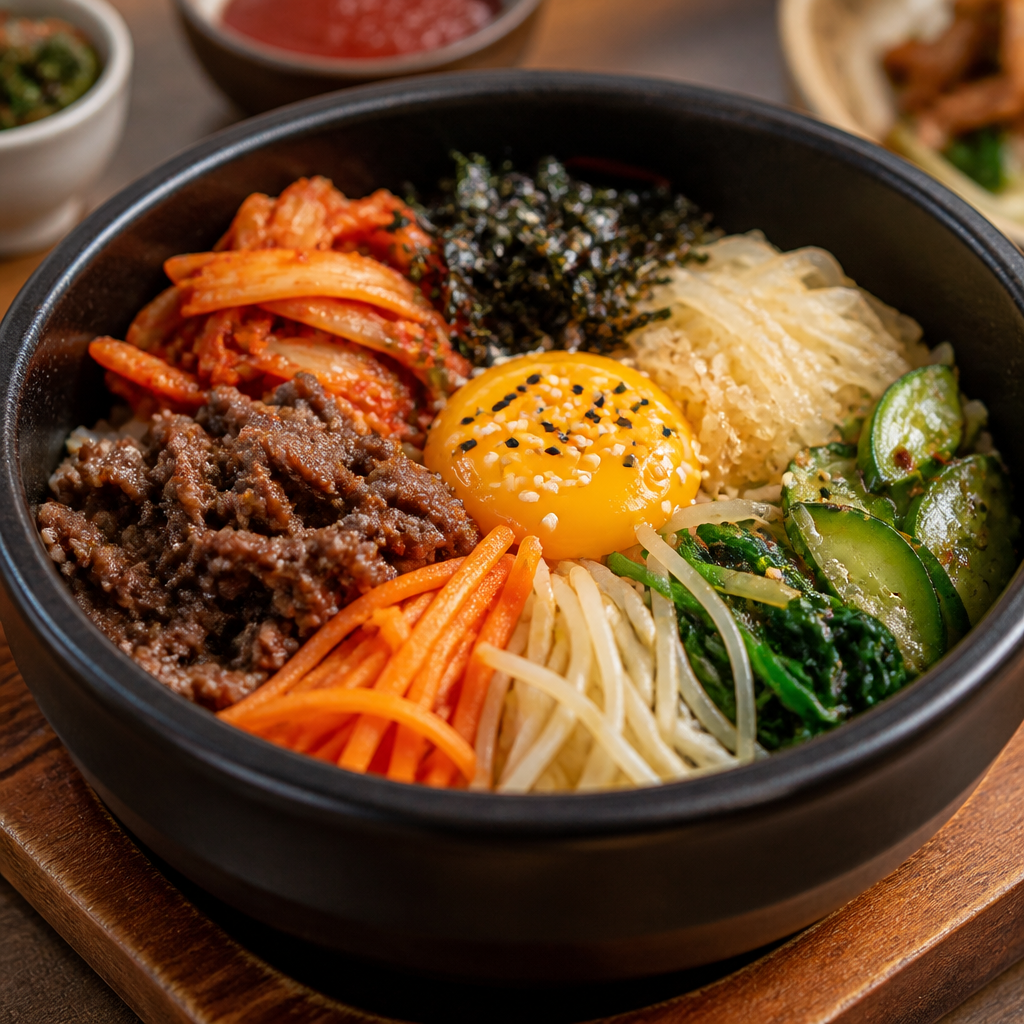
Bibimbap (비빔밥), a dish whose name literally means "mixed rice," is a treasured gem in Korean cuisine. Imagine a warm bowl brimming with fluffy white rice, topped with a vibrant rainbow of seasoned vegetables, savory meat, a perfectly fried egg, and a dollop of spicy-sweet gochujang. The magic happens right before you eat: you mix everything together, unlocking a harmonious, flavorful experience.
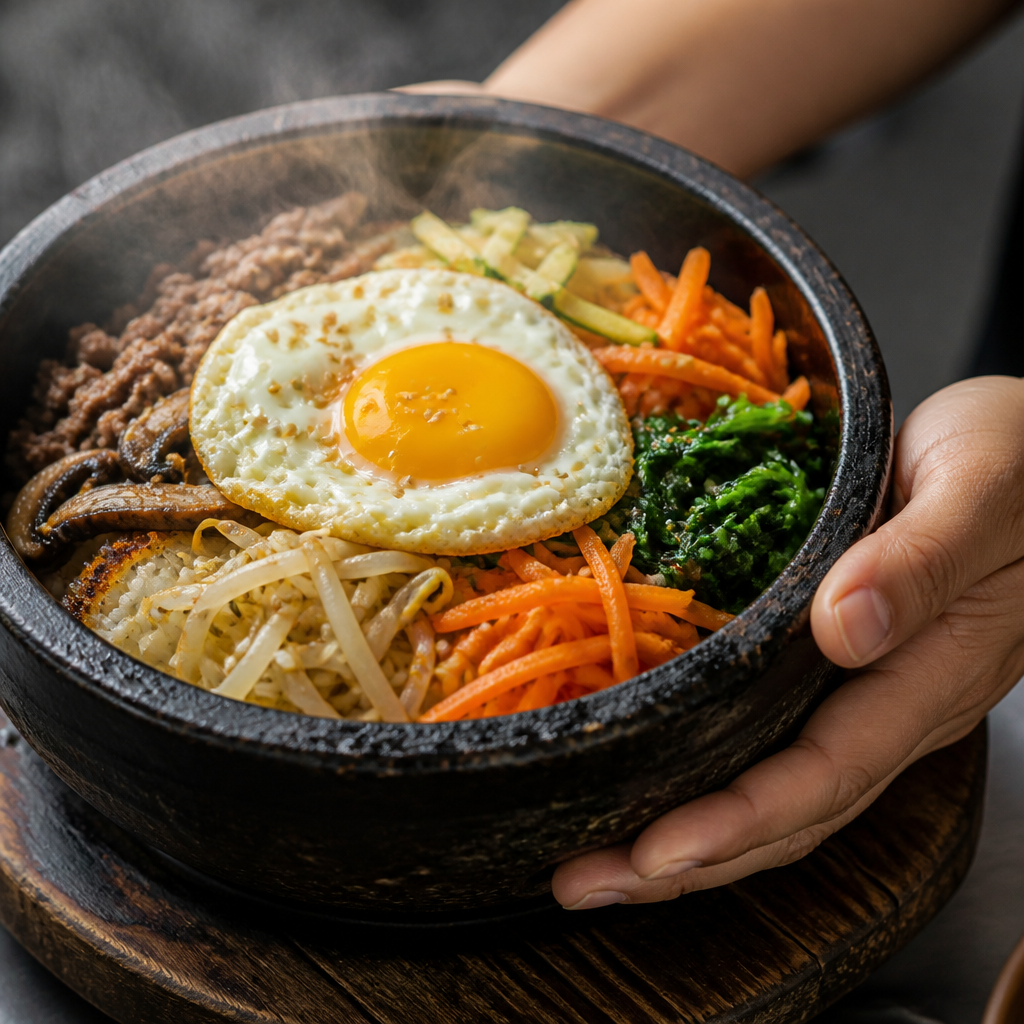
This iconic dish didn't just appear overnight; it grew from the simple, practical custom of combining leftover side dishes, called _banchan_, with rice. Over many generations, it evolved into a meal that beautifully showcases the Korean philosophy of balance. Tracing its roots back to the late Joseon Dynasty, it appears in 19th-century cookbooks like _Siuijeonseo_, which describes it as an ingenious way to enjoy leftover ceremonial foods. A truly special version, _dolsot bibimbap_, takes this tradition to another level by serving it in a sizzling hot stone bowl, which creates an irresistible crispy rice crust—known as _nurungji_—at the bottom.
What Is Bibimbap
So, What Exactly Is Bibimbap?
Bibimbap is more than just mixed rice; it's a culinary philosophy in a bowl.
It’s a dish where individual components, each prepared with care, come together to create something greater than the sum of its parts. Every spoonful offers a burst of different textures and tastes—the chewiness of the rice, the crunch of vegetables, the richness of the egg, and the bold kick of the sauce. It's a delight to witness the transformation as you mix, and then to savor the balanced flavors.
Bibimbap Ingredients
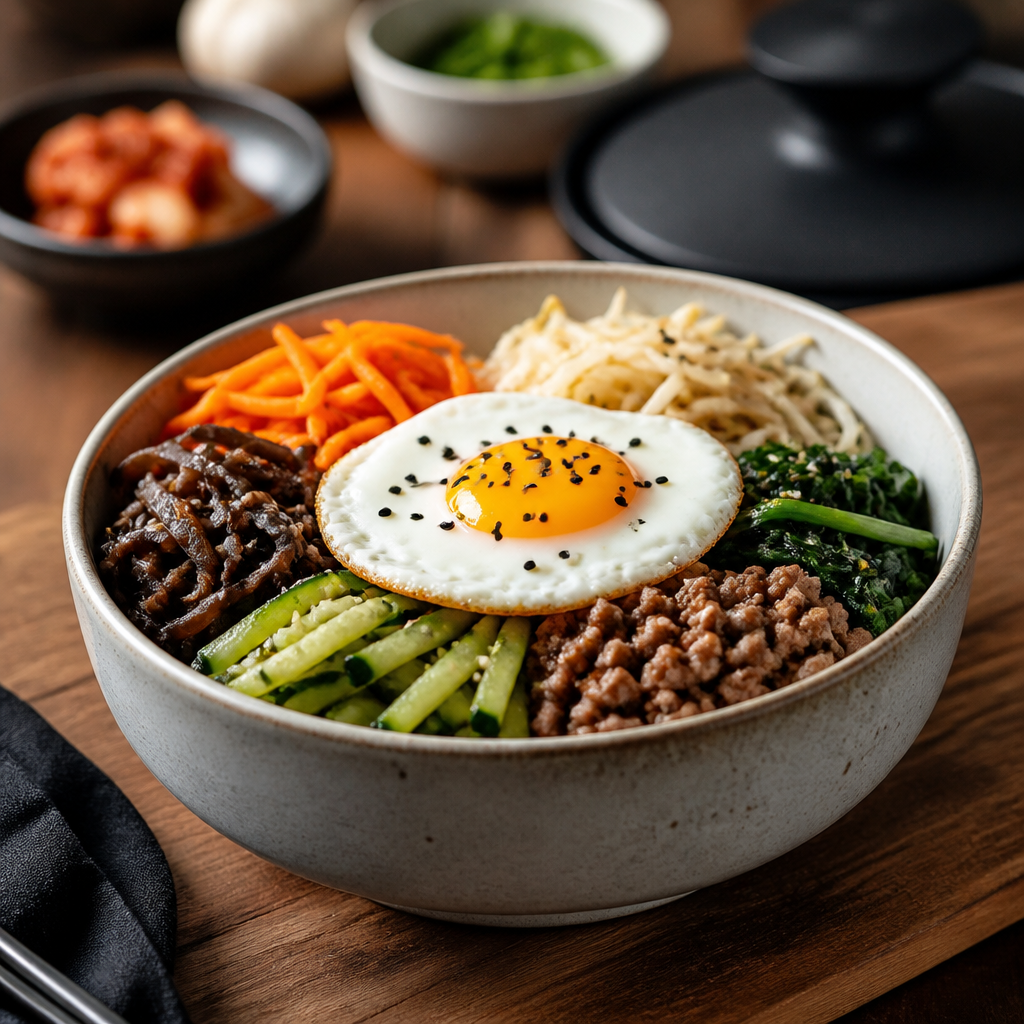
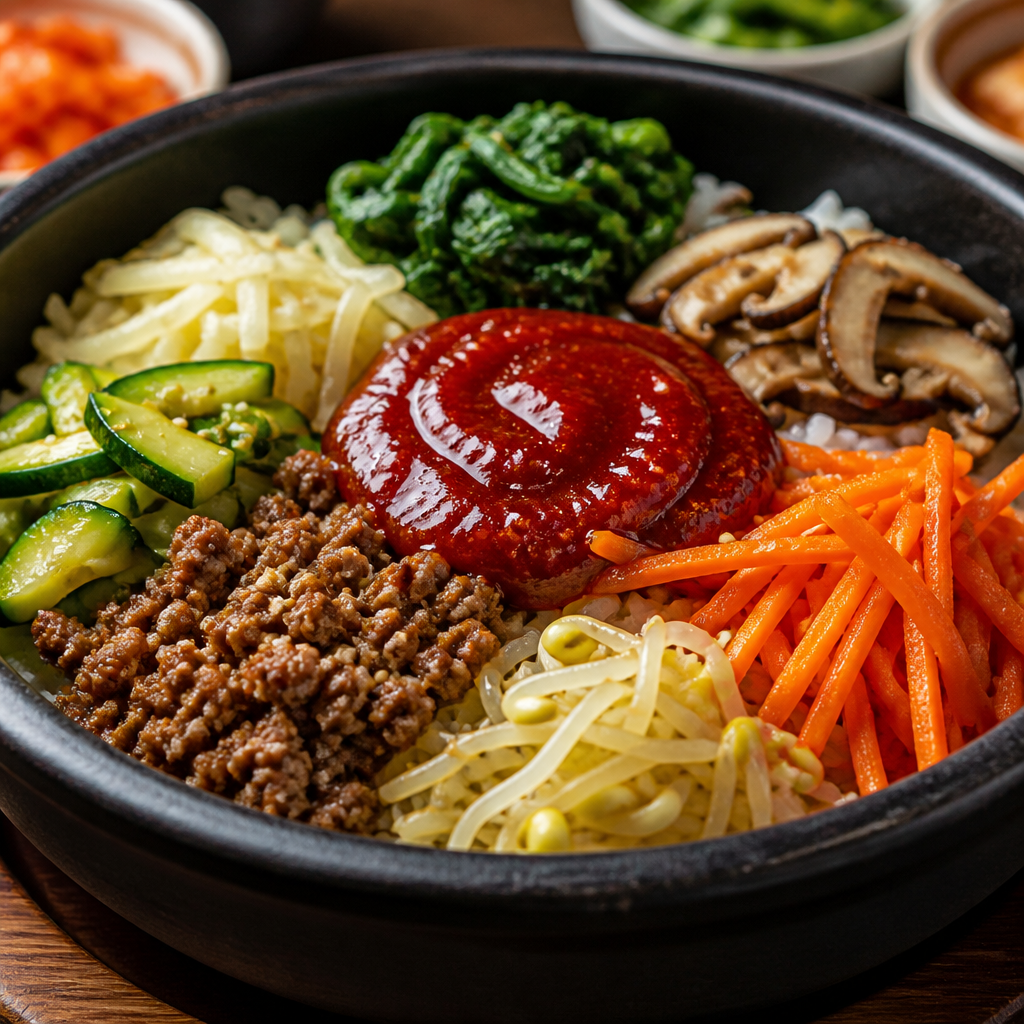
A traditional bowl is built upon five foundational elements, each playing a crucial role in creating its renowned taste and texture:
- Bap (밥): The foundation is always warm, perfectly cooked short-grain white rice, which acts as a comforting base, soaking up all the delicious flavors.
- Namul (나물): These are specifically seasoned vegetables, often blanched or sautéed. Common examples include _gosari_ (fernbrake), _doraji_ (bellflower root), _kongnamul_ (soybean sprouts), _sigeumchi_ (spinach), and _hobak_ (zucchini). Each _namul_ is carefully prepared, often seasoned with sesame oil, garlic, and salt.
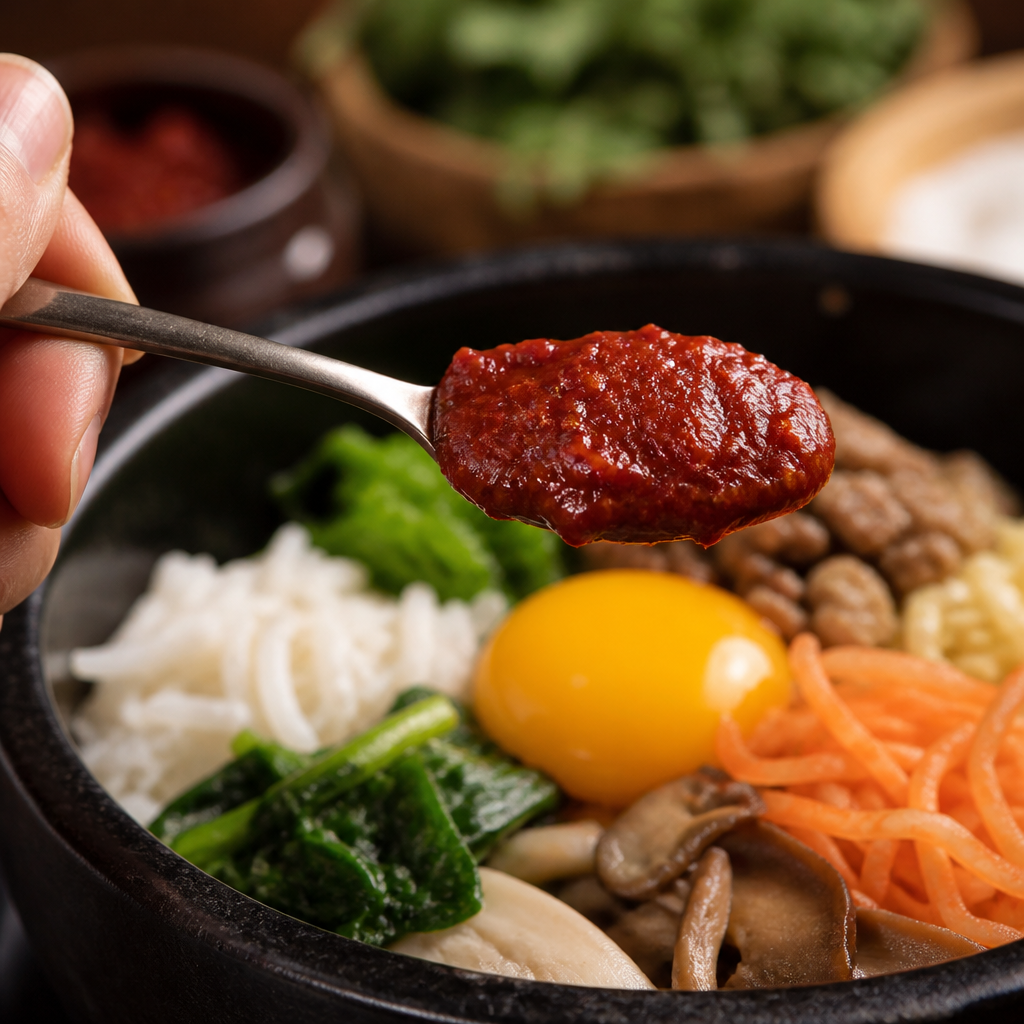
- Gochujang (고추장): Gochujang, a vibrant, fermented red chili paste, is the heart and soul of the dish's flavor. It provides a complex blend of spicy, sweet, and savory notes.
- Protein: Traditionally, thinly sliced beef bulgogi or seasoned ground beef adds a savory depth. However, modern interpretations feature chicken, pork, or tofu, making it incredibly versatile.
- Egg: A fried egg, often with a runny yolk, adds richness and a creamy texture that beautifully coats all the ingredients when mixed.
From a nutritional perspective, a standard bowl is remarkably balanced, typically providing about 40-50% carbohydrates, 20-25% protein, and 25-30% fat. Plus, it's packed with dietary fiber from its generous vegetable components, making it a wholesome and satisfying meal.
Types of Bibimbap
This dish isn't one-size-fits-all; it proudly showcases a variety of regional and contemporary styles. Dolsot Bibimbap is perhaps the most widely enjoyed variation, served in a sizzling hot stone bowl to create a crispy rice crust. Here are some of the most prominent variations:
| Type of Bibimbap | Key Ingredients | Flavor Profile |
|---|---|---|
| Jeonju Bibimbap | Over 30 ingredients, rice cooked in beef broth | Rich, complex, and considered the classic style |
| Jinju Bibimbap | Raw beef (_yukhoe_), fresh vegetables | Delicate, fresh, and savory |
| Tongyeong Bibimbap | Fresh seafood and vegetables | Fresh, briny, reflecting its coastal origins |
| Dolsot Bibimbap | Standard ingredients served in a hot stone bowl | Savory with a delightful crispy rice texture (_nurungji_) |
| Hoedeopbap | Raw fish (_hoe_) instead of meat | Fresh and vibrant, often served with a vinegar-based gochujang |
Modern interpretations are also constantly evolving, with creative options like cheese or spicy kimchi versions, demonstrating the dish's incredible adaptability while keeping its core concept of harmonious mixing alive.
How to Eat Bibimbap Properly
How to Eat Bibimbap Properly
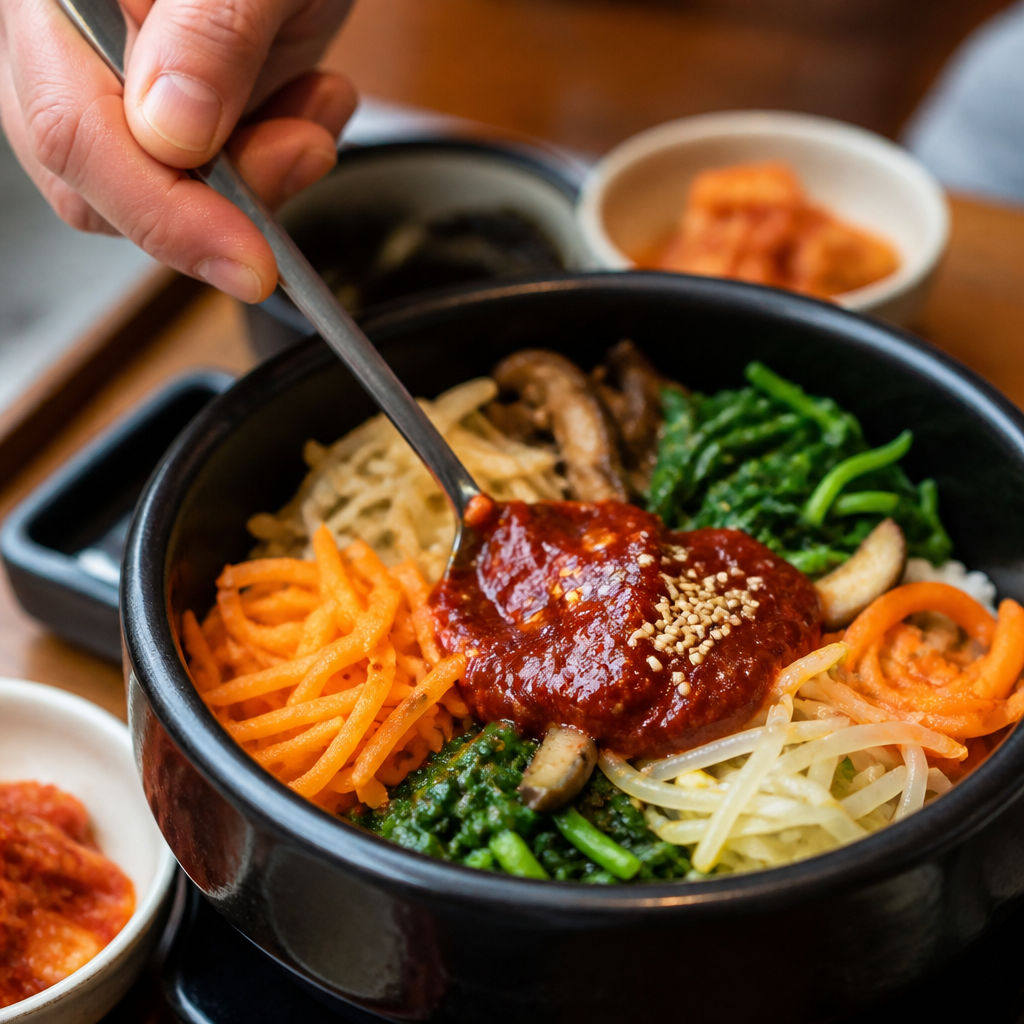
Eating this Korean dish is a simple yet incredibly rewarding experience. The first step is to personalize your bowl by adding _gochujang_ to your preferred spice level. A good starting point is usually 1-2 tablespoons, but you can always add more if you crave an extra kick.
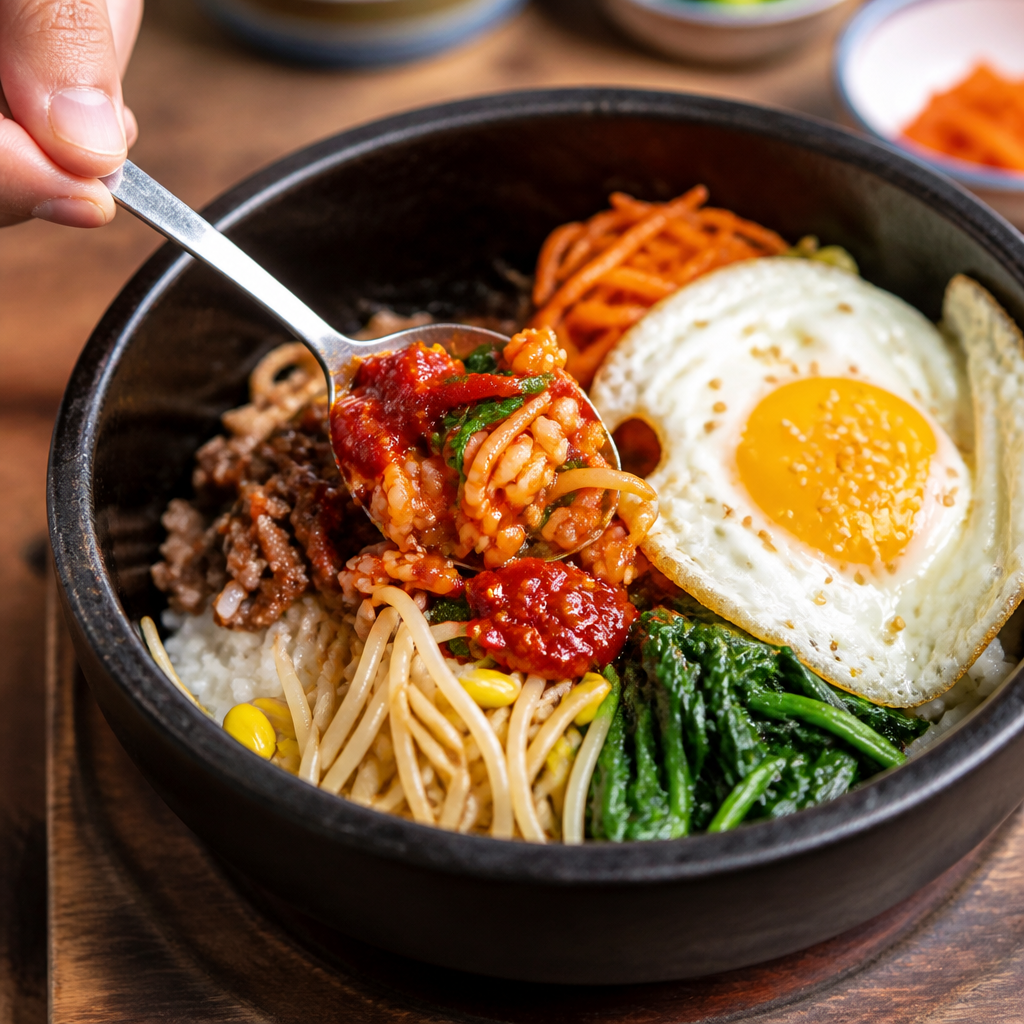
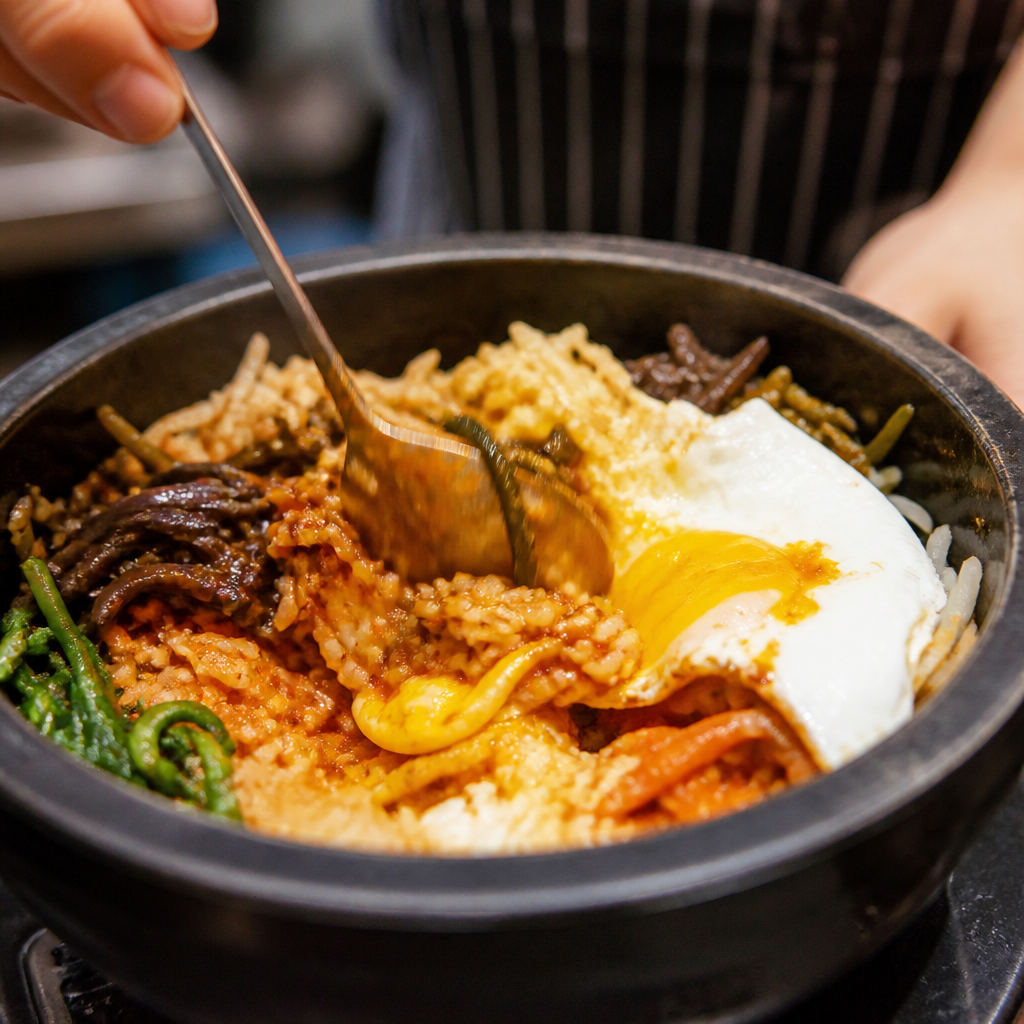
Next comes the main event: mixing! The spoon (_sutgarak_) is the primary utensil, perfectly designed for scooping up a balanced bite of all the ingredients. Thoroughly combine everything, starting from the bottom and working your way up in a circular motion. If your bowl includes a fried egg, gently break the yolk first; it acts as a natural binder, helping to coat everything in a rich, creamy layer. For _dolsot bibimbap_, let the dish sit for 1-2 minutes after it's served. _Be careful, as the stone bowl is extremely hot._ This waiting period allows the coveted crispy _nurungji_ layer to form. When you begin mixing, make sure to scrape the bottom and sides firmly to incorporate all that delicious crispy rice.
Can You Eat Bibimbap with Chopsticks?
While chopsticks can technically be used to move larger pieces of food, the traditional and most practical utensil for this dish is definitely a spoon (_sutgarak_). The whole point of the meal is to thoroughly mix everything together and then enjoy combined bites. With its various finely chopped ingredients, soft rice, and sauce, a spoon is far more effective for scooping up a perfect, balanced mouthful. Chopsticks are typically reserved for picking up the different _banchan_ (side dishes) that often accompany the main dish.
How to Mix Bibimbap
Mixing your bowl isn't just a step; it's a crucial part of the entire eating experience.
- Add Your Gochujang: Start by adding 1-2 tablespoons of the vibrant _gochujang_. Adjust the amount based on your personal spice preference.
- Break the Yolk: If your dish comes with a fried egg or a raw yolk, gently break it with your spoon first. The yolk acts as a natural lubricant, helping to distribute the sauce and other ingredients smoothly.
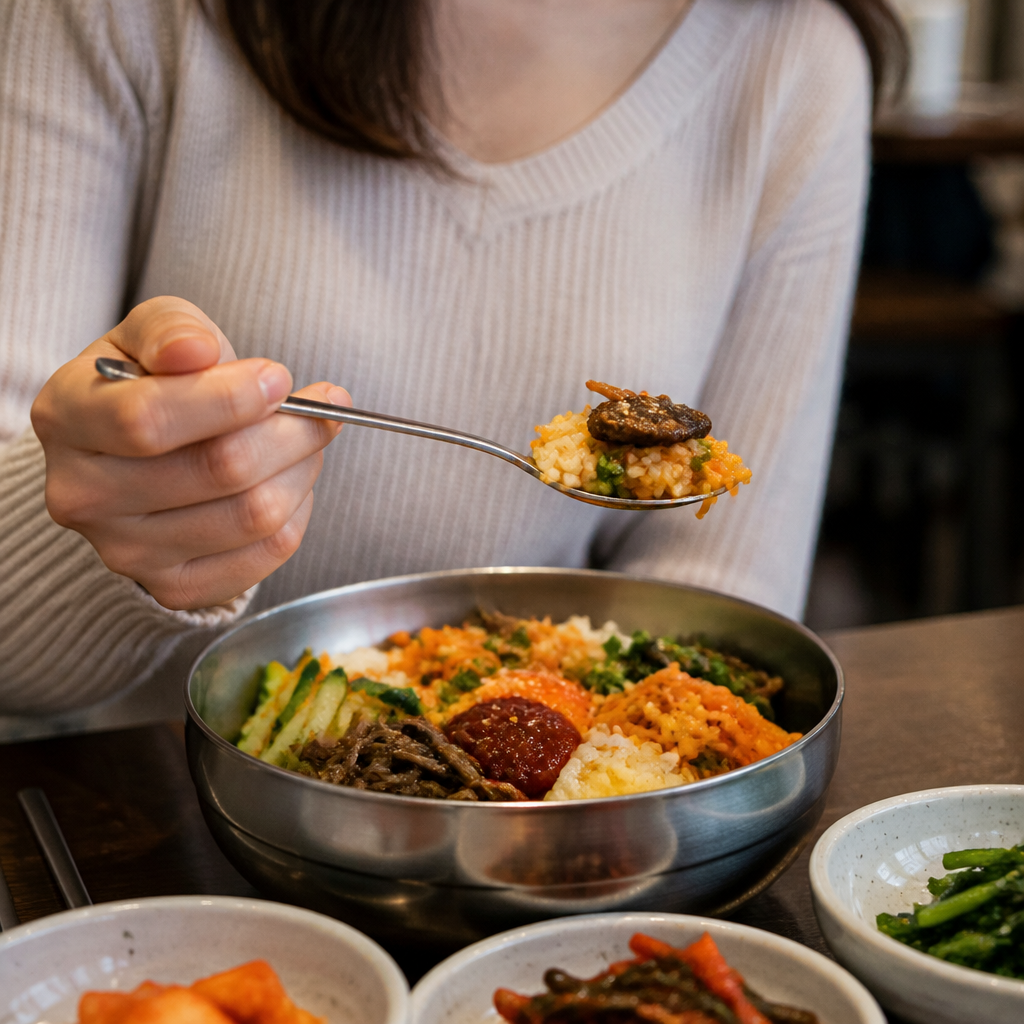
- The Mixing Motion: Use your spoon to mix the contents thoroughly. Start from the edges of the bowl and work your way towards the center in a circular motion. Aim for about 15-20 stirs to ensure that every component is uniformly combined.
- Incorporate the Crispy Rice: If you're enjoying the _dolsot_ version, firmly scrape the sides and bottom of the hot stone bowl. This action helps to release the prized crispy rice (_nurungji_) and incorporate it into your mixture.
- Visual Cue: A visual cue for perfect mixing is when the rice takes on a uniform reddish-orange color, with no large patches of white rice remaining.
Bibimbap Sauce
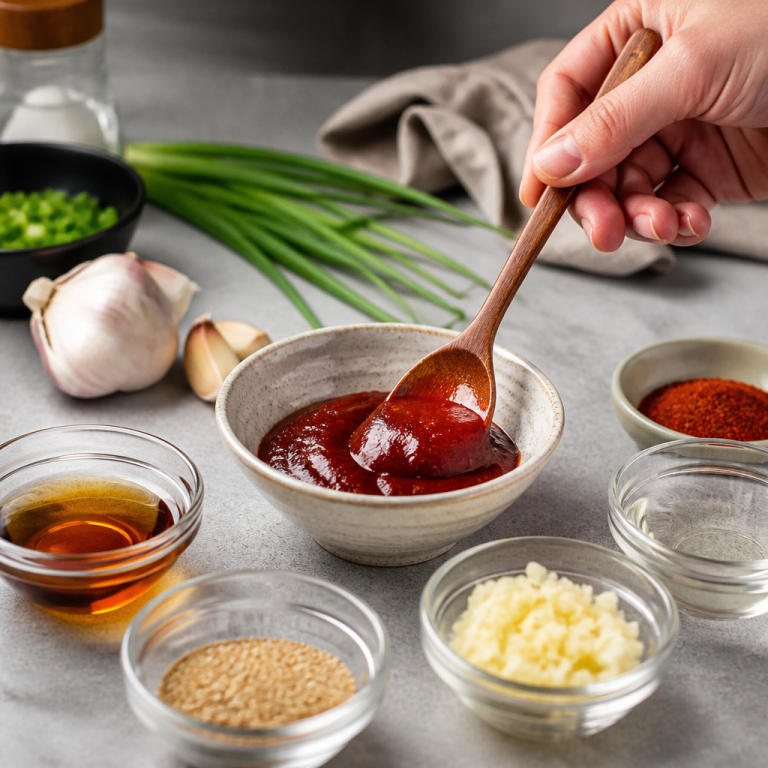
The quintessential sauce that defines bibimbap is Gochujang (고추장), a vibrant and complex fermented Korean chili paste. It’s not just spicy; it’s crafted from red chili powder, glutinous rice, fermented soybeans, and salt. This slow aging process is what develops its signature profile, blending savory, spicy, and subtly sweet flavors. It’s what gives the dish its soul.
While pure _gochujang_ is the traditional choice, you might encounter a slightly milder version called _cho-gochujang_, which is mixed with vinegar and sugar. For diners who prefer less heat, alternative sauces are sometimes offered, like a soy sauce-based _yangnyeom_ (seasoning sauce). Research indicates that fermented _gochujang_ contains beneficial probiotics and bioactive compounds that may support gut health, making this delicious sauce a great addition for flavor and potential health benefits. Adjusting the sauce is the secret to making each bowl perfectly customized to your taste.

Emily Carter is an American food lover who writes about Korean cuisine for people trying it for the first time. She covers what things taste like, how to eat them, and what to cook with them.