What Does Kimchi Taste Like? 7 Surprising Flavor Facts
The first time I truly tasted kimchi was during a semester abroad in Seoul, South Korea. I had seen it before in Korean restaurants at home, but there, it was everywhere—served with every meal and simmering in stews on chilly autumn evenings. I remember an older ajumma (a respectful term for a middle-aged woman) placed a vibrant red plate in front of me. The spicy, pungent aroma immediately hit me, a mix of garlic and something wonderfully sour. Hesitantly, I picked up a piece of the fermented cabbage. It was crisp, tangy, fiery, and deeply savory all at once. It was a flavor explosion unlike anything I had ever experienced.
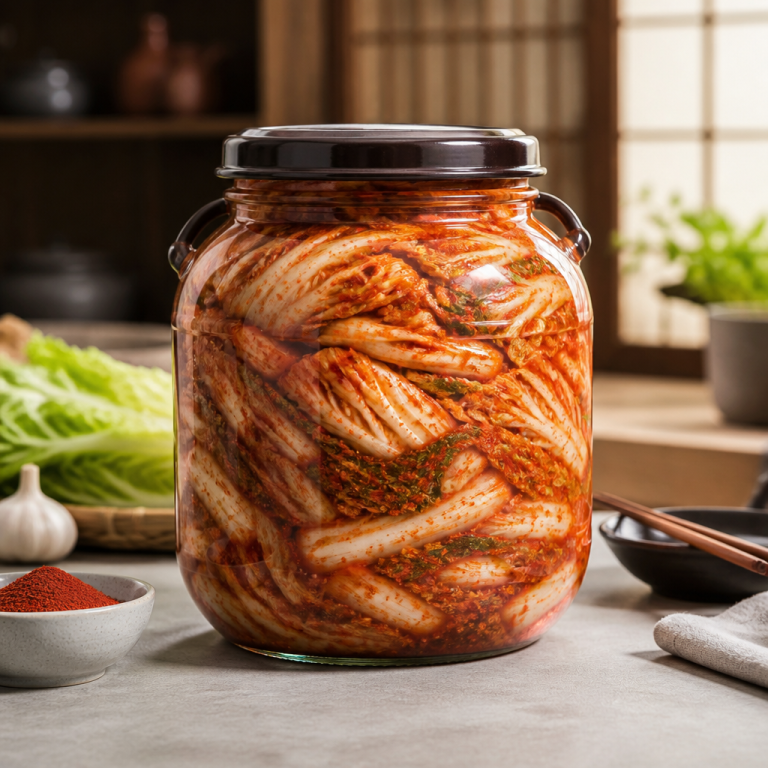
This Korean cornerstone is so much more than just a side dish; it's a living food, packed with complex flavors that dance between spicy, sour, salty, and a profound savoriness called umami. The exact taste changes dramatically depending on the ingredients, the recipe, and most importantly, how long it has been fermenting. This dynamic nature means its taste constantly evolves, offering endless variations. Understanding these subtle shifts is key to truly appreciating this iconic and versatile dish.
Kimchi Flavor Profile Explained
The incredible flavor of kimchi isn't just luck; it's the beautiful outcome of carefully chosen ingredients and the fascinating process of fermentation. It’s a culinary journey where humble vegetables transform into a powerhouse of taste.
Is kimchi spicy or sour?
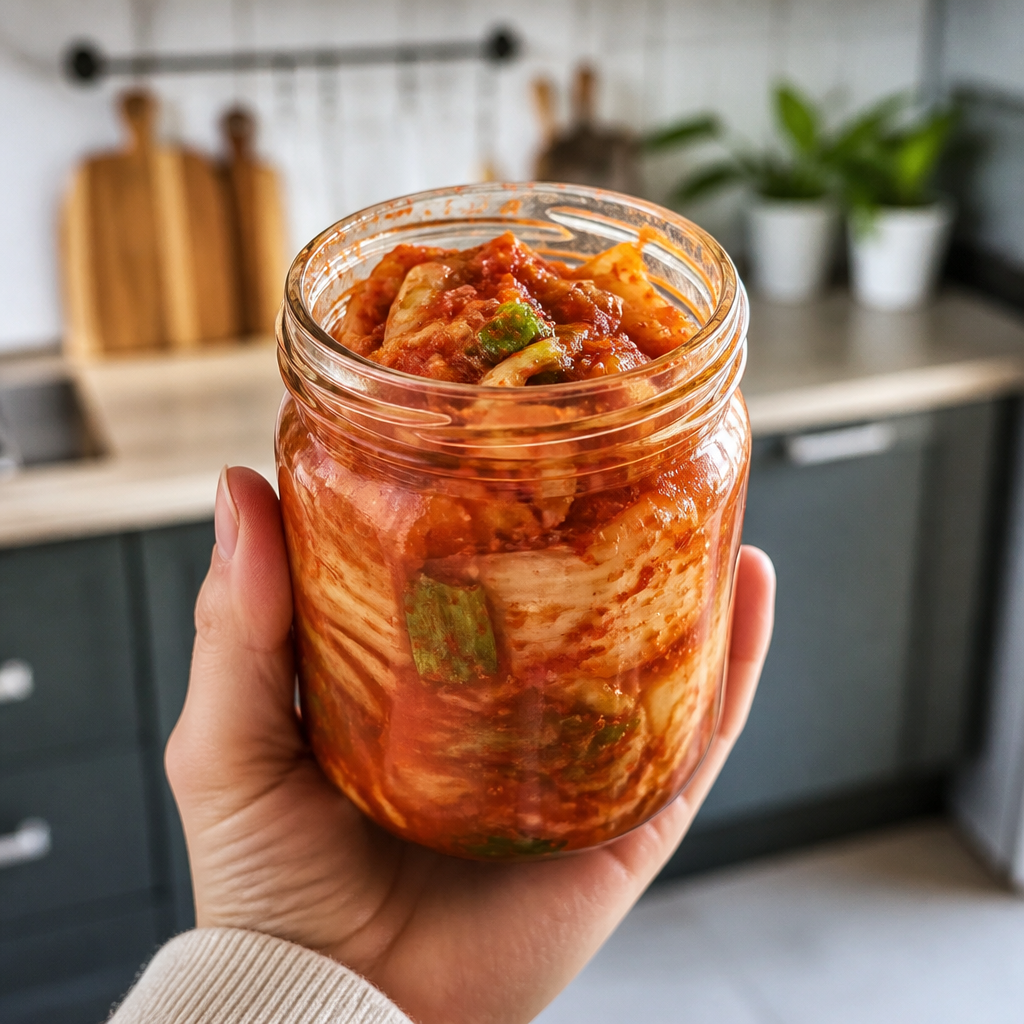
This Korean staple is uniquely both spicy and sour, along with being salty and savory. The exact balance depends on its age and the specific recipe. The spiciness comes from gochugaru (Korean red pepper flakes), which provide a unique, lingering warmth rather than a sharp, instant burn. A good ferment offers a pleasant kick that perfectly balances the other flavors.
The sourness develops from lactic acid fermentation. Beneficial bacteria, specifically Lactobacillus, consume the natural sugars in the vegetables and convert them into lactic acid. This acid gives the dish its signature tangy flavor, which intensifies as it ages. The dance between spicy and sour is heavily influenced by how long the ferment has been aged. When it is fresh (1-3 days old), you mostly taste the vibrant spice and the crunch of the cabbage. As it ages for two weeks or more, a much stronger sourness takes center stage, mellowing the initial spice.
Regional variations in Korea also play a big part in this balance. Northern varieties tend to be less spicy and saltier, while southern varieties usually pack in more gochugaru and are fermented longer for a bolder, more acidic taste.
- Day 1-3 (Fresh): Spicy: 7/10, Sour: 2/10. The focus is on fresh, vibrant heat.
- Day 7-10 (Optimal): Spicy: 6/10, Sour: 6/10. A beautiful balance where both flavors shine.
- Day 14-21 (Fermented): Spicy: 4/10, Sour: 8/10. Sourness takes the lead as fermentation deepens.
- Day 30+ (Aged): Spicy: 3/10, Sour: 9/10. Distinctly sour, with the spice settling into the background.
What does kimchi smell like?
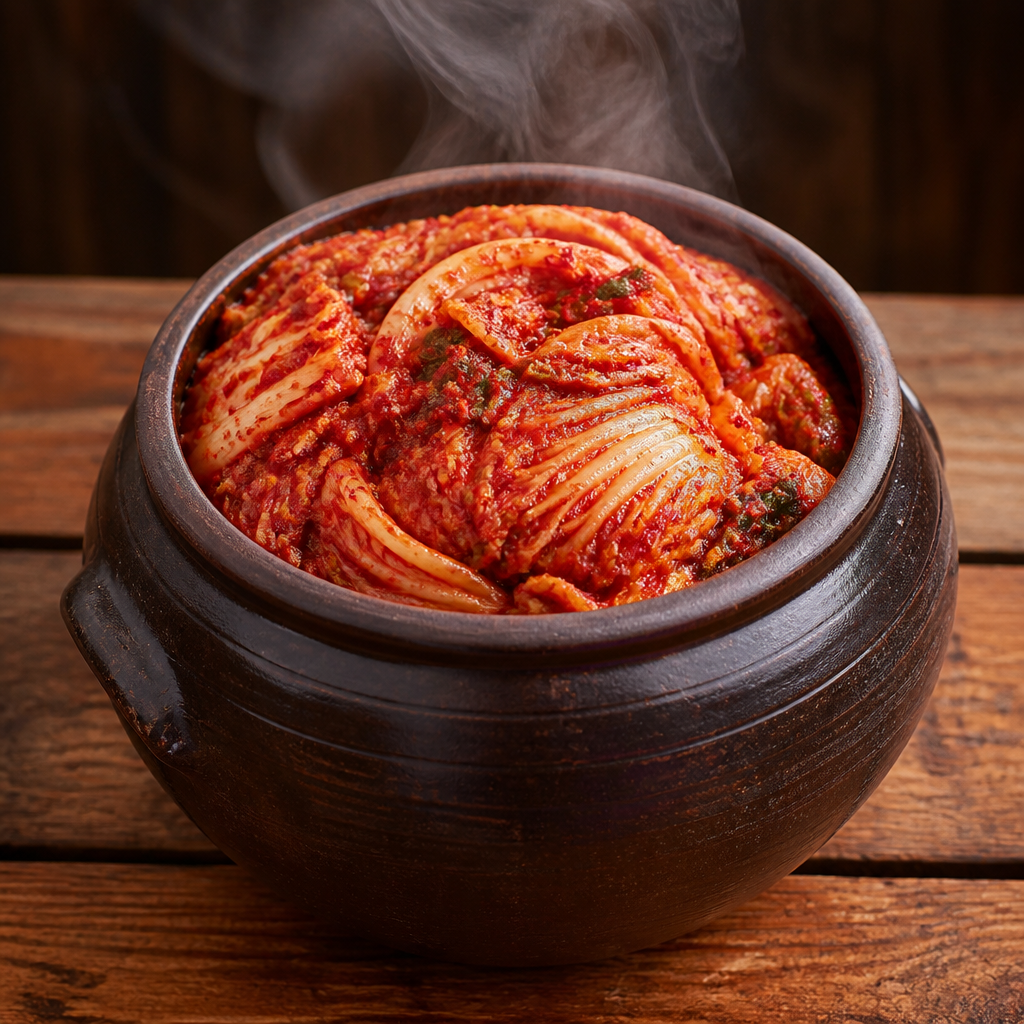
The smell of this fermented dish is one-of-a-kind and just as complex as its taste. Most people describe it as pungent and intensely savory. It gives off a fermented scent characterized by sharp, acidic notes mixed with the unmistakable aromas of garlic, ginger, and certain sulfurous compounds.
The sulfurous smell, which some might call "funky," gets stronger as fermentation progresses. This happens as the cabbage and radish break down, releasing compounds like hydrogen sulfide. While this aroma can catch first-timers off guard, it’s a perfectly normal sign of healthy fermentation. Temperature and storage greatly affect how strong the smell gets. A batch left at room temperature will develop much stronger odors than one kept in the refrigerator. The powerful aromas from garlic and ginger can easily seep into other foods if not properly sealed, so it is recommended to _always store it in airtight glass containers to keep its distinctive aroma from transferring to everything else_.
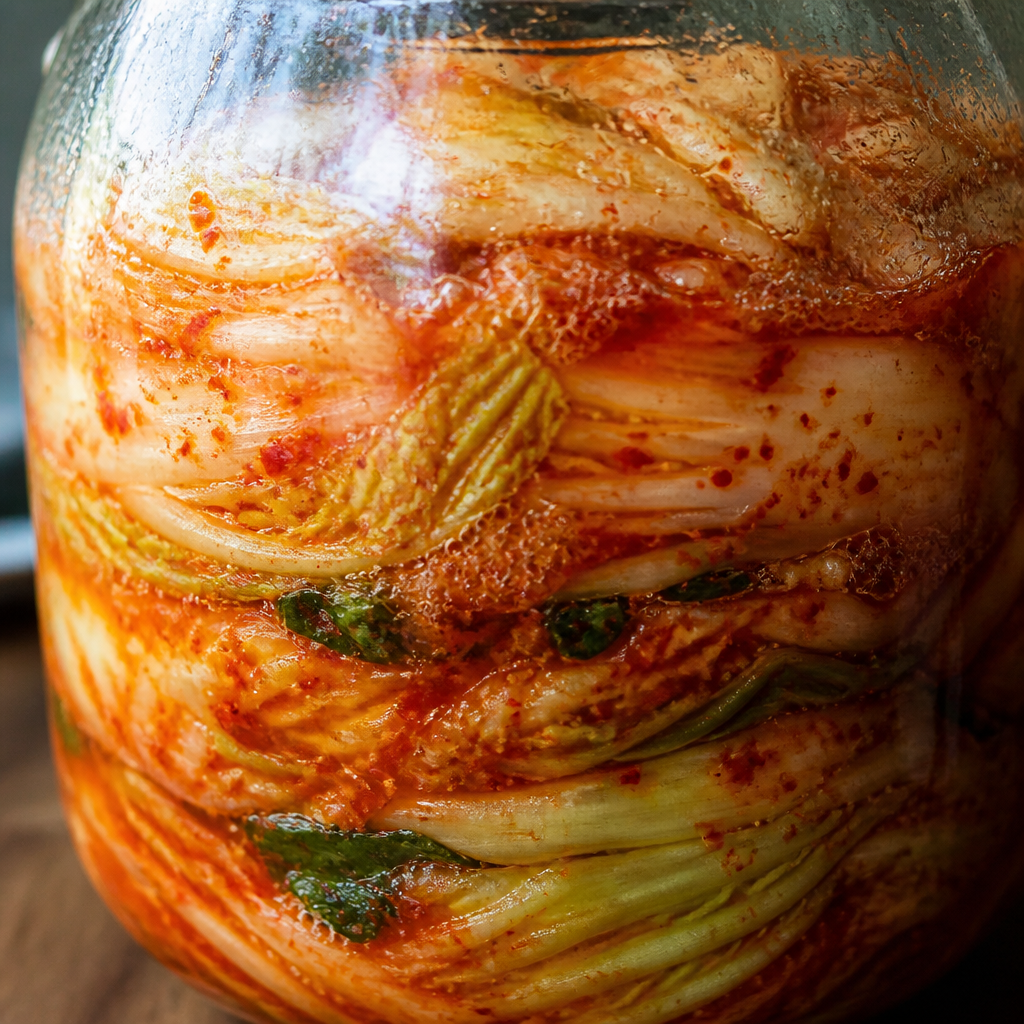
What does fresh kimchi taste like vs fermented?
The journey from a freshly made batch to a fully fermented one creates two entirely different culinary experiences. Fresh kimchi, or geotjeori (1-3 days old), is crisp, crunchy, and focused on the raw taste of the vegetables. At this stage, the flavor is mostly spicy and salty, almost like a spicy salad with minimal sourness.
As it ferments for two weeks or more, its flavor changes dramatically. This transformation is all thanks to lactic acid bacteria, which break down the cabbage and develop a complex sourness, a softer texture, and deeper umami. One of the most interesting developments is carbonation. The bacteria produce carbon dioxide gas, creating a fizzy, bubbly sensation on the tongue that is absent in fresh batches. The texture also evolves from firm and crisp to soft and tender, which is ideal for cooking dishes like kimchi jjigae (stew).
Chef Edward Lee, a renowned Korean-American chef, perfectly summed it up, saying "fresh kimchi is like a spicy, garlicky coleslaw – it's about the crunch and the heat. Fermented kimchi is a completely different ingredient with funky, sour complexity that adds depth to dishes. I use fresh kimchi as a side dish and aged kimchi for cooking."
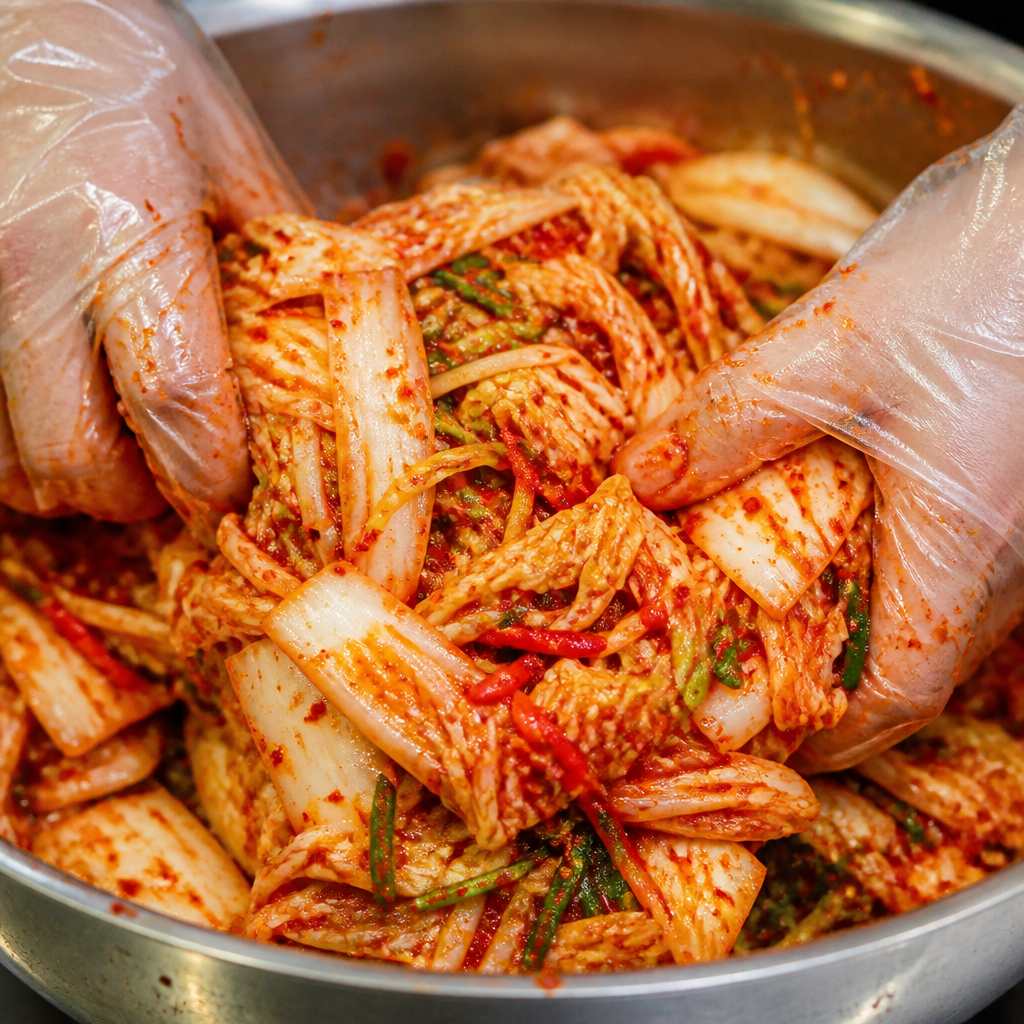
How to Describe Kimchi Taste to Someone Who Never Tried It
Introducing kimchi to someone for the first time requires a bit of explanation and context due to its unique flavor.
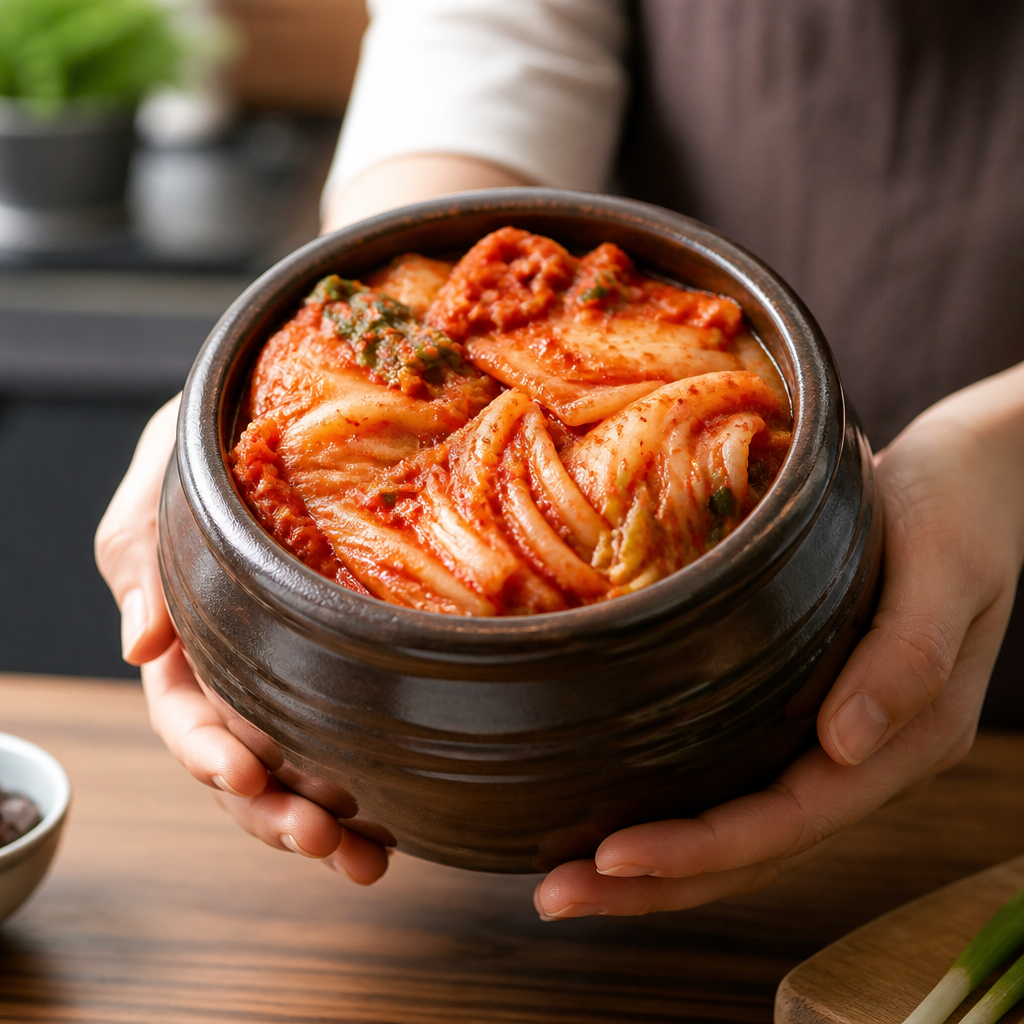
What does kimchi taste like for the first time?
For first-timers, the experience can often be an initial shock due to its intense and complex mix of flavors. Many describe it as "overwhelming" or an "acquired taste." The most common reactions include surprise at the strong sourness, the powerful punch of garlic and ginger, and the unique, crunchy-yet-soft texture.
The fermented "funk" and sourness are often the biggest hurdles for Western palates, which might not be used to fermented vegetables. These flavors are less common in typical American or European diets compared to Asian cuisines. A great way to introduce someone to the flavor is by incorporating it into cooked dishes like fried rice or stew, where the intense flavors are softened. The idea of an "acquired taste" truly applies here; _repeated exposure, often around 5-10 tries, can significantly increase a person's enjoyment_ as the brain reclassifies the complex profile from "strange" to "pleasant."
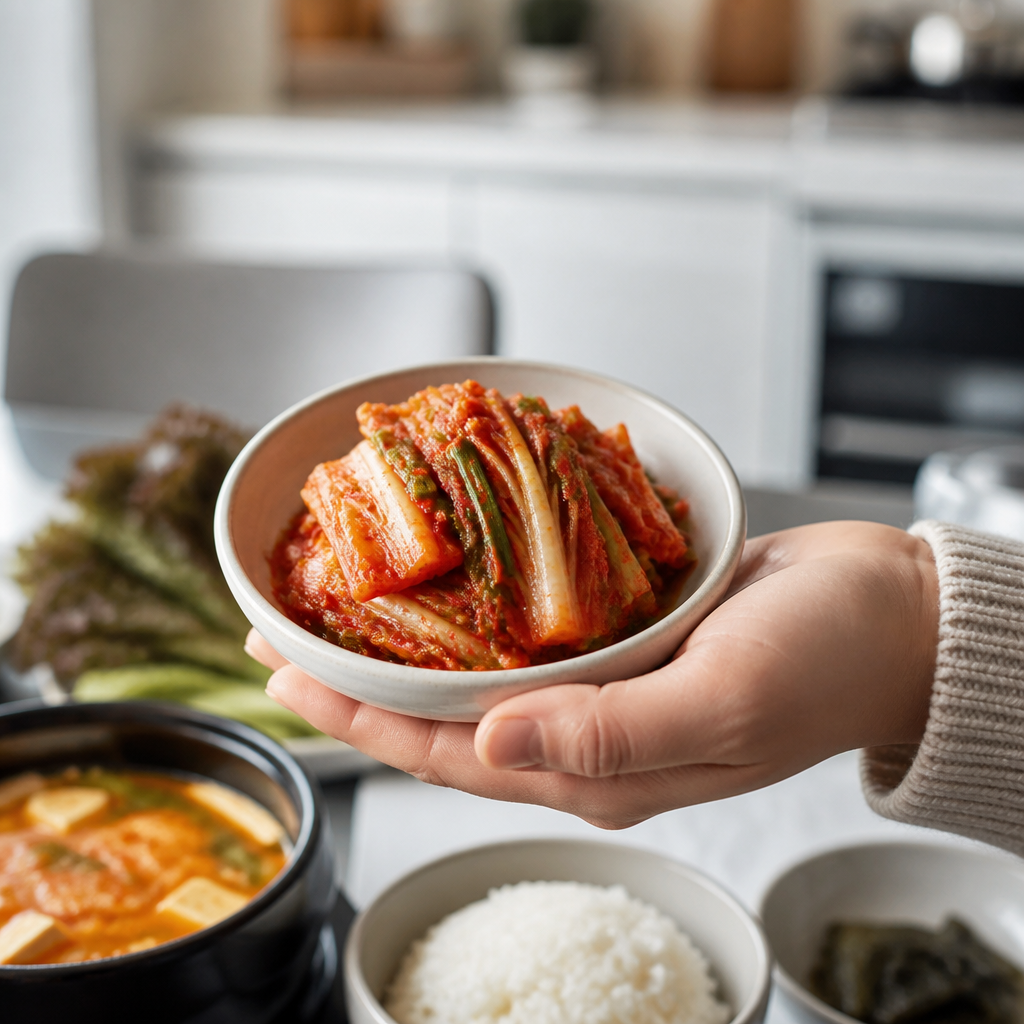
What does kimchi taste like compared to sauerkraut?
While both kimchi and sauerkraut are famous fermented cabbage products, they offer completely different taste experiences. Kimchi is a complex, spicy, garlicky, and savory food, rich in umami. Sauerkraut, on the other hand, is known for its purely sour and salty taste with a simpler, cleaner flavor.
The main difference really comes down to their ingredients. Sauerkraut is typically made with just shredded cabbage and salt. This Korean staple, however, is a maximalist ferment, packing in a much wider array of ingredients like napa cabbage, gochugaru, garlic, ginger, fish sauce, and scallions.
| Feature | Kimchi | Sauerkraut |
|---|---|---|
| Primary Flavors | Spicy, Sour, Umami, Salty, Garlicky | Sour, Salty |
| Heat Level | Moderate to Hot | None |
| Key Ingredients | Cabbage, Gochugaru, Garlic, Ginger, Fish Sauce | Cabbage, Salt |
| Complexity | High (many layers of flavor) | Low (clean, direct flavor) |
| Texture | Varied (crisp stems, tender leaves) | Uniformly soft, shredded |
Fermentation expert Sandor Katz, author of "The Art of Fermentation," beautifully describes the distinction: "Sauerkraut is a minimalist ferment showcasing pure lactic acid and cabbage flavor, while kimchi is a maximalist ferment where the cabbage becomes a vehicle for a complex paste of flavors – it's like comparing a simple vinaigrette to a complex curry sauce."
Ultimately, their culinary uses reflect their distinct flavors. Sauerkraut’s clean taste pairs well with rich meats, while the bold profile of its Korean counterpart makes it incredibly versatile as both a side dish and a foundational cooking ingredient.
FAQ
Q1: What are the primary tastes in kimchi?
A1: It primarily offers a complex blend of spicy, sour, salty, and umami flavors. The balance of these tastes can shift depending on the fermentation stage and the specific recipe used.
Q2: Does it always taste spicy?
A2: It is typically spicy due to the inclusion of gochugaru (Korean red pepper flakes). However, the level of spiciness can vary, and some regional varieties are less spicy. The heat may also mellow as the product ferments.
Q3: What causes the sour taste?
A3: The sourness is a result of lactic acid fermentation. Lactobacillus bacteria convert sugars in the cabbage into lactic acid, which lowers the pH and creates the characteristic tangy flavor that intensifies over time.
Q4: How does the taste of fresh vs. fermented differ?
A4: Fresh batches (1-3 days old) are crisp, crunchy, and vegetable-forward with bright spiciness and minimal sourness. Fermented batches (2+ weeks old) develop a complex sourness, a softer texture, deeper umami flavors, and often a fizzy tang.
Q5: Is it similar to sauerkraut?
A5: While both are fermented cabbage, their flavor profiles are distinct. Kimchi is spicy, garlicky, and umami-rich with many ingredients, whereas sauerkraut is purely sour and salty with a simpler flavor and no heat.

Emily Carter is an American food lover who writes about Korean cuisine for people trying it for the first time. She covers what things taste like, how to eat them, and what to cook with them.