Mandu vs Gyoza: 7 Surprising Differences You Need to Know
Dumplings are a delightful comfort food found across countless cultures, essentially delicious little parcels of dough wrapped around a tasty filling. In East Asia, two popular types often compared are Korean mandu and Japanese gyoza. At first glance, they might seem similar—both are delightful, savory pockets of flavor. However, when you dig a little deeper, you can discover each boasts unique characteristics, shaped by distinct cultural histories, specific ingredients, and special preparation methods.
Understanding these differences goes beyond just food; it's about appreciating the rich culinary traditions of Korea and Japan. While they share a common heritage, each has developed its own distinct personality and characteristics.
Origins and Background of Mandu and Gyoza
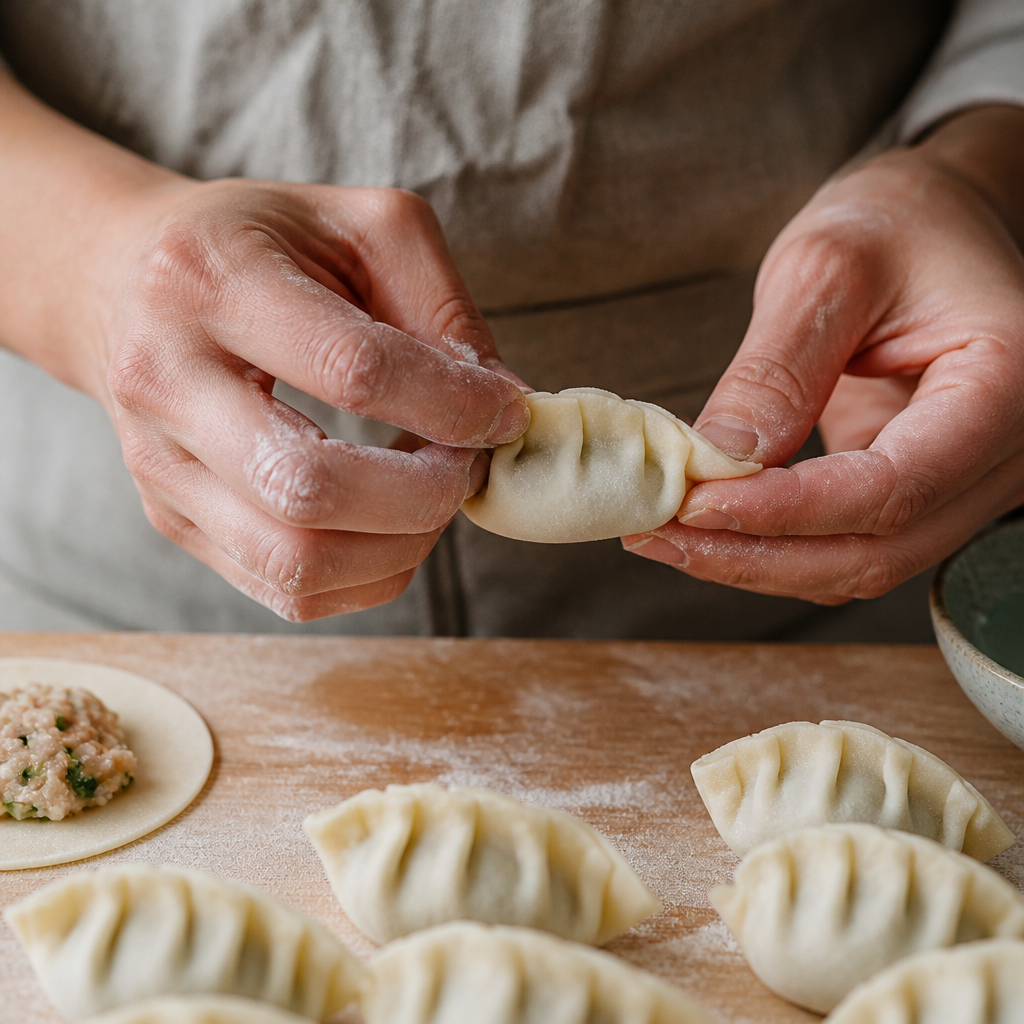
What's the Difference Between a Dumpling, Gyoza, and Mandu?
"Dumpling" is the broad family name for any dish involving dough wrapped around a filling, a category that includes everything from Italian ravioli to Polish pierogi. The Korean and Japanese varieties are specific members of this global dumpling family, each with its own unique story.
The beloved Japanese gyoza traces its lineage directly back to the Chinese _jiaozi_. These dumplings are typically recognized by their super-thin wrappers, finely chopped fillings packed with savory garlic, and a common preference for being pan-fried to a crisp.
The Korean mandu has a much older history in its homeland, tracing roots to the Goryeo Dynasty (918-1392 CE). These dumplings typically stand out with their thicker, chewier wrappers and chunkier fillings. Plus, the Korean variety is quite versatile; it can be steamed, boiled, fried, or enjoyed in soup. The Chinese _jiaozi_ is widely believed to be the common ancestor for both, with each country adapting the dish to its own culinary landscape.
When it comes to size, Japanese dumplings usually measure about 7-8 centimeters and are often folded into a crescent shape. The Korean counterparts tend to be larger, often 8-12 centimeters, and come in various shapes—from half-moons to cylindrical rolls (_gun-mandu_).
Korean-American chef Judy Joo points out that mandu often highlights Korea's agricultural traditions, with a strong emphasis on ingredients like kimchi and various fresh vegetables. Gyoza, she notes, often showcases Japan's precision in perfecting the crispy-to-soft texture contrast when pan-fried.
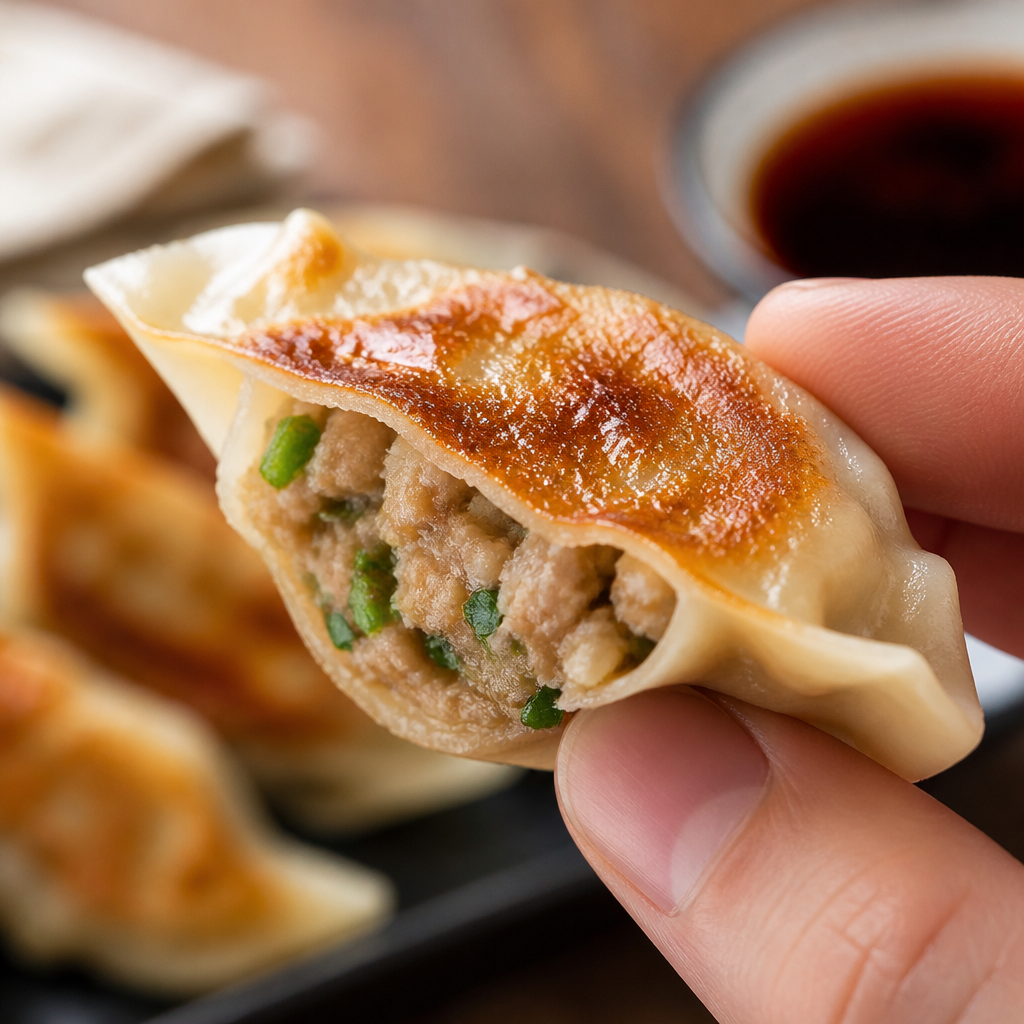
Mandu vs. Gyoza Origin and History
The historical journey of the Korean dumpling is extensive, dating back to the Goryeo Dynasty. Historians believe it was introduced to Korea through influence from Mongol culture and trade along the Silk Road. This deep history means it has been a cherished part of Korean cuisine for 600 to 1,000 years.
The Japanese dumpling, in comparison, is a much newer arrival. It journeyed from China to Japan in the early 20th century, but its popularity exploded after World War II. Japanese soldiers returning from Manchuria brought back the tradition of making _jiaozi_, adapting them to local tastes. This means gyoza only truly became a mainstream dish in Japan in the 1940s-1950s, making its Korean counterpart a significantly older culinary tradition. _While both trace back to China, their adoption timelines are centuries apart._
Both types of dumplings underwent fascinating cultural makeovers. The Korean version evolved to embrace quintessential ingredients like spicy kimchi, chewy glass noodles (_dangmyeon_), and soft tofu. The Japanese adaptation often uses less garlic, adds more crisp cabbage, and perfects the _yaki-gyoza_ (pan-fried) technique.
Food historian Dr. Michael Pettid highlights that the Korean dumpling's long evolution shows Korea's position as a "cultural crossroads." It absorbed various influences but then developed its own unique characteristics, like the prominence of kimchi varieties and its role in ceremonial foods such as _tteokguk_ (rice cake soup).
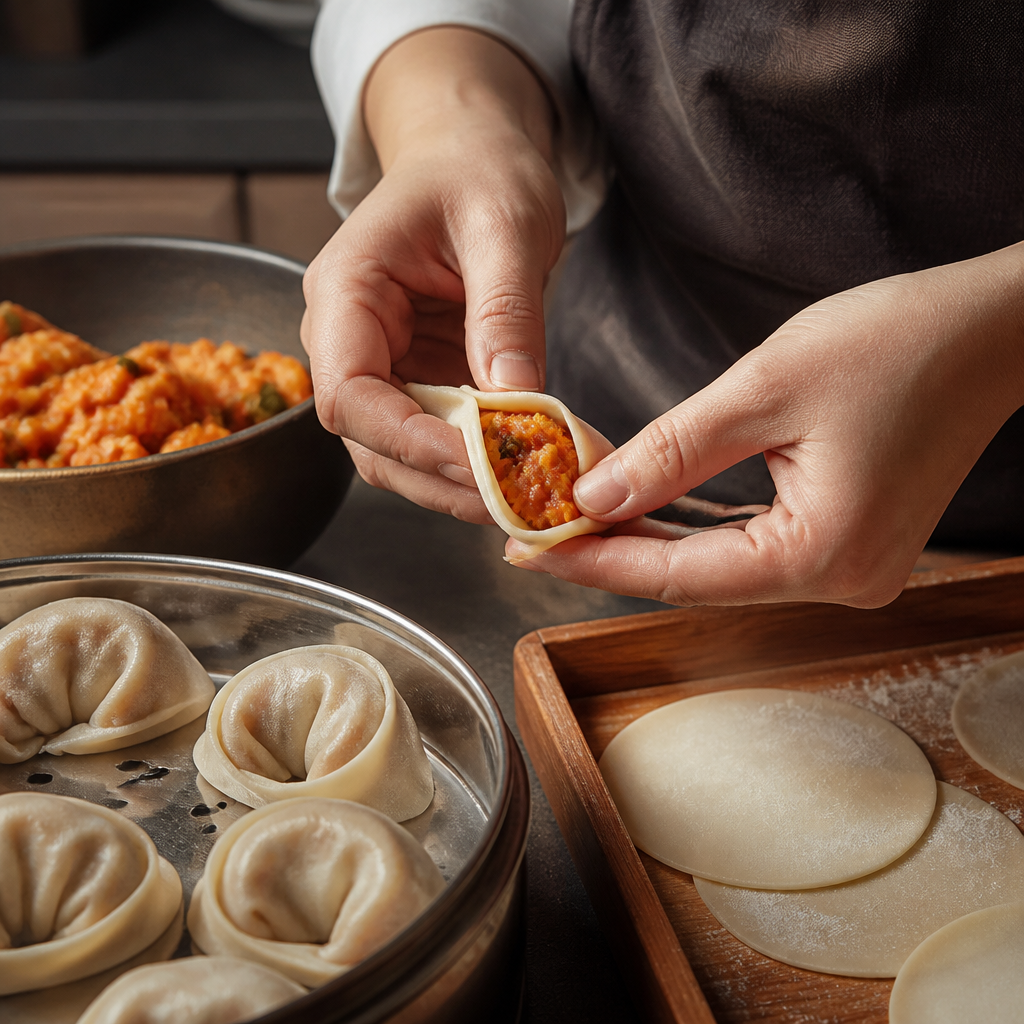
What Are the Key Differences Between Mandu and Gyoza?
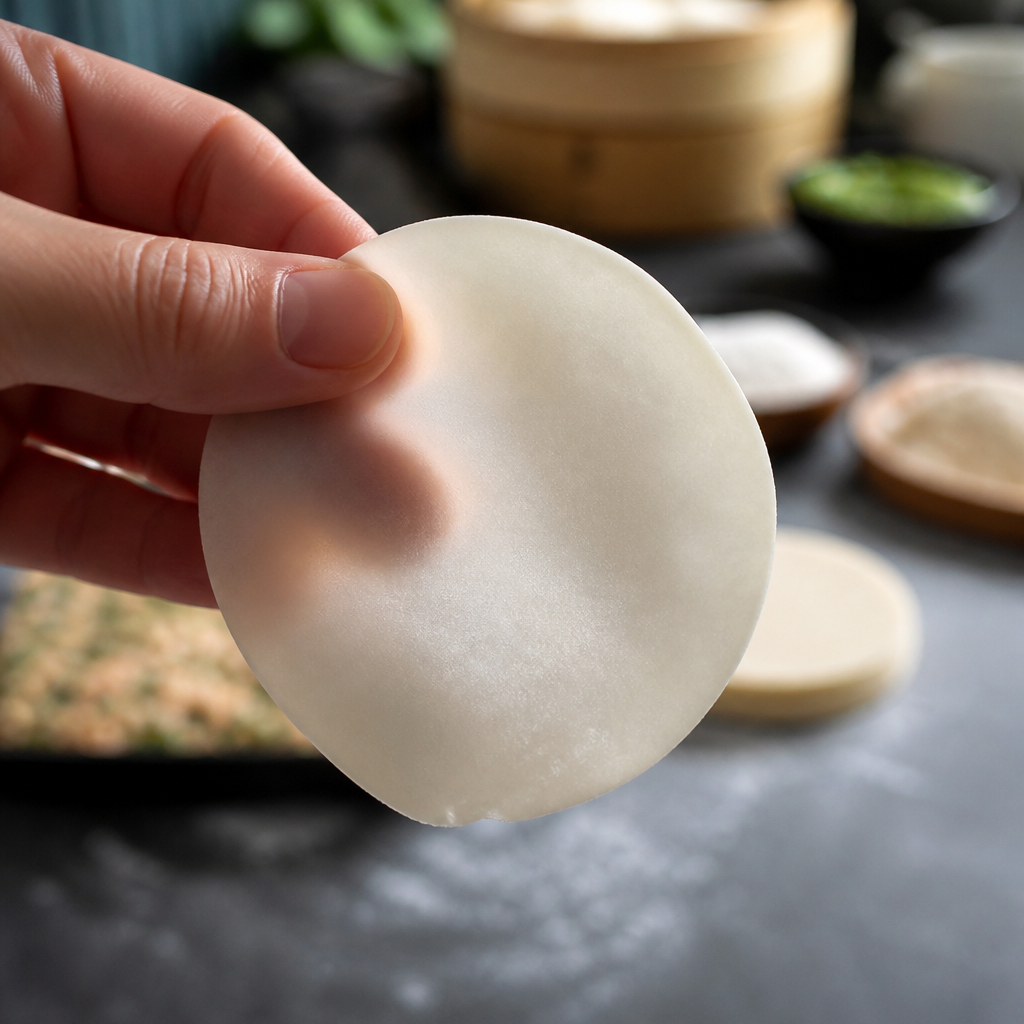
One of the first things you'll notice when comparing mandu and gyoza is the wrapper itself. The Japanese wrappers are typically very thin, around 0.8-1.0 millimeters, designed to become soft when steamed and incredibly crispy when pan-fried.
The Korean wrappers are noticeably thicker, giving them a satisfyingly chewier, more substantial bite. This sturdier wrapper is also more durable, which is essential for withstanding various cooking methods like boiling in soups without breaking apart.
| Feature | Mandu (Korean) | Gyoza (Japanese) |
|---|---|---|
| Wrapper | Thicker, chewier, and more durable | Thinner, more delicate, designed for crispiness |
| Primary Filling | Chunky; vegetables, kimchi, tofu, glass noodles, meat | Finely minced; pork, cabbage, garlic, _nira_ chives |
| Typical Taste | Balanced, milder, and vegetable-forward | Intense, savory, garlicky, and umami-rich |
| Common Shape | Larger; half-moon, round, or cylindrical | Smaller; crescent-shaped with fine pleats |
Mandu vs. Gyoza Fillings Comparison
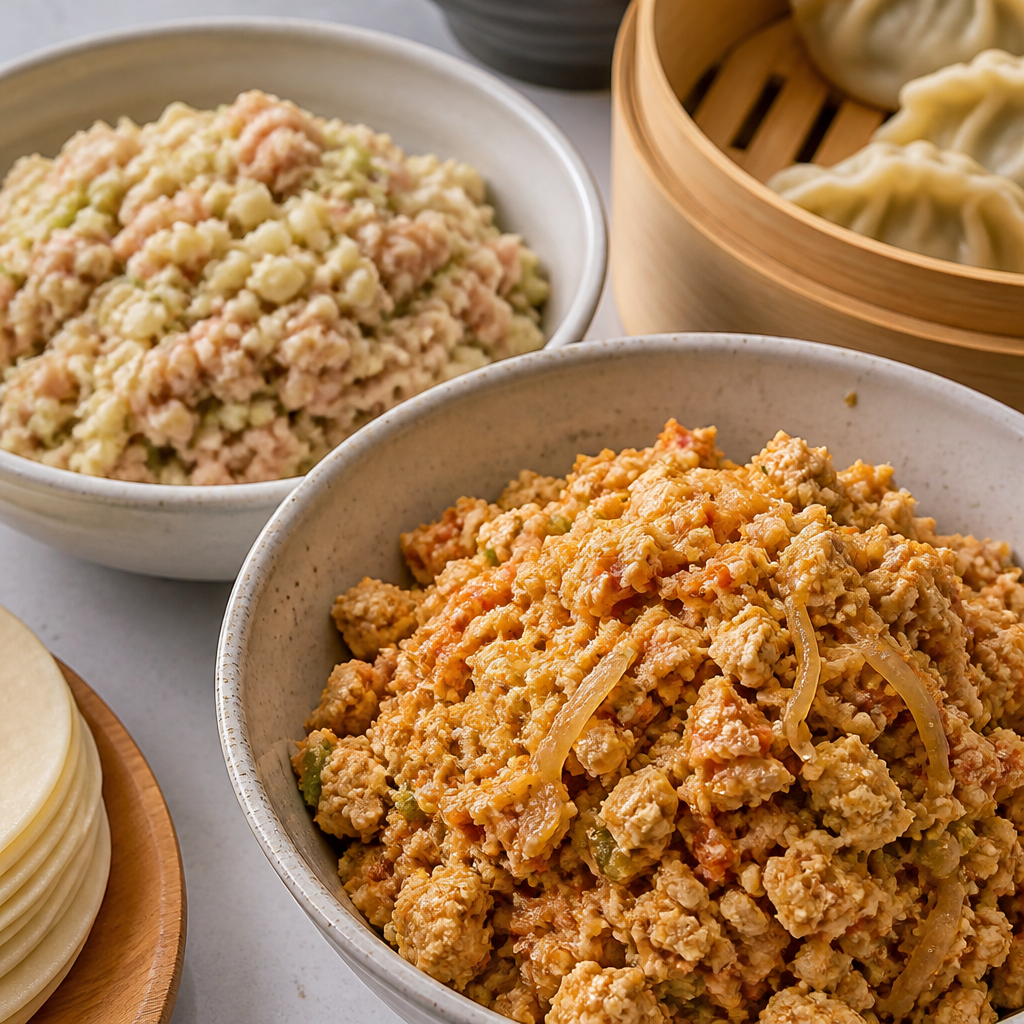
The filling is where these two dumplings diverge significantly. A typical Japanese filling consists of 50-60% finely minced cabbage and 30-40% ground pork, seasoned with garlic, ginger, _nira_ (garlic chives), sesame oil, and soy sauce. The ingredients are chopped so finely they create a uniform, smooth texture. _It is crucial to squeeze out all excess moisture from the cabbage to prevent the filling from becoming watery._
Korean fillings are much more diverse and often chunkier. They commonly include a significant amount of vegetables like cabbage or kimchi, along with meats, soft tofu, and chewy glass noodles (_dangmyeon_). Unlike the Japanese style, Korean fillings feature visibly chunkier, more distinct pieces of vegetables and other ingredients. This creates a wonderful variety of textures in each bite. While pork is common in gyoza, beef is just as common in mandu, and vegetarian options with tofu are widespread.
Mandu vs. Gyoza Taste Difference
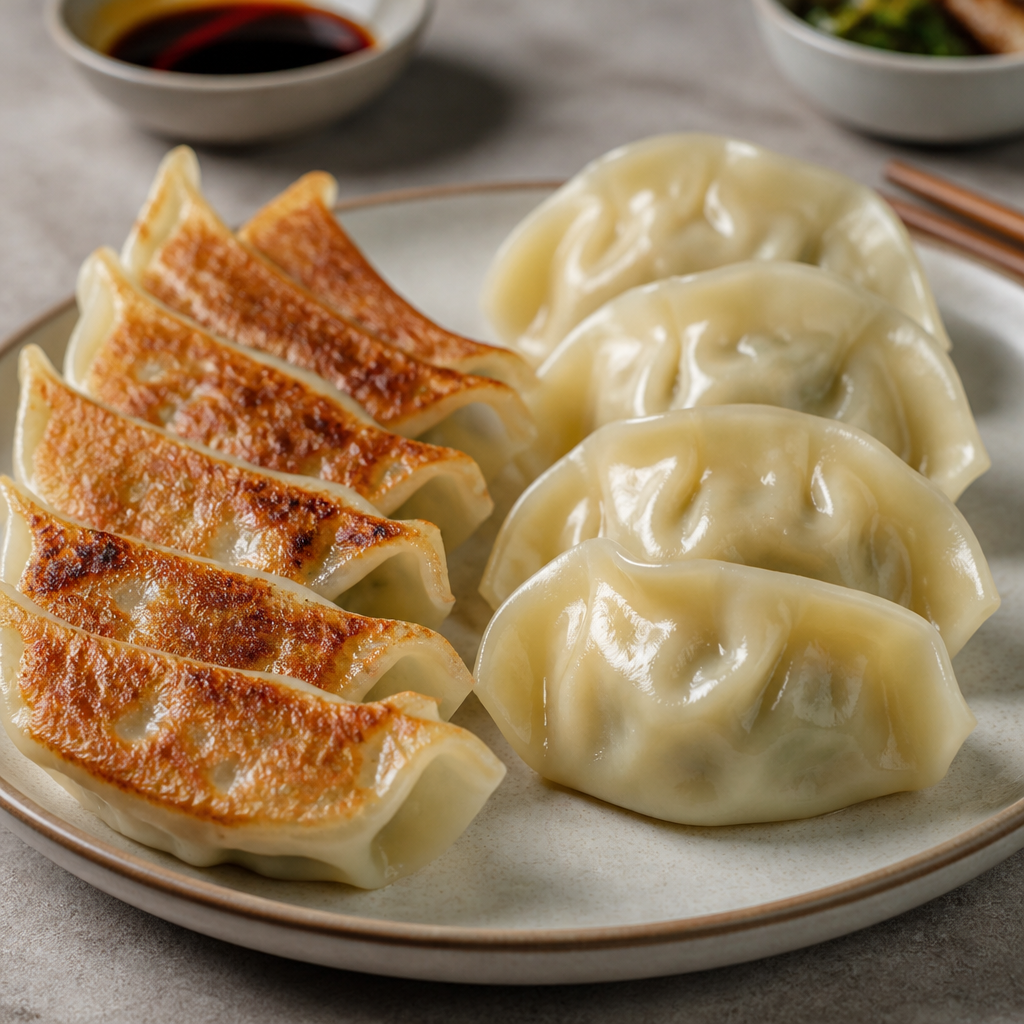
The distinct wrappers and fillings combine to create noticeably different taste experiences. The Japanese gyoza delivers a concentrated, powerful burst of flavor. It's intensely umami-rich, assertively garlicky, and deeply savory.
The Korean mandu, in contrast, presents a more balanced, vegetable-forward taste with subtle complexity. The flavor tends to be milder, less overtly garlicky, and features wonderful textural variety from components like glass noodles and tofu, leading to a lighter impression. The wrapper also plays a crucial role. In pan-fried gyoza, the thin, crispy bottom adds a toasted, slightly caramelized flavor, while the Korean dumpling's thicker wrapper provides a more neutral, doughy taste.
How Are Mandu and Gyoza Prepared?
Mandu vs. Gyoza Cooking Methods
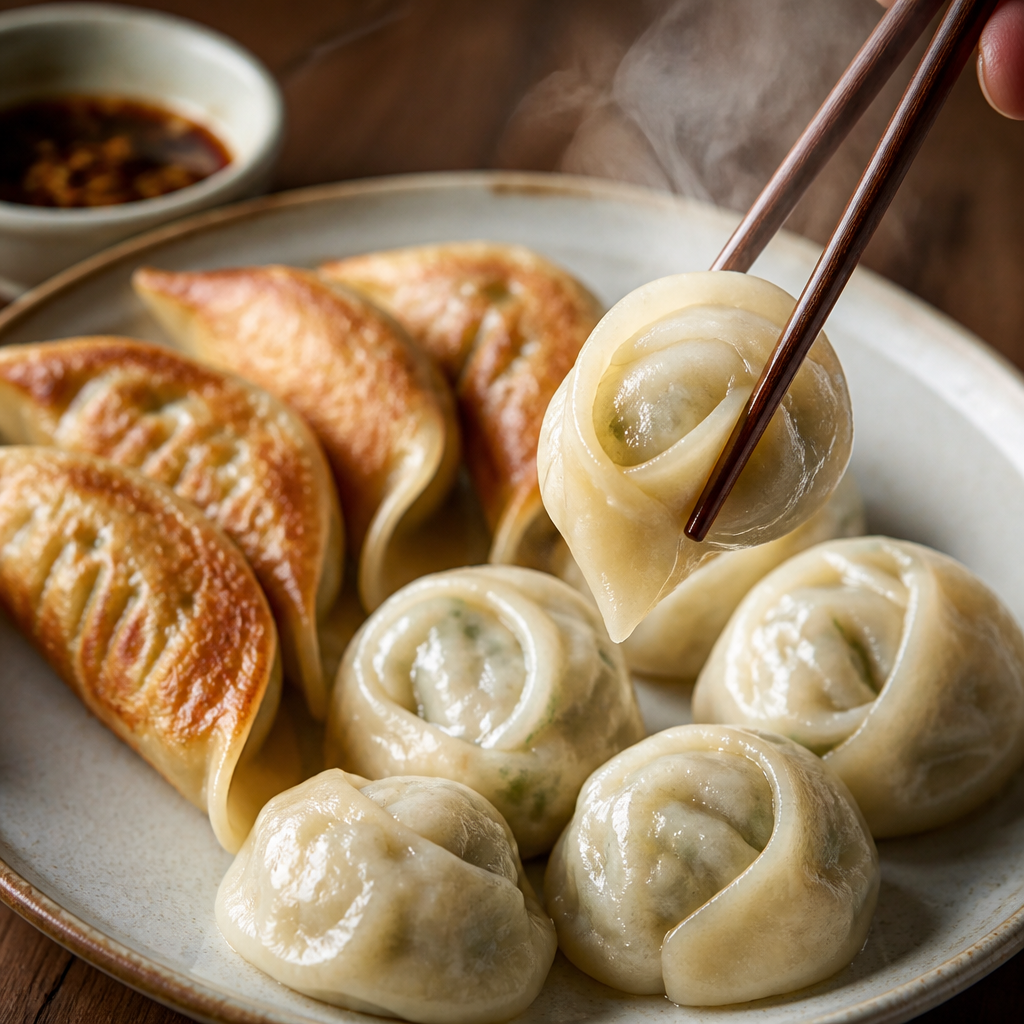
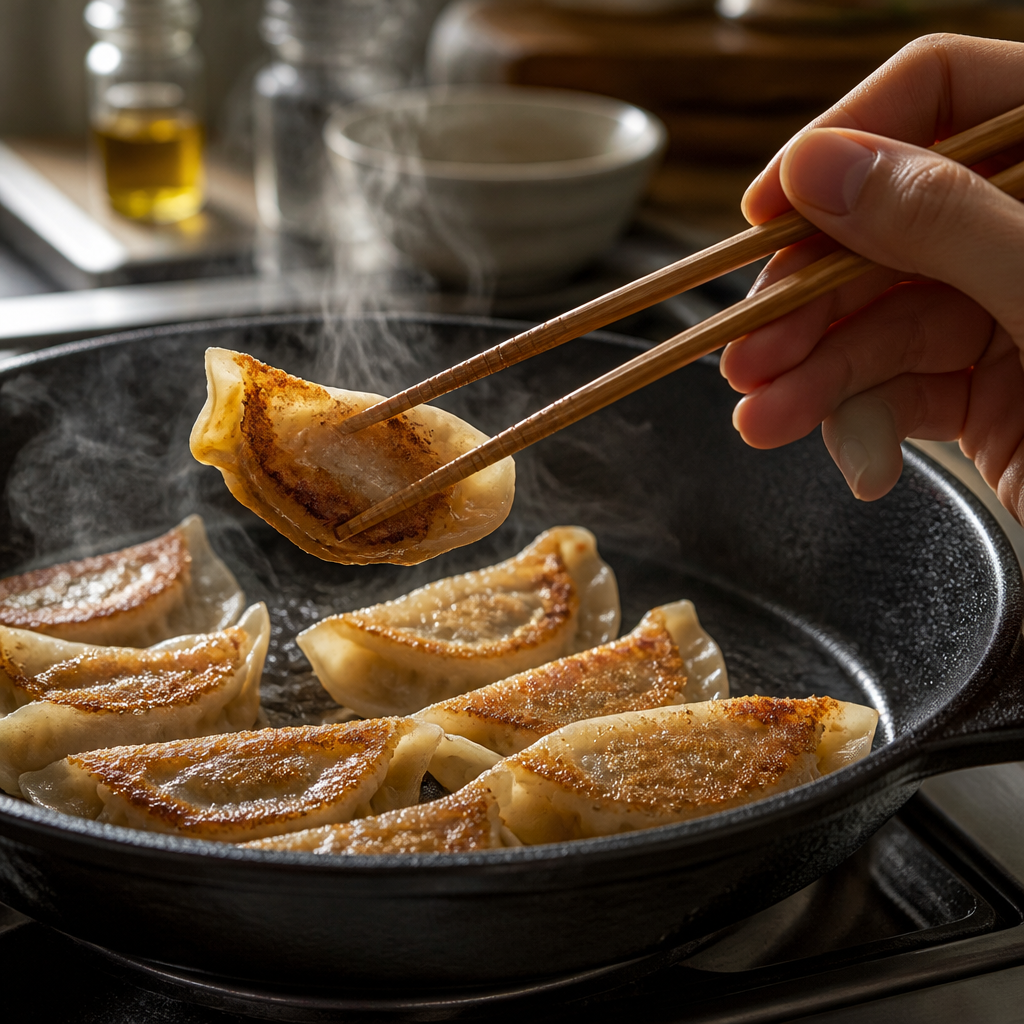
The cooking method is another major factor that defines the final texture and taste of mandu and gyoza. The signature method for Japanese dumplings is _yaki-gyoza_, a pan-frying technique that combines frying and steaming. Dumplings are placed in a hot pan, steamed with a splash of water under a lid, and then fried until the bottoms are crispy and golden-brown.
The Korean dumpling, however, is a chameleon when it comes to cooking. There is no single dominant technique; instead, it embraces a wide variety of methods.
- _Jjin-mandu_: Steamed, resulting in a soft, plump, and chewy wrapper.
- _Mul-mandu_: Boiled, often served in a hearty soup (_manduguk_).
- _Gun-mandu_: Pan-fried until golden and crisp all over.
- _Twigim-mandu_: Deep-fried for a uniformly crunchy texture.
_The key to the signature yaki-gyoza texture is the combination of steaming and frying in the same pan._ Culturally, serving the Korean variety in soup is a deeply traditional custom, a cooking method almost never used for its Japanese counterpart. The thicker, more robust wrapper is crucial here, as it prevents the dumpling from falling apart while simmering in broth.
Korean-American chef Roy Choi explains that mandu's versatility in cooking methods reflects Korean cuisine's adaptability. The same dumpling can be transformed into completely different dishes just by changing how it's cooked.
Gyoza's identity is more closely tied to its specific pan-fried preparation, which is what most people expect when they order it. This diversity in preparation leads to very distinct outcomes, from the crispy-bottomed texture of the Japanese style to the soft and chewy steamed Korean version.
FAQ
Q1. What is the main difference in wrapper thickness between mandu and gyoza?
A1. Gyoza wrappers are typically thin (0.8-1.0mm), designed for crispiness when pan-fried, while mandu wrappers are noticeably thicker, providing a chewier bite and greater durability for various cooking methods, including boiling.
Q2. How do the fillings of mandu and gyoza generally differ?
A2. Gyoza fillings are usually finely minced, primarily consisting of cabbage and ground pork with a strong garlic flavor. Mandu fillings are often chunkier, more vegetable-forward, and can include a wider variety of ingredients like kimchi, glass noodles, tofu, and different meats such as beef or chicken, reflecting greater protein diversity and vegetarian options.
Q3. What are the primary cooking methods for gyoza and mandu?
A3. Gyoza's signature cooking method is yaki-gyoza (pan-frying), which creates a crispy bottom and soft top. Mandu, however, is prepared using diverse methods, including steaming (jjin-mandu), boiling in soup (mul-mandu), pan-frying (gun-mandu), and deep-frying (twigim-mandu).
Q4. Why does mandu have a longer history in its respective cuisine compared to gyoza?
A4. Mandu originated in Korea during the Goryeo Dynasty (918-1392 CE), giving it a documented history of 600-1,000 years. Gyoza was introduced to Japan from China in the early 20th century and became mainstream after World War II, making it a more recent culinary adaptation.
Q5. How does the taste profile of mandu compare to gyoza?
A5. Gyoza offers a concentrated, umami-rich, and garlicky flavor with a pronounced meat taste, creating an intense profile. Mandu tends to be more balanced and vegetable-forward, with a milder, less garlicky flavor and textural variety from its chunkier ingredients, often resulting in a lighter overall impression.

Emily Carter is an American food lover who writes about Korean cuisine for people trying it for the first time. She covers what things taste like, how to eat them, and what to cook with them.