what is bibimbap sauce: Easy 5-Minute, Delicious Guide
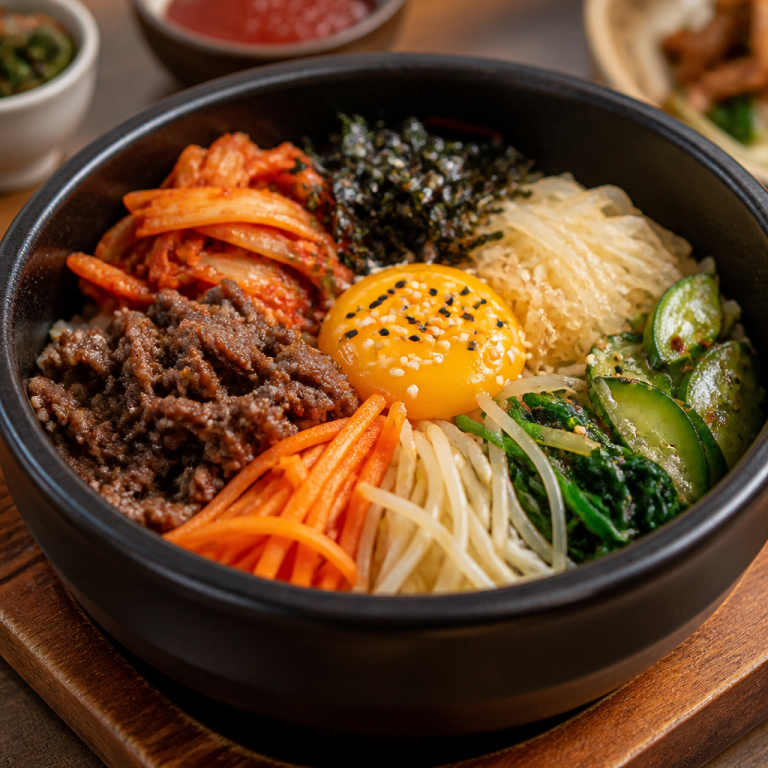
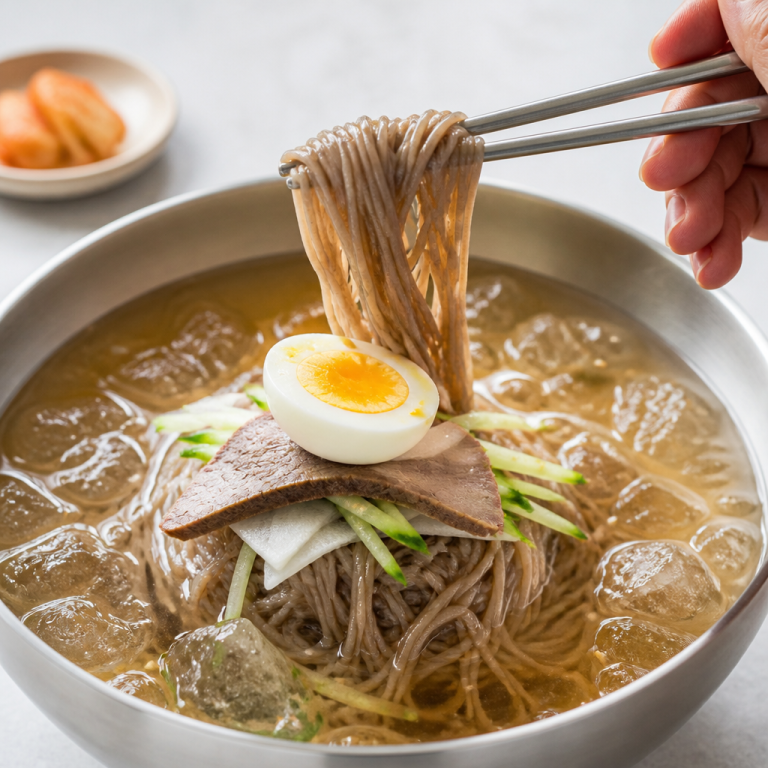
Bibimbap sauce is a distinctive Korean condiment made specifically for bibimbap, a popular Korean dish featuring a generous bowl of mixed rice. This sauce is celebrated for its well-balanced blend of sweet, spicy, and savory notes. Its vibrant flavor profile largely comes from gochujang, a fermented Korean red chili paste, combined with other carefully selected ingredients.
The sauce plays a crucial role in harmonizing the diverse components of a bibimbap. When you combine various colorful vegetables, fluffy rice, and a chosen protein, the sauce acts as a unifying element. It transforms these individual ingredients into a cohesive and delicious meal once everything is thoroughly mixed. In traditional Korean cooking, this sauce isn’t just an accompaniment; it’s fundamental to the dish. Discover how the very act of mixing, or “bibim,” with the sauce is what defines bibimbap and gives it its unique identity. While bibimbap itself boasts a long history, the gochujang-based sauce emerged as a standout element as Korean culinary traditions evolved.
Bibimbap Sauce Composition and Taste
What is bibimbap sauce made of?
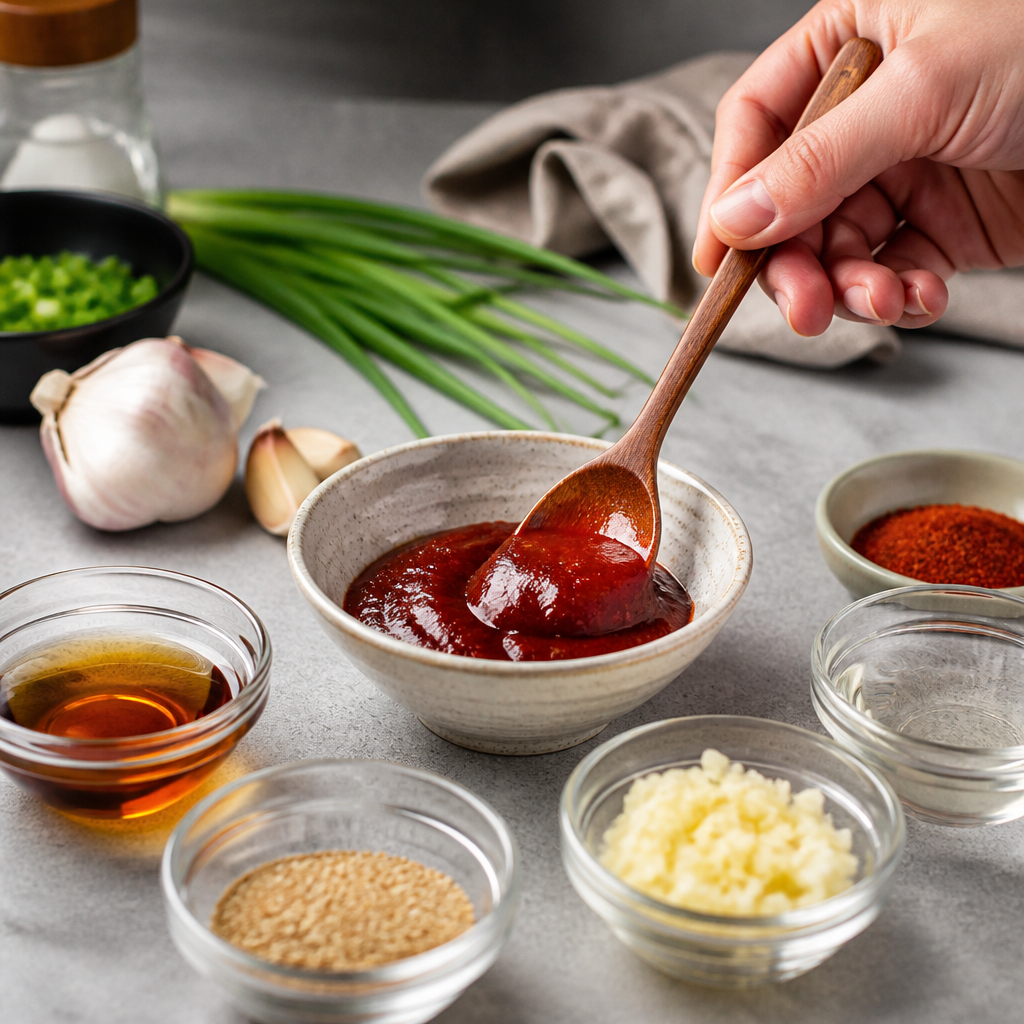
At its core, bibimbap sauce is typically built on a foundation of gochujang, a rich, fermented Korean red chili paste. Fermentation allows the ingredients to develop complex flavors over time. This gochujang is then blended with other key ingredients, such as fragrant sesame oil, a touch of sweetness from sugar or honey, a tangy splash of rice or apple cider vinegar, finely minced garlic, and crunchy toasted sesame seeds.
These components combine to create a nuanced flavor experience. The gochujang provides a deep, savory, umami taste along with its characteristic spicy warmth. Sesame oil contributes a nutty richness, while the vinegar introduces a bright acidity that effectively balances the sweetness.
As Korean cooking instructor Chef Maangchi often notes, using high-quality, authentic gochujang makes a significant difference in the sauce’s depth and authenticity.
My own experience confirms this; a good gochujang offers a vibrancy that elevates the entire flavor profile.
bibimbap sauce ingredients
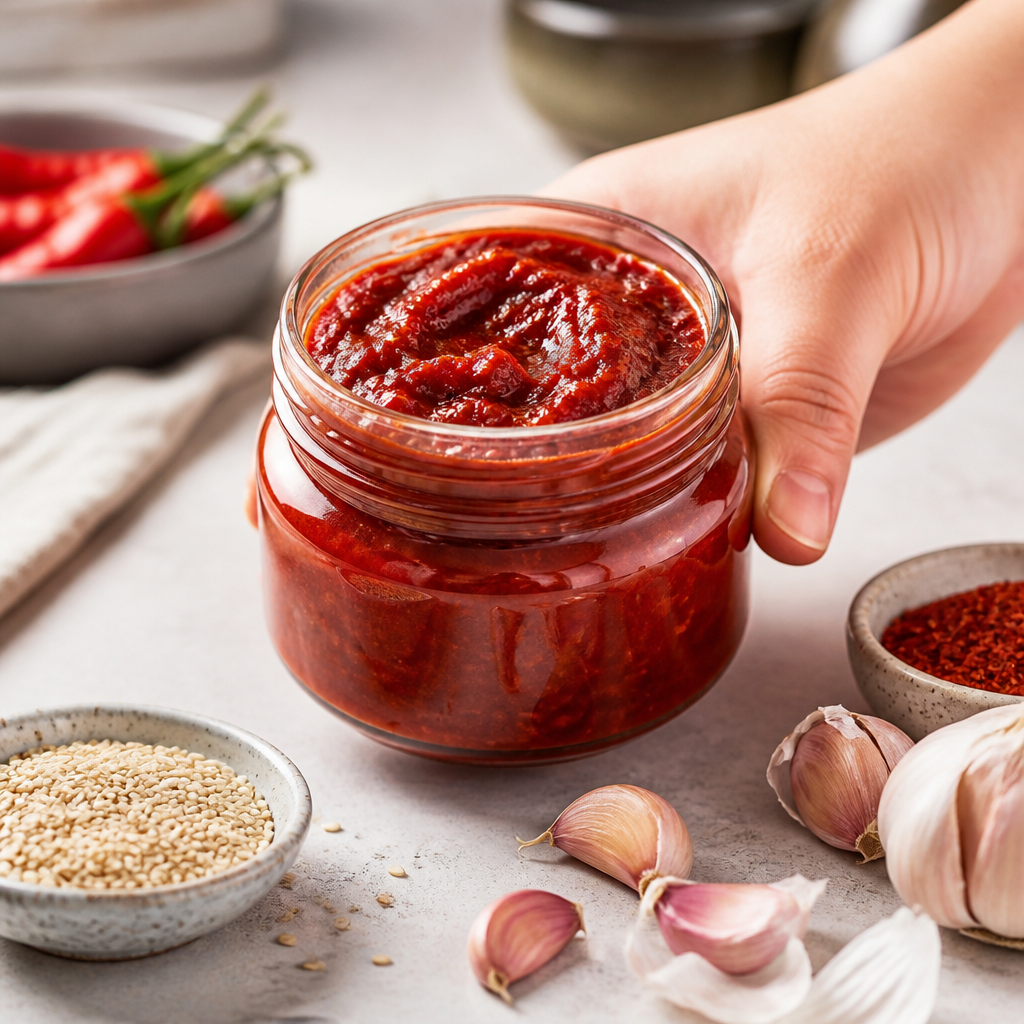
The standard ingredients found in bibimbap sauce include gochujang, sesame oil, rice vinegar (or apple cider vinegar), sugar (or honey), minced garlic, and toasted sesame seeds. For those seeking more flavor or heat, soy sauce and gochugaru (Korean red pepper flakes) can be added as optional ingredients. A widely suggested ratio is 3 tablespoons of gochujang, 1 tablespoon of sesame oil, 1 tablespoon of rice vinegar, 1 tablespoon of sugar, 1 clove of minced garlic, and 1 teaspoon of sesame seeds. This ratio serves as a great starting point, but _feel free to adjust it to suit your preferences_.
bibimbap sauce flavor profile
Bibimbap sauce offers a complex flavor journey, delivering a punch of spice, followed by a pleasant sweetness, a savory depth, a tangy kick, and a nutty warmth—all at once. You’ll find a rich umami flavor from the fermented gochujang, complemented by aromatic notes from the sesame oil and garlic. The spice level from the gochujang is generally moderate, typically falling between 1,000 and 10,000 Scoville units, which is comparable to a jalapeño pepper. This heat is carefully balanced by the sauce’s sweetness and slight acidity, ensuring it enhances the other ingredients in the dish without overpowering them.
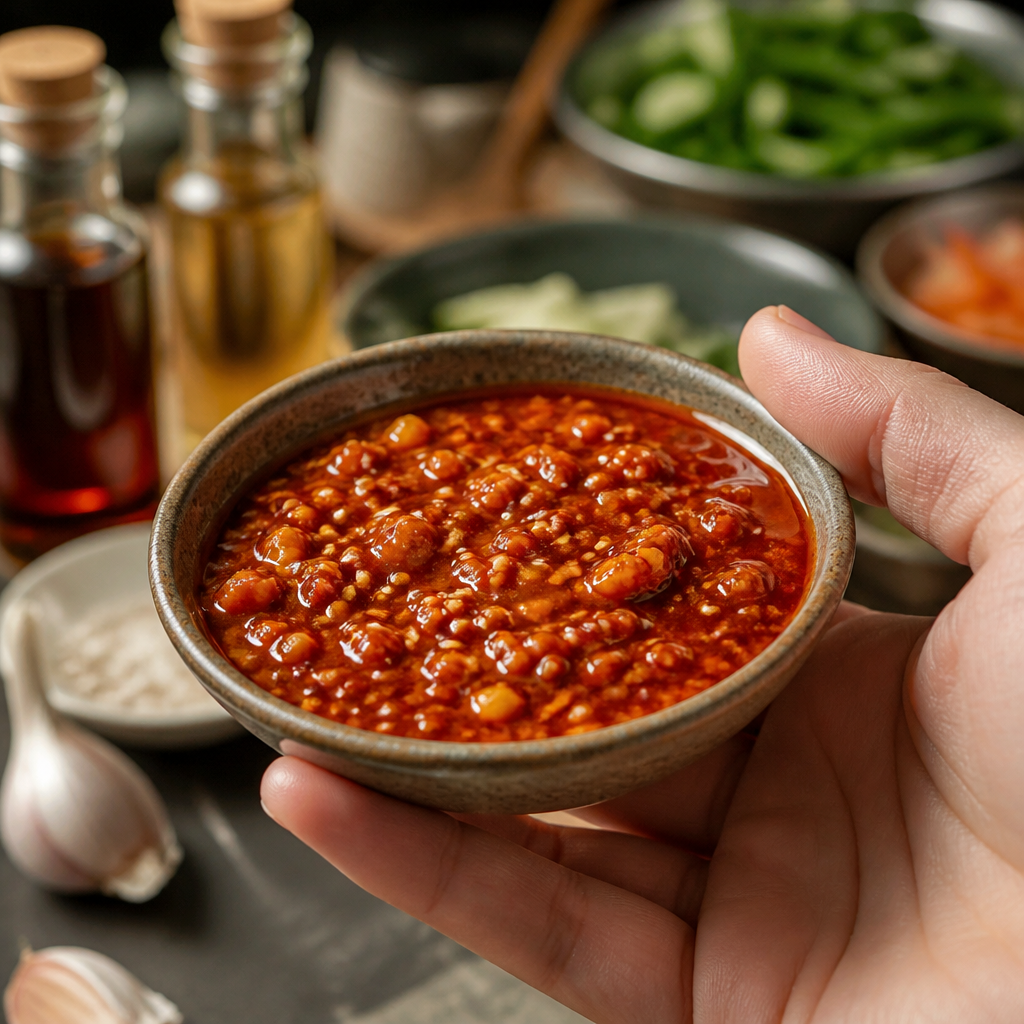
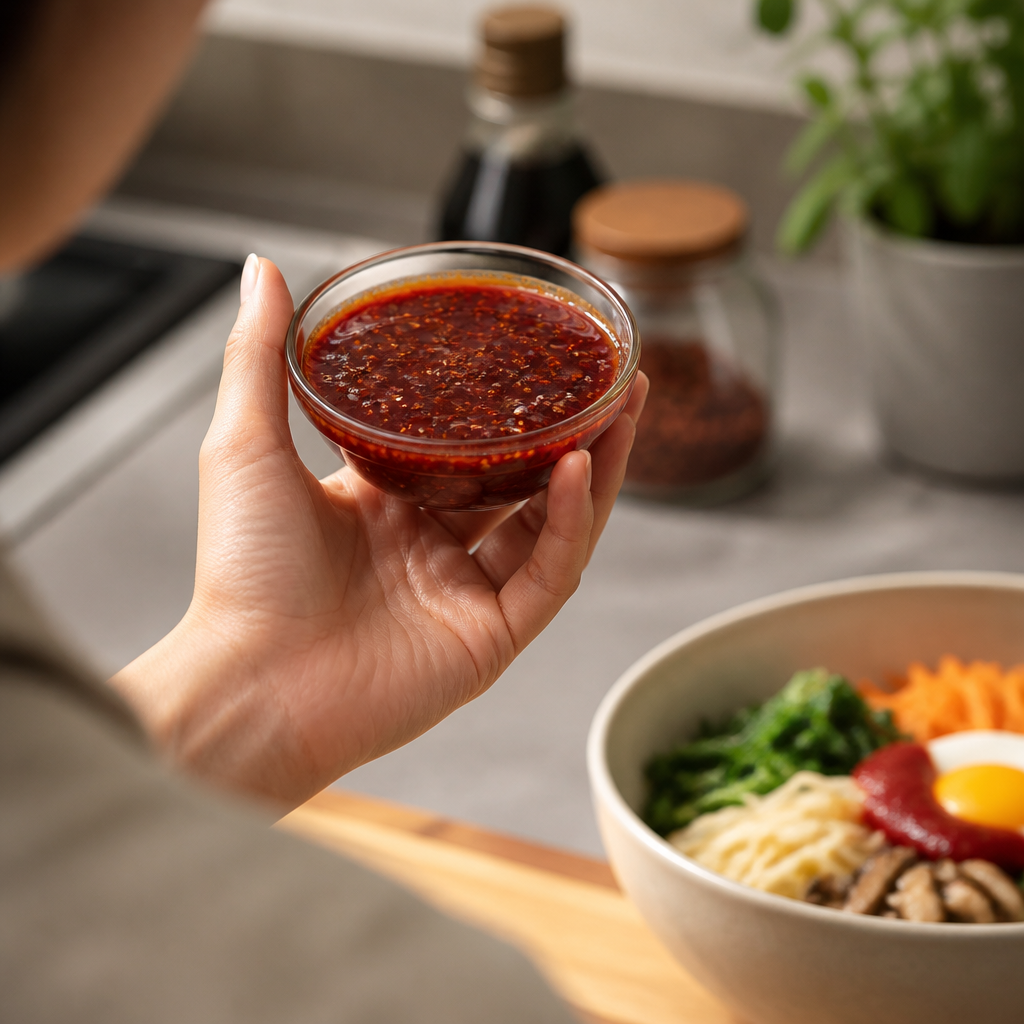
Visually, the sauce usually has a thick consistency, often with a slightly grainy texture from the sesame seeds and minced garlic. It also presents a glossy, appealing sheen due to the sesame oil. Its aroma is a delightful mix of fermented notes from the gochujang, the pungent scent of garlic, and the inviting fragrance of toasted sesame.
How to Make Bibimbap Sauce
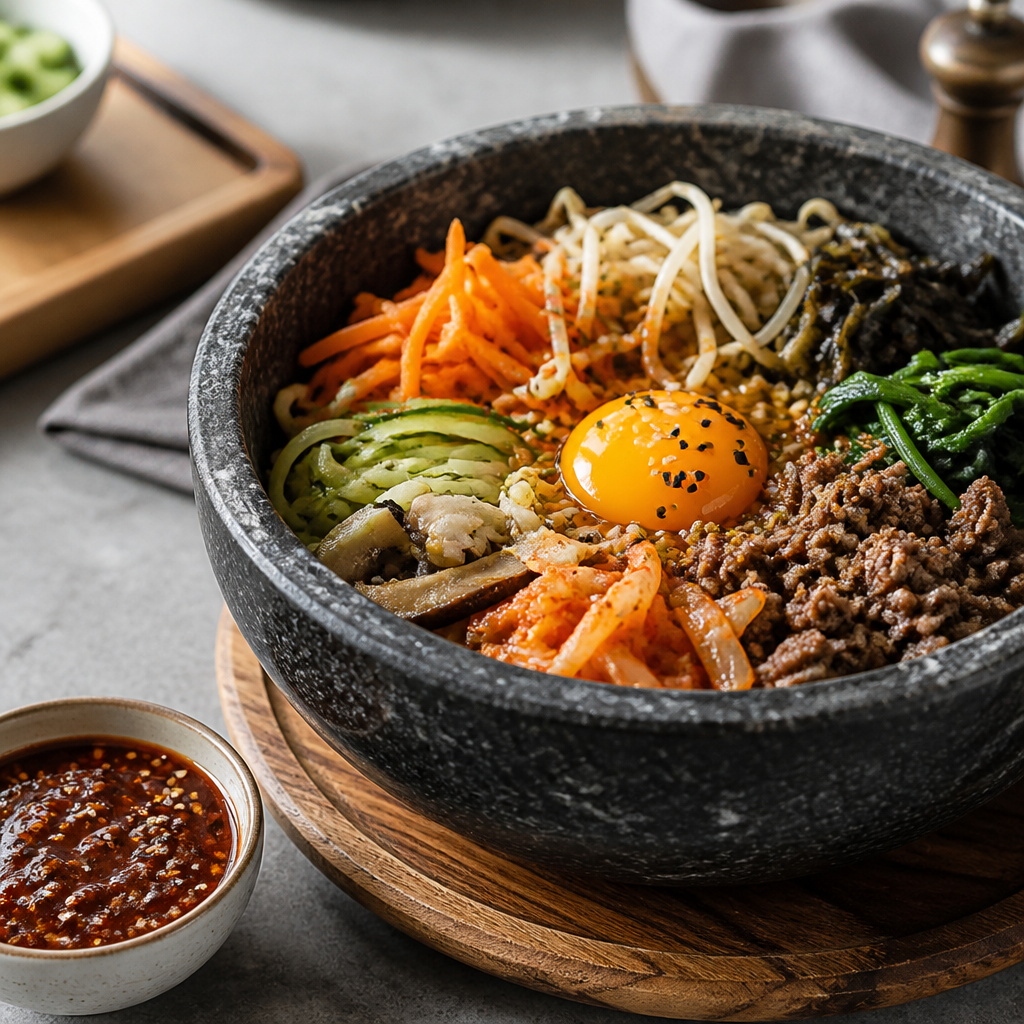
bibimbap sauce recipe
Making bibimbap sauce is wonderfully straightforward and requires no cooking—just mixing. A basic recipe involves combining 3 tablespoons of gochujang, 1 tablespoon of sesame oil, 1 tablespoon of rice vinegar, 1 tablespoon of sugar or honey, 1-2 finely minced garlic cloves, and 1 teaspoon of toasted sesame seeds in a bowl. Whisk these ingredients together until the mixture is smooth and the sugar has dissolved, achieving a uniform consistency.
After mixing, _it’s highly recommended to taste the sauce and adjust the seasonings to your liking_. Taking a moment to fine-tune the sauce is key to making it perfect for you. You might want to add more gochujang for extra heat, more sugar for increased sweetness, or more vinegar for a tangier profile. Once prepared, the sauce can be stored in an airtight container in the refrigerator for up to 2 weeks. This basic recipe yields approximately 1/3 cup (80ml) of sauce, usually enough for 2-3 servings of bibimbap.
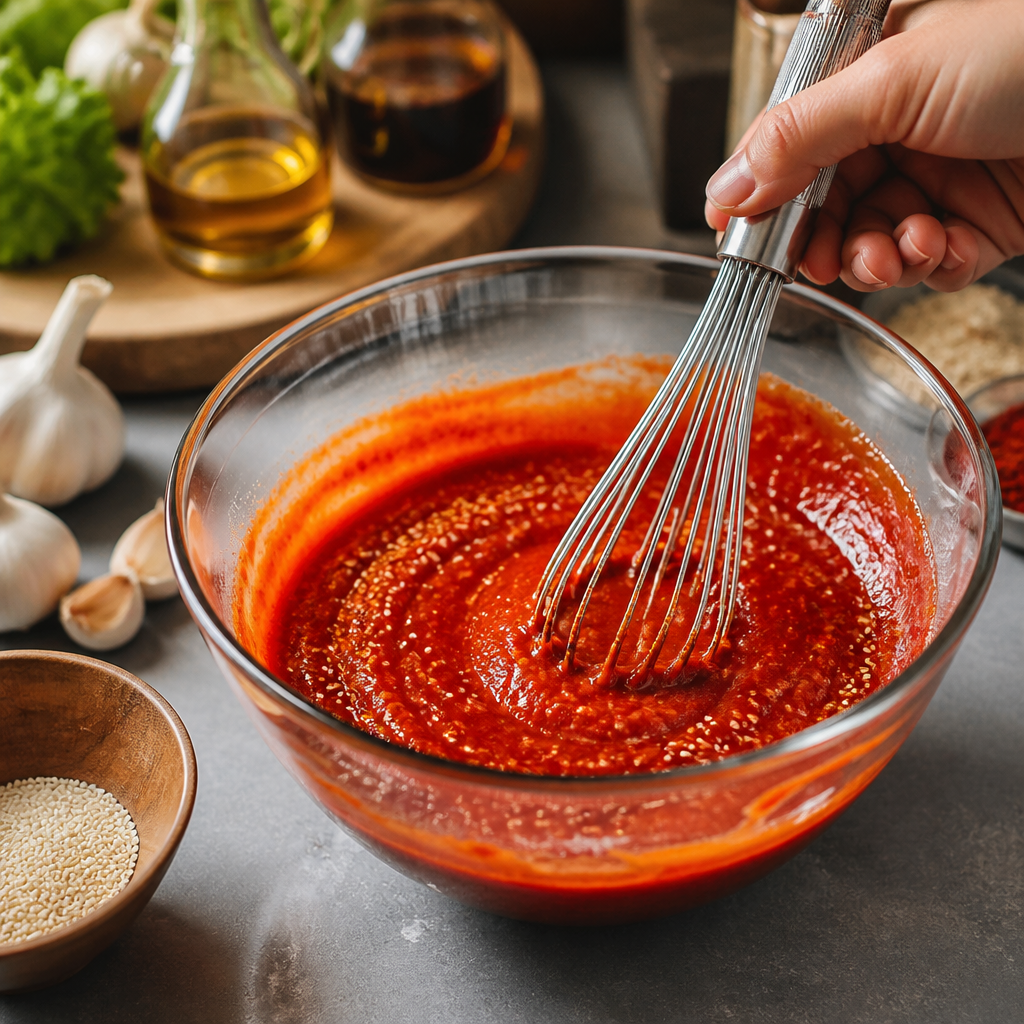
how to make bibimbap sauce from scratch
Creating bibimbap sauce from scratch is a surprisingly quick and simple process, taking only about 5 minutes with no cooking involved. Here’s how to do it:
- Measure 3 tablespoons of gochujang and place it into a mixing bowl.
- Add 1 tablespoon of sesame oil, 1 tablespoon of rice vinegar, and 1 tablespoon of sugar to the bowl.
- Finely mince 1-2 garlic cloves and add them to the bowl.
- Finally, add 1 teaspoon of toasted sesame seeds.
- Whisk all the ingredients together vigorously until the mixture is completely smooth and the sugar has dissolved.
- Taste the sauce and adjust the seasoning to your preference. This is your opportunity to make it just right for you!
For the best results, use a small whisk or fork to ensure thorough mixing, as gochujang can be quite thick and sticky. To enhance the flavor, consider toasting your sesame seeds yourself in a dry pan over medium heat for 2-3 minutes until fragrant and golden.
As Chef Roy Choi often points out, the beauty of bibimbap sauce lies in its simplicity and flavor balance. He encourages home cooks to confidently adjust the basic ratio to their personal taste, much like Korean home cooks have done for generations.
Bibimbap Sauce Alternatives and Comparisons
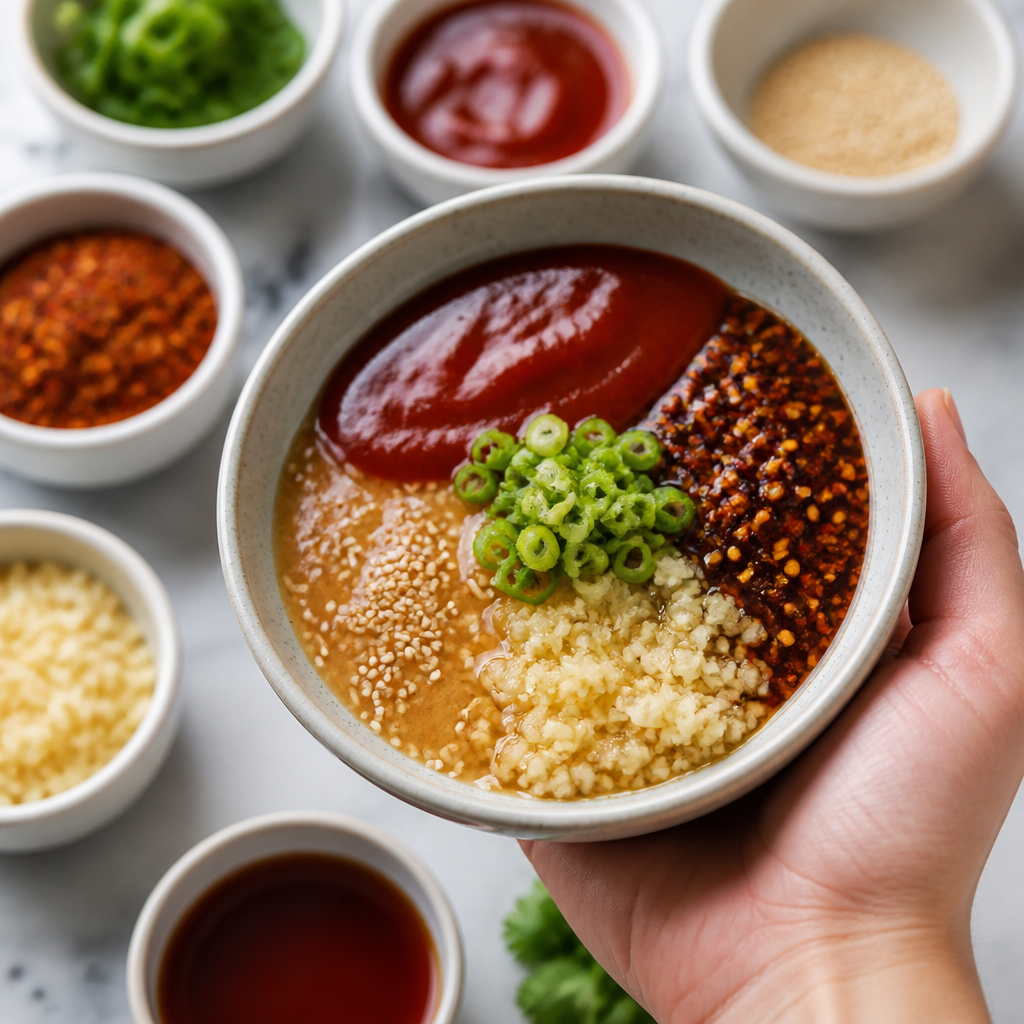
bibimbap sauce substitutes
While it’s challenging to perfectly replicate the unique fermented complexity of true bibimbap sauce, some alternatives can work in a pinch. A simpler substitute can be made by mixing gochujang with a small amount of sesame oil and sugar. Other options might include sriracha mixed with soy sauce, sesame oil, and honey, but this combination will have different flavor notes. Another Korean alternative is ssamjang, a dipping sauce made from gochujang and doenjang (fermented soybean paste), though it is generally less sweet. _It’s important to remember that commercial Korean BBQ sauce is generally not a good substitute_, as these sauces often have a completely different flavor profile designed for grilled meats.
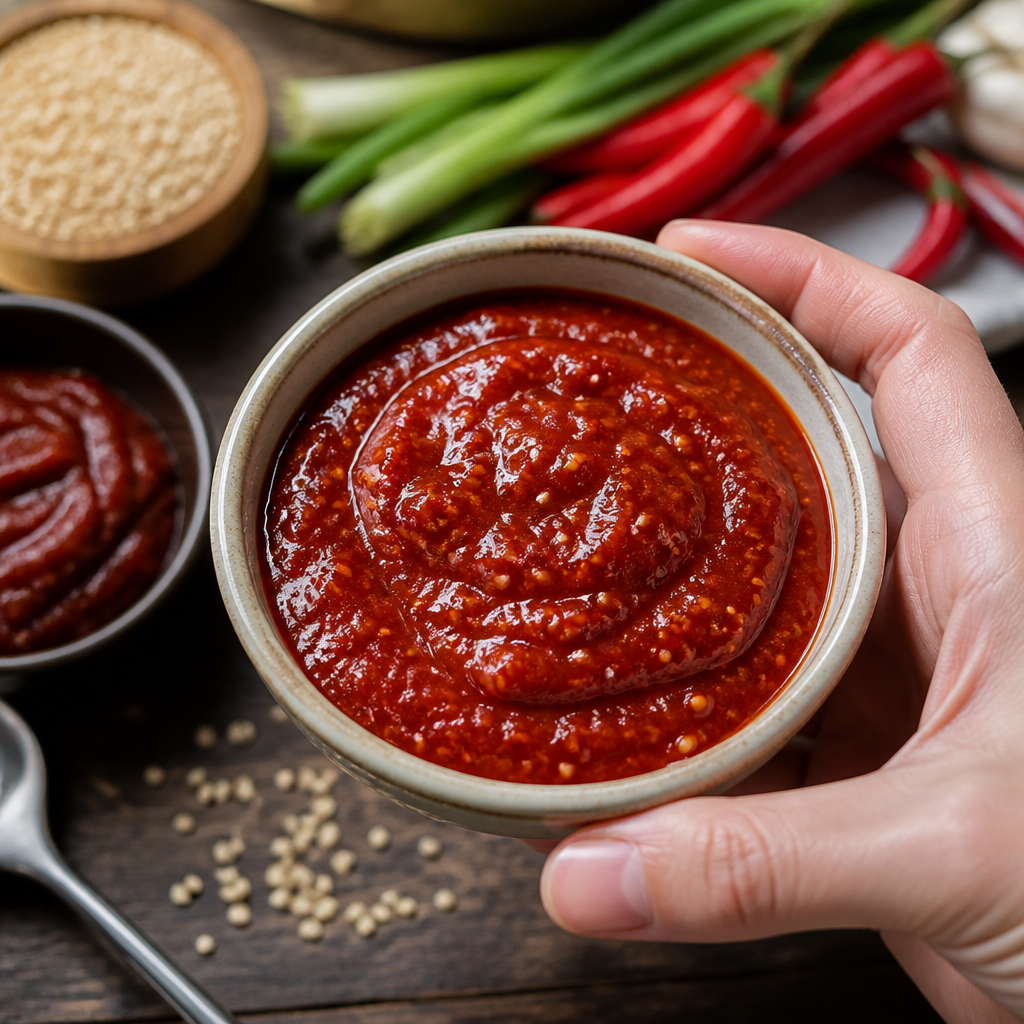
What is the difference between bibimbap sauce vs gochujang?
It’s important to understand the key difference between bibimbap sauce and gochujang, as they are often confused. Gochujang is a fundamental base ingredient—the fermented Korean chili paste itself. Bibimbap sauce, on the other hand, is a prepared condiment that uses gochujang as its main ingredient but adds several other components to create a balanced, ready-to-use sauce.
| Characteristic | Bibimbap Sauce | Gochujang |
|---|---|---|
| Type | Finished Condiment | Base Ingredient |
| Main Components | Gochujang, sesame oil, vinegar, sugar, garlic | Chili powder, glutinous rice, fermented soybeans, salt |
| Flavor Profile | Balanced: spicy, sweet, savory, tangy, nutty | Concentrated: intensely spicy, deeply savory, subtly sweet |
| Consistency | Thinner, more pourable | Very thick, sticky paste |
| Primary Use | Finishing sauce for bibimbap | Versatile cooking ingredient for stews, marinades, sauces |
If you were to use plain gochujang directly on bibimbap, you would likely end up with an unbalanced dish that is simply too spicy and one-dimensional. It would lack the crucial acidity, nuttiness, and sweetness that a properly made bibimbap sauce provides.
In summary, this sauce is far more than just a spicy topping; it’s a carefully balanced and essential blend of flavors that sits at the very heart of the bibimbap experience. Its unique combination of gochujang with sweet, tangy, and nutty elements creates a harmonious taste that beautifully brings together all the diverse ingredients of the mixed rice bowl.
FAQ
Q1. What is the main ingredient in bibimbap sauce?
A1. The main ingredient in bibimbap sauce is gochujang, which is a Korean fermented red chili paste.
Q2. Can I use plain gochujang instead of bibimbap sauce for my bibimbap?
A2. While gochujang is the base, using it plain would result in an unbalanced dish that is too spicy and lacks the sweetness, tanginess, and nuttiness that bibimbap sauce provides. It’s best to mix gochujang with other ingredients to create a proper bibimbap sauce.
Q3. How long can homemade bibimbap sauce be stored?
A3. Homemade bibimbap sauce can be stored in an airtight container in the refrigerator for up to 2 weeks. Its flavors may even improve after resting for 24 hours.
Q4. What is the typical flavor profile of bibimbap sauce?
A4. Bibimbap sauce offers a complex flavor profile that is spicy, sweet, savory, tangy, and nutty, with an umami depth from the fermented gochujang and aromatic notes from sesame oil and garlic.
Q5. Are there any common substitutes for bibimbap sauce?
A5. A simplified substitute can be made with gochujang, sesame oil, and sugar. Other alternatives include sriracha mixed with soy sauce, sesame oil, and honey, or ssamjang, though these will have different flavor notes and may not perfectly replicate the original complexity.

Emily Carter is an American food lover who writes about Korean cuisine for people trying it for the first time. She covers what things taste like, how to eat them, and what to cook with them.