what is bulgogi meat: 7 Facts for Tender, Savory Flavor
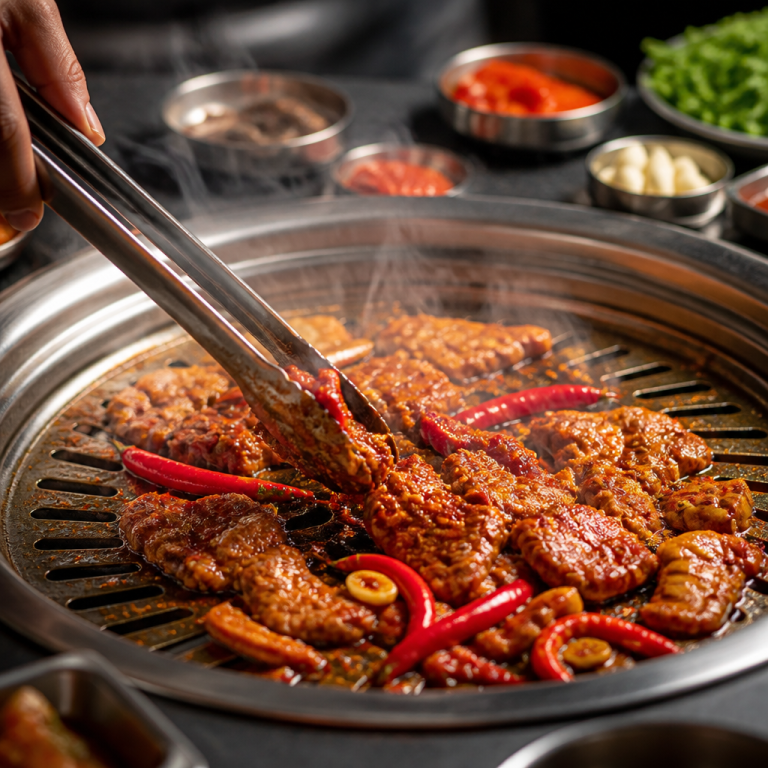
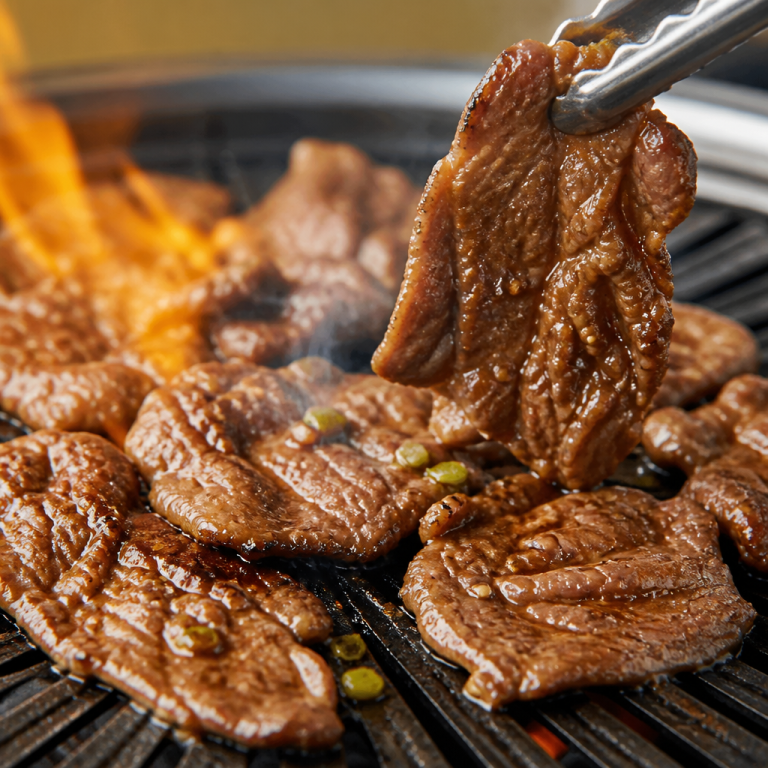
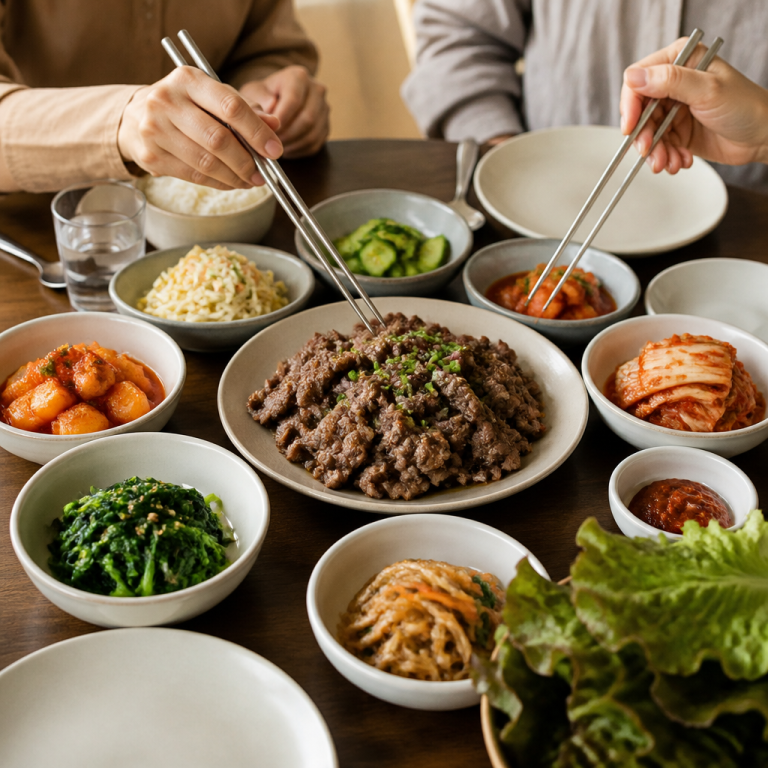
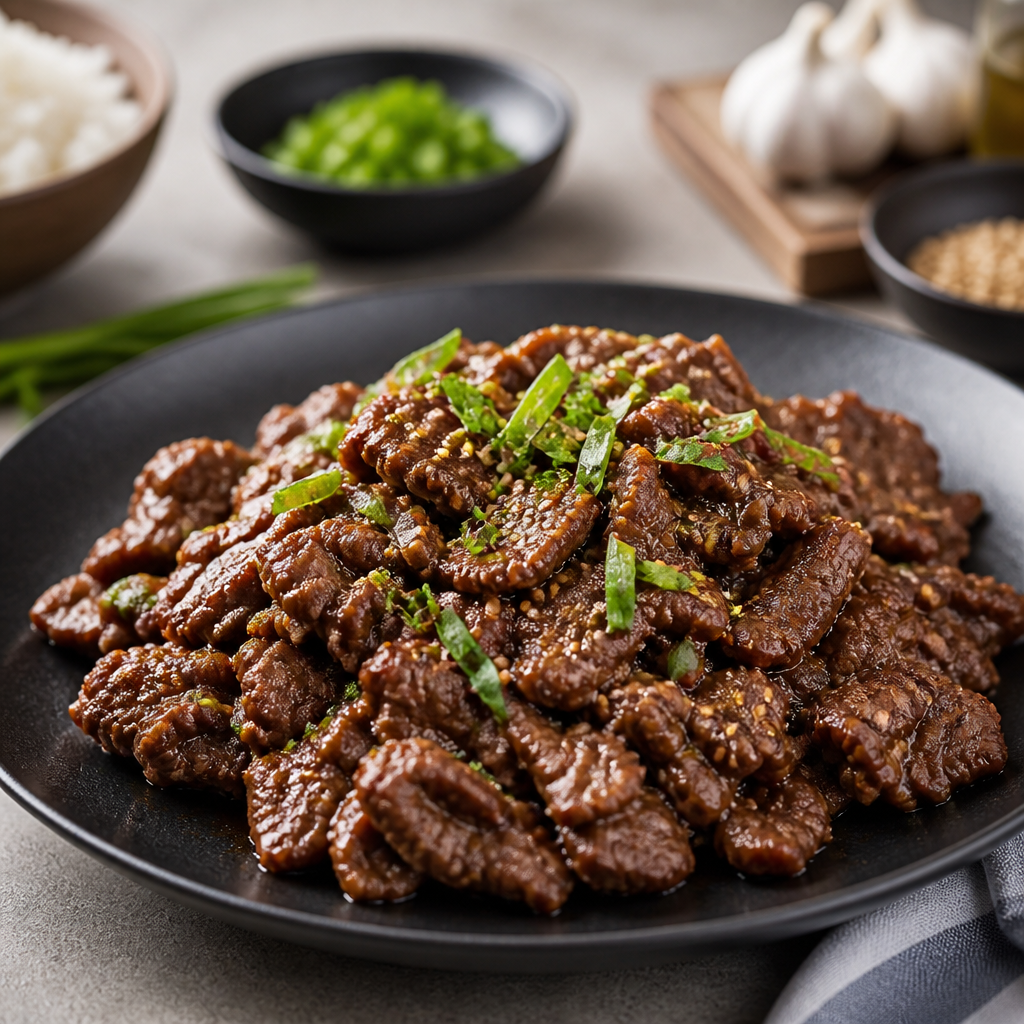
Imagine thinly sliced beef, perfectly marinated and sizzling on a hot grill, its sweet and savory aroma filling the air. That's bulgogi (불고기), a beloved traditional Korean dish. The name itself comes from the Korean words for "fire" and "meat," perfectly describing how this tender, flavorful beef is typically cooked over high heat. For many, bulgogi is a popular introduction to Korean cuisine. Discover why this dish is a global favorite.
CNN Travel recognized it as one of the world's 50 most delicious foods in 2011.
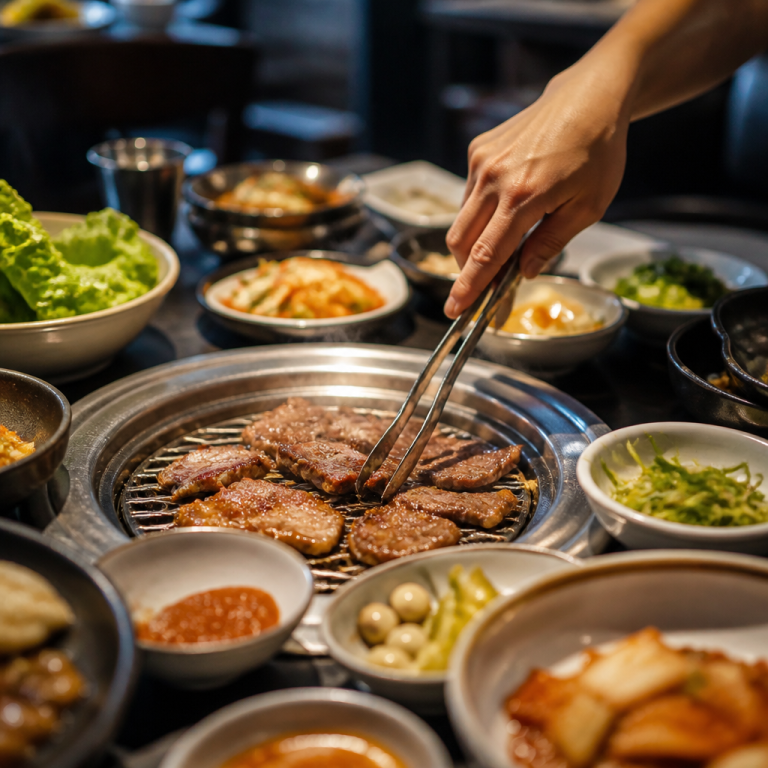
Bulgogi's history stretches back centuries to the Goguryeo era (37 BCE–668 CE), where it was known as "maekjeok." It later transformed into "neobiani," a refined version enjoyed by royalty during the Joseon Dynasty, before evolving into the modern bulgogi we know today. When you enjoy bulgogi, it's commonly served with crisp lettuce leaves for wrapping, fluffy steamed rice, and a colorful array of banchan (small side dishes like kimchi and pickled radishes). It’s a meal that's as much an experience as it is delicious.
Bulgogi Meat Basics: Cut and Ingredients
To truly understand what makes bulgogi so special, we need to look at two key elements: the cut of meat and the flavorful marinade.
What Cut of Meat Is Used for Bulgogi?
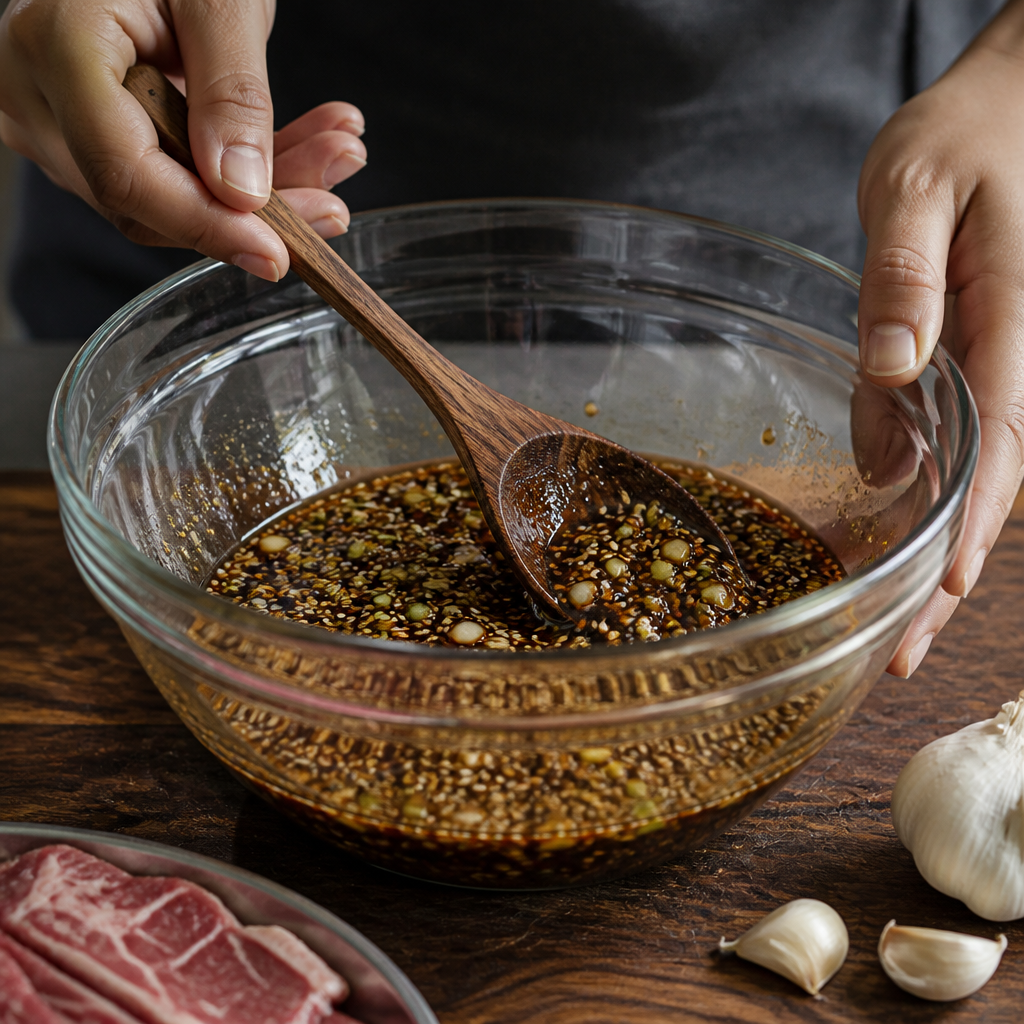
The cut of beef you choose is essential for achieving bulgogi's famous melt-in-your-mouth tenderness and rich flavor. While variations exist, the most commonly used cuts are ribeye (등심, pronounced deungshim), sirloin (안심, pronounced anshim), and brisket (양지, pronounced yangji).
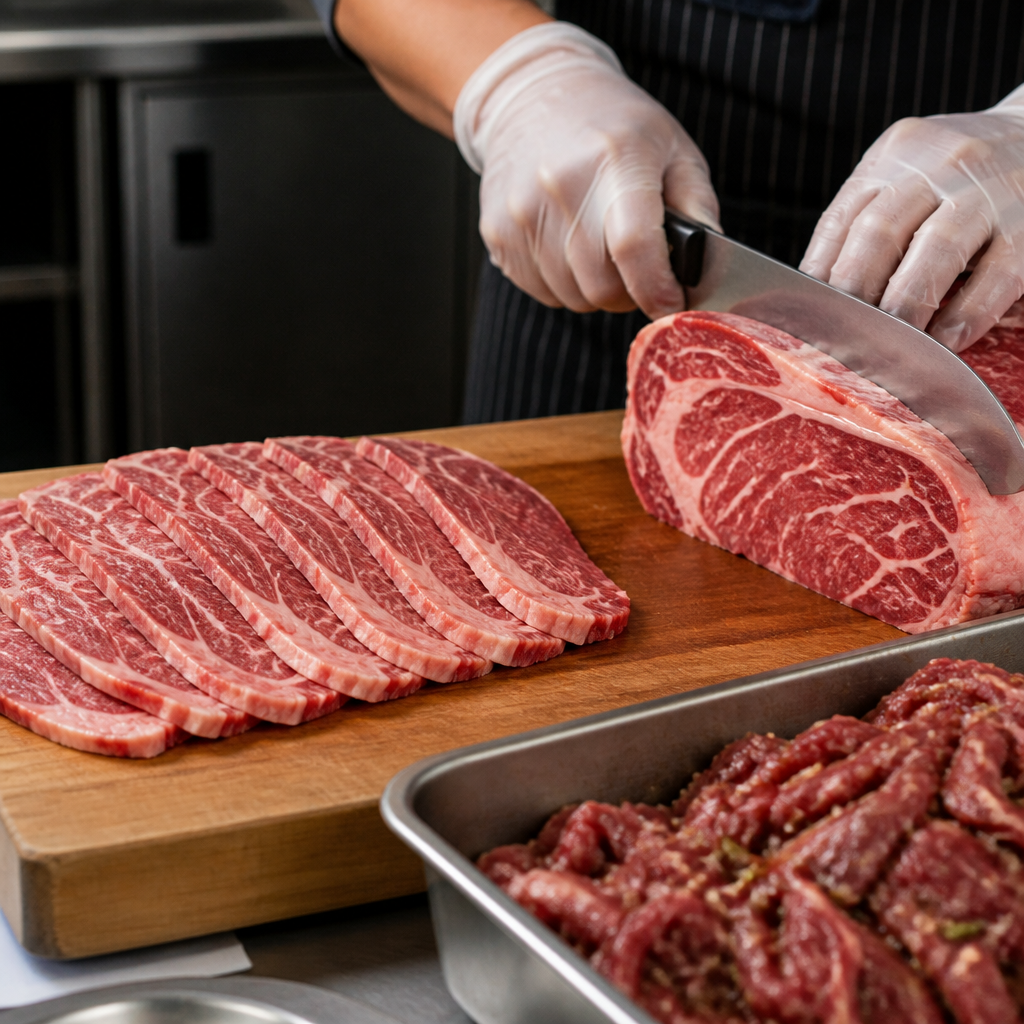
Many Korean chefs consider ribeye the top choice due to its fantastic marbling. Those tiny streaks of fat woven throughout the lean meat melt when cooked, infusing the meat with juiciness and flavor that enhance bulgogi's signature sweet and savory profile.
According to Chef Hooni Kim, owner of Michelin-starred Korean restaurants in New York, ribeye's marbling is key to its delicious taste.
No matter the cut, slicing it very thin—ideally about 1/8 inch (roughly 3mm) thick—is crucial. Always slice against the grain, meaning you cut across the natural lines of the muscle fibers. This shortens the fibers, making the meat more tender. To make thin slicing easier at home, partially freezing the meat for about 30-60 minutes firms it up just enough. While beef is classic, you can experiment with other proteins like pork (daeji bulgogi) or chicken (dak bulgogi).
What Are the Bulgogi Meat Marinade Ingredients?
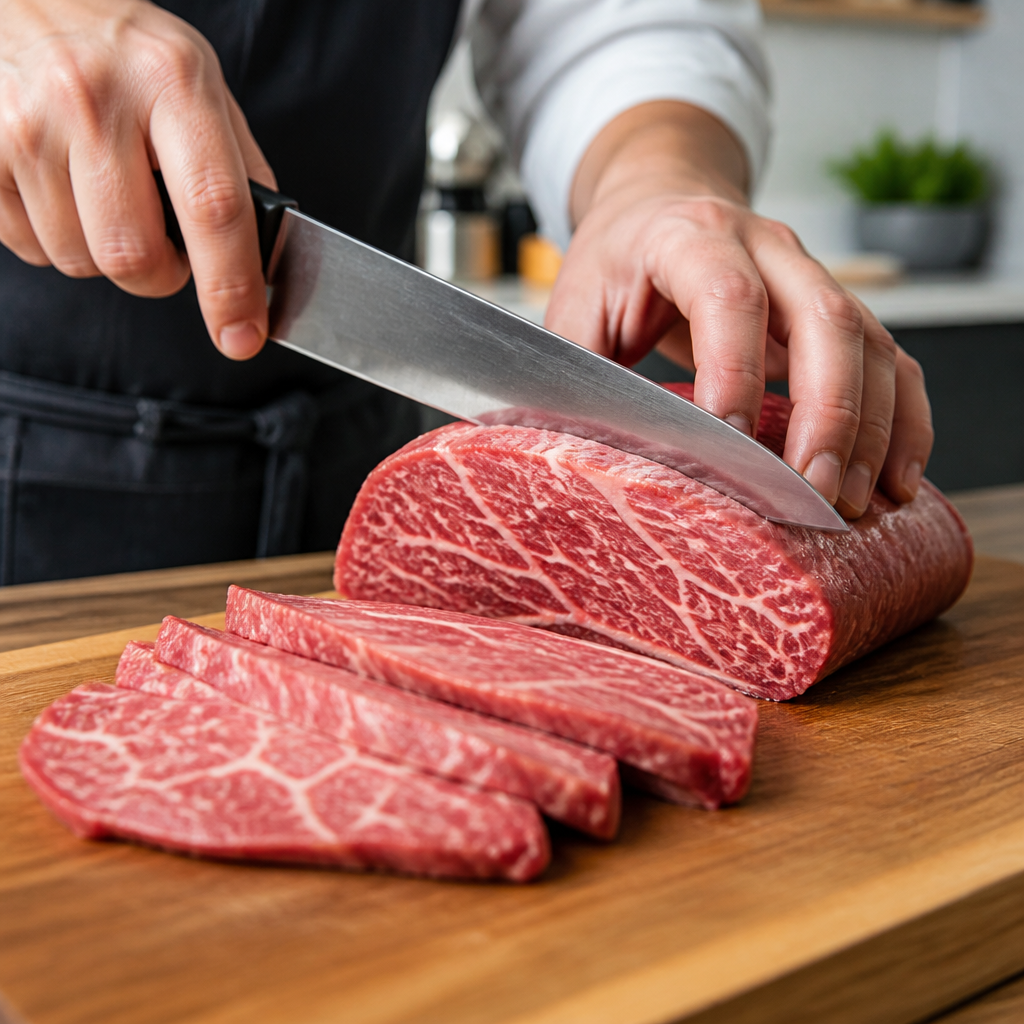
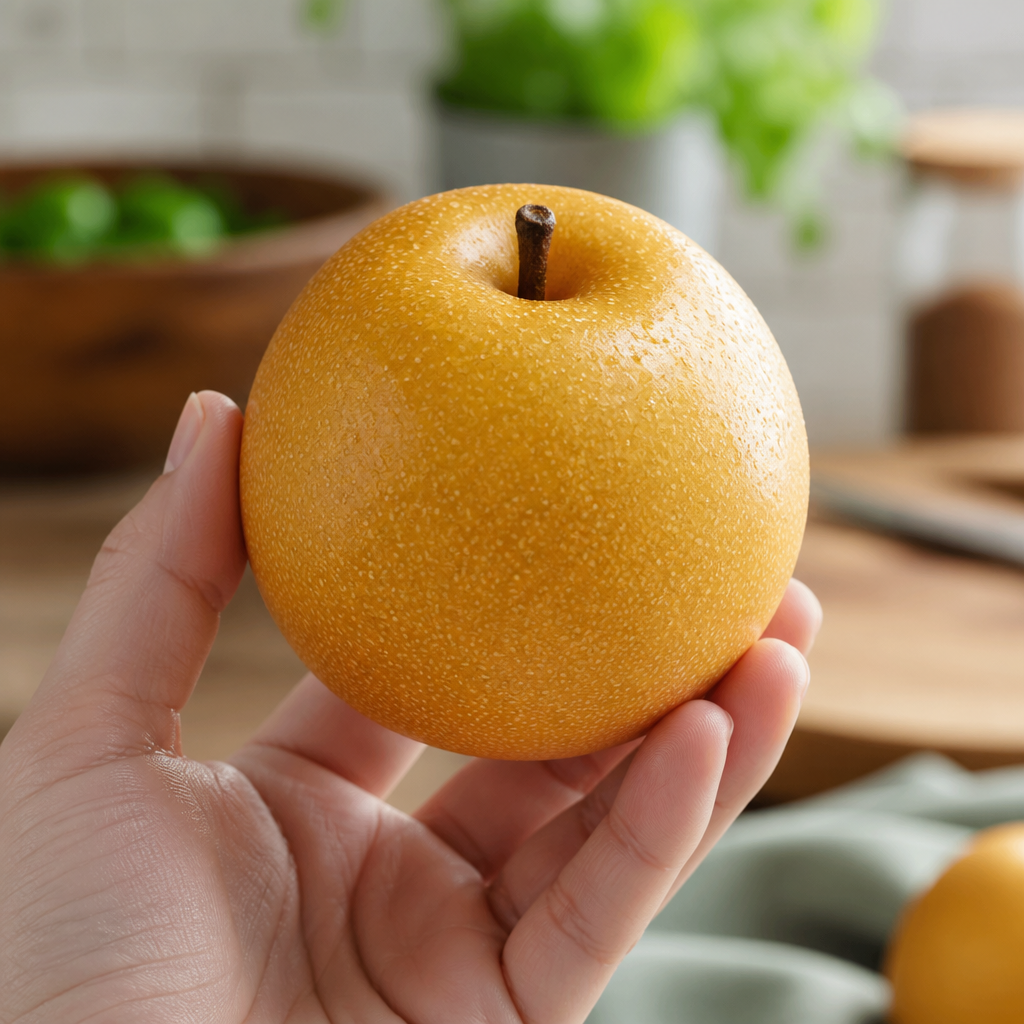
The heart of bulgogi lies in its marinade. This is a carefully crafted blend of sweet, savory, and aromatic ingredients that infuses the meat with flavor and tenderizes it beautifully. A classic bulgogi marinade typically includes soy sauce for savory depth, sugar for sweetness, fragrant sesame oil, pungent minced garlic, and the juice of an Asian pear.
Here is a common list of marinade ingredients:
- 1/2 cup of soy sauce
- 1/4 cup of sugar
- 2 tablespoons of sesame oil
- 4-6 cloves of minced garlic
- 1/2 cup of grated Asian pear or kiwi
- 1 teaspoon of black pepper
- 1 tablespoon of grated ginger
- Chopped green onions
The Asian pear plays a starring role, providing natural sweetness and containing an enzyme called calpain that tenderizes the meat. Research in the Journal of Food Science has shown that pear-based marinades can increase meat tenderness significantly compared to those without these natural enzymes. For the best results, let your meat soak up these flavors for 2 to 8 hours in the refrigerator. _Avoid marinating for more than 24 hours, as excessive tenderizing can lead to a mushy texture._
How to Cook Bulgogi Meat at Home
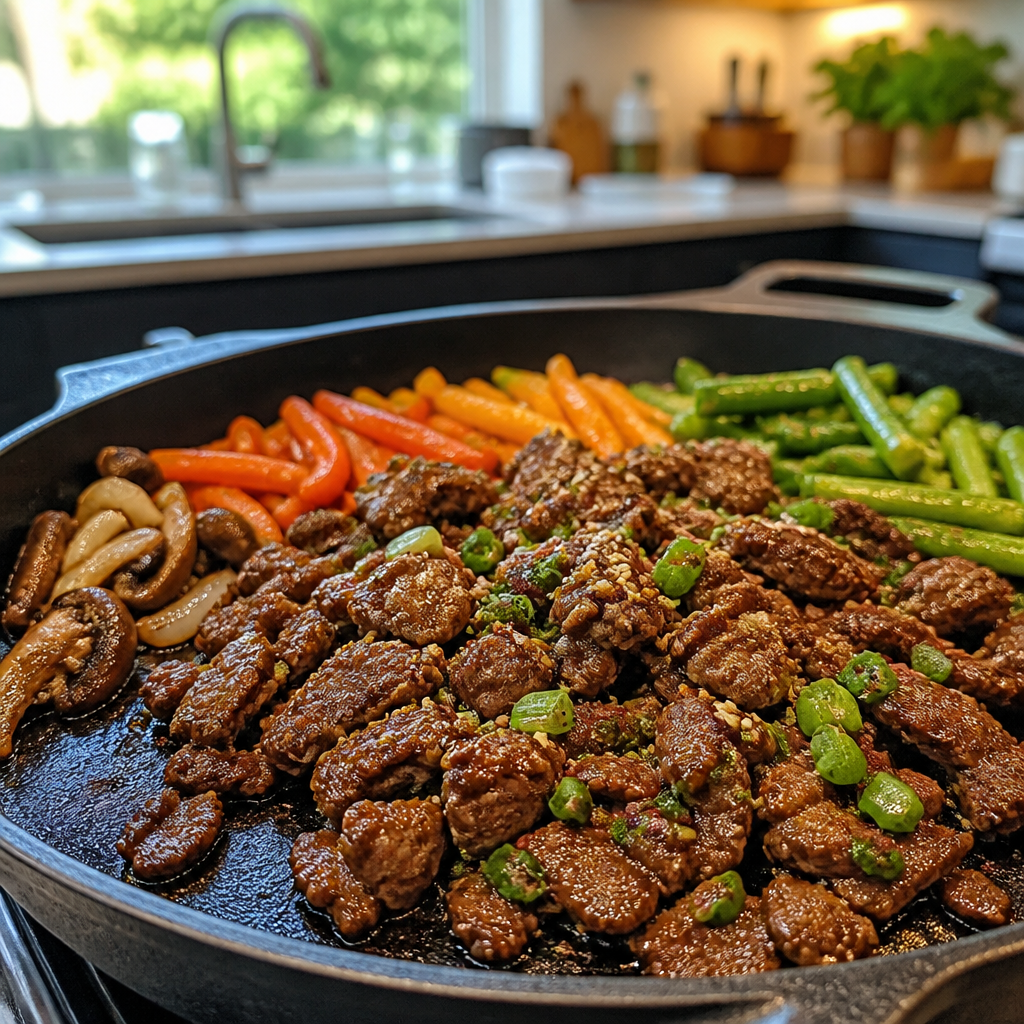
Cooking bulgogi at home is a rewarding and surprisingly simple process. The goal is to achieve beautiful caramelization and a tender texture quickly over high heat.
How Do You Cook Bulgogi Meat at Home?
Once the meat is marinated, cooking it is straightforward. Here is a common method for achieving authentic flavor and texture:
- Marinate Properly: Ensure the meat has marinated for the recommended 2-8 hours in the fridge for optimal flavor.
- Temper the Meat: About 20 minutes before cooking, remove the marinated meat from the refrigerator to help it cook more evenly.
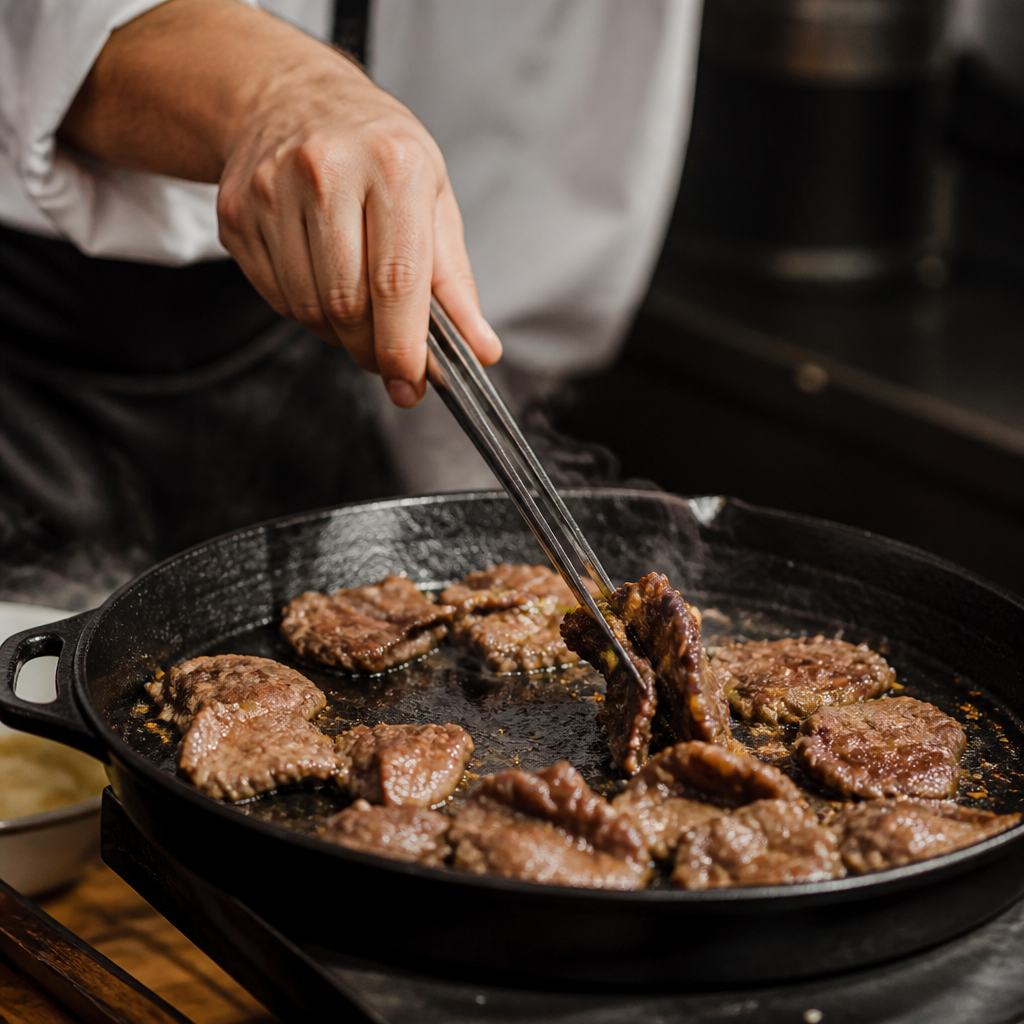
- Heat the Pan: This is where the "fire meat" comes alive. Use a very hot cooking surface, aiming for 400-450°F (204-232°C), to create delicious caramelized edges.
- Cook in Batches: Lay the meat in a single layer without overcrowding the pan or grill to ensure it sears rather than steams. Cook for about 2-3 minutes per side until nicely browned.
- Rest and Serve: After cooking, let the meat rest for a minute or two before serving to keep it juicy.
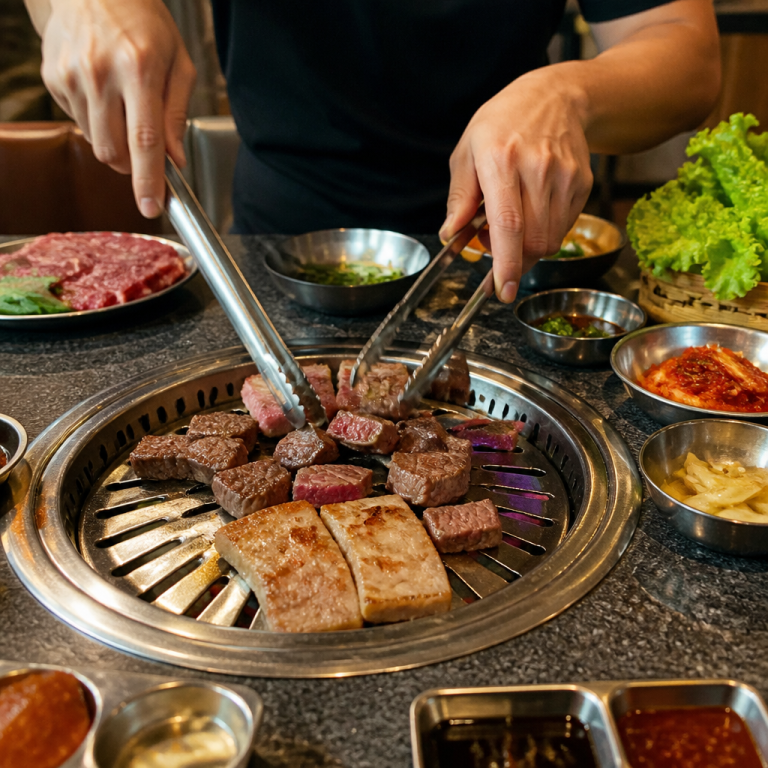
You can cook bulgogi on a traditional Korean grill pan, a cast iron skillet, or even under a broiler. Serving bulgogi often involves ssam (fresh lettuce leaves for wrapping), ssamjang (a dipping sauce), and steamed rice.
Where Can You Buy Bulgogi Meat?
Bulgogi's growing popularity makes it easier to find the right ingredients. Korean grocery stores like H Mart and 99 Ranch Market, or other large Asian supermarkets, often have pre-sliced beef for bulgogi, saving prep time. Increasingly, mainstream grocery chains are stocking it in their international or specialty meat sections.
You can often find pre-marinated bulgogi in the refrigerated sections of retailers like Costco, Trader Joe's, and Whole Foods. These offer great convenience, requiring just opening and cooking. Prices typically range from $8-15 per pound. Online services like Amazon Fresh and Weee! also offer beef cut for bulgogi. If you can't find it pre-sliced, ask your local butcher to thinly slice a cut like ribeye or sirloin. _While pre-marinated options are convenient, always check the label for high sodium and preservative content._
Bulgogi Meat Comparisons and Nutrition
Understanding bulgogi's nutritional aspects and how it compares to other dishes can deepen your appreciation for this Korean staple.
What are the Bulgogi Meat vs Galbi Differences?
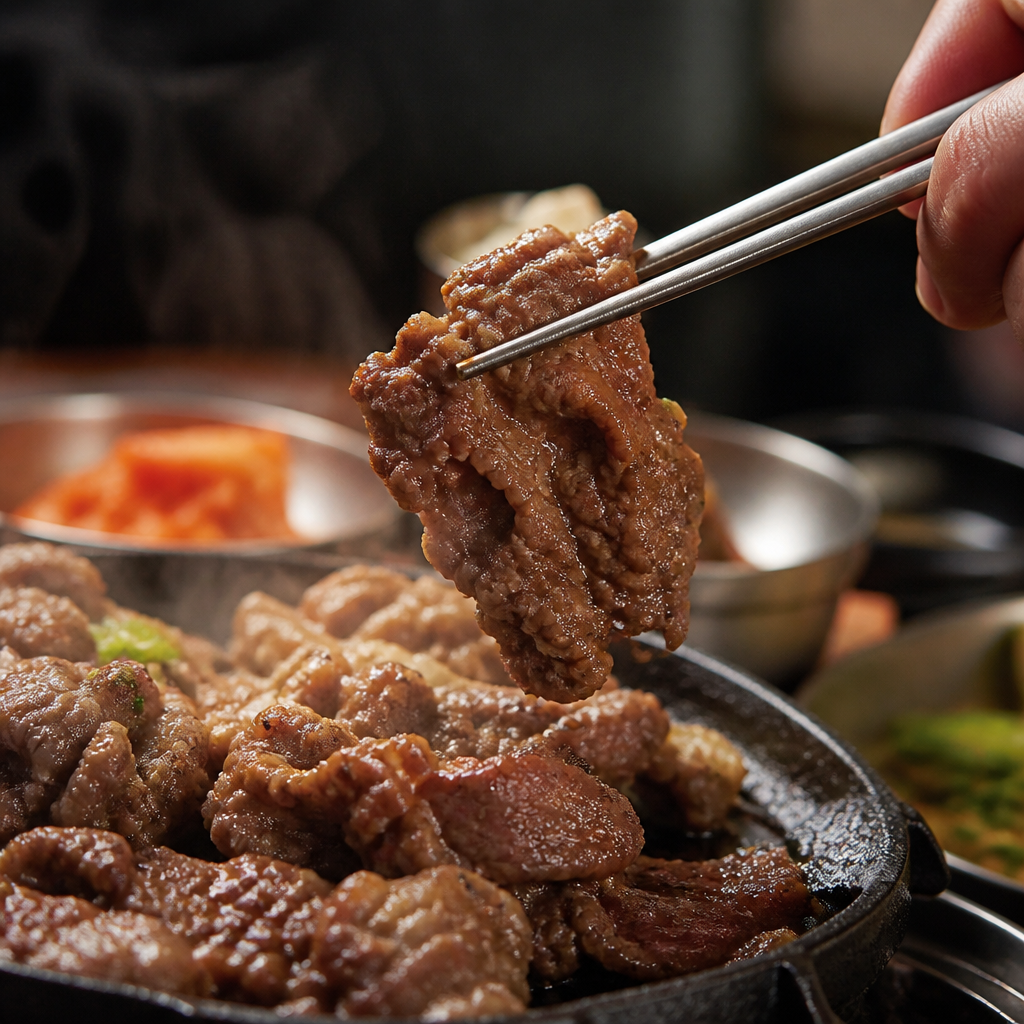
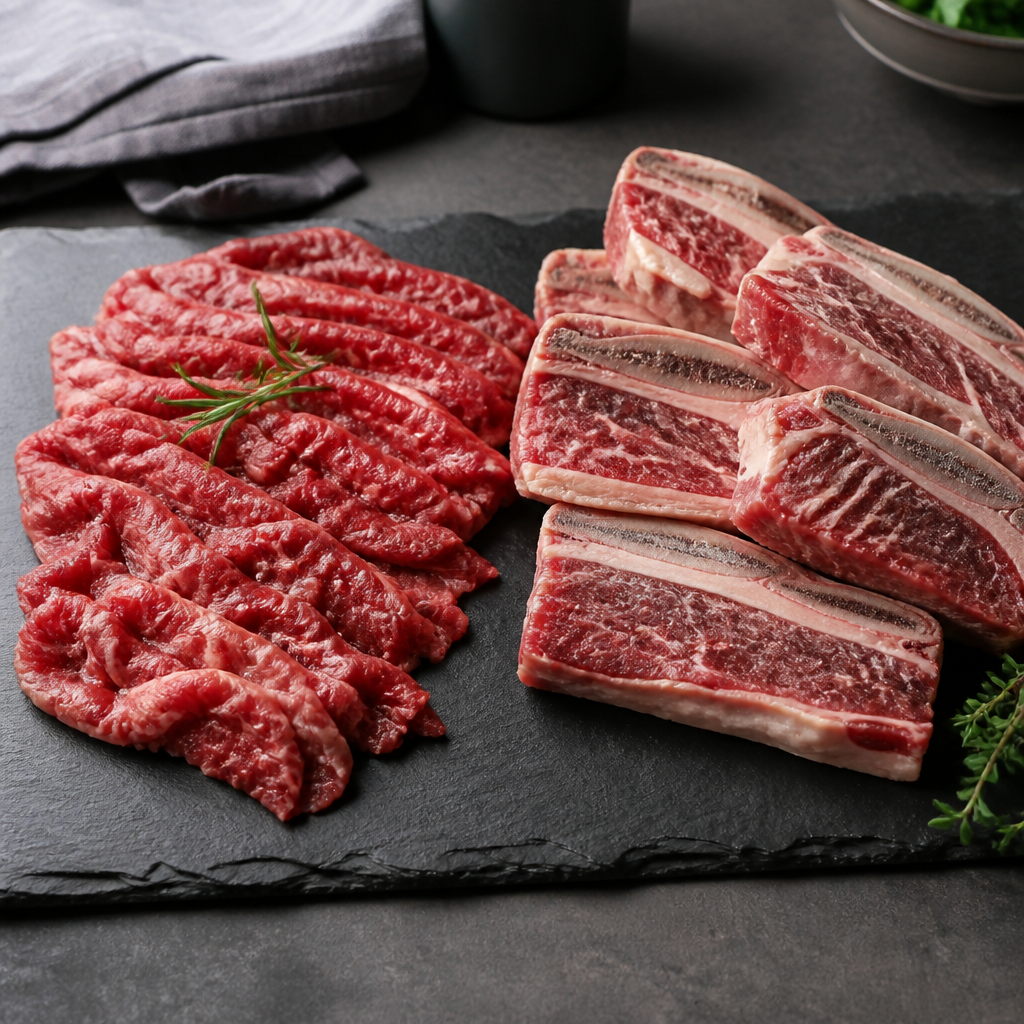
Bulgogi and galbi (also known as kalbi) are popular Korean grilled meats, but they differ in preparation and characteristics. The primary difference is the cut of meat: bulgogi uses thin, boneless slices, while galbi uses bone-in beef short ribs. Both dishes share similar soy-based marinades, but galbi marinades often contain more sugar to complement the richer rib meat.
| Feature | Bulgogi | Galbi (Kalbi) |
|---|---|---|
| Cut of Meat | Thinly sliced boneless beef (ribeye, sirloin) | Bone-in beef short ribs |
| Texture | Very tender, melt-in-your-mouth | Slightly chewier, robust |
| Cooking Time | Quick (2-4 minutes total) | Longer (6-10 minutes) |
| Typical Use | Everyday meal | Special occasion, celebratory meal |
| Price Point | More accessible ($8-15 per pound) | More premium ($15-30 per pound) |
What Are the Bulgogi Meat Nutrition Facts?
A typical 4-ounce (about 113g) serving of cooked bulgogi made with ribeye generally contains around 250-320 calories, 15-22g of fat, 8-12g of carbohydrates, and 20-25g of protein. _The nutritional values can vary significantly based on the meat's fat content and specific marinade ingredients._
According to USDA data, a 113g serving might be around 280 calories, with 18g of total fat, 75mg of cholesterol, 850mg of sodium, 10g of carbohydrates, and 22g of protein. The sodium content can be significant, largely from soy sauce. Using low-sodium soy sauce can reduce it by 30-40%. While traditional bulgogi can be high in sodium and sugar, it also offers high-quality protein and important micronutrients. Bulgogi is a good source of iron, zinc, selenium, and vitamin B12, which is crucial for nerve health and energy. Choosing leaner cuts and mindful portion sizes can help integrate bulgogi into a balanced diet.

Emily Carter is an American food lover who writes about Korean cuisine for people trying it for the first time. She covers what things taste like, how to eat them, and what to cook with them.