gochujang vs sriracha: 7 Key Differences You Need to Know
Ever found yourself in the condiment aisle, pondering the difference between gochujang and sriracha? You're not alone. In the world of spicy condiments, gochujang and sriracha are standouts. While both bring a welcome kick to your food, they are distinct in flavor, culinary use, and even health considerations. Understanding these differences is about more than just picking a sauce; it's about unlocking new levels of flavor in your kitchen. Let's begin a detailed comparison to explore these two popular condiments.
Flavor and Heat Comparison
Let's dive into what truly sets these two apart: their distinct flavors and heat profiles. These characteristics stem from the unique ingredients and traditional methods used to create each condiment.
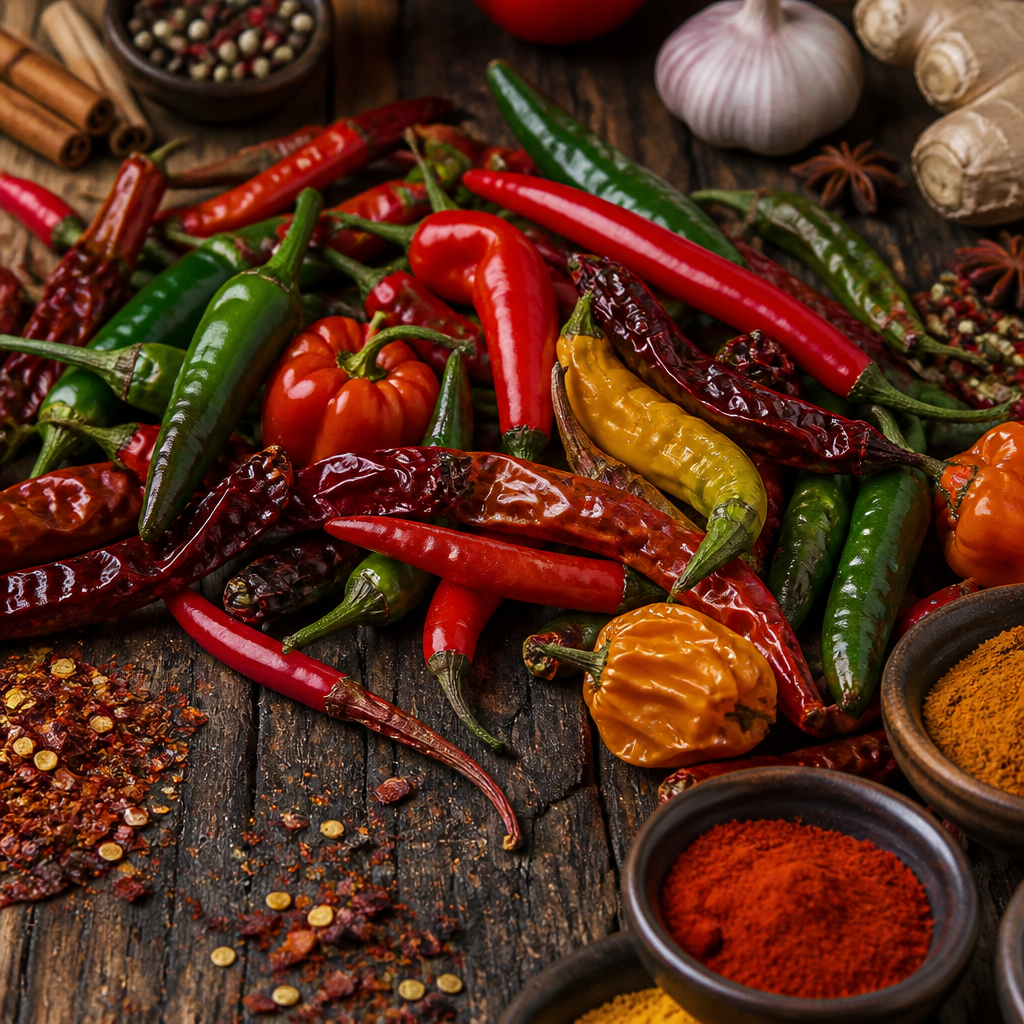
Gochujang vs Sriracha Flavor Profile
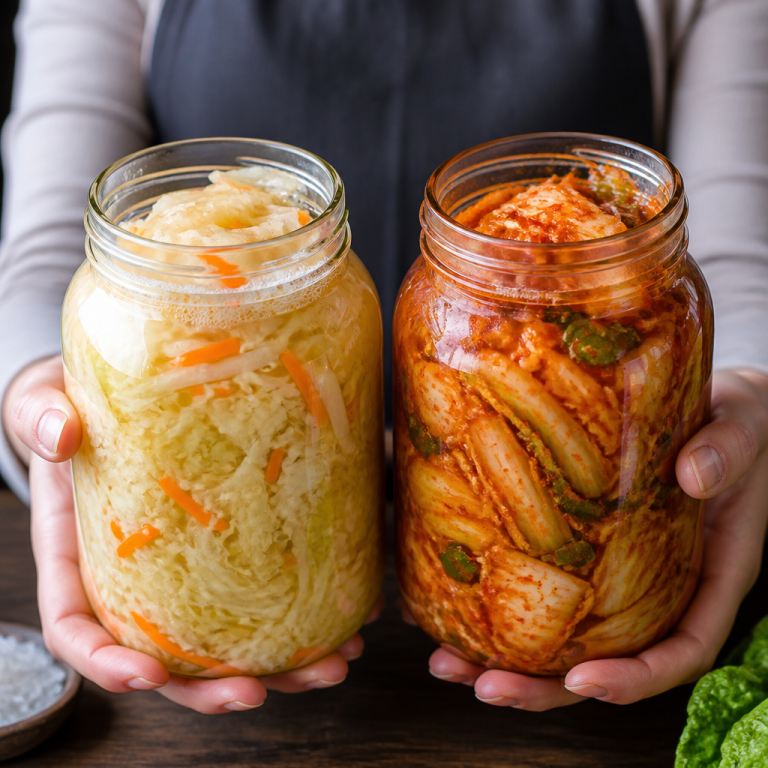
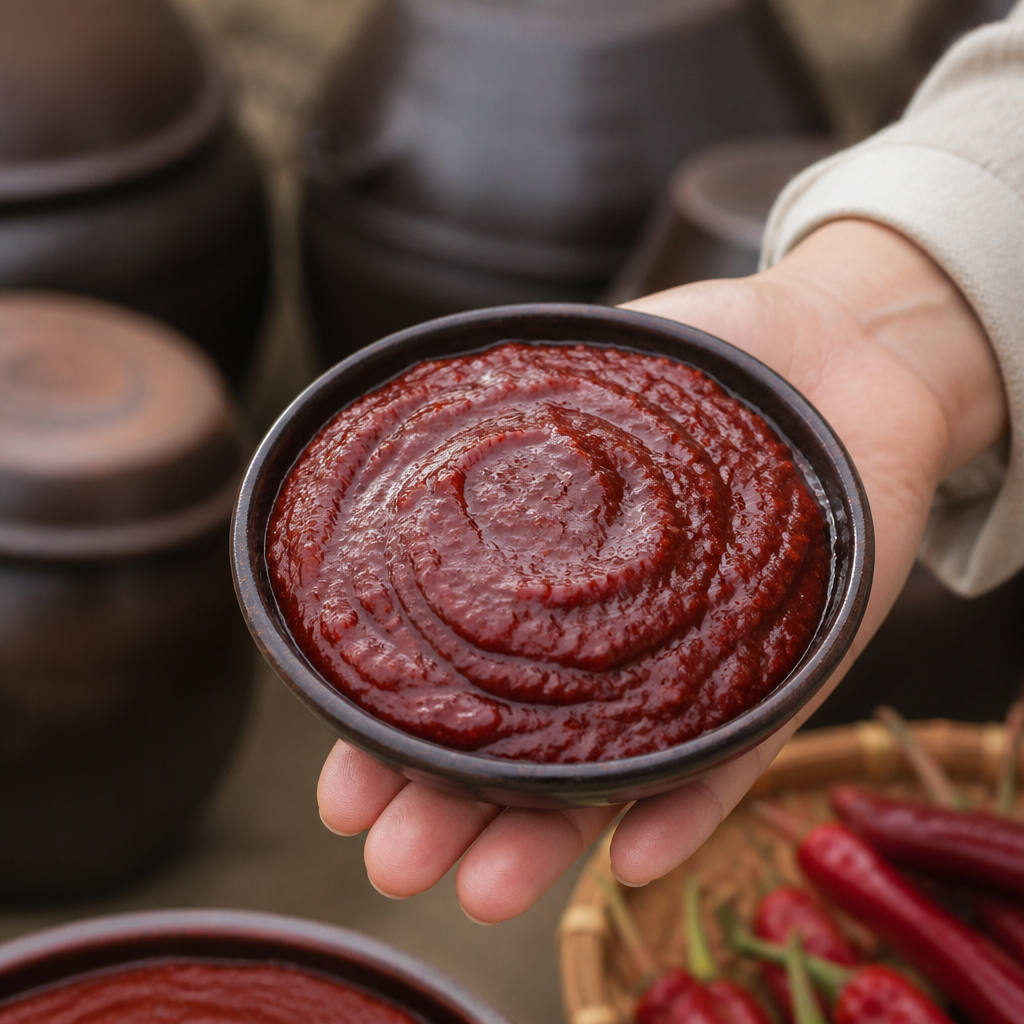
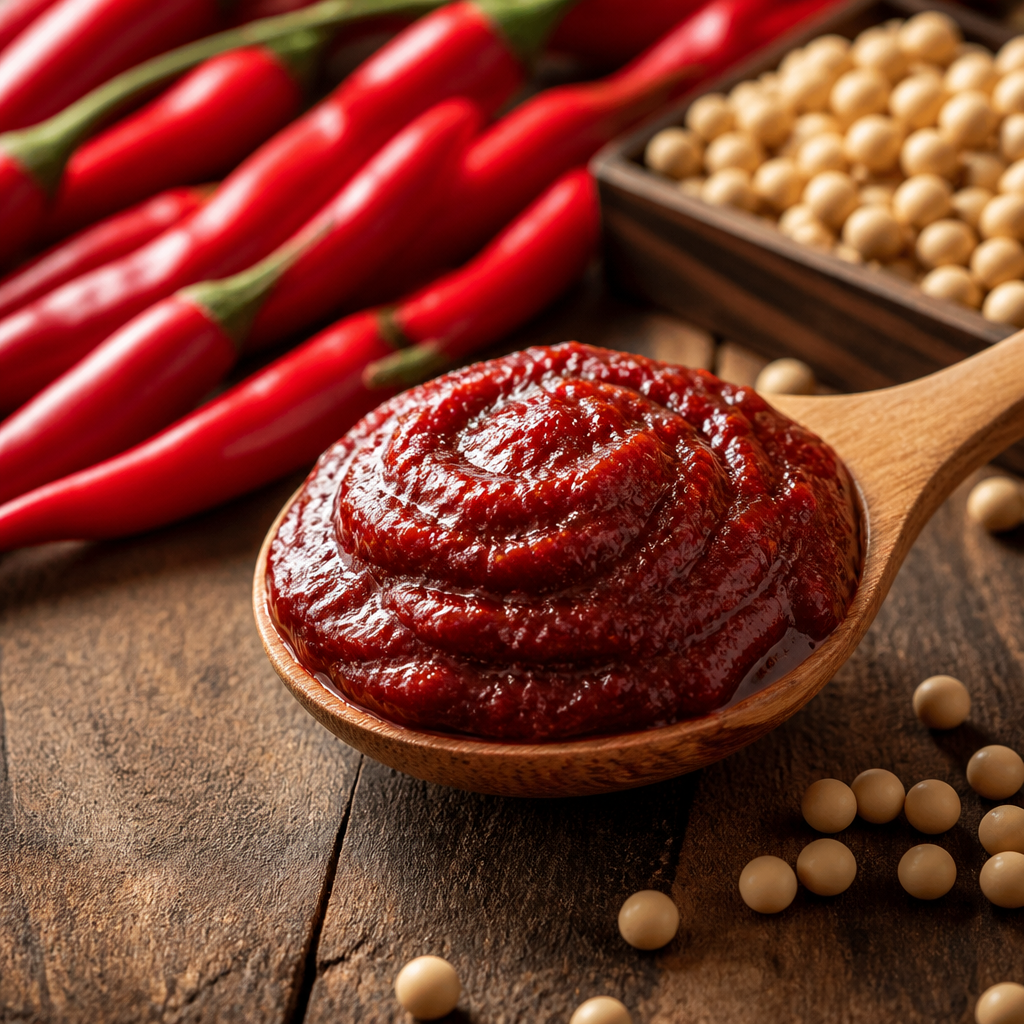
Gochujang, a traditional Korean fermented chili paste, offers a complex flavor profile. It is crafted from red chili powder (gochugaru), glutinous rice, fermented soybeans (meju), and salt. This combination results in a taste that is sweet, savory, deeply spicy, and rich in umami. The key to gochujang's profound taste is its fermentation process, which can last for months or even years. This slow aging develops natural glutamates that intensify its savory taste. Sweeteners like rice syrup balance the earthy depth from the fermented soybeans, creating a layered flavor with a gentle, lingering heat.
Sriracha, a Thai-style hot sauce, offers a brighter and more direct flavor experience. It is primarily made from chili peppers, vinegar, garlic, sugar, and salt. Sriracha delivers an immediate, sharp heat complemented by a zesty vinegar tang and a distinct garlicky kick. Unlike gochujang's layered taste, sriracha provides a straightforward burst of flavor. A direct taste comparison reveals gochujang excels in umami, sweetness, and complexity, while sriracha shines with its acidity, garlic flavor, and instant heat.
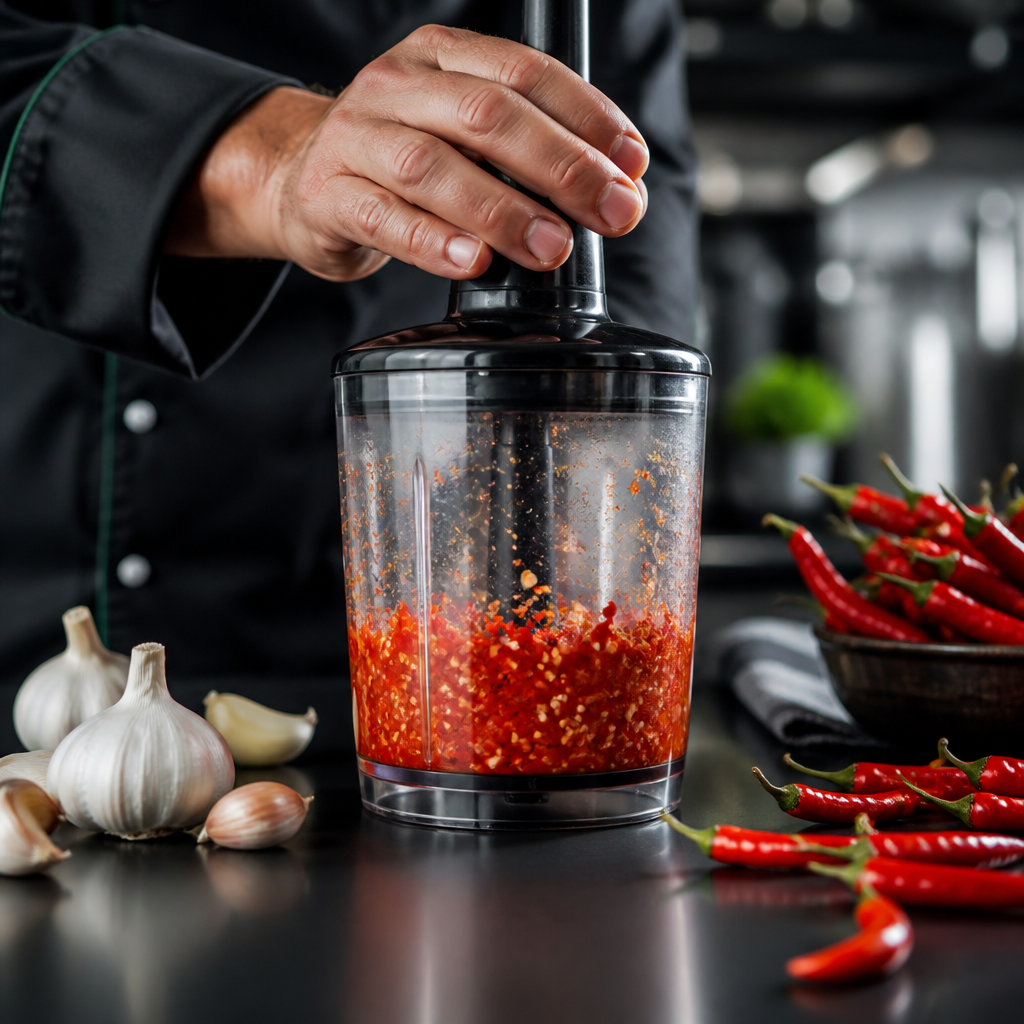
Which is Hotter in the Gochujang vs Sriracha Heat Level Debate?
While both are chili-based, the heat from gochujang and sriracha is experienced differently. Spiciness is measured in Scoville Heat Units (SHU). Gochujang typically ranges from 1,500 to 10,000 SHU, while sriracha generally measures between 1,000 to 2,500 SHU.
Interestingly, gochujang's heat can feel more intense and last longer, even at similar SHU ratings. This is largely due to its thick, paste-like consistency. This thick texture coats your palate, allowing capsaicin—the compound that makes chilies hot—to stick to your taste receptors for a longer time. As food scientist Harold McGee explains, the perception of heat is not just about concentration.
"The perception of heat depends not just on capsaicin concentration but on the food matrix… Thick pastes deliver sustained heat while thin sauces provide quick, sharp sensations."
Sriracha's thinner, vinegar-based consistency delivers a sharper but quicker jolt of heat. You can also find gochujang in various heat levels (mild, medium, hot), whereas sriracha tends to have a more consistent heat level across brands.
Culinary Uses and Applications
Now that we have explored their unique flavors, let's discuss how these condiments perform in the kitchen. Each brings its own properties to the table, transforming meals in different ways.
How Do You Handle Gochujang vs Sriracha in Cooking?
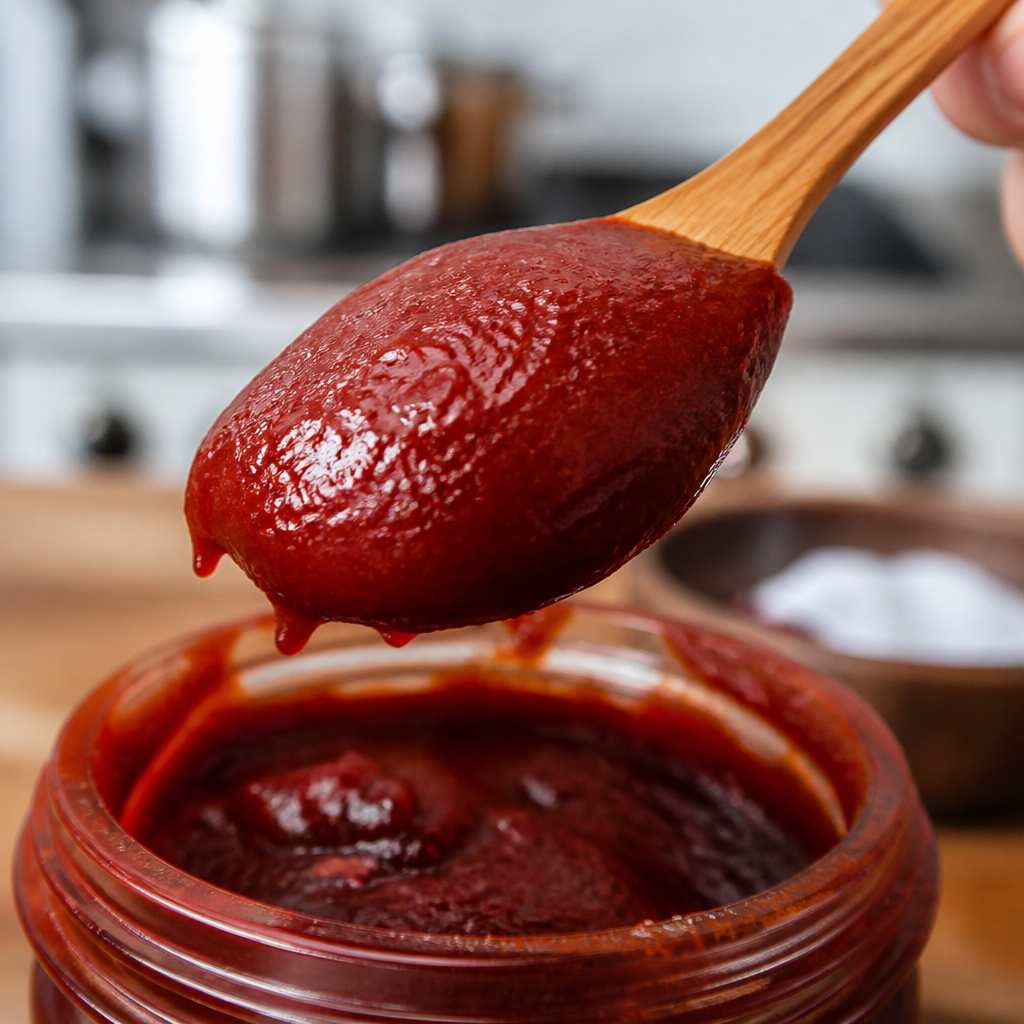
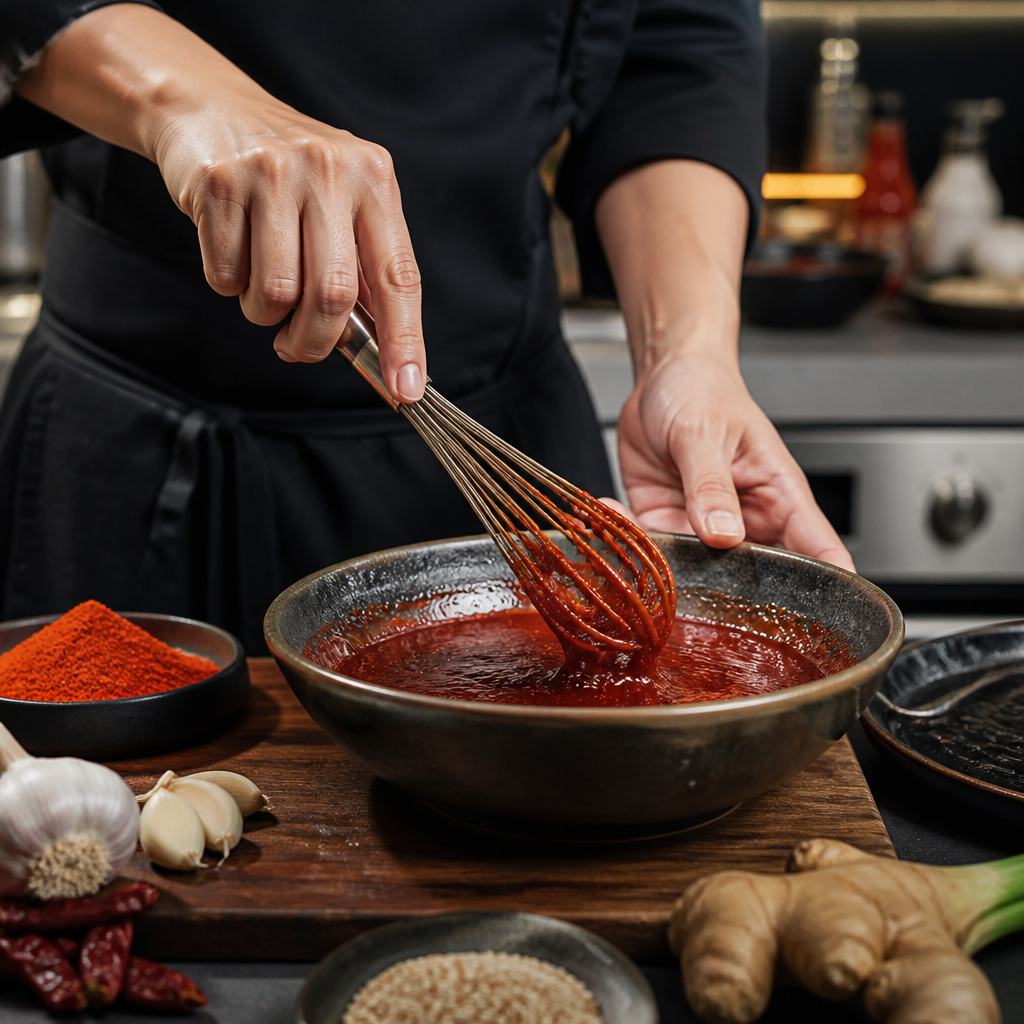
Gochujang is incredibly versatile, serving as both a foundational cooking ingredient and a finishing condiment. It is commonly used to create marinades, stews (like Korean jjigae), bibimbap, and as a base for various sauces. When cooked, its spiciness tends to mellow, and its sweetness becomes more pronounced. Because it is a thick paste, it often needs to be thinned with liquids like water or oil for dressings. When heated, its sugar content can caramelize, creating a glossy glaze that is excellent on grilled meats in Korean BBQ.
Sriracha, on the other hand, is primarily used as a finishing sauce or condiment, usually drizzled on after cooking. Its bright character also makes it excellent in marinades and stir-fries where its vinegar content can add a lively note. Its pourable consistency makes it easy to use directly from the bottle. _If you cook sriracha at very high temperatures, the vinegar can evaporate, which might intensify its heat._ Sriracha is a go-to for adding a quick, zesty kick to anything from eggs to pho and complements lighter proteins like chicken and seafood.
Gochujang Mayo vs Sriracha Mayo
Both condiments have been famously blended with mayonnaise to create creamy, versatile sauces.
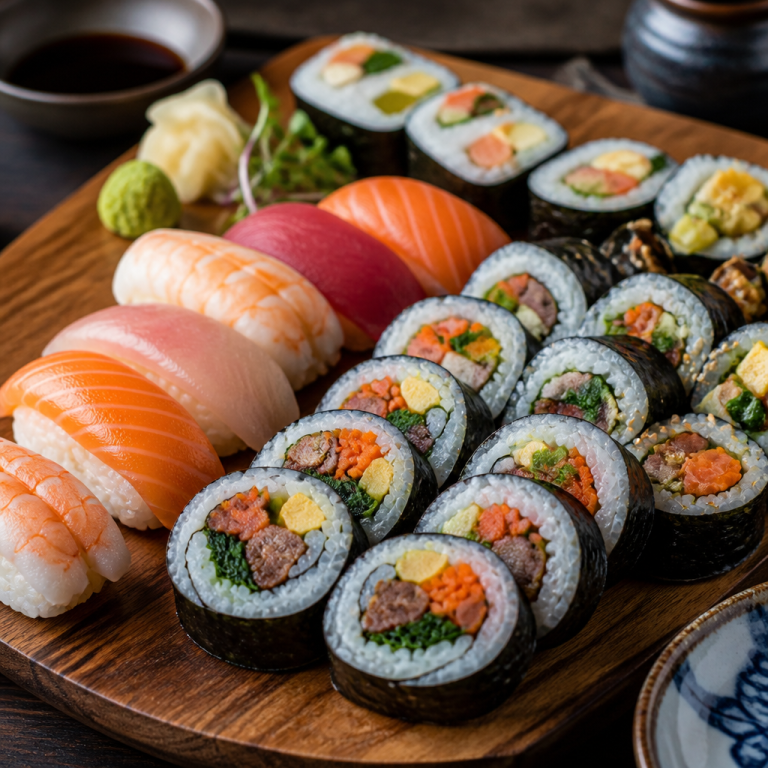
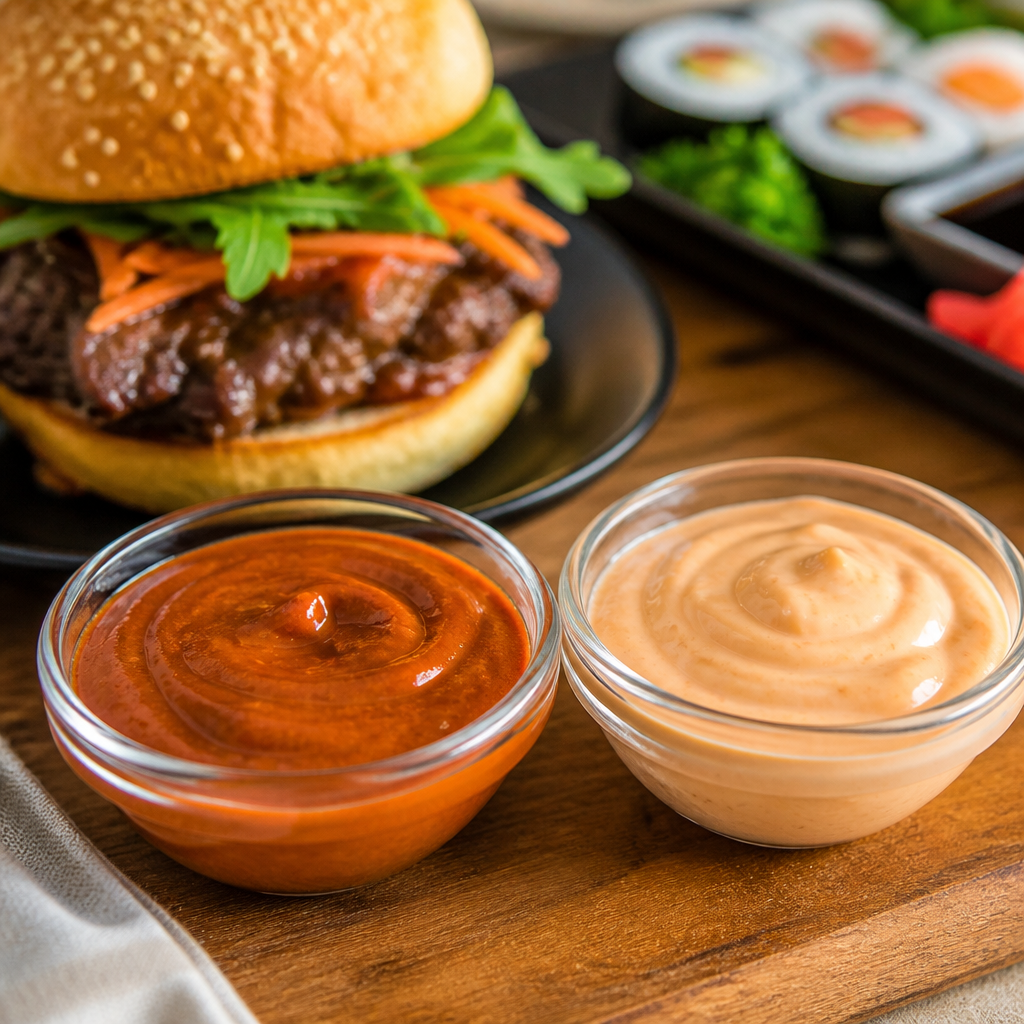
Gochujang mayo is a creamy blend that brings together sweet, spicy, and savory umami depth, typically made by mixing 1 part gochujang to 3 or 4 parts mayo. This condiment has a reddish-brown color and a thicker texture. It pairs exceptionally well with Korean-fusion dishes, such as Korean fried chicken, bulgogi burgers, and as a dip for kimbap.
Sriracha mayo, often called "spicy mayo," blends sriracha with mayonnaise, usually in a ratio of 1 part sriracha to 4 or 5 parts mayo. The result is a tangy, garlicky, and mildly spicy condiment with a simpler flavor. With its pale pink color and smooth texture, this sauce is a staple in sushi rolls, poke bowls, and sandwiches.
Substitutes and Health Considerations
Whether you've run out of your favorite sauce or are curious about the nutritional facts, it's helpful to know about alternatives and health implications.
Gochujang vs Sriracha Substitute
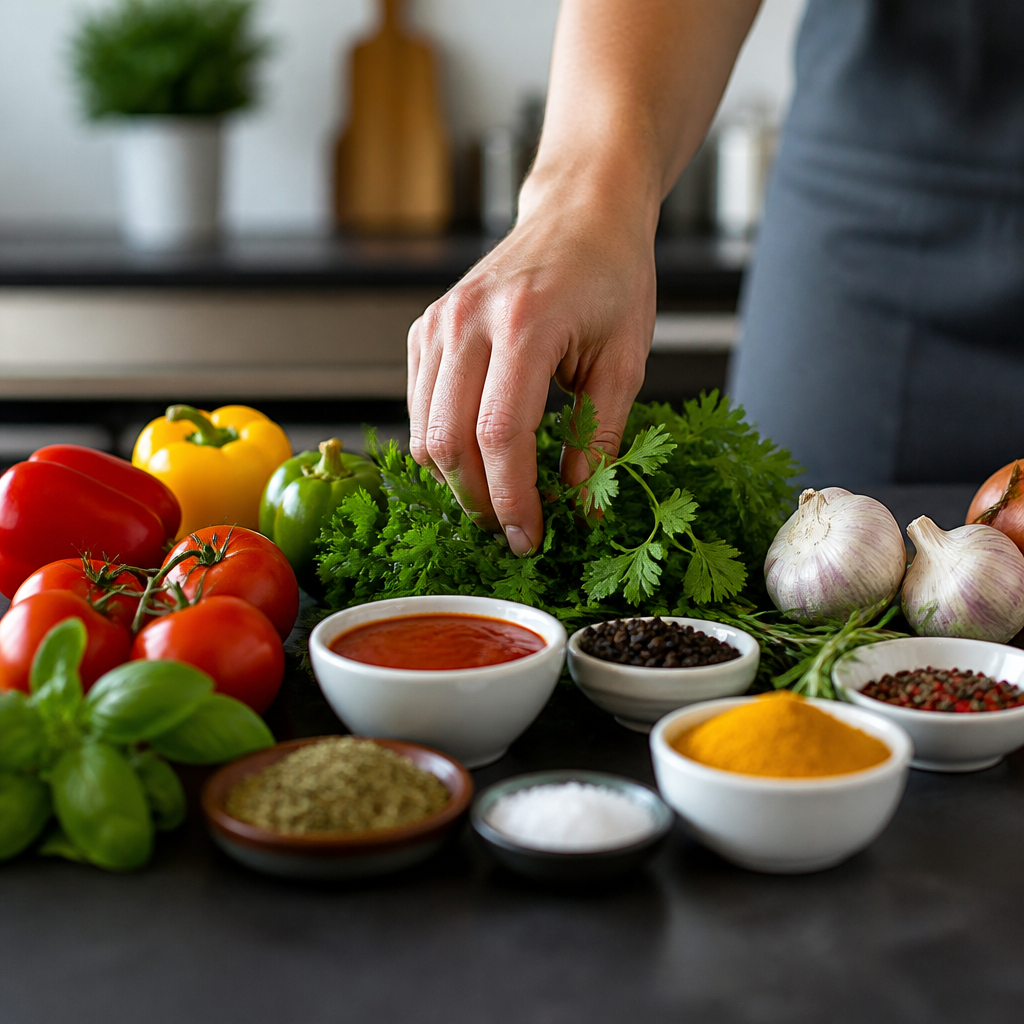
If you need a substitute, there are several options, though replicating gochujang's unique fermented flavor is challenging.
- Gochujang Substitutes: For a similar umami depth, try a mixture of miso paste, chili flakes, and a little honey. Other options include sambal oelek mixed with miso or harissa paste sweetened with honey.
- Sriracha Substitutes: Good alternatives include sambal oelek with a splash of vinegar and garlic powder, chili garlic sauce, or a simple blend of cayenne pepper, vinegar, and sugar.
As Korean cooking expert Maangchi reminds us, "while substitutes work in a pinch, gochujang's fermented complexity is irreplaceable in traditional Korean cooking—it's worth keeping both condiments in your pantry for their distinct purposes."
It's crucial to understand that gochujang's fermentation process makes it difficult to replicate perfectly, especially in traditional Korean recipes. For fusion dishes, however, substitutions are often more acceptable.
Gochujang vs Sriracha Health Benefits
When comparing the health aspects of gochujang and sriracha, there are notable differences in their nutritional profiles.
| Nutrient | Gochujang (per 1 tbsp) | Sriracha (per 1 tbsp) |
|---|---|---|
| Calories | 30-35 | 5-15 |
| Carbohydrates | 6-7 g | 1-3 g |
| Protein | 1-2 g | 0 g |
| Fat | ~0.5 g | 0 g |
| Sodium | 240-400 mg | 80-200 mg |
One major difference is potential probiotic content. Traditional, unpasteurized gochujang may contain beneficial bacteria from fermentation that can support a healthy gut. Sriracha, being unfermented, does not offer probiotics. Both sauces contain capsaicin, the compound responsible for their heat, which research suggests may offer a slight metabolism boost, appetite reduction, and anti-inflammatory properties. Gochujang also tends to be richer in antioxidants from its red chili peppers and contains isoflavones from fermented soybeans. _It is important to note that gochujang typically contains soy and wheat (gluten), which are common allergens._ Both are considered high-sodium condiments, so portion control is important, especially for those monitoring their salt intake.
As we conclude this comparison, it's clear that both gochujang and sriracha are culinary stars. Gochujang offers a complex, umami-rich depth that builds foundational flavors, while sriracha delivers a bright, tangy heat for a quick, zesty finish. Discover which one is right for your kitchen and elevate your next meal.

Emily Carter is an American food lover who writes about Korean cuisine for people trying it for the first time. She covers what things taste like, how to eat them, and what to cook with them.