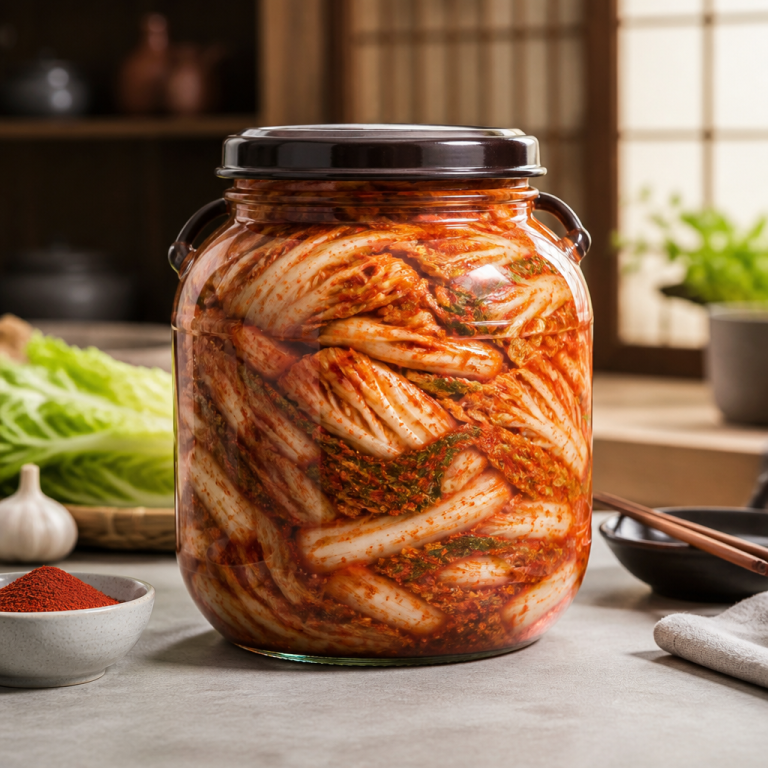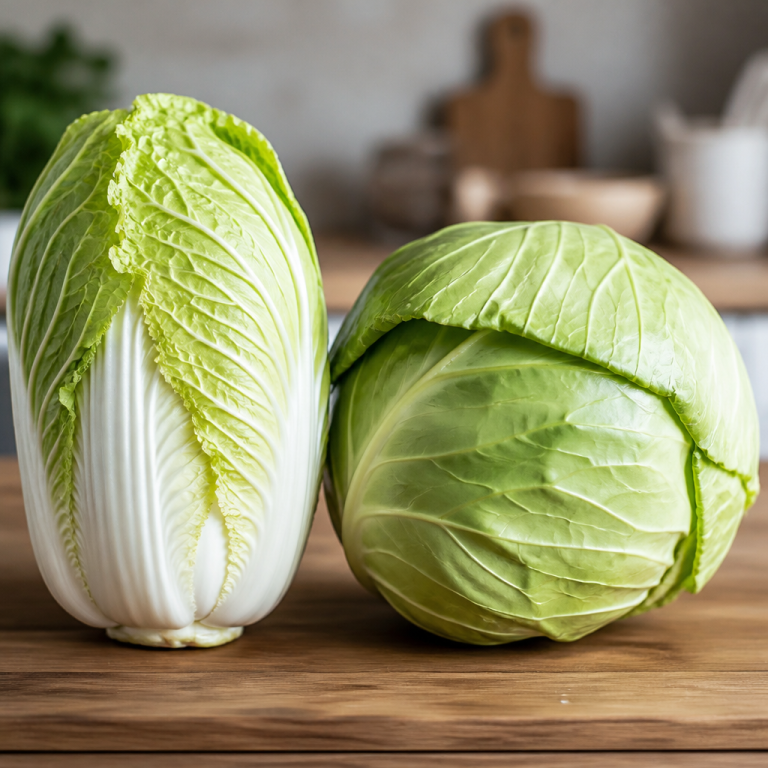
How to Eat Kimchi: 15 Easy, Delicious Ways to Enjoy It
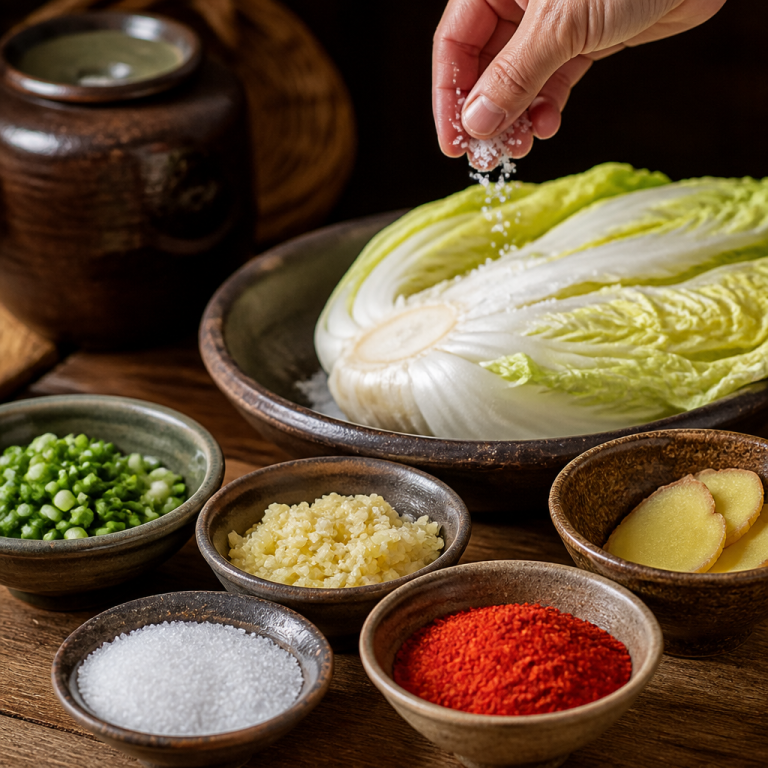
I still remember the first time I truly understood kimchi. It wasn’t just a spicy side dish; it was a vibrant, living food. That realization came during a family gathering, the air thick with the pungent, savory aroma of freshly made kimchi. My aunt, her hands stained red from the chili paste, offered me a piece of raw napa cabbage kimchi. It was still crisp, bursting with a tangy, spicy kick. That moment transformed my perception of this Korean staple. Kimchi, a cornerstone of Korean cuisine, is far more than a side dish. It’s a fermented vegetable staple embodying rich cultural heritage, offering diverse flavors and textures. Typically made from napa cabbage and Korean radish, kimchi is seasoned with chili pepper, garlic, ginger, and salt. Lactic acid bacteria then ferment it (1). This process gives kimchi its signature tangy, spicy, and often umami-rich profile, making it a versatile ingredient that can elevate a simple meal. Its presence at nearly every Korean meal highlights its importance, traditionally served in small portions alongside rice and other dishes (3).
Exploring kimchi can be an exciting journey, whether you’re a seasoned enthusiast or new to its appeal. From proper preparation and storage to incorporating it into various meals, there are numerous ways to enjoy this fermented delight. What makes kimchi so special is its adaptability. You can savor it cold, straight from the jar, or integrate it into hot, cooked dishes, each method offering a different sensory experience (13). Beyond its culinary versatility, kimchi is recognized for potential health benefits, especially concerning gut health and weight management, thanks to its probiotic content and low-calorie nature (58, 37). This guide provides a comprehensive overview of how to approach, prepare, and enjoy kimchi, aiming for a rewarding experience for every palate.
Getting Started with Eating Kimchi
Incorporating kimchi into your diet can be a delightful experience, offering a unique blend of flavors and potential health benefits. For those new to this traditional Korean staple, understanding the basics of consumption, preparation, and storage is key to a positive introduction. Kimchi’s distinct fermented taste and texture can be quite novel, so a gradual approach often works best. It’s important to recognize that kimchi’s flavor profile can vary significantly depending on its age and ingredients, ranging from fresh and crunchy to deeply sour and complex (5). This section guides you through the initial steps, from your very first taste to understanding how to handle and serve kimchi effectively, even offering strategies if its unique flavor isn’t immediately appealing.
Kimchi’s versatility means it can be enjoyed in many forms, whether as a simple side dish or a dynamic ingredient in more elaborate recipes. Learning how to properly prepare it from the jar, understanding the nuances of serving it hot or cold, and knowing how to store it to maintain its quality are fundamental aspects of enjoying kimchi fully. Exploring different varieties and ways to eat kimchi is key to appreciating its depth. Furthermore, for those who might find its strong flavors challenging initially, there are gentle ways to introduce it into your diet, allowing your palate to adapt gradually. By starting with small portions and exploring different varieties and preparations, you can truly appreciate why kimchi has become a beloved food worldwide.
How to Eat Kimchi for Beginners
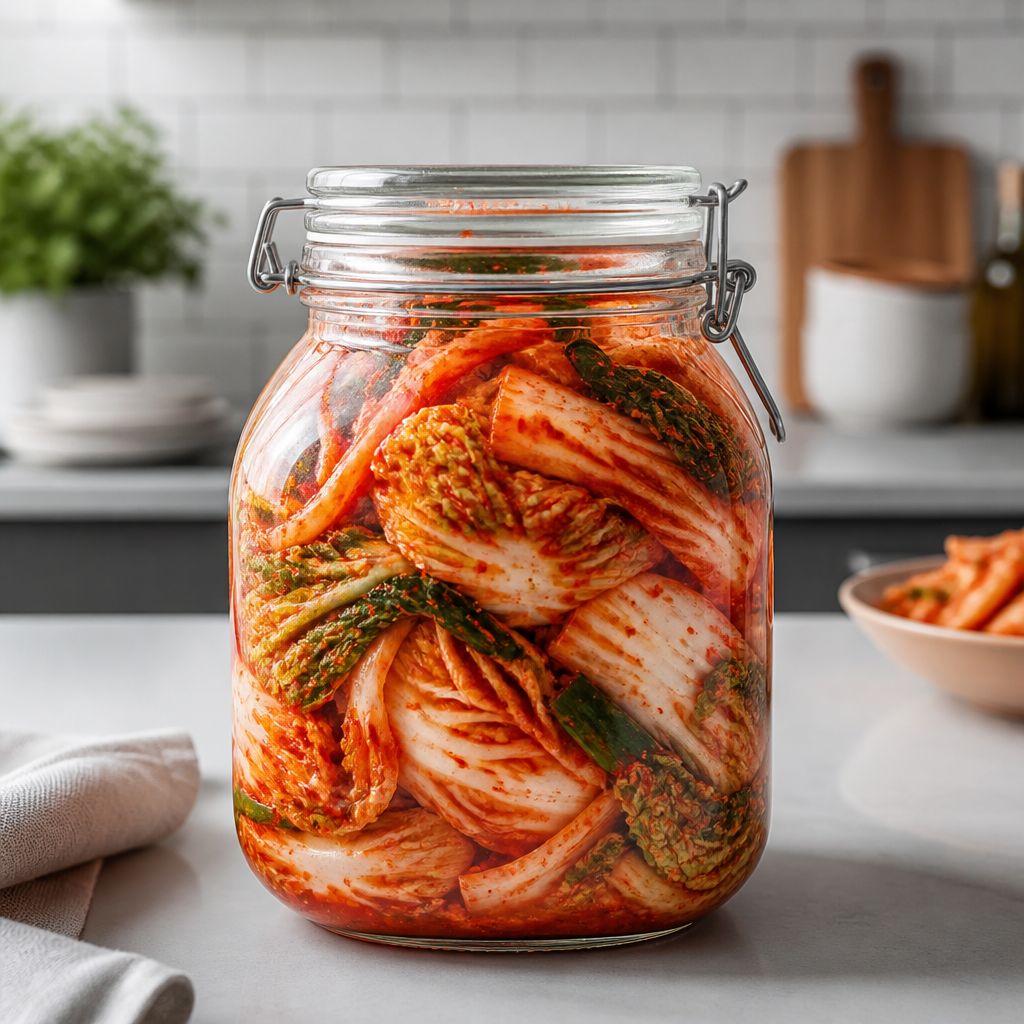
For individuals new to kimchi, starting thoughtfully can greatly enhance the experience. Kimchi is a traditional Korean fermented vegetable dish, most commonly prepared with napa cabbage and Korean radish. Its signature flavor comes from a seasoning blend typically including chili pepper, garlic, ginger, and salt, all contributing to fermentation by lactic acid bacteria (1). This fermentation process gives kimchi its distinctive tangy, spicy, and sometimes pungent taste, which can be intense for an unaccustomed palate. Therefore, a gentle introduction is often recommended to allow both your taste buds and digestive system to adjust to its unique characteristics and probiotic content (2).
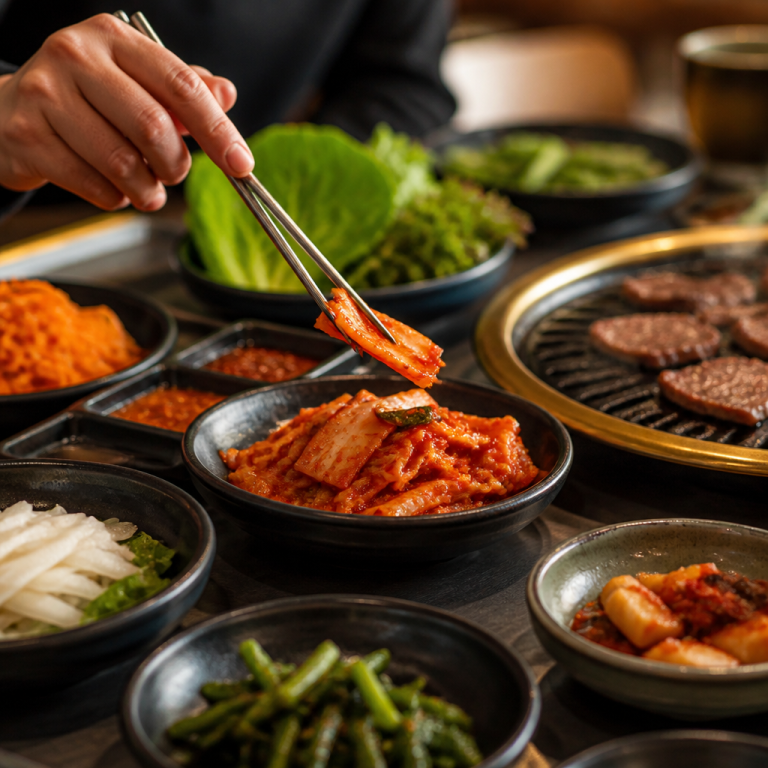
I recall when my friend Sarah first tried kimchi at a Korean BBQ place in Los Angeles back in 2018. She was hesitant because of its vibrant red color, so I suggested she start with just a tiny piece with her rice. A good starting point for beginners is to consume small portions, perhaps 1-2 tablespoons at a time. This allows you to gradually acclimate to the fermented flavors without being overwhelmed. The most traditional Korean method is to eat kimchi straight from the jar as a side dish, known as “banchan,” meaning small, complementary dishes served alongside rice (3). This simple approach lets you experience its pure flavor and texture. Many beginners find that milder, refrigerated kimchi is easier to tolerate than kimchi served at room temperature or freshly made versions, which tend to have stronger, more pronounced flavors (4).
The age of kimchi also plays a significant role in its taste; fresh kimchi, typically 1-3 days old, offers a crunchy texture and a spicy kick, while aged kimchi, fermented for two weeks or more, develops a much tangier and sour flavor due to increased fermentation (5). Understanding these differences can help you choose a kimchi that aligns with your current preferences. In its cultural context, kimchi is a ubiquitous presence in Korean cuisine, served at nearly every meal as a standard side dish, usually in small, manageable portions alongside rice and other main dishes (3).
How to Prepare Kimchi to Eat
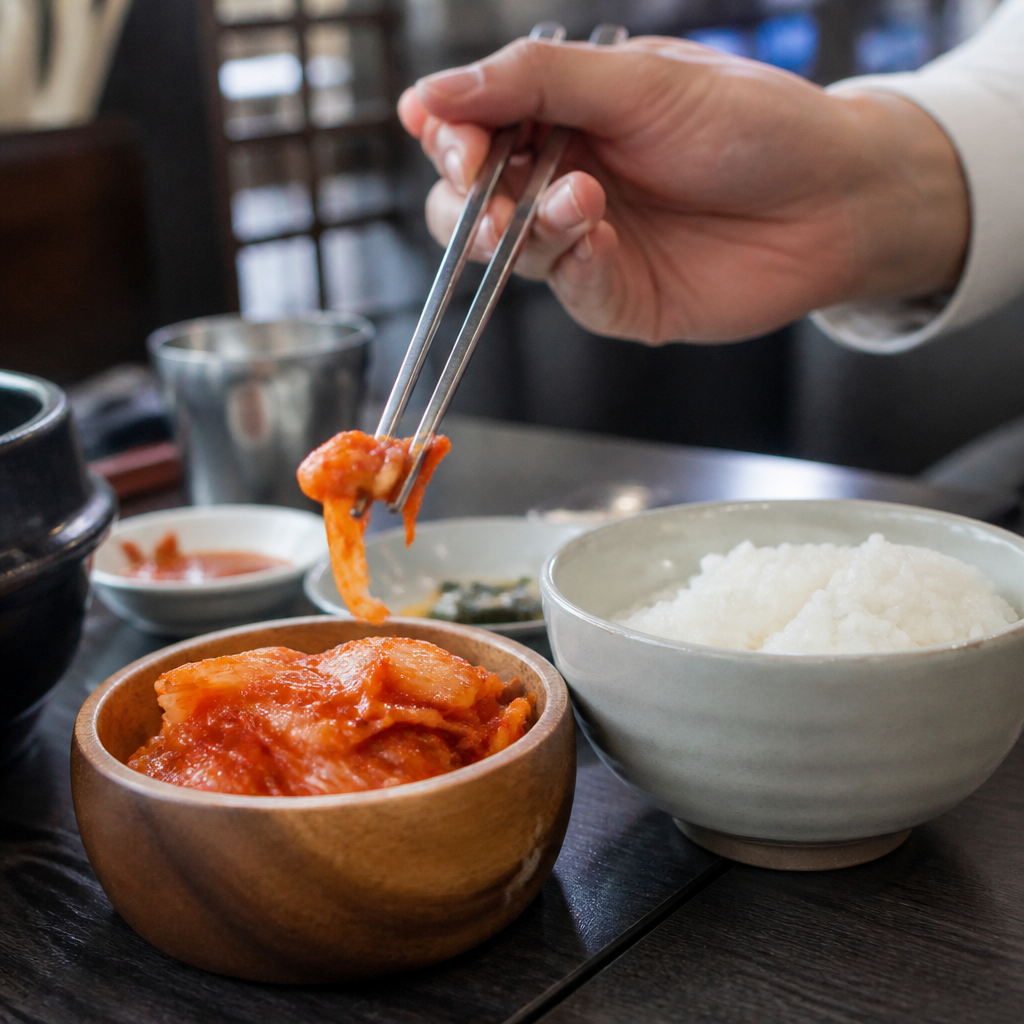
Proper preparation of kimchi before consumption is essential for enhancing its flavor and texture, as well as for maintaining its quality and ensuring food safety. When you’re ready to enjoy kimchi from a jar, the first crucial step is to use clean utensils to remove it. This practice helps prevent the introduction of external bacteria that could contaminate the kimchi and potentially lead to spoilage (6). Once removed, if the kimchi leaves are whole, it’s generally recommended to cut them into bite-sized pieces, typically around 1-2 inch squares. This makes it easier to eat and integrate into various dishes (6).
Maintaining the freshness of kimchi in the jar is also a key aspect of preparation and storage. It is a good practice to always keep the kimchi submerged in its brine. This helps maintain its freshness, prevent mold growth, and reduce excessive oxidation. After each use, gently pressing down the contents ensures that all the kimchi remains covered by the liquid (7). For those planning to use kimchi in cooking, a slightly different preparation might be beneficial. Draining any excess liquid from the kimchi and gently squeezing it to remove moisture can prevent your cooked dishes from becoming too watery. This is particularly useful for recipes like kimchi fried rice or stews where precise moisture levels are important (8).
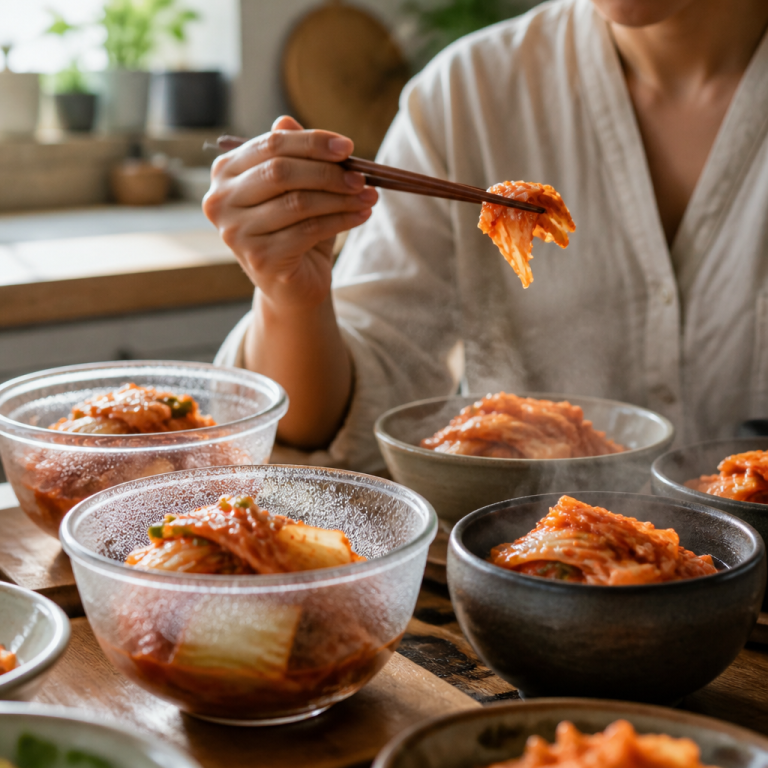
If you find that the kimchi you have is too salty or too sour for your taste, a quick rinse under cold water can help to temper these strong flavors. However, _it’s worth noting that rinsing will also reduce the beneficial probiotic content, so it’s a trade-off to consider based on your priorities_ (9). Kimchi offers flexibility in its serving temperature. It can be served cold, directly from the refrigerator, which provides a crisp and refreshing experience. Alternatively, allowing it to sit out at room temperature for 20-30 minutes can slightly mellow its flavors. Of course, kimchi is also frequently heated and incorporated into a wide array of cooked dishes, where its flavors deepen and its texture softens (4).
How to Eat Kimchi From a Jar
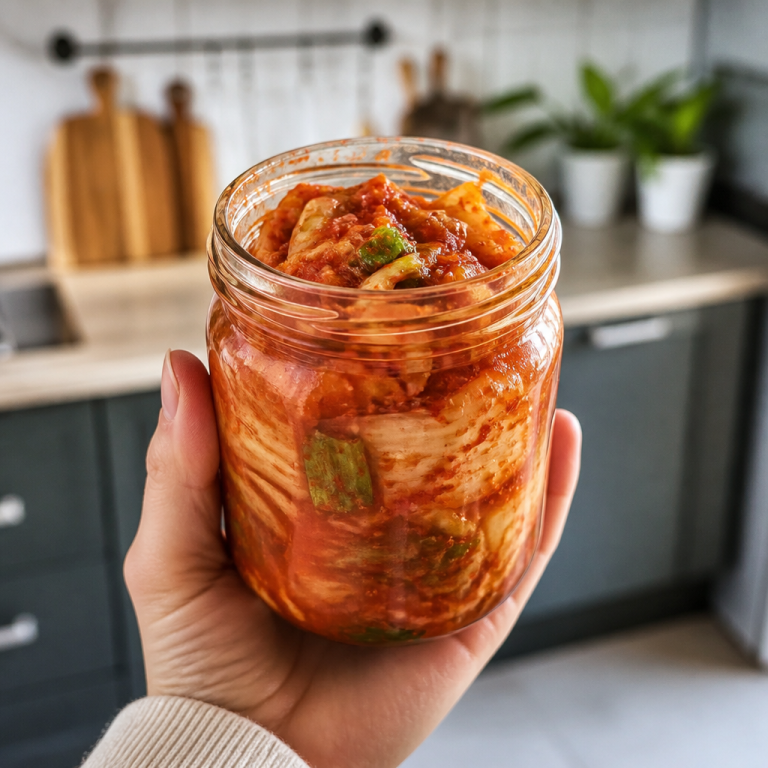
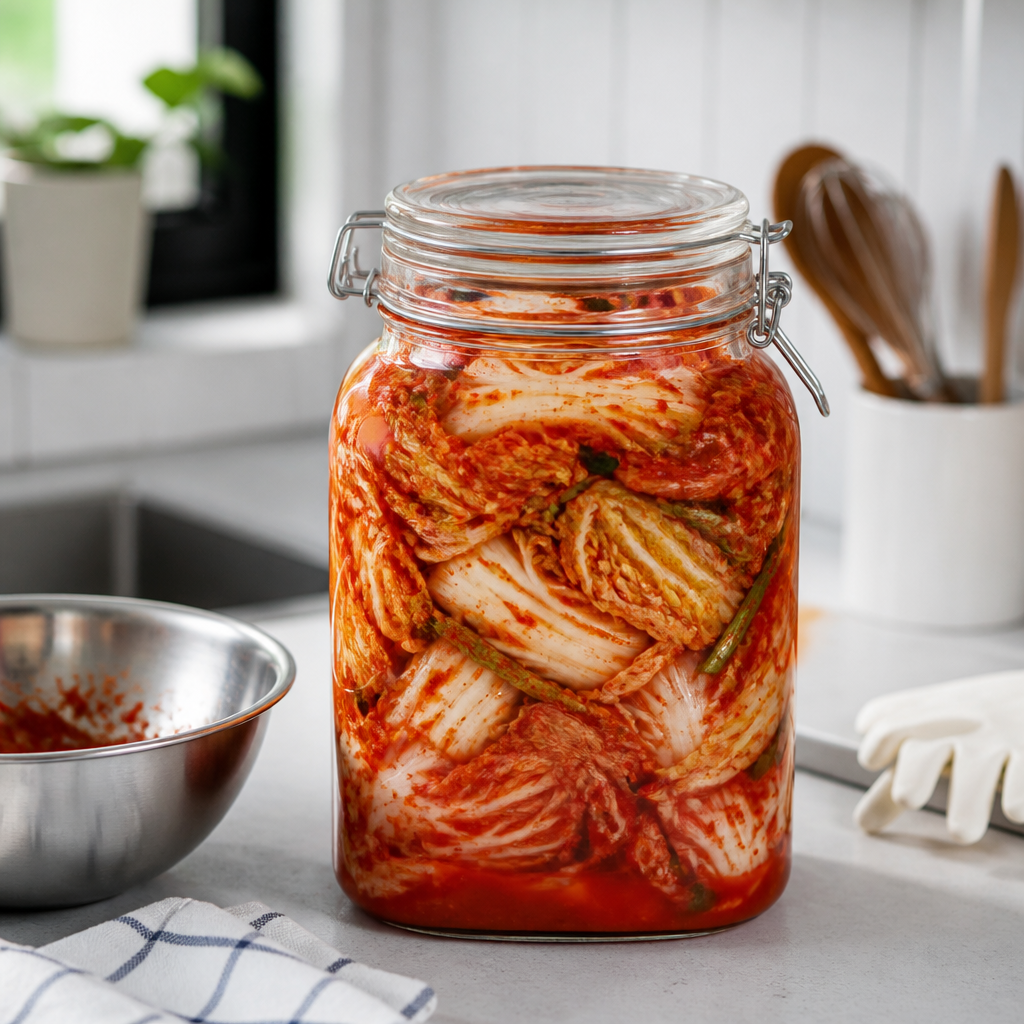
Eating kimchi directly from a jar is a common and straightforward way to enjoy this fermented delicacy, but there are a few important considerations to ensure both its quality and your safety. Proper storage is paramount once an unopened jar of kimchi has been introduced to your home. It is recommended to store opened kimchi jars in the refrigerator at a temperature range of 35-40°F (1.7-4.4°C). This cool environment is crucial for slowing down the fermentation process, which in turn helps to maintain the kimchi’s optimal flavor and texture over time (6). The fermentation process continues, even in the refrigerator, but at a much slower pace.
Hygiene plays a critical role when accessing kimchi from its jar. Always use clean, dry utensils when removing kimchi to prevent the introduction of foreign bacteria. Contamination from unclean utensils could accelerate spoilage or introduce undesirable microorganisms, compromising the quality and safety of your kimchi (10). Furthermore, practicing portion control is wise; only remove the amount of kimchi you intend to consume immediately. This minimizes exposure of the remaining kimchi to air and helps ensure it stays submerged in its protective brine, which is vital for its preservation (6).
Regarding shelf life, an unopened jar of properly stored kimchi can typically last for an impressive 3-6 months past its production date. However, once the jar has been opened, it is generally best to consume the kimchi within 3 months to enjoy it at its peak quality and flavor (11). As a fermented product, kimchi will naturally exhibit signs of active fermentation. It’s quite normal to observe bubbling or fizzing when you open a jar, indicating the presence of live cultures. However, if you notice an extremely bulging lid, this could be a sign of over-fermentation, which might affect the kimchi’s taste and texture, though it’s usually not a safety concern unless accompanied by off-odors or mold (12).

How to Eat Kimchi Hot or Cold
Kimchi’s remarkable versatility extends to the temperature at which it can be enjoyed, offering distinct culinary experiences whether served hot or cold. Traditionally, kimchi is most often eaten cold, directly from the refrigerator, serving as a crisp and refreshing side dish, or “banchan,” that accompanies nearly every Korean meal (13). In this cold state, kimchi delivers a vibrant, tangy, and often spicy flavor profile with a satisfying crunch, making it an excellent palate cleanser and complement to richer dishes (16). However, its culinary applications are far from limited to cold servings. Kimchi is also a star ingredient in a wide array of hot dishes, such as the hearty kimchi jjigae (kimchi stew), flavorful kimchi fried rice, and even grilled kimchi, where its flavors transform and deepen with heat (13).
When deciding whether to eat kimchi hot or cold, an important consideration is the impact of temperature on its probiotic content. Heating kimchi above certain temperatures, specifically between 104-115°F (40-46°C), can unfortunately kill the beneficial probiotic bacteria it contains (15). As Dr. Kara Landau, a registered dietitian and gut health expert, advises:
If you’re eating kimchi specifically for the probiotic benefits, consuming it cold or at room temperature is ideal. Cooking it doesn’t make it unhealthy, but you will lose the live cultures (15).
Beyond the probiotic aspect, the temperature also significantly alters the flavor and texture. A practical recommendation is to eat fresh, younger kimchi cold to best preserve its probiotics and enjoy its vibrant crispness. Conversely, older, more fermented kimchi, with its stronger sour flavor, often shines in cooked dishes where its intensity can contribute robust flavor (17).
| Feature | Cold Kimchi | Hot Kimchi |
|---|---|---|
| Taste | Tangy, spicy, crisp | Mellow, savory, deep |
| Texture | Crunchy, refreshing | Soft, integrated |
| Probiotics | Preserved | Reduced or eliminated |
| Best For | Side dishes, salads | Stews, fried rice, pancakes |
How to Eat Kimchi If You Don’t Like It
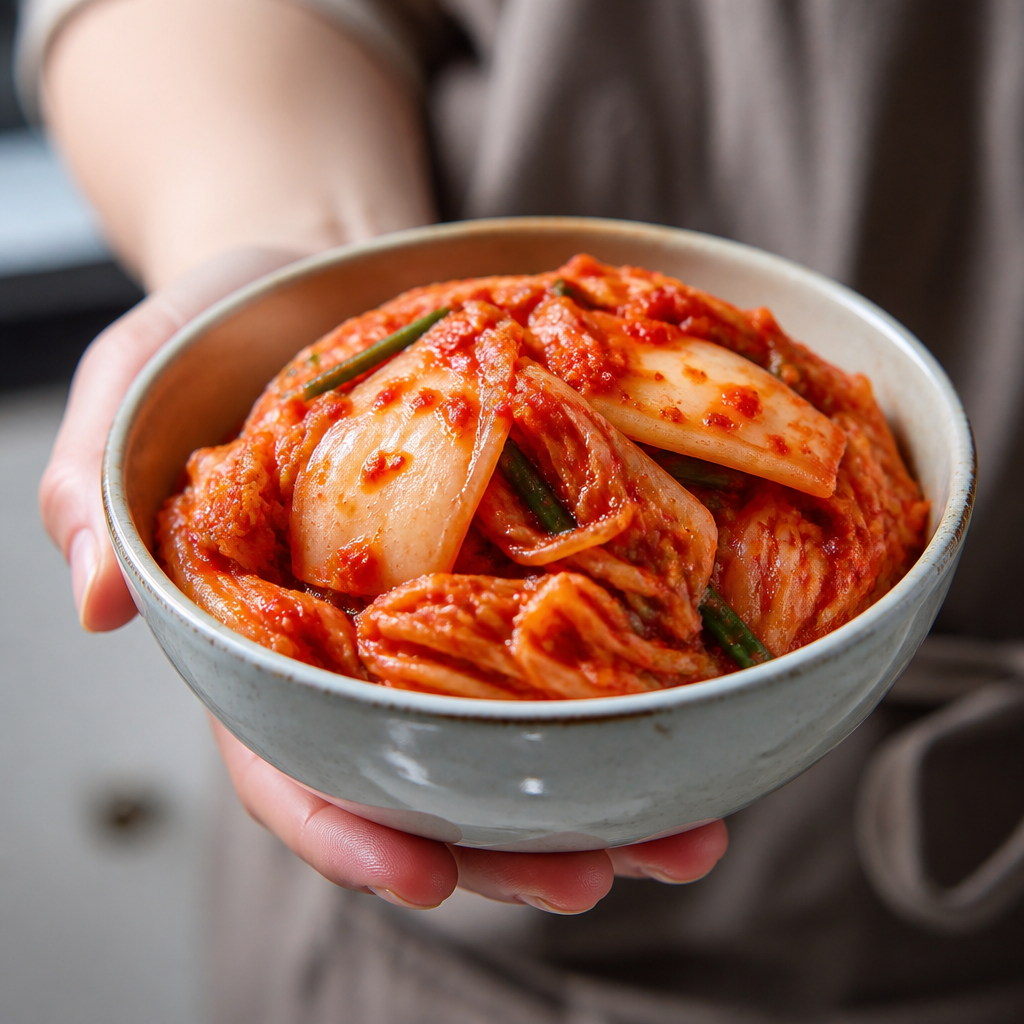
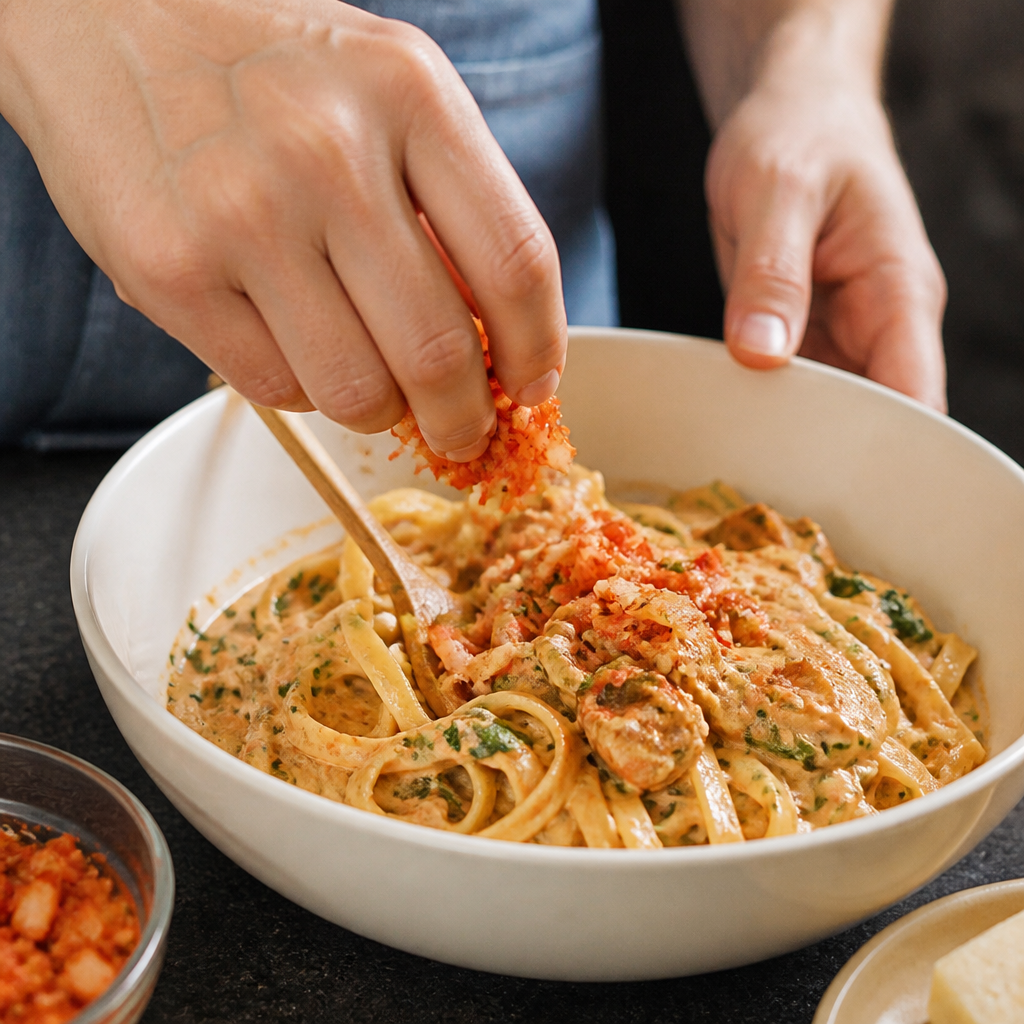
For some, the initial encounter with kimchi’s strong, fermented, and often spicy flavor can be a bit overwhelming. However, if you’re keen to explore its potential health benefits or simply want to expand your palate, there are several strategies to gradually introduce and even learn to appreciate this unique food. The key is often a gentle, incremental approach. One effective method is to start by mixing very small amounts of finely chopped kimchi into dishes that are already familiar and enjoyable to you (18). This could include incorporating it into fried rice, stirring it into pasta sauces, or adding a touch to tacos. The familiar flavors of these dishes can help to mask the intensity of the kimchi while allowing your taste buds to slowly build tolerance to its distinct profile (18).
Another excellent strategy is to explore the diverse world of kimchi varieties. Traditional napa cabbage kimchi is just one type. There are milder options available, such as white kimchi, or “baek kimchi,” which is made without chili pepper and offers a gentler, less pungent flavor (19). Cucumber kimchi, or “oi sobagi,” is another variety that can be less intense and more refreshing. These milder versions can be a great entry point for sensitive palates (19). If the saltiness or sourness of kimchi is a particular deterrent, you can try rinsing it briefly under cold water and then patting it dry. This process can significantly reduce its strong flavors, making it more palatable, though it will diminish its probiotic content (9).
Cooking kimchi is another powerful way to mellow its intense fermented flavor. Heat can transform kimchi, making it less sharp and more integrated into a dish. Consider adding it to cooked applications like grilled cheese sandwiches, quesadillas, or stir-fries, where the warmth helps to soften its pungency and blend it with other ingredients (20). Furthermore, pairing kimchi with creamy or fatty foods can create a delightful balance. The richness of ingredients like cheese, avocado, or mayonnaise can effectively soften kimchi’s sharp notes (21). By trying these methods, you may discover that kimchi can become a welcome addition to your diet.
Ways to Eat Kimchi with Food
Kimchi’s incredible versatility extends far beyond its traditional role as a simple side dish. Its unique blend of spicy, tangy, and umami flavors makes it a dynamic ingredient that can elevate a wide array of meals, transforming everyday dishes into exciting culinary adventures. From hearty breakfast options to satisfying snacks and comforting stews, kimchi can be seamlessly integrated into various culinary contexts, showcasing its adaptability and enhancing the overall dining experience. This section delves into diverse and delicious ways to incorporate kimchi into your daily meals, illustrating how it can be paired with staples like rice and eggs, become the star of a robust stew, or even serve as a flavorful, low-calorie snack.
Exploring these different applications not only broadens your culinary horizons but also allows you to appreciate the depth and complexity that kimchi brings to a dish. Whether you’re looking for a quick and easy addition to your morning routine, a creative twist on a classic comfort food, or a vibrant component for a shared meal, kimchi offers endless possibilities. Its ability to complement and contrast with other flavors makes it a truly special ingredient. By understanding these various methods, you can unlock the full potential of kimchi in your kitchen, making it a regular and cherished part of your gastronomic journey.
How to Eat Kimchi with Rice
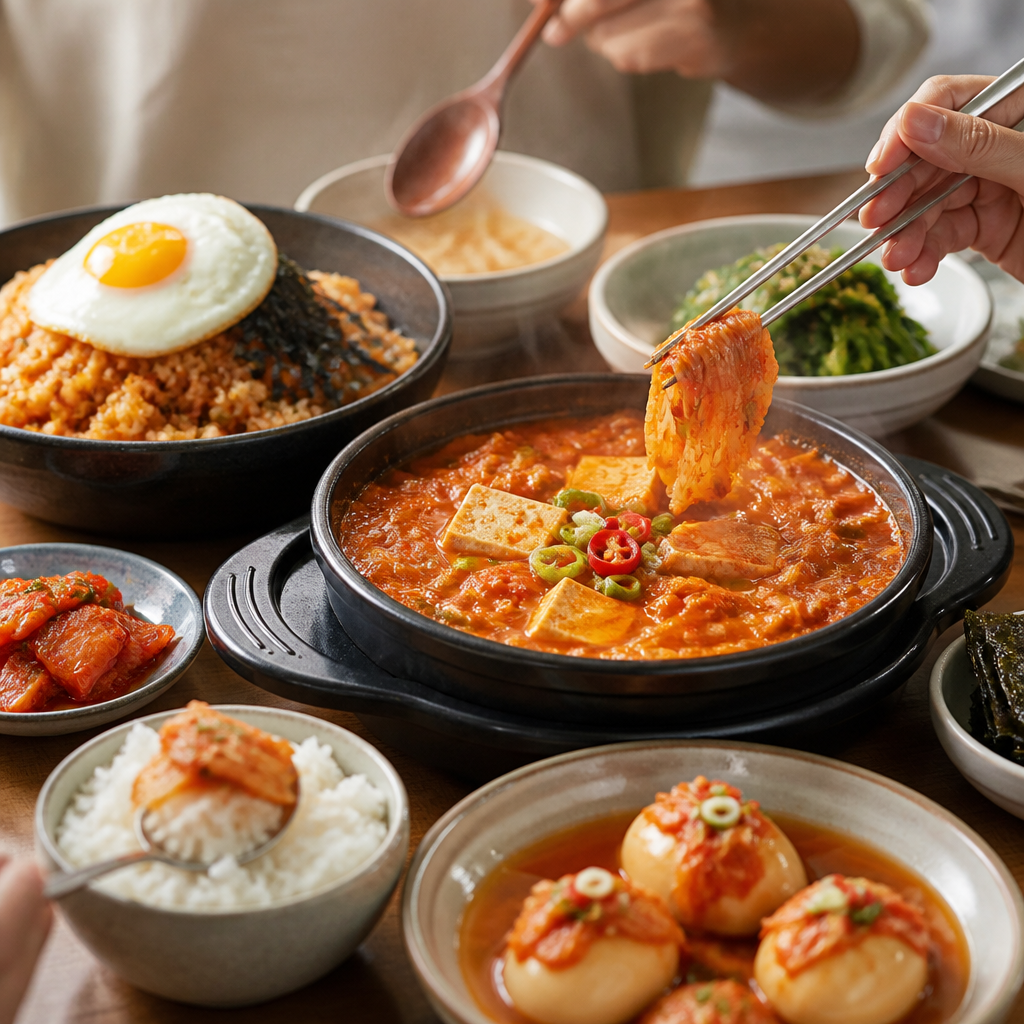
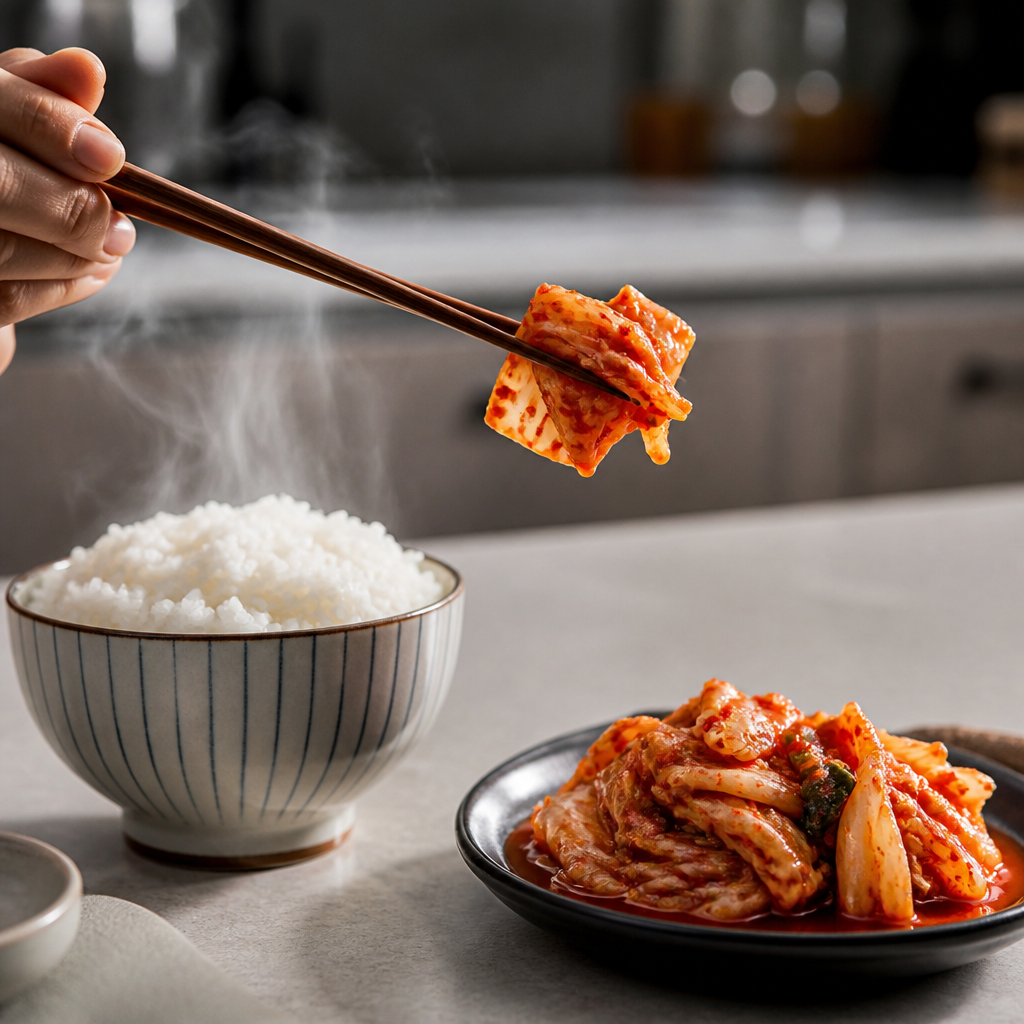
Eating kimchi with rice is perhaps one of the most fundamental and satisfying ways to enjoy this Korean staple. The combination is a classic for a reason: the mild, comforting nature of rice perfectly balances the bold, spicy, and tangy flavors of kimchi. The most traditional method involves serving kimchi as a side dish, or ‘banchan,’ alongside a steaming bowl of white or brown rice (3). In this approach, you would typically take small bites of kimchi between spoonfuls of rice, allowing the flavors to meld and cleanse your palate with each alternation. This simple pairing highlights the pure taste of kimchi while providing a substantial and balanced meal (3).
Beyond its role as a simple accompaniment, kimchi can be the star ingredient in rice-based dishes. One of the most popular and beloved preparations is kimchi bokkeumbap, or kimchi fried rice (22). This dish typically involves stir-frying chopped kimchi with day-old rice, along with various vegetables and proteins such as egg, Spam, or pork. The dish is often seasoned with a splash of kimchi juice and a drizzle of sesame oil, which adds depth and a nutty aroma (22). Another excellent way to combine kimchi with rice is by creating a bibimbap-style mixed rice bowl (23). This involves topping a bed of rice with kimchi, an assortment of other vegetables, a fried egg, and a dollop of gochujang (Korean chili paste) sauce. Before eating, all the ingredients are mixed together, allowing the diverse textures and flavors to combine into a single, cohesive, and delicious bite (23).
For those seeking a more soothing and easily digestible option, kimchi juk, or kimchi rice porridge, is a wonderful choice. This dish is prepared by simmering rice with kimchi, its brine, and water until it reaches a creamy consistency. It’s often served to individuals with digestive sensitivities or as a comforting meal during colder weather (24).
How to Eat Kimchi with Eggs
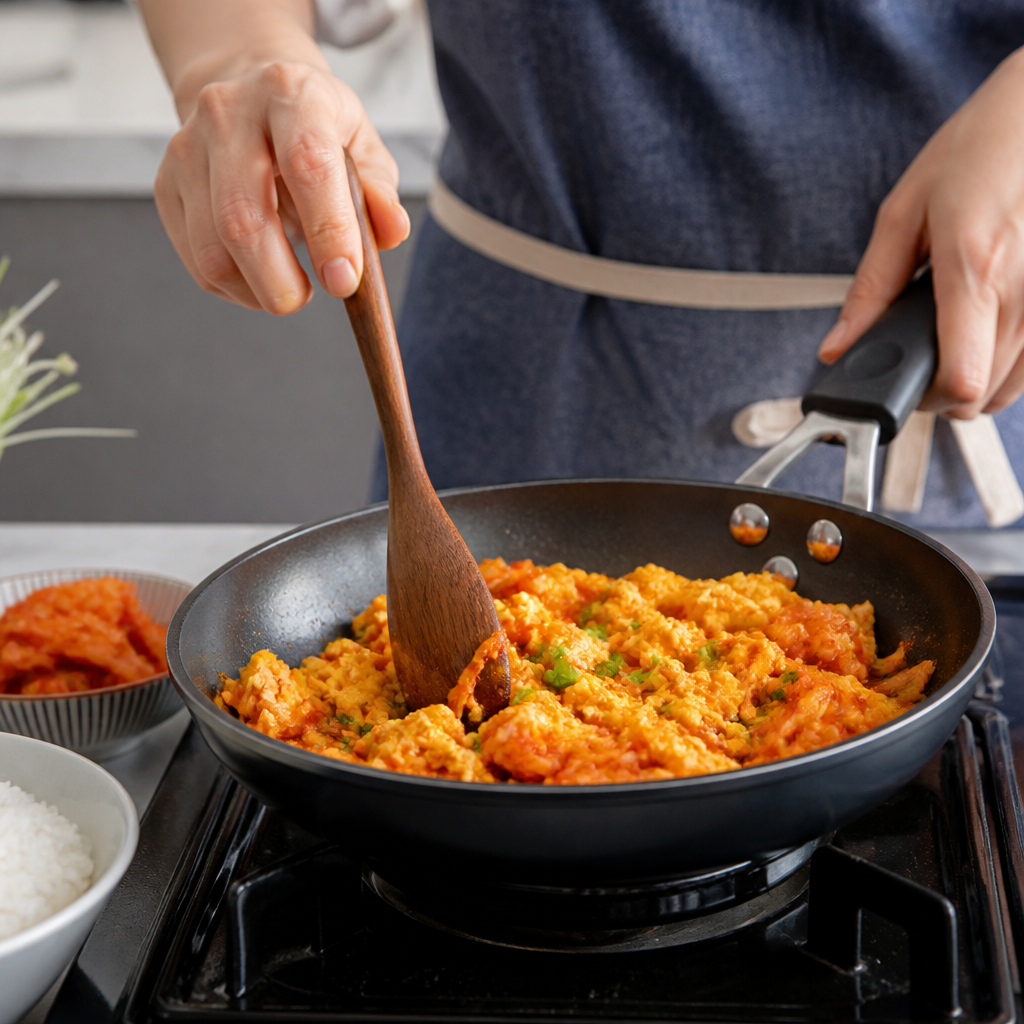
The combination of kimchi and eggs is a culinary match made in heaven, offering a delightful balance of flavors and textures that can elevate a simple meal. The richness and mildness of eggs provide a perfect counterpoint to kimchi’s characteristic acidity, spice, and tang, resulting in a harmonious and satisfying dish. This pairing is particularly popular in Korean breakfast and brunch settings, but it can be enjoyed at any time of day (30). One of the easiest ways to bring these two ingredients together is by making kimchi scrambled eggs (26). This involves finely chopping kimchi and folding it into beaten eggs before scrambling. Adding a small amount of kimchi juice to the egg mixture can further enhance the flavor and moisture content, creating a vibrant and savory scramble that’s both quick and delicious (26).
Another creative application is to prepare a Korean-style omelette, known as gyeran mari, which is a rolled omelette (27). For this, a thin layer of beaten egg is cooked, then a scattering of chopped kimchi is spread over it before the egg is carefully rolled up. The process is repeated with additional layers, resulting in a beautiful, multi-layered omelette that is then sliced into rounds. This presentation makes for an appealing and flavorful dish (27). For a simpler yet equally satisfying option, you can fry an egg and serve it directly over a bed of kimchi fried rice, or simply alongside a portion of kimchi (28). The runny yolk of a fried egg can add a creamy texture that beautifully complements the crispness and spice of cold kimchi (28).
Taking a Western-fusion approach, kimchi can also be incorporated into a frittata (29). By baking a frittata with kimchi, cheese, and various vegetables, you can create a substantial and flavorful dish that marries the fermented tang of kimchi with the comforting qualities of a classic egg bake (29). The inherent richness of eggs effectively balances kimchi’s acidity and spice, which is why this combination is so widely appreciated.
How to Eat Kimchi Jjigae
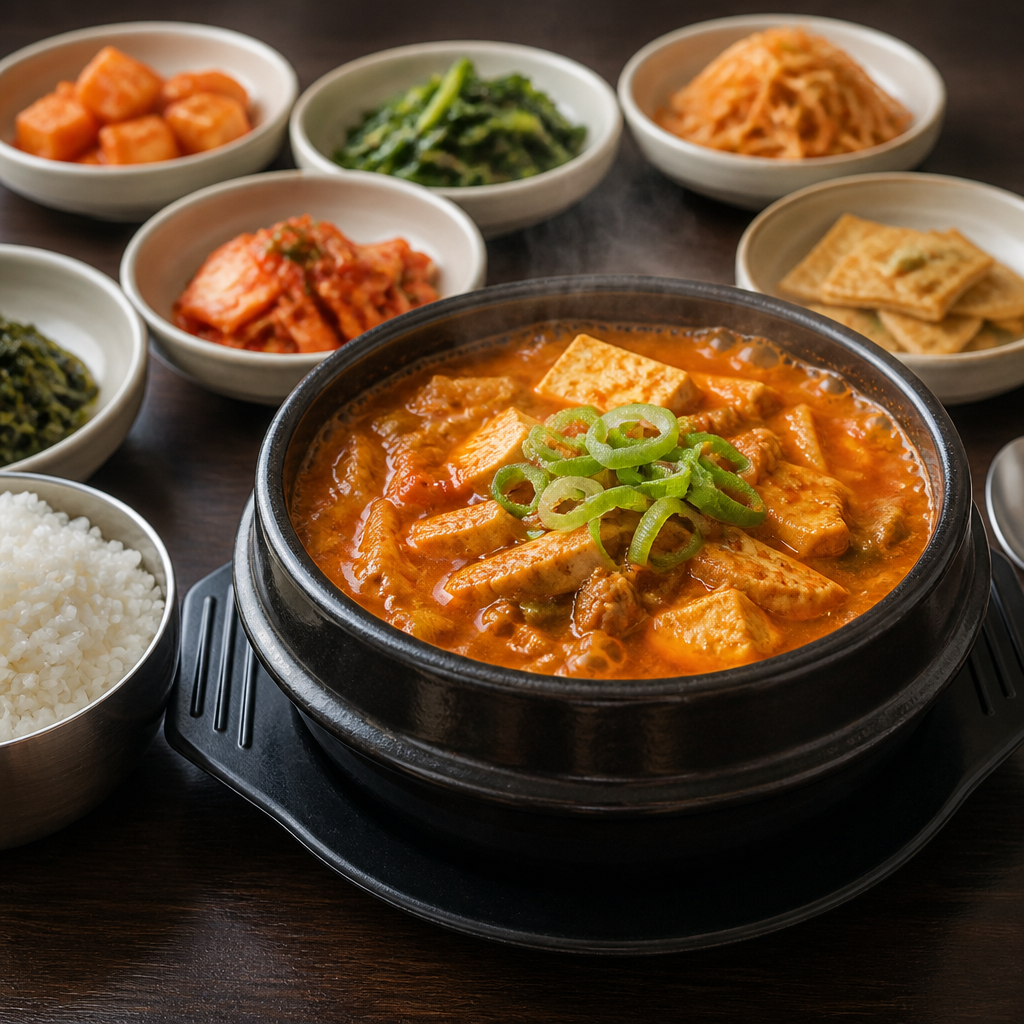
Kimchi jjigae is a quintessential Korean stew, renowned for its comforting warmth, robust flavors, and the deep, complex tang that comes from well-fermented kimchi. This iconic dish is a staple in Korean households and restaurants alike, cherished for its ability to satisfy and warm the soul (31). At its core, kimchi jjigae is typically made with aged kimchi, which is crucial for achieving its characteristic sour and umami-rich profile. Common additions include pork, though variations with tuna or tofu are also popular, along with tofu, onions, and garlic. These ingredients are simmered together in a flavorful broth made from kimchi brine and either water or stock (31).
The serving method for kimchi jjigae is as traditional as the dish itself. It is typically served bubbling hot, often in a stone pot known as a “dolsot,” which helps to retain its heat throughout the meal. Kimchi jjigae is almost always accompanied by a bowl of steamed rice and an assortment of other side dishes, or “banchan” (32). Diners typically spoon the stew over their rice, or they alternate between bites of rice and spoonfuls of the hot, flavorful stew (33). This method allows the rice to absorb the rich broth and helps to balance the intensity of the stew.
For the most authentic and flavorful kimchi jjigae, the choice of kimchi is paramount. _It is highly recommended to use well-fermented, sour kimchi, ideally two weeks old or more, as it provides a much deeper and more complex flavor_ (34). Kimchi jjigae is also often enjoyed as a communal dish. It’s common for the pot of stew to be placed on a portable burner at the center of the table, fostering a shared dining experience (35). To make the stew even heartier, common additions include ramyeon noodles, chewy rice cakes (tteok), or savory dumplings (mandu) (36).
How to Eat Kimchi as a Snack
Kimchi, with its vibrant flavors and satisfying crunch, can be an excellent and surprisingly versatile snack option. It offers a low-calorie, probiotic-rich alternative to many conventional snacks, making it a healthful choice. The simplest way to enjoy kimchi as a snack is by eating it directly from the jar (37). A 100g serving of kimchi typically contains only about 15-20 calories, providing a flavorful snack without a significant caloric load (37). Beyond eating it straight, here are a few other ideas:
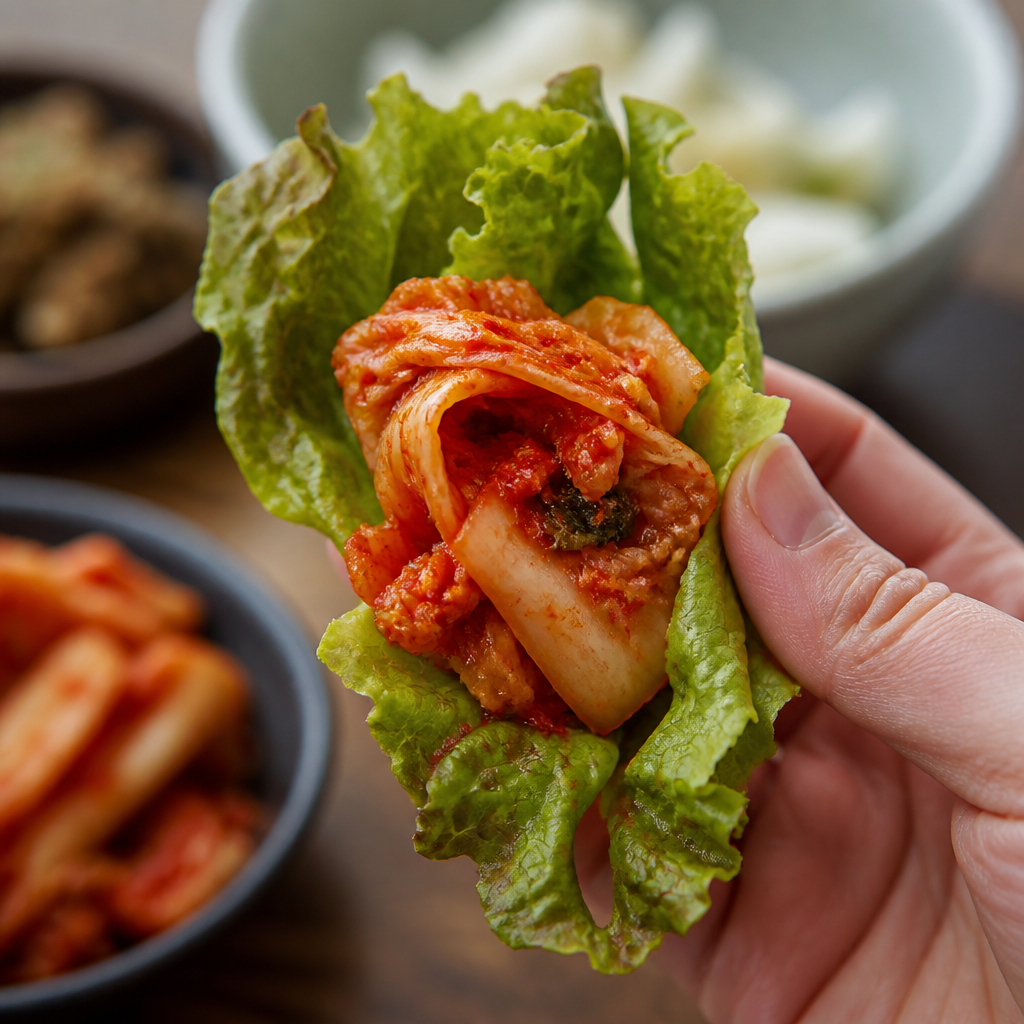
- Kimchi Wraps (Ssam): Wrap a small amount of kimchi in a crisp lettuce leaf, perhaps with a tiny bit of rice or a sliver of meat. These hand-held wraps offer a refreshing and customizable snack that balances the kimchi’s intensity (39).
- Kimchi and Cream Cheese Crackers: For a fusion appetizer, consider pairing chopped kimchi with cream cheese on crackers. The creamy texture and mildness of the cream cheese beautifully complement and soften kimchi’s sharp notes (40).
- Kimchi Dumplings (Mandu): These dumplings, typically filled with kimchi and pork, can be enjoyed steamed or fried, offering a more substantial and savory snack option (41).
- Kimchi Chips: By baking or air-frying kimchi until it becomes crispy, you can create a unique, dehydrated snack. It’s important to note this cooking process will eliminate the beneficial probiotics (38).
When snacking on kimchi, a typical portion size is around 1/2 cup (approx. 75g). This amount can provide a good dose of probiotics (42). However, be mindful of kimchi’s sodium content, which can range from 500-900mg per 100g. If you are monitoring your sodium intake, adjusting your portion size might be beneficial (42).
How to Eat Kimchi for Breakfast
Incorporating kimchi into your breakfast routine can be a fantastic way to kickstart your day with a burst of flavor and potential digestive benefits. Its versatility makes it a surprisingly fitting and delicious addition to a variety of morning meals. One excellent way to enjoy kimchi for breakfast is by creating a vibrant kimchi breakfast bowl (43). This can involve a base of rice, topped with a fried egg, a generous serving of kimchi, creamy avocado slices, and a sprinkle of sesame seeds. This combination offers a mix of carbohydrates, protein, healthy fats, and the probiotic goodness of kimchi (43).
For those who enjoy toast in the morning, a Korean-Western fusion breakfast can be achieved by topping toast with a layer of cream cheese, a portion of kimchi, and a perfectly fried egg (44). The creaminess of the cheese helps to temper the kimchi’s spice and tang, while the egg adds richness and protein (44). In a more traditional Korean breakfast setting, kimchi is a standard side dish, served alongside rice, a warm soup, and other “banchan” (45). This approach integrates kimchi as a natural component of a balanced morning meal. For a portable and hearty option, consider a kimchi breakfast burrito (46). Fill a tortilla with scrambled eggs, a generous amount of kimchi, and some cheese for a flavorful breakfast on the go (46).
Another popular and delicious Korean breakfast or brunch item is kimchijeon, or kimchi pancakes (47). These savory pancakes are made by combining chopped kimchi with flour, egg, and scallions, then pan-frying them until they are crispy and golden brown. Served with a simple dipping sauce, kimchijeon offers a wonderfully flavorful and comforting breakfast (47).

How Much and How Often Should You Eat Kimchi?
Understanding the optimal amount and frequency of kimchi consumption is important for maximizing its potential health benefits while also being mindful of dietary considerations. As a fermented food rich in probiotics and flavor, kimchi can be a valuable addition to a balanced diet. However, moderation and awareness of individual needs are key. This section will delve into recommended serving sizes, expert opinions on ideal intake, and considerations regarding its nutritional profile, particularly its sodium content. It will also explore how frequently kimchi is traditionally consumed and how consistent intake can contribute to sustained gut health benefits.
Navigating these guidelines can help individuals integrate kimchi into their lifestyle in a way that best suits their health goals and dietary preferences. Whether you’re aiming for daily probiotic support or simply enjoying its unique taste, knowing how much and how often to eat kimchi can enhance your overall experience. We will also touch upon the importance of individual variation, acknowledging that what works best for one person may differ for another, encouraging a personalized approach to enjoying this fermented staple.
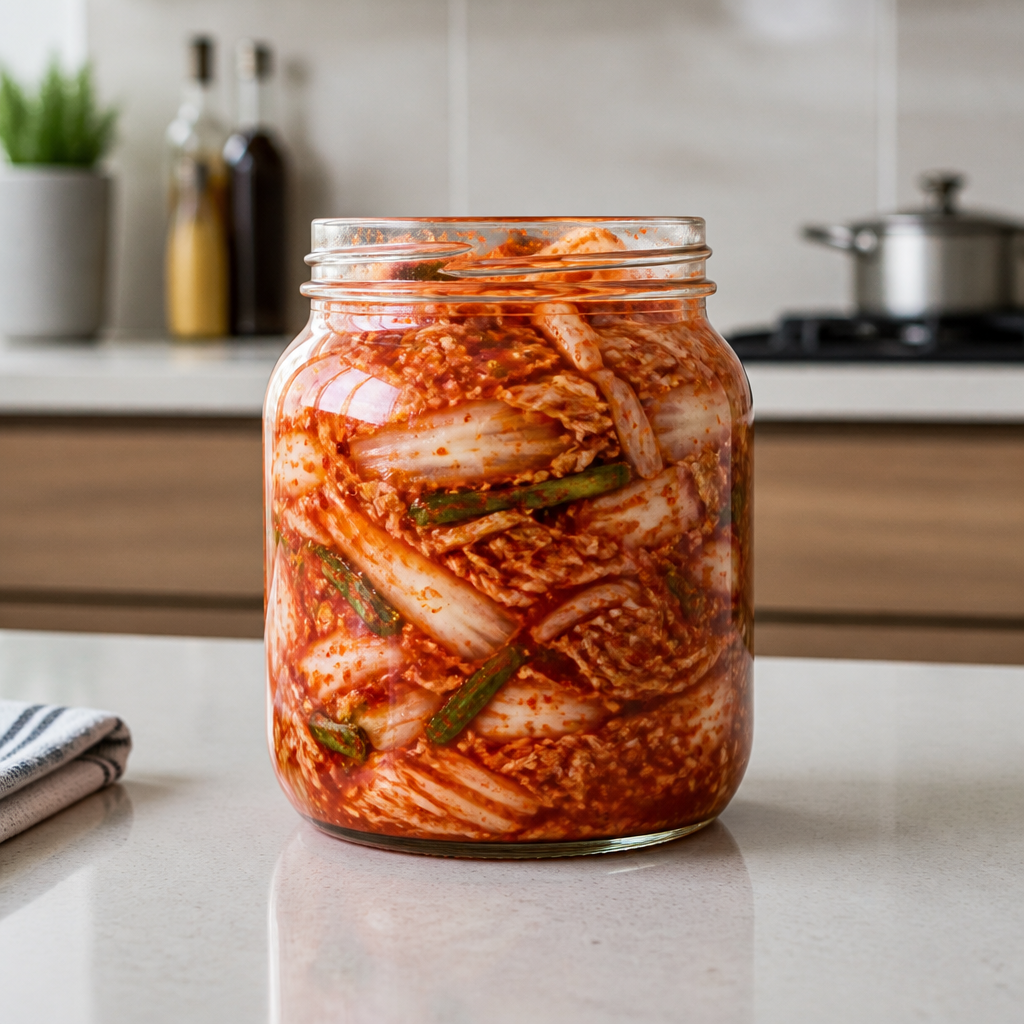
How Much Kimchi to Eat
Determining the ideal amount of kimchi to consume can depend on various factors, including individual tolerance, dietary goals, and overall health considerations. In its native Korean culture, kimchi is a ubiquitous presence at the dining table, typically served in portions of 50-100g (roughly 1/4 to 1/2 cup) at each meal (49). For those looking to maximize health benefits, expert opinions provide valuable guidance. According to Dr. Park Kun-young, a prominent kimchi researcher, for optimal health benefits, consuming 100-200g of kimchi daily is ideal. This amount provides sufficient probiotics and nutrients without excessive sodium intake (50).
A 100g serving of kimchi is quite potent in terms of its probiotic contribution, typically containing between 100 million to 1 billion CFU (colony-forming units) of beneficial lactic acid bacteria (51). These live cultures are key to kimchi’s reputation as a gut-healthy food. However, _it’s crucial to consider the sodium content of kimchi, which is relatively high_. A 100g serving can contain between 500-900mg of sodium (52). For individuals on low-sodium diets, limiting consumption to about 50g daily or opting for low-sodium varieties may be a prudent choice (52).
While kimchi is generally healthy, consuming excessively large quantities (more than 300g daily) could lead to an excessive intake of sodium and, in sensitive individuals, digestive discomfort (53). Ultimately, the optimal intake of kimchi can vary from person to person. Factors such as individual digestive tolerance, specific dietary sodium limits, and overall diet all play a role in determining the best amount for you (54).
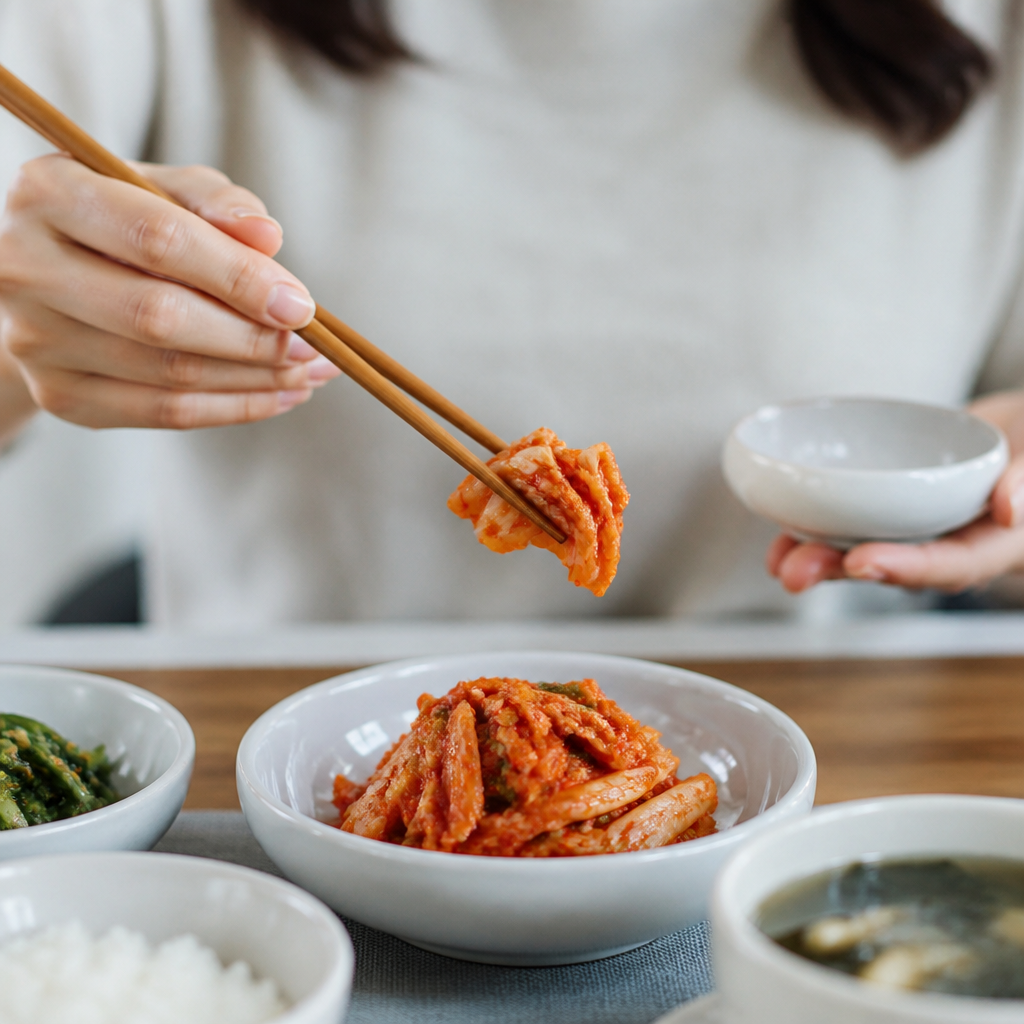
How Often to Eat Kimchi
The frequency of kimchi consumption can significantly influence the potential health benefits derived from this fermented food, particularly concerning gut health. In traditional Korean culture, kimchi is a daily staple, commonly consumed at every meal—amounting to 2-3 servings per day (49). From a health perspective, consuming kimchi daily appears to be more effective than sporadic consumption for supporting a healthy gut microbiome (55). Regular intake of probiotics, such as those found in kimchi, is thought to support sustained diversity and balance within the gut microbiome.
While daily consumption is traditional, even a slightly less frequent intake can still offer measurable advantages. Eating kimchi at least 2-3 times per week can provide noticeable probiotic benefits and contribute positively to dietary diversity (56). Scientific research has explored this, with a 2022 study in the Journal of Functional Foods finding that participants who consumed kimchi daily for 8 weeks showed significant improvements in their gut microbiome diversity compared to a group that ate it 2-3 times weekly (57). This suggests more frequent consumption may lead to more pronounced effects.
For beginners, it is often advisable to start with a lower frequency, such as 2-3 times per week, to allow their digestive system to gradually adapt to the fermented food and its probiotic content (2). As tolerance develops, the frequency can be gradually increased. This approach helps to prevent any potential initial digestive discomfort and ensures a more positive experience with kimchi.
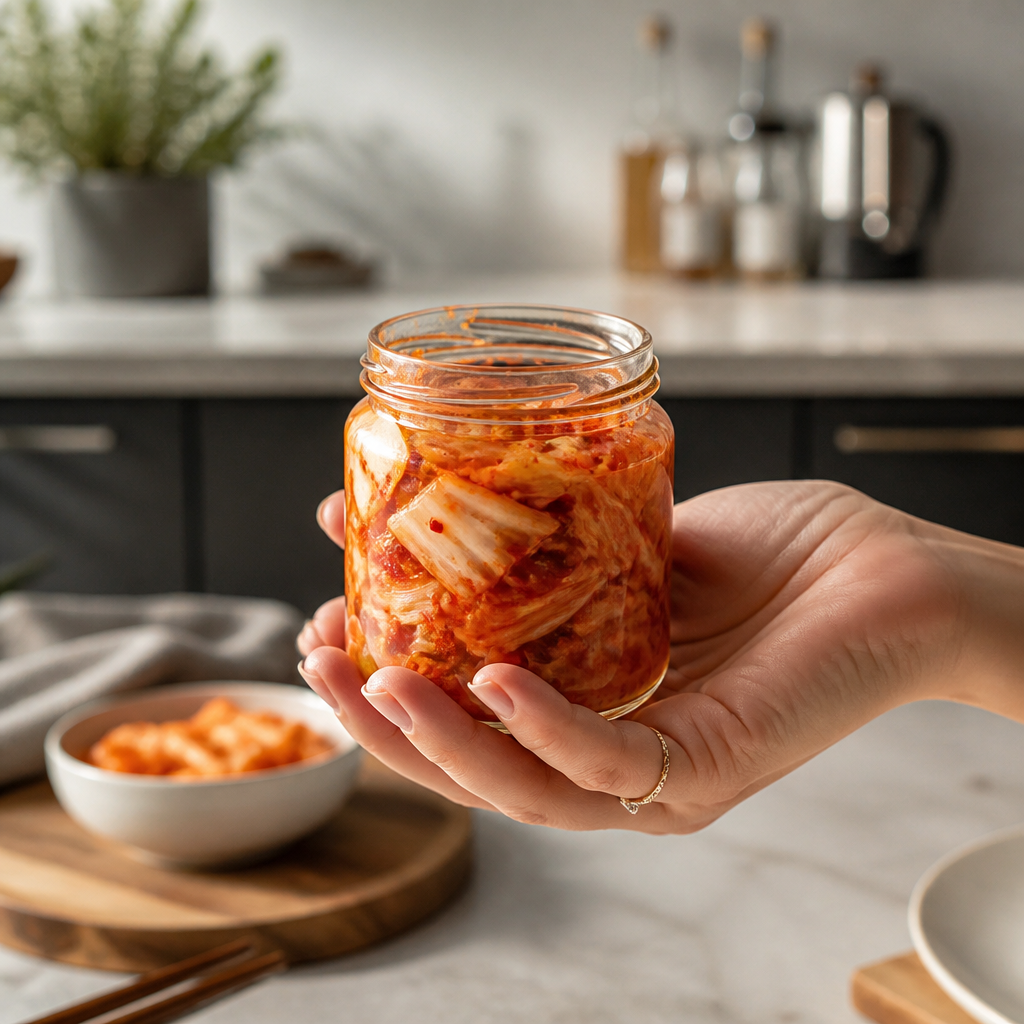
What are the Health Benefits of Eating Kimchi?
Kimchi is not only a culinary delight but also a food celebrated for its potential health-promoting properties, largely attributed to its fermentation process and rich nutrient profile. As a fermented vegetable, it is a natural source of probiotics, which are beneficial microorganisms known to support gut health. Beyond its probiotic content, kimchi also provides essential vitamins, minerals, and fiber, contributing to overall well-being. This section will explore the specific ways in which kimchi may contribute to gut health and its potential role in weight management, always emphasizing a measured and evidence-based perspective.
It is important to approach discussions of health benefits with careful language, recognizing that while research is promising, kimchi is a food, not a medicine. Its effects are best understood within the context of a balanced diet and healthy lifestyle. We will delve into the scientific mechanisms behind its gut-friendly properties and examine studies that suggest its role in weight loss. By understanding these aspects, individuals can make informed choices about incorporating kimchi into their diet for potential health advantages.
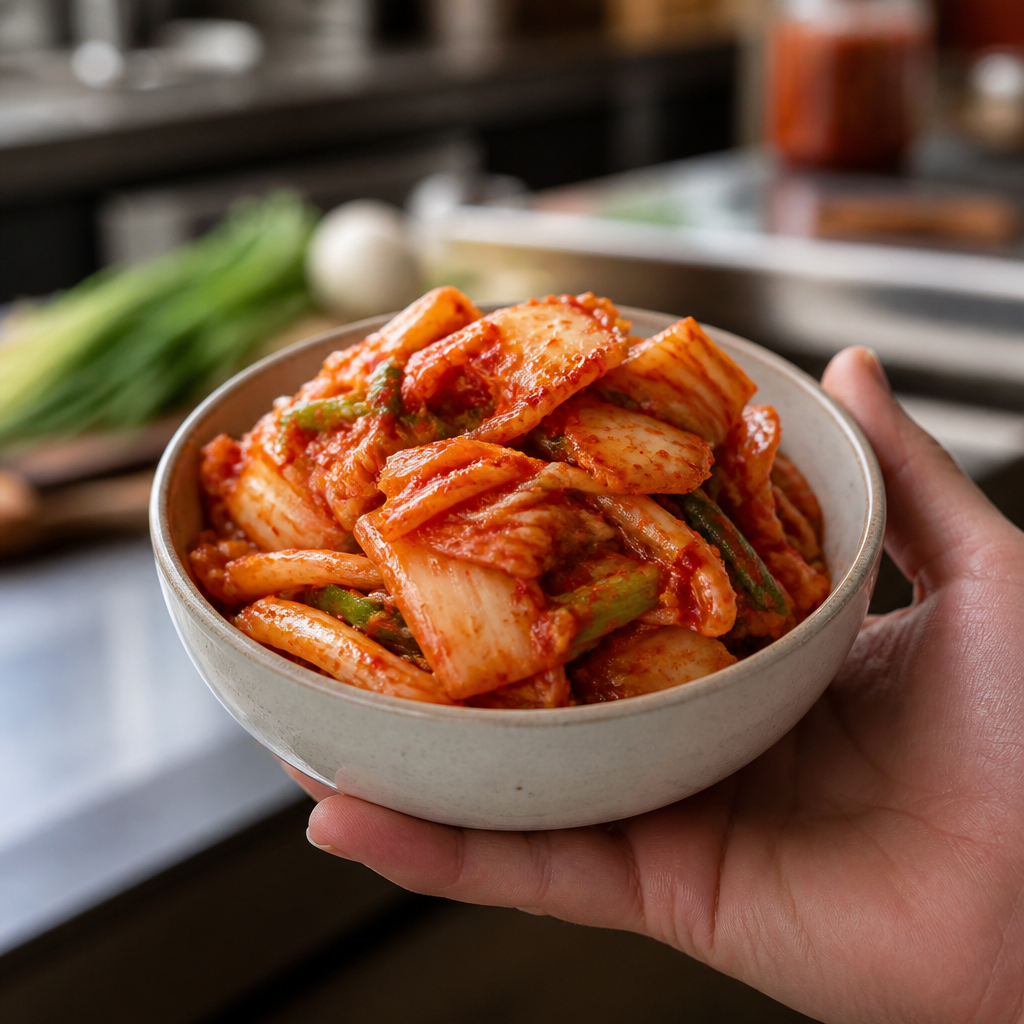
How to Eat Kimchi for Gut Health
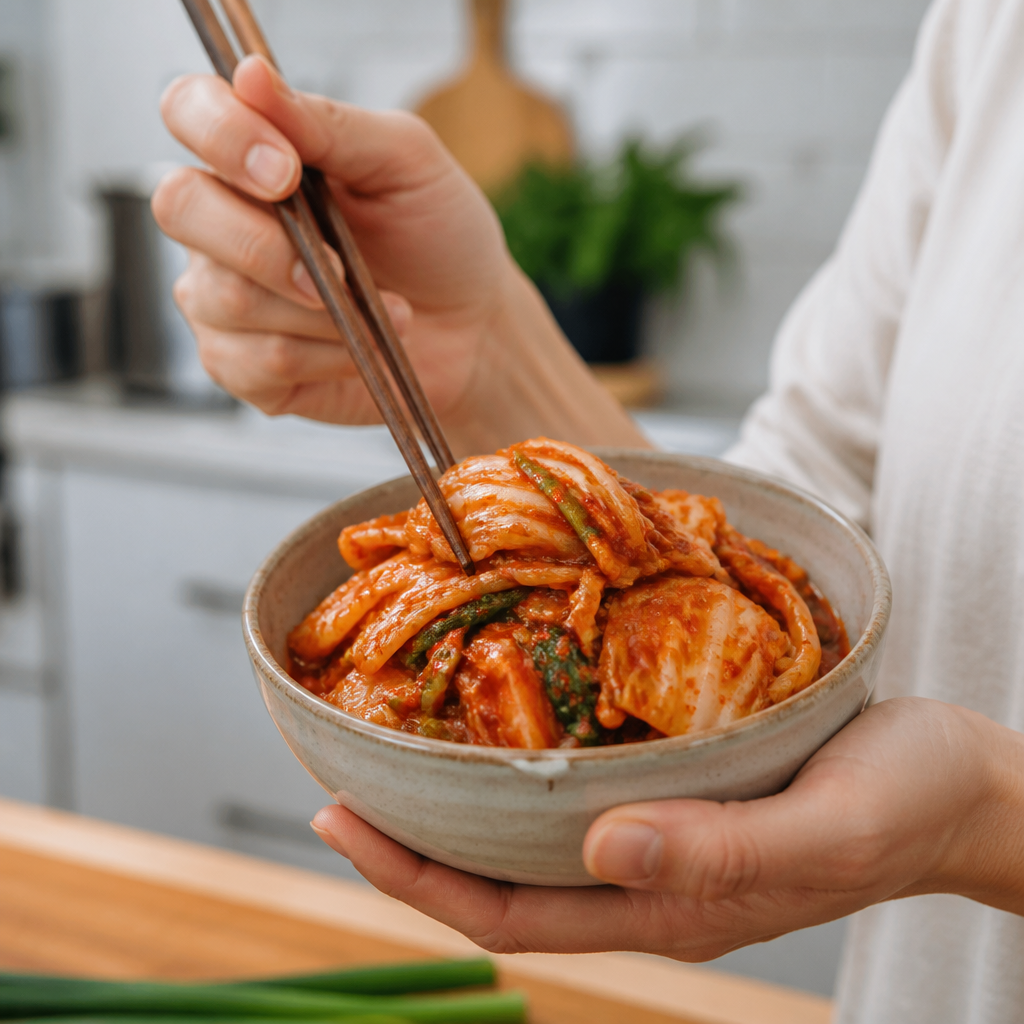
Kimchi’s reputation as a superfood for gut health is largely due to its rich content of live beneficial bacteria. The fermentation process naturally cultivates various strains of Lactobacillus bacteria, which are probiotics that can contribute to a more diverse and balanced gut microbiome (58). A healthy gut microbiome is fundamental to overall health, influencing everything from digestion to immune function. Dr. Emeran Mayer, a distinguished gastroenterologist and author, emphasizes this benefit:
Fermented foods like kimchi provide both probiotics and prebiotics (fiber), creating a synbiotic effect that’s more beneficial for gut health than probiotic supplements alone (59).
This “synbiotic effect” means that kimchi offers both the beneficial bacteria and the food they thrive on (prebiotics, in the form of fiber), working together to support gut health. To maximize these probiotic benefits, it is crucial to consume kimchi unpasteurized and unheated (14). Heating kimchi above 104-115°F (40-46°C) can kill the live probiotic cultures (15). Therefore, refrigerated kimchi, which maintains higher bacterial counts than shelf-stable versions, is ideal for probiotic intake (14).
Regarding timing, consuming kimchi with meals rather than on an empty stomach may help to buffer stomach acid, thereby improving the survival rate of the probiotics as they travel to the intestines (60). Beyond probiotics, kimchi also provides dietary fiber, offering approximately 1.6-2.4g per 100g serving (61). This fiber acts as a prebiotic, serving as fuel for the beneficial gut bacteria (61). Scientific evidence continues to build, with a 2021 study in Cell Reports finding that participants who regularly consumed fermented foods, including kimchi, for 10 weeks showed increased gut microbiome diversity and a reduction in inflammatory markers (62).
How to Eat Kimchi for Weight Loss
Kimchi may offer several characteristics that could support weight management efforts when incorporated into a balanced diet and active lifestyle. It is notably low in calories, providing only about 15-20 calories per 100g serving (37). Despite its low caloric density, kimchi offers significant volume and fiber, which can contribute to feelings of satiety and fullness, potentially helping to reduce overall calorie intake (37). This makes it a flavorful and satisfying addition that doesn’t add many calories to a meal.
The capsaicin found in the chili peppers used to season kimchi may also play a role in metabolic processes. Capsaicin has been observed to potentially increase thermogenesis (the body’s heat production) and fat oxidation, which could modestly support weight loss (64). Dr. Yoshinori Nagumo, a Japanese anti-aging physician, highlights that fermented foods like kimchi can support weight management through multiple mechanisms, including their low calorie and high satiety nature, and their ability to improve gut bacteria (65). Research has also explored this connection. A 2011 study in Nutrition Research indicated that overweight participants who consumed kimchi daily for 4 weeks experienced significant reductions in body weight, body mass index (BMI), and body fat percentage (66).
Kimchi’s probiotics may also influence weight by improving the composition of gut bacteria, with some studies linking specific Lactobacillus strains to reduced fat storage (67). For those looking to use kimchi as a weight management tool, a practical strategy involves replacing higher-calorie side dishes or snacks with kimchi (68). However, it is important to be aware of kimchi’s high sodium content (500-900mg per 100g), which may cause temporary water retention (52). It is crucial to maintain realistic expectations; _while kimchi can be a supportive component, it is not a standalone solution for weight loss_ (69).
—
Kimchi, with its rich history, diverse flavors, and potential health benefits, offers a fascinating culinary journey. From its traditional role as a staple side dish in Korean meals to its versatile applications in modern cuisine, kimchi proves to be a dynamic ingredient that can enhance a wide array of dishes. Whether you prefer it cold and crisp, cooked into a hearty stew, or as a flavorful snack, understanding how to prepare, store, and integrate kimchi into your diet can open up new culinary possibilities. By starting with small portions, experimenting with different varieties, and being mindful of its unique characteristics, you can truly appreciate why this fermented vegetable has captured the hearts and palates of people worldwide. Embracing kimchi is not just about trying a new food; it’s about experiencing a piece of Korean culture and potentially enriching your diet with its distinctive taste and healthful properties.
FAQ
Q1: What is kimchi and how is it traditionally eaten?
A1: Kimchi is a traditional Korean fermented vegetable dish, most commonly made with napa cabbage and Korean radish, seasoned with chili pepper, garlic, ginger, and salt (1). Traditionally, it is eaten straight from the jar as a side dish, known as “banchan” (small, complementary dishes), served in small portions alongside rice and other dishes at nearly every Korean meal (3).
Q2: Does cooking kimchi reduce its health benefits?
A2: Heating kimchi above 104-115°F (40-46°C) can kill the beneficial probiotic bacteria, which reduces its gut health benefits (15). However, cooking kimchi does not make it unhealthy; it still retains its flavor and nutritional value from vitamins and minerals (15). For probiotic benefits, consuming it cold or at room temperature is ideal (15).
Q3: How much kimchi should a beginner start with?
A3: For beginners, it is recommended to start with small portions, typically 1-2 tablespoons, to allow your palate and digestive system to adjust to the fermented flavors and probiotic content (2). You can gradually increase the amount as your tolerance develops.
Q4: Can kimchi help with weight loss?
A4: Kimchi is low in calories (15-20 calories per 100g) and high in fiber, which can contribute to satiety and help reduce overall caloric intake (37). Capsaicin in kimchi may also modestly increase metabolism (64). While it can support weight management as part of a balanced diet and active lifestyle, it is not a standalone weight loss solution (69).
Q5: How should I store kimchi after opening the jar?
A5: After opening, store kimchi jars in the refrigerator at 35-40°F (1.7-4.4°C) to slow fermentation and maintain optimal flavor and texture (6). Always use clean, dry utensils when removing kimchi, and ensure the remaining kimchi stays submerged in its brine to prevent mold and maintain freshness (10, 7).

Emily Carter is an American food lover who writes about Korean cuisine for people trying it for the first time. She covers what things taste like, how to eat them, and what to cook with them.