do you eat kimchi hot or cold? The Surprising Answer
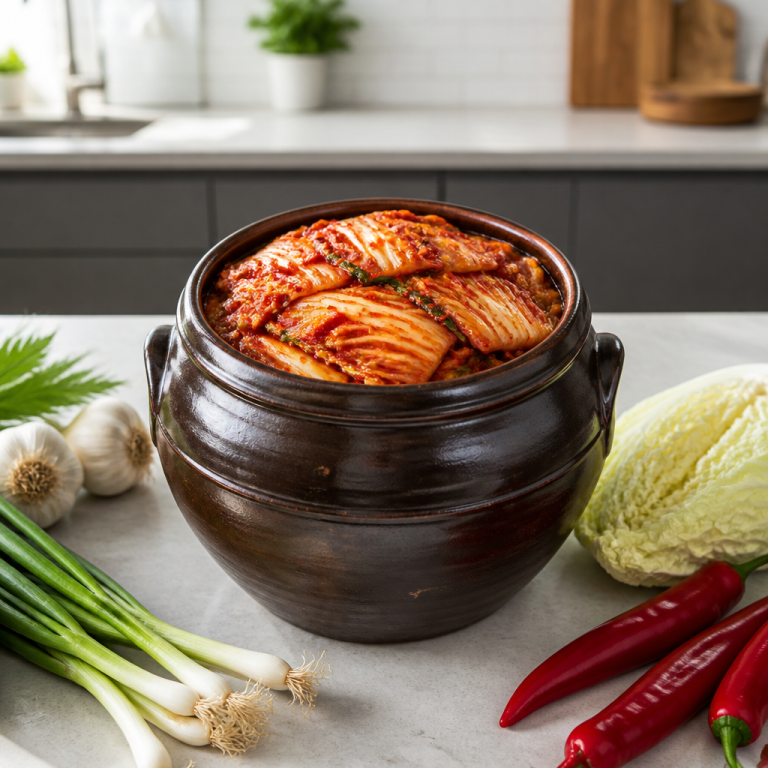
Kimchi, the cornerstone of Korean cuisine, is a fermented vegetable dish celebrated for its complex flavors and significant health benefits. For those new to this vibrant food, a common question arises: should you eat it hot or cold? The simple answer is both. Kimchi is incredibly versatile, and its serving temperature depends on personal preference, the accompanying dish, and desired health outcomes. Unlock the secrets of this dynamic food to fully appreciate everything it has to offer.
Traditionally, kimchi is often served cold or at room temperature as a _banchan_—a small side dish accompanying main meals, typically served straight from the fridge. This presentation highlights its crisp texture and sharp, tangy flavors. However, this Korean staple is also a star ingredient in many cooked dishes, such as hearty kimchi jjigae (stew) or savory kimchi bokkeumbap (fried rice), where heat transforms its taste and texture. This adaptability makes it one of the most dynamic fermented foods available.
How to Eat Kimchi: Temperature and Serving Methods
Kimchi’s amazing ability to be served at different temperatures is a key reason for its popularity. It fits perfectly into various culinary contexts, from a refreshing side dish to a core component in comforting hot meals. The preparation and serving method can significantly alter its flavor, texture, and overall enjoyment. Exploring these different approaches offers insight into how this fermented staple is treasured in Korean culture and beyond.
What is the Best Way to Eat Kimchi?
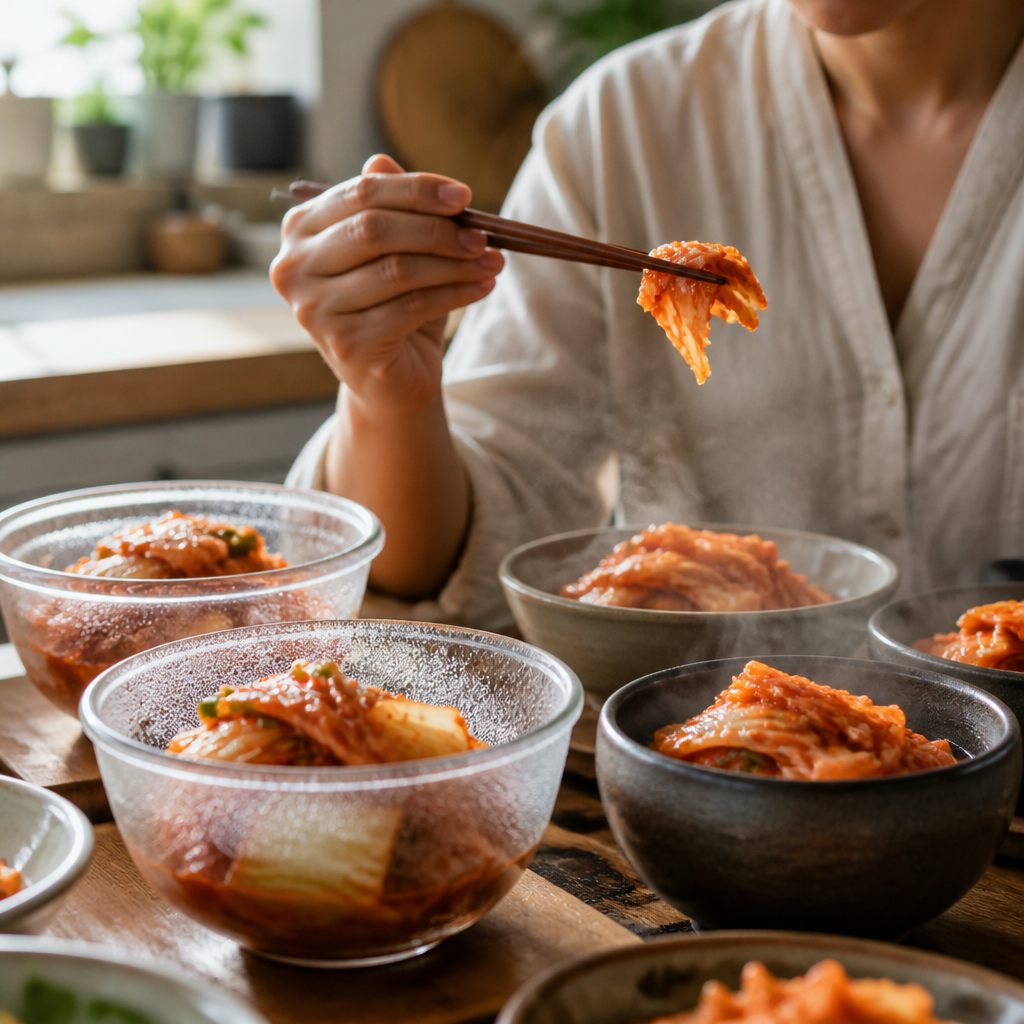
Deciding the best way to eat kimchi depends on your personal taste and health goals. Many believe this method keeps the most probiotics (good bacteria for your gut) alive and lets you fully enjoy the complex flavors that develop during fermentation. Traditionally, Koreans prefer eating it cold or at a cool room temperature, especially when served as a side dish.
Dr. Hae-Choon Chang, a noted expert in Food Science, highlights that eating kimchi cold is optimal for preserving its probiotic benefits and experiencing its full flavor profile—the ideal balance of sour, spicy, and umami notes.
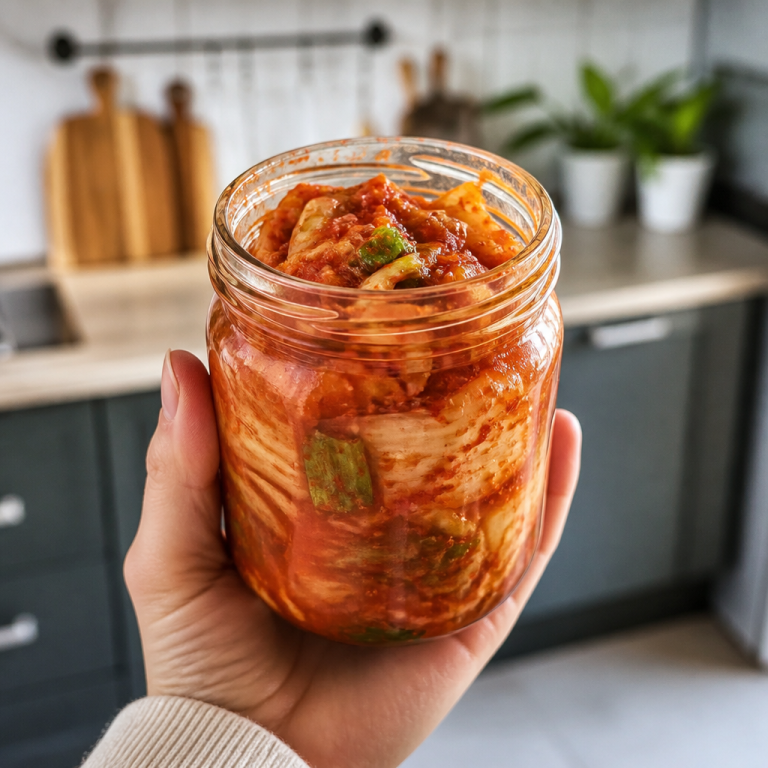
For the best flavor, it’s often suggested to take kimchi out of the fridge about 10-15 minutes before eating. This allows any sharp acidity to soften while maintaining its pleasant crunch and beneficial probiotics. Beyond eating it plain, this fermented dish is incredibly versatile for cooking and pairing.
- With fatty foods like pork belly, where its acidity cuts through the richness.
- With plain rice, noodles, or eggs to add a layer of flavor.
- In classic Korean dishes like kimchi jjigae (stew) and kimchi bokkeumbap (fried rice).
- In fusion creations like kimchi pancakes, grilled cheese sandwiches, or as a topping for tacos and burgers.
How to Eat Kimchi Properly
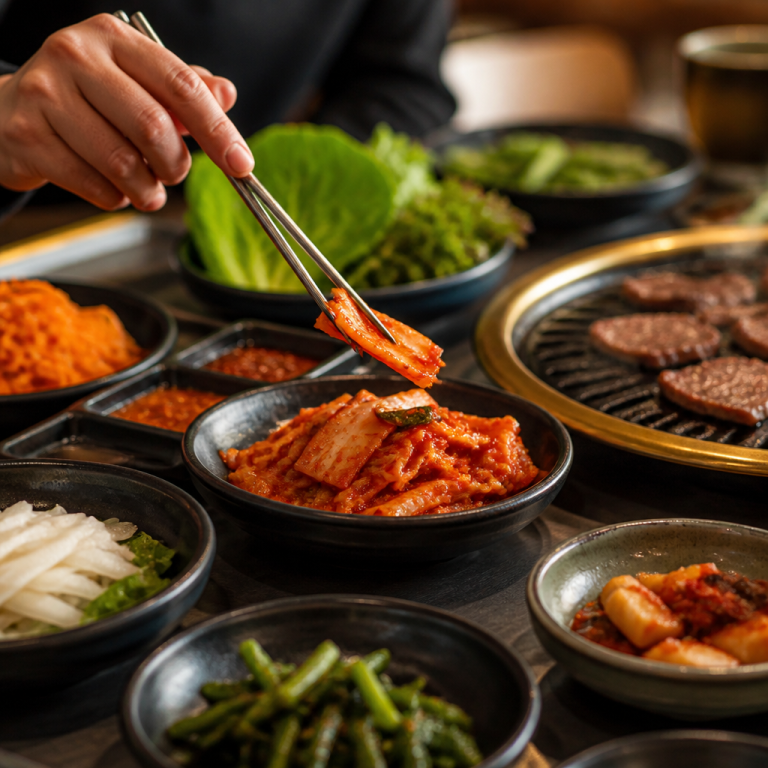
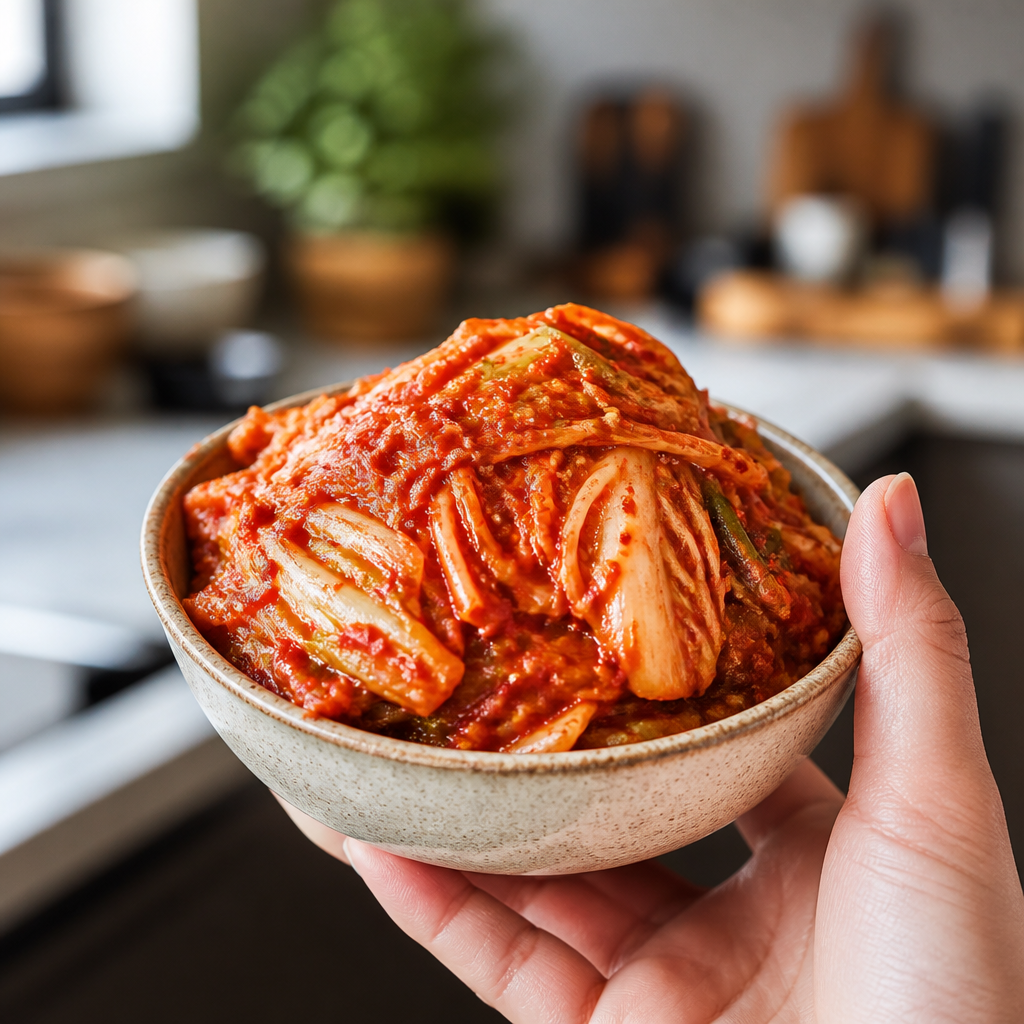
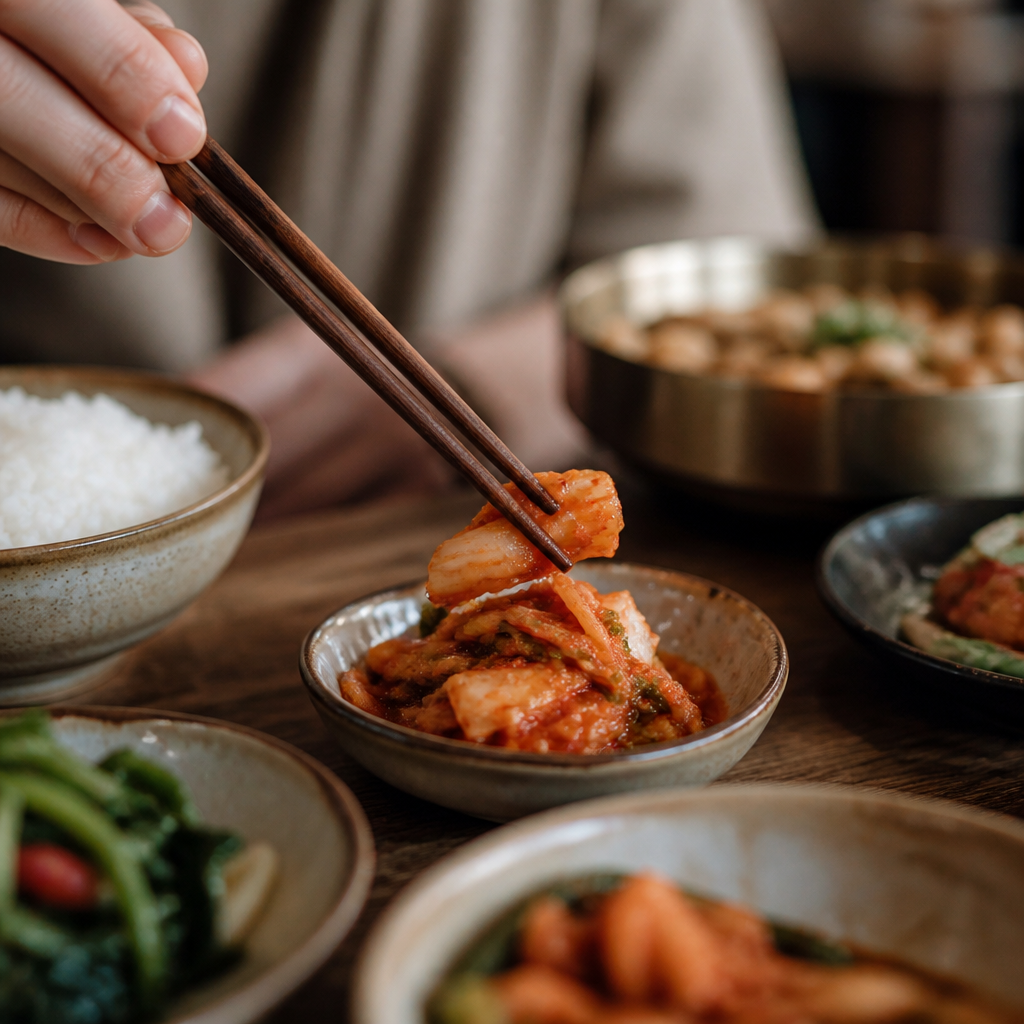
Eating kimchi properly, particularly in a traditional Korean setting, involves more than just temperature; it extends to serving style, portion size, and dining etiquette. As a _banchan_, it is typically served cold in small, manageable portions. The traditional way to enjoy it is by using chopsticks to pick up bite-sized pieces between mouthfuls of rice and main dishes, allowing it to complement the meal rather than overpower it.
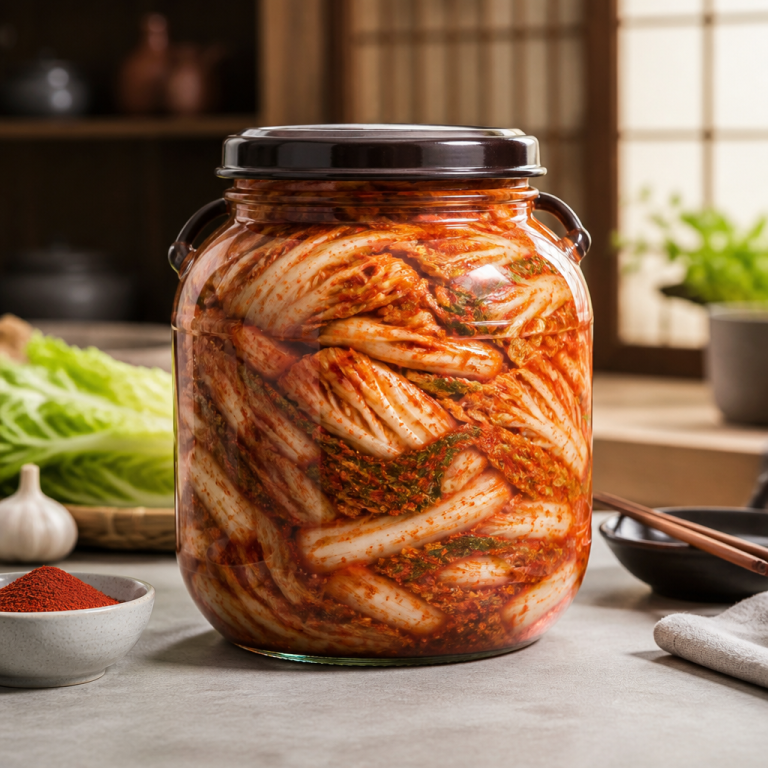
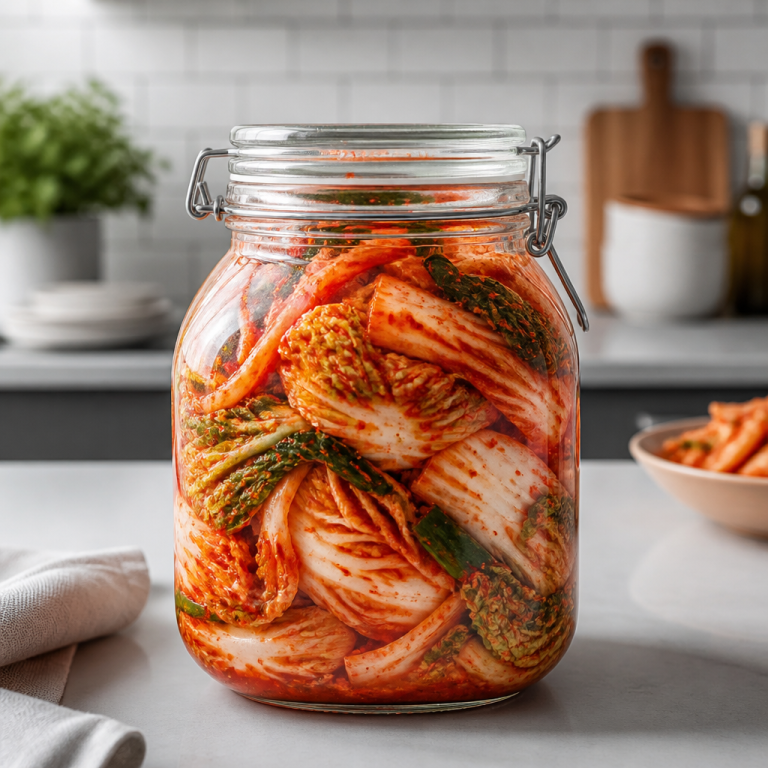
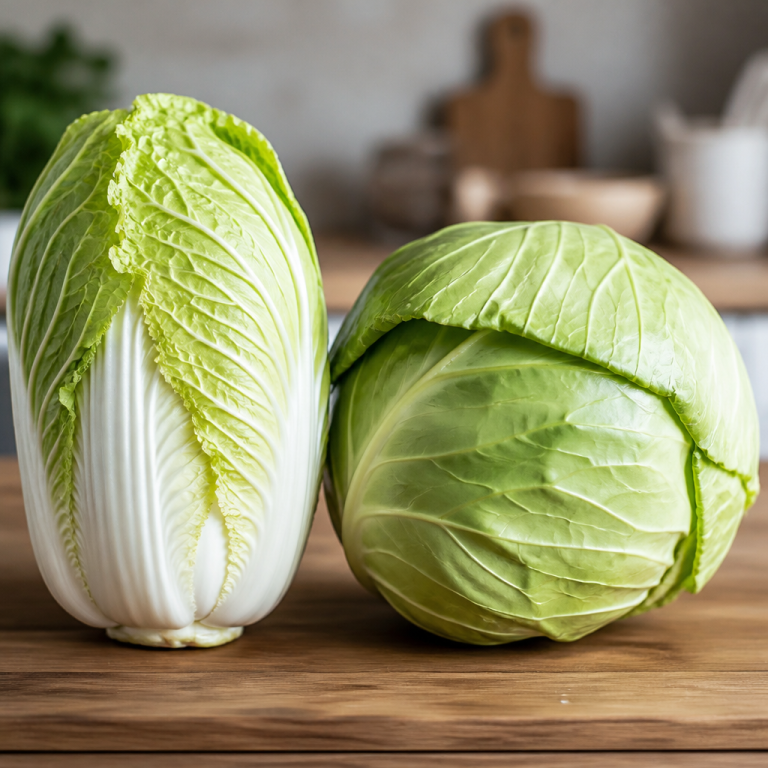
Portion control is important, with a typical serving size being around 2-3 tablespoons (30-40 grams) per person when served cold. Before serving, larger pieces or whole napa cabbage leaves are usually cut into 1-2 inch pieces for easier handling. The flavorful juice that collects in the container is also highly valued and can be served alongside or used as a flavor booster in other recipes. Proper storage is crucial for maintaining quality; well-fermented kimchi should always be refrigerated. While it remains safe to eat for a long time, _it's generally best to consume it within 3-6 months for the best flavor and texture_.
Kimchi Served Hot or Cold in Restaurants
In Korean restaurants, the temperature of kimchi typically depends on its role in the meal. Most often, it is served cold as a complimentary _banchan_ before the main course arrives. This is a classic element of authentic Korean dining, and many establishments offer unlimited refills of these side dishes at no extra cost, highlighting their importance to the dining experience.
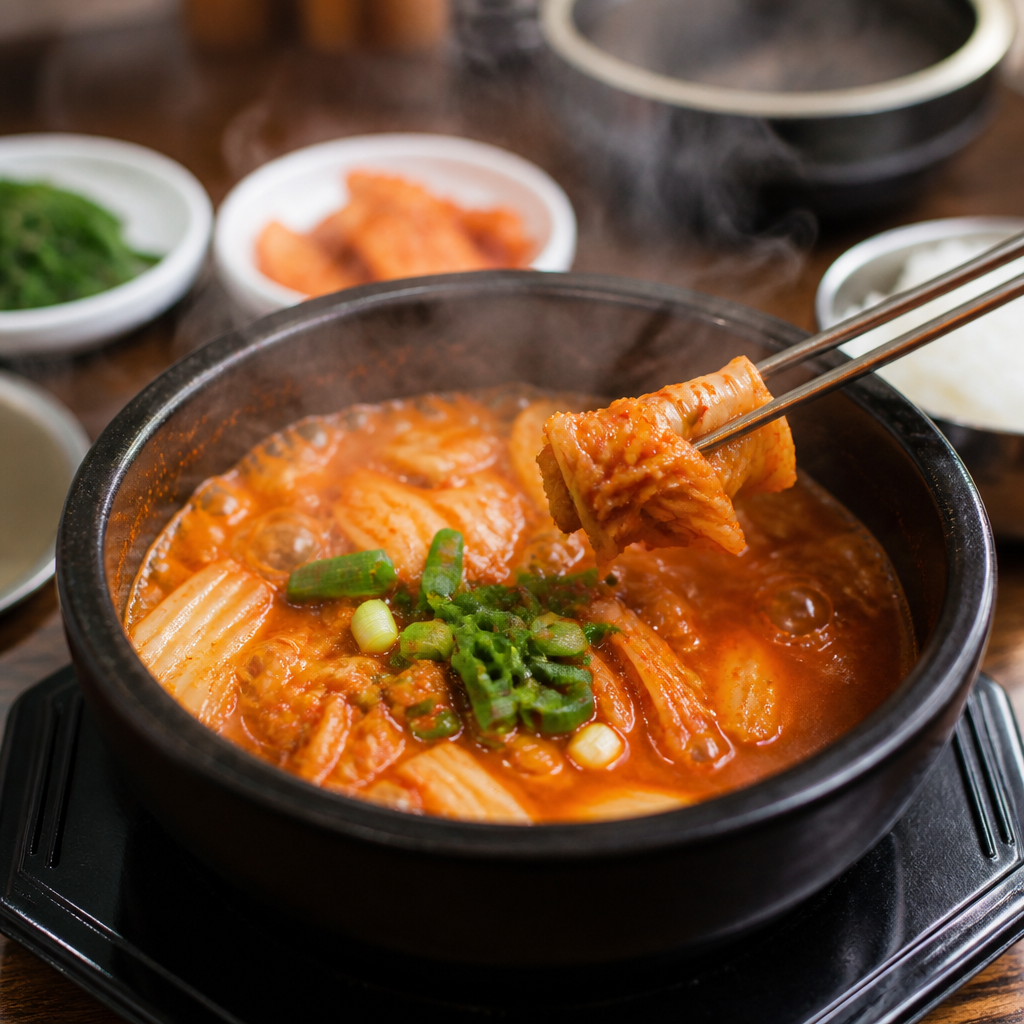
However, when kimchi transitions from a side dish to a central ingredient, its temperature changes. In dishes like bubbling kimchi jjigae (stew), a sizzling plate of kimchi bokkeumbap (fried rice), or a savory kimchi pancake, it is always served hot. The heat transforms the kimchi, mellowing its sharp acidity and allowing its flavors to meld with other ingredients for a savory, comforting experience. The quality and variety of _banchan_, including the kimchi, often serve as an indicator of a restaurant's authenticity and commitment to a traditional dining experience.
When to Eat Kimchi Warm vs Cold
The decision to eat kimchi warm or cold depends on the desired culinary experience, health focus, and even the age of the kimchi. Adding kimchi to soups or other cooked dishes allows its flavors to deepen and blend, creating a richer, more integrated taste. The choice between warm and cold preparations often comes down to balancing flavor, texture, and nutritional goals.
| Situation | Recommended Temperature | Reason |
|---|---|---|
| As a side dish (_banchan_) | Cold | Maximizes probiotics, provides crisp texture and tangy contrast. |
| In stews, soups, or fried rice | Hot | Mellows sourness, deepens savory flavors, and creates a comforting dish. |
| Younger, fresher kimchi | Cold | Preserves the mild, crisp, and fresh taste. |
| Older, more sour kimchi | Hot | Cooking mellows the intense acidity, making it more palatable. |
| During summer months | Cold | Offers a refreshing, cooling element to meals. |
| During winter months | Hot | Provides warmth and comfort in hearty dishes. |
Kimchi Hot vs Cold: Taste, Health, and Probiotics
The temperature at which kimchi is eaten plays a crucial role in deciding its health benefits, especially for its probiotic content. Understanding these differences can help you make informed choices about how to best incorporate this food into your diet, whether you prioritize its crisp, vibrant flavors or its gut-supporting properties.
Kimchi Hot vs Cold Taste Difference
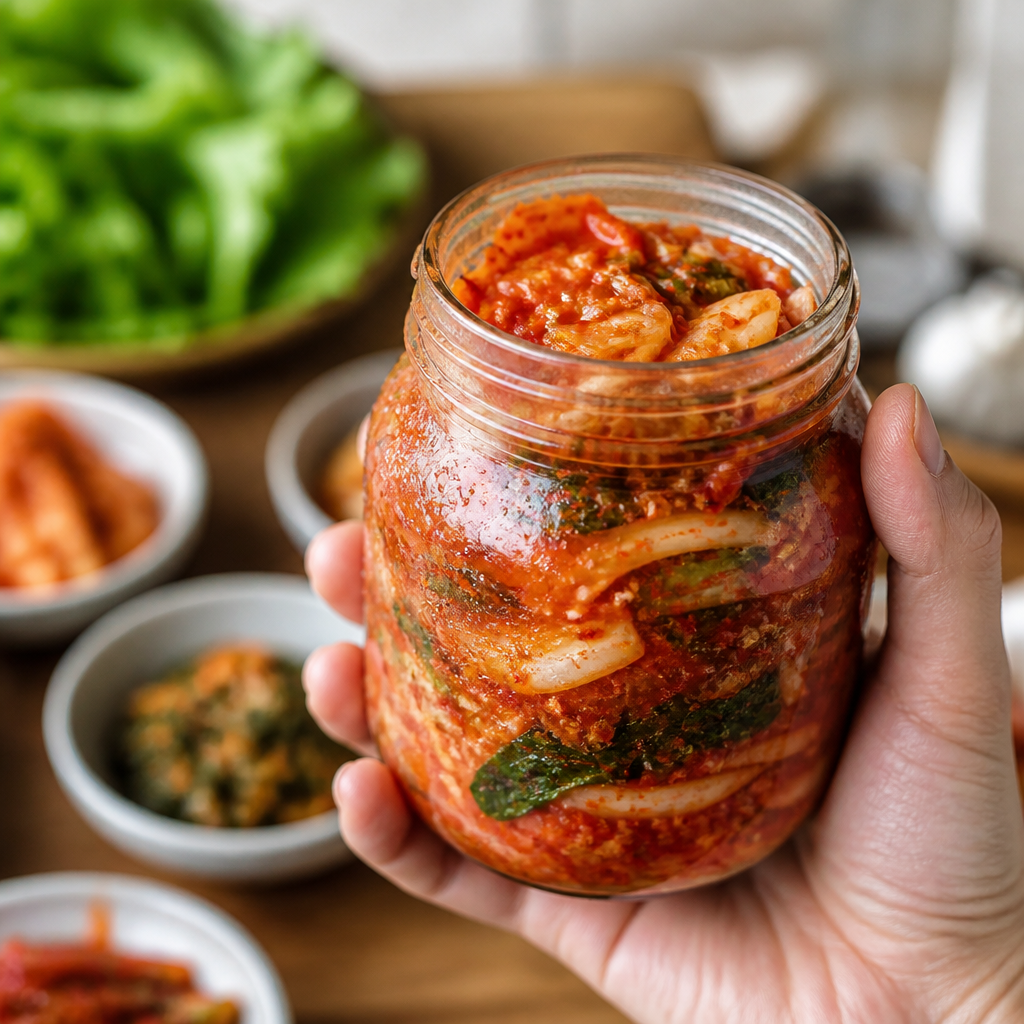
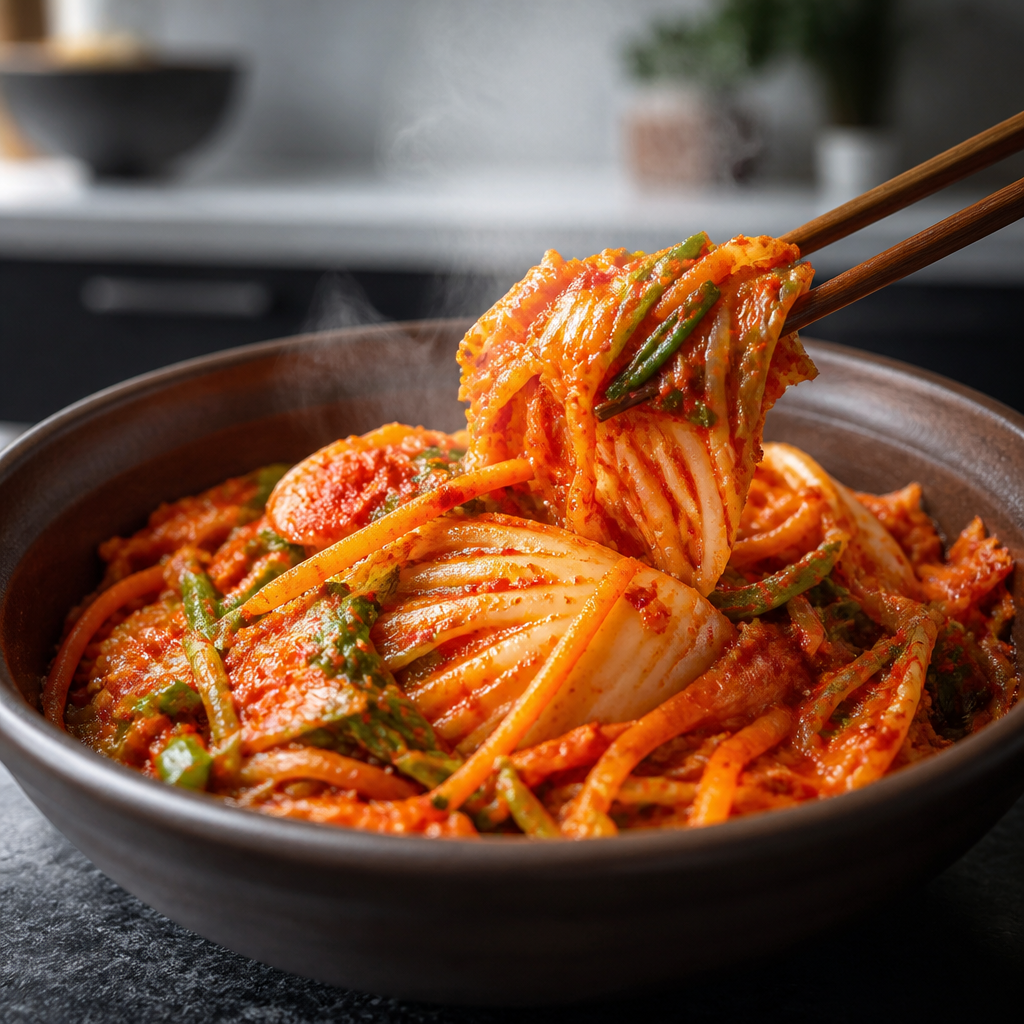
The taste profile of kimchi changes significantly with temperature. Cold kimchi typically delivers a crisp, tangy, and refreshingly spicy flavor with pronounced acidity and a satisfying crunch. The raw garlic and ginger notes are more prominent, contributing to a vibrant and pungent aroma. This preparation keeps the cabbage and other ingredients firm, providing a sharp and invigorating bite.
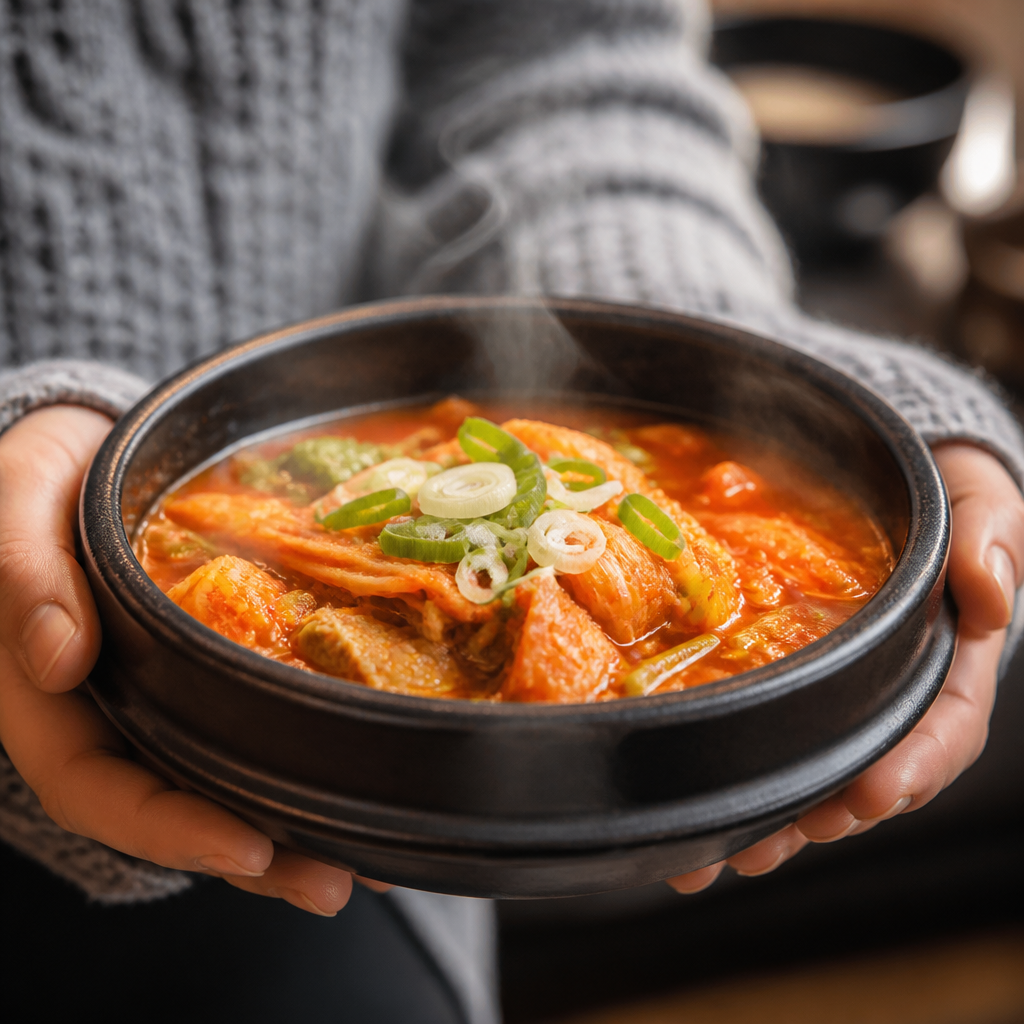
In contrast, heated kimchi becomes softer and milder, with its sharp acidity and raw garlic notes significantly reduced. The cooking process allows the flavors to meld, creating a richer, more complex savory taste with deeper _umami_ notes. The texture of the cabbage softens, becoming tender and wilted. The aroma also shifts, releasing a cooked vegetable sweetness that is less sharp and more comforting than its cold counterpart.
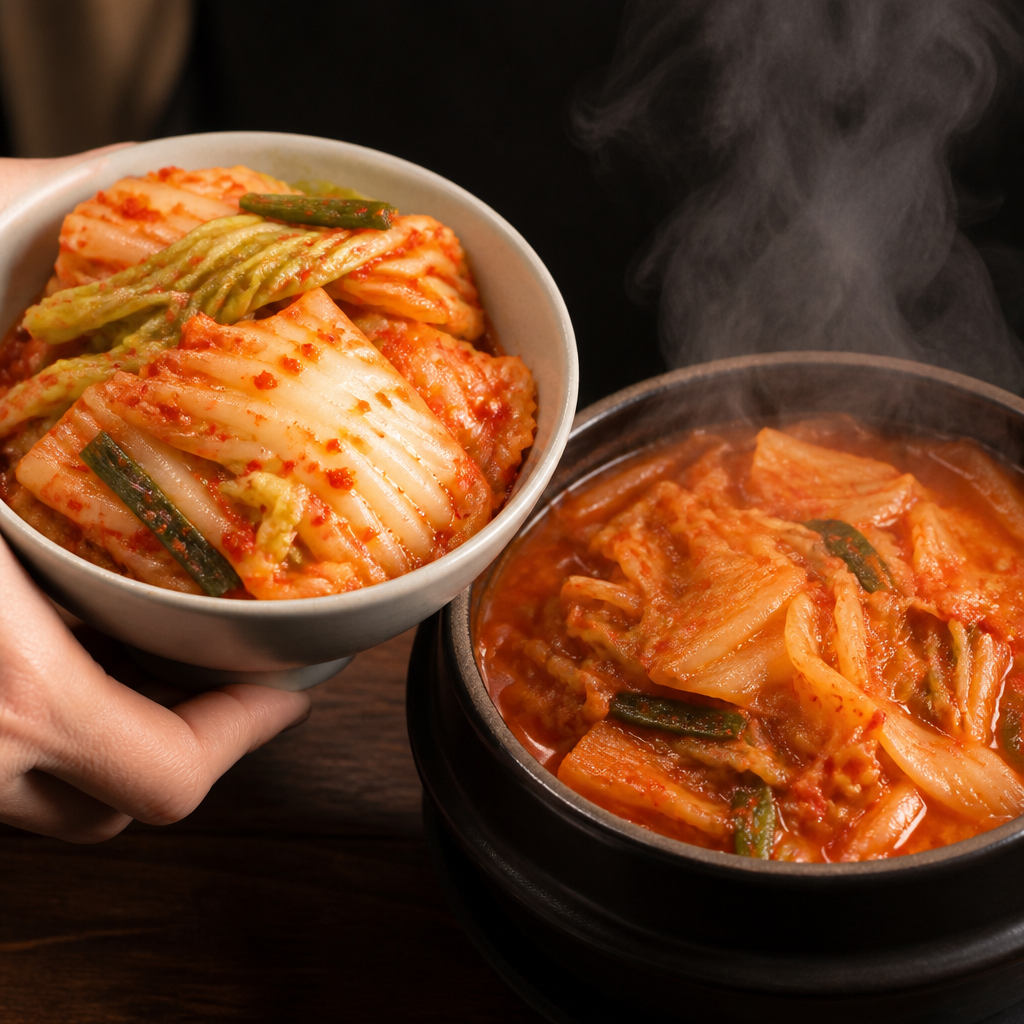
Kimchi Temperature and Health Benefits
Cold kimchi is highly valued for keeping its live probiotics intact, primarily various _Lactobacillus_ species known to support gut health. These beneficial bacteria are heat-sensitive and begin to die at temperatures above 115°F (46°C). Cold kimchi can contain between 10 million to 1 billion CFU/g of live lactic acid bacteria. While heating destroys these live cultures, cooked kimchi still provides valuable nutrients, antioxidants, and anti-inflammatory compounds.
Both hot and cold preparations retain most essential vitamins (B vitamins, vitamin K), minerals (calcium, iron), and dietary fiber. While prolonged heating can reduce vitamin C content, other nutrients and antioxidant compounds like capsaicin and beta-carotene remain largely stable. Cold kimchi offers a powerful combination of probiotics and prebiotics (fiber that feeds good bacteria), whereas heated kimchi primarily provides prebiotic fiber to support your existing gut microbiome.
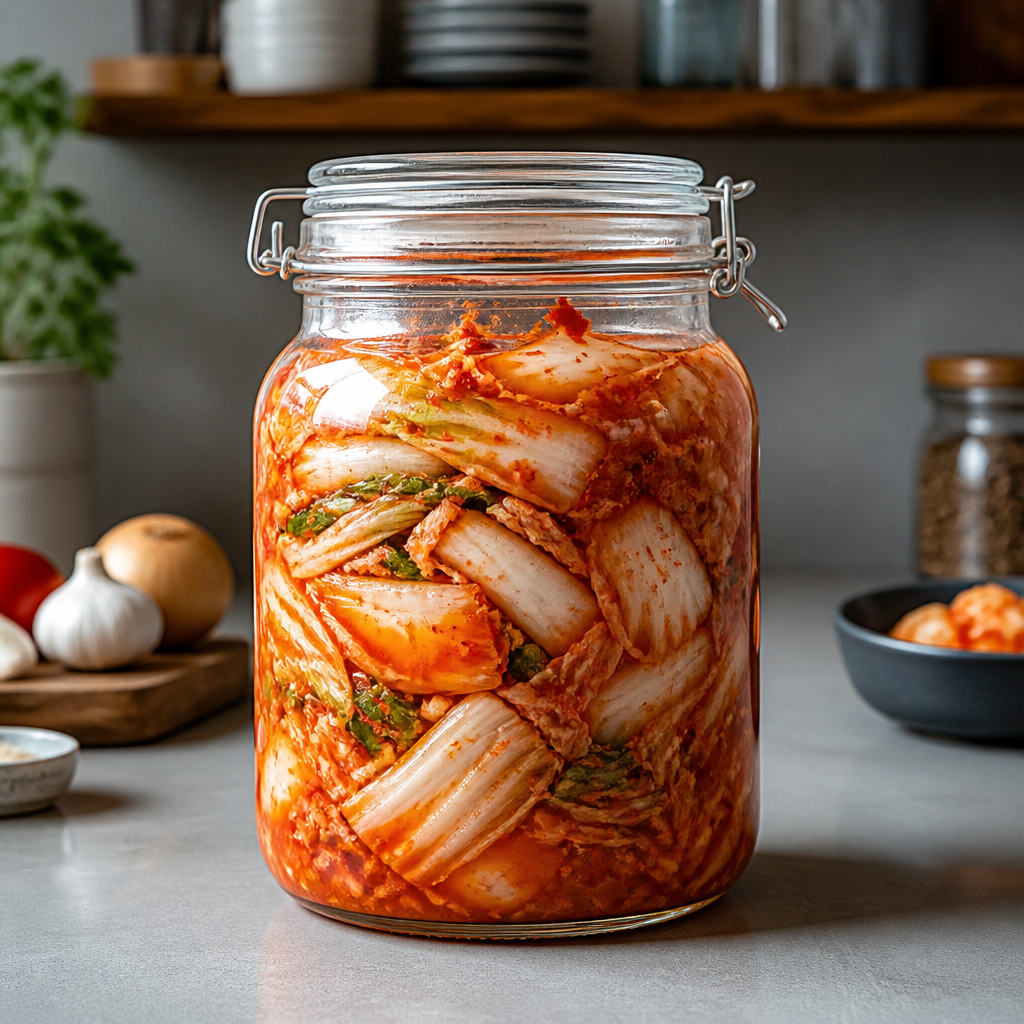
Does Heating Kimchi Destroy Probiotics?
Yes, heating kimchi above certain temperatures absolutely destroys its probiotics. The beneficial _Lactobacillus_ species responsible for kimchi's gut health benefits are highly sensitive to heat. Probiotic bacteria begin to die at 104-115°F (40-46°C), face significant die-off at 130°F (54°C), and are almost completely eliminated at temperatures above that. In short, _temperatures higher than 140°F (60°C) are generally thought to kill almost all beneficial bacteria_.
Scientific evidence confirms this; one study found that heating kimchi to 140°F (60°C) for 30 minutes reduced live _Lactobacillus_ by over 99%. Despite this loss, heated kimchi remains a good source of dietary fiber, vitamins, minerals, and antioxidant compounds. Experts also note that even after cooking, fermented foods provide "postbiotic" compounds—beneficial byproducts like organic acids that can support immune function. For those who want both warm dishes and probiotics, a common practice is to add fresh, cold kimchi as a topping after cooking is complete.

Emily Carter is an American food lover who writes about Korean cuisine for people trying it for the first time. She covers what things taste like, how to eat them, and what to cook with them.