What to Eat with Kimchi: 9 Tasty Pairings You’ll Love
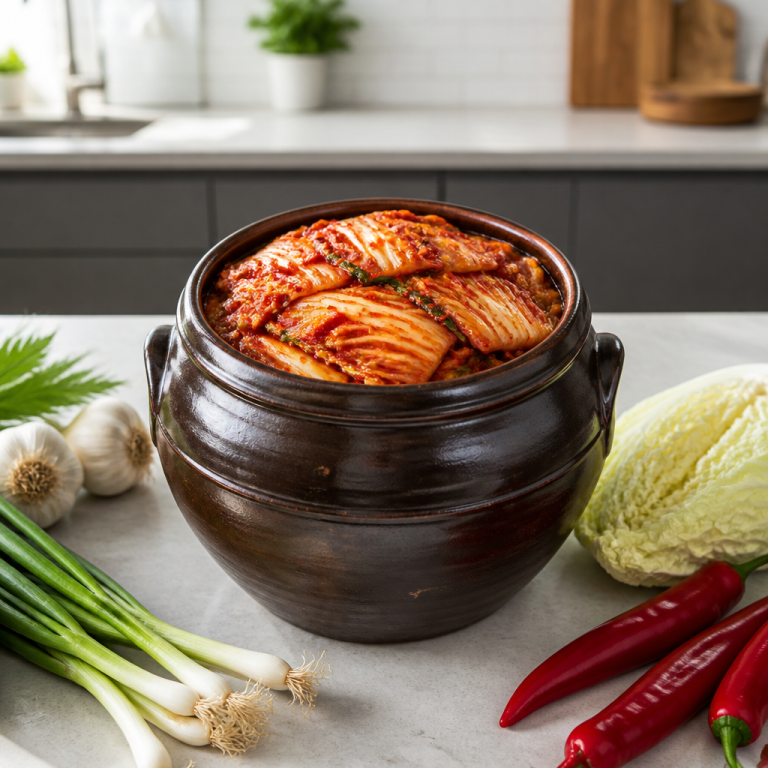
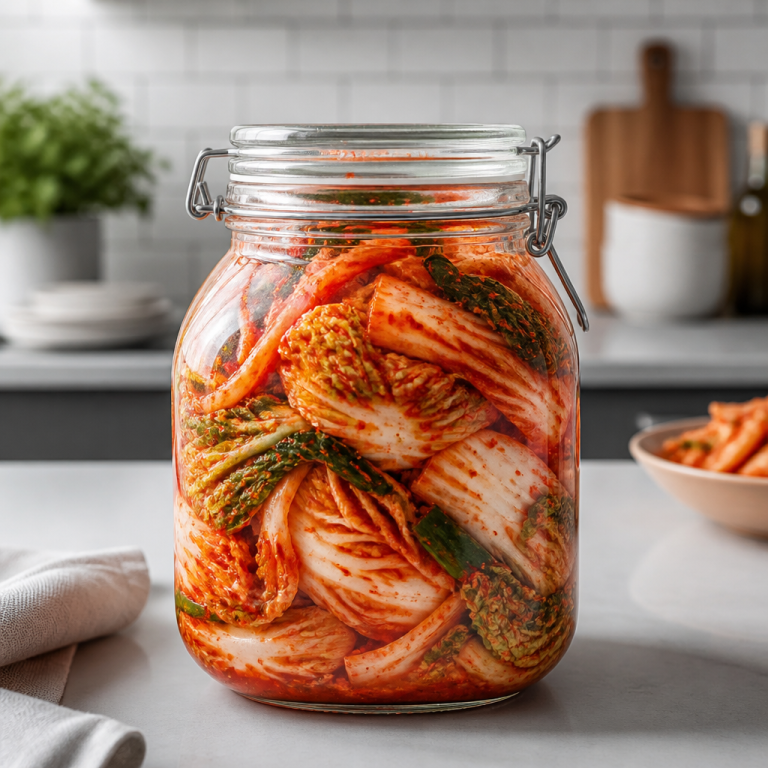
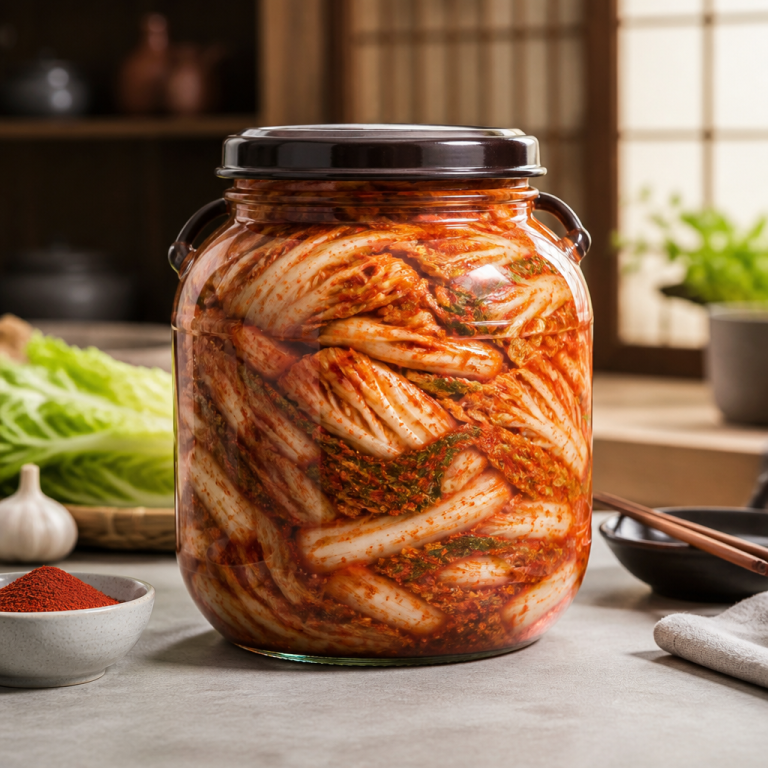
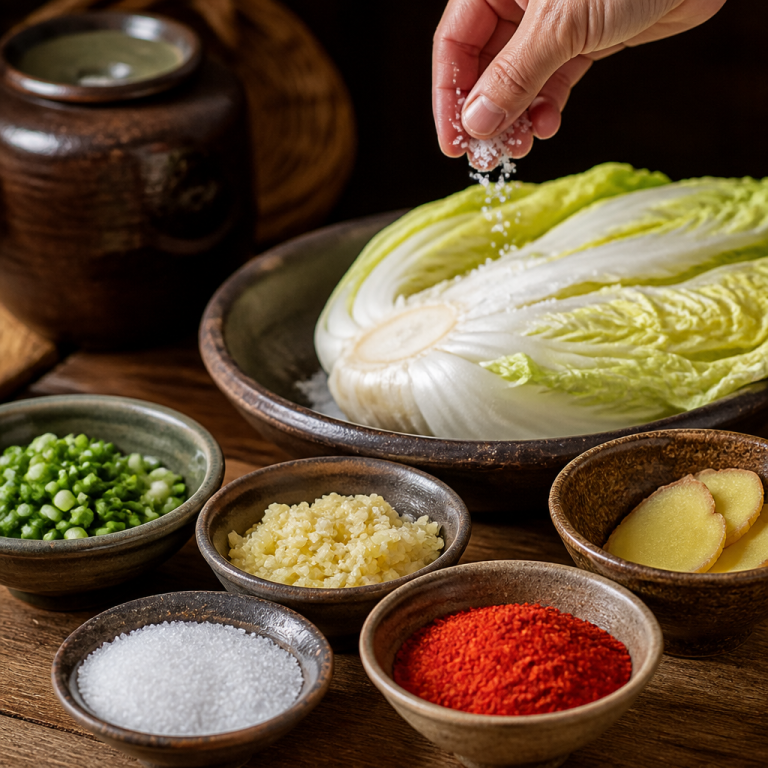
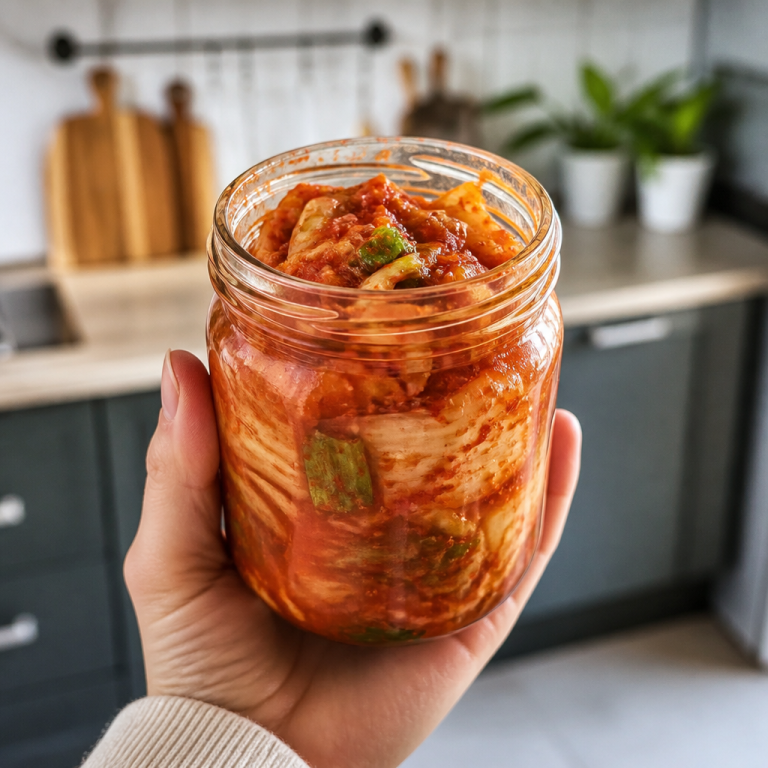
Kimchi, a cornerstone of Korean cuisine, is far more than just a side dish; it's a vibrant, fermented vegetable staple that has captured palates worldwide. Traditionally crafted from napa cabbage and Korean radishes, it's seasoned with a distinctive mixture of chili powder, garlic, ginger, and jeotgal (salted seafood), then allowed to undergo lactic acid fermentation. This fermentation process is key to its unique tangy, spicy, and umami-rich flavor profile, as well as its nutritional benefits.
Beyond its complex taste, kimchi is recognized for its health-promoting properties. It's a rich source of beneficial probiotics, primarily Lactobacillus species, which support gut health. The probiotic counts can vary significantly, ranging from 10^6 to 10^9 CFU/g depending on the stage of fermentation. These probiotics contribute to a healthy digestive system, which can have broader impacts on overall well-being. A 2014 study published in the Journal of Medicinal Food suggested that regular kimchi consumption was associated with reduced body weight, body mass index, and fasting blood glucose levels in overweight and obese patients.
Nutritionally, one cup (150g) of kimchi is relatively low in calories, providing approximately 23 calories. It offers about 5g of carbohydrates, 2g of fiber, and 2g of protein. Kimchi is also a good source of essential vitamins, including A, C, K, and some B vitamins like folate, along with minerals such as iron and calcium.
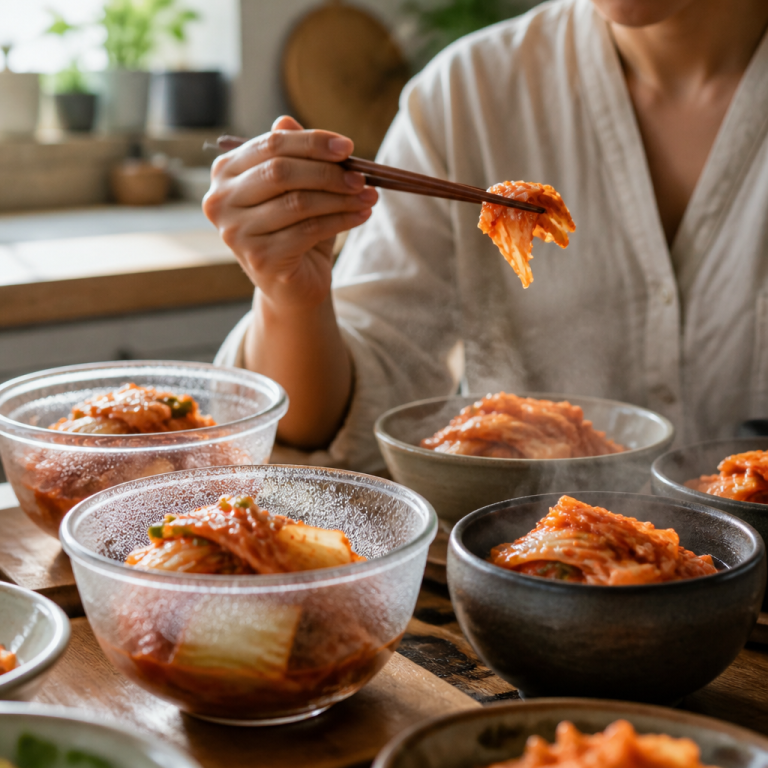
In its cultural home, Korea, kimchi is an indispensable part of almost every meal, served as banchan (a side dish). The diversity of kimchi is remarkable, with over 200 varieties existing across different regions of Korea. Its versatility and distinct flavor make it an excellent companion to a wide array of foods, both traditional Korean and modern fusion dishes.
Best Foods to Pair with Kimchi
Discover the art of kimchi pairing, which involves combining this traditional Korean fermented vegetable with complementary foods to achieve a harmonious balance of flavors. The goal is to create a taste profile where kimchi's spicy, sour, and umami notes either cut through richness, add a refreshing counterpoint, or deepen the overall savory experience of a dish. This thoughtful approach to pairing can transform a simple meal into a culinary adventure.
Best foods to eat with kimchi
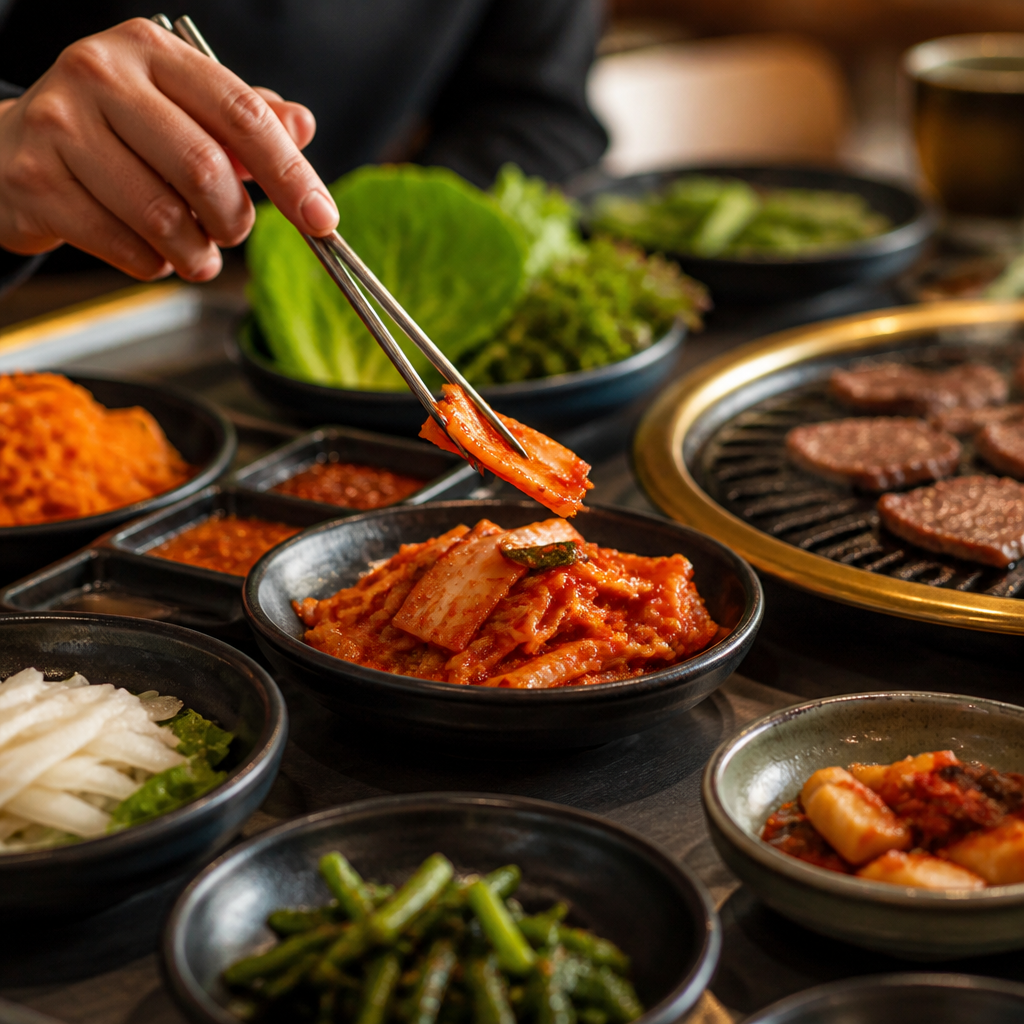
Traditional Korean cuisine offers a wealth of examples for ideal kimchi pairings. Grilled meats, stews (jjigae), noodles (ramyeon), and egg dishes are all frequently served with kimchi, where its heat and acidity can brighten and add depth to the overall dish. These traditional pairings highlight kimchi's ability to complement and enhance, rather than overpower, other ingredients.
Chef Edward Lee, a James Beard Award-winning Korean-American chef, notes that kimchi's fermented complexity makes it an exceptional condiment for rich, fatty foods. He explains that its acidity helps to cut through the fat, preventing the dish from feeling too heavy, while its probiotics may aid in digestion.
From a culinary science perspective, the umami compounds naturally present in kimchi play a significant role in flavor enhancement. When paired with protein-rich foods, these compounds can create a synergistic effect, deepening and enriching the savory experience of the entire dish. Beyond traditional Korean fare, kimchi has found its way into numerous Western fusion applications, demonstrating its global appeal. It has become a popular addition to tacos, burgers, grilled cheese sandwiches, pizza, and hot dogs, where it introduces a vibrant, tangy element. Nutritionally, pairing kimchi with certain foods can also offer synergistic benefits. The vitamin C content in kimchi is known to enhance the absorption of iron from other food sources, making it an excellent accompaniment to iron-rich foods.
What meat to eat with kimchi?
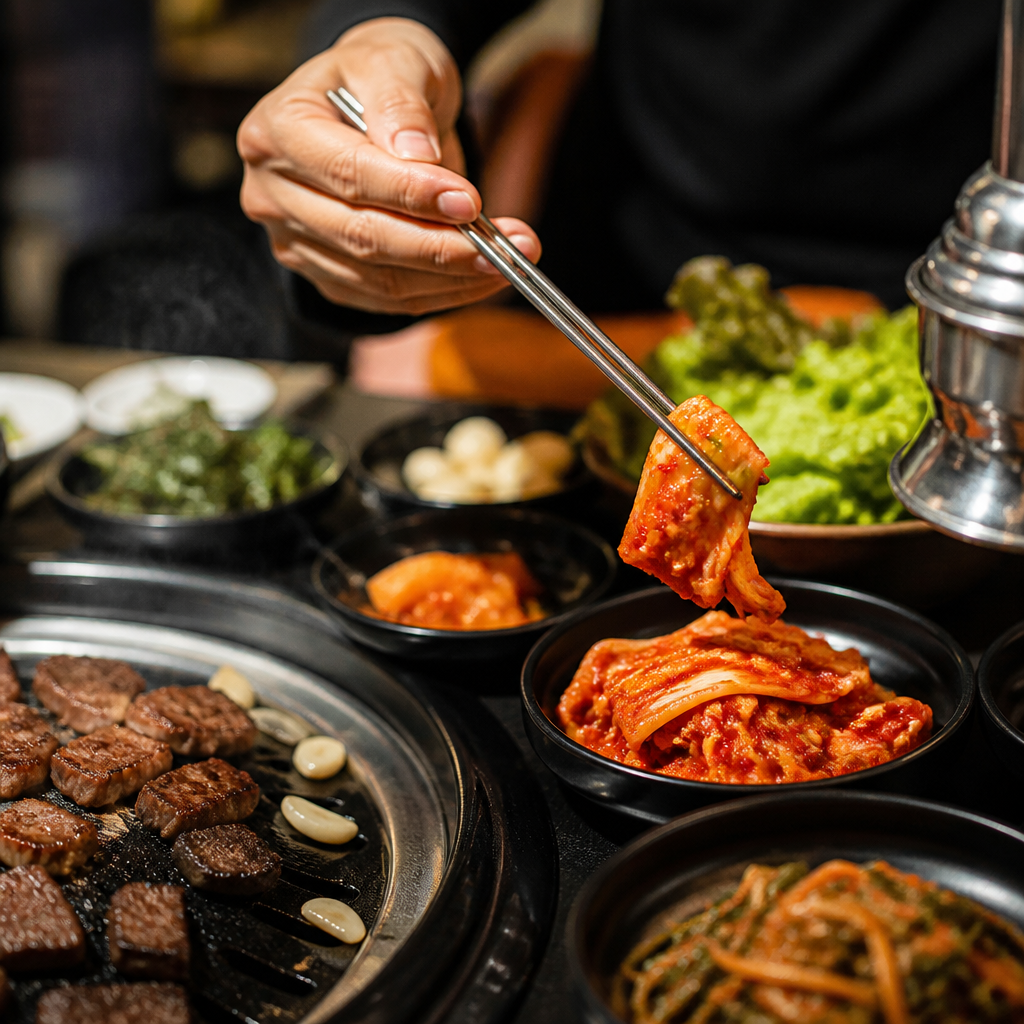
The pairing of meat with kimchi is a fundamental aspect of Korean cuisine, where the fermented profile of kimchi is expertly matched with various proteins. A key culinary principle behind these pairings lies in the unique properties of fermented kimchi. The lactic acid and enzymes present in kimchi are known to help break down fats and proteins in the accompanying meats, improving digestibility.
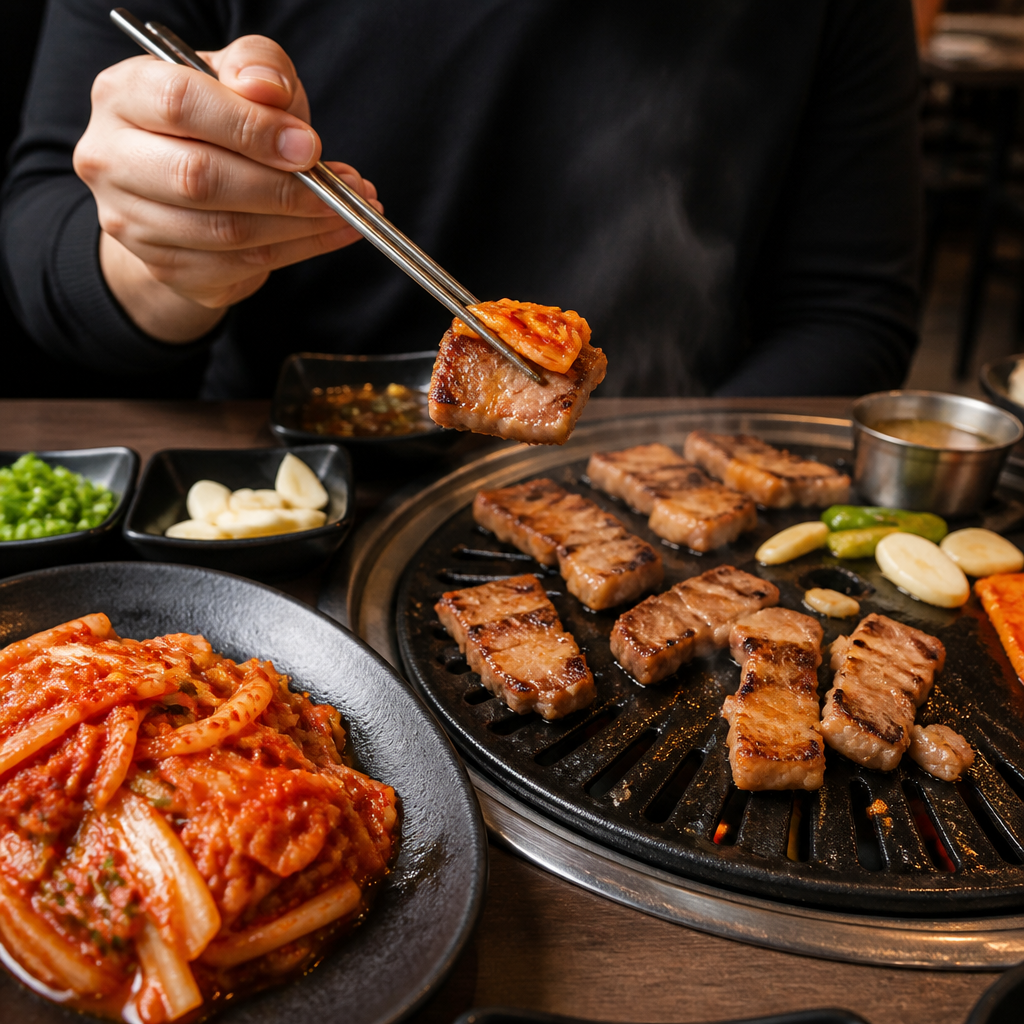
- Pork Belly (Samgyeopsal): This is the most iconic pairing. The succulent fat of the grilled pork belly is beautifully cut by the tangy and spicy kimchi.
- Beef Short Ribs (Galbi): The savory, often sweet marinade of galbi is balanced by kimchi's acidity.
- Marinated Beef (Bulgogi): Similar to galbi, the sweetness of bulgogi finds a perfect counterpoint in kimchi.
- Chicken: Chicken pairs well with kimchi, particularly in dishes like dakgalbi (spicy stir-fried chicken) where the lean protein absorbs kimchi's vibrant flavors.
- Steak and Sausages: In modern applications, kimchi complements a range of grilled steaks, bacon, and sausages, adding a complex depth similar to traditional condiments like pickles.
Chef Roy Choi, a pioneer of the Korean-Mexican fusion movement, highlights that kimchi's "fermented funk" pairs exceptionally well with charred, caramelized meats. _The goal is to match the intensity of the meat with the boldness of the kimchi for a balanced bite._
What rice dishes to eat with kimchi?
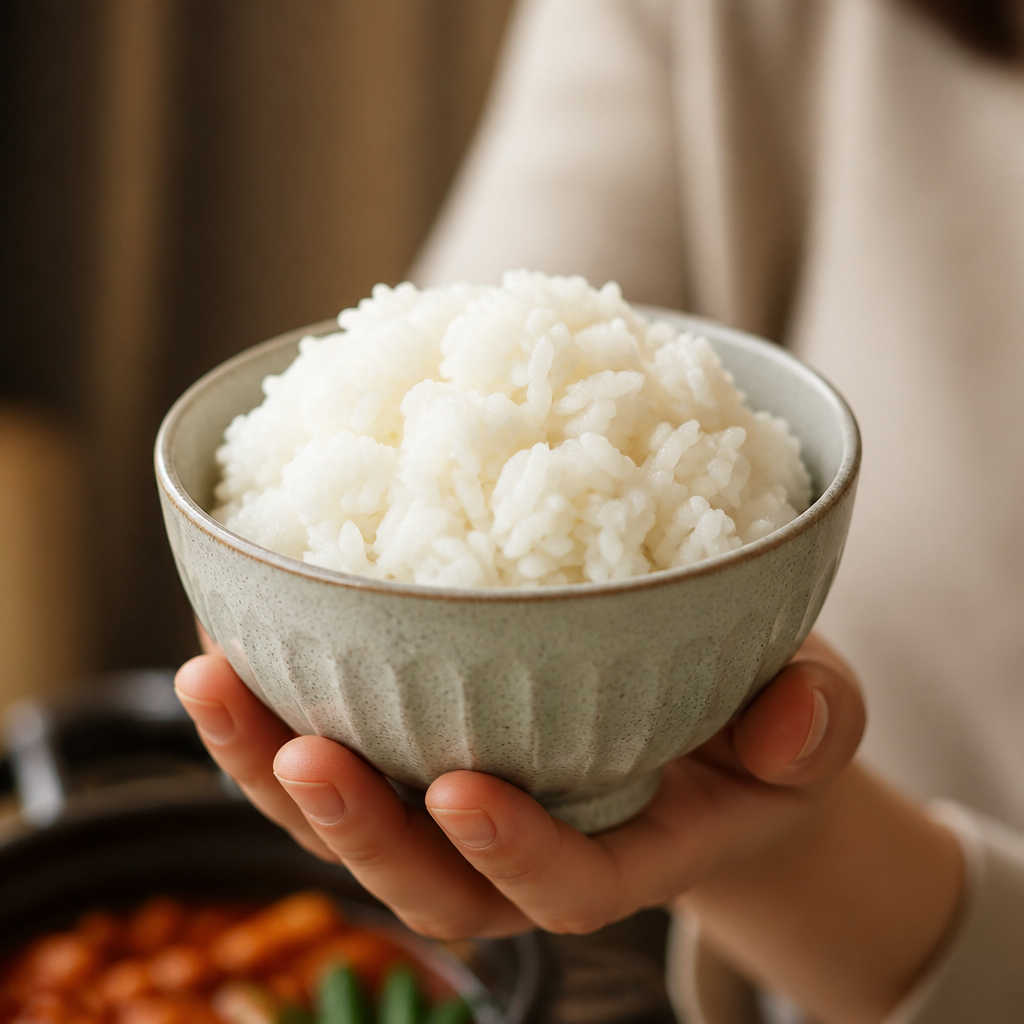
The combination of kimchi and rice is a foundational element of Korean cuisine, forming a staple pairing that is both deeply traditional and incredibly versatile. At its most fundamental, plain white rice (bap) served with kimchi is the quintessential Korean meal. The mild flavor of freshly cooked rice provides a perfect neutral canvas for the bold, spicy, and tangy flavors of kimchi.
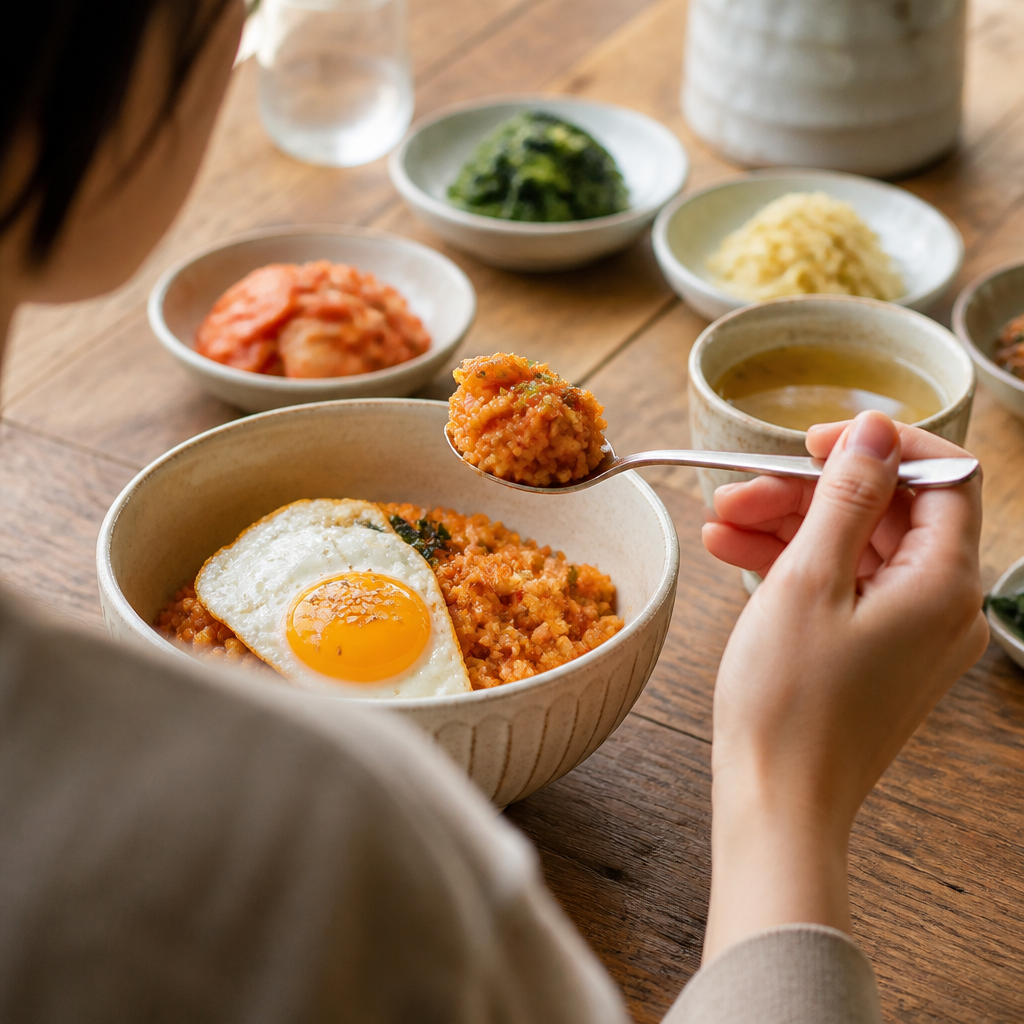
Beyond plain rice, numerous classic Korean rice dishes are traditionally served with kimchi. These include bibimbap, a vibrant mixed rice dish, and kimbap, or Korean rice rolls, which frequently feature kimchi as a filling. Kimchi bokkeumbap, or kimchi fried rice, is perhaps one of the most popular integrations, where kimchi is stir-fried directly with rice. From a nutritional standpoint, combining kimchi with rice creates a well-rounded meal. Rice provides essential carbohydrates for energy, while kimchi contributes beneficial probiotics that support gut health. Kimchi juk, a comforting rice porridge, is often served to those who are ill, as the easily digestible rice base is enhanced by the fermented vegetables.
What to Eat with Kimchi-Based Dishes
When kimchi is the main component of a dish, accompaniments are often designed to complement, balance, or enhance its inherent characteristics. These dishes, such as kimchi fried rice and kimchi soup, already boast bold, complex flavors.
What to eat with kimchi fried rice?
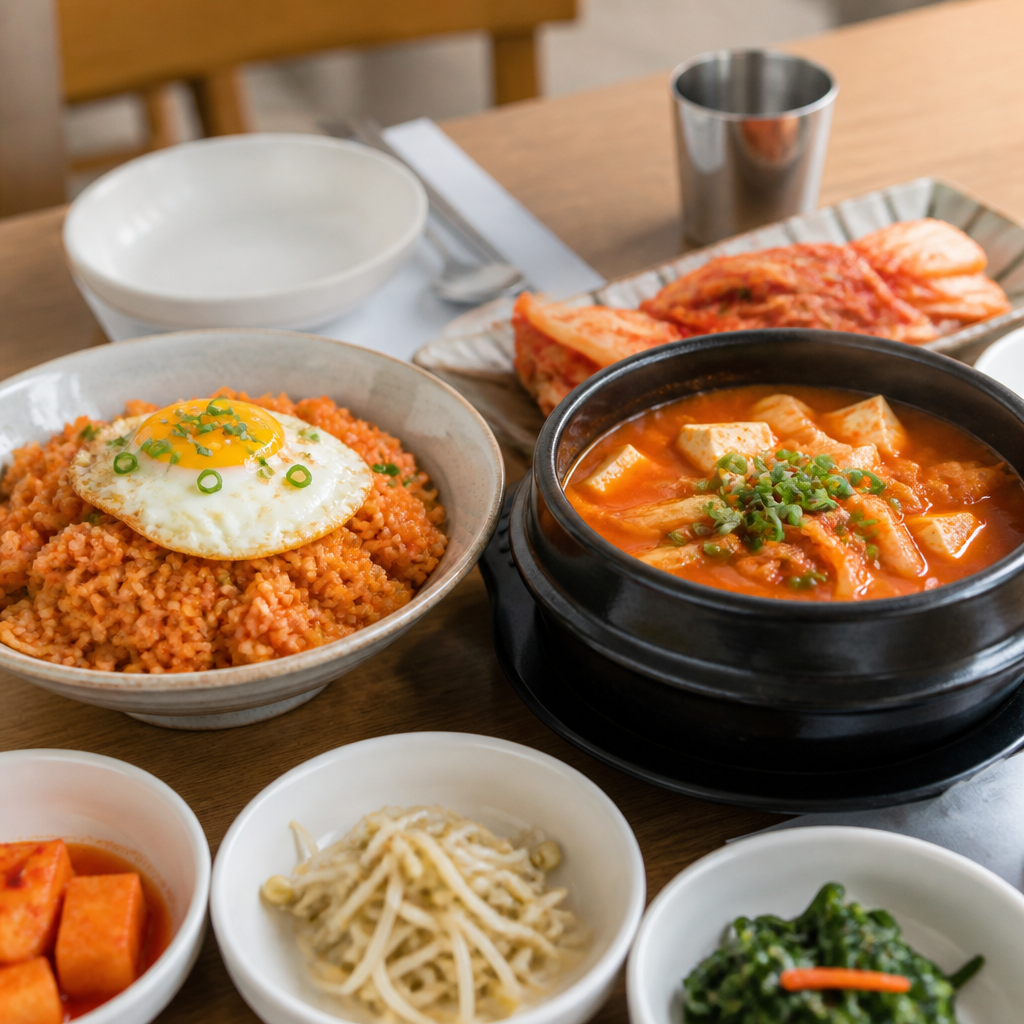
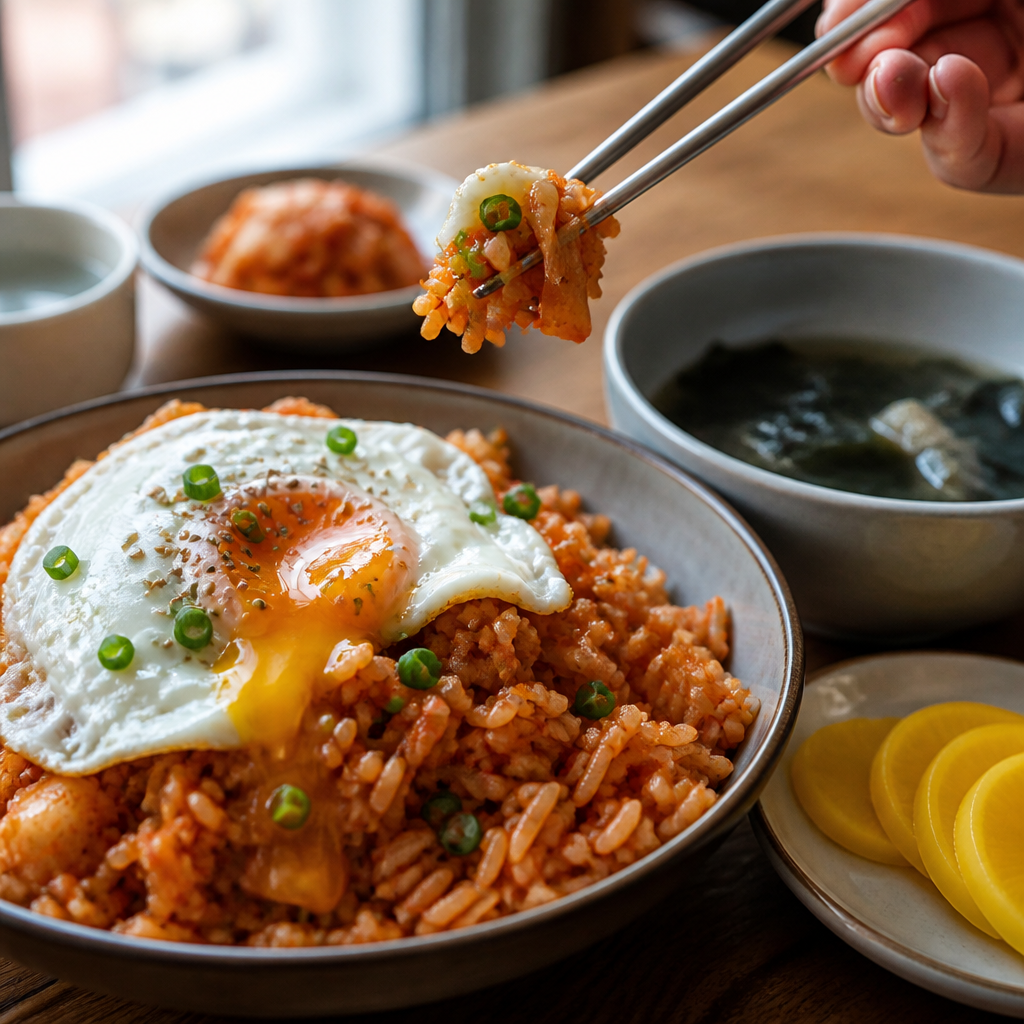
Kimchi fried rice (kimchi bokkeumbap) is a quintessential Korean comfort food. The dish itself is a symphony of spicy, tangy, and savory notes, and the accompaniments are chosen to provide contrast or additional texture. A fried egg (gyeran-fry) is the most popular topping. The runny yolk adds a creamy richness that beautifully mellows the dish's spiciness. A light seaweed soup (miyeok-guk) can offer a soothing, savory broth that cleanses the palate, while pickled radish (danmuji) provides a refreshing crunch.
To enhance the substance and flavor, various protein additions like Spam, bacon, pork belly, or tofu are commonly incorporated. For textural contrast, crispy elements like fried seaweed snacks (gim) or sesame seeds can be crumbled over the top, adding a salty, umami crunch. _While many additions work, avoid ingredients that will make the dish overly salty, as kimchi and other additions can be high in sodium._
What to eat with kimchi soup?
Kimchi soup, often referred to as kimchi-guk or the heartier kimchi jjigae, is a beloved Korean stew renowned for its spicy, tangy, and deeply savory broth. Given its robust flavor profile, accompaniments are carefully selected to provide balance and absorb the rich broth.
The most essential accompaniment for kimchi soup is steamed white rice (bap). Rice serves as a neutral base that balances the soup's intense flavors and is perfect for soaking up the flavorful broth. Alongside the main stew and rice, a variety of banchan (side dishes) are typically served to offer different textures and milder flavors.
| Banchan (Side Dish) | Flavor Profile | Texture |
|---|---|---|
| Seasoned Spinach | Mild, savory, subtle | Tender, soft |
| Bean Sprouts (Kongnamul) | Earthy, light | Crisp, crunchy |
| Pickled Radish (Kkakdugi) | Tangy, sweet | Crunchy |
| Rolled Omelet (Gyeran-mari) | Subtly sweet, savory | Fluffy, soft |
For beverage pairings, barley tea (boricha) provides a neutral and slightly nutty flavor that helps to balance the soup's spiciness.
What Not to Eat with Kimchi
While kimchi is incredibly versatile, certain combinations might be less ideal due to potential digestive discomfort, a diminishment of nutritional benefits, or an unpleasant clash of flavor profiles.
What not to eat with kimchi?
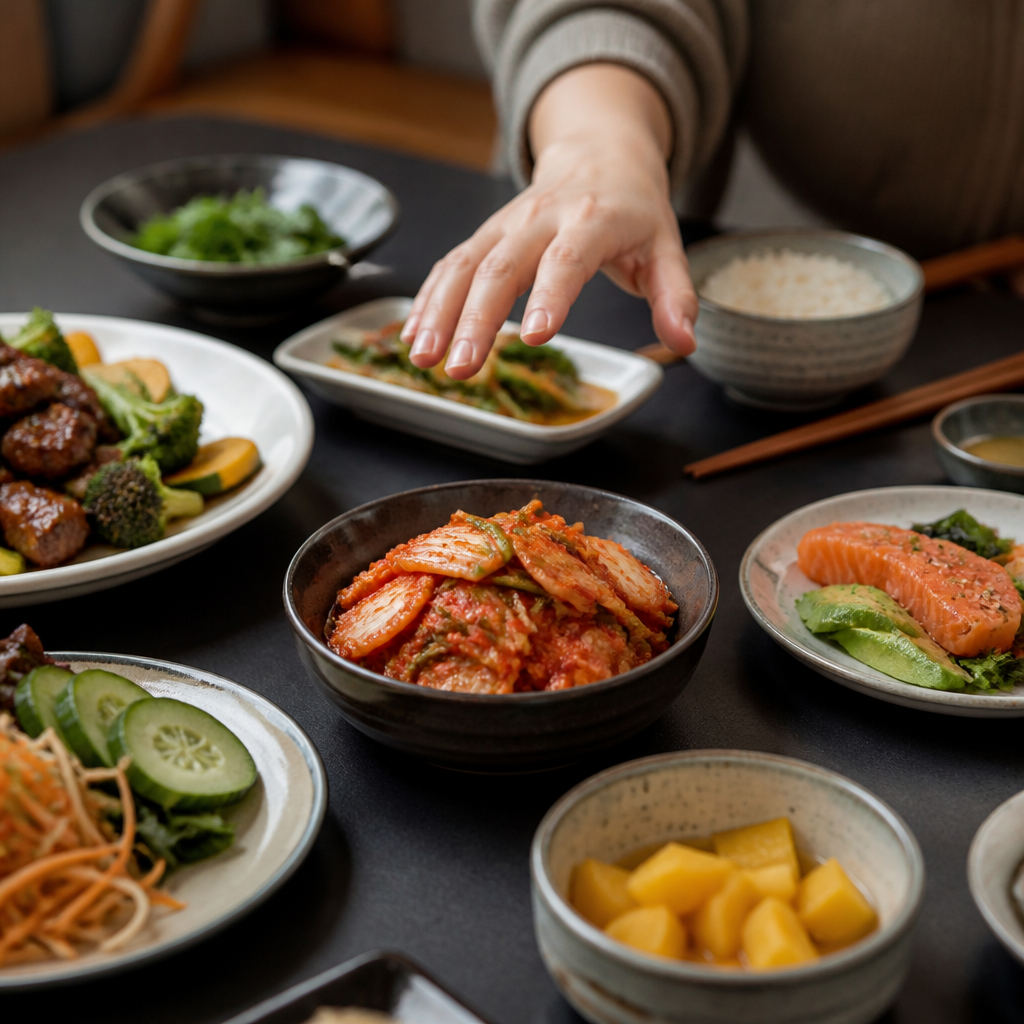
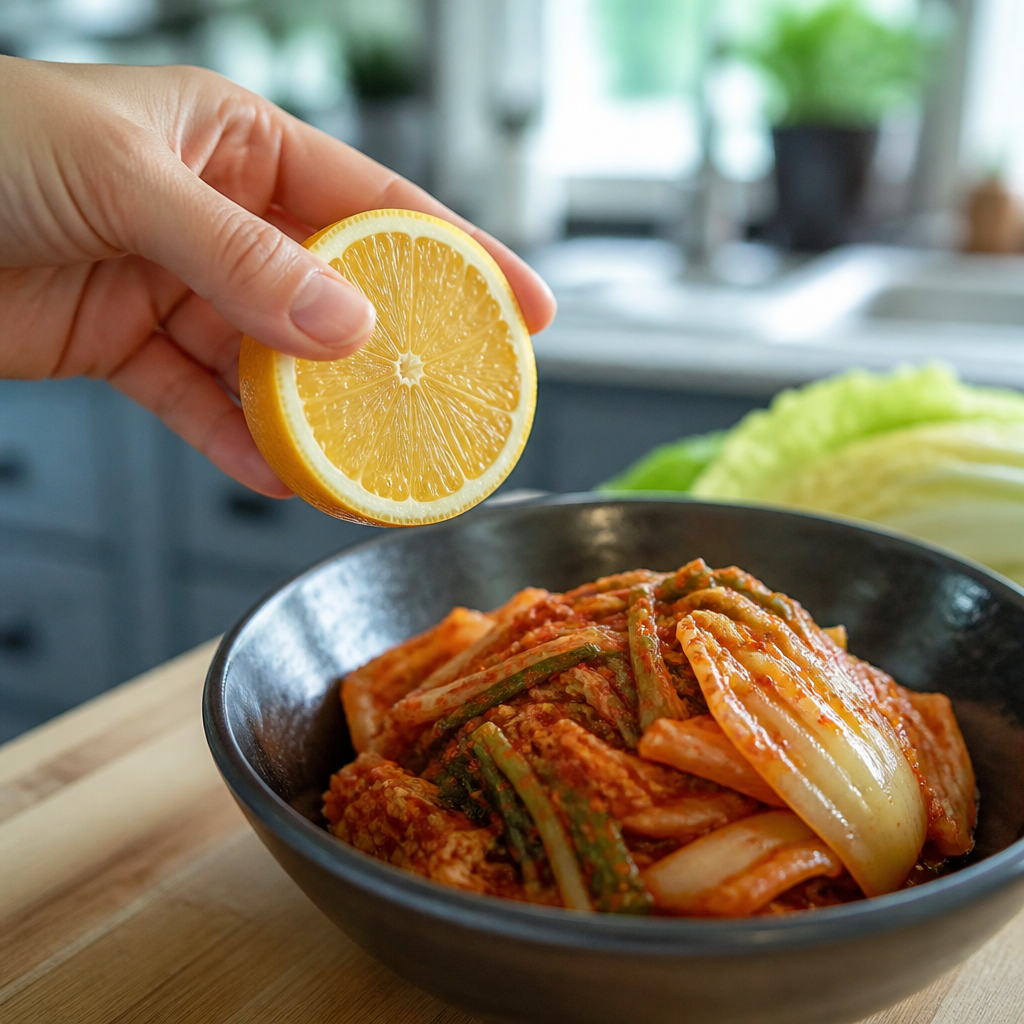
One area of consideration involves digestive comfort. Combining kimchi with other highly acidic foods, such as citrus fruits or vinegar-based dishes, may lead to cumulative acidity that could cause discomfort in sensitive individuals. From a traditional Korean culinary perspective, raw fish like sashimi is generally not paired with kimchi. The strong, pungent, and fermented flavors of kimchi can easily overpower the delicate and subtle taste of fresh raw fish.
A crucial consideration involves potential medication interactions. Kimchi is notably high in vitamin K, which may interfere with the effectiveness of blood-thinning medications like warfarin. _Individuals taking such medications should consult with their healthcare professional to monitor their intake and ensure it aligns with their treatment plan._
Finally, it's important to be mindful of sodium intake. Kimchi can be relatively high in sodium, so pairing it with other high-sodium foods like processed meats or salty snacks could lead to an excessive daily intake. Balancing the meal with lower-sodium options can contribute to a healthier diet.

Emily Carter is an American food lover who writes about Korean cuisine for people trying it for the first time. She covers what things taste like, how to eat them, and what to cook with them.