sauerkraut vs kimchi: 7 Gut Health Benefits Compared
I still remember my first homemade sauerkraut batch. Back in college, trying to be a 'health nut' on a budget, the distinct, tangy smell of fermenting cabbage filled my tiny apartment. But that first tangy, crunchy bite of homemade sauerkraut was a revelation. Years later, I discovered kimchi at a bustling Korean market, and a whole new world of spicy, umami flavor exploded on my palate.
Both sauerkraut and kimchi have since become staples in my kitchen. They prove that while they share the fundamental process of turning humble cabbage into something extraordinary, their journeys are vastly different. Understanding the nuances between these two fermented powerhouses can help anyone appreciate their unique contributions to cuisine and well-being. Discover how their fermentation processes, diverse flavor landscapes, and nutritional and gut health benefits compare, offering a comprehensive look at what makes each food special.
Fermentation & Flavor Differences
The journey from raw cabbage to a vibrant fermented food is fascinating. While sauerkraut and kimchi share the fundamental principle of lactic acid fermentation—where beneficial bacteria convert sugars into lactic acid—their specific methods and ingredient combinations lead to vastly different outcomes.
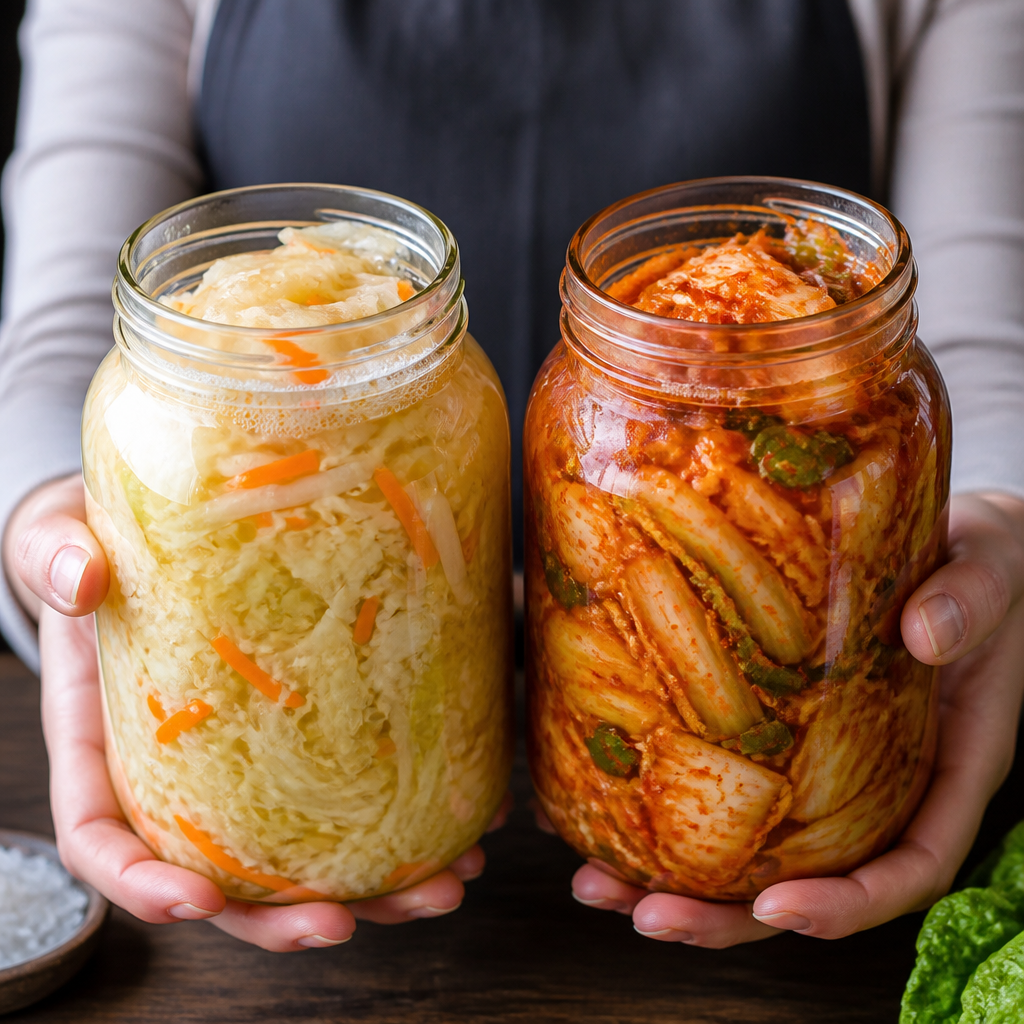
Sauerkraut vs Kimchi Fermentation Process
Sauerkraut, a traditional German dish, is a relatively simple fermented cabbage product. To make it, shredded cabbage is combined with salt, usually 2-3% by weight. This salt draws out moisture, creating a brine where naturally occurring Lactobacillus bacteria can thrive. These bacteria convert sugars in the cabbage into lactic acid, which gives sauerkraut its characteristic sour taste and acts as a natural preservative. The fermentation typically takes 3-6 weeks. _Temperature plays a crucial role; sauerkraut fermented at 18°C (64°F) may take 4-6 weeks, while at 22°C (72°F), it can be ready in 3-4 weeks._
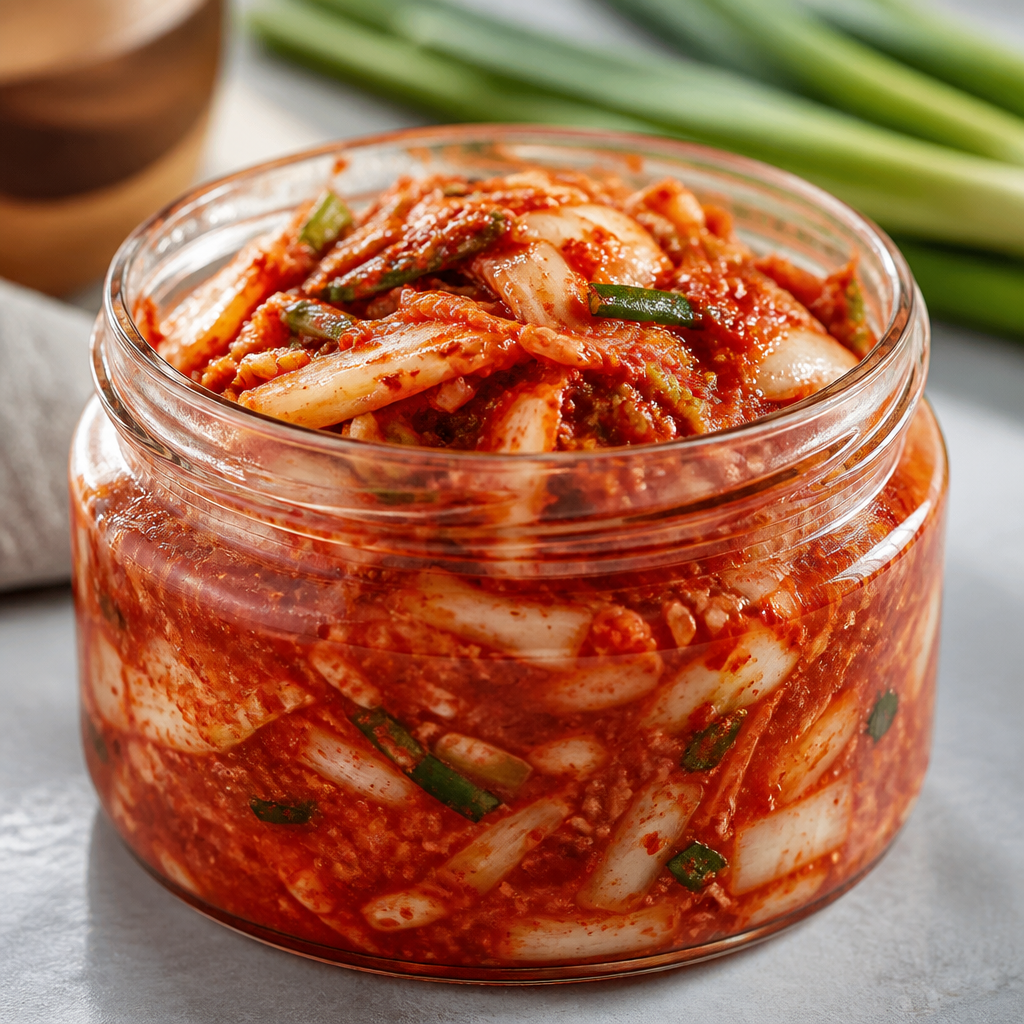
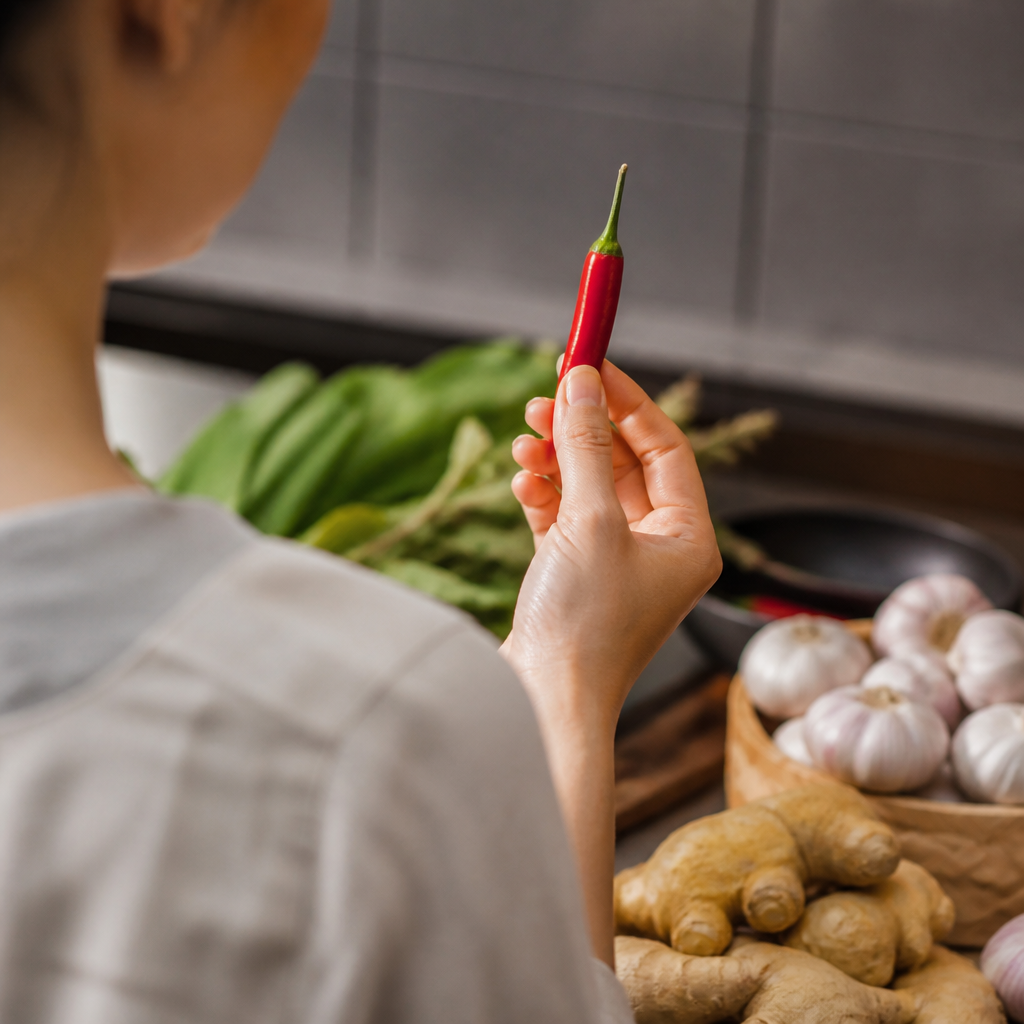
In contrast, kimchi, a staple of Korean cuisine, involves a more complex process. While it also uses napa cabbage, it incorporates a rich seasoning paste known as _yangnyeom_. This paste includes Korean red pepper flakes (gochugaru), garlic, ginger, and fish sauce or salted seafood (_jeotgal_). The initial brining often involves a higher salt concentration, which is then rinsed to reduce the final salt content. This complex mix of ingredients contributes to a more diverse microbial community. Kimchi is often fermented for 1-5 days, then refrigerated for continued slow fermentation.
Sauerkraut's simpler fermentation creates a more predictable and stable product with longer shelf life.
Here's a quick comparison of the fermentation processes:
- Ingredients: Sauerkraut primarily uses cabbage and salt. Kimchi uses napa cabbage, salt, and a diverse paste of gochugaru, garlic, ginger, and fermented seafood.
- Microbes: Sauerkraut's fermentation is dominated by 5-8 species of lactic acid bacteria. Kimchi's complex ingredients support a more diverse community of 15-20 bacterial species, including Weissella species.
- Fermentation Time: Sauerkraut ferments for 3-6 weeks at room temperature. Kimchi has a shorter initial fermentation of 1-5 days before being refrigerated.
- Acidity (pH): The final pH of sauerkraut is typically 3.1-3.7, making it quite acidic. Kimchi's final pH ranges from 4.2-4.5, which is slightly less acidic.
Sauerkraut vs Kimchi Taste and Flavor
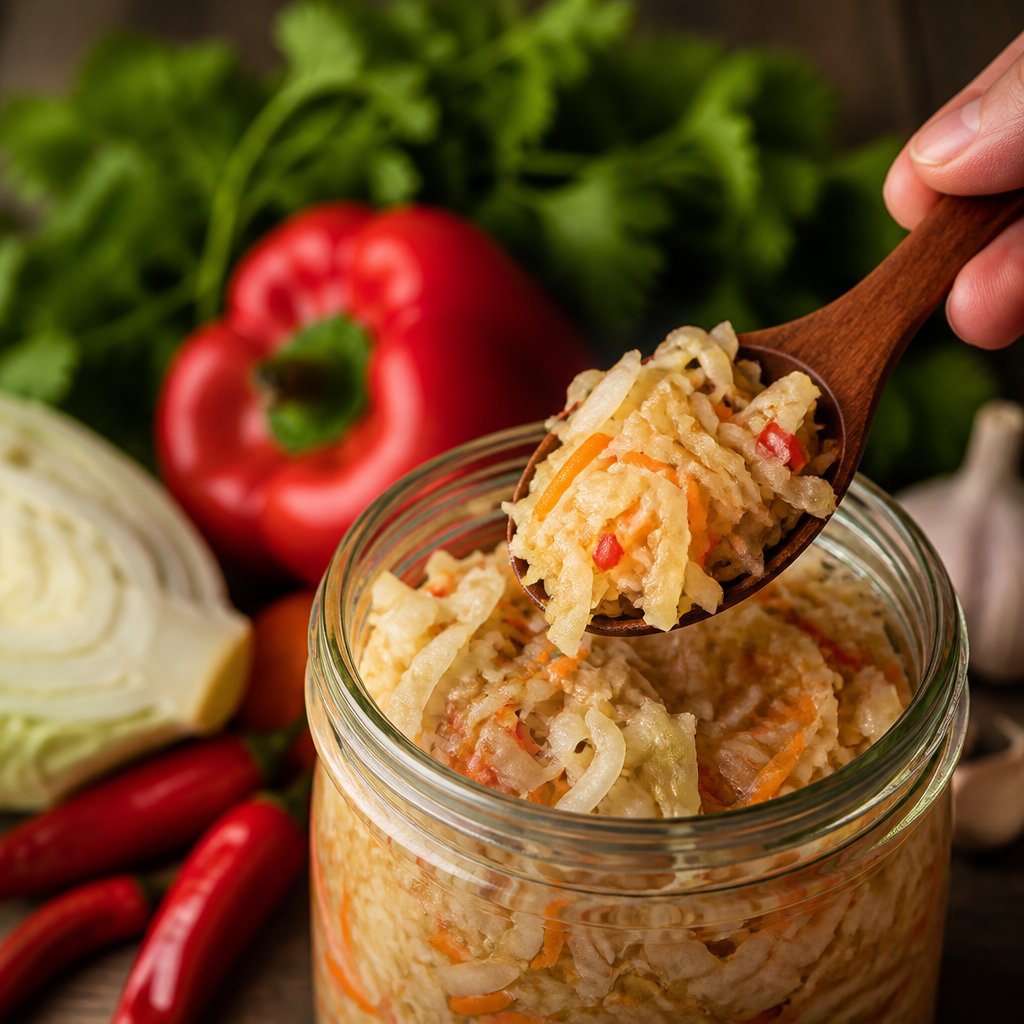
The distinct fermentation processes and ingredients lead to remarkably different tastes. Sauerkraut is characterized by a clean, tangy, and distinctly sour flavor, dominated by lactic acid sourness. Its taste is sharp and acidic without additional spice or savory depth. The texture is typically crisp and firm, maintaining a satisfying crunch. Its straightforward tanginess makes it a versatile side dish, often acting as a supporting player that adds acidity to meals.
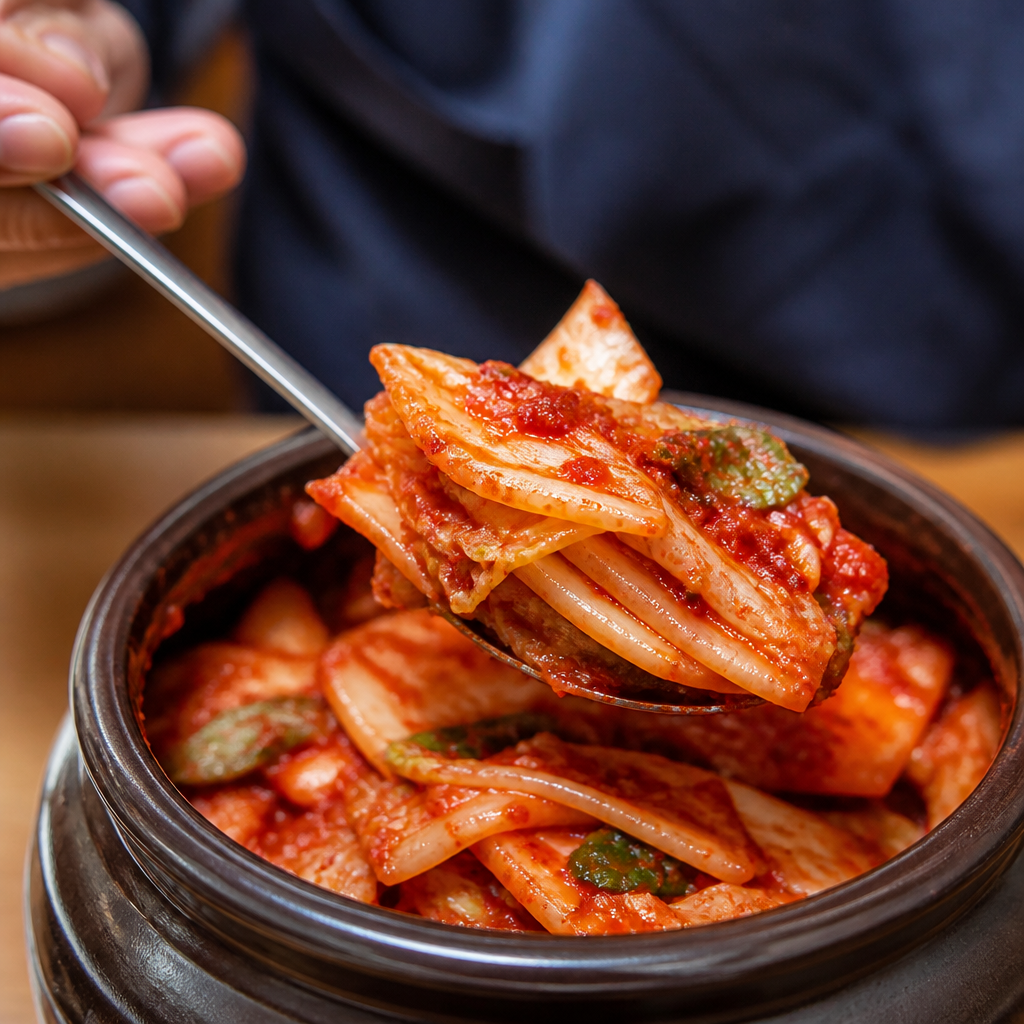
Kimchi, on the other hand, boasts a far more complex and layered flavor profile—a symphony of sour, spicy, savory (umami), and subtly sweet notes. Its vibrant red color comes from Korean red pepper flakes. The texture of kimchi tends to be softer than sauerkraut, becoming more tender as it ferments. Its incredible depth of flavor is attributed to over 100 identified volatile compounds from ingredients like garlic, ginger, and fermented seafood, making it a star ingredient that can stand on its own.
Nutrition & Gut Health Comparison
Beyond their distinct flavors, sauerkraut and kimchi offer varying nutritional benefits and contribute differently to gut health, making them both valuable additions to a balanced diet.
What Is the Nutritional Value of Sauerkraut vs Kimchi?
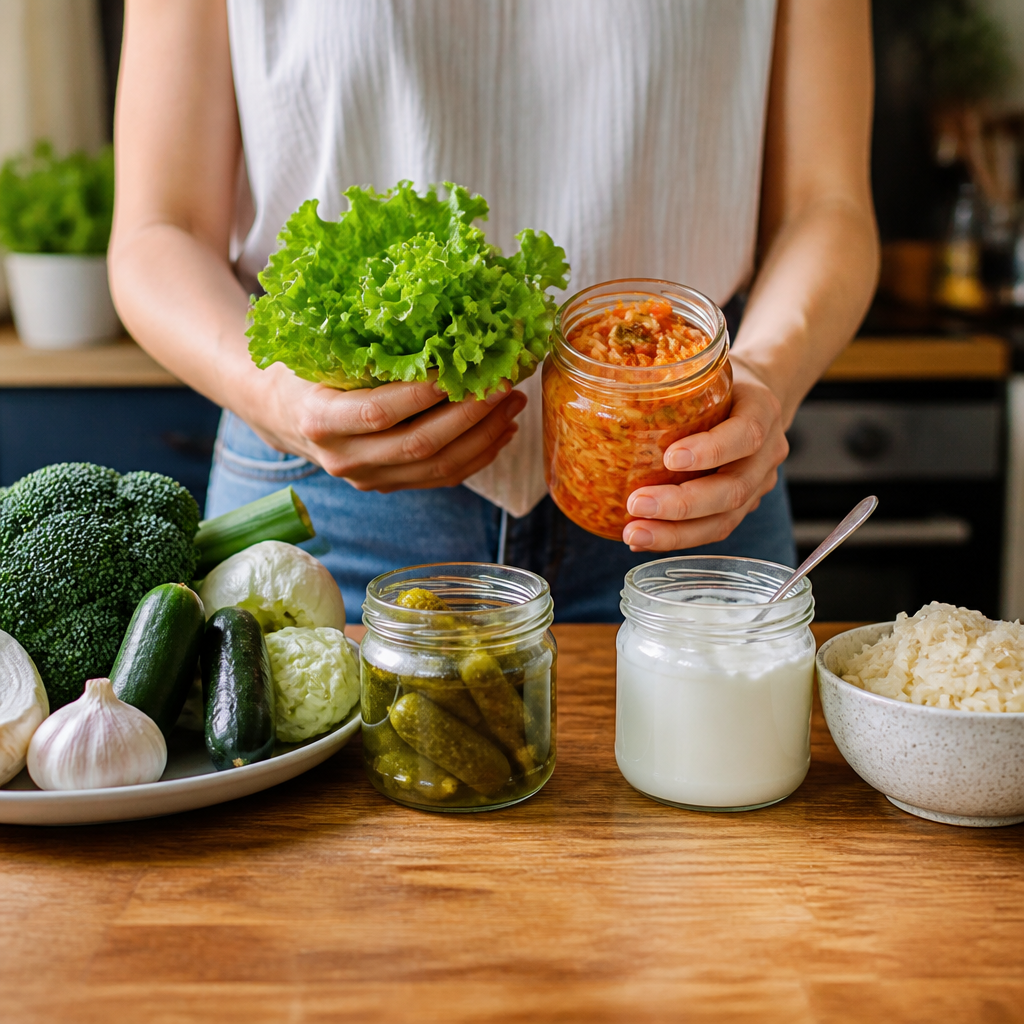
Both fermented foods offer a range of vitamins and minerals, though their specific compositions reflect their differing ingredients. Kimchi's more diverse ingredient list generally gives it a slight edge in nutrient density, particularly in vitamins A and K.
| Nutrient (per 100g) | Sauerkraut | Kimchi |
|---|---|---|
| Calories | ~19 kcal | 15-23 kcal |
| Fiber | ~2.9 g | 1.6-2.4 g |
| Vitamin C | 16% DV | 20-35% DV |
| Vitamin K | ~11% DV | ~36-46% DV |
| Vitamin A | <1% DV | ~23-30% DV |
| Iron | ~8% DV | ~14% DV |
| Sodium | ~28% DV | 22-33% DV |
While both are relatively high in sodium, fermentation enhances the bioavailability of minerals like calcium and iron, meaning your body can absorb them more effectively. Due to its complex ingredients like red pepper, kimchi also has approximately twice the antioxidant activity of sauerkraut.
How Do the Probiotics in Sauerkraut vs Kimchi Compare?
The primary health benefit of these foods is their rich probiotic content. However, the quantity and diversity of these beneficial bacteria vary significantly. Kimchi generally boasts a higher concentration and greater diversity of probiotics due to its complex ingredient matrix.
Sauerkraut typically contains 1-10 million Colony-Forming Units (CFU) per gram, with dominant species like Lactobacillus plantarum and Lactobacillus brevis. In contrast, fresh kimchi can contain 10-100 million CFU per gram and supports a broader range of species, including Weissella koreensis. The greater diversity in kimchi may offer broader potential health effects, while sauerkraut's simpler profile offers targeted benefits with potentially less risk of adverse reactions in sensitive individuals.
_It is critical to understand that pasteurization, a heat-treatment process, effectively eliminates all viable probiotics._ Therefore, only refrigerated, unpasteurized versions explicitly labeled "raw" or "live cultures" contain active beneficial bacteria.
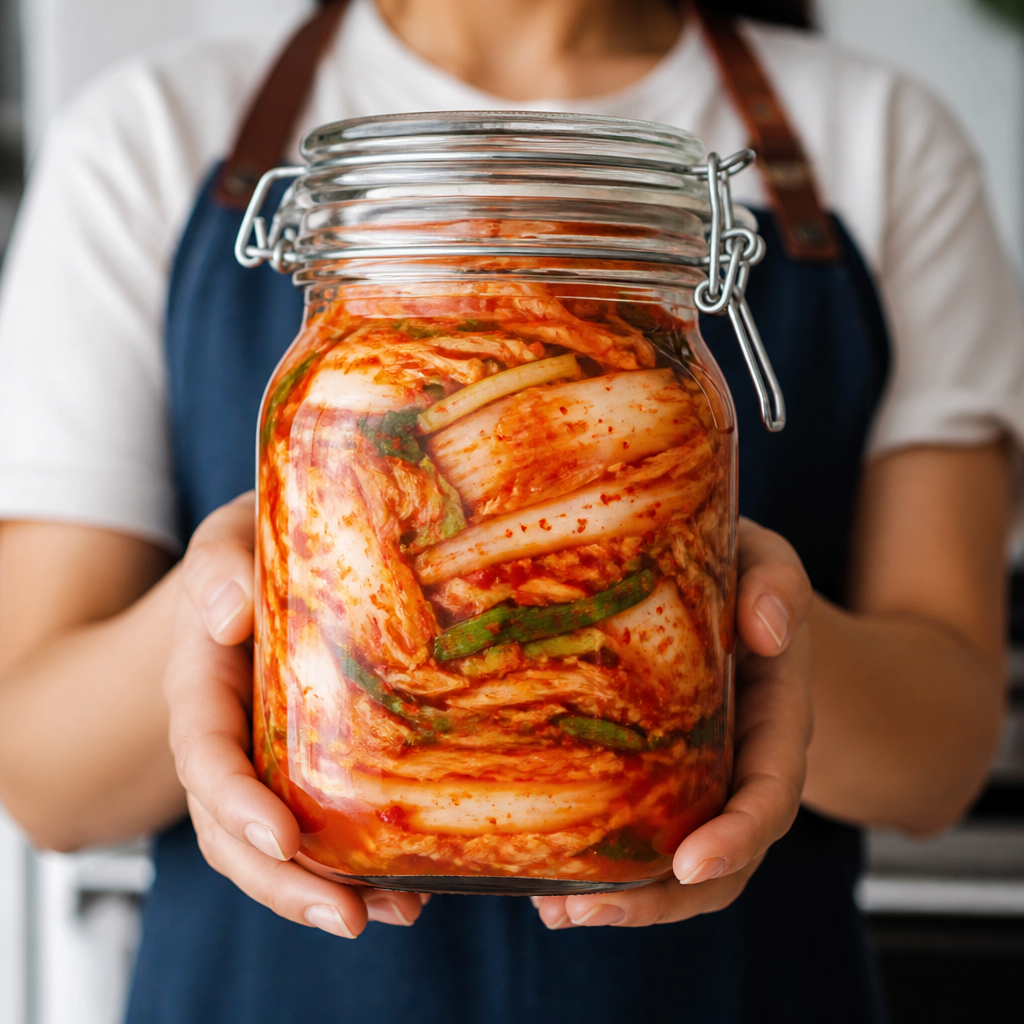
Sauerkraut vs Kimchi for Gut Health
Both foods are celebrated for supporting gut health by providing both prebiotics (fiber) and probiotics. This combination creates a "synbiotic" effect, where the prebiotics feed the beneficial probiotic bacteria, enhancing overall gut health. The fiber nourishes your existing gut bacteria, while the live cultures add new beneficial microbes.
The fermentation process also produces short-chain fatty acids (SCFAs), which are vital for gut health. They serve as an energy source for colon cells and help maintain the integrity of the gut lining, reducing intestinal permeability or "leaky gut."
Both sauerkraut and kimchi are excellent for gut health, but I often recommend starting with sauerkraut for patients with sensitive digestive systems or IBS because its simpler composition and lower spice content causes fewer initial symptoms, then progressing to kimchi once tolerance is established for greater microbial diversity benefits.
For optimal results, introduce these foods gradually, starting with 1-2 tablespoons daily and slowly increasing the amount. This allows your gut microbiome to adapt and minimizes potential discomfort.
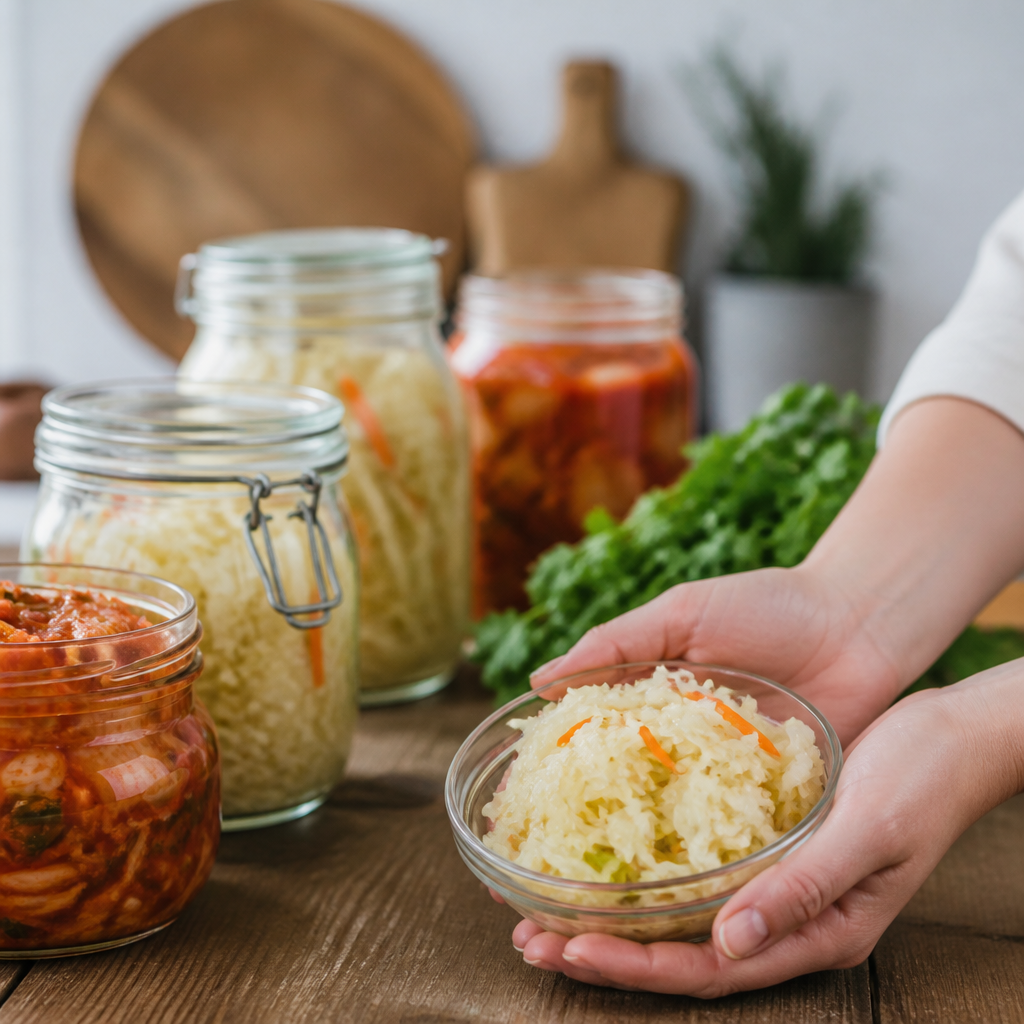
Sauerkraut vs Kimchi Health Benefits
Beyond gut health, both sauerkraut and kimchi offer a spectrum of broader benefits stemming from their rich nutrient profiles and bioactive compounds.
One significant area is immune system support. The lactic acid bacteria in both foods are known to stimulate immune cell activity and strengthen the body's defenses. Research also suggests a gut-brain axis connection, with studies linking fermented food consumption to reduced social anxiety.
Kimchi, in particular, has been studied for its anti-cancer properties, attributed to bioactive compounds from its diverse ingredients like cabbage, red peppers, and garlic. Both foods can also contribute to cardiovascular health. They contain vitamin K2, which is produced during fermentation and helps prevent arterial calcification, while their fiber content can help reduce "bad" cholesterol levels. Both also have a low glycemic index, making them a good choice for supporting metabolic health and blood sugar regulation.
In conclusion, both sauerkraut and kimchi offer significant health advantages. Sauerkraut provides targeted probiotic support with a clean, tangy flavor. Kimchi delivers a broader spectrum of probiotics, higher levels of vitamins A and K, and a complex, spicy flavor. Ultimately, the best approach is to enjoy both for their unique tastes and varied benefits, incorporating them into a balanced diet to support your gut and overall well-being.

Emily Carter is an American food lover who writes about Korean cuisine for people trying it for the first time. She covers what things taste like, how to eat them, and what to cook with them.