What Is Gochujang Sauce? 12 Amazing Facts and Uses
Discover the complex world of gochujang, a cornerstone of Korean cuisine. This traditional fermented red chili paste has captivated palates around the world with its distinctive, addictively delicious flavor profile. Gochujang, a thick, reddish-brown paste, is renowned for its complex blend of spicy, savory, and sweet notes, all underpinned by a profound umami depth.
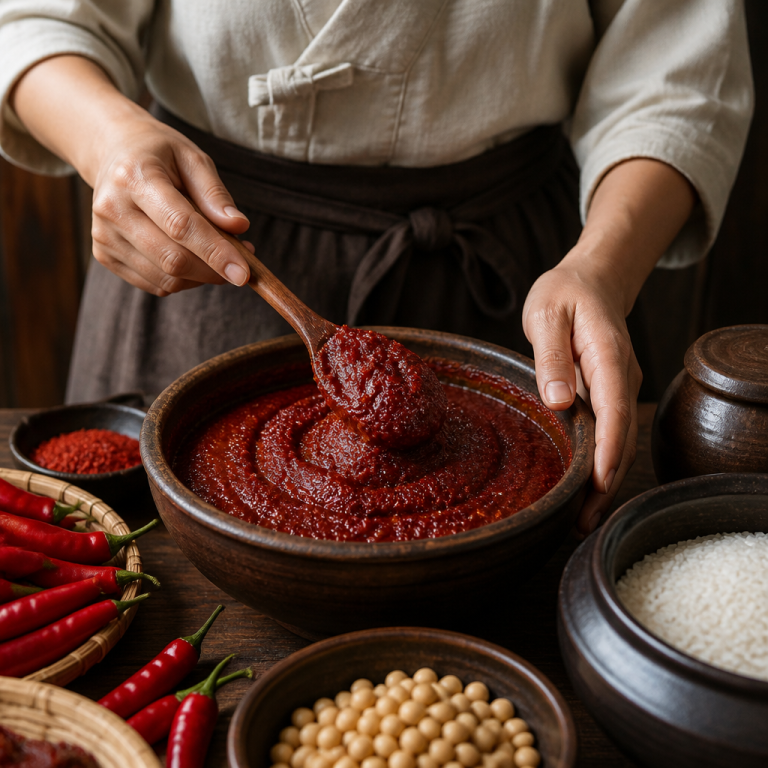
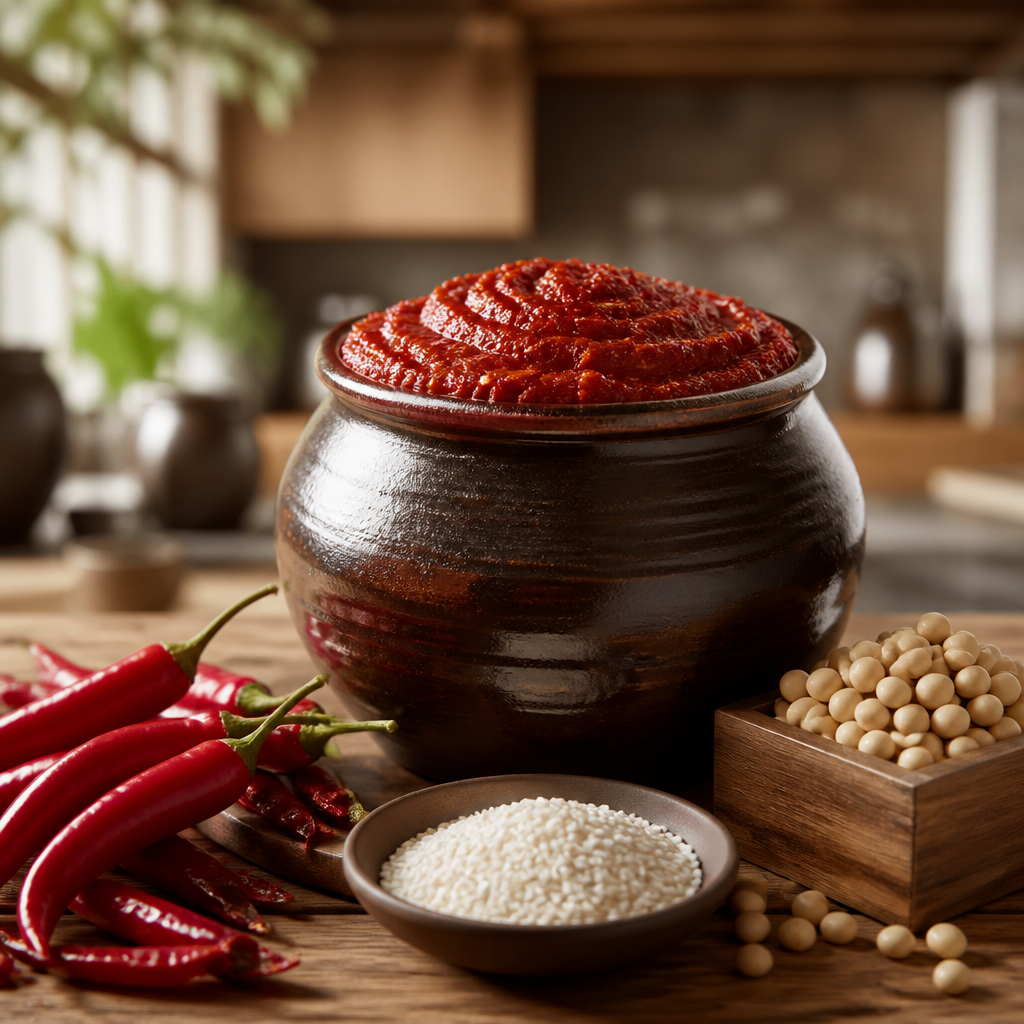
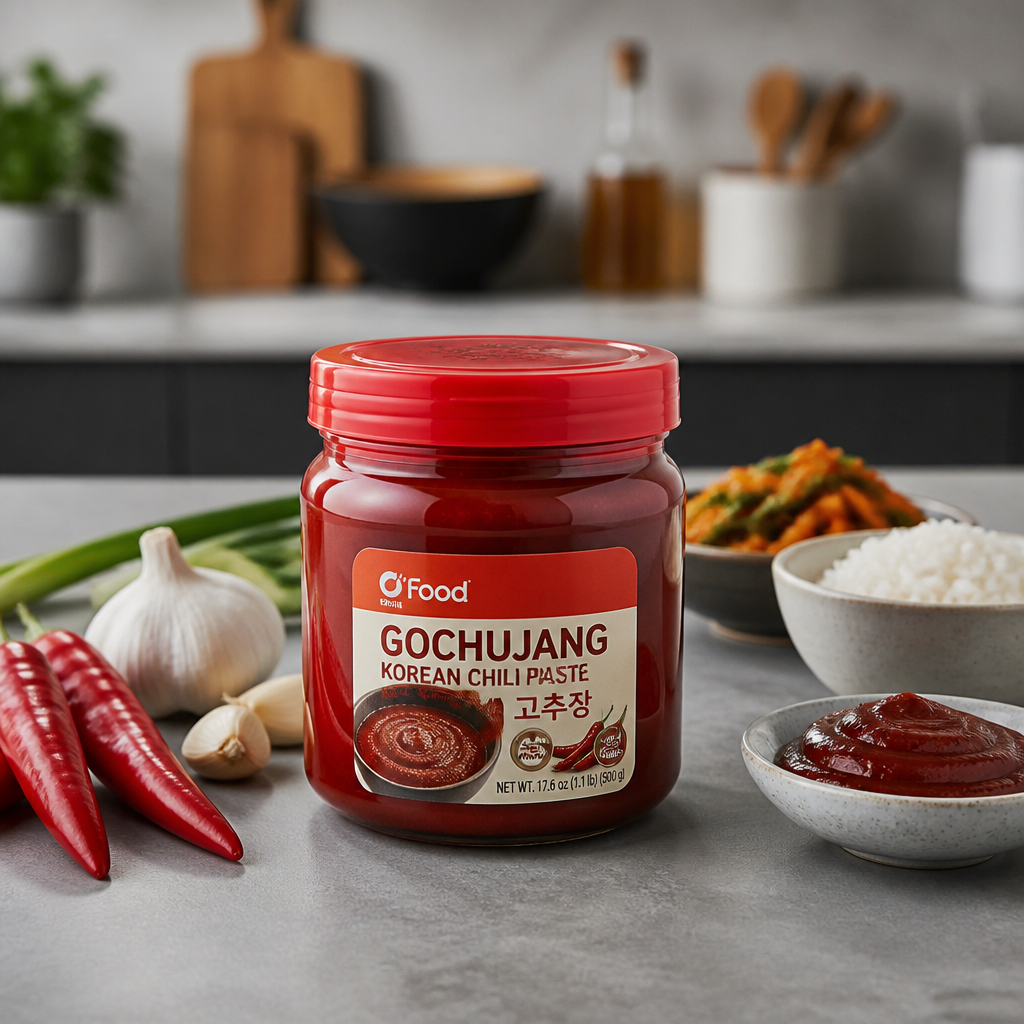
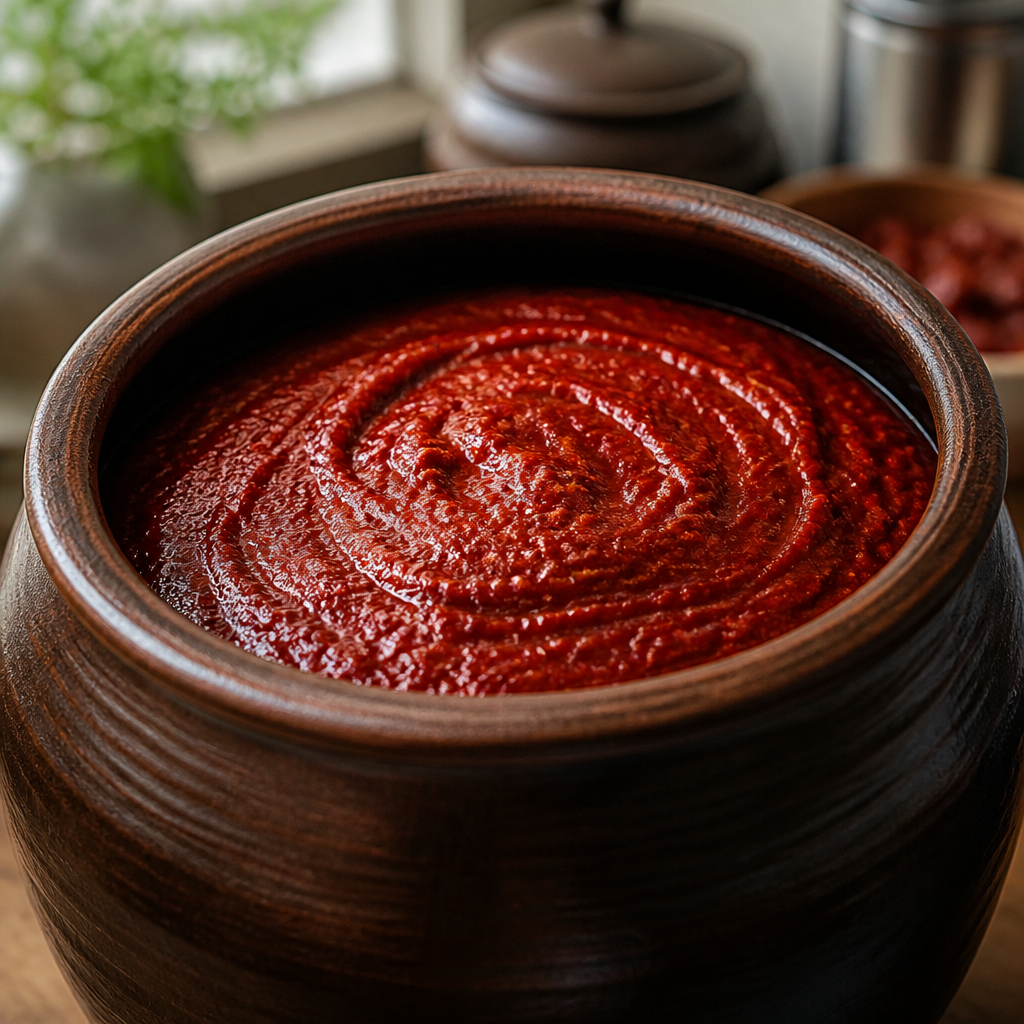
Originating in Korea around the 16th century after chili peppers were introduced from the Americas, gochujang is now deeply woven into the fabric of Korean culinary heritage. The creation of gochujang is a meticulous process rooted in centuries-old traditions. It is made from a combination of red chili powder (gochugaru), glutinous rice, fermented soybeans (meju), and salt. This transformation of simple ingredients into something so complex is a testament to the power of traditional fermentation. Gochujang stands apart because of its extensive fermentation period, which traditionally spans several months in large earthenware pots called "onggi." These special pots allow the paste to breathe, facilitating the development of its characteristic rich and multi-layered flavor.
During this process, beneficial compounds are produced, which contribute not only to the paste's unique taste but also to potential health benefits.
The fermentation of gochujang produces beneficial compounds including amino acids, organic acids, and probiotics that contribute to both flavor complexity and potential health benefits.
— Dr. Bok-Rye Song, fermentation scientist at Seoul National University
Beyond its culinary appeal, gochujang holds significant cultural importance in Korea. It is one of the nation's revered "jang" — a category of fermented condiments that also includes doenjang (fermented soybean paste) and ganjang (soy sauce). The cultural practice surrounding the making and sharing of kimchi, known as "kimjang," which often involves gochujang, is even recognized by UNESCO as an intangible cultural heritage.
Nutritionally, a typical tablespoon of gochujang contains around 30-35 calories, 6-7 grams of carbohydrates, 1 gram of protein, and a notable 400-600 milligrams of sodium. While it offers a burst of flavor and beneficial compounds from fermentation, its sodium content suggests it's best enjoyed in moderation.
Gochujang Sauce Composition and Ingredients
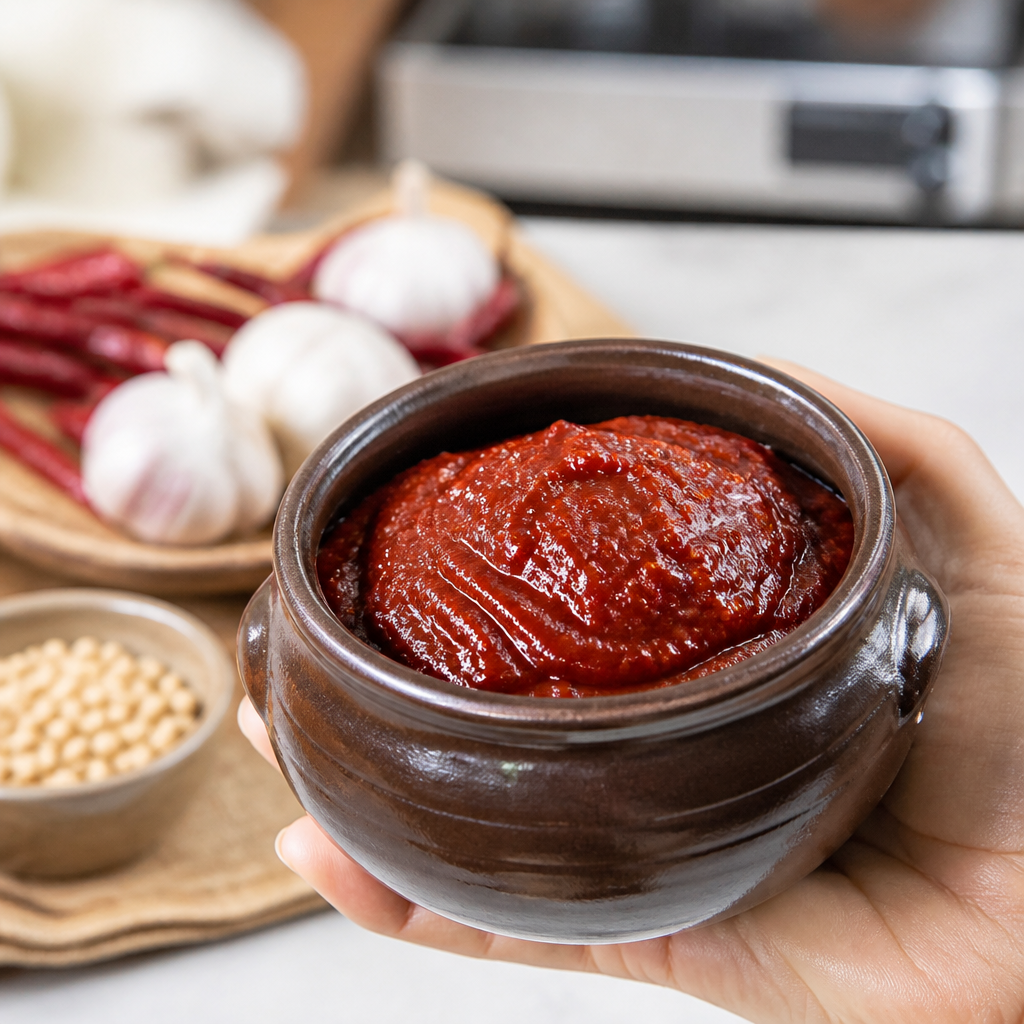
What is gochujang sauce made of?
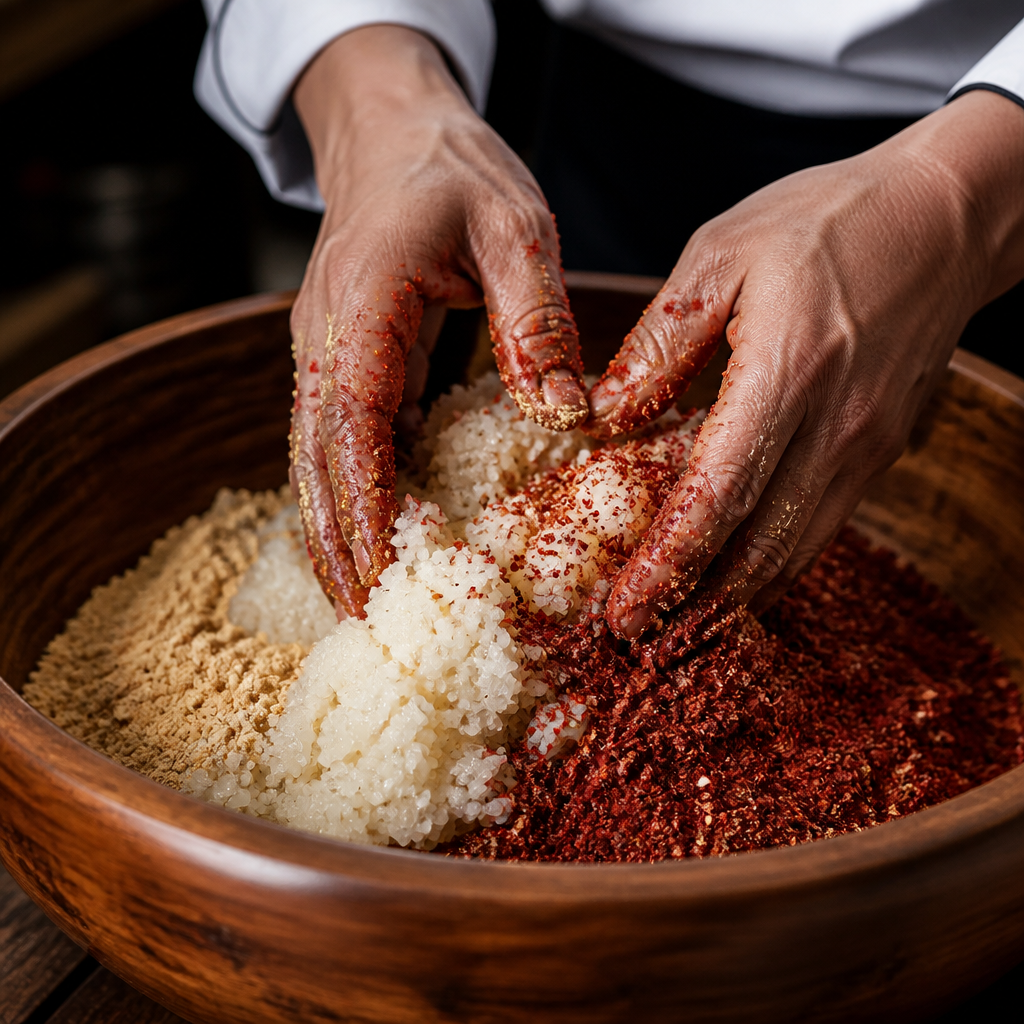
Gochujang sauce is crafted from a precise combination of four primary ingredients, each playing a crucial role in developing its signature flavor and texture. These core components are gochugaru (Korean red chili flakes), glutinous rice powder or sweet rice flour, meju-garu (fermented soybean powder), and salt. The synergy of these ingredients, coupled with a lengthy fermentation process, is what gives gochujang its unparalleled depth.
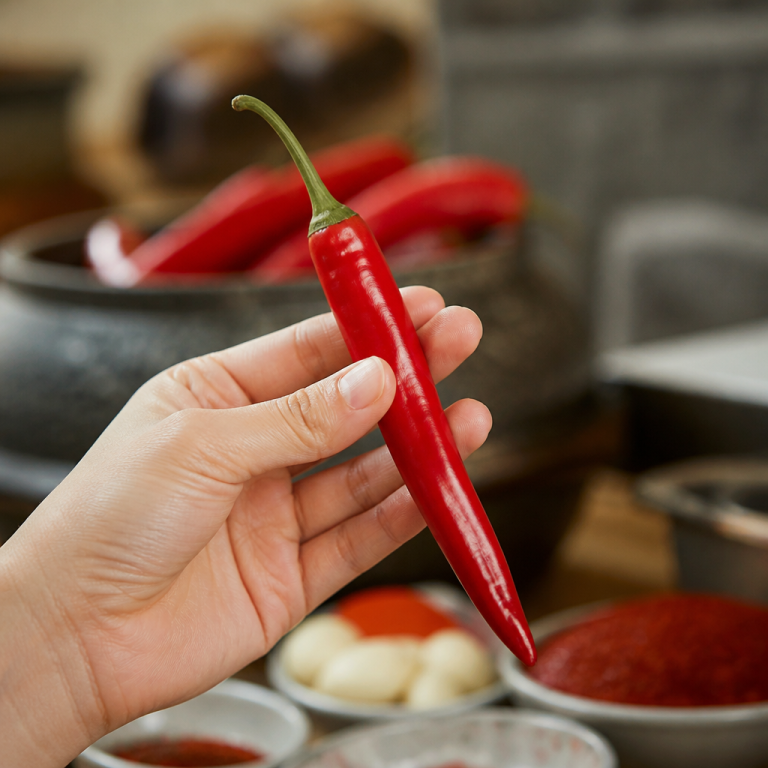
- Gochugaru: This Korean red chili powder is responsible for gochujang's vibrant red hue and its characteristic heat. It imparts both a pleasant warmth and a subtle sweetness.
- Glutinous Rice: Also known as sweet or sticky rice, it contributes a vital sweetness and aids in the fermentation process by converting its starches into sugars. It also gives the paste its thick, sticky consistency.
- Meju-garu: The fermented soybean powder is the heart of gochujang's umami profile. It is made from blocks of fermented soybeans that produce a rich array of amino acids, creating a deep, savory base.
- Salt: Salt acts as a crucial seasoning, a preservative, and a regulator of the fermentation process, ensuring beneficial microorganisms thrive while inhibiting spoilage.
While these four ingredients form the traditional foundation, modern commercial gochujang products may sometimes include corn syrup, wheat flour, garlic, or preservatives. Purists often seek out brands that adhere closely to the original four-ingredient recipe for the most authentic flavor.
What is in gochujang sauce?
Delving deeper into the composition of gochujang reveals an interplay of macroscopic ingredients and microscopic biological components. At its most fundamental level, gochujang contains red chili powder (gochugaru), glutinous rice, fermented soybeans (meju), salt, and water. However, the true magic lies in the complex transformations that occur during its fermentation.
Beyond these core ingredients, gochujang is a living food, teeming with beneficial bacteria and fungi, such as Bacillus subtilis and various lactic acid bacteria. These microorganisms actively break down complex carbohydrates and proteins into simpler compounds, creating new flavors and textures. The presence of these fermentation cultures is what differentiates gochujang from simple chili pastes, imbuing it with a depth and complexity that cannot be achieved through non-fermented methods.
Chemical analysis reveals a rich tapestry of over 100 volatile compounds. Among these, capsaicin is responsible for the heat, while glutamic acid contributes to its profound umami taste. Various sugars from the fermented glutinous rice provide the subtle sweetness that balances the heat and savory notes. It is important to note that commercial varieties may include additional ingredients like high fructose corn syrup, wheat, soy sauce, or preservatives, _which means some commercial gochujang may not be gluten-free_.
Gochujang Sauce Flavor and Taste Profile
What does gochujang sauce taste like?
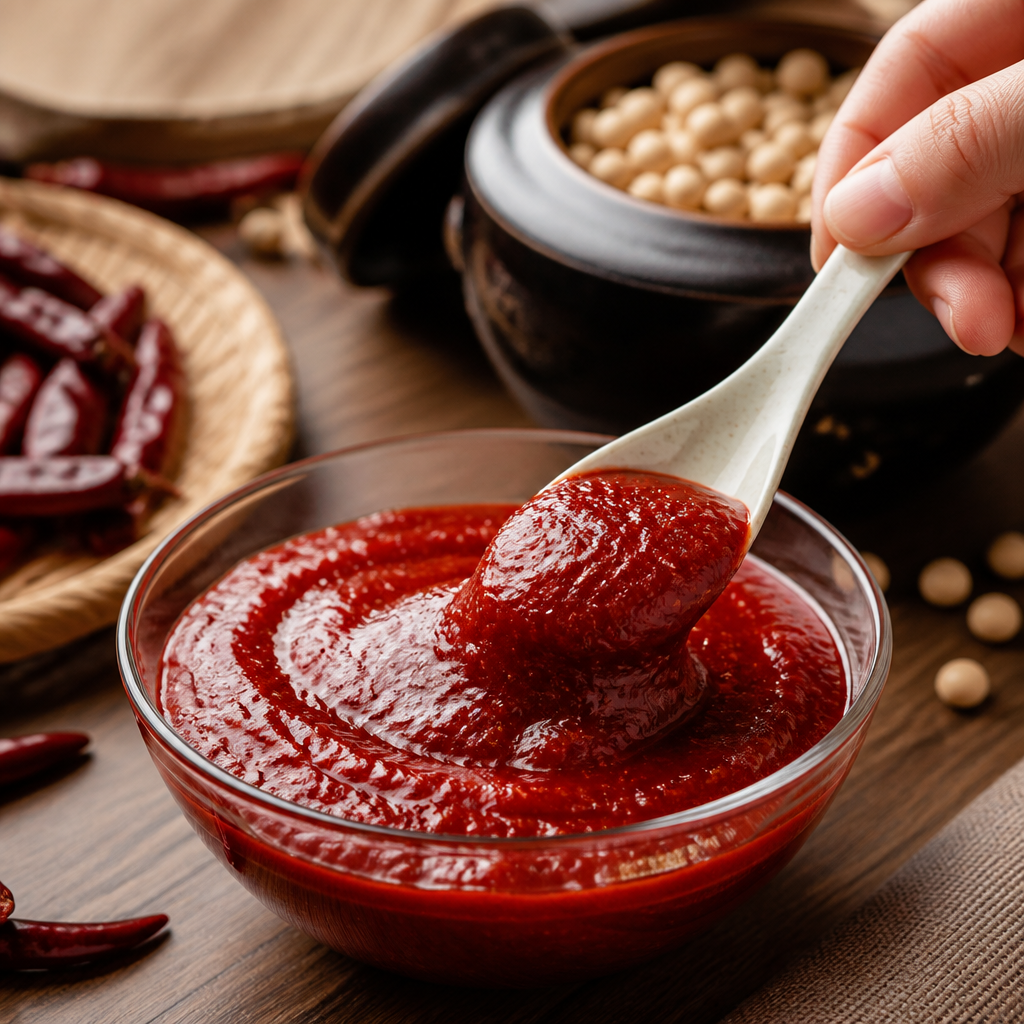
Gochujang offers a truly distinctive and complex flavor profile that sets it apart from other chili pastes. It is characterized by a harmonious blend of spicy heat, deep savory umami, subtle sweetness, and a slight tanginess, all working together to create a balanced and multi-dimensional taste experience.
The spiciness is a defining characteristic, yet it is often a moderate, gradual warmth rather than an intense, immediate burst of heat. This nuanced spiciness allows the other flavors to shine through. The profound umami depth comes from the fermented soybeans, giving gochujang a rich, meaty, and deeply satisfying savory taste. The subtle sweetness, derived from the fermented glutinous rice, is crucial for balancing the heat and savory notes, making the paste incredibly palatable.
It's the perfect balance of sweet, spicy, and funky — it's what makes Korean food so craveable. The fermentation adds this incredible depth that you can't get from fresh chilies alone.
— Chef Edward Lee, renowned Korean-American chef
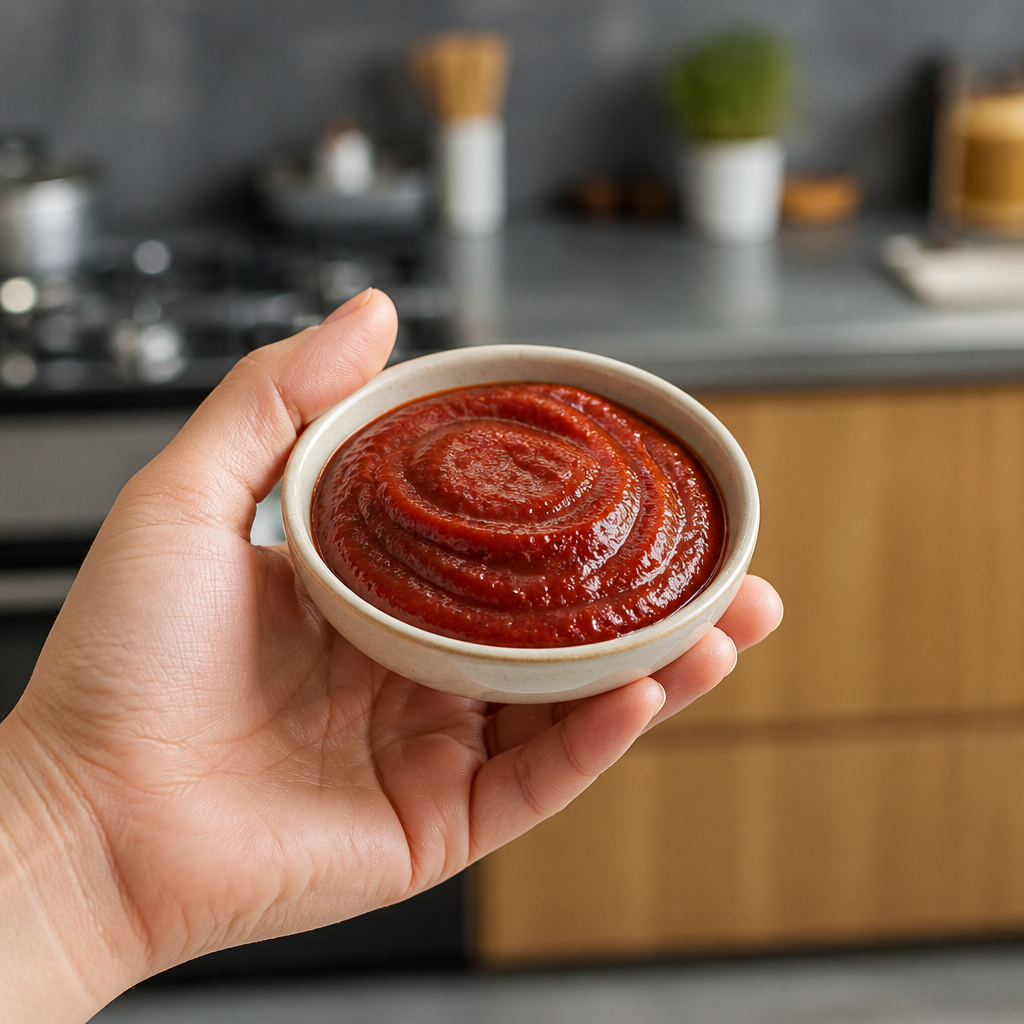
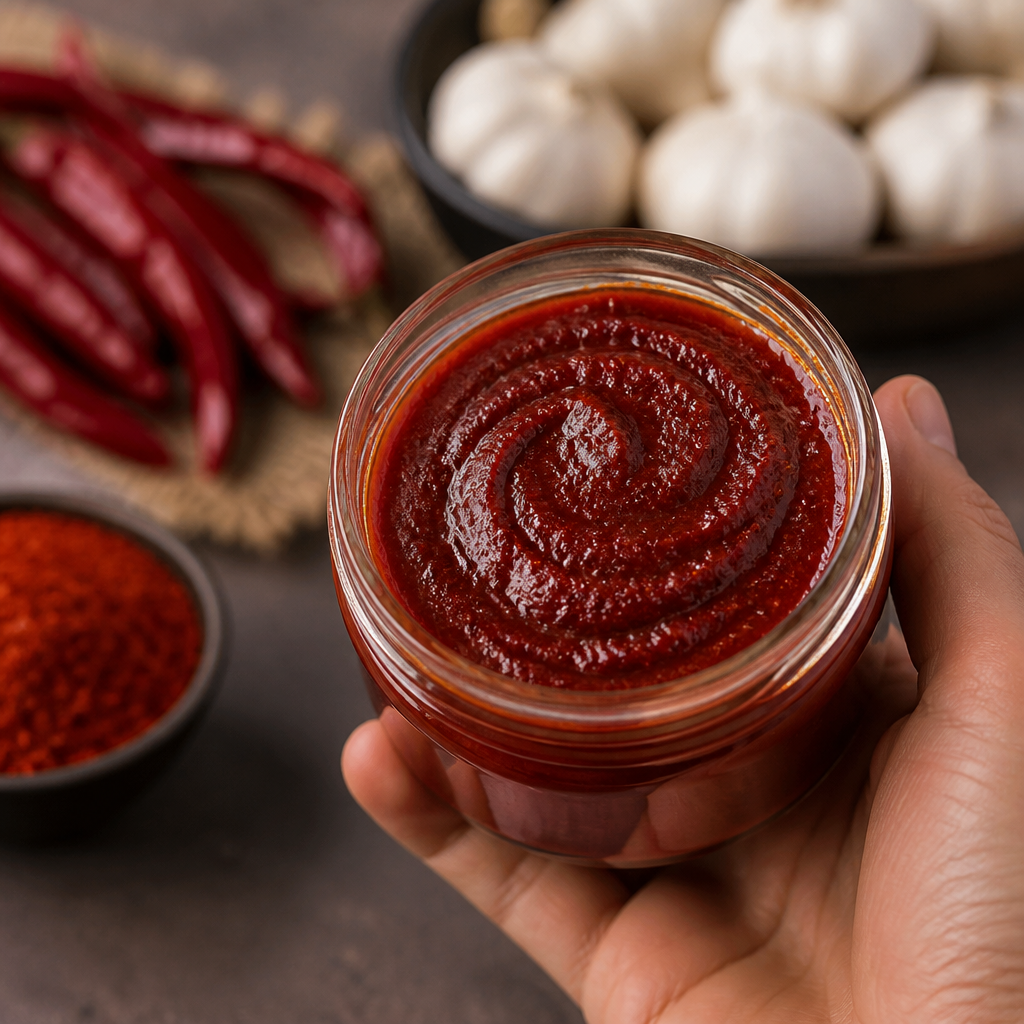
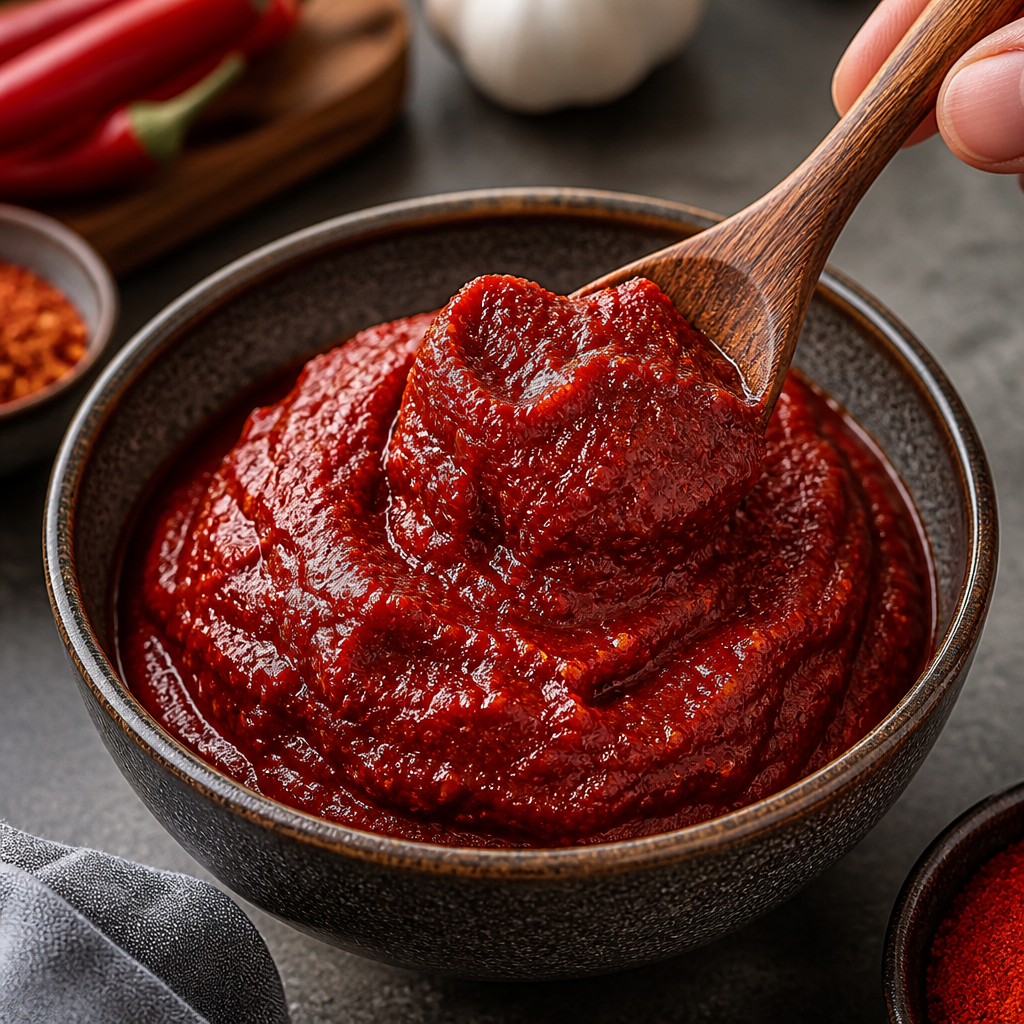
The texture also plays a huge part in the experience. Gochujang is typically thick and sticky, with a consistency similar to a concentrated tomato paste. This dense texture allows it to coat ingredients effectively, ensuring its complex flavors are savored.
What is gochujang sauce good for?
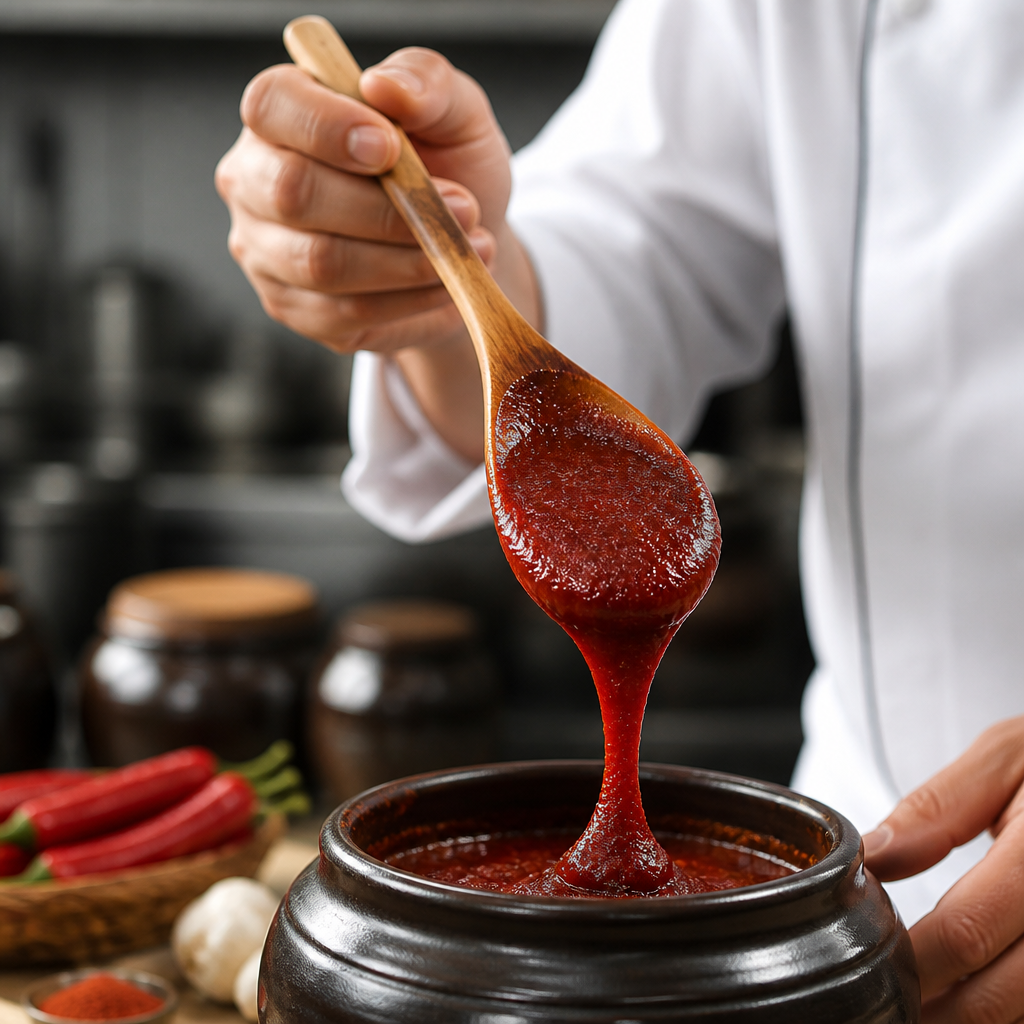
Gochujang is an incredibly versatile ingredient, prized for its ability to enhance a wide array of dishes and potentially offer certain health benefits. From a culinary perspective, it serves as an excellent base for marinades, infusing meats, tofu, and vegetables with a rich, spicy, and umami-laden flavor. It is a fundamental component in many Korean stews (jjigae) and is famously used in bibimbap, the iconic Korean mixed rice bowl.
Beyond its delicious taste, gochujang may offer several potential health benefits. The presence of capsaicin, the active compound in chili peppers, is associated with boosting metabolism. A 2019 study in the Journal of Ethnic Foods found that gochujang consumption was associated with anti-obesity effects in animal models. Furthermore, as a fermented food, traditional gochujang contains beneficial probiotics that can support gut health.
_However, it is important to consume gochujang in moderation, especially considering its sodium content._ Dr. Ji-Young Lee of Yonsei University advises that while traditional gochujang provides beneficial bacteria, consumers should be mindful of sodium and choose products with minimal added sugars for maximum health benefits.
What is gochujang sauce used for?
Gochujang sauce is a culinary chameleon, indispensable in traditional Korean cooking and increasingly embraced in global fusion cuisine. Its robust and multifaceted flavor profile makes it suitable for a vast array of applications.
In traditional Korean gastronomy, gochujang is essential in iconic dishes like bibimbap, tteokbokki (spicy rice cakes), and jjigae (stews). It is a key component in marinades for spicy pork bulgogi (jeyuk bokkeum) and is often combined with other ingredients to create ssamjang, a thick dipping sauce for grilled meats.
Beyond its traditional roles, gochujang has found a prominent place in modern fusion applications. Contemporary chefs use it to elevate tacos, burgers, and even pizza. It can be blended into pasta sauces, used to glaze chicken wings, or whisked into mayonnaise for a spicy aioli. As a marinade base, it excels at tenderizing proteins while imparting deep flavor. Its thick consistency makes it ideal for coating and clinging to food, ensuring every bite is packed with flavor.
Gochujang Sauce Comparisons and Alternatives
What is gochujang sauce vs sriracha?
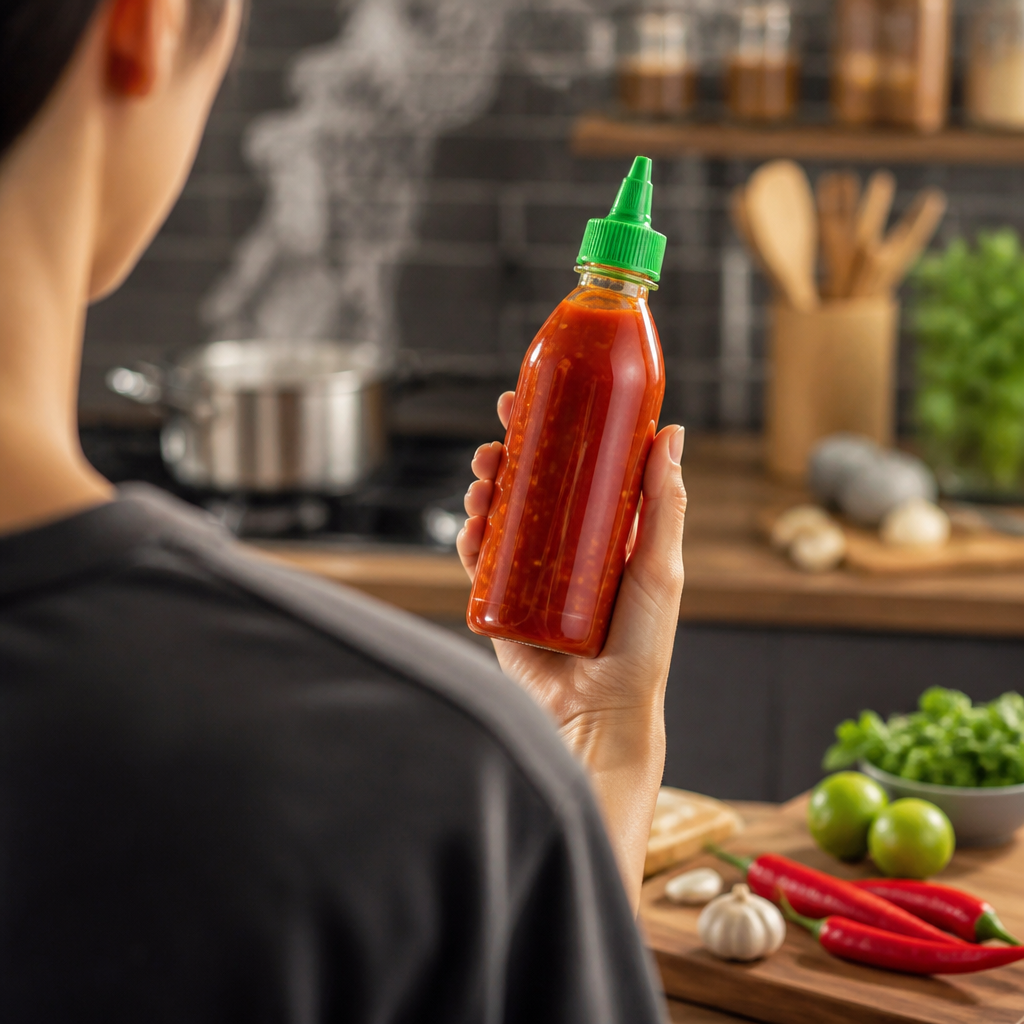
While both are popular spicy condiments, gochujang and sriracha are distinct in composition, flavor, and use. Gochujang is a thick, fermented Korean chili paste with complex umami and sweet notes. Sriracha is a thinner, tangy Thai-style hot sauce made from fresh chilies, vinegar, and garlic, which does not undergo fermentation.
| Feature | Gochujang | Sriracha |
|---|---|---|
| Origin | Korea | Thailand (by origin) |
| Texture | Thick, dense paste | Thinner, pourable sauce |
| Flavor Profile | Spicy, sweet, savory, umami (funky) | Spicy, tangy, garlicky |
| Key Process | Fermentation | No fermentation |
| Primary Use | Cooking ingredient (marinades, stews) | Finishing condiment, table sauce |
Their flavor profiles diverge significantly. Gochujang offers a sophisticated balance enriched by the deep notes of fermentation. Sriracha presents a brighter, more straightforward profile characterized by its sharp, garlicky heat and pronounced vinegar tang. The key differentiating factor remains the fermentation process: gochujang requires months of careful fermentation, while sriracha is produced quickly without it.
What is similar to gochujang sauce?
While no condiment perfectly replicates gochujang's unique profile, several alternatives share some similarities.
- Doubanjiang: This Chinese fermented broad bean paste is perhaps the closest alternative due to its fermented nature and thick consistency. However, it tends to be saltier, less sweet, and has a distinct bean flavor.
- Sambal Oelek: An Indonesian chili paste that offers a similar thick texture and clean, bright heat. It significantly lacks the fermented umami and complex sweetness of gochujang.
- Harissa: This North African chili paste has a thick consistency and comparable heat, but its flavor is distinctly Mediterranean, characterized by smoky and aromatic spices like cumin and coriander rather than fermented umami.
What is a gochujang sauce substitute?
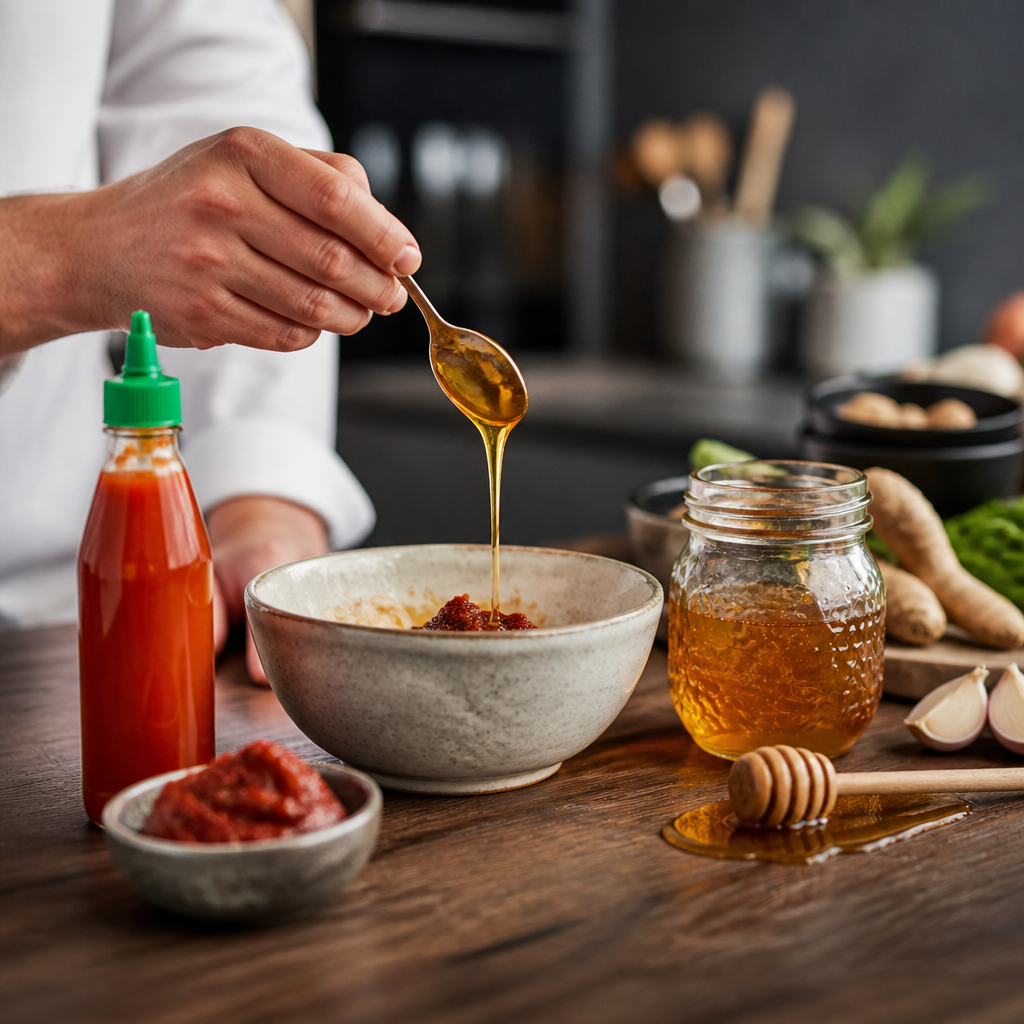
Finding a perfect substitute is challenging, but combining common pantry items can create a reasonable approximation. One of the most widely recommended and effective substitutes involves combining miso paste, sriracha, and a sweetener.
To approximate 1 tablespoon of gochujang, a good starting point is to mix 1 tablespoon of red miso paste with 1 teaspoon of sriracha and ½ teaspoon of sugar or honey. The red miso provides the crucial fermented umami and thickness, sriracha contributes the heat, and the sweetener introduces the balancing sweetness. Another viable option is to combine tomato paste with sriracha, soy sauce, and sugar, though this lacks the fermented depth. Doubanjiang can also be used, but _as it is typically saltier and less sweet than gochujang, it is often recommended to add a small amount of sugar_.
What is the best gochujang sauce?
Determining the "best" gochujang is subjective, but certain brands are consistently praised for their quality and authentic taste. Brands like Chung Jung One Sunchang Gochujang are often regarded as a gold standard, produced in a region of Korea famous for fermentation. For wider availability, CJ Haechandle Gochujang is a popular and reliable choice offering various heat levels.
When selecting gochujang, it's helpful to look for a few quality indicators:
- Simple Ingredient List: Chef Roy Choi recommends looking for products with short ingredient lists and avoiding those with corn syrup listed first.
- Origin: Products from traditional Korean regions like Sunchang are often highly regarded.
- Heat Level: Most brands offer mild, medium, and hot versions to suit different palates.
Proper storage is crucial for maintaining quality. Gochujang should be refrigerated after opening, where it can maintain its quality for 6-12 months. Ultimately, the "best" gochujang is one that aligns with your taste preferences and culinary needs.

Emily Carter is an American food lover who writes about Korean cuisine for people trying it for the first time. She covers what things taste like, how to eat them, and what to cook with them.