Can You Make Kimchi with Regular Cabbage: 7 Easy Tips
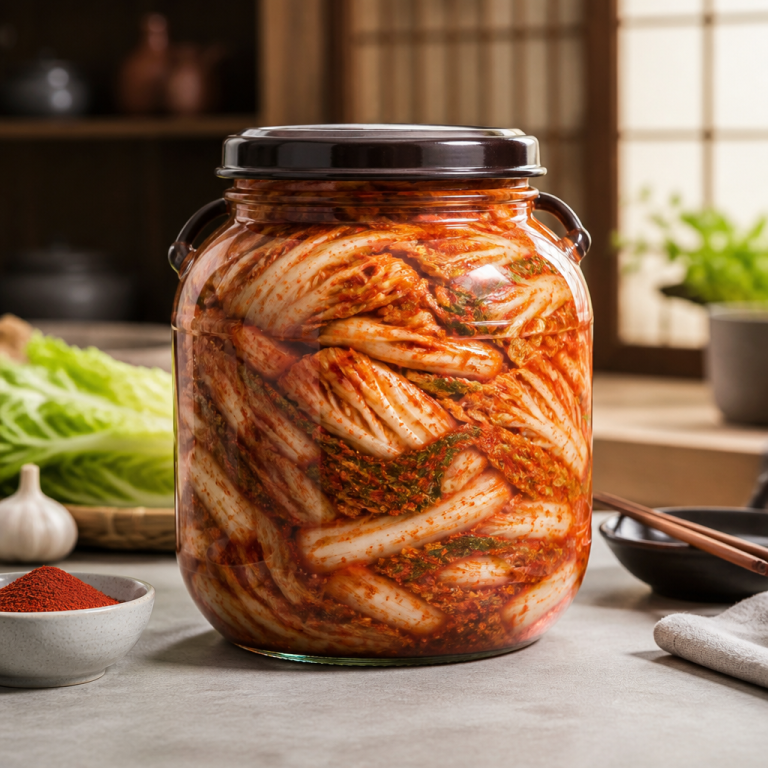
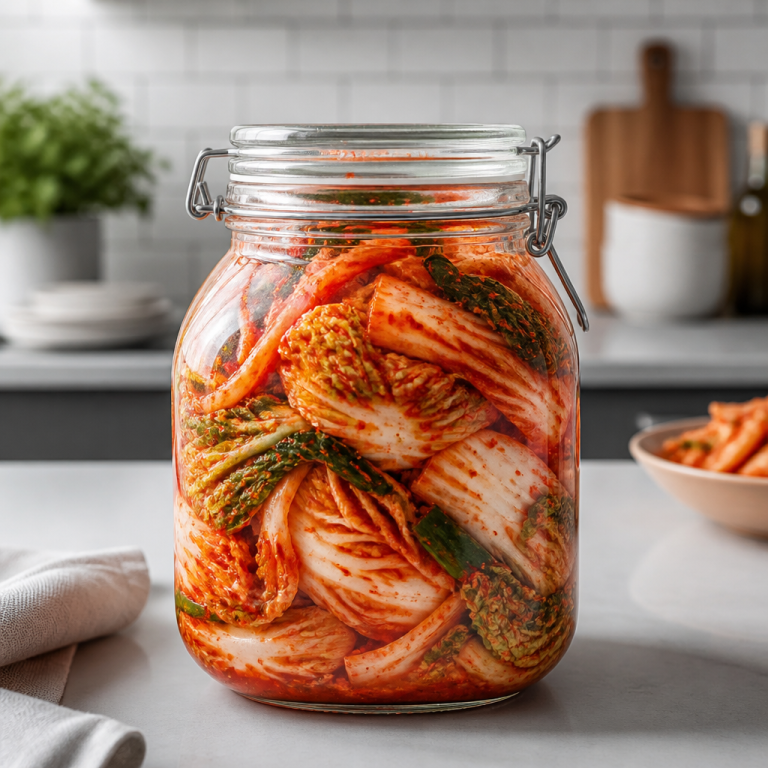
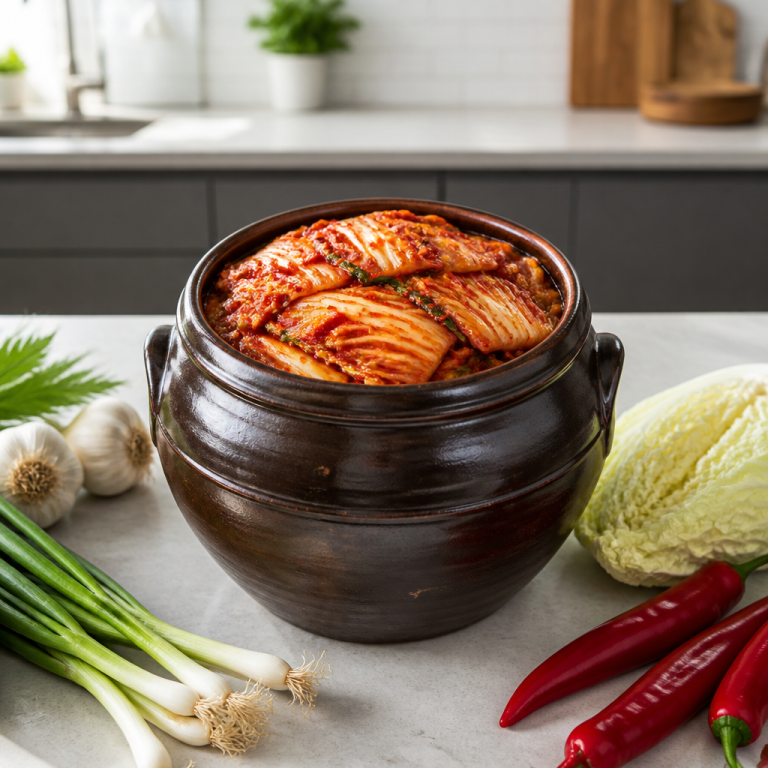
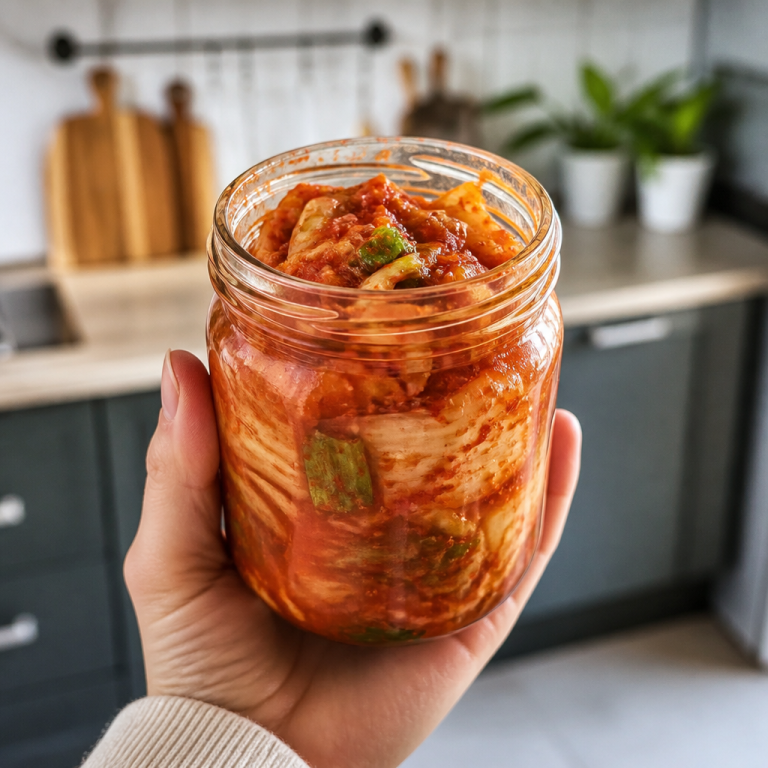
Kimchi, the iconic Korean fermented dish, is celebrated for its vibrant, spicy flavors and health benefits. While most people associate kimchi with napa cabbage, discover a delicious secret: you absolutely can make kimchi with regular green cabbage. This isn't just a substitute; it's an exciting alternative that offers its own unique crunch and a slightly different taste. The process requires a few adjustments, particularly in salting the cabbage and the fermentation time, but the effort is well worth it for a rewarding homemade kimchi experience.
Regular Cabbage vs. Napa Cabbage for Kimchi
To appreciate the differences in kimchi made with various cabbages, it's helpful to understand what makes each one distinct. Let's explore these key differences and what you can expect from each.
Regular Cabbage vs. Napa Cabbage for Kimchi
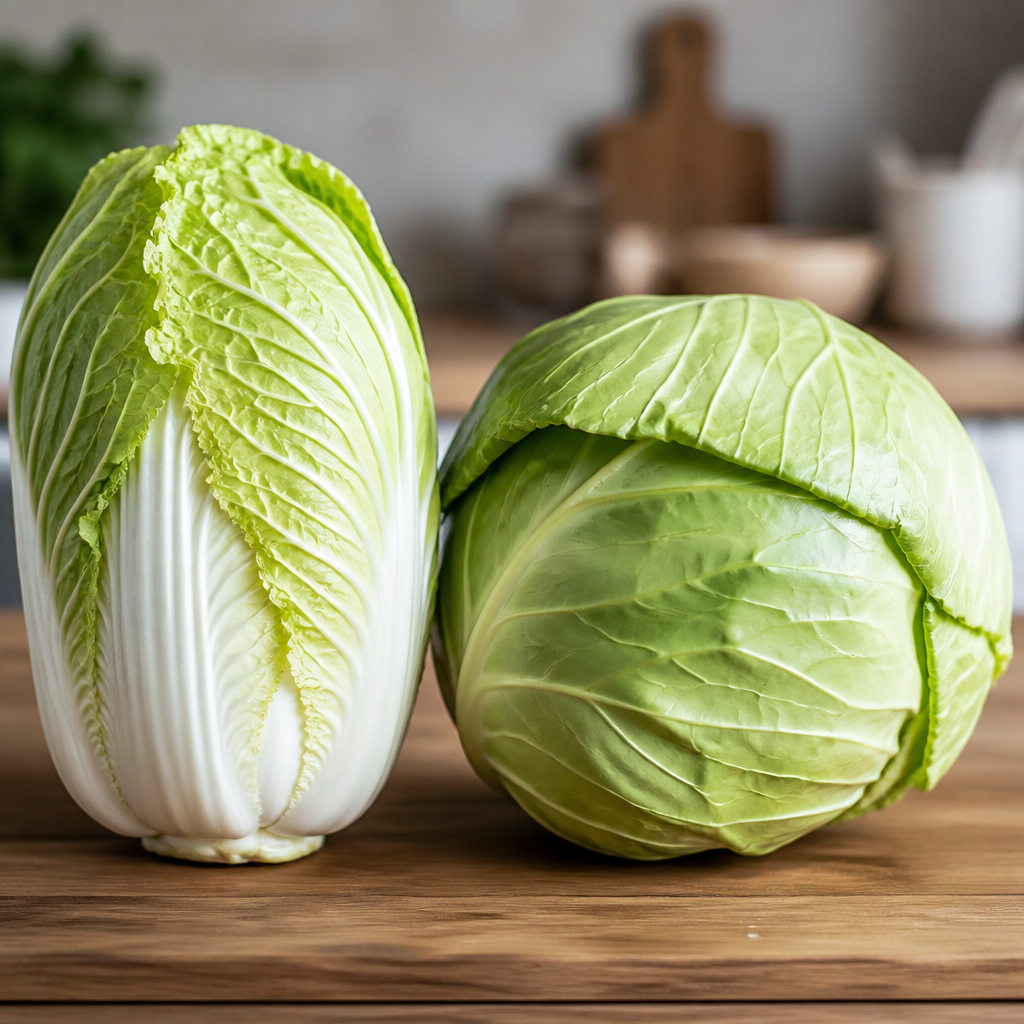
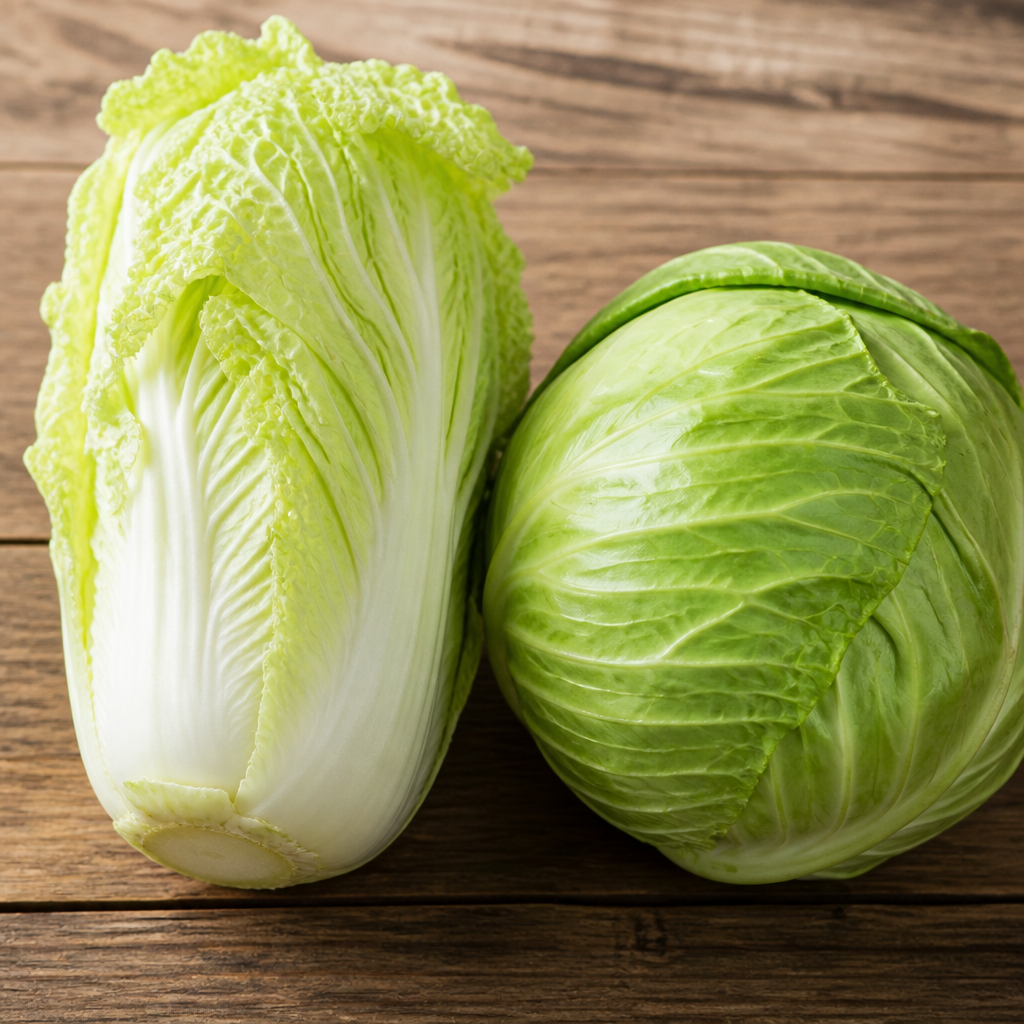
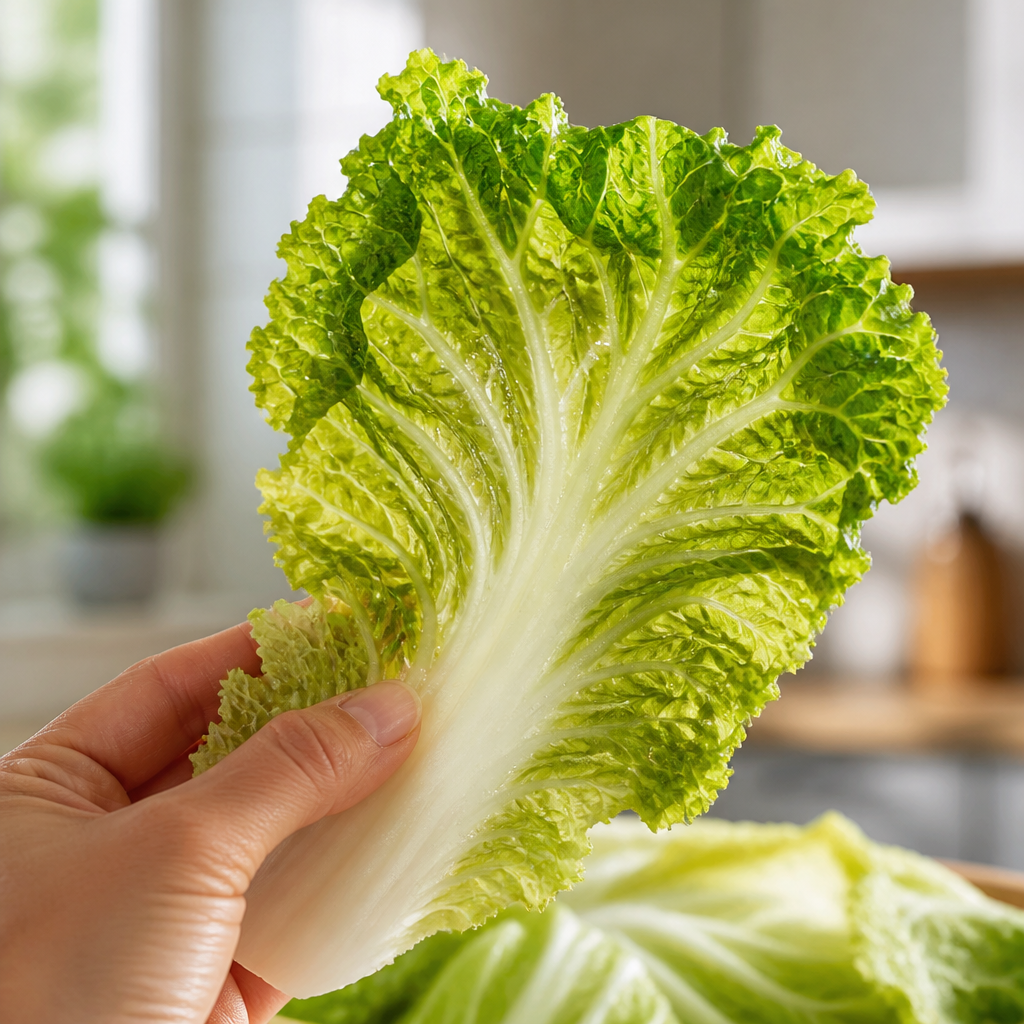
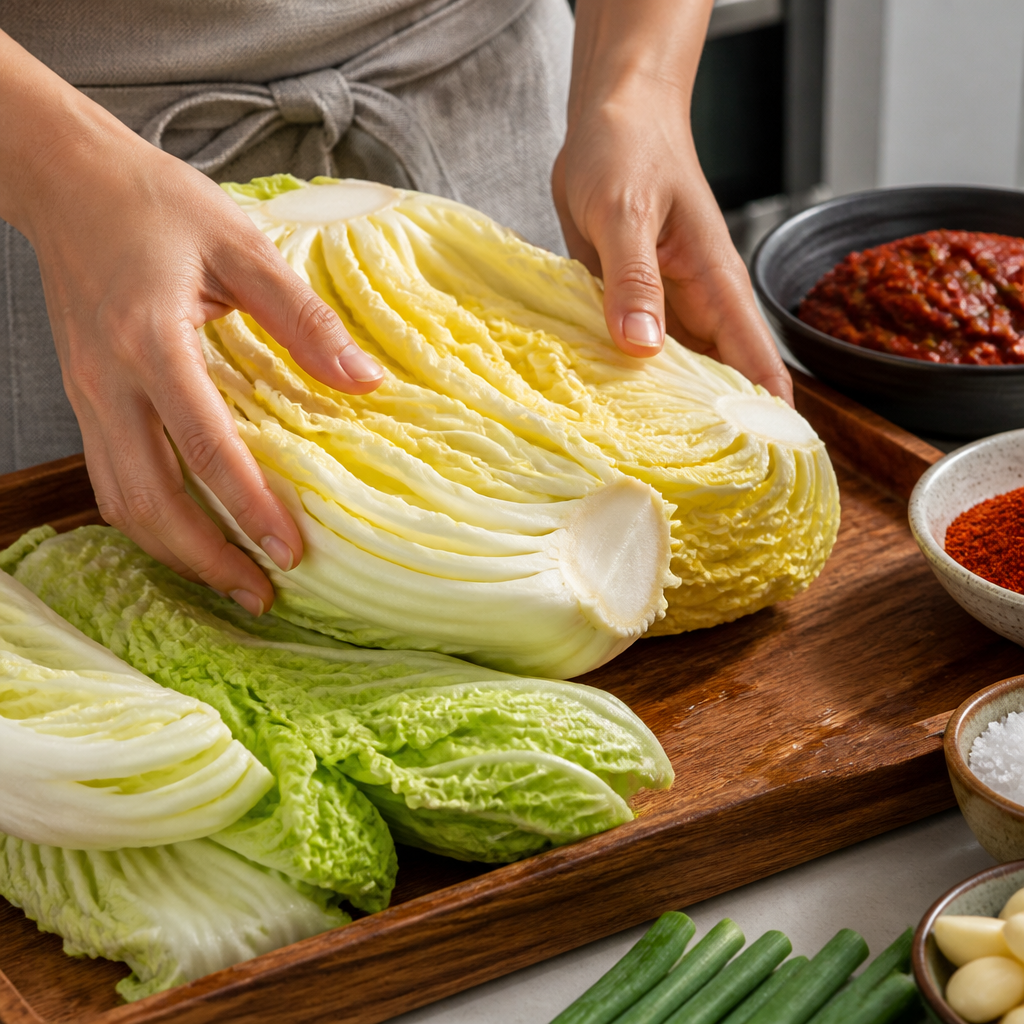
Napa cabbage is the traditional star of most kimchi recipes, featuring elongated, pale green leaves that are mild and subtly sweet. Regular green cabbage, or white cabbage, forms a dense, round head with thicker, more fibrous leaves. The textural contrast is significant, but other factors like water and sugar content also play a vital role in fermentation and the final flavor.
| Feature | Napa Cabbage | Regular (Green) Cabbage |
|---|---|---|
| Shape & Texture | Elongated, tender leaves with prominent white ribs | Round, dense, tightly packed fibrous leaves |
| Water Content | High (~95%) | Moderate (~92%) |
| Sugar Content | Lower (~2.2g per 100g) | Higher (~3.2g per 100g) |
| Flavor Profile | Mild, sweet, develops complex umami | Sharper, pungent, strong "cabbage" flavor |
| Fermented Texture | Becomes soft and tender | Stays firm and crunchy |
Consequently, green cabbage kimchi typically maintains a firmer, crunchier texture even after extended fermentation. As fermentation expert Sandor Ellix Katz notes:
…green cabbage kimchi isn't just a direct swap for traditional kimchi; it's more like a "cousin," offering a similar, yet distinctly delicious, experience.
What is the Best Cabbage Substitute for Kimchi?
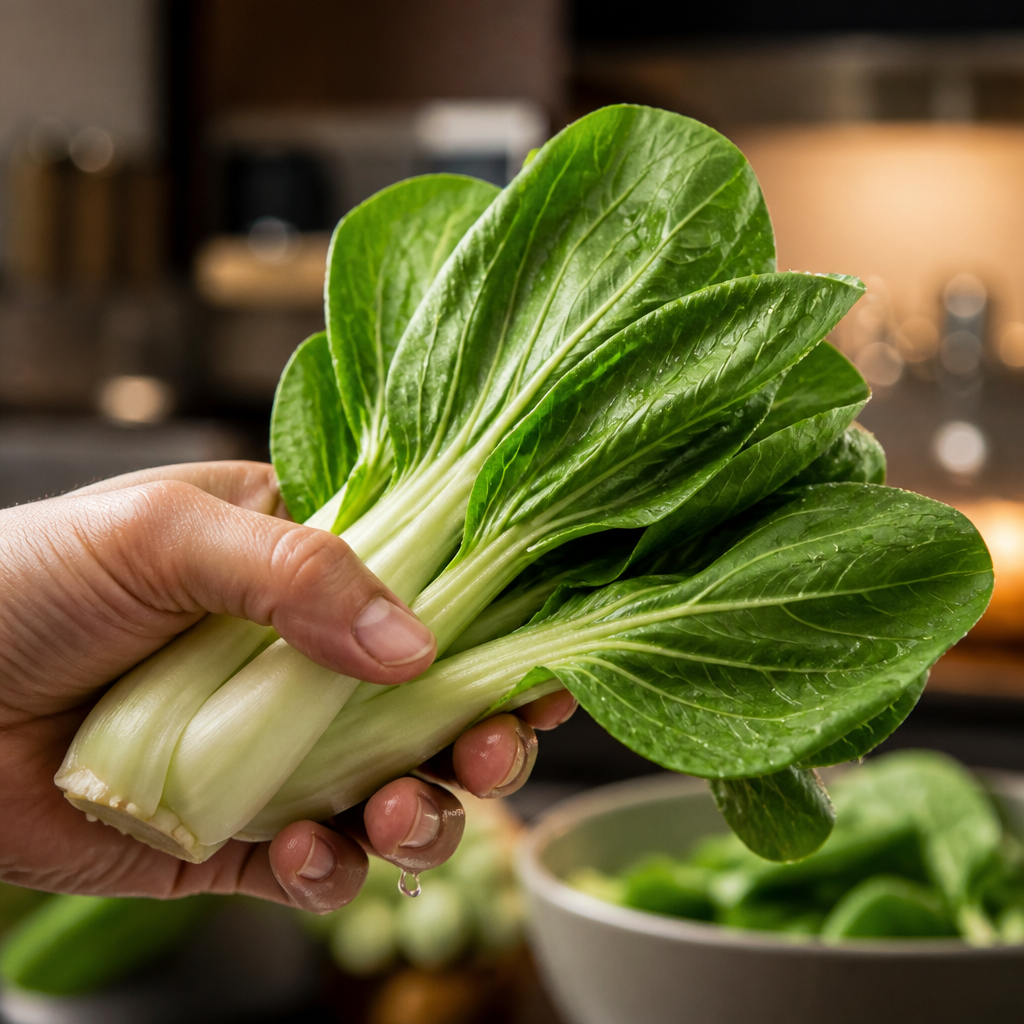
If napa cabbage is unavailable, don't fret! Many vegetables can step in, each bringing its own unique character. Bok choy is an excellent alternative, closely mirroring napa cabbage with its high water content and tender leaves. Savoy cabbage is another fine choice; its crinkled, tender leaves provide a pleasing texture.
But you don't have to limit yourself to cabbage. Other vegetables can also be transformed into delicious kimchi:
- Brussels sprouts: Quartered, these mini cabbages yield a denser, nuttier kimchi.
- Daikon radish (mu): A traditional staple used for kkakdugi, a popular kimchi made from cubed radishes.
- Leafy greens: Mustard greens, collard greens, and kale can also be used. _These greens may benefit from a brief blanching to soften them and temper any strong bitterness._
The adaptability of kimchi is one of its greatest strengths, with over 200 varieties in Korea. You simply need to adjust the salting time based on the vegetable's density and water content.
Does Regular Cabbage Kimchi Taste Different?
Yes, absolutely. The flavor profile is distinctly different from its traditional napa cabbage counterpart. A primary reason for this taste difference lies in compounds called glucosinolates, which are much more concentrated in green cabbage. During fermentation, these compounds intensify, lending the kimchi a sharper, more sulfurous, and pungent taste.
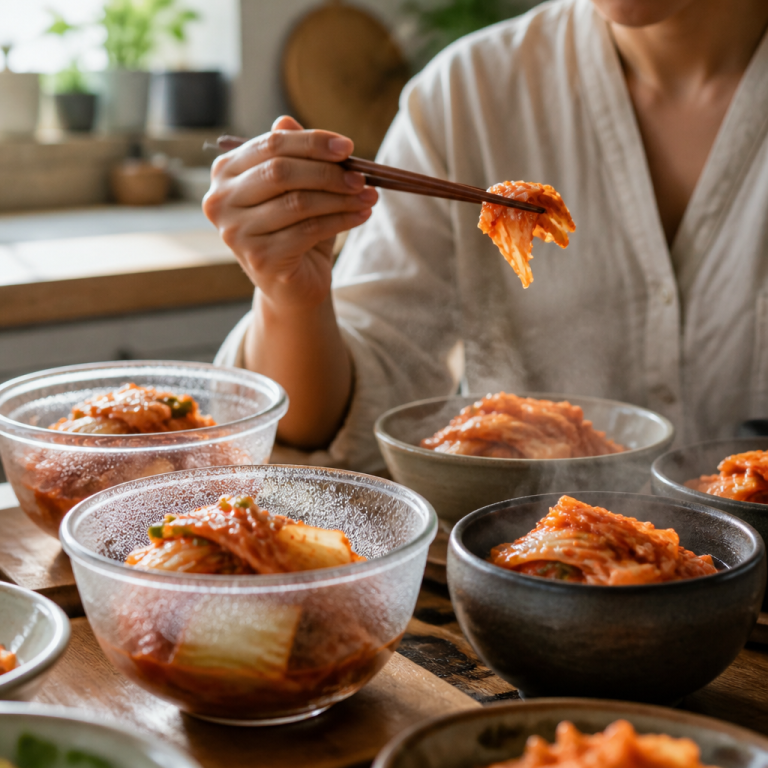
Texturally, this version of kimchi holds its crunch far longer, offering more resistance and a less tender chew. It often requires a bit more time to develop sourness, but when it does, it can become quite intense. The seasonings may also sit more on the surface rather than fully penetrating the denser cabbage leaves. However, many fermentation enthusiasts genuinely appreciate regular cabbage kimchi for its hearty crunch and bold, assertive flavor, which performs wonderfully in cooked dishes like kimchi jjigae (stew) or kimchi fried rice.
How to Make Kimchi with Regular Cabbage
Crafting kimchi with regular cabbage is a rewarding process, but it involves specific preparation steps and slight adjustments to the fermentation timeline to achieve the best results.
How to Prepare Regular Cabbage for Kimchi
Getting your cabbage ready is a critical step. First, remove any damaged outer leaves, quarter the cabbage, and slice out the tough white core. Unlike napa cabbage, it's best to cut regular cabbage into smaller, 1 to 1.5-inch square pieces to help the brine penetrate the denser leaves.
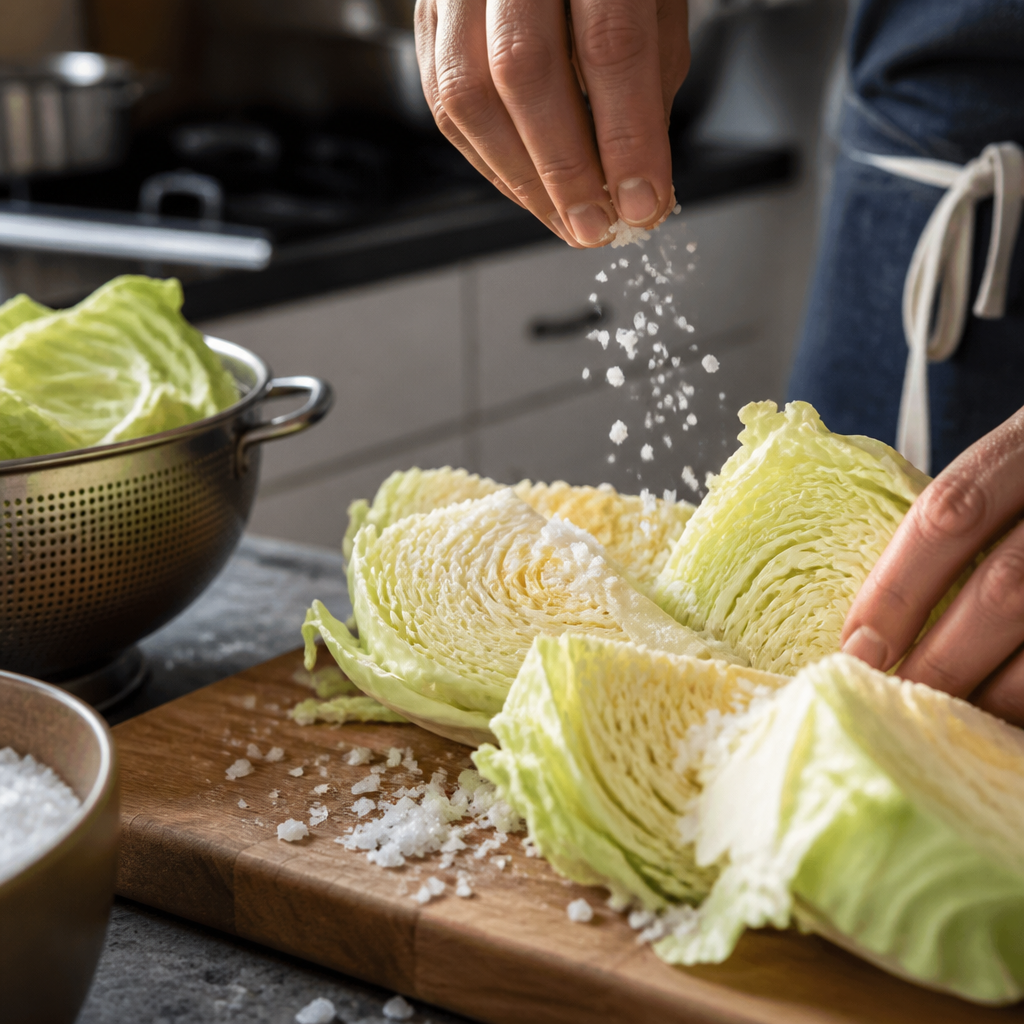
Salting is the most crucial part of the preparation. You can use a brine solution (1/4 cup coarse sea salt per 4 cups water) for 4-6 hours or dry salt with 2-3 tablespoons of coarse salt for 5-6 hours. Regular cabbage is tougher than napa cabbage, so it generally requires a 50-100% longer salting time. You'll know it's ready when the pieces are flexible and bend easily without snapping. After salting, rinse the cabbage 2-3 times in cold water to remove excess salt. Finally, drain it thoroughly in a colander for 30-60 minutes. Removing excess water after rinsing is important to prevent a watery final product.
How to Make Kimchi with Regular Cabbage Step-by-Step
Ready to create some delicious regular cabbage kimchi? This recipe is for one medium green cabbage (about 2-2.5 lbs) and yields approximately one quart.
Recipe Ingredients:
- 1 medium green cabbage (2-2.5 lbs)
- 1/4 cup coarse sea salt
- 1/2 cup gochugaru (Korean red pepper flakes)
- 6 cloves garlic, minced
- 1 tbsp fresh ginger, minced
- 1/4 cup fish sauce
- 2 tbsp saeujeot (salted shrimp), optional
- 1 tbsp sugar
- 1 medium daikon radish, julienned
- 4 scallions, chopped into 1-inch pieces
Instructions:
- Salt the Cabbage: Cut the cabbage into 1.5-inch pieces. Create a brine by dissolving 1/4 cup of salt in 4 cups of water. Submerge the cabbage and let it sit for 5-6 hours, turning it occasionally.
- Rinse and Drain: Drain the salty water. Rinse the cabbage thoroughly 3 times under cold running water. Let it drain in a colander for 45-60 minutes until well-drained but still slightly damp.
- Prepare the Kimchi Paste: In a blender, combine the gochugaru, garlic, ginger, fish sauce, saeujeot (if using), and sugar. Blend until you have a smooth, vibrant red paste.
- Add Fresh Vegetables: In a large mixing bowl, combine the drained cabbage, julienned daikon radish, and chopped scallions.
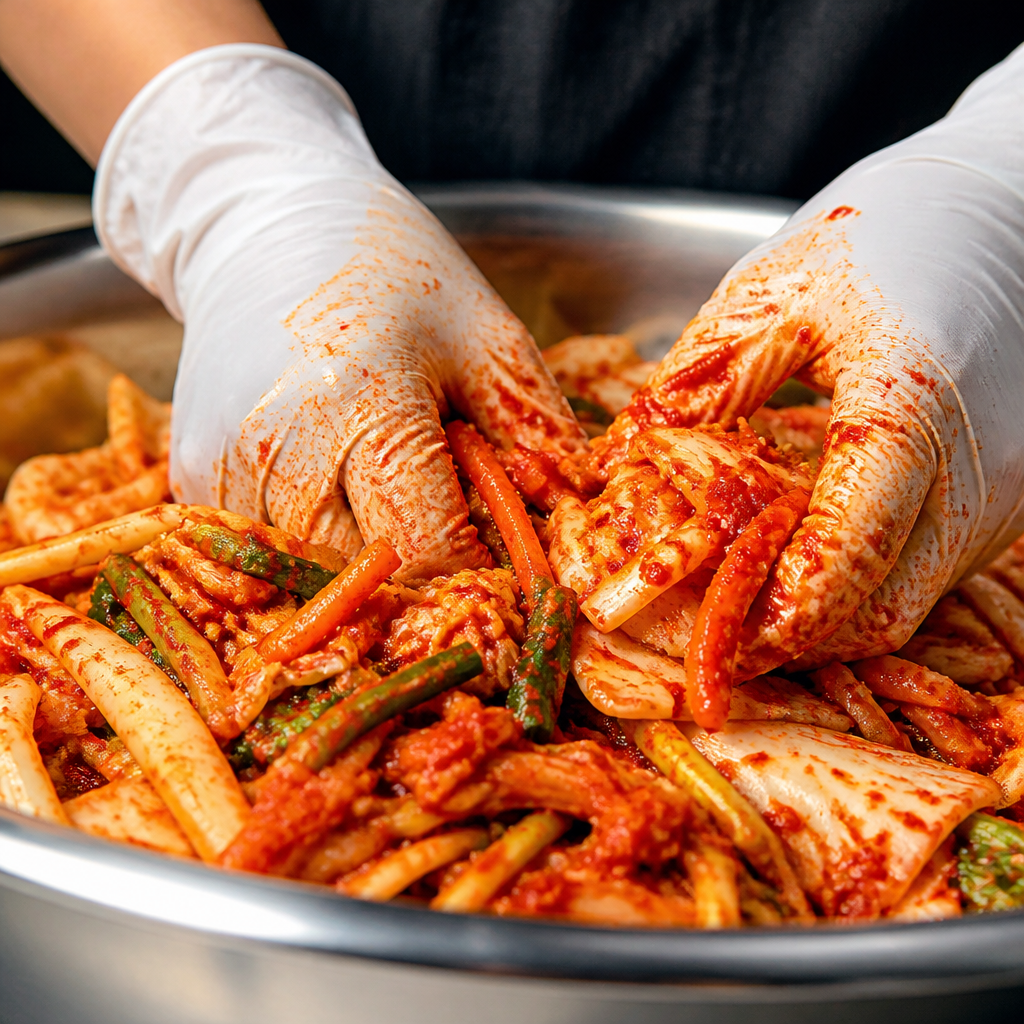
- Season the Kimchi: Wearing gloves, pour the kimchi paste over the cabbage mixture. Thoroughly massage the paste into every piece of cabbage and radish until everything is evenly coated.
- Pack the Kimchi: Tightly press the seasoned kimchi into a clean glass jar, eliminating air pockets. Ensure the vegetables are submerged in their own liquid.
- Ferment: Leave about 1-2 inches of headspace at the top of the jar and seal it loosely. Let it ferment at room temperature (65-75°F or 18-24°C) for 5-7 days. _It is critical to open the jar daily to release built-up gases, preventing pressure from building up._
- Store: Once the kimchi reaches your preferred sourness, transfer it to the refrigerator. The cold will slow the fermentation process. Properly fermented regular cabbage kimchi can keep in the fridge for 3-6 months.
Tips for Making Kimchi with Green Cabbage
To ensure a fantastic batch, keep a few key tips in mind. Because green cabbage leaves are denser, cutting them into smaller, 1-inch squares is essential for both even salting and ease of eating. Don't rush the salting step; the leaves must be properly wilted and bend without snapping, which often takes a minimum of 5 hours. To help the paste adhere to the somewhat waxy leaves, consider making it slightly wetter with an extra tablespoon or two of water or fish sauce. When mixing, spend a solid 5-7 minutes massaging the paste into the cabbage to work the seasonings into the thick leaf structure.
Aim for a consistent room temperature between 68-72°F (20-22°C) for the best fermentation. Since green cabbage can float, use a fermentation weight or a small jar to keep the pieces submerged in their brine. Finally, practice patience. A full 6-8 days of initial fermentation allows the denser cabbage to break down and develop its full spectrum of tangy flavors. For an extra umami boost, Michelin-starred chef Hooni Kim offers a wonderful suggestion:
Add a tablespoon of miso paste (fermented soybean paste) or doenjang (Korean soybean paste) to your green cabbage kimchi.
If the kimchi tastes too sulfurous initially, refrigerating it for an additional 2-3 weeks will often mellow the sharper notes into a more harmonious flavor.

Emily Carter is an American food lover who writes about Korean cuisine for people trying it for the first time. She covers what things taste like, how to eat them, and what to cook with them.