how to use gochujang: 5 Delicious Ways to Transform Meals
Gochujang, a staple in Korean cuisine, offers a flavor profile that’s both unique and incredibly versatile. Its complex blend of sweet, savory, and spicy notes, developed through a traditional fermentation process, can transform everyday dishes. Whether you’re new to exploring global flavors or looking to enhance your cooking repertoire, understanding this condiment will unlock new possibilities. This guide will help you discover what gochujang is, how to store it, and practical ways to incorporate it into both traditional Korean dishes and your favorite Western meals.
Understanding Gochujang
Before diving into recipes, it’s helpful to understand this key Korean ingredient. Gochujang is more than just a spicy paste; it’s a foundational element in Korean cooking, prized for its deep flavor and adaptability. Knowing its origins, composition, and storage needs will help you appreciate its unique qualities.
What is Gochujang?
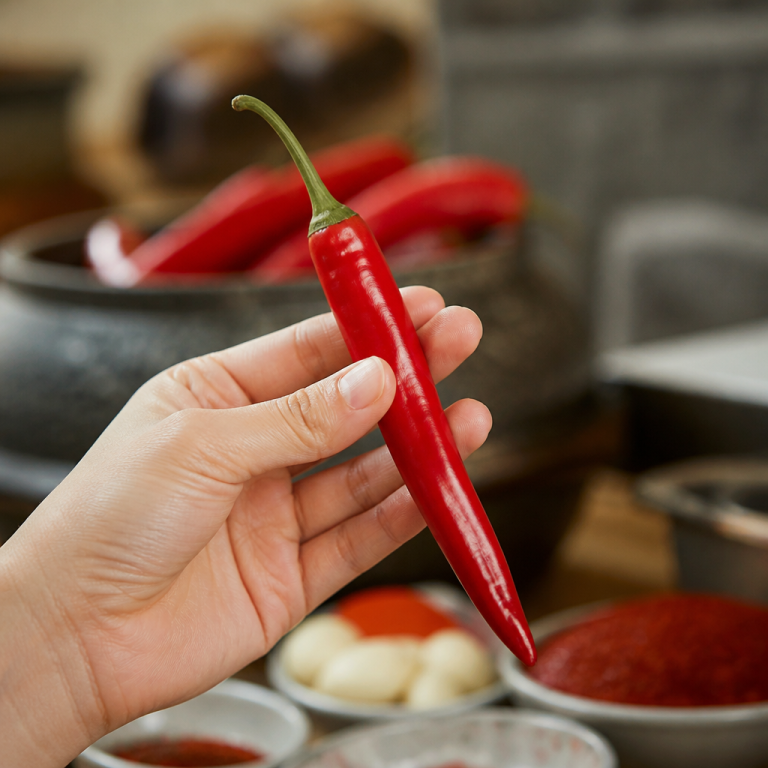
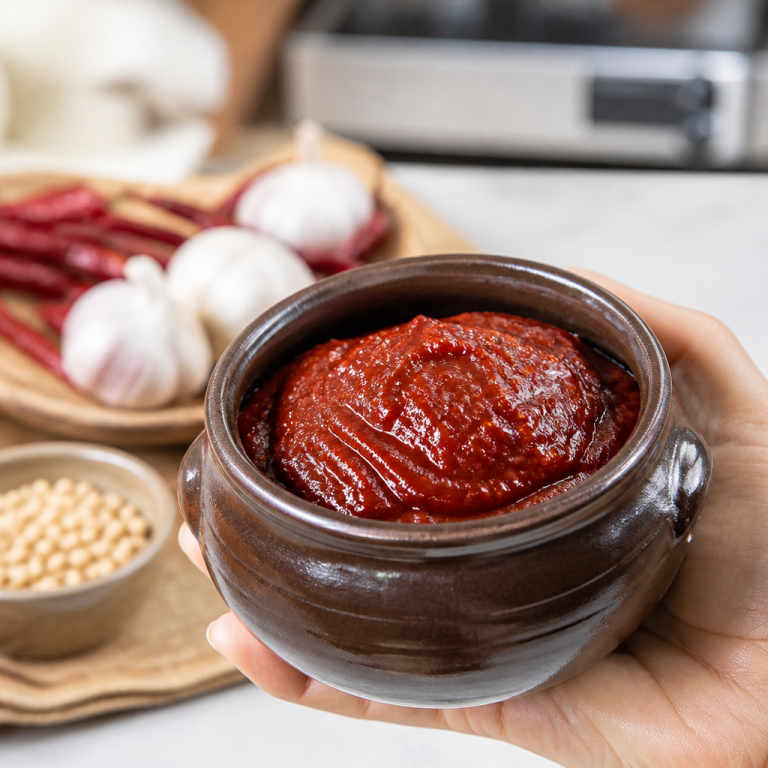
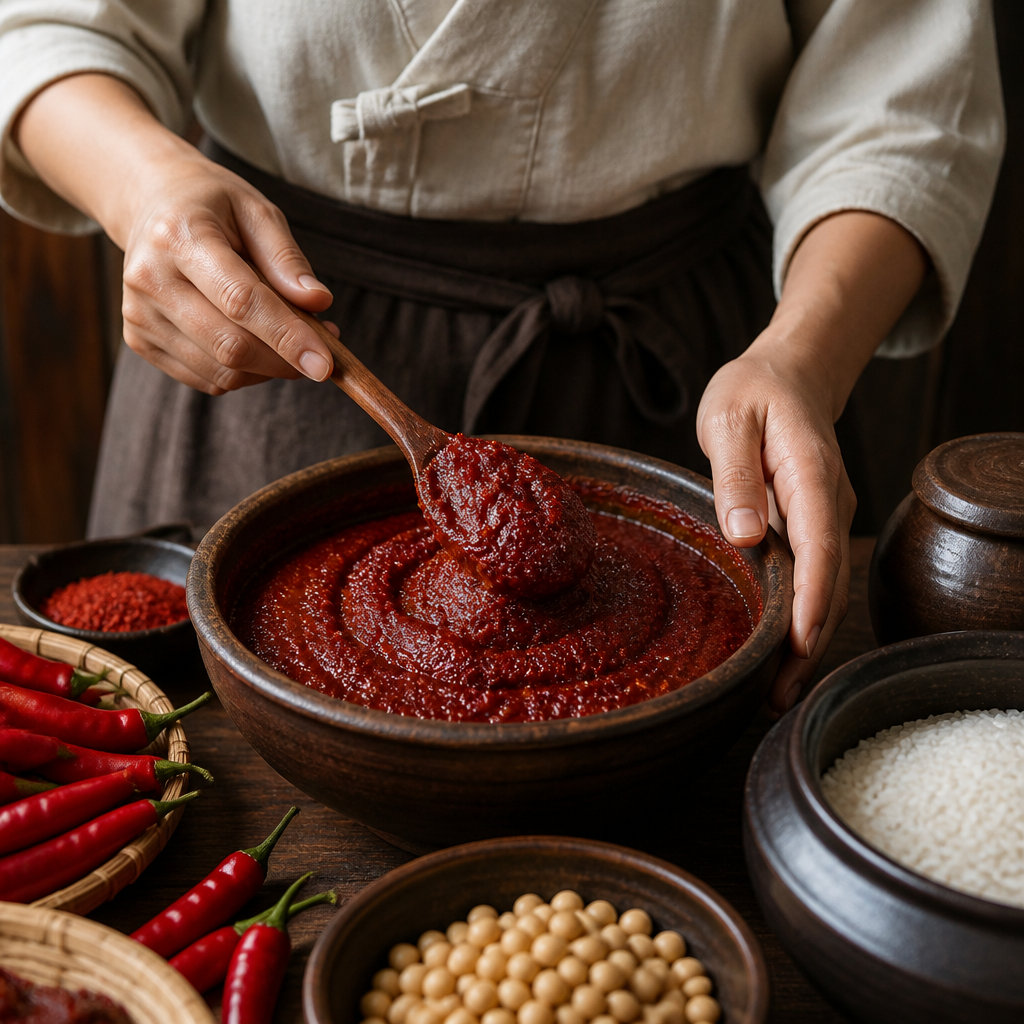
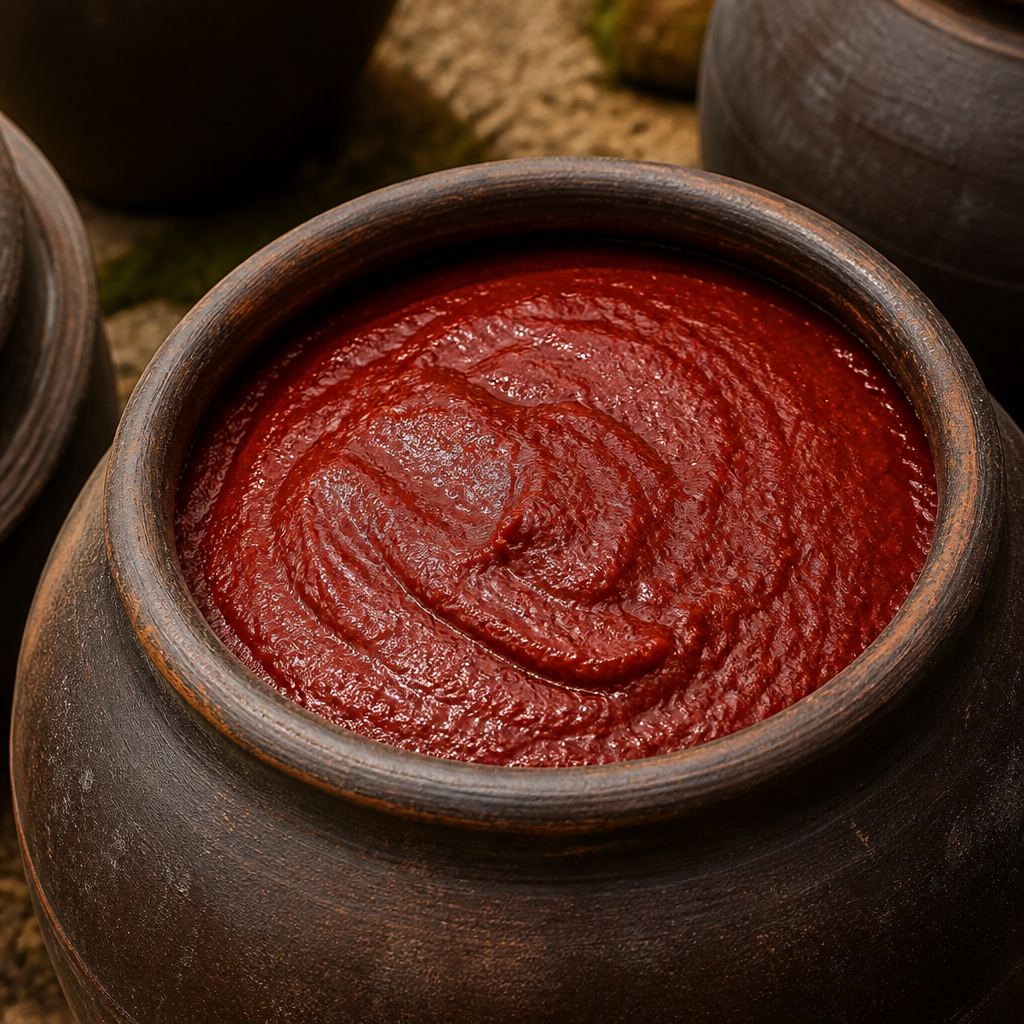
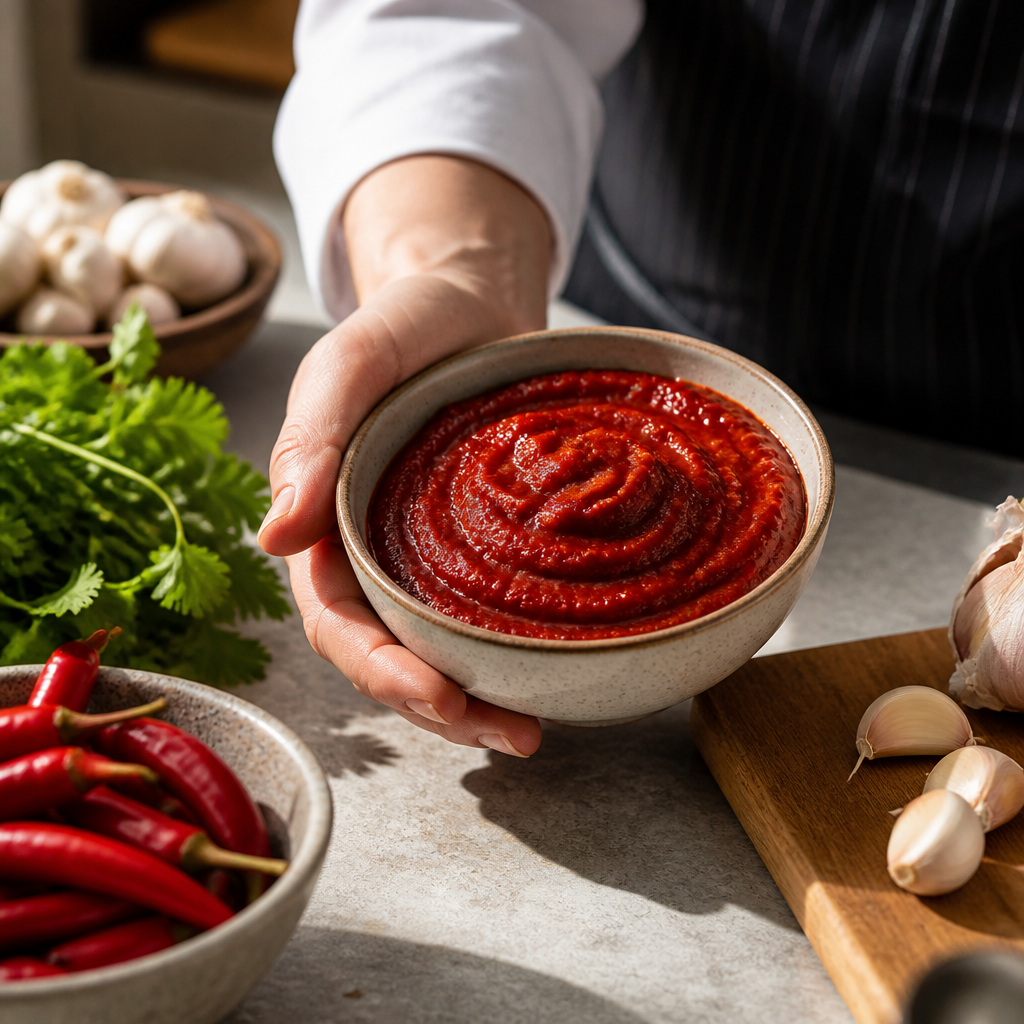
Gochujang is a traditional Korean fermented red chili paste, a staple enjoyed for centuries. Its rich flavor comes from a lengthy fermentation process. The paste is made from gochugaru (Korean red chili powder), glutinous rice (which adds sweetness and texture), fermented soybeans (often as meju powder), and salt. Traditionally, this mixture ferments in large earthenware pots called onggi for months or even years. This extended fermentation is crucial for developing its signature complex umami flavors. Specific microorganisms contribute to a unique combination of sweet, spicy, savory, and slightly earthy notes that define the paste. This patient fermentation process sets it apart from other chili pastes.
Chili peppers were introduced to Korea from the Americas in the 16th century, and the spicy paste quickly became vital in everyday cooking, with households traditionally making it in the spring for year-round use. Today, it remains fundamental for its flavor and nutritional value. A single tablespoon (about 17 grams) contains around 37 calories, 8.4 grams of carbohydrates, and 0.8 grams of protein.
Gochujang typically offers a moderate heat, ranging from 1,500 to 8,000 Scoville Heat Units (SHU), comparable to sriracha (2,200-5,000 SHU) and sambal oelek (1,000-5,000 SHU). Its heat is often balanced by natural sweetness, making it accessible to many palates. Modern brands offer various spice levels and sweetness, catering to diverse preferences. Standardized versions from major Korean brands are categorized by the Gochujang Hot-taste Standard (GHS) into five intensity levels: mild, slightly mild, medium, slightly hot, and very hot.
Gochujang Substitutes
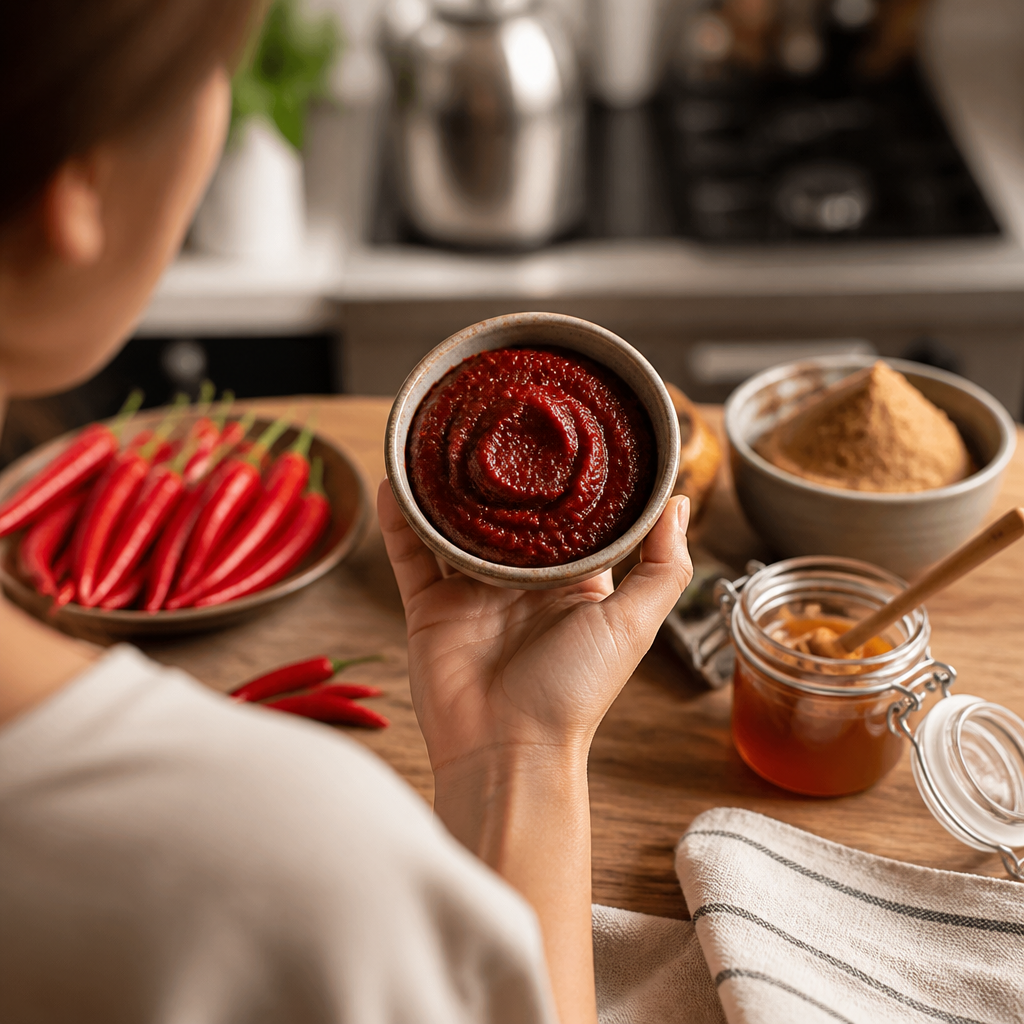
While its flavor is distinctive, substitutes can be used when gochujang is unavailable. These alternatives aim to mimic its sweet, spicy, savory, and fermented characteristics. _However, no single substitute can perfectly replicate the complex fermentation notes and specific chili flavor of the authentic paste._
| Substitute Combination | Ratio Suggestion | Flavor Profile Notes |
|---|---|---|
| Miso Paste + Sriracha + Sweetener | 1 part miso, 1 part sriracha, sweetener to taste | Provides umami and heat, but lacks the specific fermented soybean taste. |
| Doenjang + Gochugaru + Sugar | To taste | Closer flavor if gochugaru is available, offers authentic Korean fermented notes. |
| Thai Chili Paste (Nam Prik Pao) | Use as a 1:1 replacement | Good sweet-spicy balance, but a different chili flavor profile. |
| Harissa + Honey | To taste | Offers good heat and sweetness, but the spice profile is distinctly North African. |
Culinary experts emphasize that authentic gochujang is irreplaceable.
Chef Sohui Kim notes that while substitutes can approximate the flavor, they can’t fully replicate the complex fermentation notes developed over months. For authentic Korean dishes, using the real thing is strongly recommended.
How Should You Store Gochujang?
Proper storage is key to maintaining gochujang’s quality and flavor. As a fermented product, it has a long shelf life, but storage methods significantly impact its freshness.
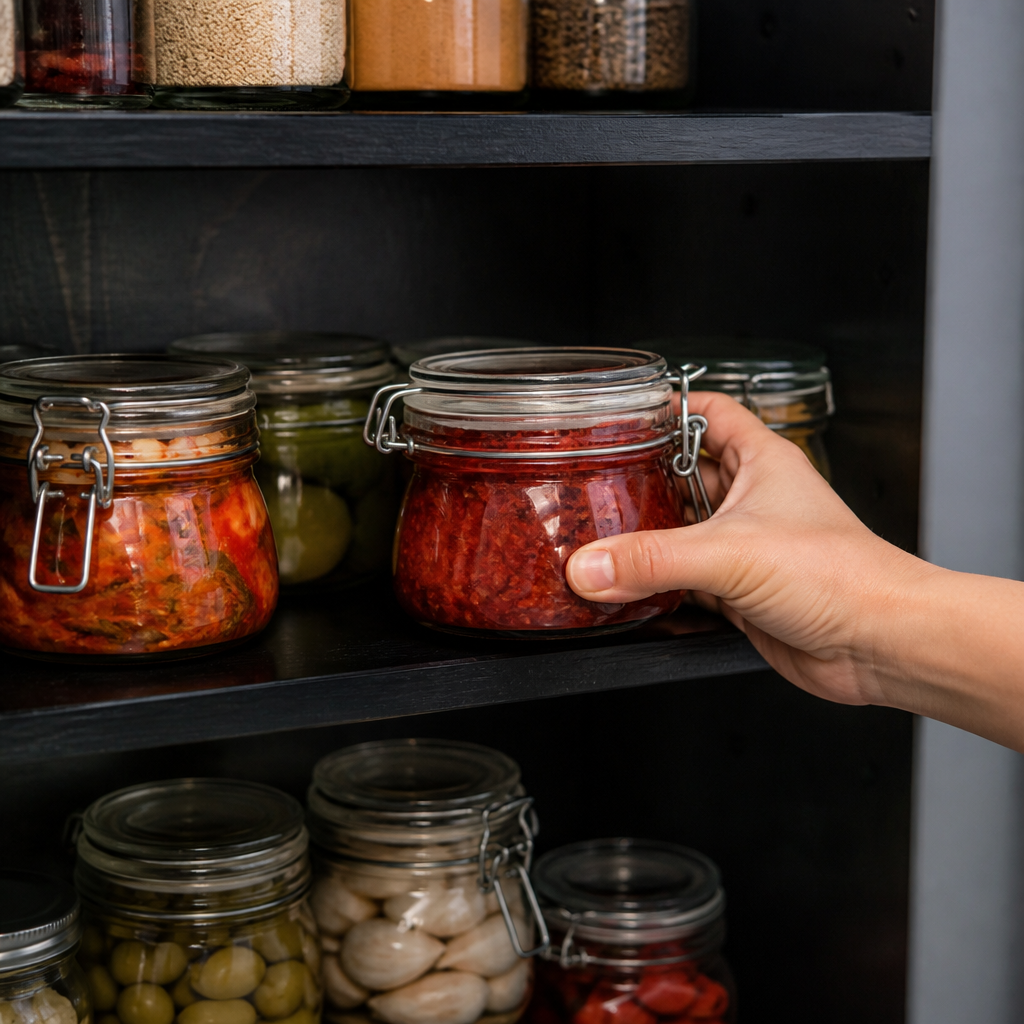
Unopened containers of the paste should be kept in a cool, dark place, like a pantry. In these conditions, it can typically last for 2-3 years. Its high salt content (5-8%) and natural fermentation process act as preservatives.
Once opened, gochujang needs refrigeration. Store it in an airtight container in the refrigerator for 1-2 years. Transferring it from its original packaging to a glass or food-safe plastic container with a tight-fitting lid helps prevent spoilage from air and moisture. _Avoid metal containers, as the paste’s acidity could react with the metal._
For longer storage, freezing is an option. It can be frozen in ice cube trays or small containers for up to 3 years without significant flavor loss. This is useful for having small, ready-to-use portions available.
Watch for signs of spoilage, such as mold (white, green, or black spots), an unpleasant sour smell, or a noticeable darkening of its color to a brownish shade. A thin layer of liquid separating on the surface is normal and can be stirred back into the paste before use.
How to Use Gochujang in Cooking
Gochujang adds depth and excitement to a wide range of dishes, from traditional Korean meals to Western favorites. It can be used directly as a paste or incorporated into sauces, marinades, soups, and stews.
How to use gochujang paste
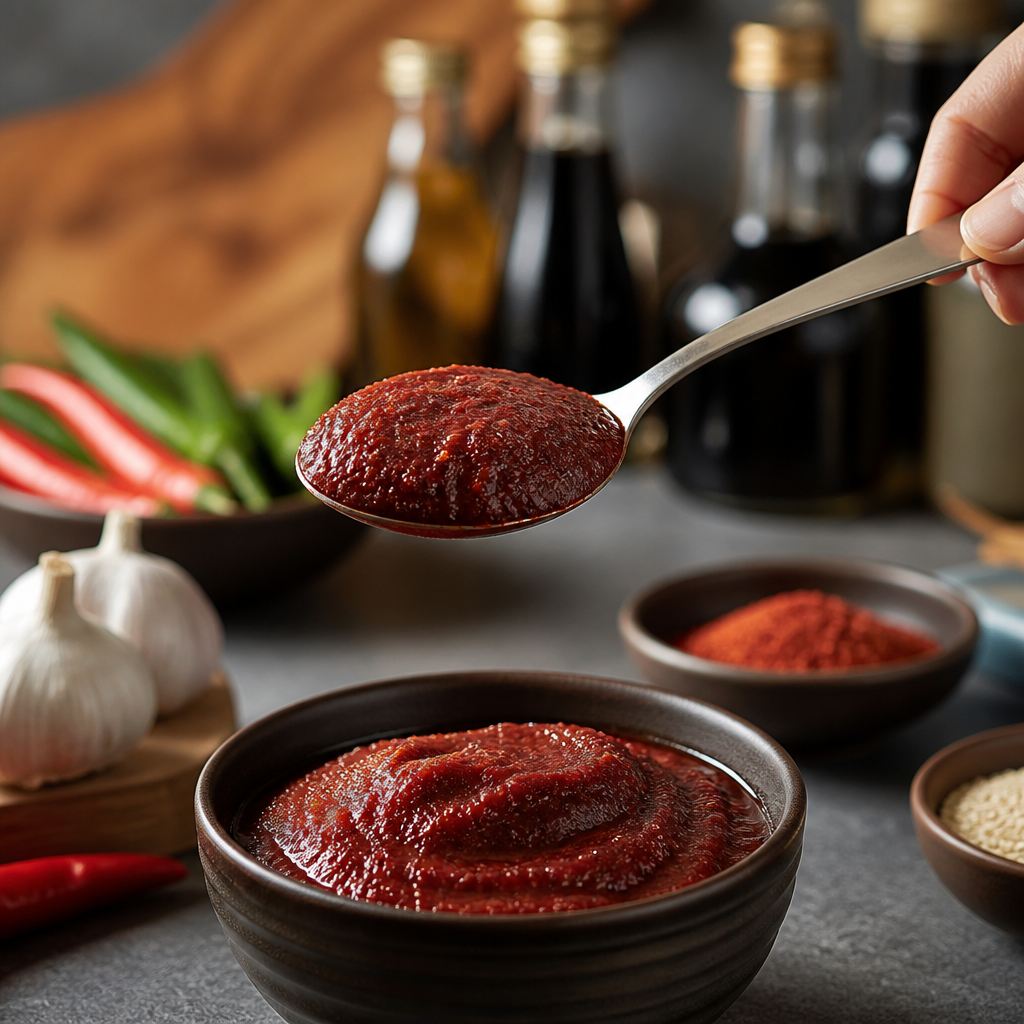
Using gochujang paste involves incorporating this thick, concentrated condiment as a primary flavor agent. _Start with 1-2 tablespoons for a dish serving four people and adjust to taste, as intensity varies by brand._ This gradual approach helps manage spice levels.
Because of its thick consistency, gochujang paste often needs thinning or thorough mixing with other liquids like water, broth, or oil before adding to main ingredients. This ensures even distribution and prevents clumps. Whisking it with soy sauce and sesame oil, for instance, is common for stir-fries.
The paste is fundamental in many Korean dishes, including bibimbap sauce, tteokbokki (spicy rice cakes), and various stir-fries. It can also be added to Western dishes, such as mixing it into ground meat for burgers or using it as a glaze for roasted vegetables.
Ingredients that complement gochujang include sesame oil, garlic, ginger, soy sauce, rice vinegar, and honey. These help balance its sweet, spicy, and savory notes. It acts as a flavor builder, adding depth similar to how miso works in Japanese cooking.
The timing of adding the paste impacts its flavor and heat. Cooking it mellows its heat while deepening its savory notes. For maximum spiciness and a fresh chili kick, add it at the end of cooking or use it uncooked in sauces.
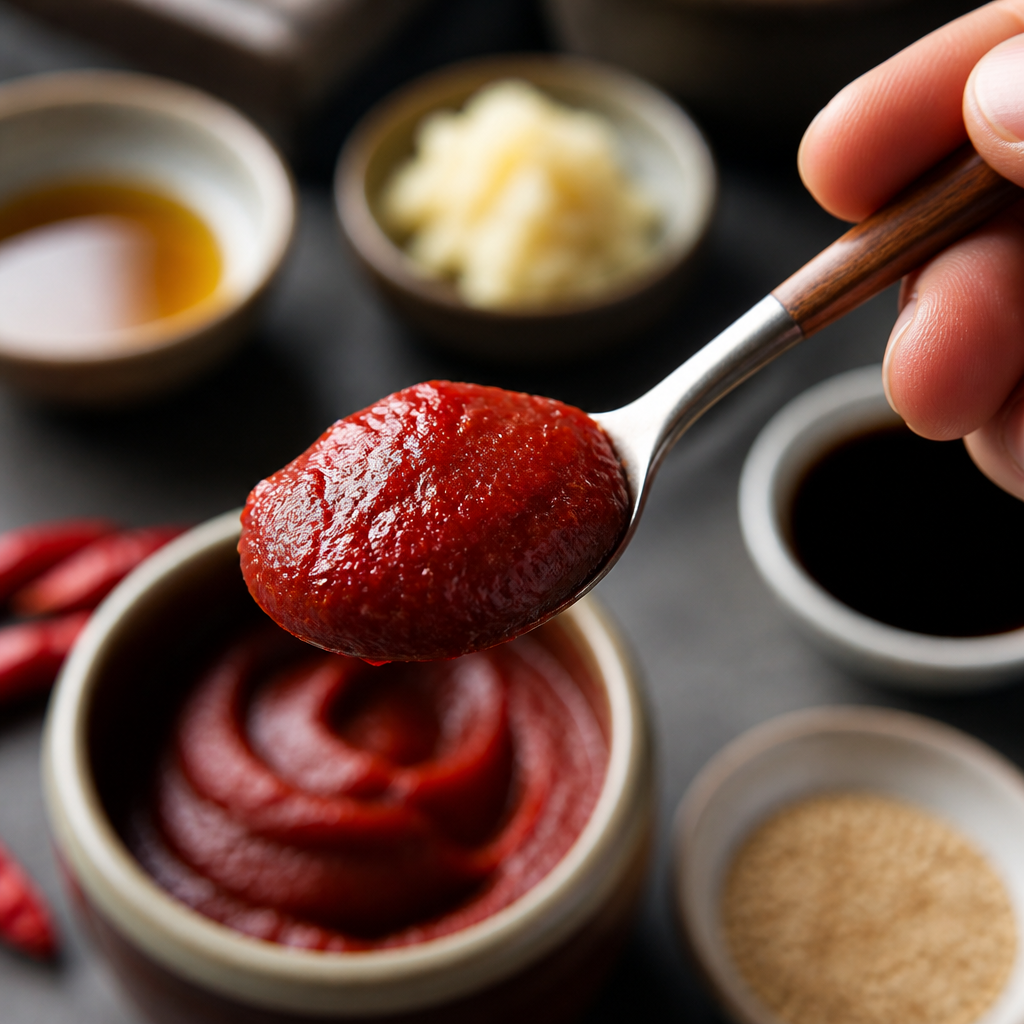
How to use gochujang as a sauce
Transforming gochujang paste into a sauce involves thinning and seasoning it to create pourable or spreadable condiments. A basic sauce often combines 3 tablespoons of gochujang, 1 tablespoon each of sesame oil, rice vinegar, and honey or sugar. Minced garlic and grated ginger are common additions, with water used to reach the desired consistency.
A traditional bibimbap sauce typically uses 2 tablespoons of the paste, 1 tablespoon each of sesame oil, sugar, and water, plus 1 teaspoon each of roasted sesame seeds and rice vinegar.
These sauces also make excellent dipping condiments. For Korean fried chicken or dumplings, a sauce can be made with 1/4 cup gochujang, 2 tablespoons each of soy sauce and rice vinegar, 1 tablespoon honey, 1 teaspoon sesame oil, and minced garlic.
For Western-style sauces, a spicy mayo can be made by mixing 1/2 cup mayonnaise with 1-2 tablespoons of the paste, 1 teaspoon lime juice, and 1 teaspoon honey. A vinaigrette can be made with 2 tablespoons of the Korean chili paste, 1/4 cup rice vinegar, 1/4 cup neutral oil, 1 tablespoon soy sauce, 1 tablespoon honey, and 1 teaspoon sesame oil.
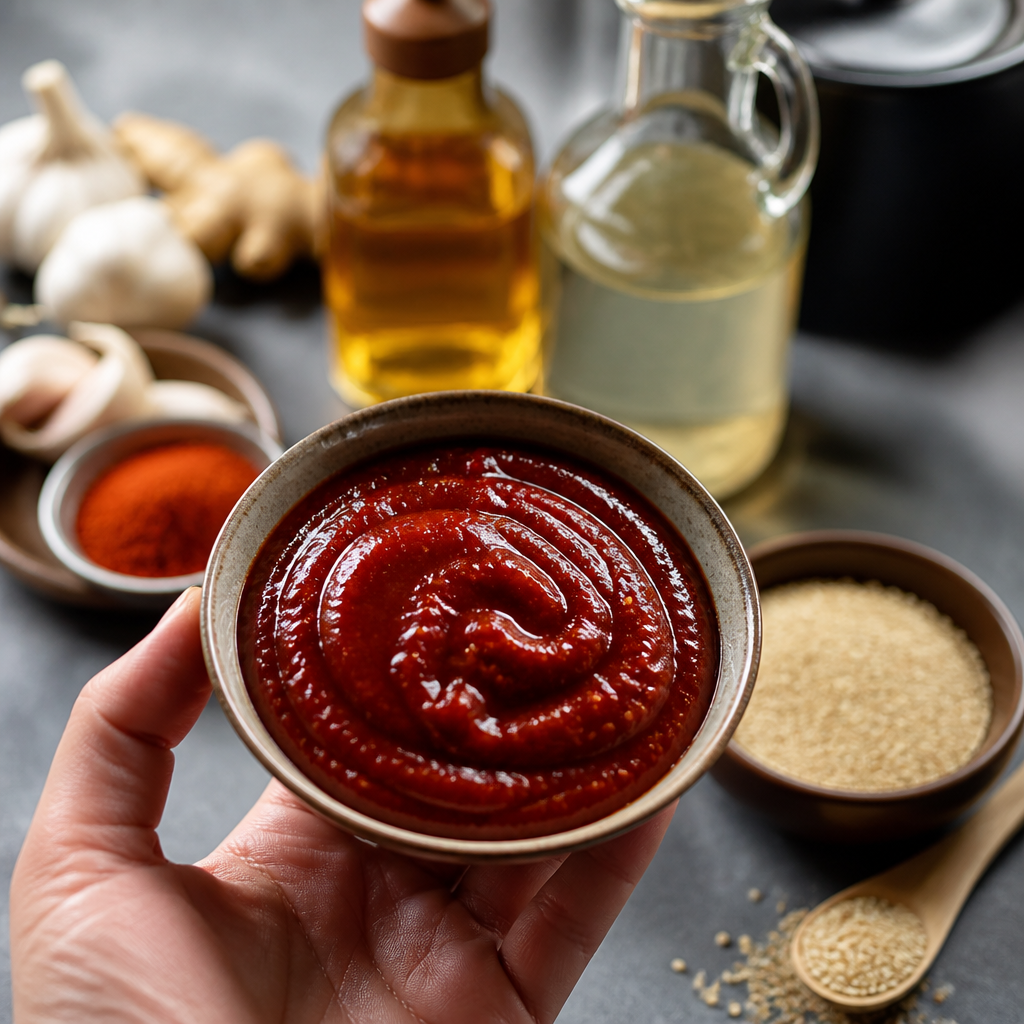
How to use gochujang in marinades
Gochujang marinades tenderize, flavor, and color meats, fish, and vegetables with a blend of heat, sweetness, and umami. A common marinade recipe includes 4 tablespoons (1/4 cup) of the paste, 2 tablespoons each of soy sauce, sesame oil, and honey, plus minced garlic, grated ginger, and rice wine.
Marinating times vary: at least 30 minutes for thin cuts or fish, 2-4 hours for chicken or pork, and up to 24 hours for tougher cuts of beef. These marinades are famously used in Korean BBQ dishes like bulgogi and galbi.
The sugar content in these marinades promotes caramelization during high-heat cooking. Careful heat management is needed to prevent burning. Adding acidic ingredients like rice vinegar or citrus juice can brighten flavors and improve penetration.
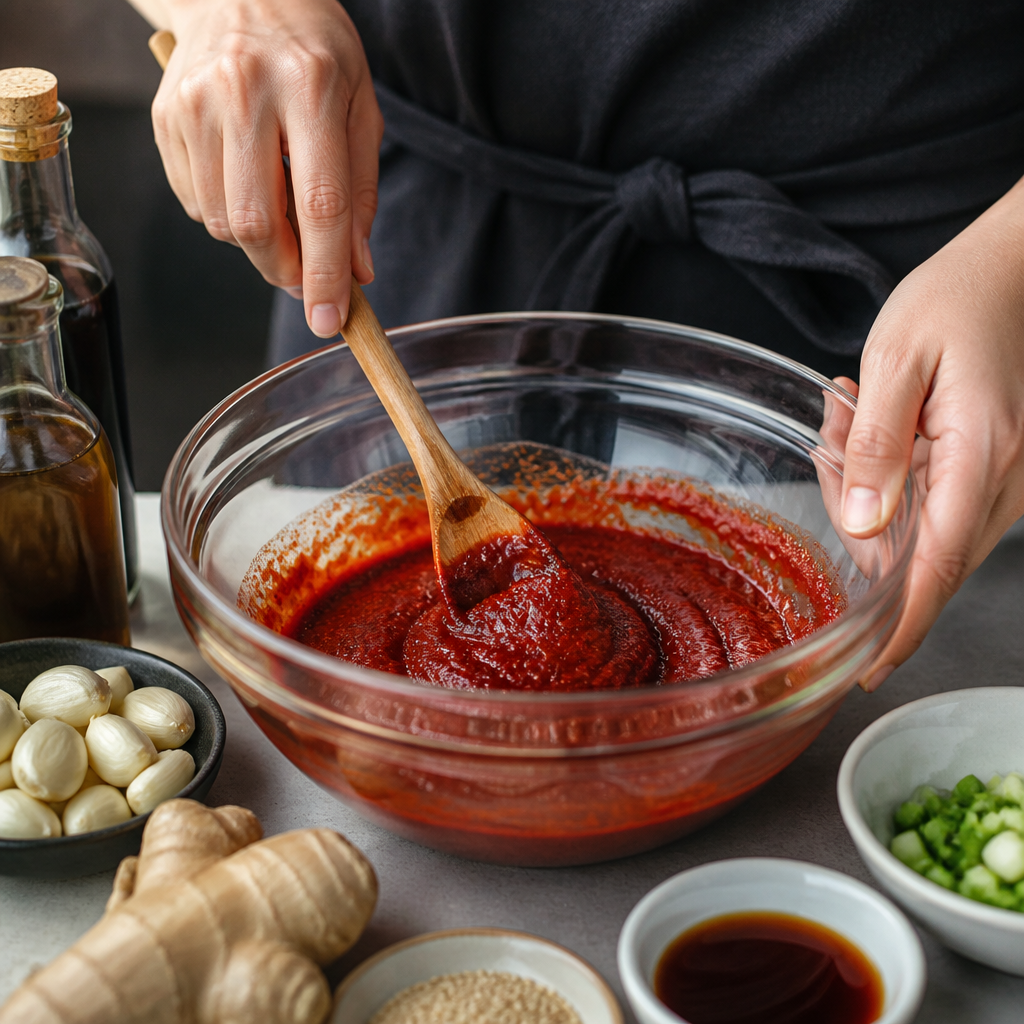
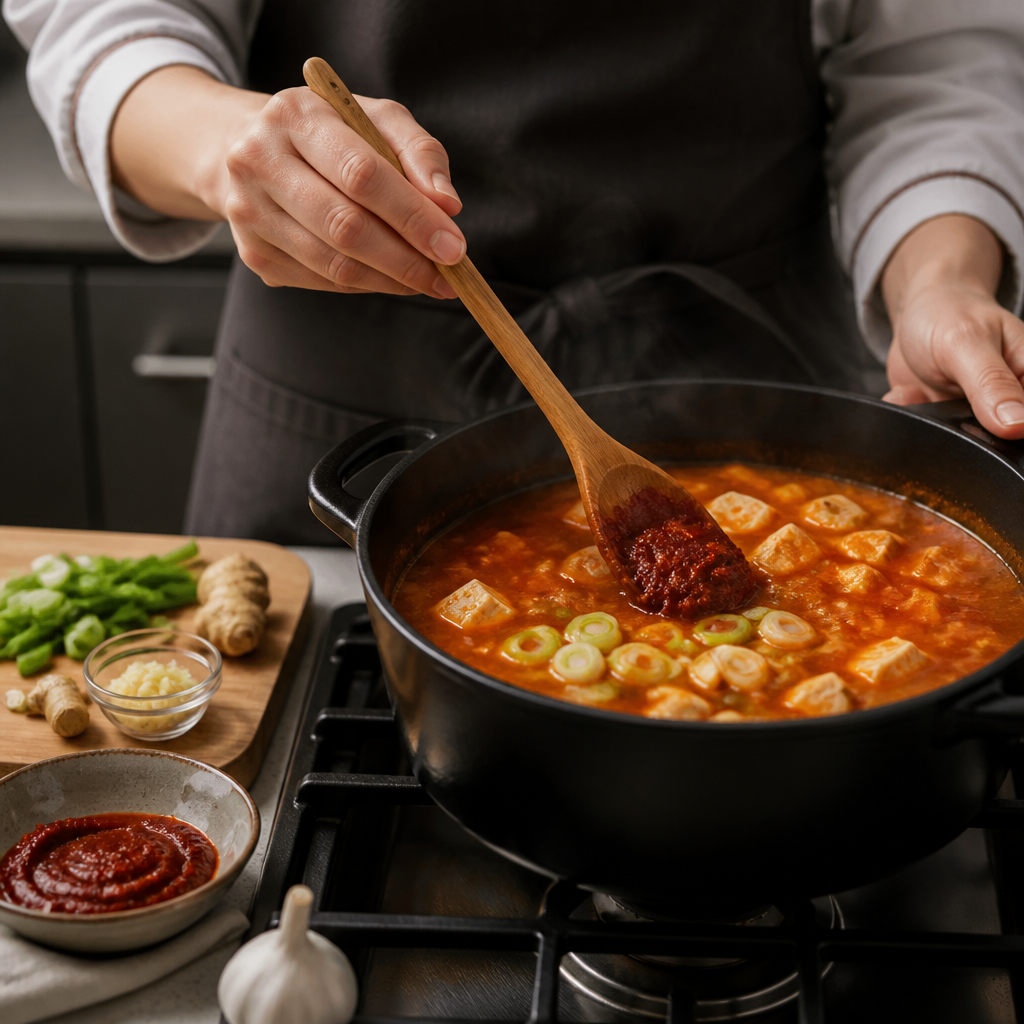
How to use gochujang in soups and stews
Adding gochujang to soups and stews is a core practice in Korean cuisine, providing profound depth, warmth, and savory complexity. It is key in dishes like Kimchi jjigae (kimchi stew) and Sundubu jjigae (soft tofu stew).
To incorporate the paste, dissolve it in a small amount of hot broth or water before adding it to the pot to ensure even distribution. Adding it early allows fermented flavors to meld for a cohesive, mellow taste. Use 1-2 tablespoons per 4-6 cups of liquid for mild to medium heat.
Complementary ingredients include doenjang (fermented soybean paste), anchovy broth, garlic, ginger, and scallions. The condiment can also enhance non-Korean soups, adding a spicy, savory kick to ramen, tomato-based soups, or bean and lentil stews.
How to use gochujang in Western dishes
Gochujang’s sweet, spicy, and savory notes make it a versatile addition to Western dishes, creating unique fusion flavors.
- Pasta Sauces: Add 1-2 tablespoons to create a spicy carbonara or a spicy tomato sauce.
- Burgers and Sandwiches: Mix 1-2 tablespoons into ground beef for spicy burgers or use a gochujang mayo as a spread.
- Pizza: Use it as a pizza sauce base when mixed with tomato sauce or drizzle it over a finished pizza.
- Breakfast Dishes: Elevate scrambled eggs or omelets by adding a small amount, or use it in hash seasonings and avocado toast spreads.
- Roasted Vegetables: Toss Brussels sprouts, cauliflower, or sweet potatoes with a gochujang-oil-honey mixture before roasting for a delicious, caramelized glaze.
Chef Roy Choi notes its versatility, comparing its function to tomato paste in adding depth and complexity, usable in everything from Bolognese to barbecue sauce.
Gochujang is a remarkable ingredient. Its unique blend of sweet, spicy, and savory notes, along with its deep umami from fermentation, makes it an indispensable condiment. Understanding its characteristics, proper storage, and diverse applications allows for confident culinary exploration and the infusion of vibrant taste into any meal.

Emily Carter is an American food lover who writes about Korean cuisine for people trying it for the first time. She covers what things taste like, how to eat them, and what to cook with them.