Is Korean Food Spicy? 7 Surprising Truths Explained
While it’s true that many well-known Korean dishes pack a significant punch, the idea that _all_ Korean food is spicy is a common misunderstanding. The truth is a rich culinary landscape offering a wide spectrum of tastes, from intensely fiery to subtly savory and mild. Understanding the origins of its heat, how it compares to other global cuisines, and the variety of dishes available can help anyone unlock the exciting world of Korean food.
Understanding Spiciness in Korean Food
The cuisine’s reputation for spiciness is well-earned, but the nature of this heat is complex and deeply rooted in history, culture, and culinary tradition. It’s not just about the immediate burn; it’s about a layered flavor experience that has evolved over centuries.
why is korean food so spicy
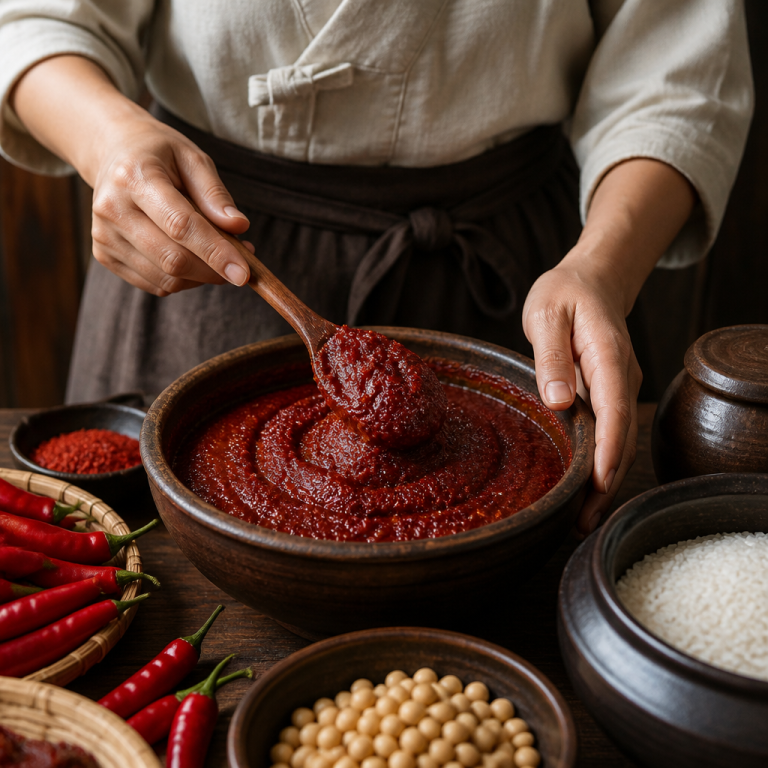
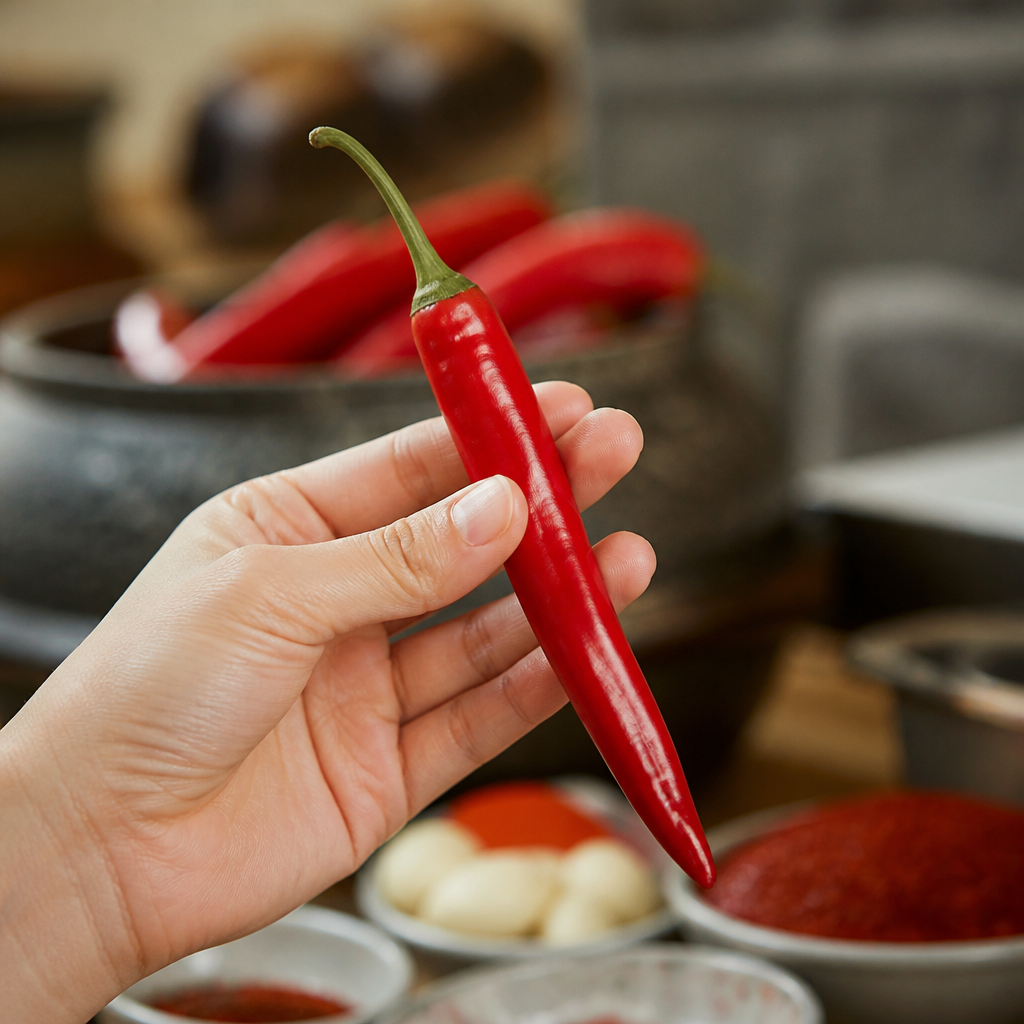
*The journey of spiciness in Korean cuisine began with the introduction of chili peppers, or gochugaru (Korean red pepper flakes), in the 16th century. These peppers arrived from the Americas via Portuguese traders and were quickly embraced, becoming an integral part of fermentation traditions, particularly in the making of kimchi*. This historical context is crucial, as the peppers weren’t just added for heat but became fundamental to the preservation methods essential for surviving harsh Korean winters.
Beyond preservation, capsaicin—the compound responsible for the heat in chilies—serves multiple functions. It can mask fishy odors, enhance the rich umami flavors developed through fermentation, and stimulate the appetite, which is important in a cuisine that emphasizes communal eating and a variety of side dishes (banchan).
Dr. Cecilia Hae-Jin Lee, a Korean food historian and author, highlights this nuanced approach, noting that “spiciness in Korean cuisine is not just about heat—it’s about creating layers of flavor through fermentation and balancing sweet, salty, and spicy elements that reflect Korea’s agricultural seasons and communal dining culture.”
In modern times, the global popularity of fiery Korean dishes has been significantly amplified by the Korean Wave, or Hallyu. Dishes like buldak (fire chicken) and various spicy ramyeon (instant noodles) have become cultural exports, often emphasizing extreme heat levels. _Be aware that many viral “challenge” dishes amplify heat beyond traditional levels._
how spicy is korean food
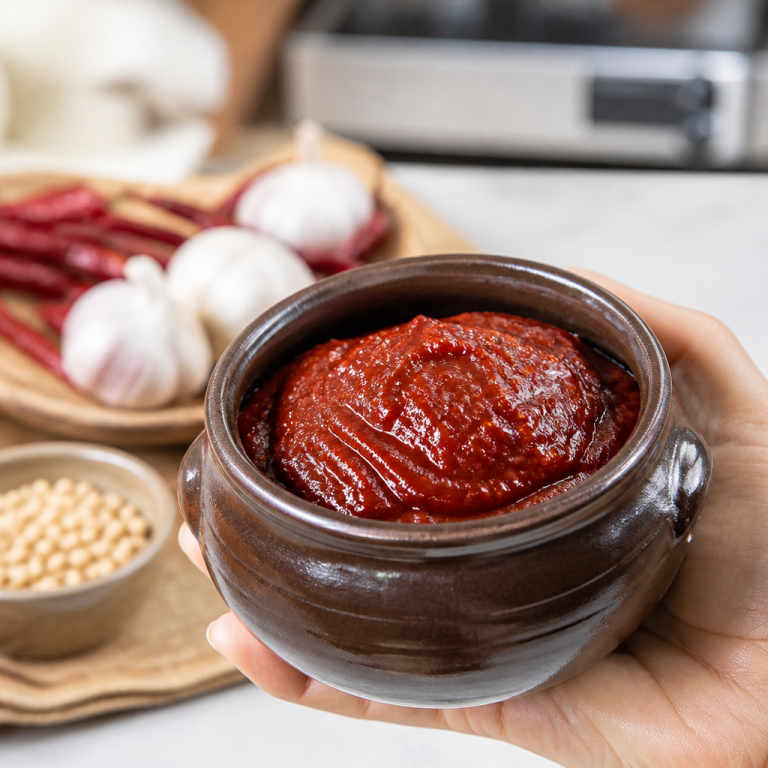
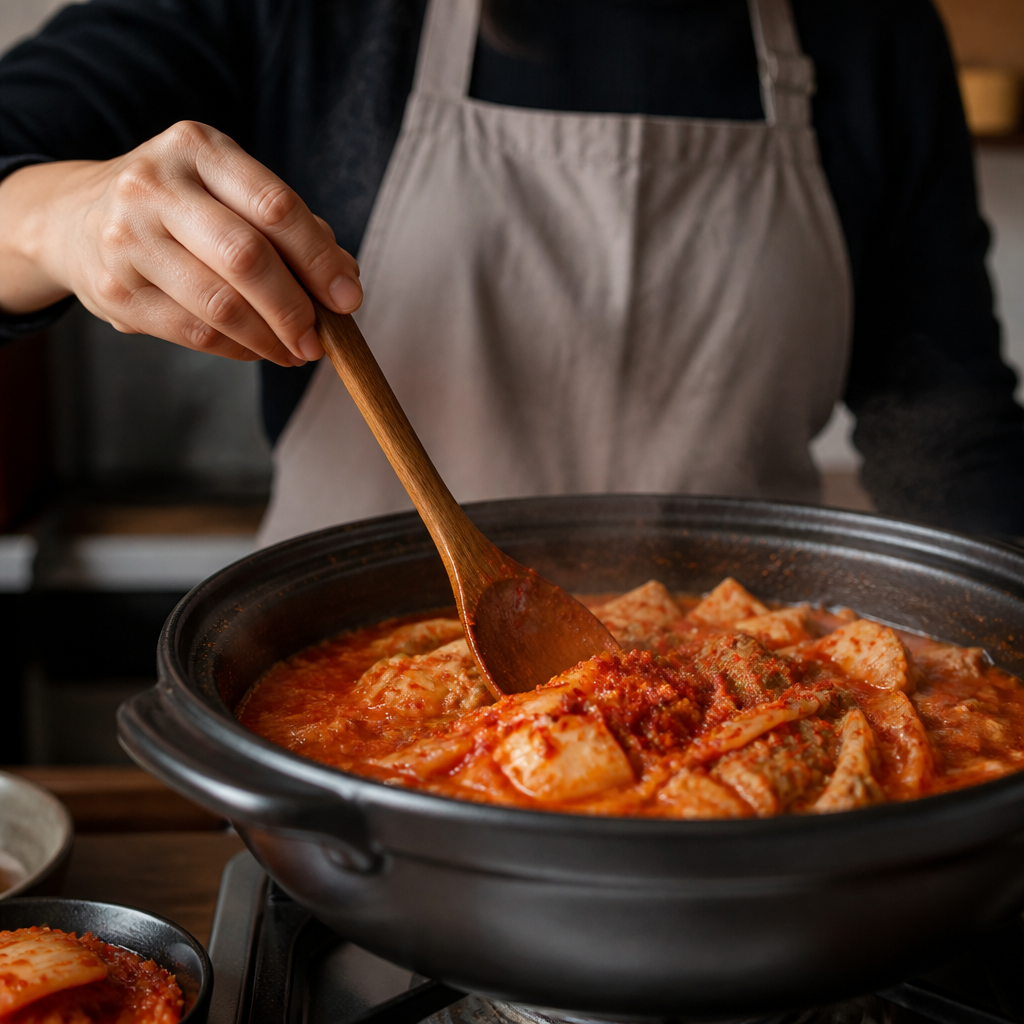
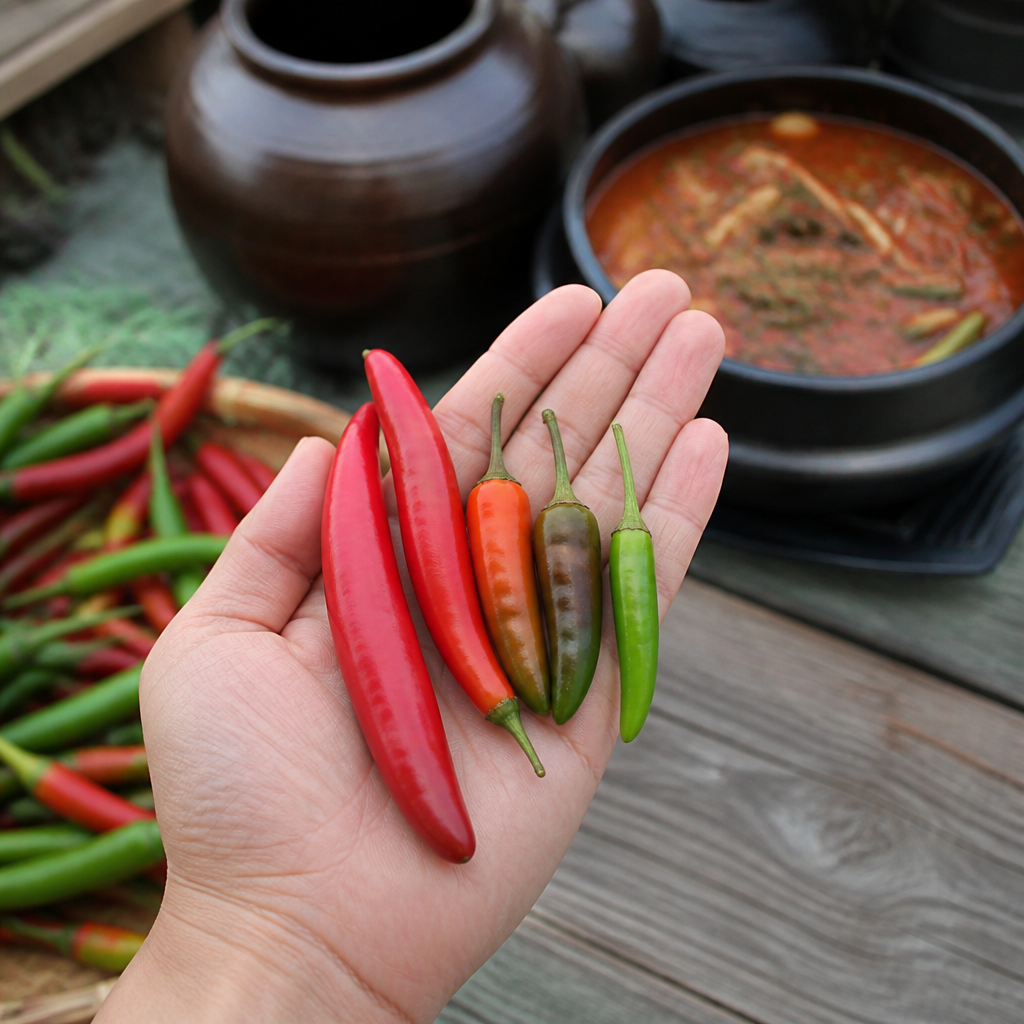
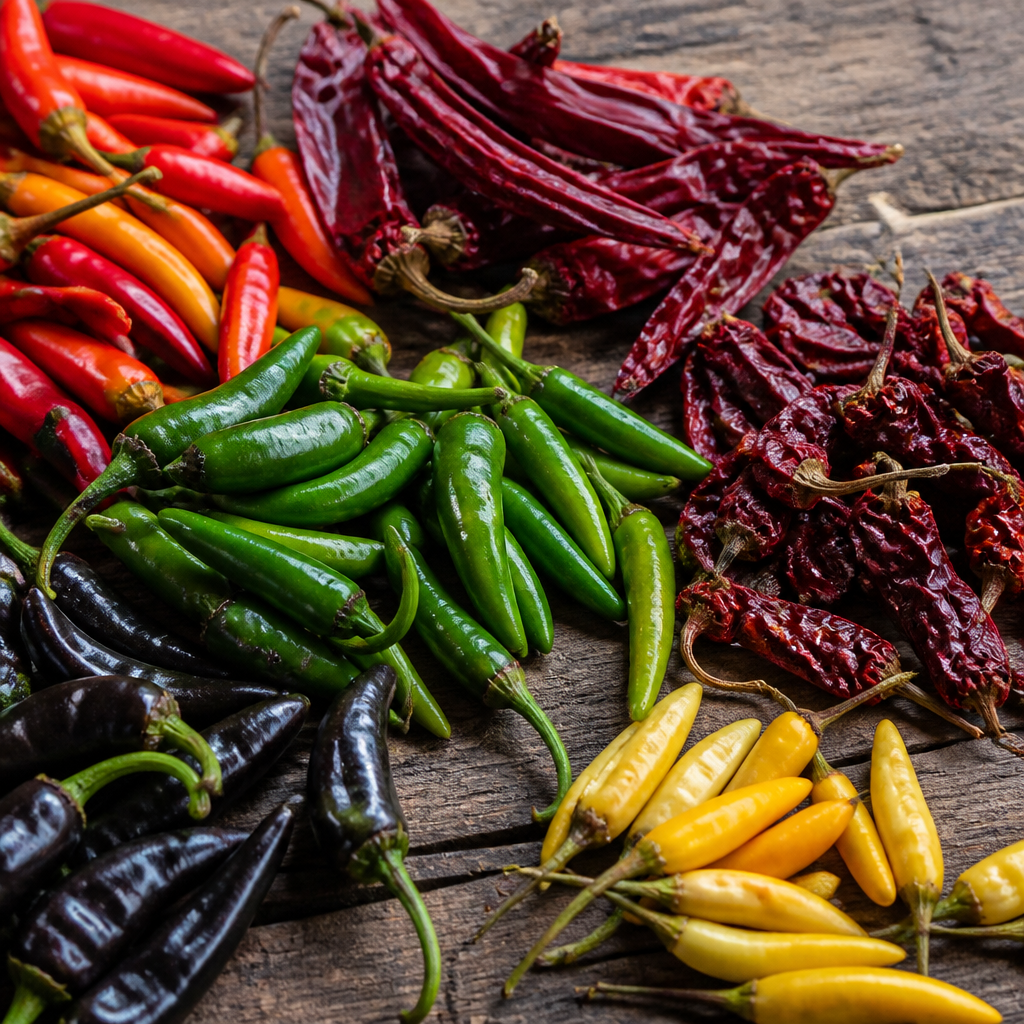
The heat in Korean dishes can be understood using the Scoville Heat Unit (SHU) scale. Common Korean chili products and dishes exhibit a wide range, indicating that not all Korean food is uniformly spicy. For instance, gochugaru typically measures between 1,500 and 10,000 SHU, while the fermented chili paste gochujang falls within the 1,000 to 8,000 SHU range.
Korean spiciness is often characterized by a “marathon heat” that builds gradually and is tempered by fermented flavors, combining the capsaicin’s warmth with underlying sweetness and umami. This gradual build is what makes Korean spice so addictive; it’s a warmth that spreads, not a sudden shock.
| Spice Level | Example Dishes | Scoville Heat Units (SHU) |
|---|---|---|
| Mild | Bulgogi, Japchae | 0 – 500 |
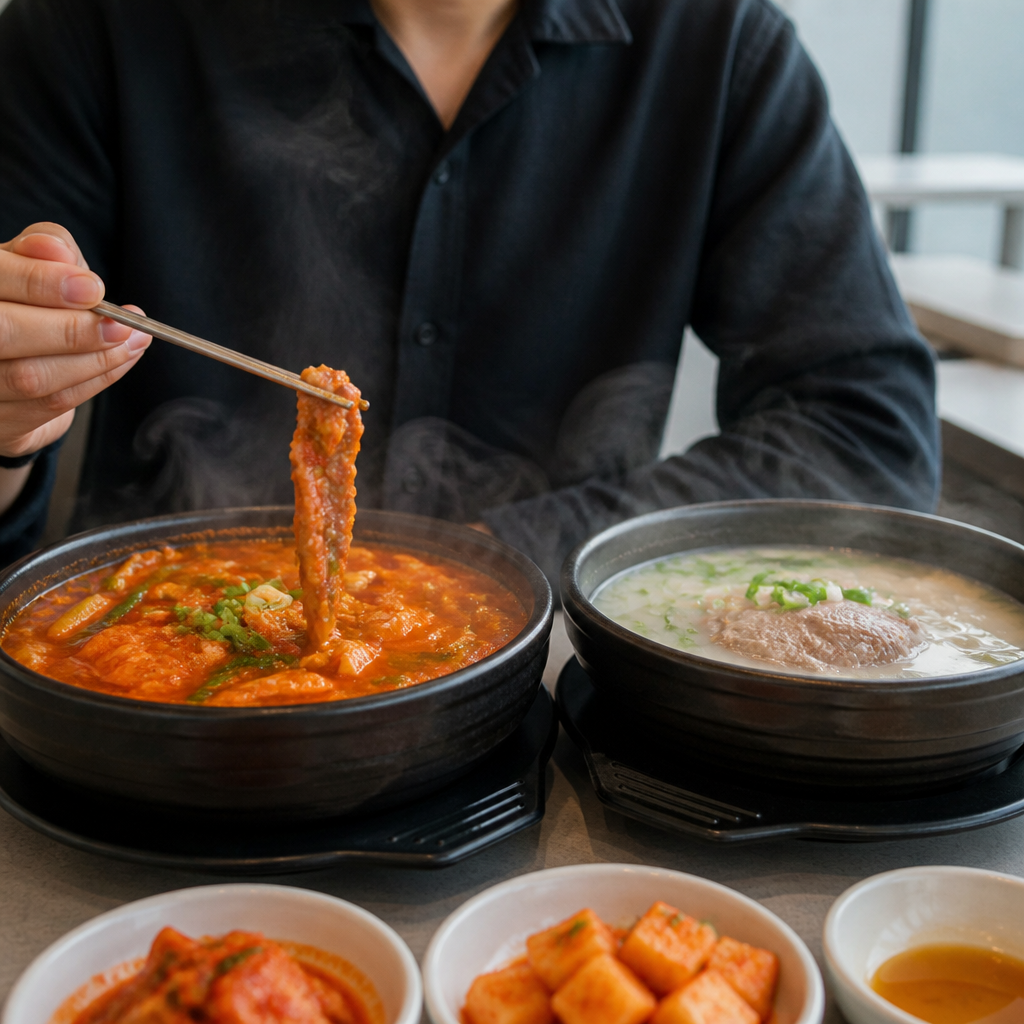
| Moderate | Kimchi Jjigae, Tteokbokki | 1,000 – 5,000 |
| Extremely Spicy | Buldak (Fire Chicken), Nakji Bokkeum | 8,000 – 13,000+ |
is all korean food spicy
Despite its reputation, the assertion that the entire cuisine is fiery is inaccurate. A significant portion of traditional Korean dishes contain no chili peppers or only minimal spice. Before the introduction of chili peppers, Korean cooking relied on flavors from fermented soybean pastes (doenjang), garlic, ginger, and black pepper.
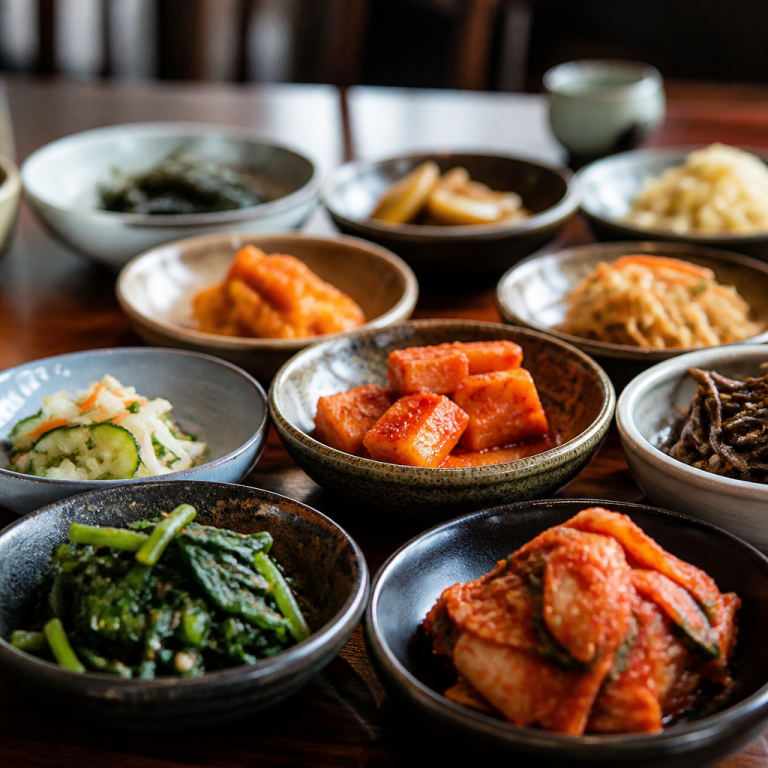
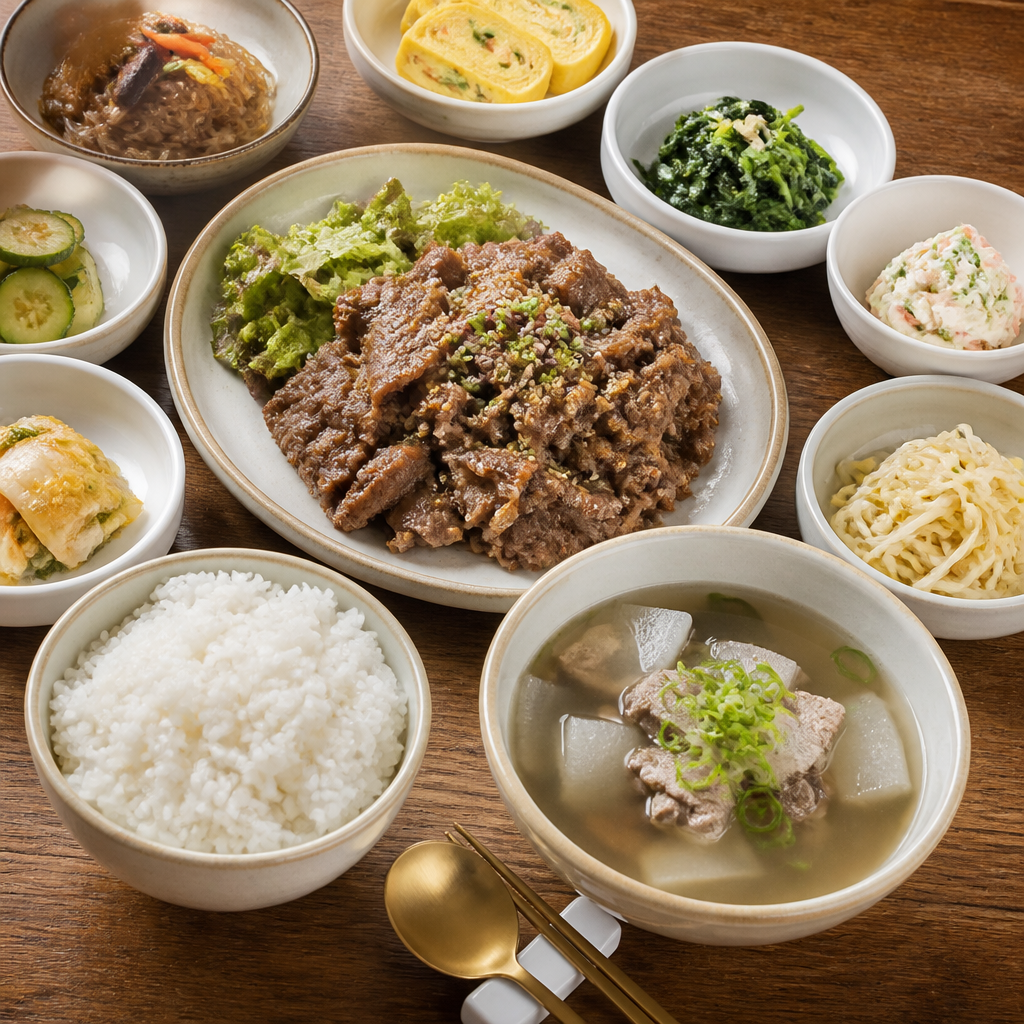
Many beloved staples are celebrated for their rich, savory, and often comforting flavors without any heat. Royal court cuisine, known as jeongsik, is a prime example, emphasizing subtle and refined flavors. Additionally, many soups (guk and tang), grilled meats like bulgogi, and a wide array of side dishes (banchan) are non-spicy, showcasing the natural tastes of premium ingredients.
Korean Food Spiciness Compared to Other Cuisines
When discussing the spiciness of Korean food, it’s helpful to compare it to other global cuisines renowned for their heat. This comparison reveals distinct differences in chili types, heat profiles, and culinary philosophies.
is korean food spicier than thai food
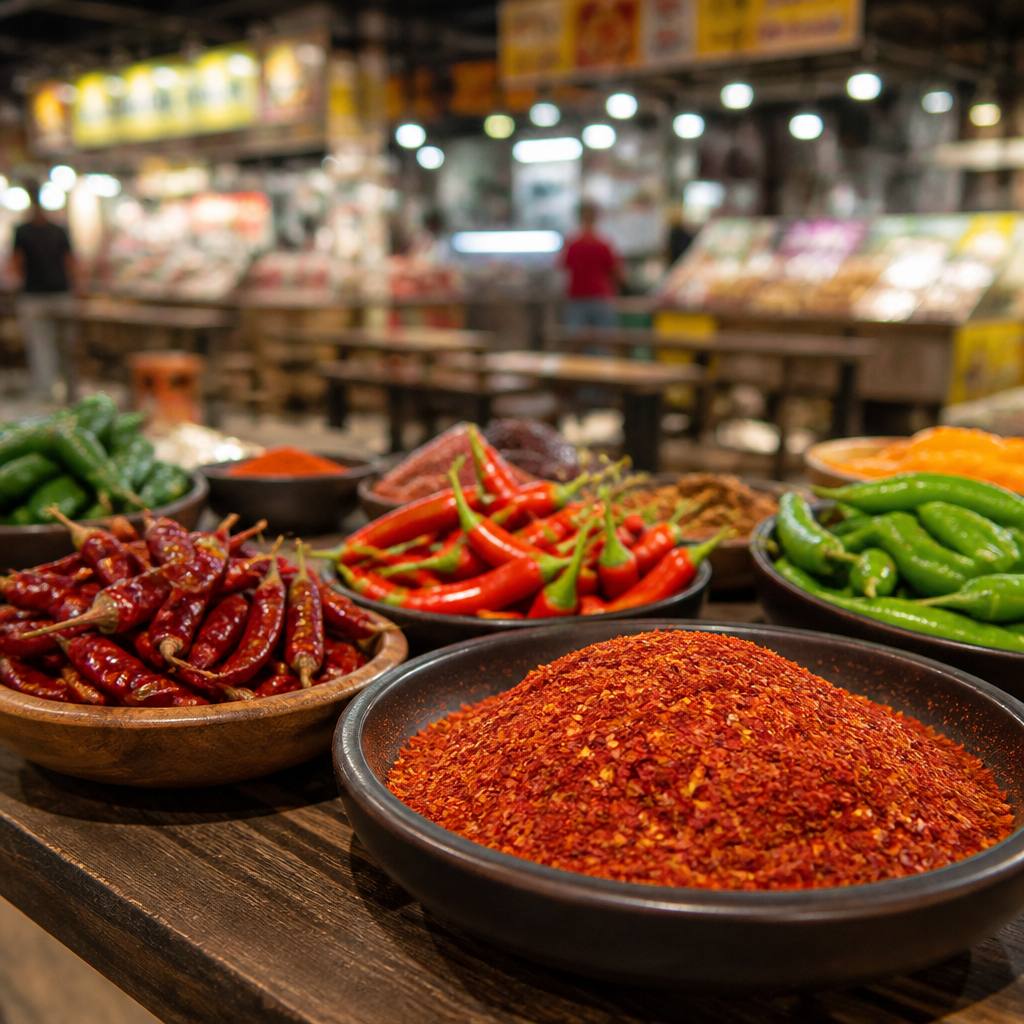
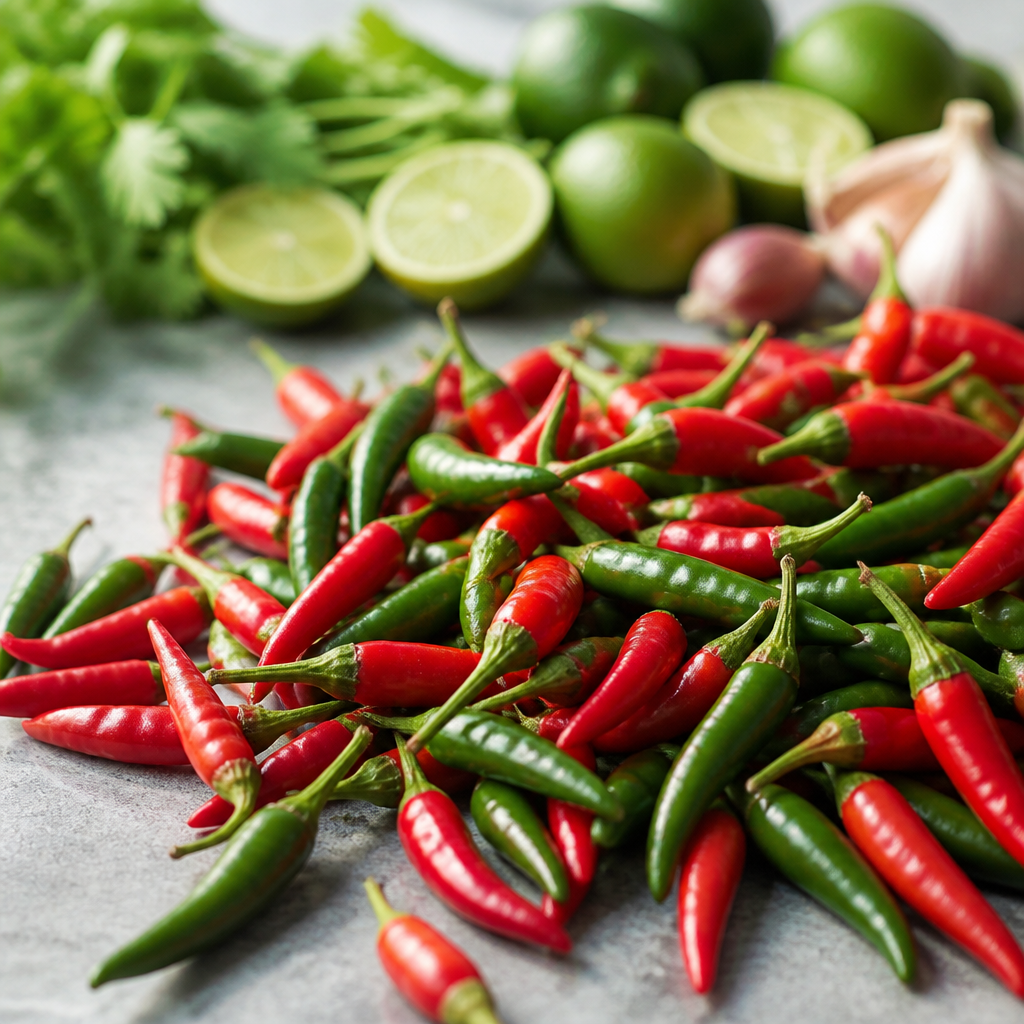
Generally, Thai cuisine tends to be spicier than Korean food, particularly at its peak levels. This difference largely stems from the types of chilies used. Thai food frequently incorporates fresh Thai bird’s eye chilies (prik kee noo), which measure between 50,000 and 100,000 SHU. In contrast, Korean cuisine primarily uses gochugaru, which ranges from 1,500 to 10,000 SHU.
The heat profiles also differ. Korean spiciness is a slow-building, lingering heat from dried and fermented chilies. Thai spiciness delivers an immediate, sharp heat from fresh chilies, often combined with bright citrus and aromatic herbs. This creates a different sensory experience, characterized by an initial intense burst of heat _that might dissipate more quickly than the lingering warmth of Korean spice_.
Dr. Pim Techamuanvivit, a Thai food scholar and restaurateur, elaborates on this, stating that “Thai cuisine uses fresh chilies that hit immediately with intense heat, while Korean cuisine uses dried and fermented chilies that build gradually. Thai food also balances heat with sour and sweet more aggressively, creating a different kind of spicy experience altogether.”
is indian food spicy or korean
When comparing the two, Indian cuisine generally exhibits a wider and often higher range of spice levels, offering some of the hottest dishes globally. Indian dishes can span from a mild korma (500-1,000 SHU) to extreme preparations using the Bhut Jolokia (Ghost Pepper), which can exceed 855,000 SHU. In contrast, the Korean culinary range typically stays between 1,500 and 13,000 SHU.
This difference is due to the diversity of chili varieties used in India and the foundational cooking technique of using masala (spice blends). As explained by chefs like Maneet Chauhan, Indian cuisine’s complexity comes from layering multiple chili types with dozens of other spices. Korean spice is more focused on the chili itself, enhanced by fermentation rather than complex spice blending.
Navigating Spicy and Non-Spicy Korean Dishes
For those exploring Korean cuisine, understanding which dishes are known for their heat and which offer a milder experience can greatly enhance the dining adventure.
most spicy korean food dishes
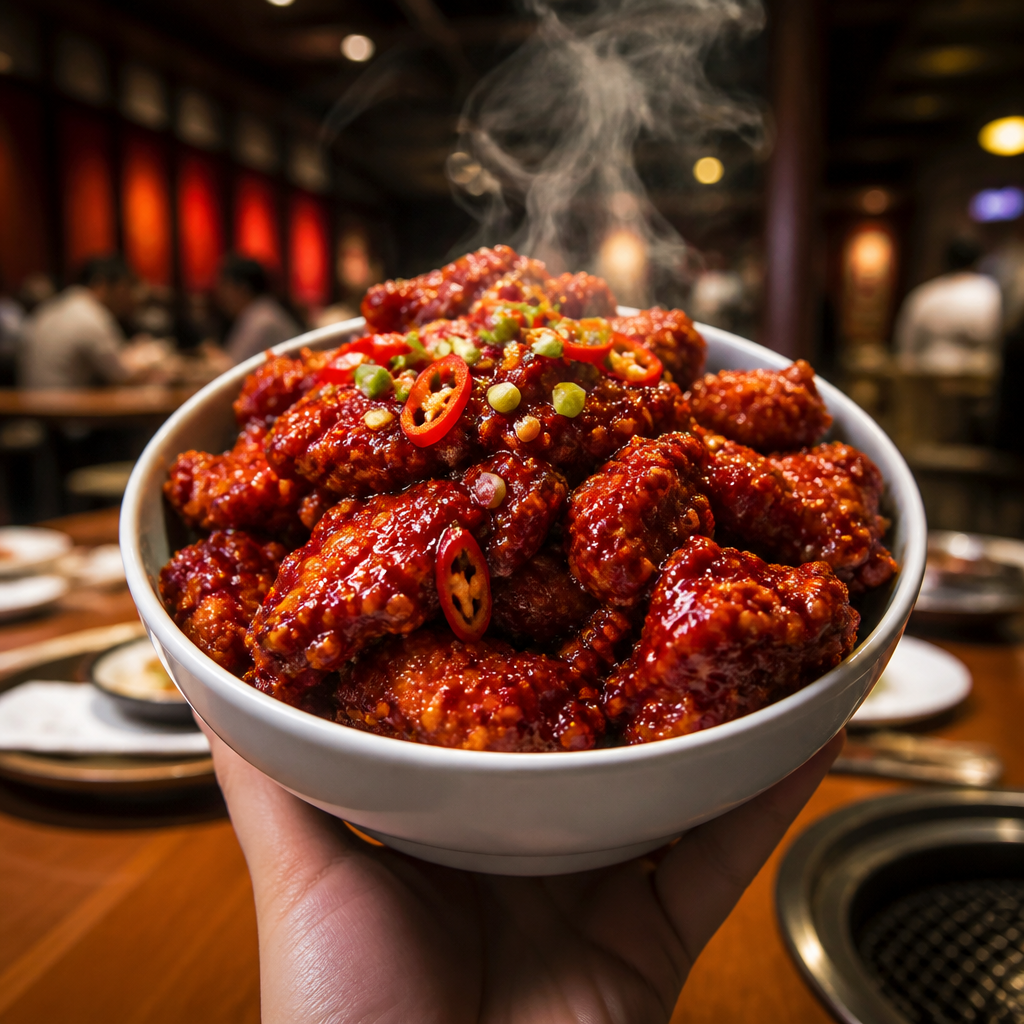
For those who enjoy a fiery culinary challenge, Korean cuisine offers several dishes renowned for their intense heat. At the top of the ranking is Buldak (fire chicken), which typically measures between 8,000 and 13,000 SHU. Other intensely spicy dishes include Nakji bokkeum (spicy stir-fried octopus) and Jjamppong (spicy seafood noodle soup).
Commercial products have also popularized extreme Korean spice. Samyang’s Buldak Bokkeum Myeon (fire noodles) has become a viral sensation, with variants like the 2x Spicy version boasting 10,000 SHU and the 3x Spicy reaching 13,000 SHU. Modern innovations in Korean dining have further pushed these boundaries, with contemporary restaurants creating “challenge” versions of traditional dishes. These creations often exceed 15,000 SHU and, _in some cases, may even be presented as eating challenges due to their extreme heat levels_.
korean food that is not spicy
For those who prefer to enjoy Korean flavors without the heat, there is an abundance of delicious non-spicy options. Many major Korean dishes are inherently mild or can be easily prepared without chili, offering a fantastic introduction to the cuisine for those sensitive to spice.
Here is a list of popular non-spicy Korean dishes:
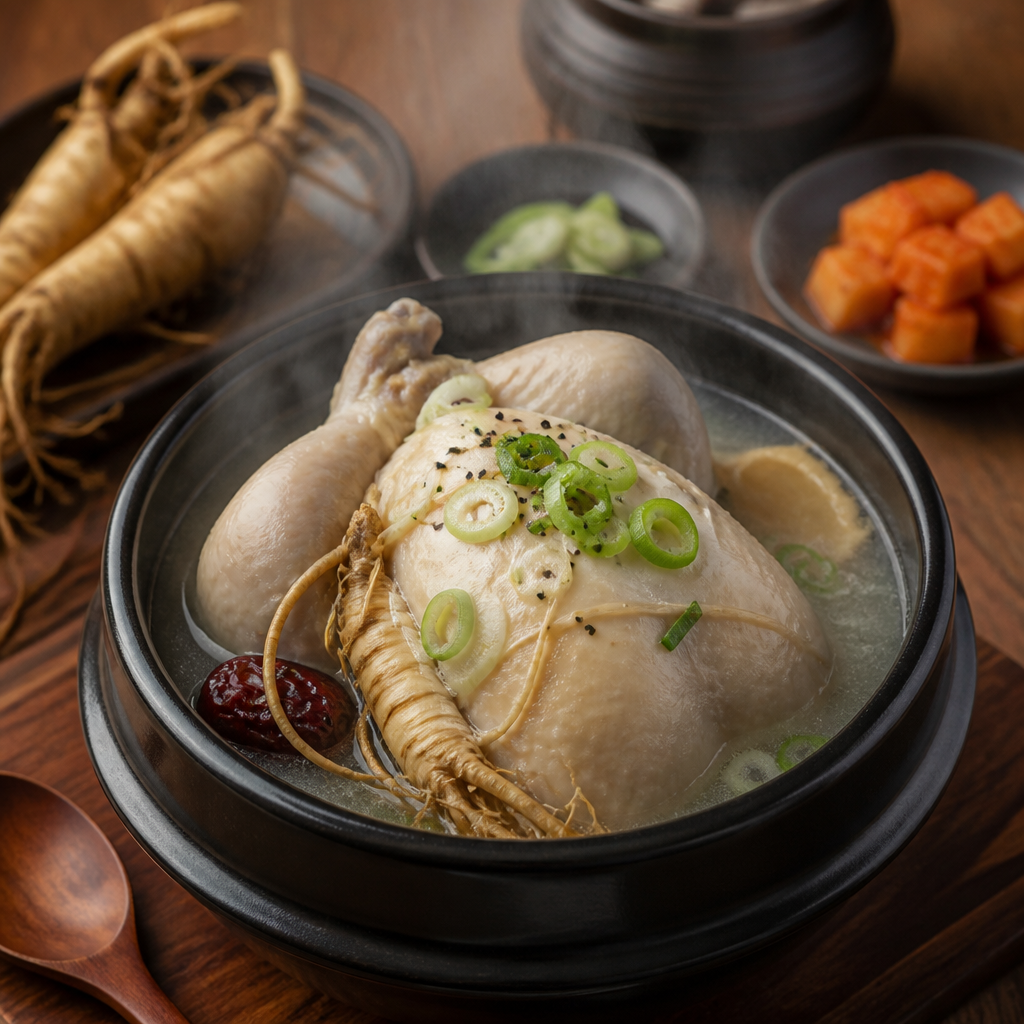
- Samgyetang (ginseng chicken soup): A nourishing whole chicken soup.
- Bulgogi (grilled marinated beef): Known for its savory, sweet marinade.
- Japchae (stir-fried glass noodles): A mix of glass noodles and vegetables.
- Kimbap (seaweed rice rolls): Similar to sushi but typically savory, not centered on raw fish.
- Bibimbap (mixed rice): Can be served without the spicy gochujang paste.
- Seolleongtang (ox bone soup): A milky white broth often served with rice.
A significant portion of non-spicy Korean food originates from Joseon Dynasty royal court cuisine, which emphasized subtle, balanced flavors. From comforting soups to savory barbecue, these diverse non-spicy offerings make Korean cuisine welcoming to absolutely everyone, regardless of their spice tolerance.

Emily Carter is an American food lover who writes about Korean cuisine for people trying it for the first time. She covers what things taste like, how to eat them, and what to cook with them.