what to make with kimchi: 10 Delicious, Easy Ideas
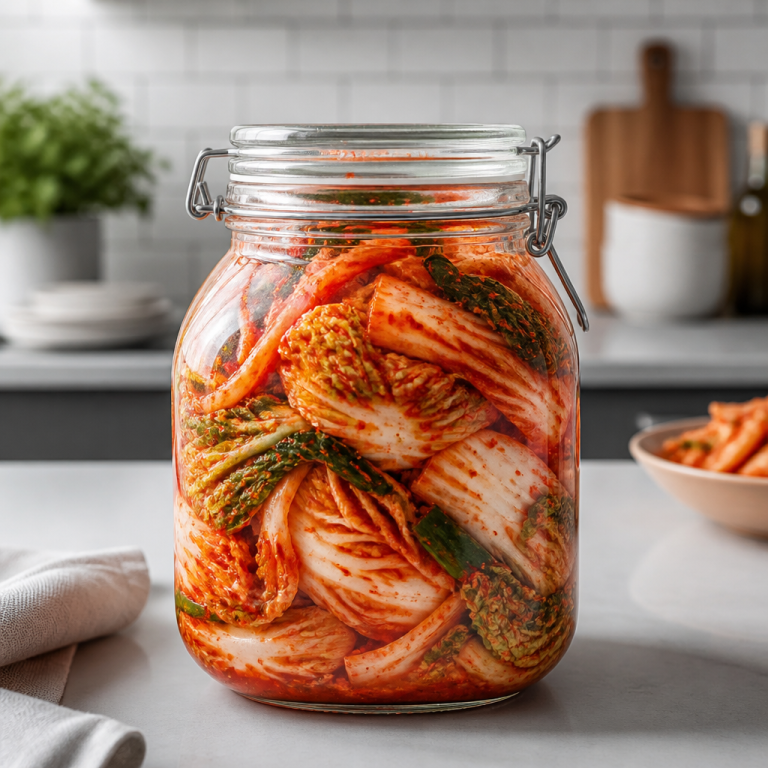
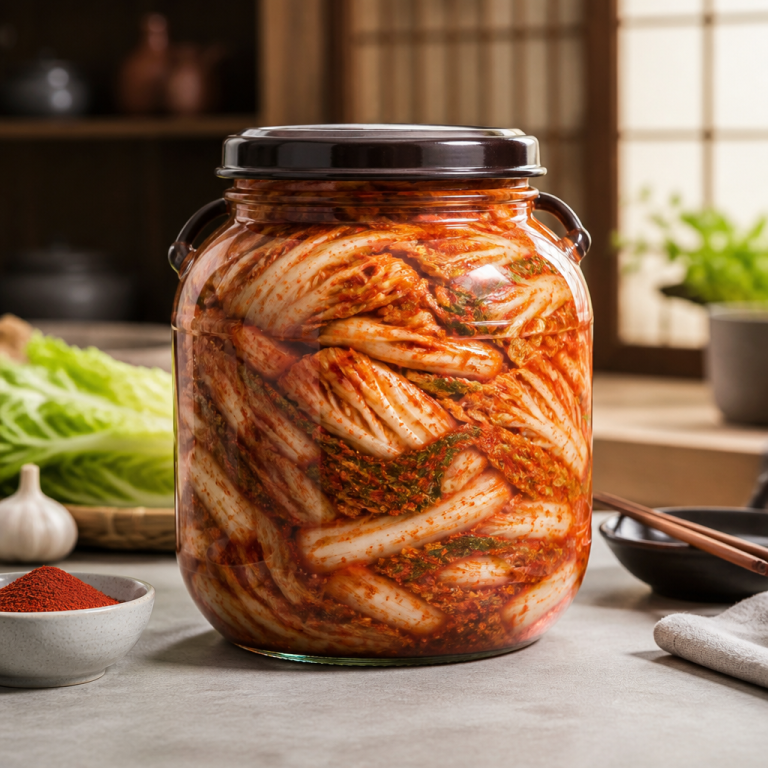
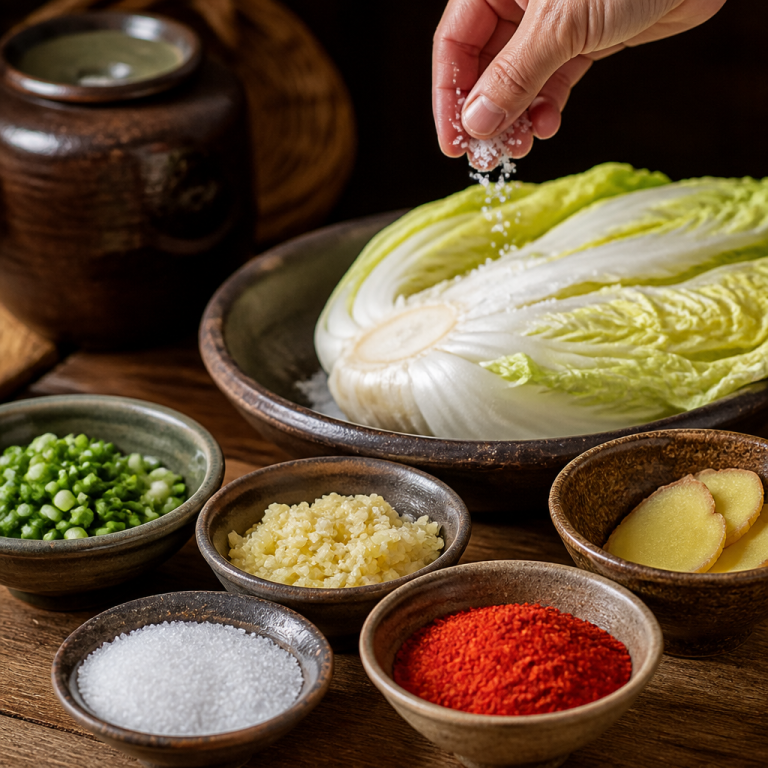
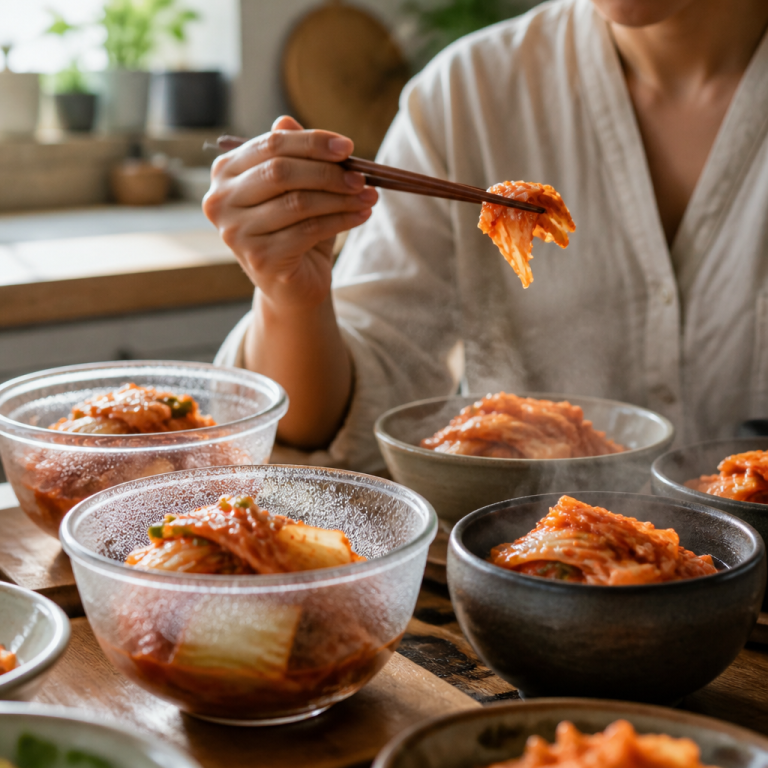
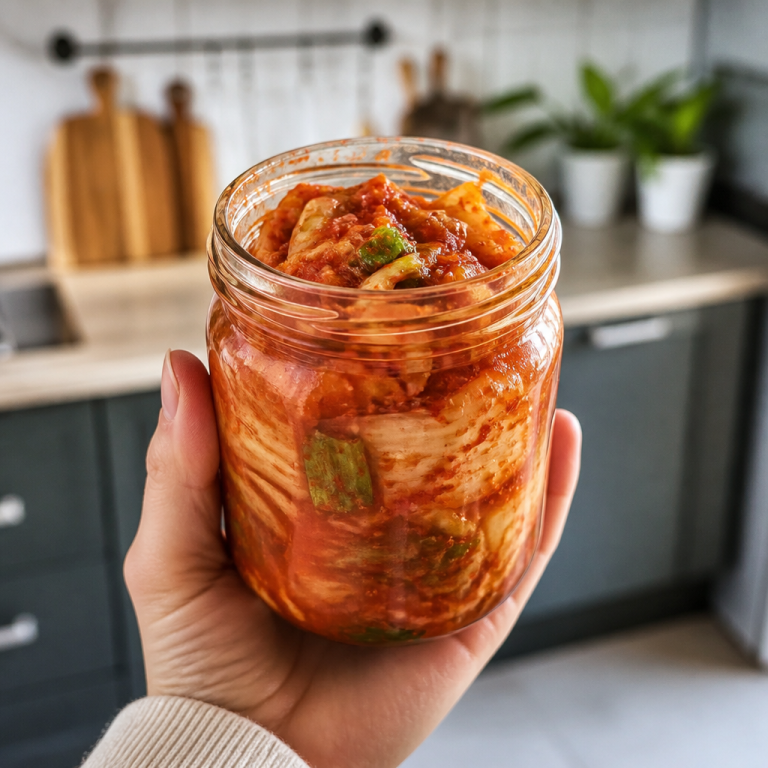
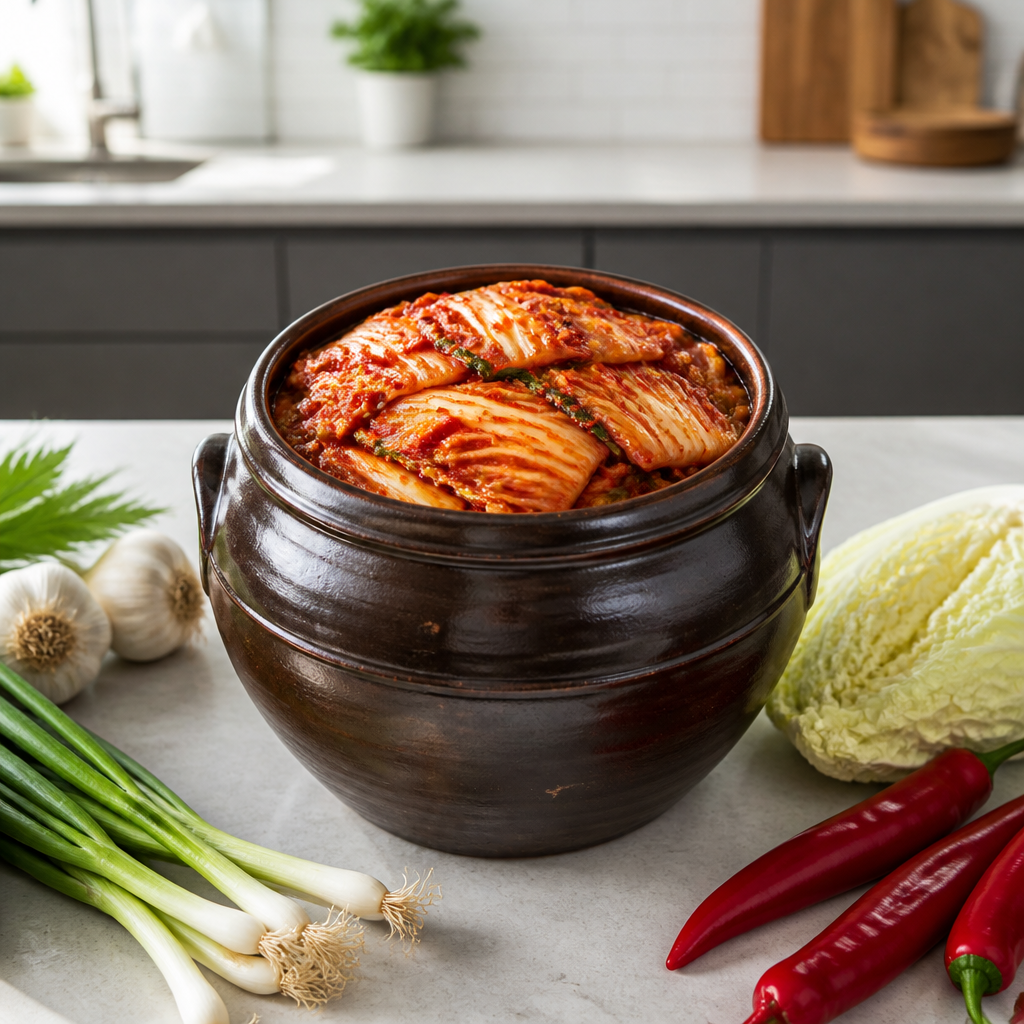
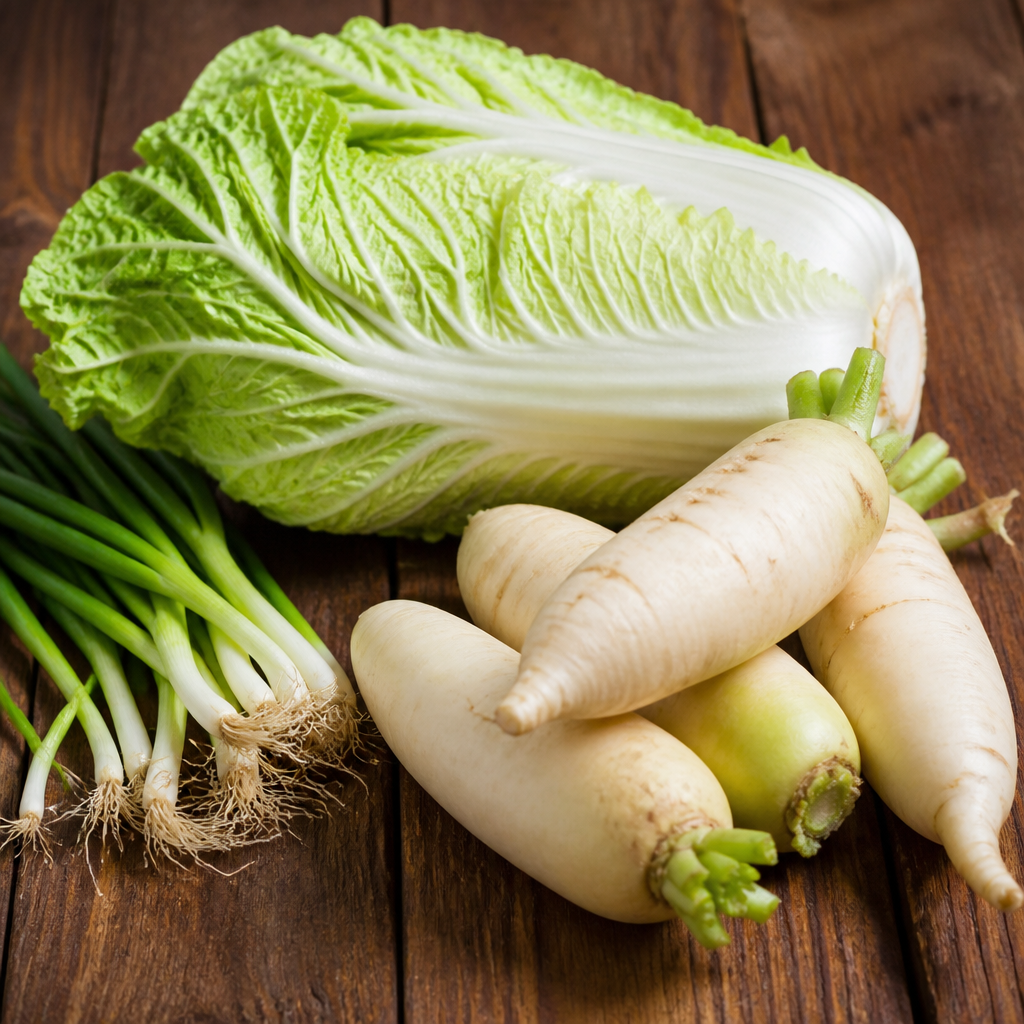
My first real taste of homemade kimchi, about five years ago, was a revelation. It wasn't from a store, but made by my friend's _halmeoni_ (grandmother) in her Seoul apartment. The aroma—rich, tangy, and subtly spicy—promised something far beyond a simple side dish, and it opened my eyes to the depth of Korean cuisine. This cornerstone of Korean cooking is more than just fermented vegetables. Typically, it's made from napa cabbage and Korean radishes, seasoned with chili powder, garlic, ginger, and _jeotgal_ (salted seafood) for a deep umami flavor. This complex profile, ranging from spicy and tangy to savory, makes it an incredibly versatile ingredient. Beyond its distinctive taste, kimchi offers nutritional benefits, too. The fermentation process creates probiotics, like Lactobacillus, which are great for your gut, and it's packed with vitamins A, B, and C.
The true magic of this ingredient in cooking comes from its fermentation. This process doesn't just preserve vegetables; it develops intricate _umami_ flavors—that mouthwatering savory taste—significantly enhancing various dishes.
Dr. Hae-Choon Chang, a Professor of Food Science and Biotechnology at Seoul National University specializing in fermentation, explains that "kimchi's fermentation produces bioactive compounds that not only preserve the vegetables but create unique flavor profiles that can transform simple dishes into complex, layered meals."
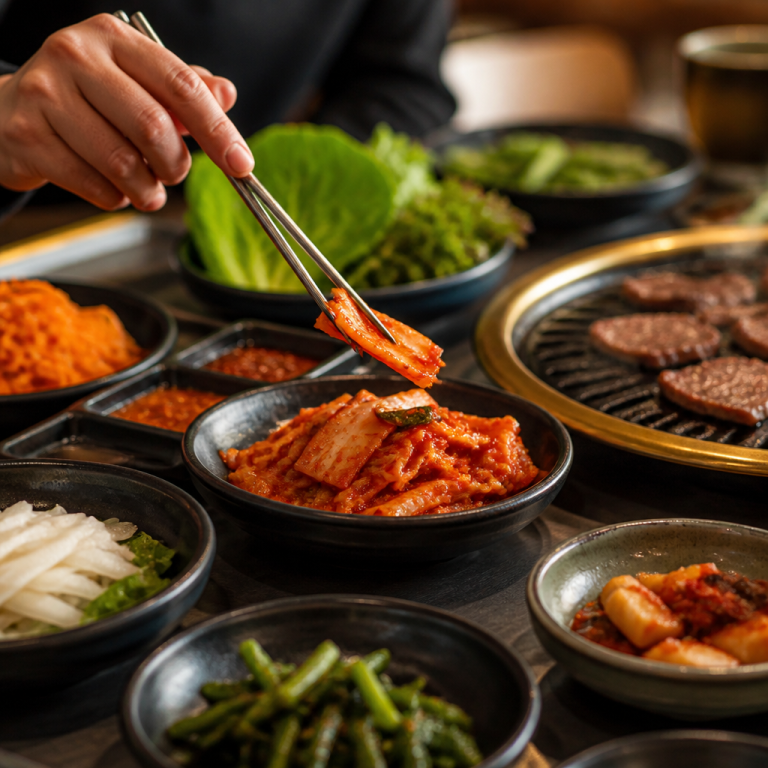
This depth of flavor allows kimchi to seamlessly enhance everything from hearty soups and stews to crispy pancakes and comforting rice dishes. Think of it as a secret weapon in your fridge! Its ability to add a burst of tang, a hint of spice, and a profound savory note means that a jar of kimchi opens up a world of culinary possibilities, inviting you to discover a world beyond its traditional _banchan_ (side dish) role.
Quick and Easy Kimchi Meal Ideas
For those seeking convenience without sacrificing flavor, kimchi offers a fantastic solution for quick and easy meals. These dishes are designed to be simple, requiring minimal ingredients and often coming together in under 30 minutes, with the fermented vegetable serving as the primary flavoring agent. Its bold taste instantly infuses a dish with complexity, reducing the need for numerous other seasonings. This makes it an ideal ingredient for busy individuals or anyone looking for a satisfying meal in a short amount of time, _though results can vary depending on the age and sourness of your kimchi_.
Easy Meals to Make with Kimchi
You can create a variety of popular and straightforward dishes with kimchi, making it a go-to ingredient for effortless cooking. Classic options include kimchi fried rice (_bokkeumbap_) and more modern interpretations like kimchi grilled cheese sandwiches or kimchi quesadillas. For an incredibly fast meal, it can be directly incorporated into instant noodles, sandwiches, or even scrambled eggs, requiring no extra preparation beyond chopping. This direct application allows for maximum flavor with minimal effort.
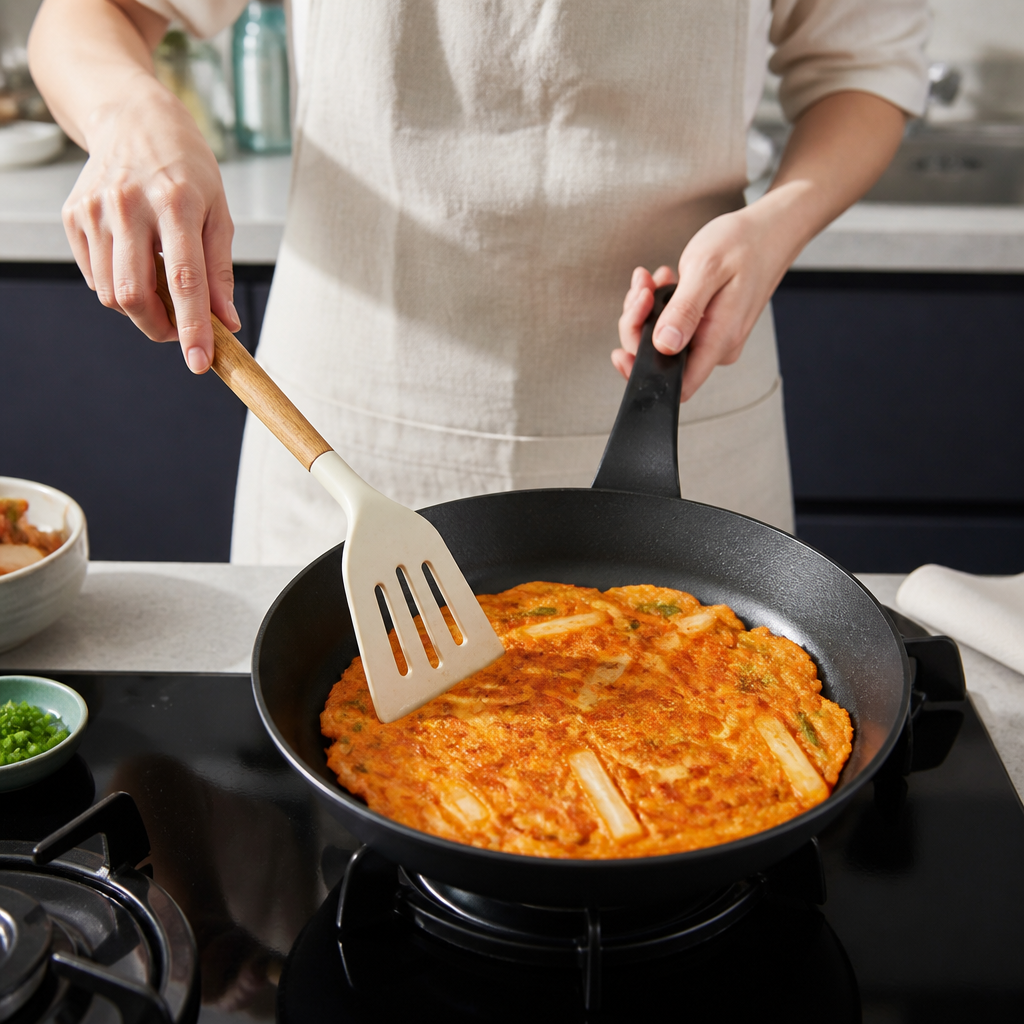
Kimchi pancakes, or _kimchijeon_, offer another delightful and easy option. These savory pancakes typically require only a few basic ingredients—flour, water, kimchi, and oil—and can be prepared in about 20 minutes. The result is a crispy-edged, chewy pancake packed with tangy flavor, often served with a simple dipping sauce. Another comforting and relatively quick option is a one-pot kimchi stew, or _kimchi jjigae_. This hearty stew can be ready in about 25 minutes, involving roughly 10 minutes of prep and 15 minutes of cooking. It typically combines kimchi with tofu and a choice of protein like pork or tuna, creating a deeply flavorful and warming meal that's surprisingly simple to execute.
What are some quick dinners to make with kimchi?
When the evening calls for a complete and satisfying meal that can be prepared swiftly, kimchi once again proves its value. Quick kimchi dinners are full evening meals that can be on the table in 30 minutes or less, using this Korean staple as a central ingredient to impart flavor and add nutritional depth. These dishes are perfect for weeknights when time is limited.
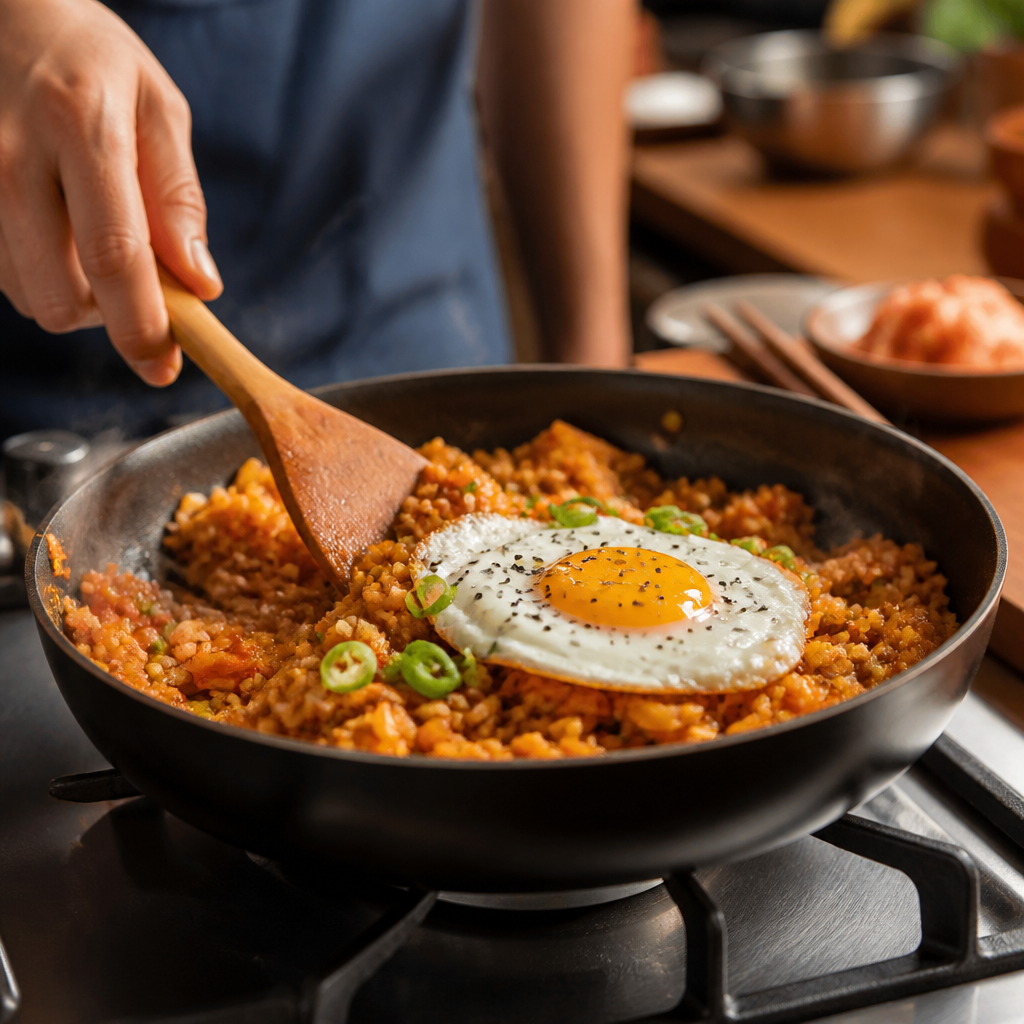
One of the most iconic quick dinners is kimchi fried rice, especially when topped with a fried egg, which takes only 15-20 minutes to prepare. For those who enjoy noodles, kimchi udon stir-fry presents another excellent choice, combining thick udon noodles with kimchi and vegetables in about 25 minutes. These diverse options highlight kimchi's ability to transform simple ingredients into a complete and delicious dinner in a flash.
| Dish Idea | Total Time | Notes |
|---|---|---|
| Kimchi Fried Rice with Egg | 15-20 mins | A quick, satisfying one-pan meal. |
| Kimchi Udon Stir-Fry | ~25 mins | Chewy noodles with a tangy, savory sauce. |
| Kimchi Burrito Bowls | ~15 mins | Customizable and fresh; uses pre-cooked items. |
| Sheet Pan Kimchi Chicken | ~25 mins | A hands-off option with minimal prep. |
Kimchi Recipes by Main Ingredient
Kimchi's robust flavor profile makes it an excellent partner for various main ingredients. Its acidity and spice can cut through richness or add a vibrant kick to milder flavors, making it a versatile component in many culinary pairings.
What to make with kimchi and tofu?
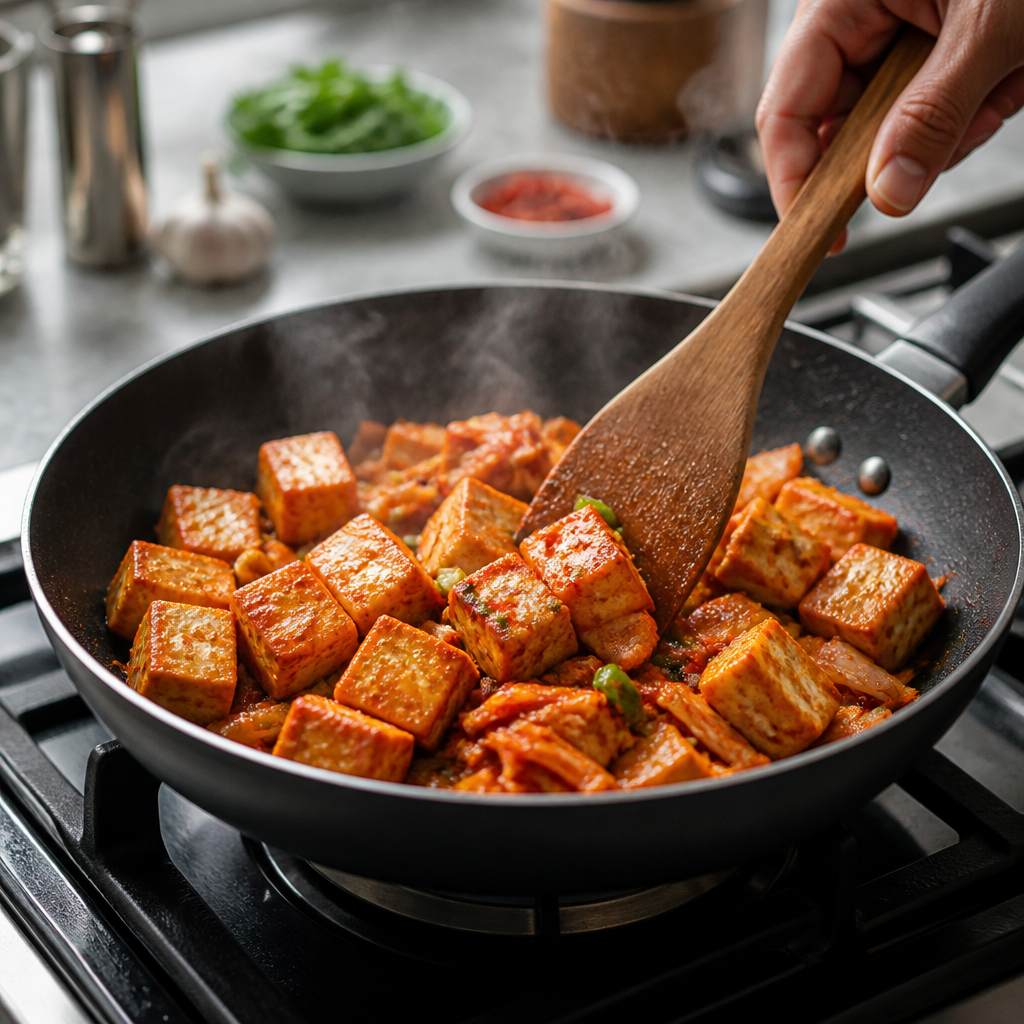
The combination of kimchi and tofu is a classic pairing in Korean cuisine, celebrated for its ability to create balanced vegetarian or vegan meals. Kimchi's fermented, spicy, and tangy notes beautifully complement the mild, protein-rich qualities of tofu. This synergy results in dishes that are hearty, flavorful, and often comforting. _While firm tofu is great for pan-frying in dishes like Dubu Kimchi, soft or silken tofu is preferred for stews like Sundubu Jjigae._
Here are some popular dishes that wonderfully combine these two ingredients:
- **Kimchi Jjigae (Kimchi Stew) with Tofu**: A classic warming stew where soft tofu absorbs the rich, spicy broth.
- Dubu Kimchi: A popular dish featuring pan-fried tofu served alongside savory stir-fried kimchi.
- Kimchi Tofu Scramble: A creative and flavorful vegan alternative to scrambled eggs, perfect for breakfast.
- Kimchi Sundubu Jjigae: A variation using extra-soft silken tofu for a delicate, luxurious texture.
- *Kimchi and Tofu Bibimbap***: A complete meal in a bowl with rice, vegetables, and a spicy sauce.
What to make with kimchi and pork?
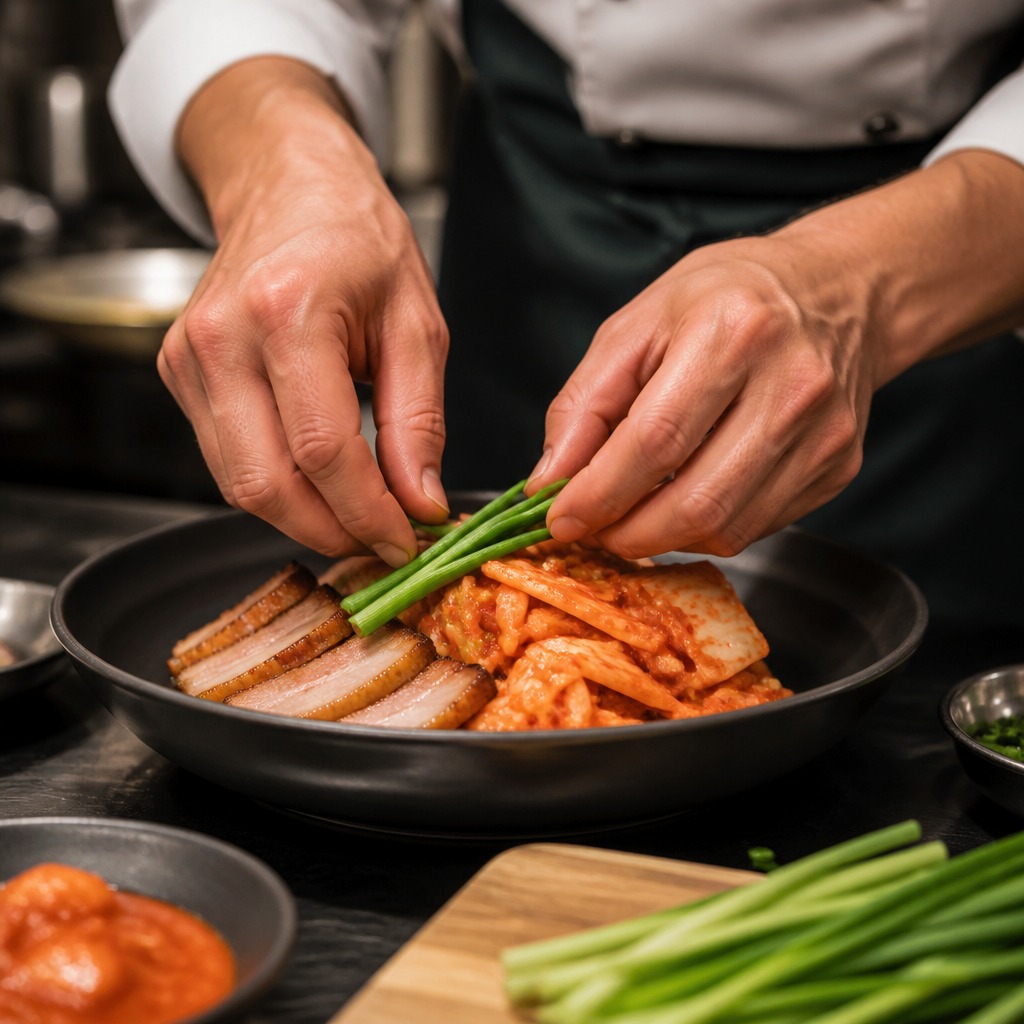
The pairing of kimchi and pork is a quintessential combination in Korean cooking. The rich, often fatty qualities of pork perfectly balance and enhance the spicy, tangy flavors of fermented kimchi. This culinary marriage creates dishes that are deeply savory, complex, and incredibly satisfying.
The most traditional version of kimchi stew, _kimchi jjigae_, often features pork belly. The pork fat renders into the broth, significantly enhancing the depth and richness of the stew. Another classic dish is _Bossam_, which consists of tender, boiled pork belly served with fresh kimchi wraps. Kimchi pork dumplings, or _mandu_, are another popular way to combine these two ingredients, with finely chopped kimchi adding a delightful tang to the savory pork filling. For a quick and hearty meal, kimchi pork fried rice utilizes diced pork stir-fried with day-old rice.
Chef Edward Lee, a James Beard Award-winning Korean-American chef, notes that "the combination of pork fat and fermented kimchi creates a perfect balance of richness and acidity that is fundamental to Korean cuisine, where the fat carries the complex flavors of fermentation."
This expert insight underscores why kimchi and pork remain such a celebrated duo. _Note that fatty cuts like pork belly are ideal for stews, as they become tender during simmering._
Kimchi Recipes for Special Needs and Preferences
Kimchi's versatility extends to accommodating various dietary needs and taste preferences, from those who prefer milder flavors to those looking for alternatives beyond fried rice, or even those who wish to utilize older, more fermented kimchi. This adaptability ensures that nearly everyone can enjoy the unique qualities of this fermented vegetable.
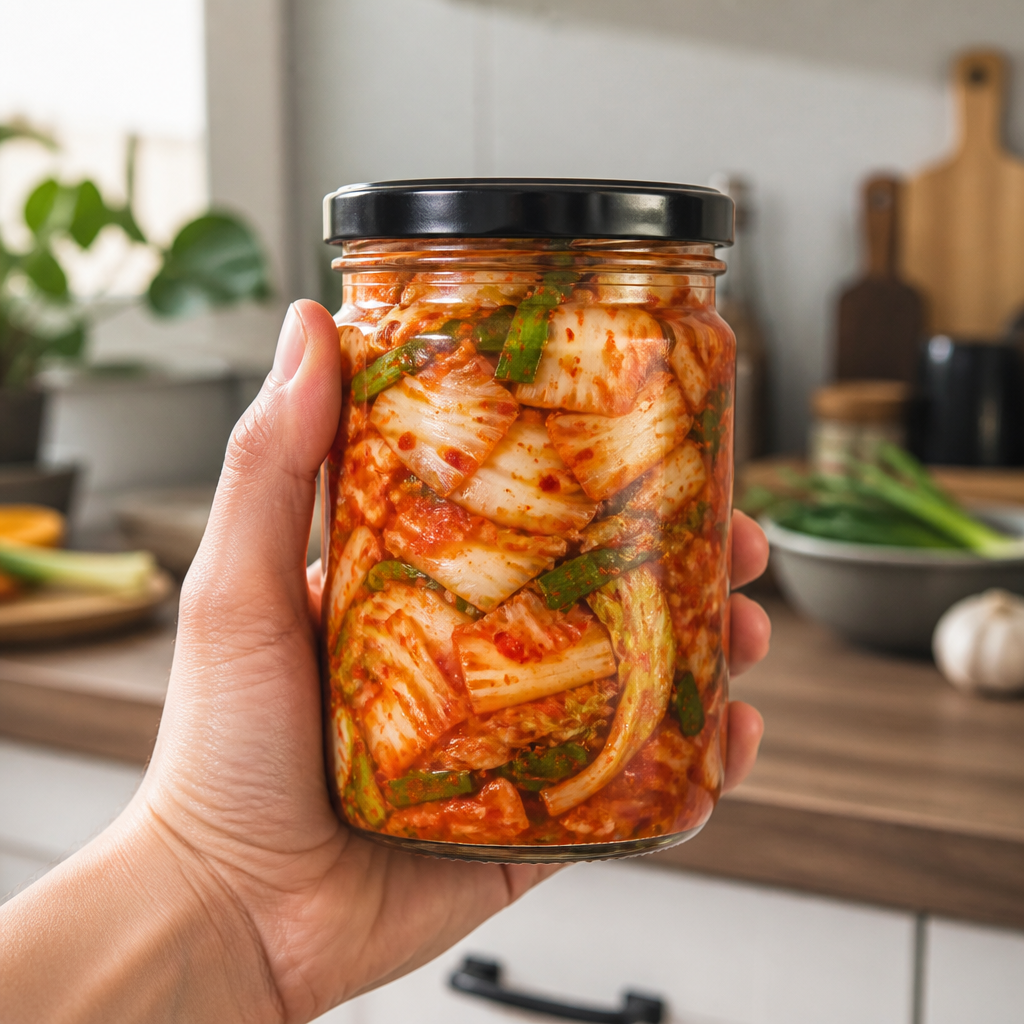
What to make with kimchi that is not spicy?
For individuals who appreciate fermented flavors but are sensitive to heat, there are several ways to enjoy kimchi-infused dishes without intense spiciness. One of the most direct ways is through traditional varieties like _baek kimchi_ (white kimchi), which is prepared without chili flakes (_gochugaru_). Another mild option is _mul kimchi_ (water kimchi), a refreshing variety served in a light brine.
For those who have regular spicy kimchi, a simple technique is to rinse it under cold water to remove much of the chili powder coating. Another method involves incorporating it into creamy dishes. Cooking kimchi in rich, dairy-based preparations such as kimchi cream pasta or kimchi alfredo can mellow its heat considerably. You can also mix it with mayonnaise or sour cream to create mild dips and spreads, making it more approachable as a condiment.
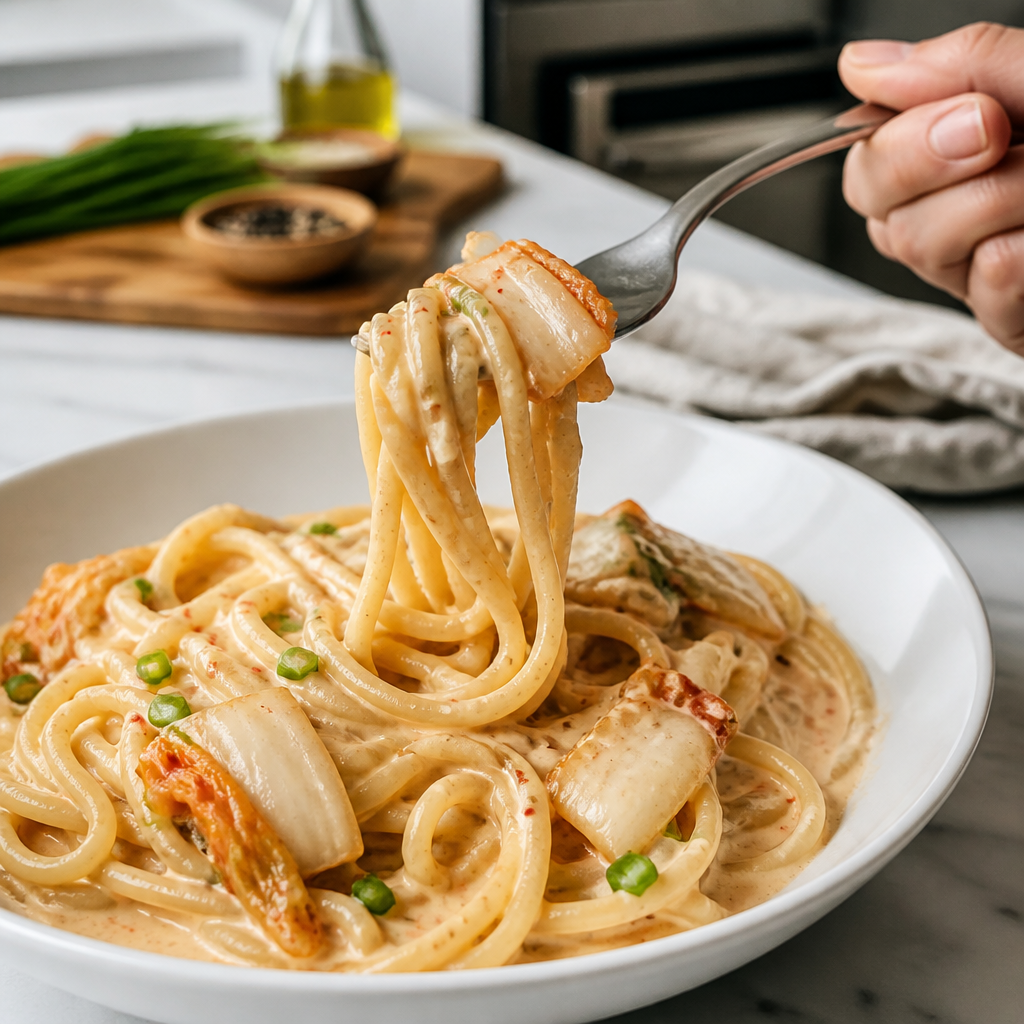
What to make with kimchi besides kimchi fried rice?
While kimchi fried rice is delicious, its culinary potential extends far beyond that single preparation. Exploring these options reveals the true versatility of this amazing ingredient.
Kimchi _jjigae_ (kimchi stew) stands as a strong contender for the second most popular kimchi dish. This hearty stew is traditionally made with aged kimchi, tofu, and a protein like pork or seafood. Kimchi pancakes, known as _kimchijeon_, are another beloved alternative. These savory pancakes feature chopped kimchi in a simple flour batter, pan-fried until crispy. Fusion cuisine also offers exciting options, such as kimchi grilled cheese sandwiches or as a zesty topping on pizza. Another creative dish is _Budae jjigae_ (army stew), which combines kimchi with ingredients like Spam, hot dogs, and ramen noodles in a spicy broth.
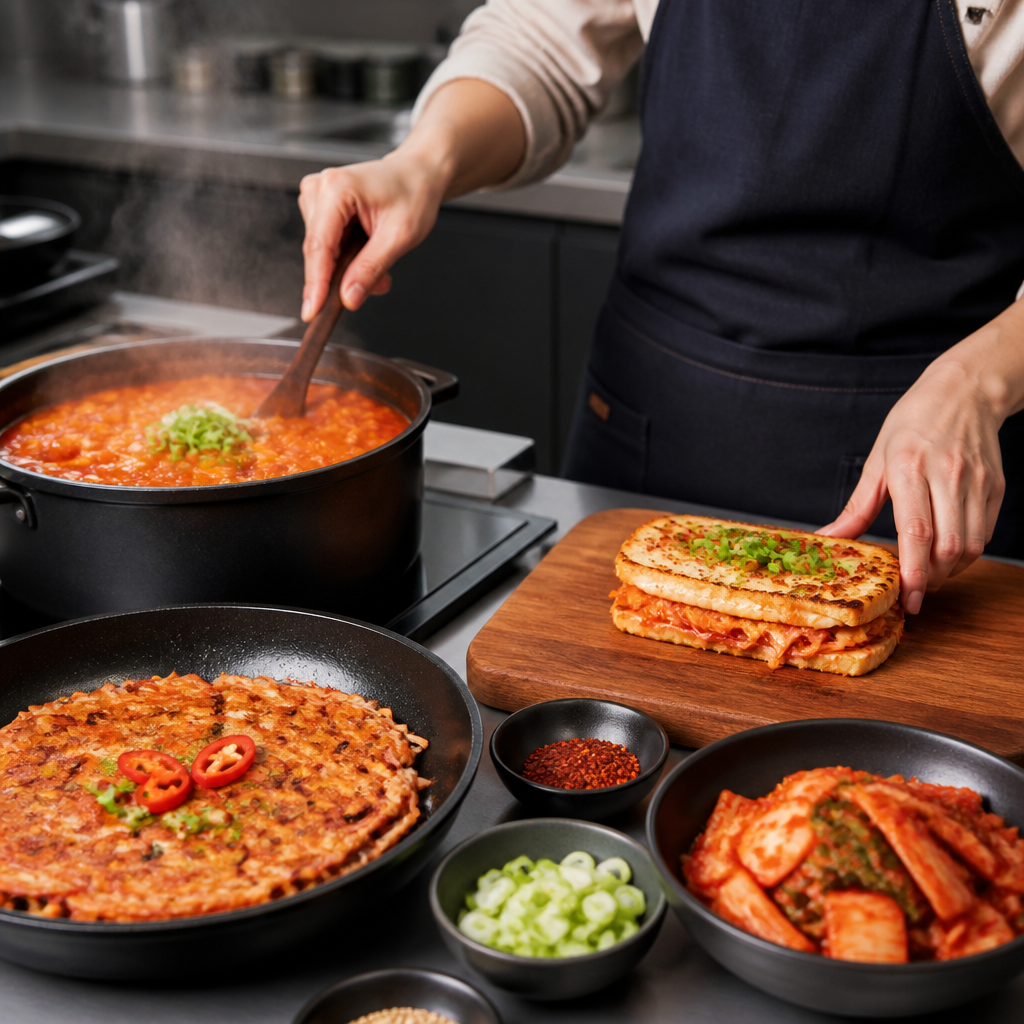
What to make with old kimchi?
"Old kimchi" refers to kimchi that has undergone extensive fermentation, becoming very sour and soft. Far from being spoiled, this highly fermented kimchi is actually preferred for specific cooked dishes, as its intensified flavors can significantly enhance a meal. The deep sourness is a key indicator of higher levels of lactic acid, which develops during extended fermentation.
This robust, sour profile is traditionally required for dishes like _kimchi jjigae_. As noted by Korean cooking expert Maangchi (Emily Kim), old, sour kimchi isn't spoiled but perfectly fermented for cooking. It is often saved specifically for jjigae because the deep, funky sourness creates the most authentic stew. Old kimchi also excels in _kimchi jeon_ (kimchi pancakes) and as a filling for _kimchi mandu_ (dumplings). In _kimchi jjim_ (braised kimchi), old kimchi is slowly cooked with pork until both become incredibly tender. _If it exhibits a rotten odor or shows any visible mold, it should be discarded._
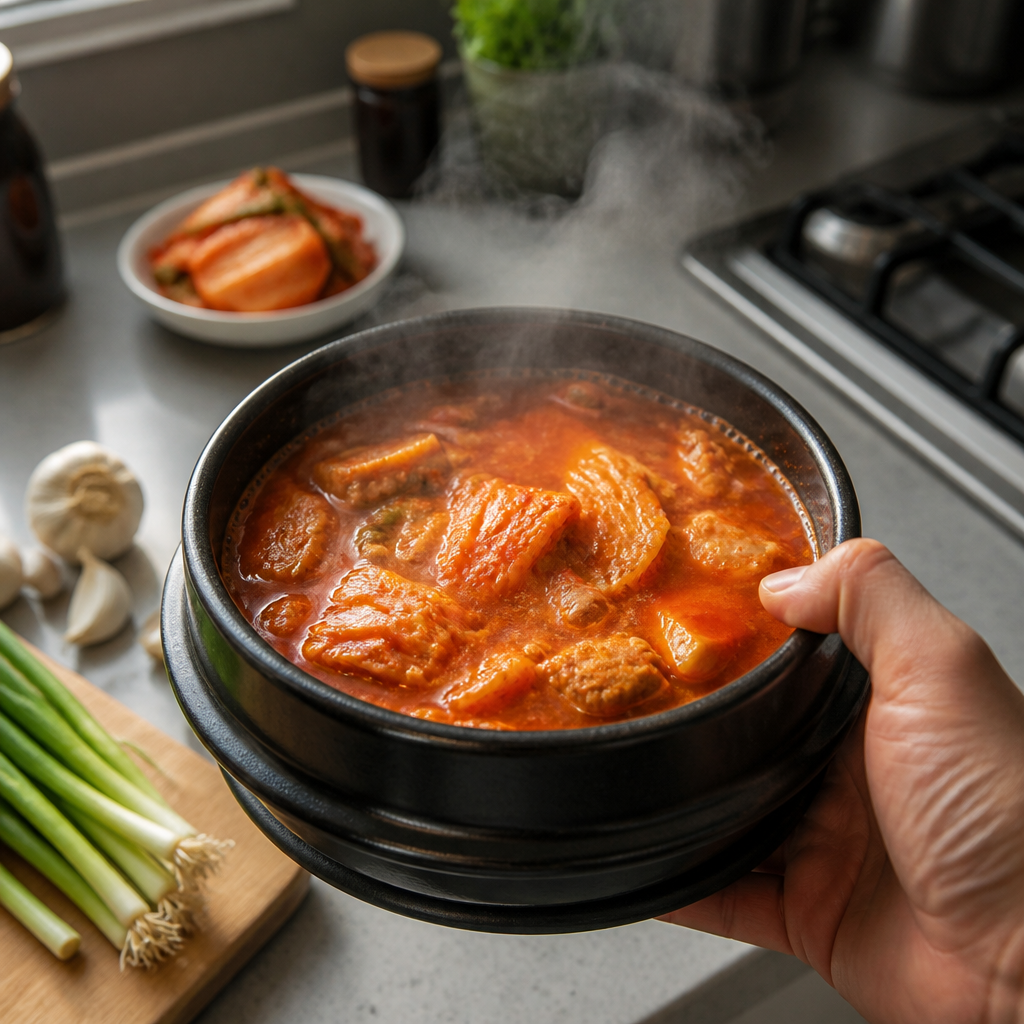
FAQ
Q1: What are some quick and easy meals I can make with kimchi?
A1: You can make several quick and easy meals with kimchi, often in under 30 minutes. Popular options include kimchi fried rice (bokkeumbap), kimchi grilled cheese, kimchi quesadillas, kimchi ramen, and kimchi scrambled eggs. Kimchi pancakes (kimchijeon) and one-pot kimchi stew (kimchi jjigae) are also great choices, typically ready in about 20-25 minutes.
Q2: Can I use kimchi if I don't like spicy food?
A2: Yes, you can enjoy kimchi even if you don't like spicy food. You can opt for non-spicy varieties like baek kimchi (white kimchi) or mul kimchi (water kimchi), which are made without chili flakes. Alternatively, you can rinse regular kimchi under cold water to remove some of the chili powder, or cook it in creamy dishes like pasta to mellow the heat. Mixing kimchi with mayonnaise or sour cream can also create milder dips and spreads.
Q3: What are the benefits of using old or over-fermented kimchi in cooking?
A3: Old or over-fermented kimchi is highly valued in Korean cooking for its intensified sourness and depth of flavor, which comes from higher levels of lactic acid developed during extended fermentation. It's traditionally preferred for dishes like kimchi jjigae (kimchi stew), kimchi jeon (kimchi pancakes), kimchi mandu (dumplings), and braised kimchi (kimchi jjim), as its robust taste significantly enhances these dishes.
Q4: Besides kimchi fried rice, what are some other popular Korean dishes that use kimchi?
A4: Beyond kimchi fried rice, kimchi jjigae (kimchi stew) is considered the second most popular kimchi dish. Other notable dishes include kimchi jeon (kimchi pancakes), kimchi mandu (kimchi dumplings), Budae jjigae (army stew), and Bossam (boiled pork belly served with kimchi wraps). Kimchi is also used in fusion dishes like kimchi grilled cheese and as a pizza topping.
Q5: How does kimchi contribute to the flavor of dishes when paired with ingredients like tofu or pork?
A5: When paired with tofu, kimchi's fermented, spicy, and tangy flavors complement the mild, protein-rich qualities of tofu, creating balanced and often vegetarian or vegan meals like kimchi jjigae with tofu or kimchi tofu scramble. With pork, particularly fatty cuts like pork belly, kimchi's acidity and spice cut through the richness, while the pork fat enhances the depth of the fermented kimchi broth, creating a perfect balance of richness and acidity fundamental to Korean cuisine.

Emily Carter is an American food lover who writes about Korean cuisine for people trying it for the first time. She covers what things taste like, how to eat them, and what to cook with them.