how to eat korean bbq: 7 Easy Tips for a Delicious Feast
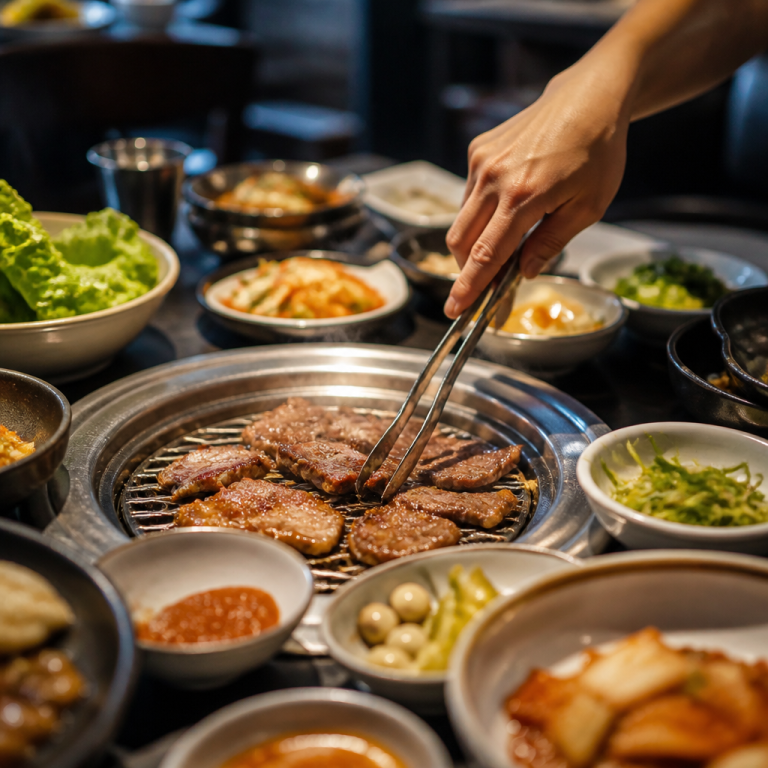
Korean BBQ, or _gogi-gui_, offers a unique and interactive dining experience centered around a vibrant mix of sizzling meats, colorful side dishes, and flavorful sauces. Guests grill various meats, usually beef, pork, or chicken, right at their table on built-in gas or charcoal grills. This communal style of cooking involves wrapping freshly grilled meat in crisp lettuce leaves with an assortment of side dishes, called _banchan_. More than just food, Korean BBQ is a social cornerstone of Korean culture, emphasizing sharing and interaction, making the act of grilling a key part of the experience. Its roots trace back to Korean royal court cuisine, but it surged in popularity during the 1960s and 1970s as meat became more accessible, turning it into the cherished culinary tradition we know today.
Getting Started with Korean BBQ
Embarking on your first Korean BBQ adventure is an exciting entry into a world of rich flavors and interactive dining. Understanding the menu and how to order will help ensure a smooth and enjoyable experience. From picking the perfect cuts of meat to navigating the complimentary side dishes, a little preparation goes a long way in appreciating this culinary tradition.
What to Eat at Korean BBQ
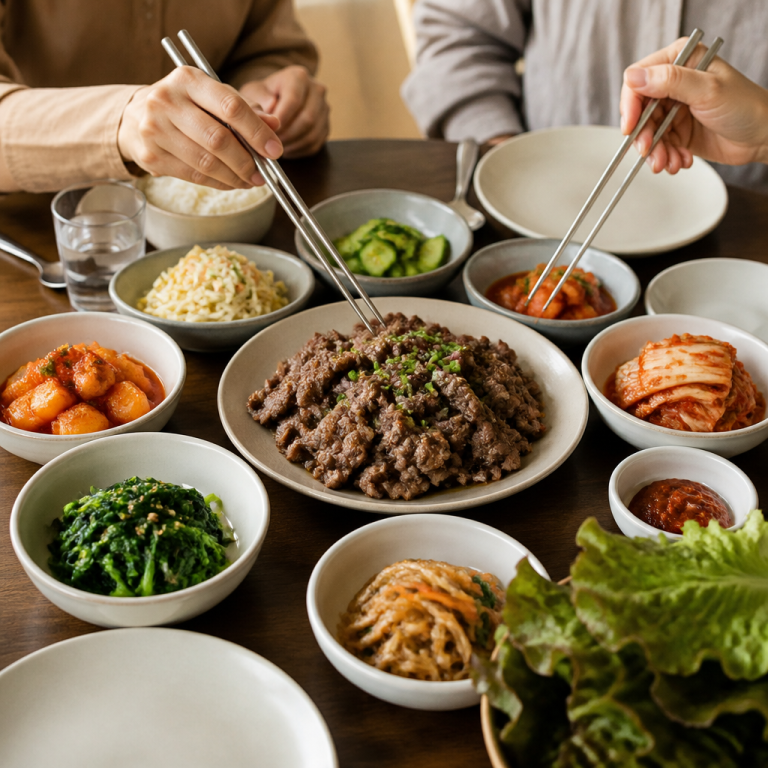
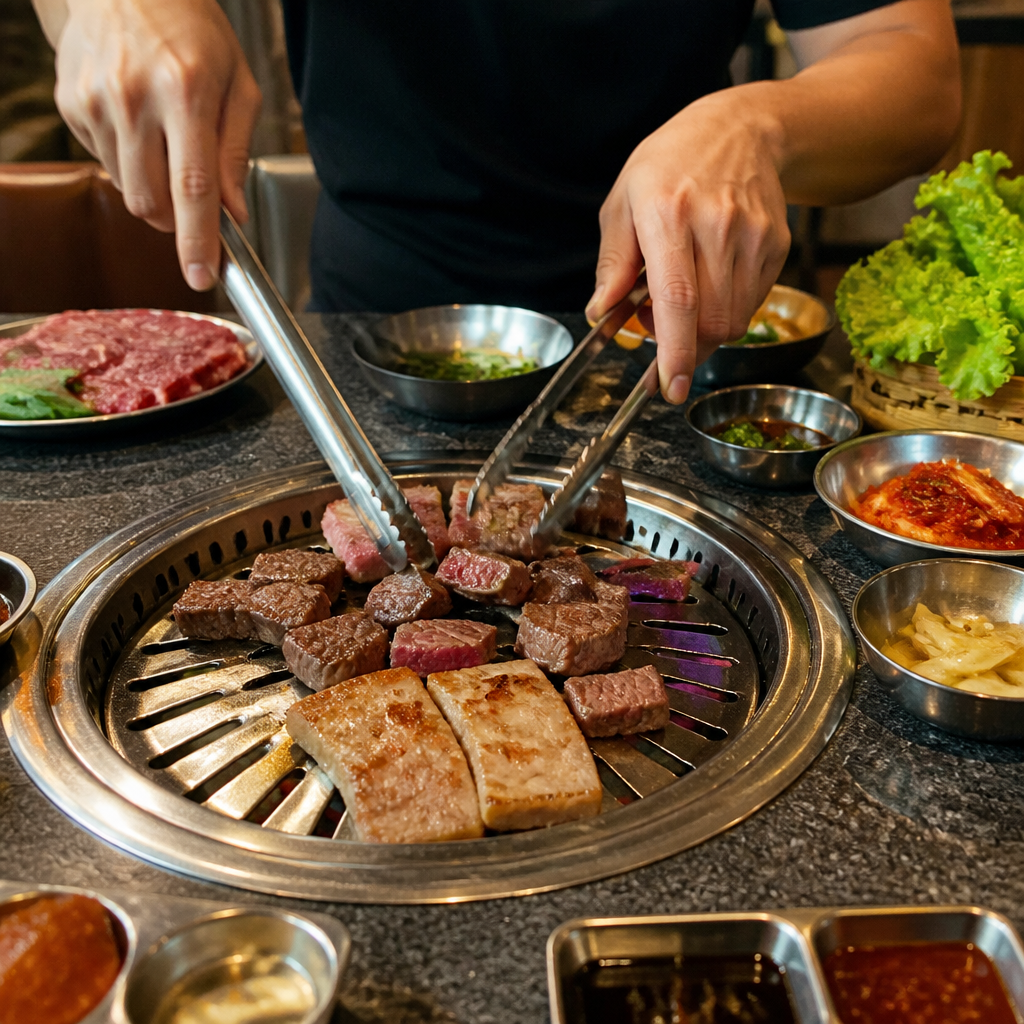
A typical Korean BBQ menu presents a wide variety of meats. Each is prepared to highlight its unique qualities, from richly marinated beef to succulent cuts of pork. Essential accompaniments like fresh lettuce wraps (_ssam_), steamed rice, and _kimchi_ complete the experience.
| Meat Type | Popular Choices | Description |
|---|---|---|
| Beef | _Bulgogi_, _Galbi_, _Chadolbaegi_ | Thinly sliced marinated beef, Marinated short ribs, Thinly sliced brisket |
| Pork | _Samgyeopsal_, _Moksal_ | Thick-cut pork belly, Pork neck/shoulder |
The heart of the table is its extensive array of _banchan_, or side dishes. These small, flavorful accompaniments are crucial for balancing the richness of the grilled meat. Standard _banchan_ often include various preparations of _kimchi_, pickled radish (_danmuji_), seasoned bean sprouts, and creamy potato salad. These side dishes are typically served free of charge and are refillable.
To customize each bite, a selection of dipping sauces is always provided. _Ssamjang_, a robust mixture of fermented soybean paste and chili paste, is a staple. _Gochujang_, a vibrant red chili paste, provides more direct heat, while sesame oil mixed with salt and pepper offers a nutty aroma and subtle seasoning. To complement the meal, traditional beverages like _soju_ (a clear Korean spirit) or chilled barley tea (_boricha_) are popular choices.
How to Order Korean BBQ for Beginners
For those new to Korean BBQ, navigating the menu can seem daunting, but a strategic approach makes it simple. A good starting point for first-time diners is to opt for a combination platter or a set menu. These options are designed to offer a variety of 2-3 different meat types, providing a comprehensive taste of the offerings without the risk of over-ordering.
When considering portion sizes, meats are typically measured in grams, with a general guideline of 100-200 grams per person per meat type. _It's worth noting that many restaurants require a minimum order of 2 servings per meat type._ For recommended starter meats, _bulgogi_ (marinated beef) and _samgyeopsal_ (pork belly) are excellent choices. Their familiar flavors and forgiving cooking times make them ideal for those still getting accustomed to the grilling process.
The sequence in which you grill your meats can also impact flavor. It is often recommended to start with unmarinated meats before moving on to marinated cuts like _bulgogi_ or _galbi_, as the sweet marinades can char and stick to the grill. Korean BBQ restaurants generally operate on one of two pricing models: all-you-can-eat (AYCE) or à la carte. The AYCE option, popular in the United States with prices from $25-50 per person, allows for unlimited servings. À la carte dining allows for more selective ordering of individual dishes. Many restaurants also have staff assist with grilling, ensuring the meat is cooked perfectly.
How to Eat Korean BBQ Properly
Korean BBQ is a cultural experience steeped in tradition and communal enjoyment. Discover how understanding the proper etiquette and techniques for grilling and eating can significantly enhance your dining experience, allowing you to fully appreciate the social and culinary nuances of this beloved cuisine.
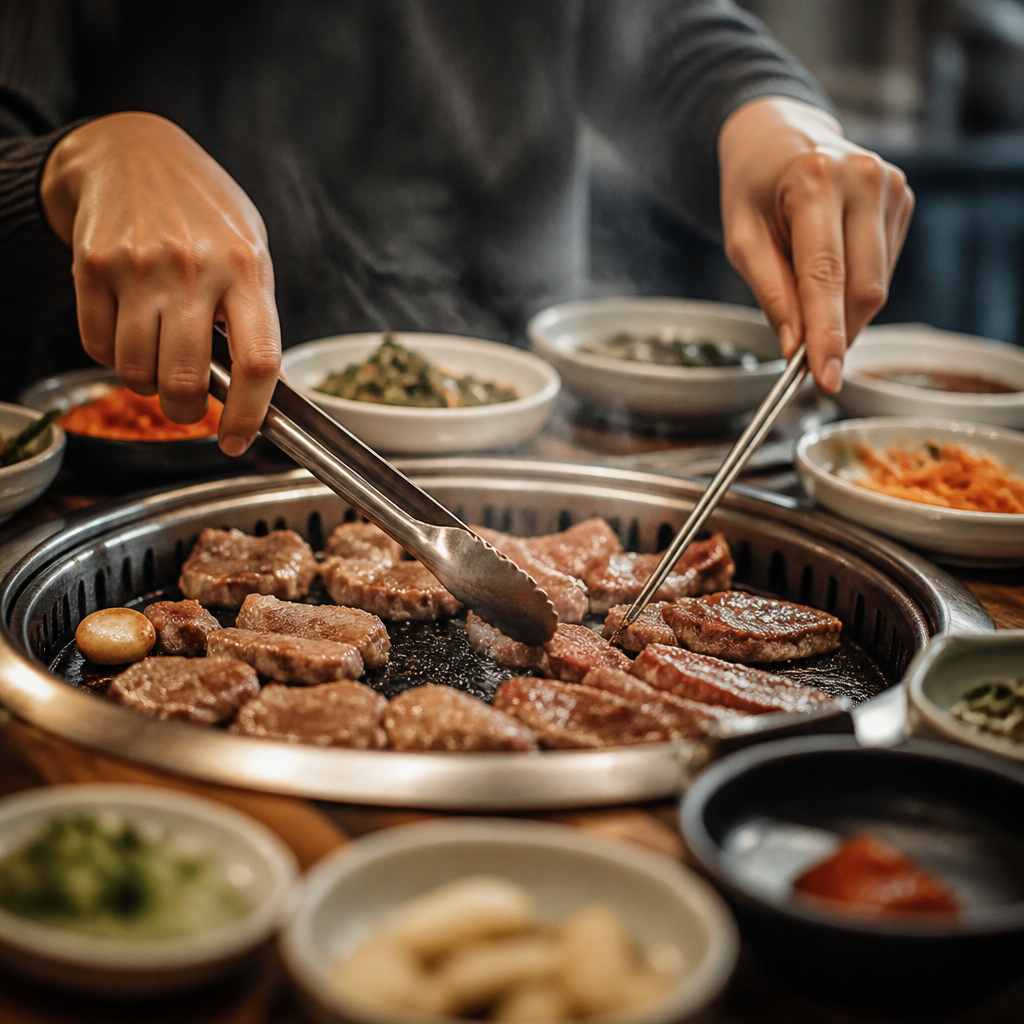
How to Eat Korean BBQ Etiquette
Korean dining etiquette often reflects values of respect and hierarchy, though modern settings are more relaxed. When dining, certain customs contribute to an authentic and respectful experience.
As a sign of respect, it is customary to turn your head away when drinking alcohol in the presence of elders. When pouring or receiving drinks, use two hands.
The communal nature of Korean BBQ is central to the experience. Meat is grilled and shared directly from the same grill. Other key etiquette points include:
- Grilling: Traditionally, the eldest person or the host manages the grill. In contemporary settings, this responsibility is often shared.
- Serving Others: It is a polite gesture to prepare _ssam_ (lettuce wraps) for elders or guests before making one for yourself.
- Utensil Use: Use the provided scissors to cut grilled meat into pieces and communal tongs to handle raw meat. Avoid using your personal chopsticks to handle uncooked items.
- General Manners: Avoid blowing your nose at the table or sticking chopsticks upright in your rice bowl, as this gesture is associated with funeral rituals.
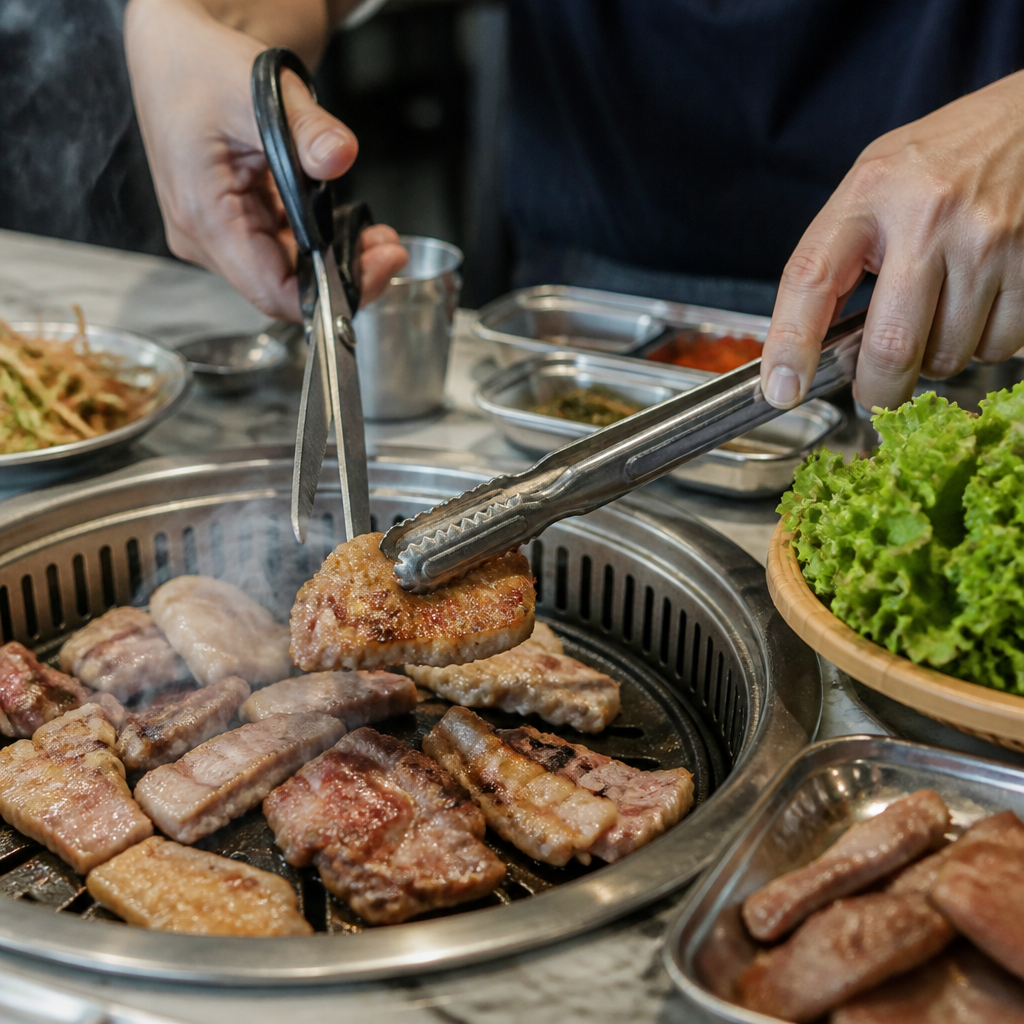
How to Eat Korean BBQ Meat
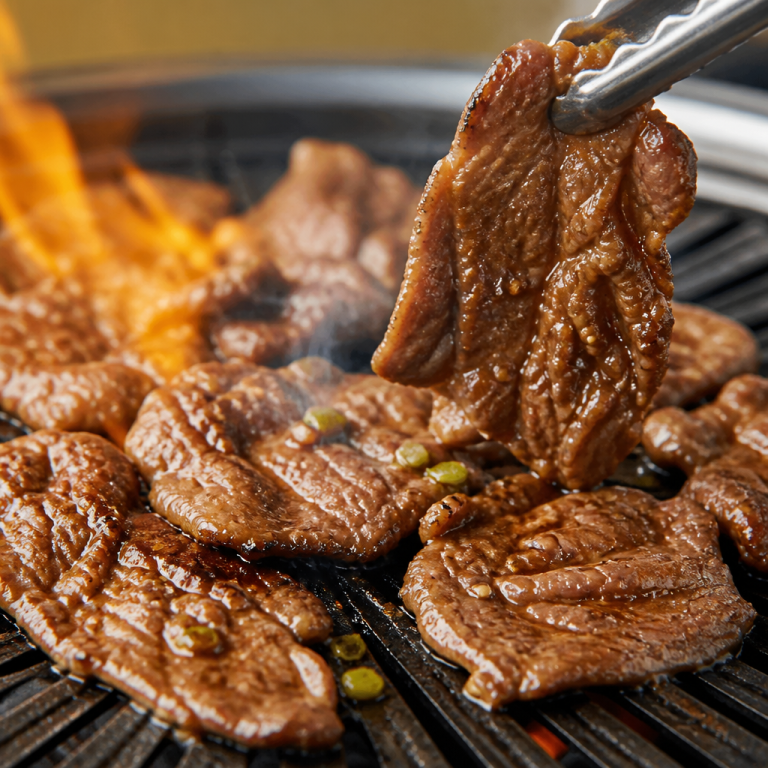
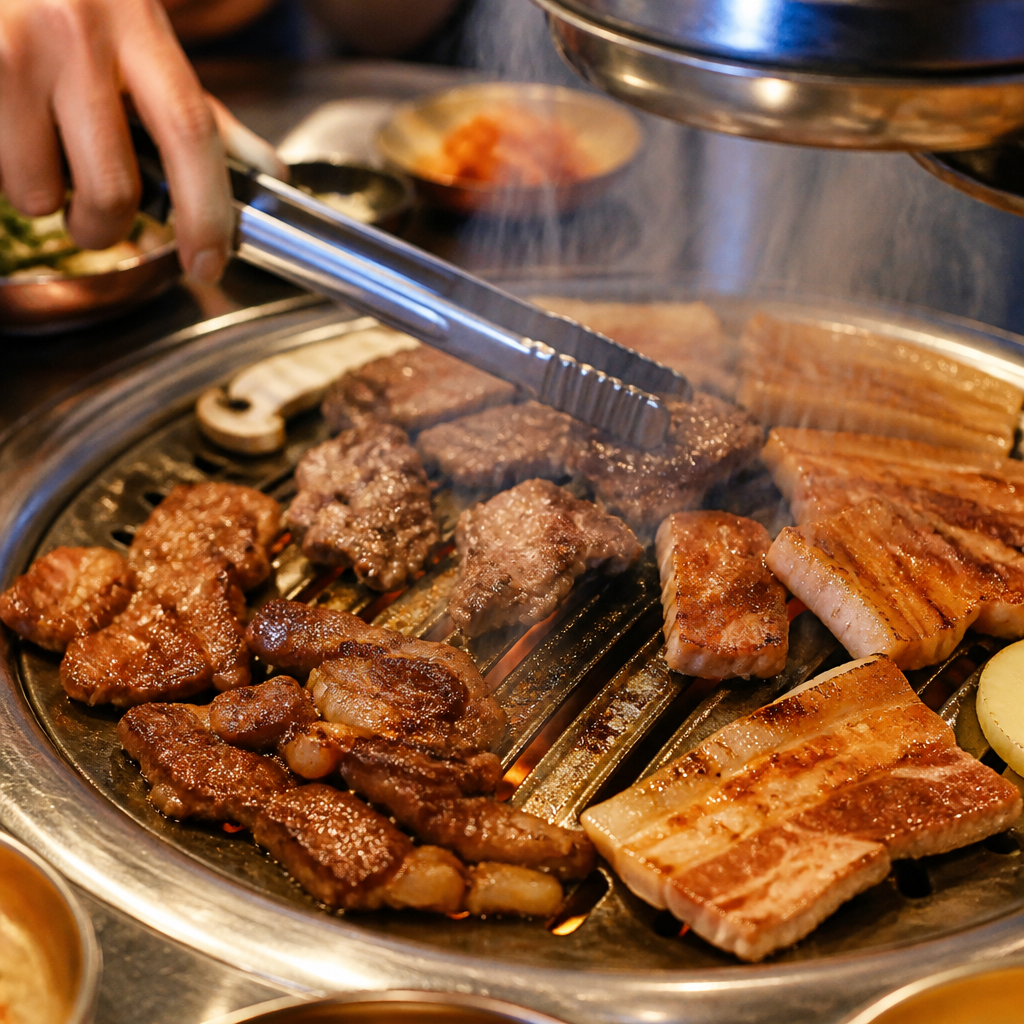
Mastering the art of grilling is fundamental to enjoying Korean BBQ. The process begins by placing the meat flat on the preheated grill without overlapping. For thin cuts, cook each side for 1-2 minutes. A key technique for optimal texture and juiciness is to flip the meat only once.
Doneness guidelines vary by meat type. Beef can be enjoyed medium-rare to medium. _For food safety, pork and chicken must be cooked thoroughly until no pink remains._ Once cooked, use the provided scissors to cut the meat into bite-sized pieces, typically around 2-3 centimeters.
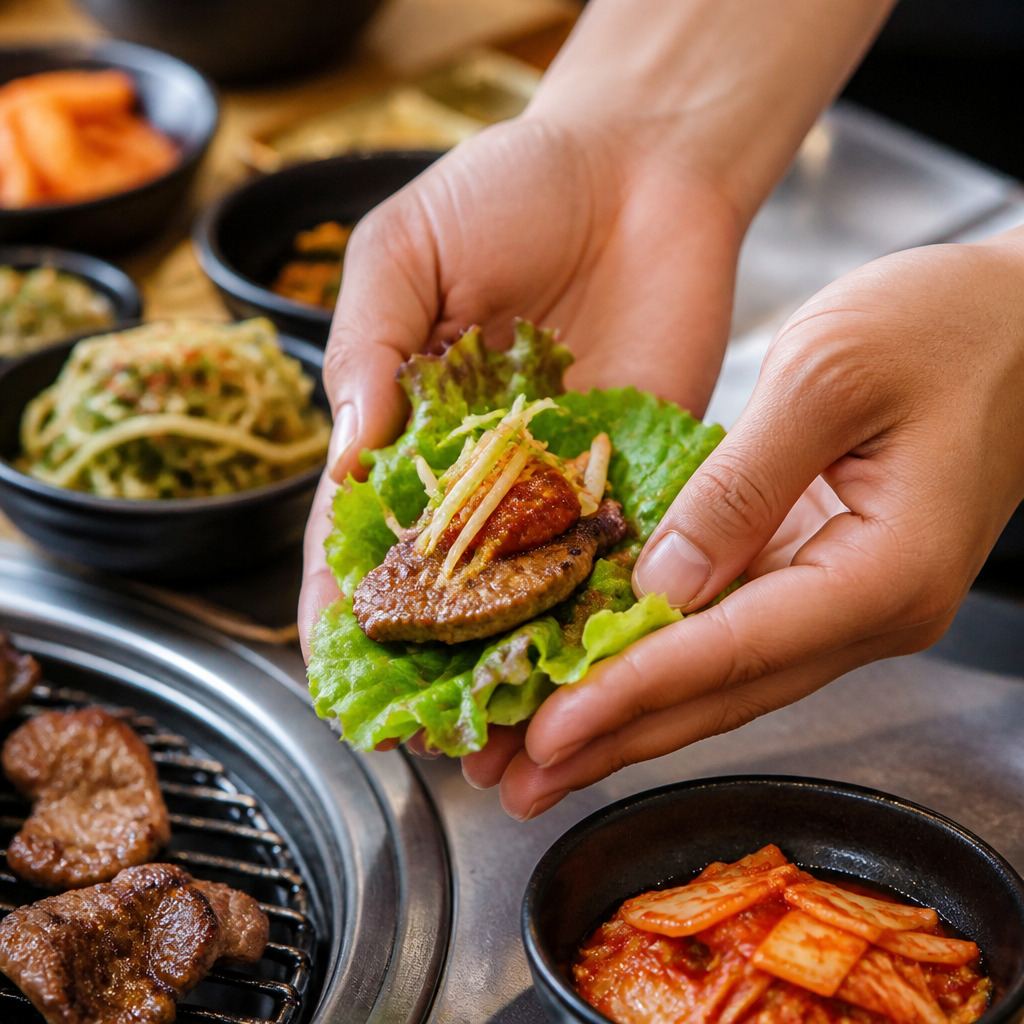
The quintessential way to enjoy the meat is by creating a _ssam_, or wrap. Take a fresh lettuce or perilla leaf, place a piece of grilled meat in the center, and add a small amount of _ssamjang_. You can also include rice, a slice of raw or grilled garlic, and other _banchan_. Fold the leaf into a neat parcel and eat it in one bite. Temperature control is also crucial; use high heat for thin cuts, medium-high for fatty cuts like pork belly, and medium heat for marinated meats to prevent the sugars from burning.
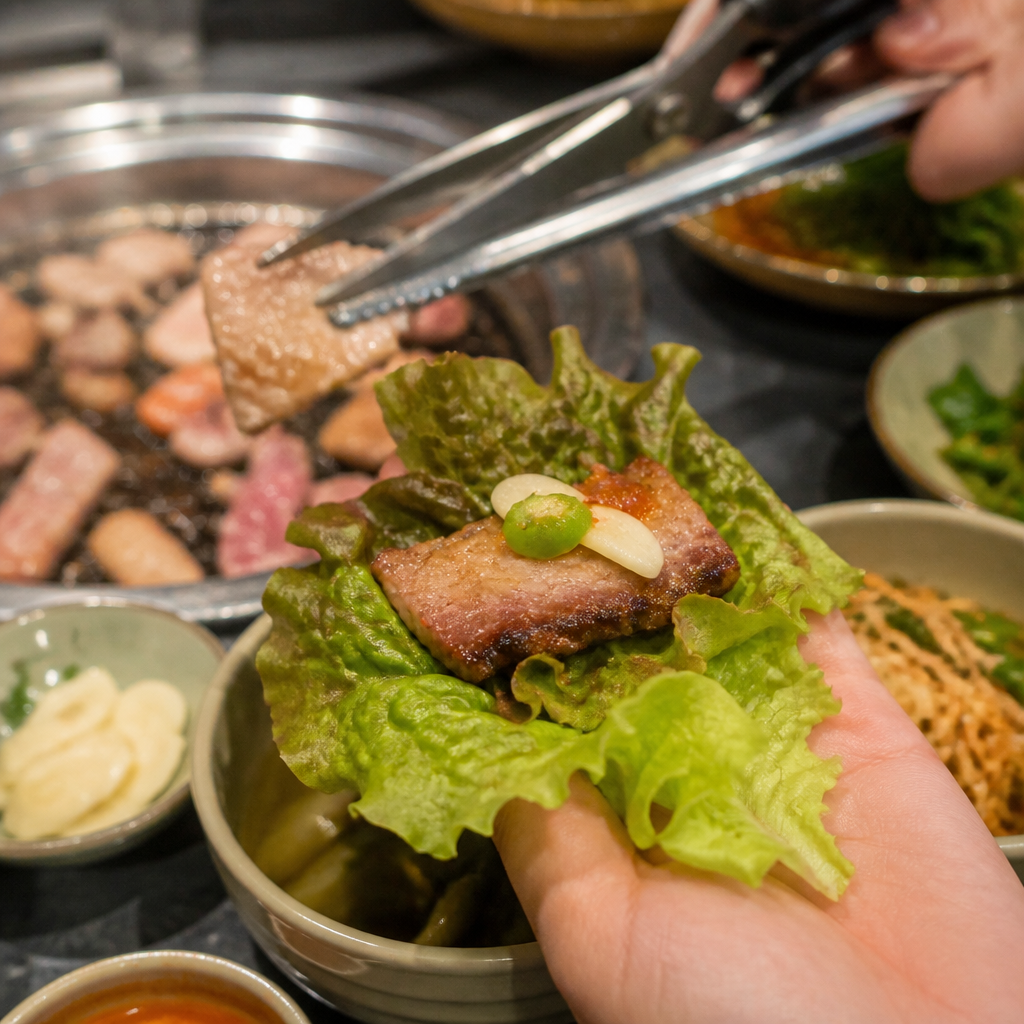
How to Eat Korean BBQ with Sides
The true magic of Korean BBQ lies in the interplay between the succulent grilled meats and the vibrant array of side dishes. The traditional method of enjoying this combination is through _ssam_ assembly, where you create a balanced bite known as _ssambap_. This involves layering a lettuce leaf with meat, sauce, rice, and various sides to create a complex and satisfying mouthful.
Beyond the _ssam_, the various _banchan_ are meant to be enjoyed throughout the meal, offering a refreshing contrast to the richness of the meat. Alternating between bites of meat and spoonfuls of crisp, tangy _banchan_ like kimchi or pickled radish cleanses the palate and can aid in digestion.
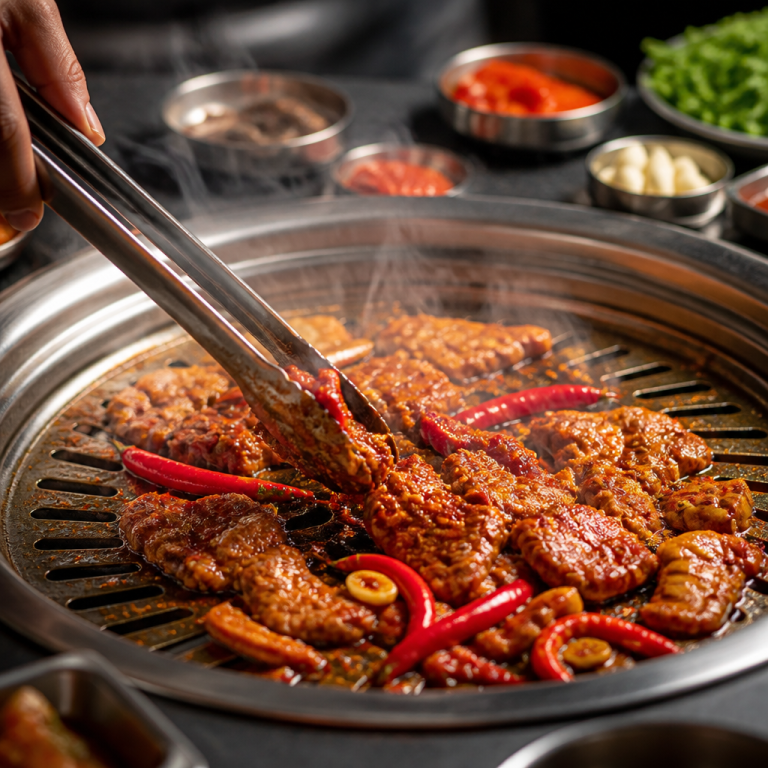
Raw garlic cloves and sliced green peppers are frequently offered and are often grilled alongside the meat, which mellows their pungent flavor and adds a sharp counterpoint. _Kimchi_ is also versatile; it can be eaten fresh as a palate cleanser or grilled on the side of the barbecue. Grilled _kimchi_ becomes softer and caramelized, offering a deeper, more savory flavor that pairs exceptionally well with rich meats.
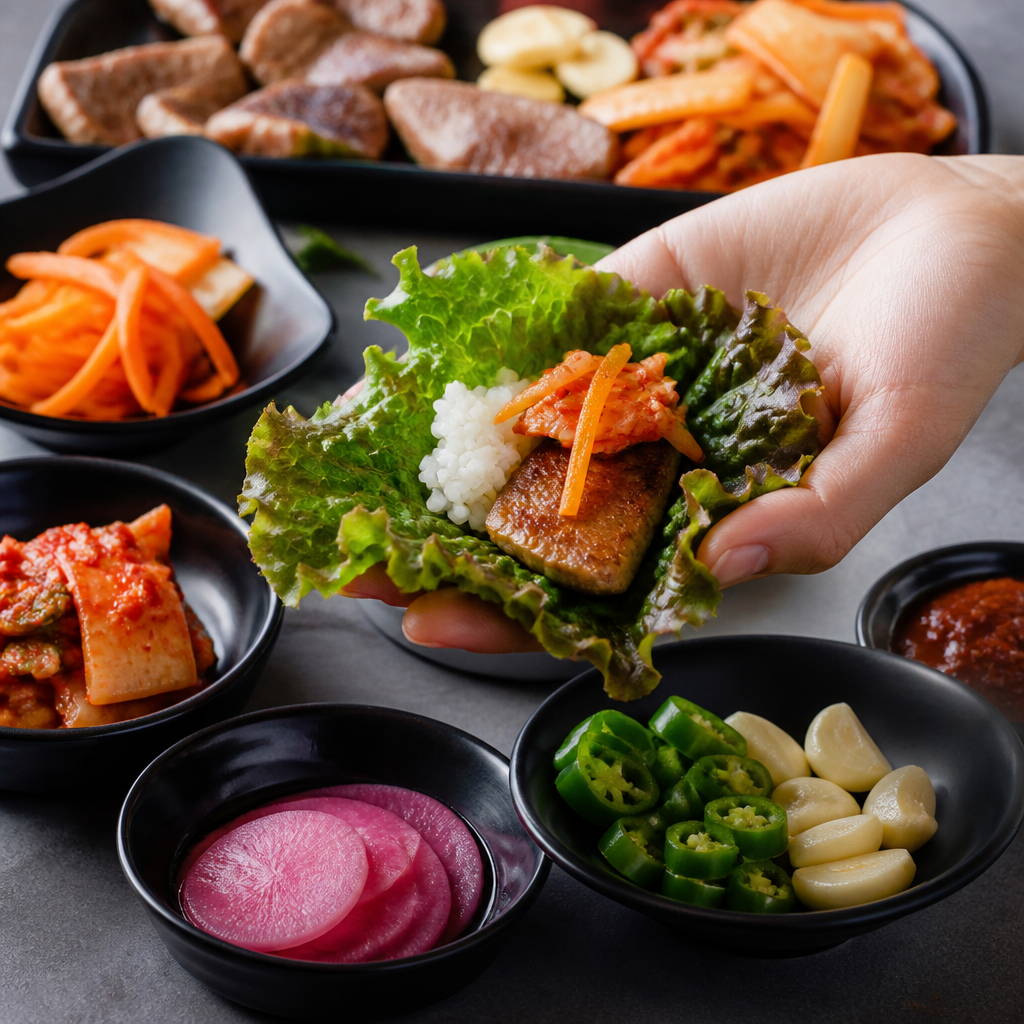
Enjoying Korean BBQ at Home and Timing
Bringing the Korean BBQ experience into your home can be a fun and rewarding way to enjoy this communal meal in a more intimate setting. With the right equipment and ingredients, you can recreate the authentic flavors and interactive grilling process.
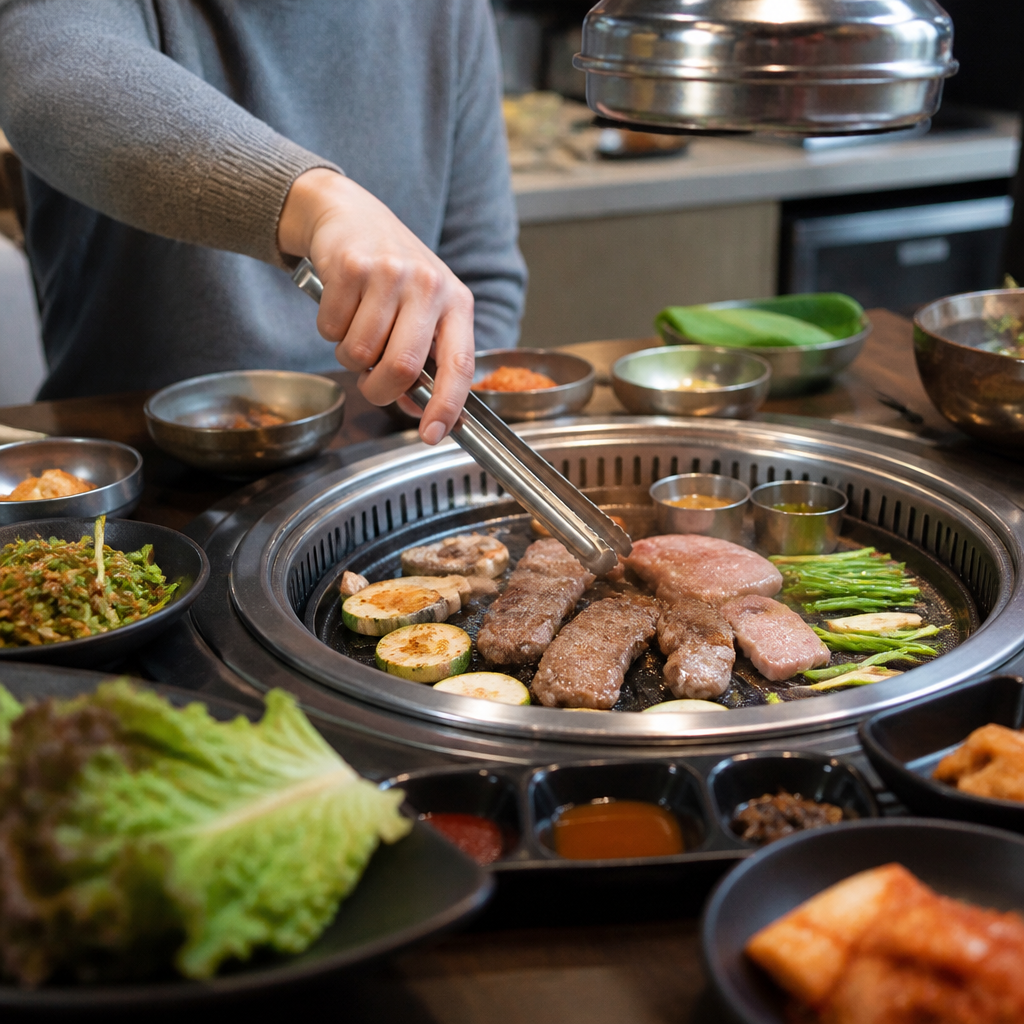
How to Eat Korean BBQ at Home
Setting up for Korean BBQ at home requires a few key pieces of equipment. Proper ventilation is crucial when grilling indoors; use a range hood or open windows to ensure good air circulation. _Never use outdoor charcoal grills indoors, as they produce dangerous levels of carbon monoxide._
Here are the essentials for a home Korean BBQ setup:
- Grill: A portable butane gas burner or an indoor electric grill.
- Meat: Pre-sliced meats can be found at Asian grocery stores. To slice your own, partially freeze the meat for 30-40 minutes to make it easier to cut thinly.
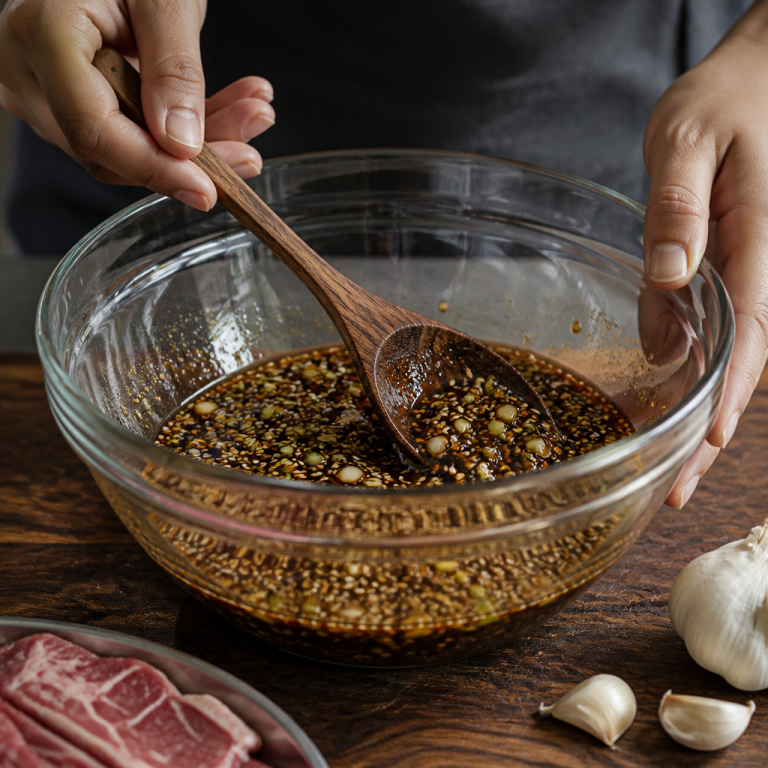
- Marinade: A classic _bulgogi_ marinade includes soy sauce, sugar, sesame oil, garlic, ginger, and Asian pear. Marinate meat for at least 2 hours, or up to 24 hours for deeper flavor.
- Accompaniments: Fresh lettuce, dipping sauces (_ssamjang_, _gochujang_), fresh garlic, _kimchi_, and at least 3-4 other types of _banchan_.
A significant advantage of preparing Korean BBQ at home is the cost efficiency, often reducing the price per person by half compared to dining out. Indoor electric grills are a safe and convenient option, with prices typically ranging from $30-200.
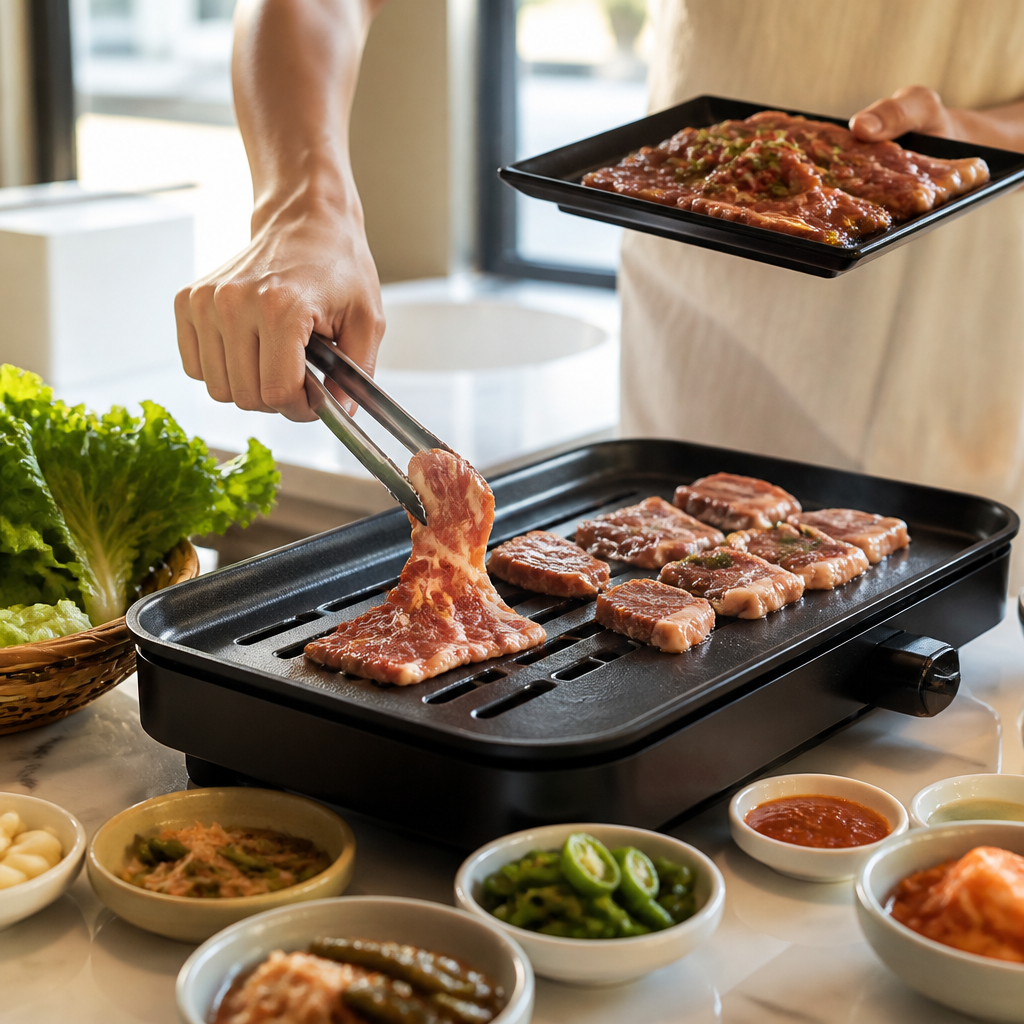
How Long Does It Take to Eat Korean BBQ
Korean BBQ is designed to be a leisurely and social meal. The typical duration for a Korean BBQ meal generally ranges from 1.5 to 2.5 hours, as it is meant to be a leisurely social event. For all-you-can-eat (AYCE) experiences, the meal can extend to 2-3 hours. _Be aware that many AYCE restaurants impose time limits, commonly ranging from 90-120 minutes._
The actual grilling time for meat is quick, typically 2-5 minutes. Thin cuts like brisket cook in 1-2 minutes, while thicker or marinated cuts may take 4-5 minutes. For AYCE, a strategic approach is to plan for 3-4 rounds of ordering spaced 15-20 minutes apart. This prevents over-ordering and allows you to savor the experience without feeling rushed.
Korean BBQ offers a unique blend of culinary delight and social interaction. From the sizzling meats to the vibrant _banchan_, it provides a rich sensory experience. Whether dining at a bustling restaurant or recreating the magic at home, it's an invitation to slow down, connect, and savor a truly interactive feast.
FAQ
Q1: What are the most popular meat choices for beginners at Korean BBQ?
A1: For beginners, _bulgogi_ (marinated beef) and _samgyeopsal_ (pork belly) are highly recommended. _Bulgogi_ offers a familiar sweet and savory flavor, while _samgyeopsal_ provides a rich, crispy texture, and both are relatively easy to grill.
Q2: Are side dishes (banchan) typically refillable at Korean BBQ restaurants?
A2: Yes, at most Korean BBQ restaurants, _banchan_ are complimentary and unlimited. Diners can request refills of any side dish at no additional charge.
Q3: What is the proper way to eat Korean BBQ meat with the side dishes?
A3: The traditional method is to create a _ssam_ (wrap). Place a piece of grilled meat in a lettuce or perilla leaf, add a small amount of _ssamjang_, rice (optional), garlic, and other desired _banchan_, then fold the leaf and eat it in one bite for a balanced flavor.
Q4: How long does a typical Korean BBQ meal last, especially for all-you-can-eat (AYCE)?
A4: A standard Korean BBQ meal typically lasts 1.5 to 2.5 hours. For all-you-can-eat experiences, it can extend to 2-3 hours, though many AYCE restaurants may impose time limits of 90-120 minutes.
Q5: What are some essential safety tips for doing Korean BBQ at home?
A5: When doing Korean BBQ at home, ensure you have proper ventilation, such as a range hood or open windows, if using a portable gas burner. Never use outdoor charcoal grills indoors due to carbon monoxide risks, and keep a fire extinguisher nearby as a precaution.

Emily Carter is an American food lover who writes about Korean cuisine for people trying it for the first time. She covers what things taste like, how to eat them, and what to cook with them.