what is banchan korean: 7 Delicious Facts to Know
Korean cuisine offers a vibrant feast for the senses, celebrated for its bold flavors, a wide array of fresh ingredients, and unique dining customs that invite everyone to share. At the heart of any traditional Korean meal are "banchan" (반찬), a delightful collection of small side dishes that complement cooked rice and a main course. These dishes are more than just accompaniments; they're essential to the Korean dining experience, offering a journey through diverse tastes and textures. Exploring banchan lets you discover how every Korean meal feels special and complete.
Understanding Banchan in Korean Cuisine
What is Banchan in Korean?
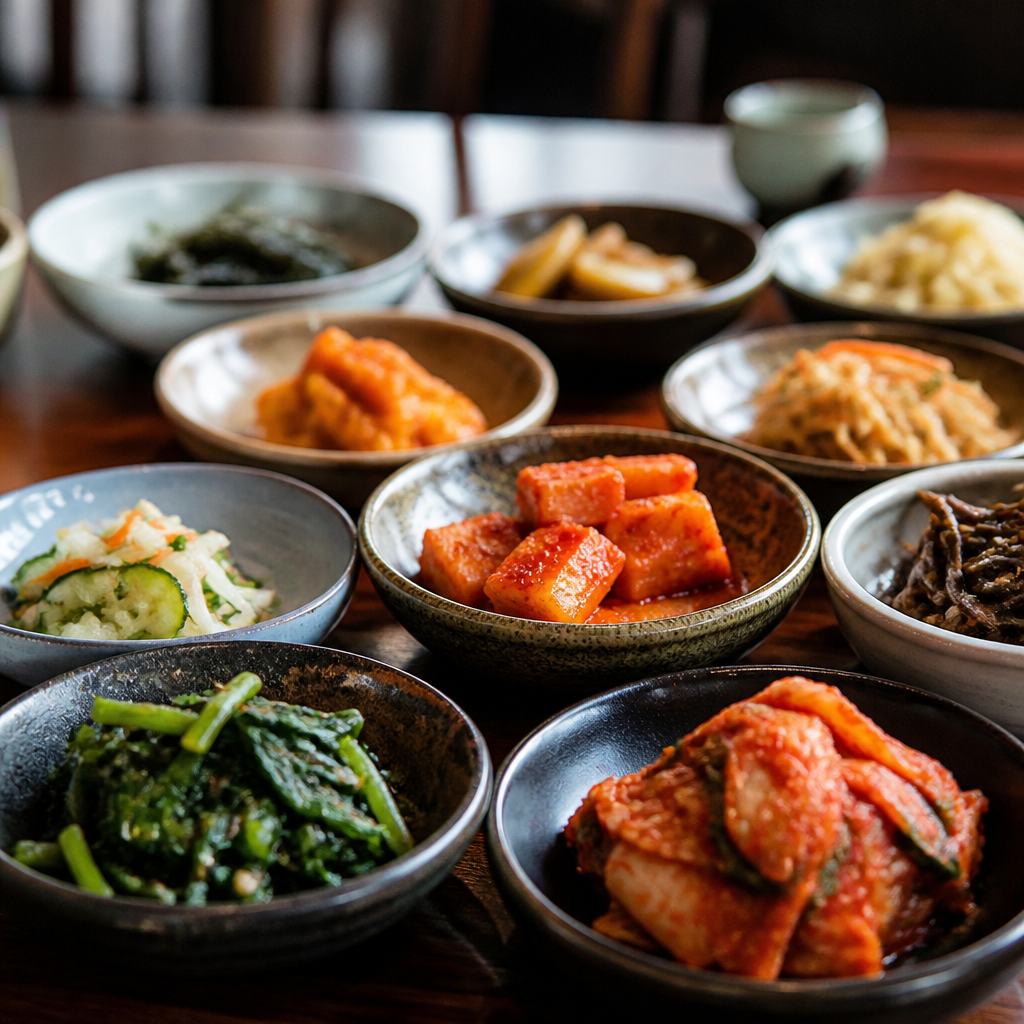
Banchan literally means the small side dishes served alongside cooked rice in Korean cuisine. You can think of them as small culinary treasures, each presented in its own small dish, intended for sharing among everyone at the table. The tradition of banchan stretches back to Korea's Three Kingdoms period (57 BCE–668 CE). Over centuries, this practice evolved, particularly from royal court cuisine, _where the number of banchan dishes often signified a person's social status and wealth_.
Culturally, banchan expresses hospitality and a sense of abundance in Korean dining. Many Korean restaurants showcase this by offering unlimited refills of banchan at no extra cost—a gesture that highlights their warmth and generosity. This act of endless refills makes you feel very welcome and cared for. The actual number of banchan dishes varies greatly, from about 3 for everyday family meals to 12 or more for special occasions and celebrations. Historically, a formal royal court setting might have featured up to 12 different kinds of banchan. Beyond their rich cultural meaning, banchan dishes often feature vegetables and are fermented, meaning they can be packed with beneficial probiotics, fiber, and essential nutrients.
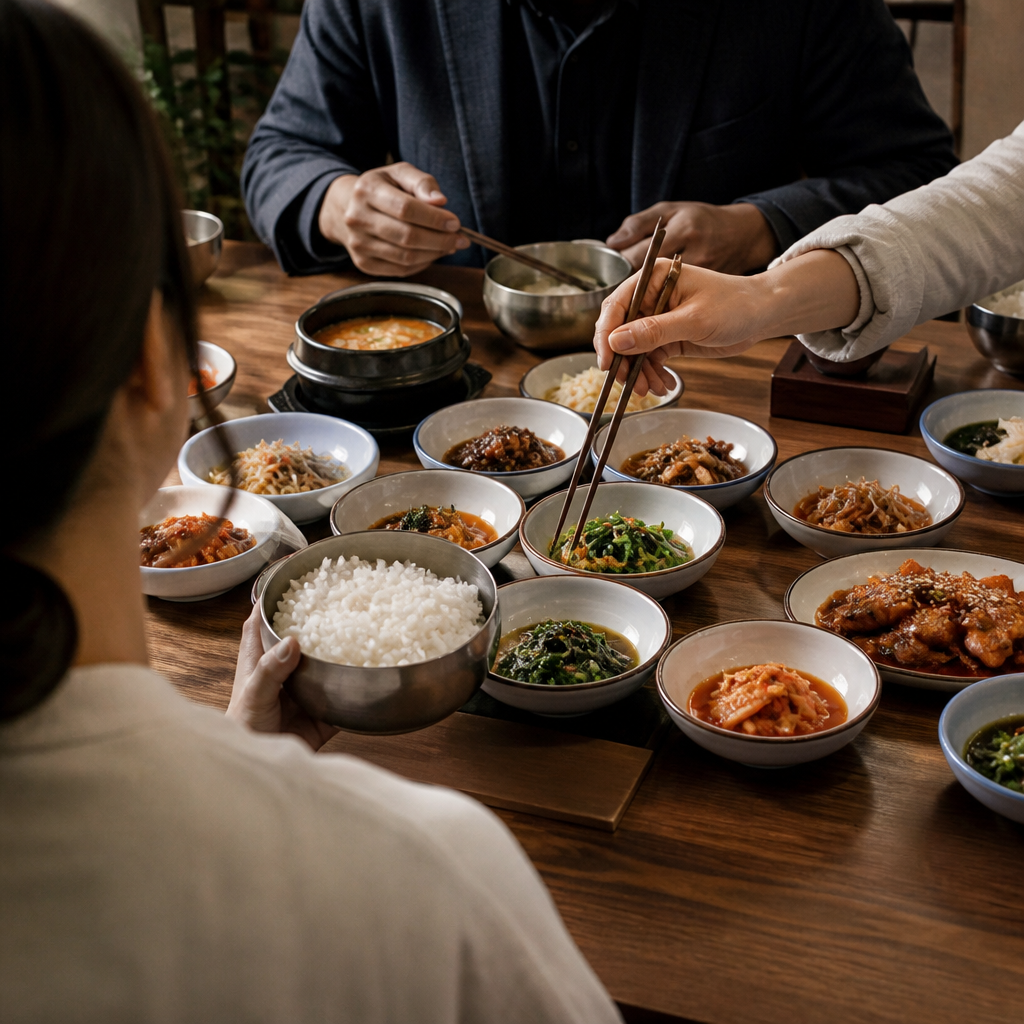
Banchan Korean Side Dishes Explained
Korean side dishes, or banchan, fall into several main types, each with its own preparation methods and unique flavors. These categories include kimchi (fermented vegetables), namul (seasoned vegetables), jorim (braised dishes), jeon (pan-fried items), and jeotgal (salted seafood). Making banchan involves various techniques like fermentation, blanching, stir-frying, braising, and pickling. Many banchan dishes can be prepared ahead of time and stored, making them convenient for daily meals.
A key distinction of banchan, compared to many Western side dishes, is that they're meant to be eaten in small amounts throughout the entire meal. Diners typically alternate bites of rice, the main dish, and various banchan. This creates a diverse and balanced flavor experience with every mouthful. Banchan are traditionally served in small ceramic or metal dishes called "jeopsi," which are placed in the center of the table for everyone to share. These dishes can be served at different temperatures: some are cold, some are at room temperature, and some are warm. Traditional Korean homes also adapt their banchan preparations seasonally, using the freshest available ingredients.
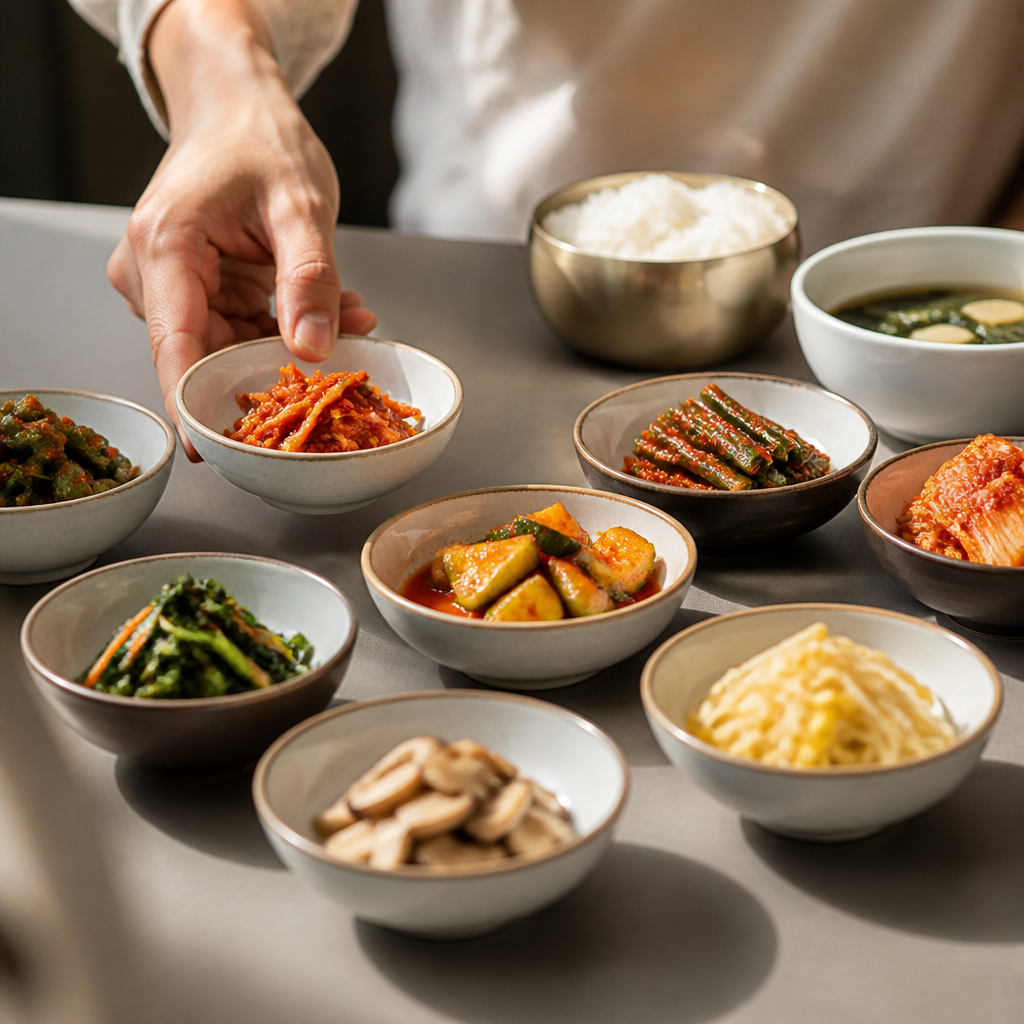
Traditional Banchan Korean Food
Traditional banchan includes dishes that have been foundational to Korean cuisine for centuries. These often feature fermented vegetables, delicately seasoned greens, and carefully preserved foods. Many of these dishes were developed as practical ways to keep food fresh long before modern refrigerators existed. Core examples of these timeless banchan include kimchi (fermented napa cabbage), oi-muchim (a refreshing cucumber salad), sigeumchi-namul (seasoned spinach), kongnamul-muchim (seasoned bean sprouts), and gamja-jorim (braised potatoes).
The practice of fermentation, especially for dishes like kimchi and jeotgal (salted seafood), was crucial for preserving food during Korea's harsh winters. This process creates complex, deep flavors while significantly extending the shelf life of ingredients. Traditional banchan also showcases regional differences; for instance, coastal areas might feature more seafood-based banchan like myeolchi-bokkeum (stir-fried anchovies), while inland regions might focus on mountain vegetables. Many traditional banchan recipes originated from royal court cuisine (known as "surasang") and were simplified over time for everyday household use.
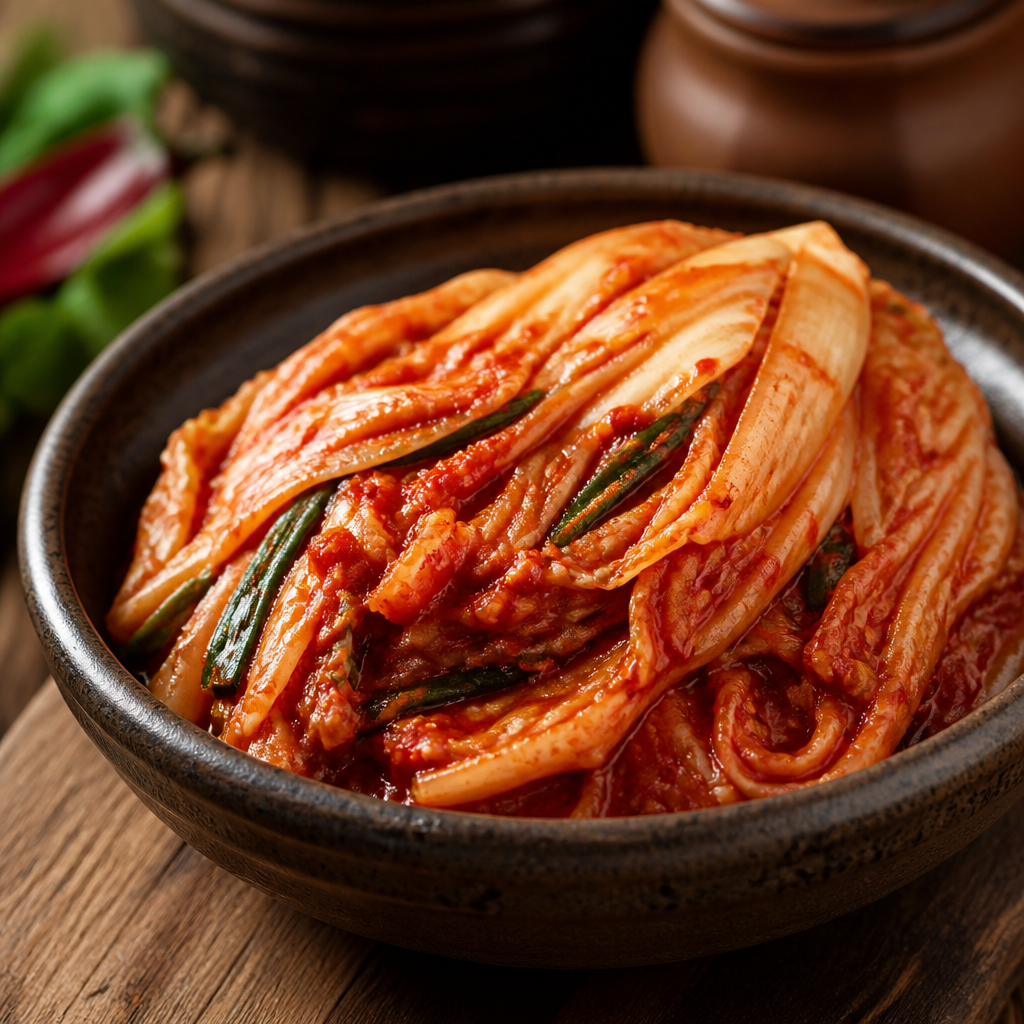
Common Banchan Types and Recipes
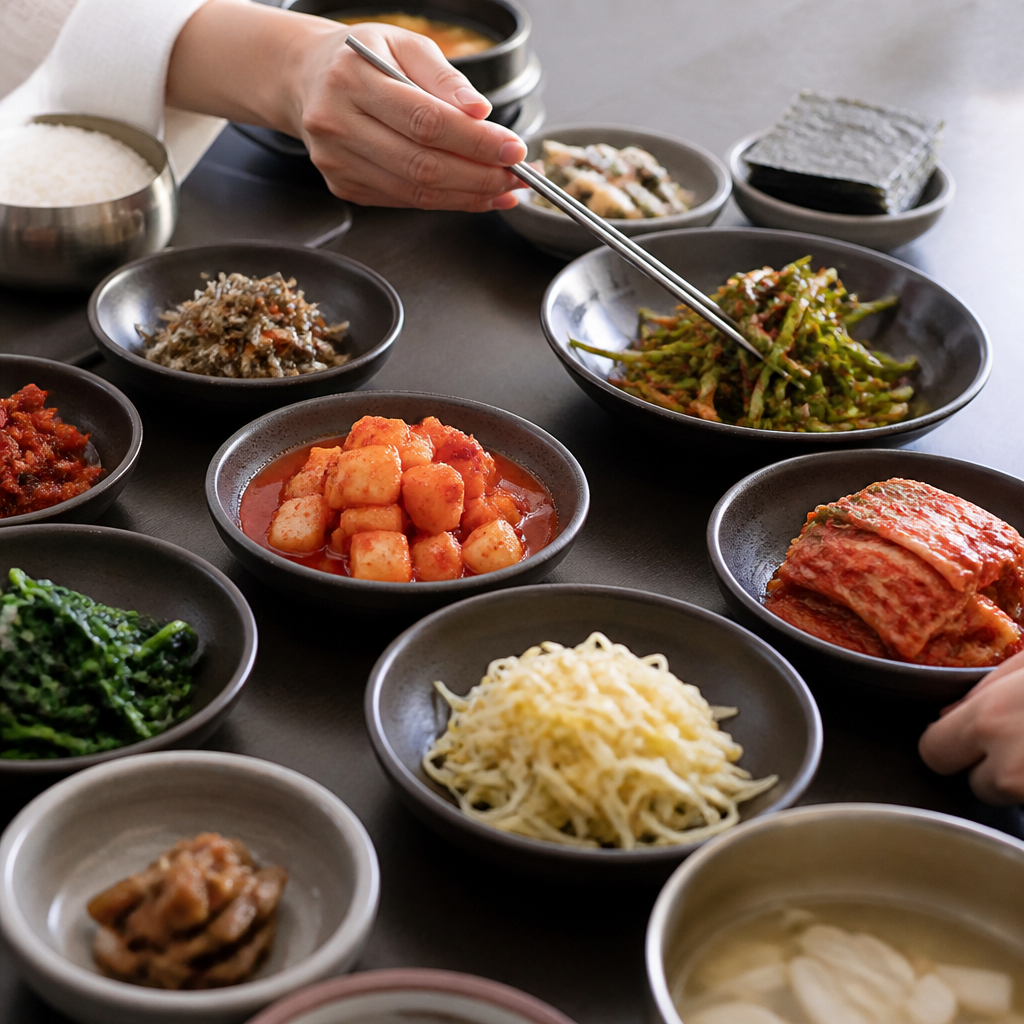
Common Banchan Korean Recipes
Many banchan recipes are often simple to prepare, making them accessible for home cooks. Below is a table of popular examples.
| Banchan Name | Main Ingredients | Flavor Profile | Est. Prep Time |
|---|---|---|---|
| Kimchi (배추김치) | Napa cabbage, gochugaru, garlic | Spicy, sour, umami | 1-2 days (fermentation) |
| Sigeumchi-namul (시금치나물) | Spinach, sesame oil, garlic | Savory, nutty | 10 minutes |
| Oi-muchim (오이무침) | Cucumber, gochugaru, vinegar | Spicy, sweet, tangy | 10 minutes |
| Gamja-jorim (감자조림) | Potato, soy sauce, sugar | Sweet, savory | 25-30 minutes |
| Myeolchi-bokkeum (멸치볶음) | Dried anchovies, soy sauce | Sweet, savory, salty | 15 minutes |
Gochugaru (Korean red pepper flakes) is a common ingredient found in many banchan recipes, providing that distinct spicy-sweet kick and vibrant red color. Most recipes also share a foundational seasoning base of rich sesame oil, pungent garlic, and savory soy sauce. A fresh cucumber salad like Oi-muchim is _best enjoyed right after preparation for maximum crispness_, while a comforting dish like Gamja-jorim (braised potatoes) takes about 25-30 minutes to cook. To simplify meal preparation, many Korean households prepare banchan in larger batches on weekends, then store them in the refrigerator, where they can last for 3-7 days depending on the dish.
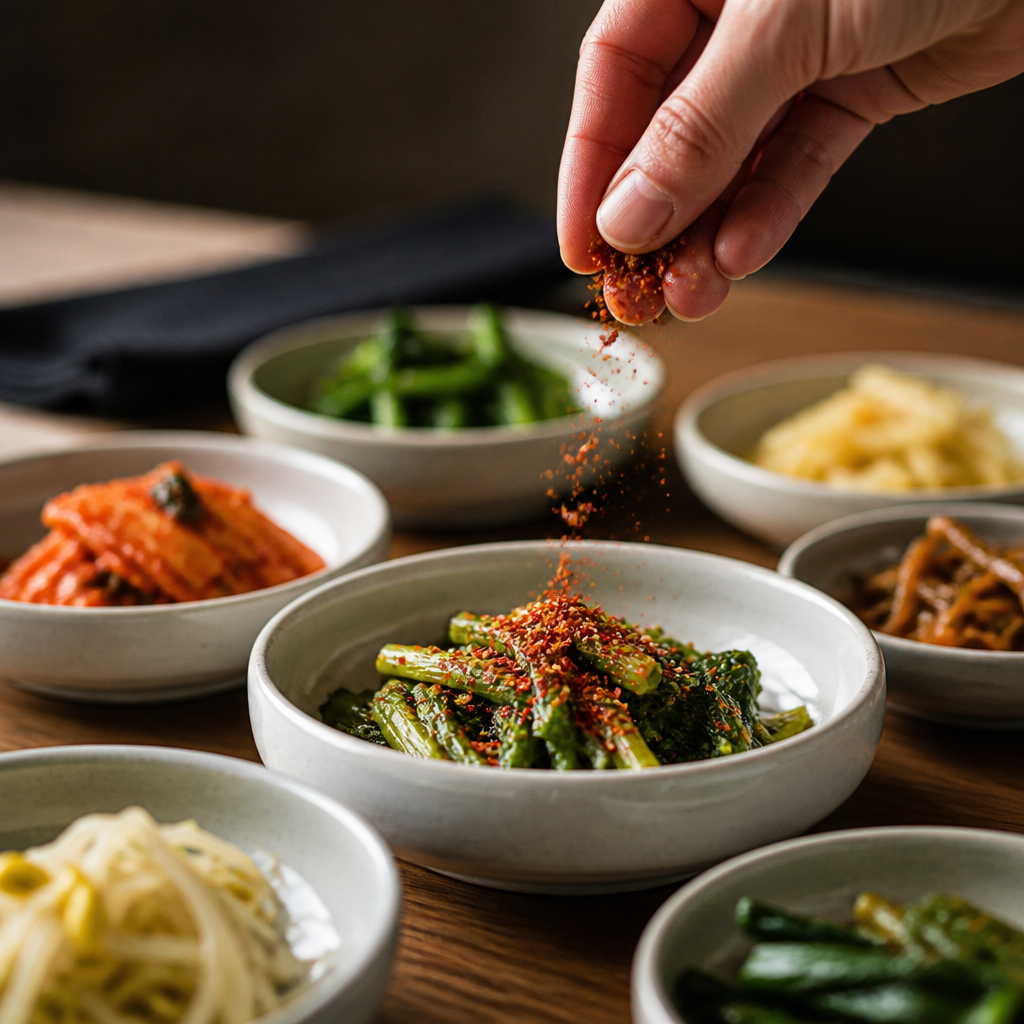
Banchan in Korean Dining Traditions
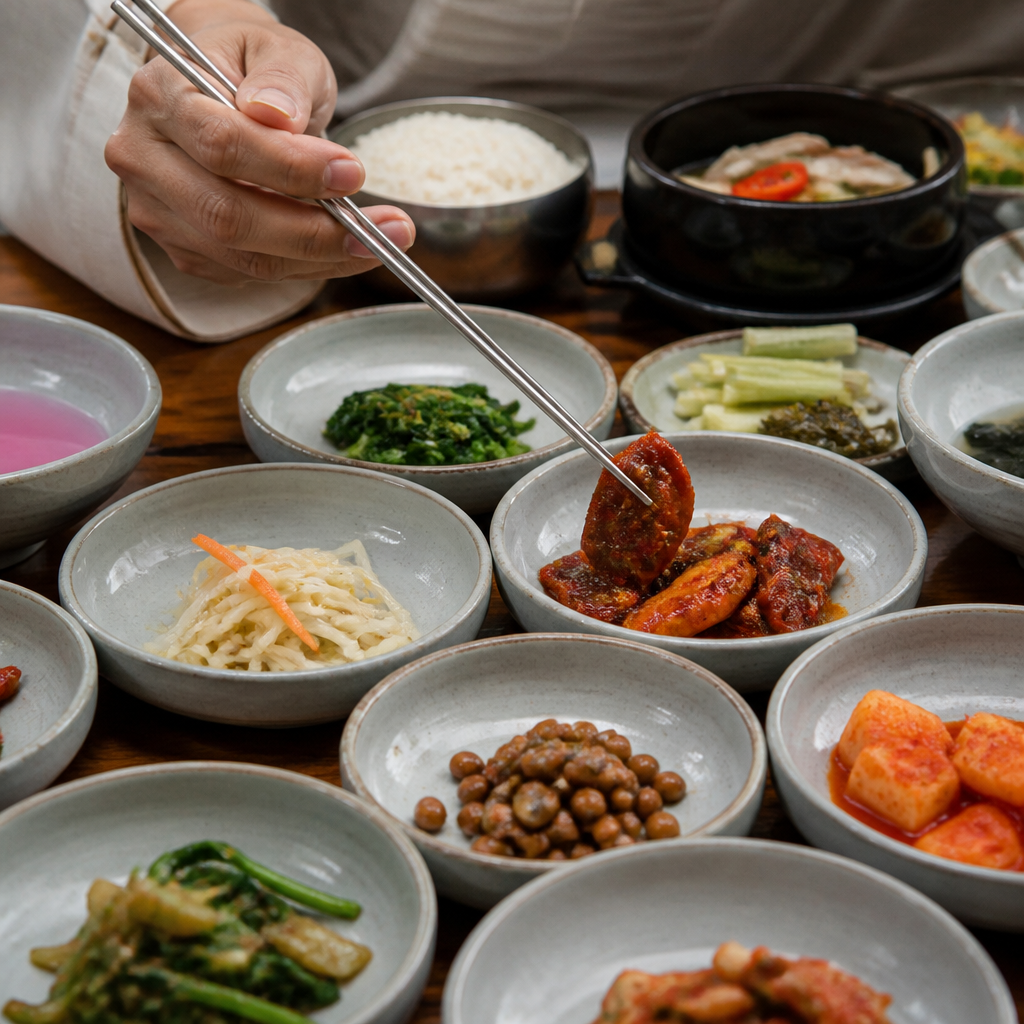
Banchan Korean Dining Culture
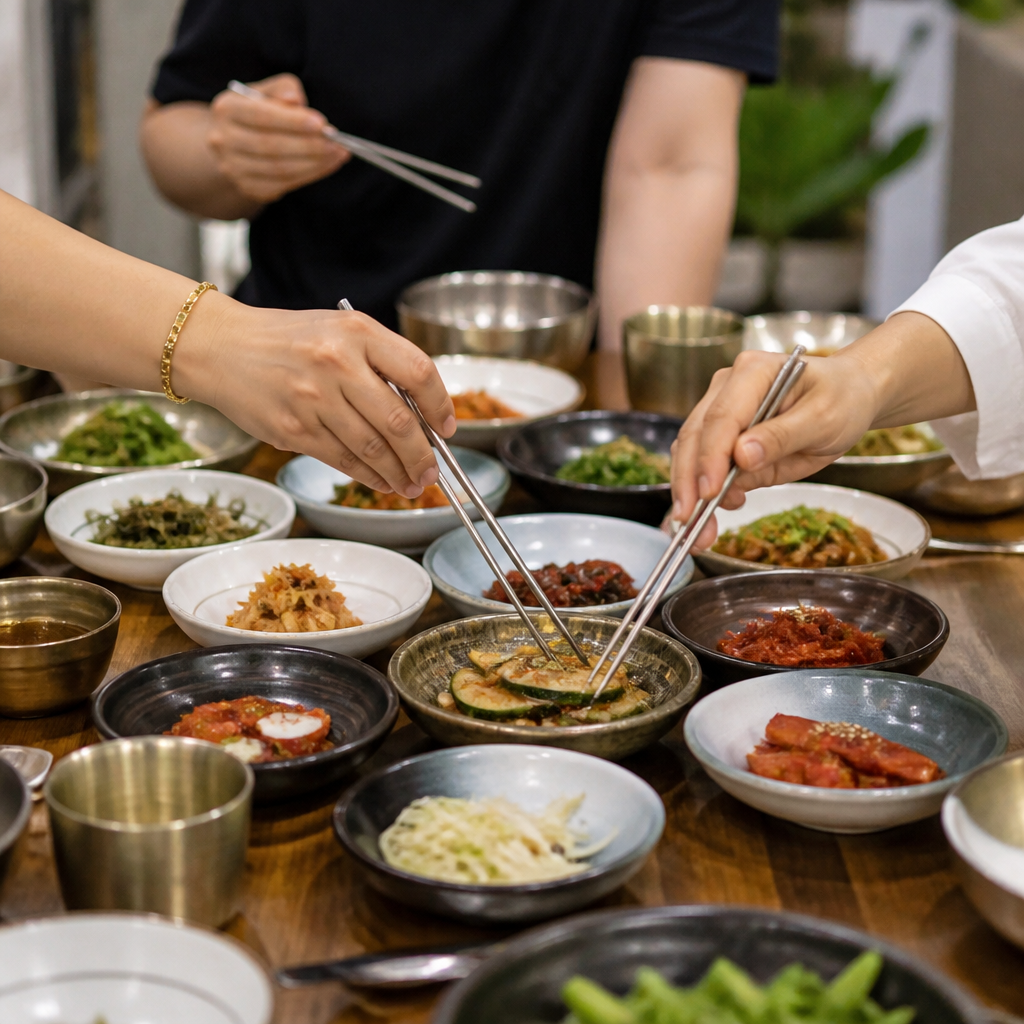
Banchan holds a significant place in Korean dining culture, extending beyond just food to encompass social and emotional connections. In the communal setting of a Korean meal, it's considered polite to use serving spoons or chopsticks (_not your personal ones_) when taking banchan from shared dishes. Korean restaurants typically provide a generous spread of 3-8 banchan dishes automatically with meals at no extra charge, and it's customary to offer free refills upon request.
Dr. Cecilia Hae-Jin Lee, a respected Korean food historian and author, explains that banchan culture often reflects the Korean philosophical concept of 'jeong' (정).
"Jeong" signifies a deep emotional connection and a powerful cultural expression of care, affection, and community, often demonstrated through sharing food.
Banchan often sparks conversation and strengthens social bonds during meals, as diners discuss their favorite dishes. The preparation and treasured recipes for banchan are often passed down through generations—a tradition that keeps these flavors alive.
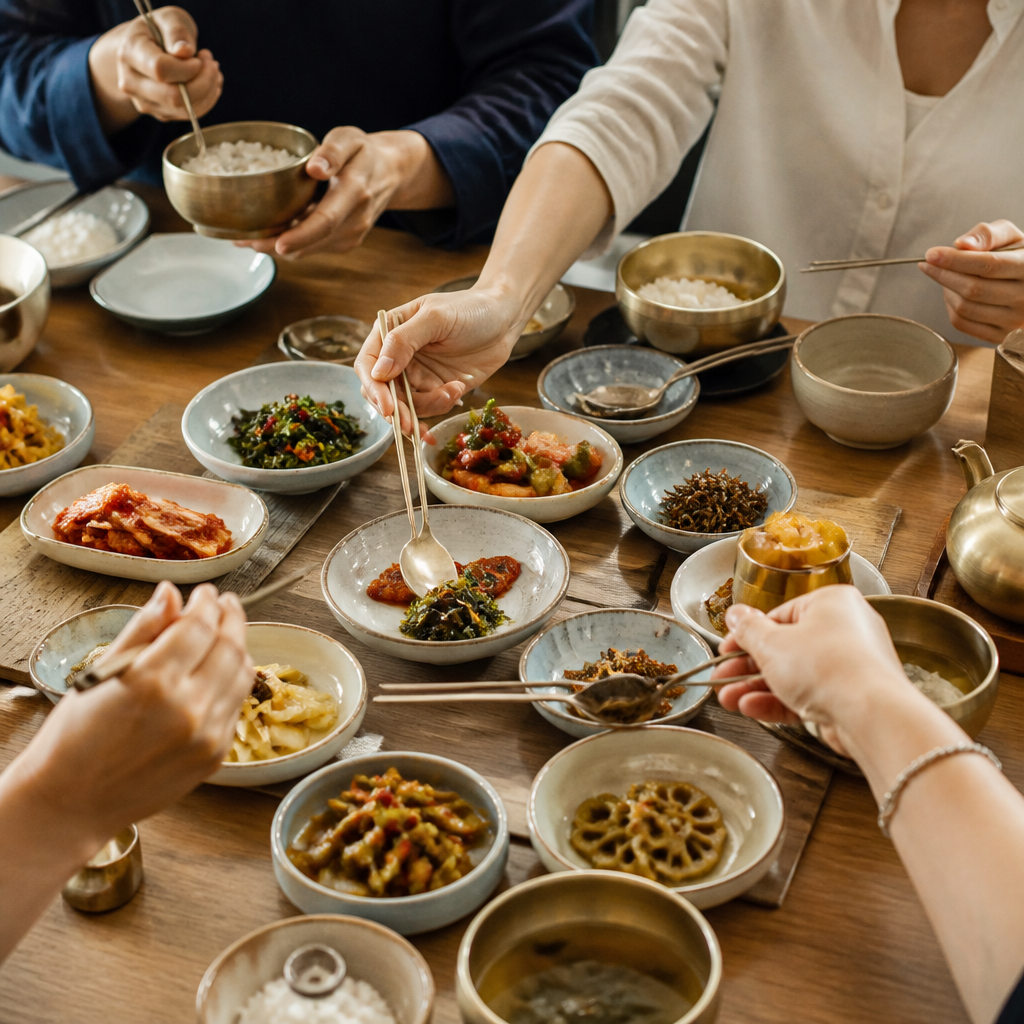
How to Serve Banchan Korean Style?
Serving banchan Korean style involves thoughtful arrangement and presentation. Here are some key tips for serving them correctly:
- Arrange for Accessibility: Place banchan dishes around the main dish so everyone at the table can easily reach them.
- Serve at Proper Temperature: Cold dishes should be chilled, room-temperature items should be ambient, and warm dishes should be gently heated to bring out their best flavors.
- Use Small Portions: Serve banchan in small, manageable portions. This allows diners to taste a variety without feeling overwhelmed or creating waste.
- Balance Colors and Flavors: Arrange dishes to create a pleasing balance of colors (reds, greens, browns) and to allow diners to alternate between spicy, mild, sweet, and savory flavors.
Visual appeal is key, and small, shallow dishes ("jeopsi") made from ceramic or stainless steel are commonly used. All banchan are placed in the center of the table within easy reach, emphasizing the communal and shared nature of Korean dining. To maintain good hygiene, it's polite practice to provide small serving spoons or chopsticks for each banchan dish.
Banchan are truly more than just side dishes; they are a fundamental cornerstone of Korean culinary identity, embodying a rich history, culture, and community. From their origins in royal courts to their beloved role in everyday family meals, these diverse small plates offer a flavorful journey through Korea's rich gastronomic heritage, inviting diners to explore a variety of tastes and textures with every meal.
FAQ
Q1. What is the primary purpose of banchan in a Korean meal?
A1. Banchan are small side dishes served alongside cooked rice and a main course in Korean cuisine, providing a variety of flavors, textures, and nutrients to complement the meal and enhance the overall dining experience.
Q2. How many banchan dishes are typically served in a Korean meal?
A2. The number of banchan dishes can vary, ranging from about 3 for everyday meals to 12 or more for special occasions, reflecting the meal's formality and the host's hospitality.
Q3. What are some common categories of banchan?
A3. Common categories of banchan include kimchi (fermented vegetables), namul (seasoned vegetables), jorim (braised dishes), jeon (pan-fried items), and jeotgal (salted seafood).
Q4. Is it customary for Korean restaurants to charge for banchan refills?
A4. In many Korean restaurants, banchan dishes are provided automatically with meals at no extra charge, and free refills are often available upon request as a standard practice of hospitality.
Q5. What is the cultural significance of banchan in Korean dining?
A5. Banchan represents hospitality, abundance, and community in Korean dining culture, often reflecting the concept of 'jeong' (정), which signifies deep emotional connection and care expressed through shared food.

Emily Carter is an American food lover who writes about Korean cuisine for people trying it for the first time. She covers what things taste like, how to eat them, and what to cook with them.