What Is Chicken Bulgogi? 1 Easy, Flavorful Korean Recipe
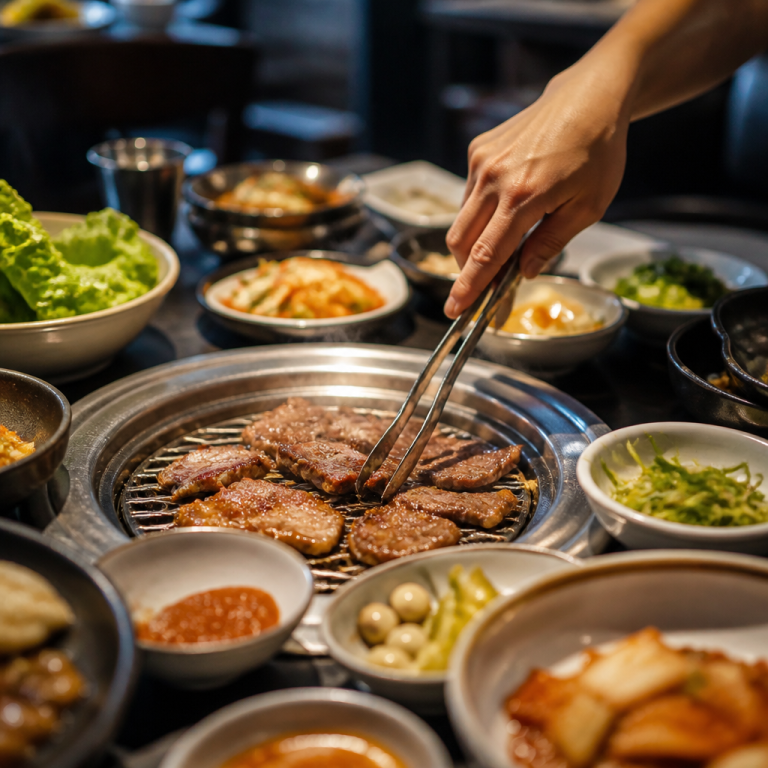
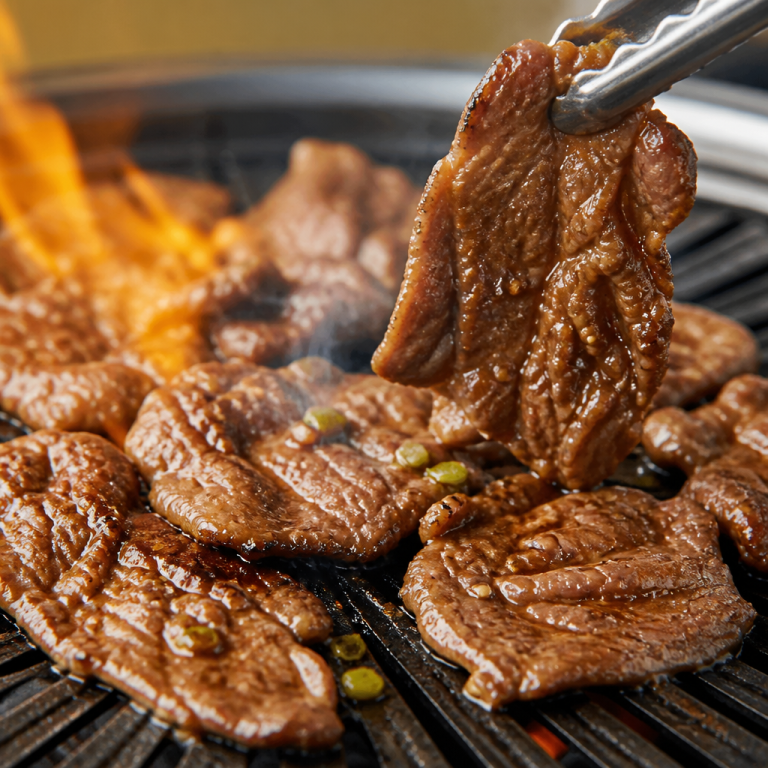
I remember the first time I fell in love with Korean food. It was a chilly evening in Seoul back in 2017, and my cousin, Jieun, took me to a small, bustling restaurant near Hongdae. We ordered dak-bulgogi, and the sizzling sound, the sweet and savory aroma filling the air, was unforgettable. Each tender piece of marinated chicken, cooked perfectly with onions and carrots, was a revelation. That's what chicken bulgogi is—a marinated chicken dish, often grilled over an open flame or stir-fried in a pan, bringing a wonderful blend of sweet and savory flavors.
Bulgogi, or 'fire meat' as it literally translates (불=fire, 고기=meat), has a long history in Korea, dating back to the Goguryeo kingdom (37 BCE–668 CE). Back then, it was known as "maekjeok," a simpler form of grilled meat. Over time, especially during the Joseon Dynasty, it evolved into the soy sauce-based dish we know today. This long history is what makes Korean food so special, as its traditions and flavors have been perfected over centuries.
The rise in popularity of this chicken dish in the late 20th century makes perfect sense. It emerged as a more accessible and often more affordable choice compared to its traditional beef counterpart. This shift reflected changing preferences, as chicken offered a leaner protein option that appealed to a broader range of people, including those who were health-conscious. It shows how Korean cuisine can adapt to modern life while keeping its traditional flavors and cultural authenticity.
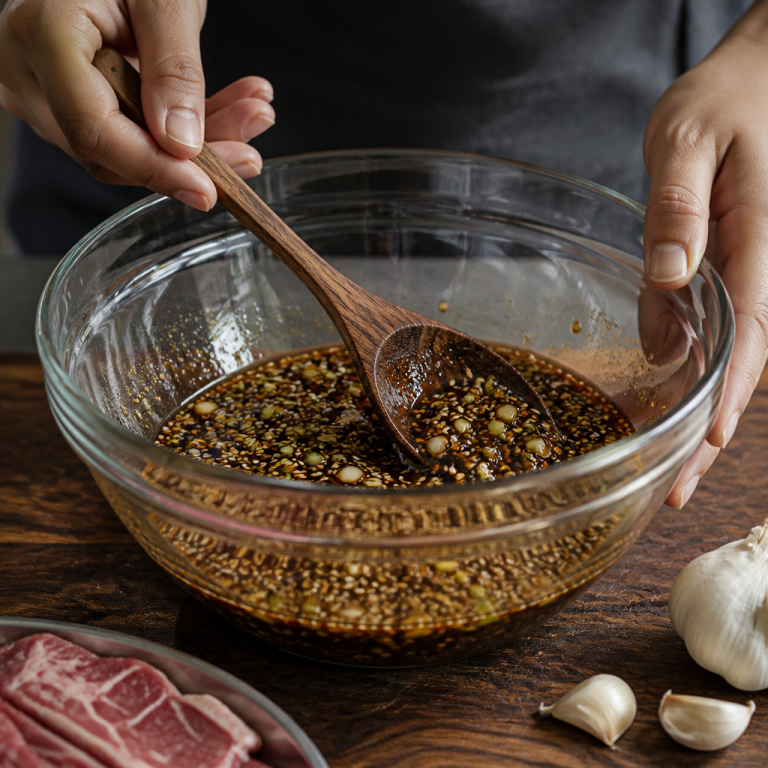
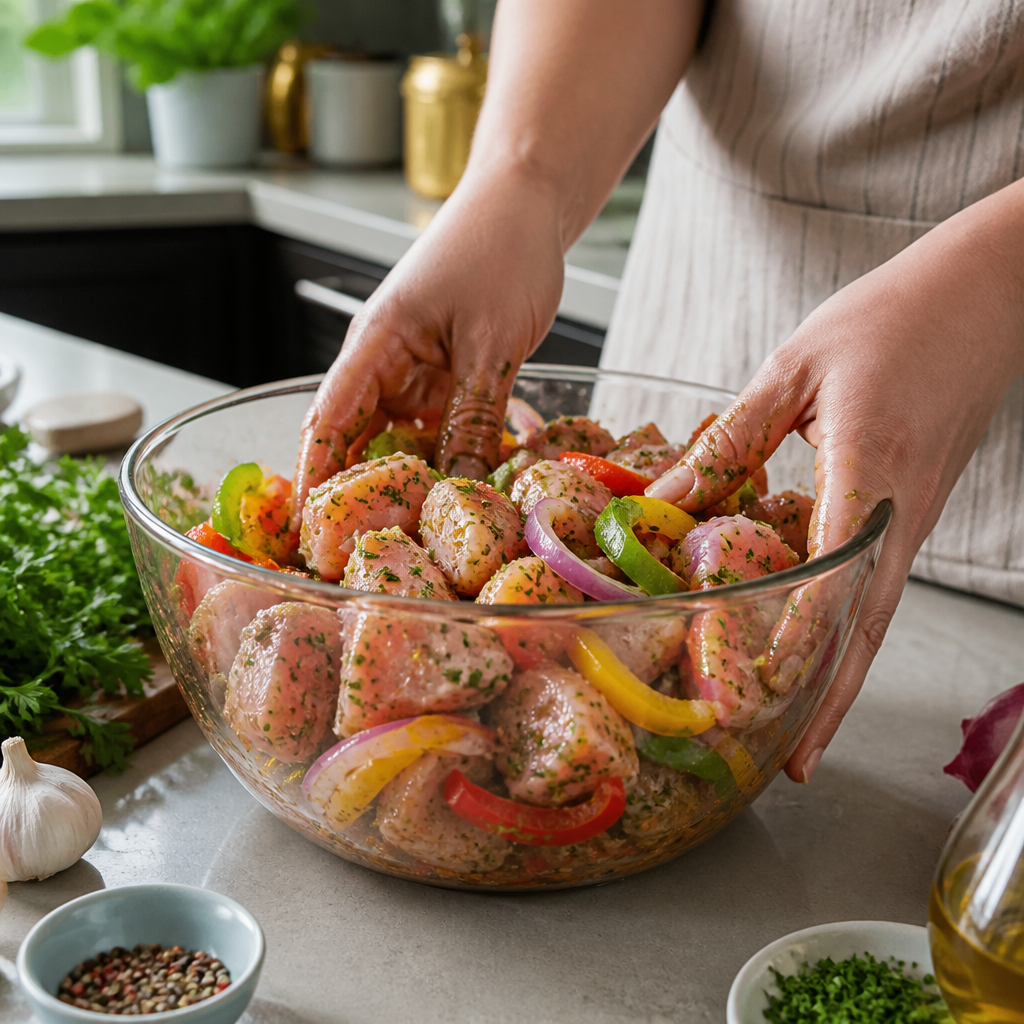
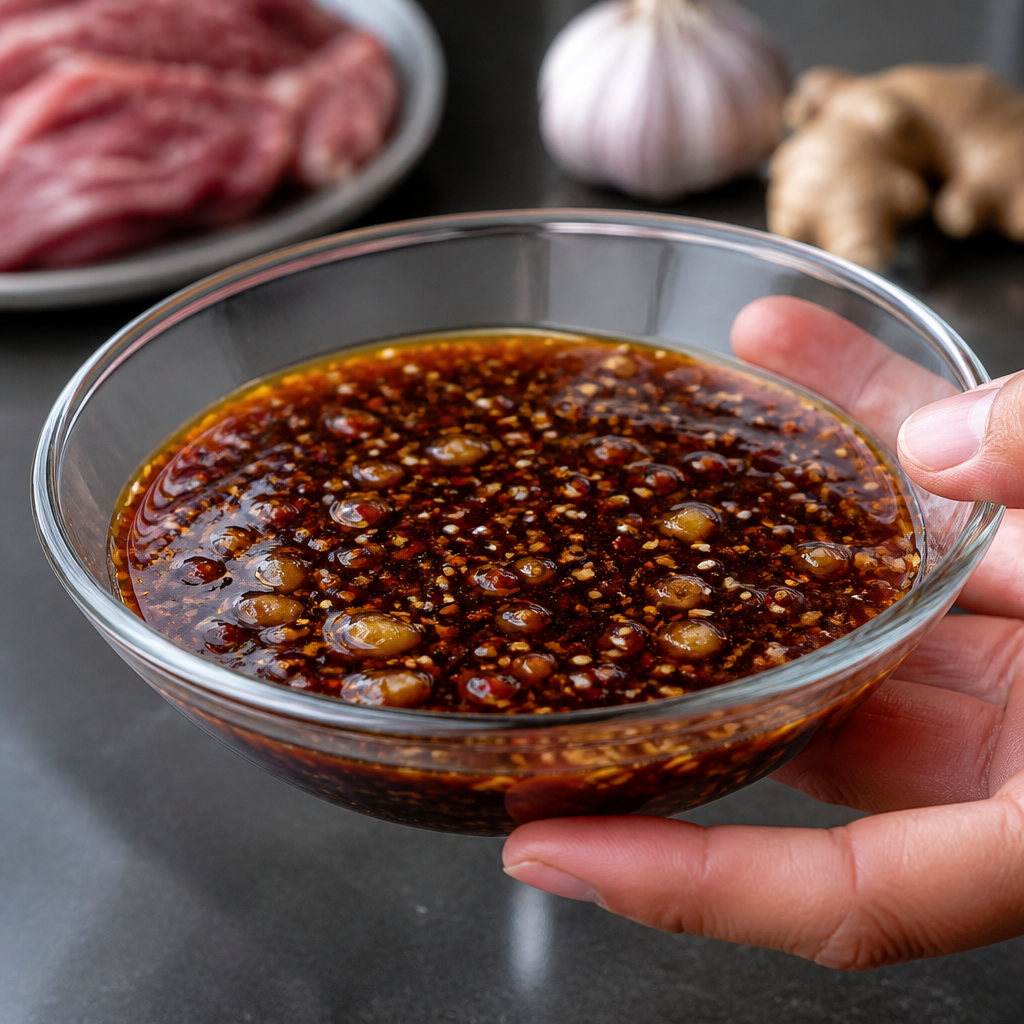
The magic of this Korean BBQ truly begins with its marinade. Giving the chicken enough time to soak in those flavors is key to making it tender and delicious. Boneless chicken pieces, usually from the thigh for the best juiciness, soak in a carefully crafted mixture. This typically includes foundational ingredients like soy sauce, a touch of sweetness from sugar or honey, plenty of minced garlic and grated ginger for that classic Korean aroma, and sesame oil for a nutty richness. This process is not just about adding flavor; it's also about tenderizing the meat, ensuring every bite is soft and enjoyable.
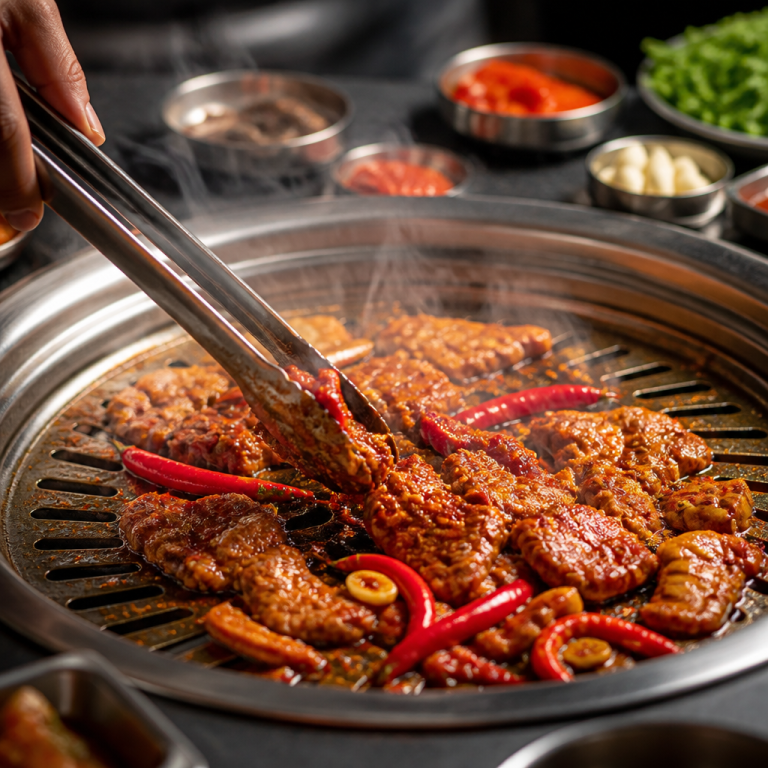
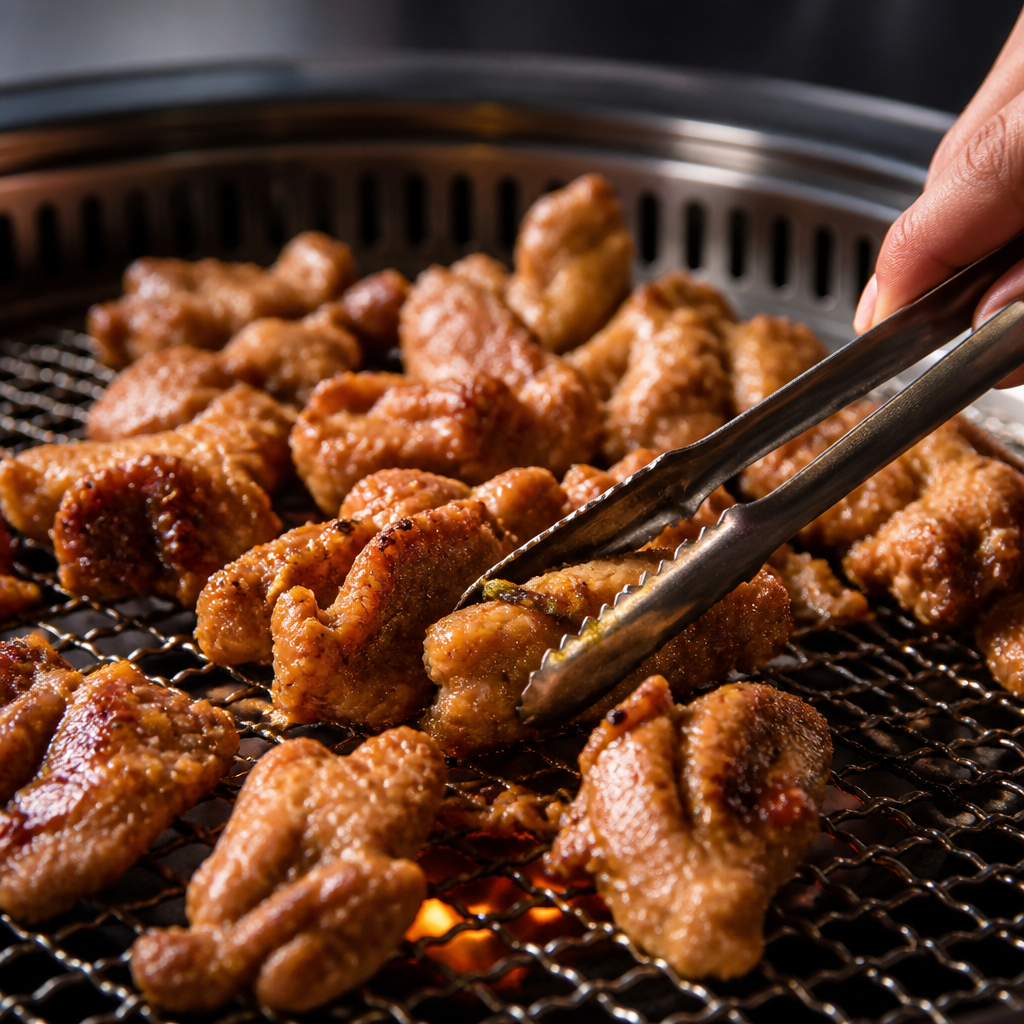
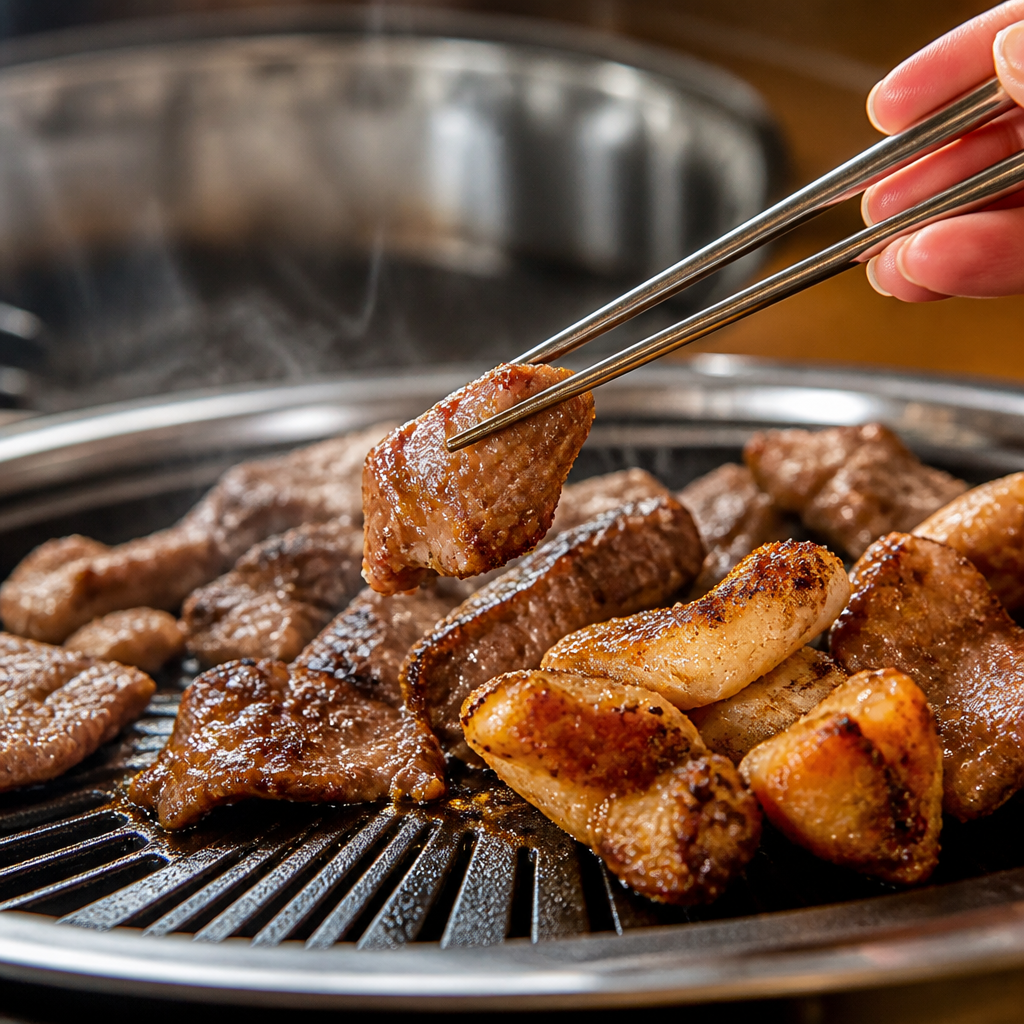
After its flavor bath, the chicken hits the heat. Whether it's sizzling in a skillet or grilling over an open flame, the goal is that beautiful caramelization—those slightly browned, sticky edges that add so much depth. This cooking process enhances the flavor and creates an appealing texture that is central to the bulgogi experience. Chicken bulgogi, therefore, stands as a testament to the adaptability and enduring appeal of Korean cuisine, offering a delicious and nutritious option that continues to captivate palates worldwide.
Chicken Bulgogi Ingredients and Marinade
Chicken Bulgogi Ingredients
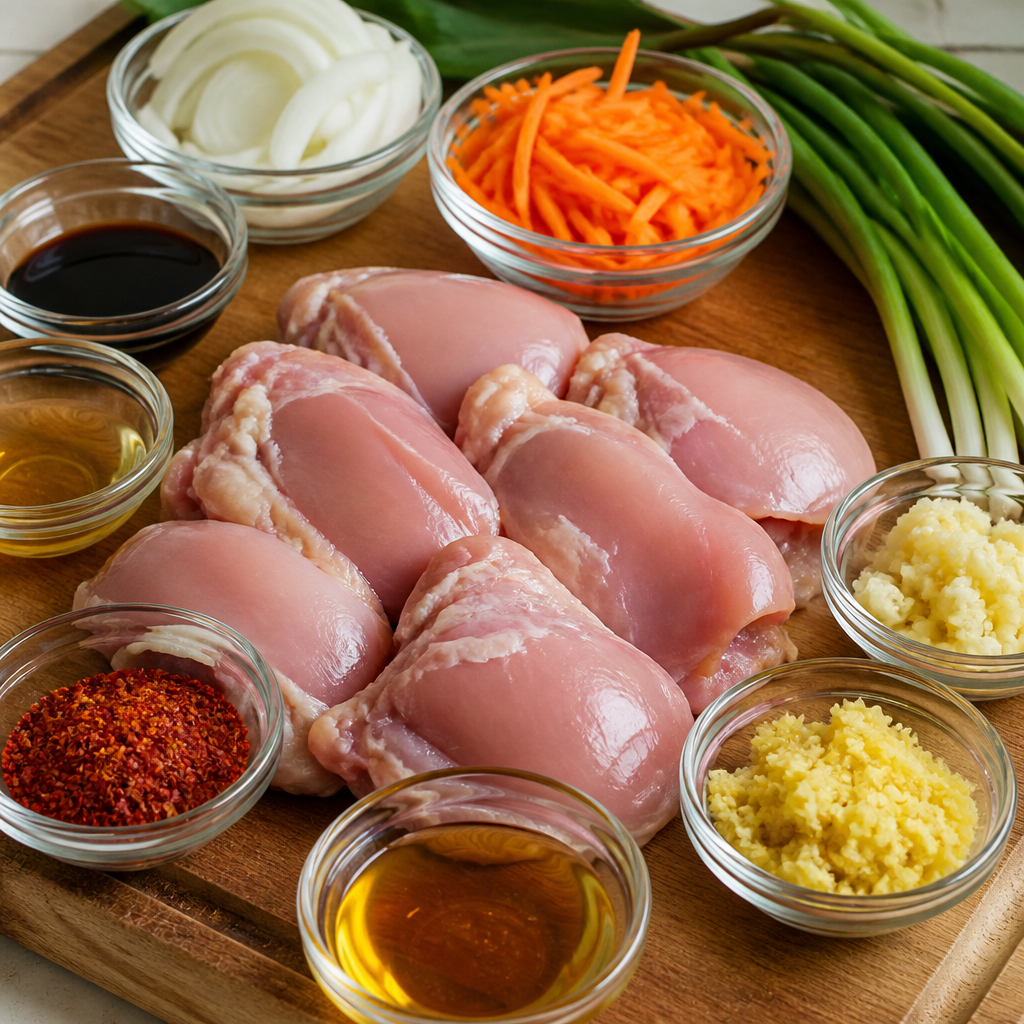
When you make chicken bulgogi, getting the right components is essential for an authentic taste. You'll need a combination of chicken, marinade ingredients, and vegetables.
- Chicken: 500g to 1kg of boneless chicken thighs are preferred.
- Marinade Base: Around a quarter cup of soy sauce for saltiness and 2-3 tablespoons of sugar or honey for sweetness.
- Aromatics: 4-6 cloves of minced garlic and 1 tablespoon of grated ginger.
- Finishing Touches: 1 tablespoon of sesame oil for a nutty finish, and 1-2 teaspoons of gochugaru (Korean red pepper flakes) for an optional kick.
Most home cooks and chefs grab chicken thighs for this Korean BBQ, and there's a good reason why. Thighs naturally have a higher fat content, which is typically around 10g per 100g compared to about 3g per 100g in breast meat. This extra fat isn't just about flavor; it's a lifesaver when you're cooking over high heat, as it helps prevent the chicken from drying out, ensuring a more succulent and tender result. The fat in chicken thighs also helps the marinade sink in, giving you a deeper and more integrated flavor in every bite.
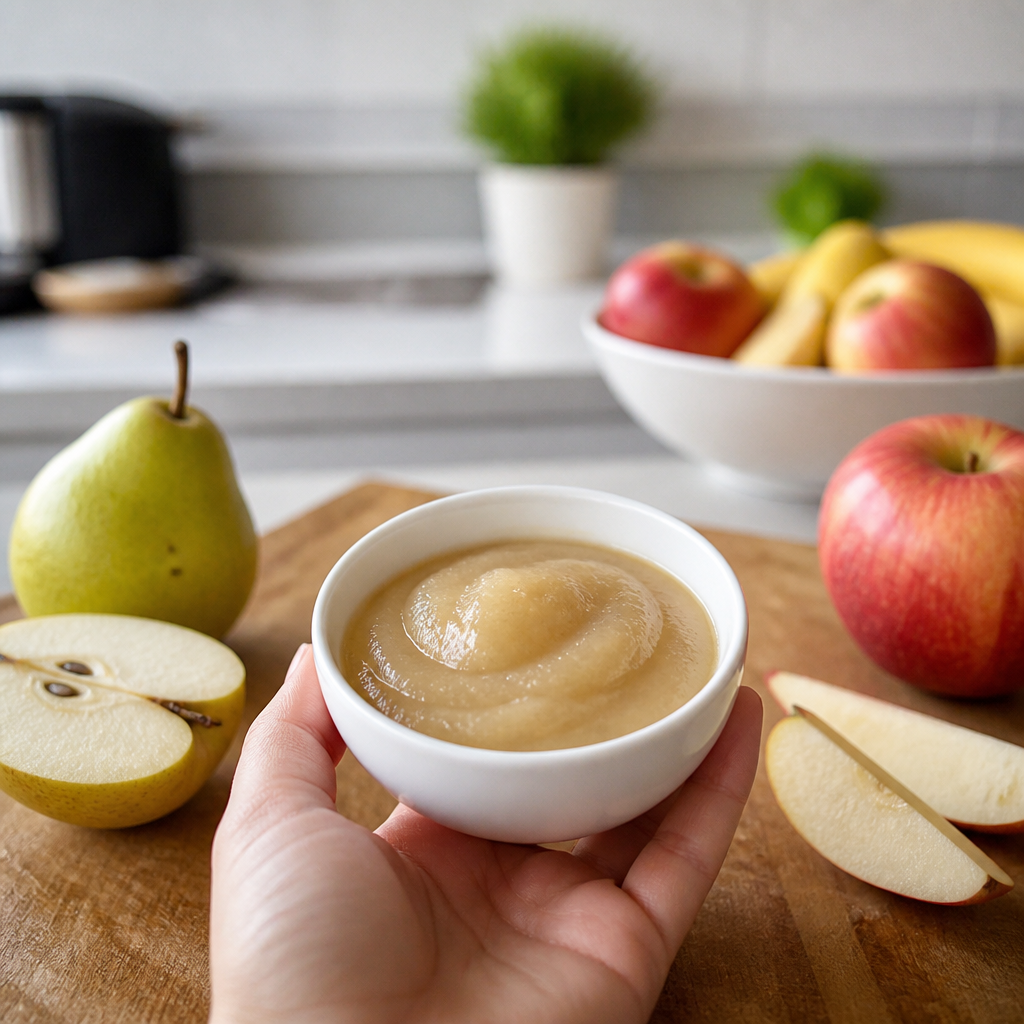
The type of sweetener in your marinade also makes a big difference in both taste and texture. While white or brown sugar is traditionally used, experimenting with natural alternatives like honey, or even pureed pear or apple is recommended. Not only do these natural sweeteners add a lovely, nuanced sweetness, but these fruits also contain natural enzymes that can contribute to the tenderization of the chicken.
To round out the dish, a good mix of vegetables is always added. Sliced onions are a must; they turn sweet and soft when cooked, adding flavor and aroma that complements the marinade. Scallions bring freshness, and thinly sliced carrots add a touch of sweetness and a pleasant crunch. These vegetables absorb the marinade, becoming tender and delicious during cooking.
Beyond the basics, optional ingredients can elevate your bulgogi. A splash of mirin (a sweet rice wine) can introduce an additional layer of depth and a subtle tang. A little black pepper gives a gentle warmth and aromatic complexity. For a finishing touch, toasted sesame seeds sprinkled on top after cooking add a nutty flavor and a pleasing textural contrast. A good rule of thumb for a well-executed dish is about a 3:1 ratio of protein to vegetables.
Chicken Bulgogi Marinade Recipe
The secret to a great marinade is a carefully balanced concoction that infuses the chicken with its signature sweet and savory flavors. For about 500g of chicken, mix 1/4 cup of soy sauce, 2-3 tablespoons of sugar (or honey), a tablespoon of sesame oil, 4-6 cloves of minced garlic, a tablespoon of grated ginger, and 1-2 teaspoons of gochugaru. This blend creates a robust base that tenderizes the meat while imparting a complex flavor profile. Sometimes, an optional tablespoon of mirin is added to deepen the flavor even more.
Korean cooking experts like Maangchi (Emily Kim) often suggest adding grated onion into marinades for this dish. The grated onion not only adds a sweet, pungent flavor but also acts as a natural tenderizer for the meat. For other bulgogi variations, like beef, Maangchi highlights the use of fruits like Asian pear, which are excellent for breaking down tougher meat fibers.
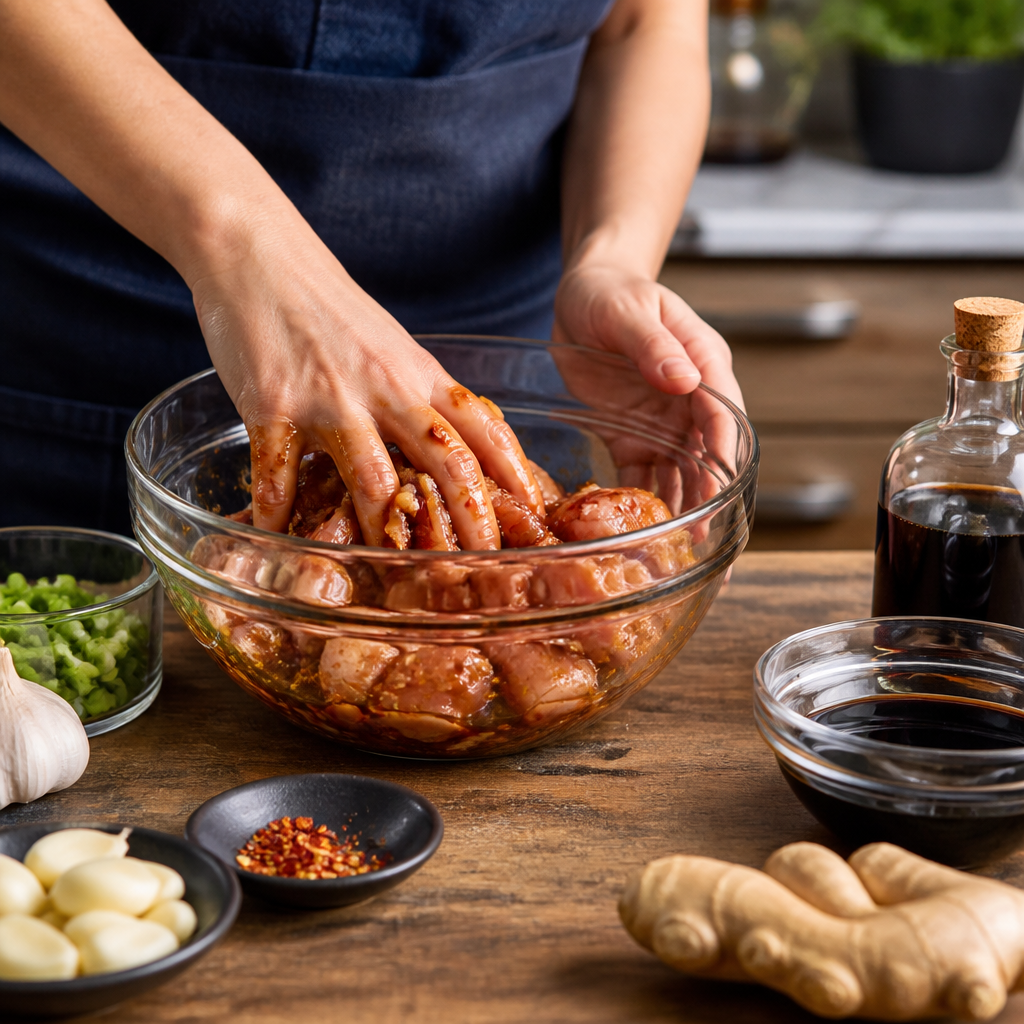
How long you marinate is important for both flavor and tenderness. While you can get some flavor in about 30 minutes, aiming for at least 2-4 hours in the fridge provides the best results. This longer soak lets the flavors sink in and the tenderizers do their job. _Do not marinate for much longer than 24 hours, as over-marinating can sometimes make the chicken a bit mushy._
Science backs up traditional cooking. A 2019 study in the Journal of Food Science looked at soy sauce marinades containing ginger on chicken. The findings indicated that such a marinade significantly increased the tenderness of the chicken by 23% and reduced "lipid oxidation" by 31% when the chicken was cooked at high temperatures. This proves that ginger isn't just for flavor; it actually makes the chicken better and helps preserve its quality.
Because soy sauce is a bit acidic, the marinade typically maintains a pH balance in the range of 4.5-5.5. This slightly acidic environment helps to gently loosen the proteins in the chicken, which contributes to improved tenderness. Additionally, this pH can inhibit the growth of certain bacteria during the marination process, enhancing food safety.
Even with the best marinade, flavors often only penetrate a few millimeters into the meat. To get more flavor deep inside, especially for thicker chicken pieces, making a few shallow cuts across the chicken before marinating is a simple trick that makes a big difference. This step increases the surface area exposed to the marinade, allowing the flavors to penetrate deeper.
How Do You Make Chicken Bulgogi?
How Do You Make Chicken Bulgogi?
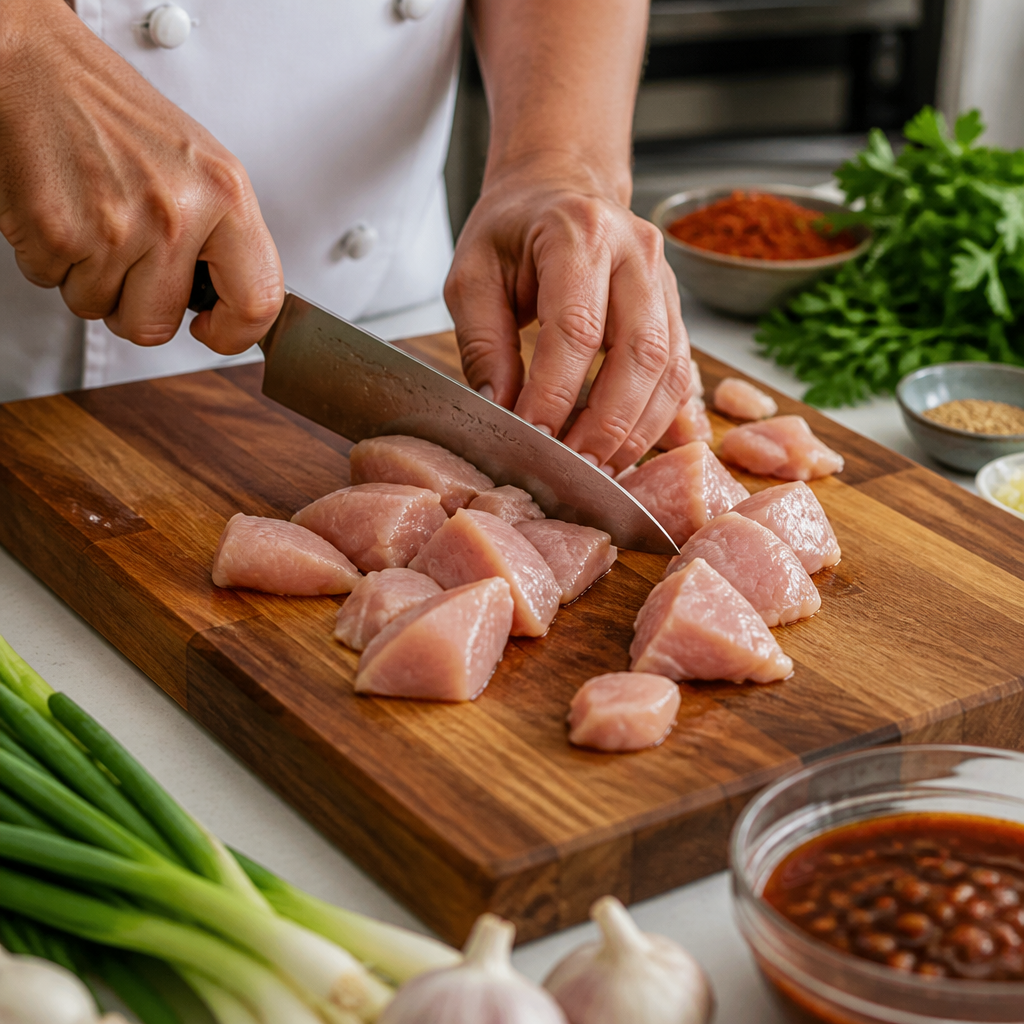
Discover the simple steps to create perfect chicken bulgogi at home! The process begins with the proper preparation of the chicken. For about 500-700g of boneless chicken, cut the meat into bite-sized pieces, typically 2-3cm in size. Then, it's into the marinade for an optimal period of 2-4 hours in the fridge. When it's time to cook, use a preheated pan or grill at a medium-high heat, ranging from 180-200°C, for about 8-12 minutes. You'll know it's perfectly cooked when an instant-read thermometer shows 74°C (165°F) inside.
The way you cut the chicken is important. Make sure your pieces are roughly the same size. This ensures they all cook at the same rate, so you don't end up with some pieces dry and others undercooked. Additionally, cutting the chicken against the grain can have a notable impact on tenderness. This technique helps to shorten the muscle fibers, making the chicken more tender.
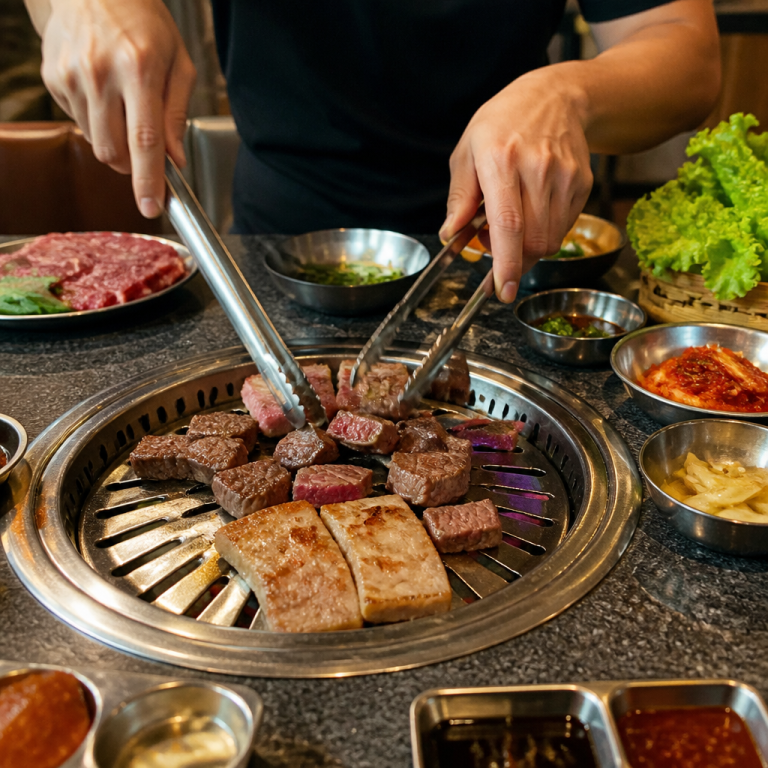
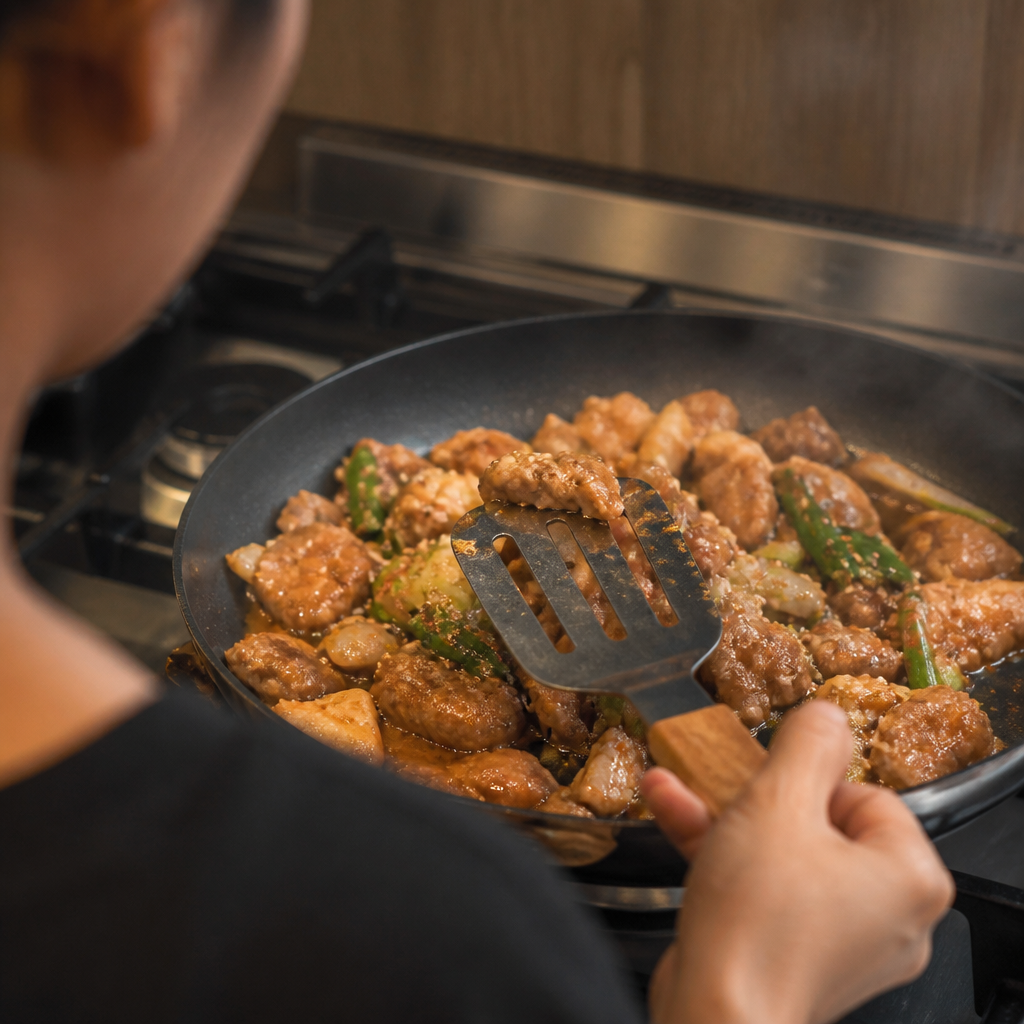
There are a few great ways to cook this dish, and each gives it a slightly different character. Stovetop stir-frying involves cooking the marinated chicken in a large skillet or wok over high heat. Another popular method is grilling, which imparts a wonderful smoky char. For an oven-based approach, broiling at 220°C for 15-18 minutes can also yield delicious results.
Chef Roy Choi, a Korean-American chef and founder of Kogi BBQ, advises:
"Don't overcrowd the pan!" He explained that to get that fantastic caramelization—those crispy, sweet edges—each piece needs space to sear properly, not steam.
Keeping an eye on the pan's temperature is key, especially with the sugar content in the marinade. Aim for a consistent medium-high heat (180-200°C) to get that browning and complex savory flavors—what scientists call the "Maillard reaction." This temperature range also helps prevent the sugars from burning, which can lead to a bitter taste.
Food safety is always a priority. The USDA recommends that poultry reach an internal temperature of 74°C (165°F). An instant-read thermometer is your best friend here for accuracy. Beyond the thermometer, also look for visual cues: properly cooked chicken will have clear juices running from it when pierced, and its flesh will appear opaque throughout.
Letting the chicken rest after cooking makes a huge difference. A resting period of 3-5 minutes before serving allows the juices within the cooked chicken to redistribute evenly throughout the meat. Cutting into the chicken immediately after cooking can cause these juices to escape, resulting in a drier product. Resting allows the fibers to relax and reabsorb the moisture.
_Always cook in batches if you have a lot of chicken, as this prevents the chicken from steaming instead of searing._ Trying to cram too much into the pan cools it down. To maintain the high temperature necessary for proper searing, cook a maximum of 300-400g of chicken at a time for a standard 30cm pan.
Chicken Bulgogi Nutrition and Serving
Chicken Bulgogi Calories and Nutrition
If you're keeping an eye on your diet, a typical 150g serving of chicken bulgogi usually has about 300-350 calories. This can vary based on the cut of chicken used, the cooking method, and the amount of sugar in the marinade.
A 150g serving of this dish offers a balanced macronutrient profile. It generally provides around 40g of protein, 13g of fat, and 13g of carbohydrates, primarily from the sugars used in the marinade. This balance of macronutrients makes it a hearty and satisfying meal.
Chicken is a high-quality protein source, and this Korean meal is no different. The protein found in chicken provides all nine essential amino acids—the building blocks your body needs but cannot produce on its own. Chicken boasts a protein digestibility-corrected amino acid score (PDCAAS) of 1.0, the highest possible rating, making it an excellent source of complete protein for muscle repair and growth.
One thing to be mindful of is the sodium content. Traditional recipes can contain between 600-900mg of sodium per serving. The primary source is soy sauce. _For those looking to reduce their sodium consumption, using low-sodium soy sauce is highly recommended._ It can reduce the sodium content by approximately 25-40% without significantly compromising the savory taste.
Beyond macronutrients, the meal also packs important vitamins and minerals. A 150g serving can be a good source of vitamin B6 (32% DV), niacin (80% DV), selenium (72% DV), and phosphorus (27% DV).
The type of fat can vary depending on the cut of chicken used. If prepared with thighs, the fat content consists of around 61% unsaturated fats and 29% saturated fats. Using breast meat can reduce the total fat content of the dish by approximately 70%, offering a much leaner meal option.
The added sugars from the marinade typically contribute 8-12g per serving. For those seeking to reduce refined sugars, using fruit purees, such as pear or apple, instead of granulated sugar works wonderfully. While still providing sweetness, fruit purees also introduce beneficial dietary fiber.
Chicken Bulgogi Serving Suggestions
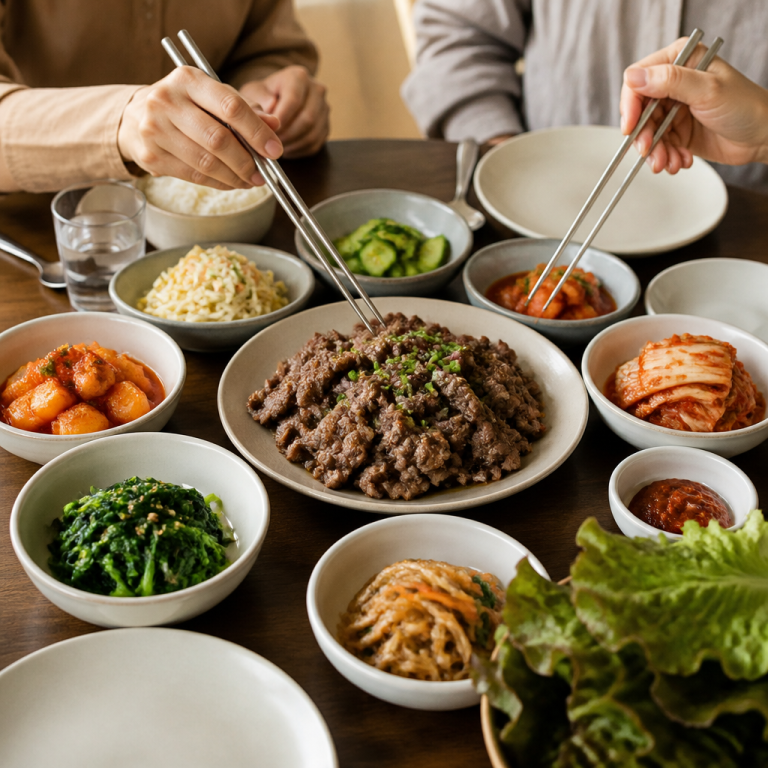
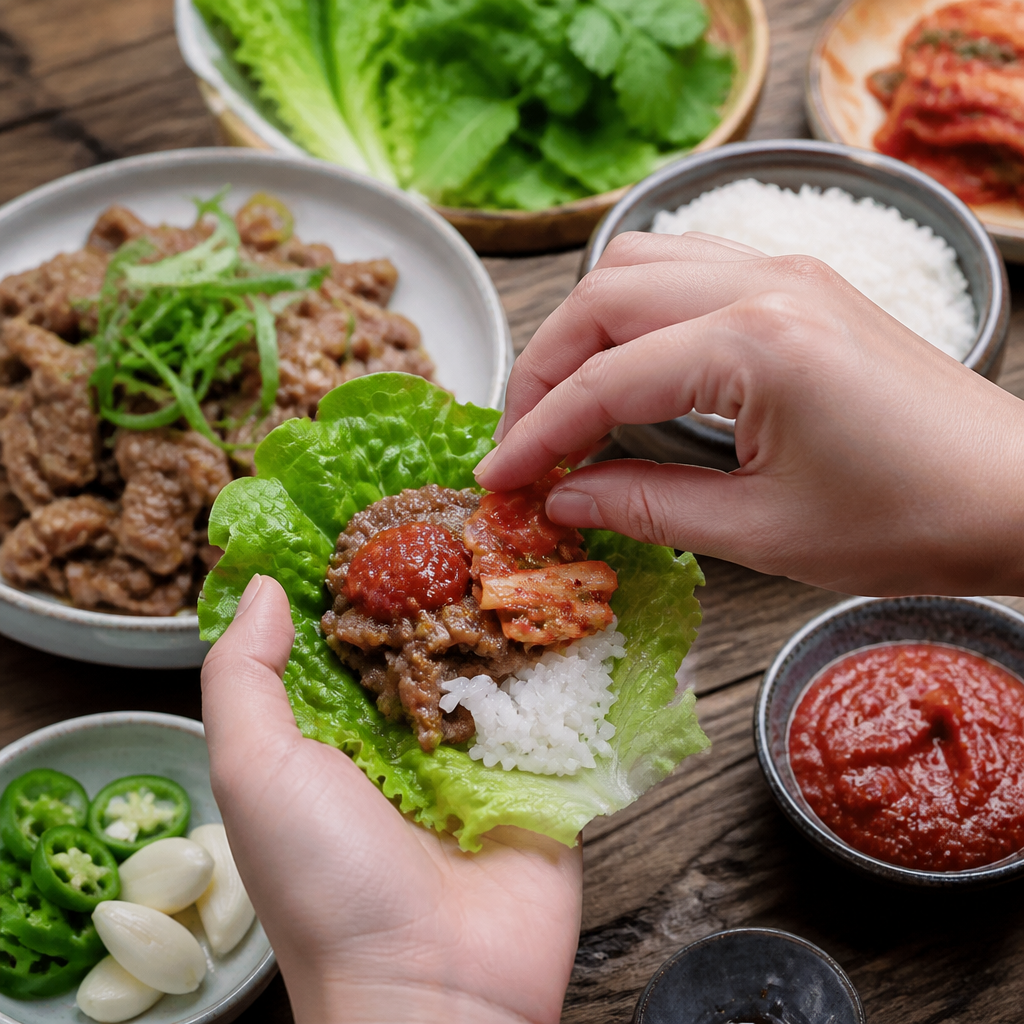
To truly enjoy chicken bulgogi, a traditional Korean spread is ideal. It's usually served with fluffy steamed white rice (bap), fresh crisp lettuce leaves (sangchu) for wrapping, and kimchi. Various banchan (small side dishes) like pickled radish, seasoned spinach, or bean sprouts add more flavors and textures to the meal.
A favorite way to eat bulgogi is ssam style, which means "wrap." This interactive method encourages diners to create their own personalized bites. You grab a lettuce leaf, place a portion of cooked chicken on it, add a little ssamjang (a savory, fermented bean paste), maybe some rice or kimchi, and then wrap it all up.
While traditional, this dish is also incredibly adaptable. It's frequently featured in bulgogi bowls, served over a base of grains like quinoa or brown rice with roasted vegetables. The versatility extends to fusion dishes such as bulgogi tacos, pizza, and burgers, offering a unique Korean twist on Western comfort foods.
When planning a meal, estimate about 150-200g of cooked meat per person. However, if primarily doing ssam style, with lettuce wraps and less emphasis on rice, bump it up to 200-250g per person to make sure everyone is satisfied.
Garnishes enhance both the visual appeal and the flavor. Sprinkle toasted sesame seeds for a nutty aroma and a subtle crunch, along with thinly sliced scallions for a fresh, mild oniony flavor. Shredded nori (dried seaweed) can also be used to add umami.
Finding the right drink can elevate the meal. Traditional choices include barley tea (boricha) or makgeolli, a milky, lightly sparkling rice wine. For Western pairings, light lagers, Riesling, or a light-bodied red like Pinot Noir can also pair beautifully with the sweet-savory profile.
What's the Difference: Chicken Bulgogi vs Beef Bulgogi?
What's the Difference Between Chicken and Beef Bulgogi?
When it comes to the famous 'fire meat,' both chicken bulgogi and beef bulgogi are delicious, but they present distinct characteristics in terms of nutrition, flavor, and culture. The chicken version tends to have a slightly higher protein content. For a 150g serving, chicken usually gives you around 40g of protein, while beef is closer to 34g.
The calorie count is another key difference. The chicken dish is generally a lighter option, coming in at about 305 calories per 150g serving. For the same serving size, beef bulgogi typically has about 363 calories. This represents an approximate 16% reduction in calories when choosing the poultry option.
| Feature (per 150g) | Chicken Bulgogi | Beef Bulgogi |
|---|---|---|
| Calories | ~305 kcal | ~363 kcal |
| Protein | ~40g | ~34g |
| Total Fat | ~13g | ~16g |
| Saturated Fat | ~3.7g | ~5.7g |
The marinades, while similar, have subtle but important differences. For beef, recipes often incorporate ingredients like Asian pear or kiwi because these fruits contain natural enzymes that are effective at tenderizing tougher muscle fibers. Chicken, being naturally more tender, typically does not require such strong enzymatic tenderization. Therefore, chicken marinades tend to focus more on flavor infusion.
Cooking times also differ. The chicken version typically requires 8-12 minutes to reach a safe internal temperature of 74°C (165°F). Beef bulgogi, often prepared with thinly sliced cuts, generally cooks faster, requiring only about 5-8 minutes to reach its safe internal temperature of 63°C (145°F). _Always use a thermometer to check these temperatures to ensure both safety and the best possible texture for each type of meat._
In terms of taste and texture, beef bulgogi is often characterized by a richer, more robust flavor, with a tender yet slightly chewy texture. The chicken option, on the other hand, tends to offer a milder, sweeter taste with a softer, more uniform texture.
Culturally, beef bulgogi holds a traditional and somewhat premium status in Korean cuisine. It is often considered a celebratory dish. The poultry alternative, however, emerged as a more everyday, family-friendly option. Its affordability and lighter profile made it a popular choice for regular consumption.
Experts like Dr. David Katz, a preventive medicine specialist, highlight the health benefits of choosing chicken.
"Choosing chicken over beef bulgogi reduces saturated fat intake substantially while maintaining protein quality, which aligns with cardiovascular health guidelines for most adults."
This perspective underscores the potential health benefits of opting for chicken, particularly for those concerned with cardiovascular health. This makes chicken bulgogi a fantastic choice for a delicious and health-conscious meal.
FAQ
Q1: What is the origin of the term "bulgogi"?
A1: The term "bulgogi" literally translates to "fire meat" (불=fire, 고기=meat) in Korean. This name refers to the traditional cooking method of the dish, which involves grilling or stir-frying the marinated meat over an open flame or on a hot griddle. This cooking method creates the signature caramelized exterior of the dish.
Q2: Why are chicken thighs often preferred over breast meat for chicken bulgogi?
A2: Chicken thighs are generally preferred for chicken bulgogi due to their higher fat content, which is approximately 10g per 100g compared to 3g per 100g in breast meat. This higher fat content helps prevent the chicken from drying out during high-heat cooking and allows the meat to absorb the marinade more effectively, resulting in a more tender and flavorful dish. While breast meat can be used, thighs provide a juicier and richer result.
Q3: How long should chicken be marinated for bulgogi?
A3: For optimal flavor and texture, chicken should be marinated for 2-4 hours in the refrigerator. While a minimum of 30 minutes can allow initial flavors to begin permeating the chicken, marinating for longer than 24 hours is generally not recommended as it may cause the chicken to become mushy.
Q4: What are some traditional accompaniments for chicken bulgogi?
A4: Traditionally, chicken bulgogi is served with steamed white rice (bap), fresh lettuce leaves (sangchu) for wrapping, kimchi (fermented cabbage), and various banchan (small side dishes) such as pickled radish, seasoned spinach, and bean sprouts. The lettuce wrap method, known as ssam, is a popular and interactive way to enjoy the dish.
Q5: How does the nutritional profile of chicken bulgogi compare to beef bulgogi?
A5: Chicken bulgogi generally offers several nutritional advantages over its beef counterpart. Per 150g serving, chicken bulgogi contains approximately 16% fewer calories than beef bulgogi (around 305 calories vs 363 calories) and about 36% less saturated fat. Chicken bulgogi also tends to provide slightly more protein per serving. These differences can make it a leaner and potentially more heart-healthy option.

Emily Carter is an American food lover who writes about Korean cuisine for people trying it for the first time. She covers what things taste like, how to eat them, and what to cook with them.