Is Korean BBQ Spicy? 5 Flavorful Facts Every Diner Needs
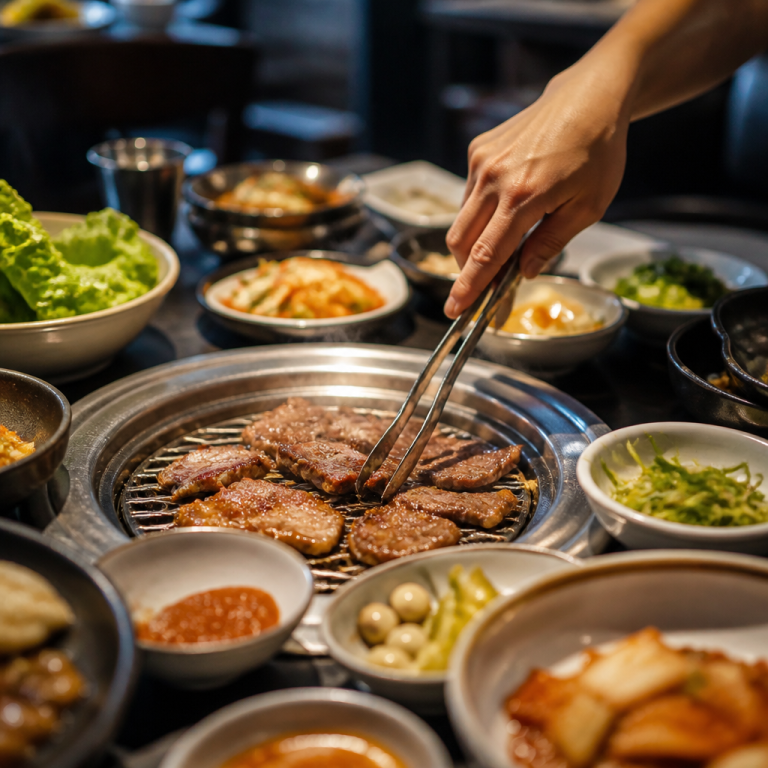
My first experience with authentic Korean BBQ was in Myeongdong, Seoul, a few years ago. The air was thick with the aroma of grilling meat, and the sizzle sounded like a symphony! I always thought I could handle spice, but that night, I learned that Korean BBQ is a delightful balance of sweet, savory, and sometimes, intensely hot. Many people wonder if Korean BBQ is always spicy, but it’s really about choice and customization. Discover the delicious adventure where you pick your path, whether you want a gentle warmth or a full chili challenge. The beauty of gogi-gui, which means "meat roast" in Korean, is that its spice level isn't fixed; you control the journey with marinades, sauces, and those fantastic side dishes called banchan.
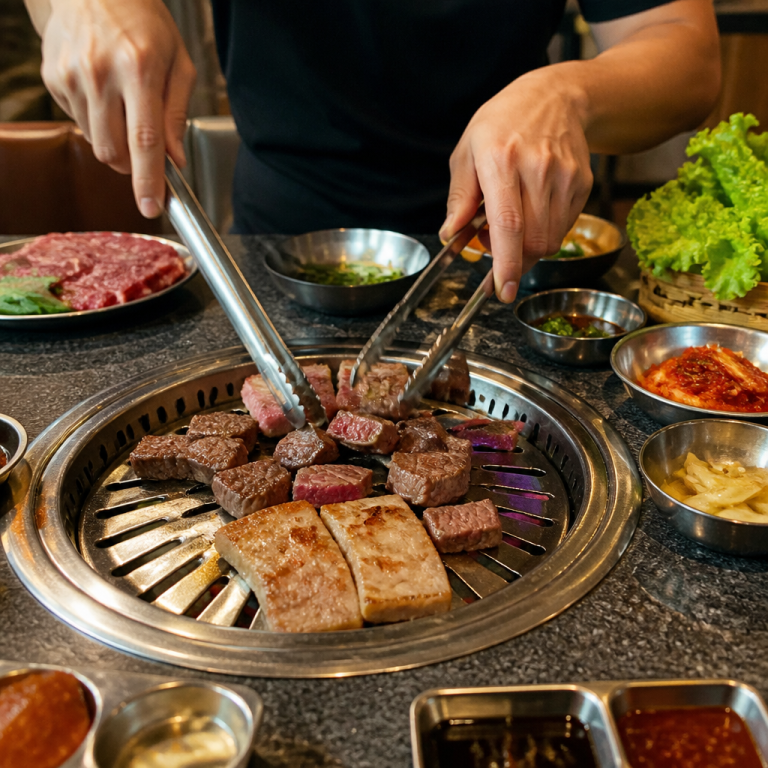
Traditional Korean BBQ can be enjoyed without any spice, offering a wonderful experience for those who prefer milder flavors. For example, unmarinated meats like samgyeopsal (pork belly) and chadolbaegi (thinly sliced beef brisket) are often grilled plainly with minimal seasoning. This approach lets diners control the spiciness themselves through their choice of dipping sauces and condiments, making for a highly customizable meal. This flexibility ensures that everyone, from chili enthusiasts to those with a milder palate, can find something to enjoy in the rich and diverse world of Korean BBQ.
What Makes Korean BBQ Spicy?
The distinct spiciness found in many Korean BBQ dishes comes primarily from a few key ingredients and culinary practices. Understanding these components can help diners anticipate and appreciate the flavor profiles they encounter.
What makes Korean BBQ spicy?
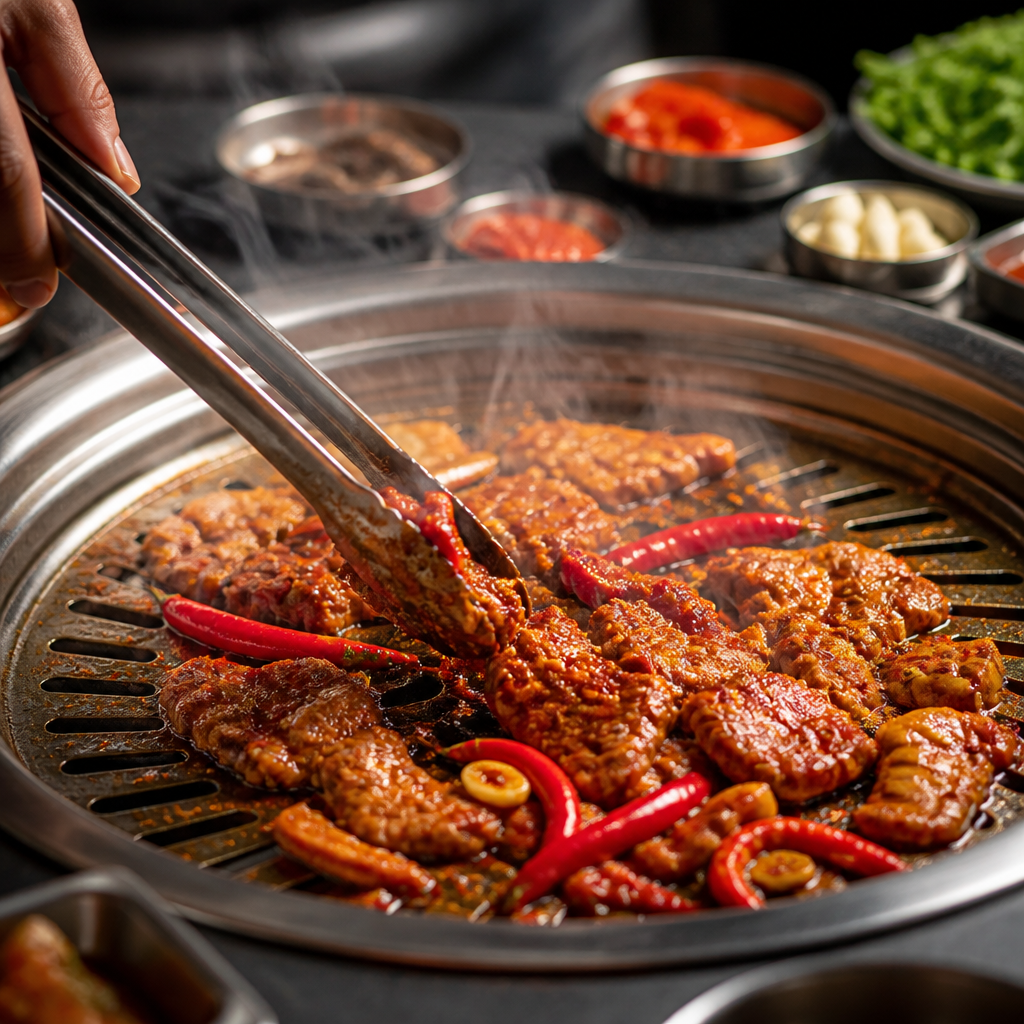
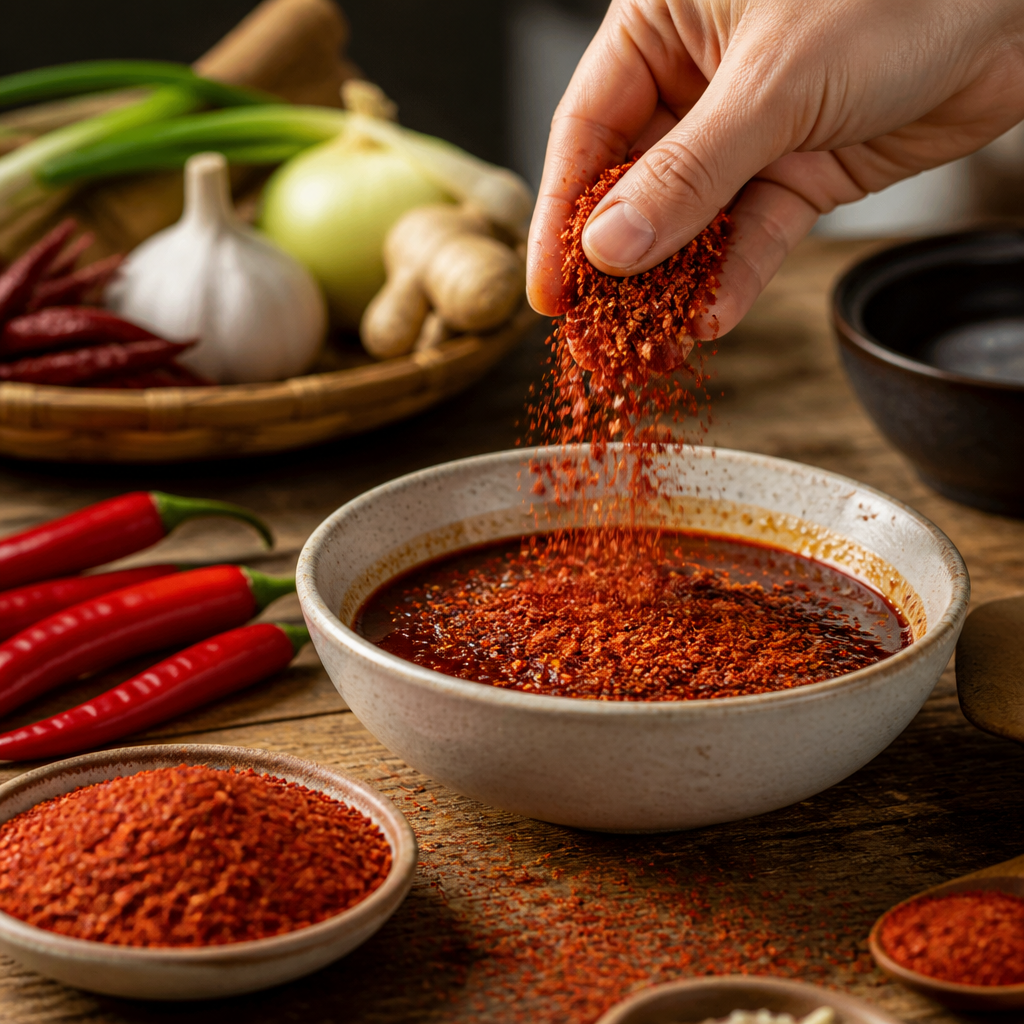
At the forefront of Korean spice is gochugaru, or Korean red pepper flakes. This ingredient is the main spice agent in many Korean BBQ marinades, providing a fruity, smoky heat that's generally moderate, with its Scoville Heat Unit (SHU) rating typically ranging from 1,500 to 10,000. Another crucial ingredient is gochujang, a fermented red chili paste. This paste is a complex blend of gochugaru, fermented soybeans, glutinous rice, and salt, which gives it a unique sweet, spicy, and umami flavor profile. While gochujang contributes spiciness, its heat level is often milder than gochugaru, generally ranging from 1,000 to 3,000 SHU.
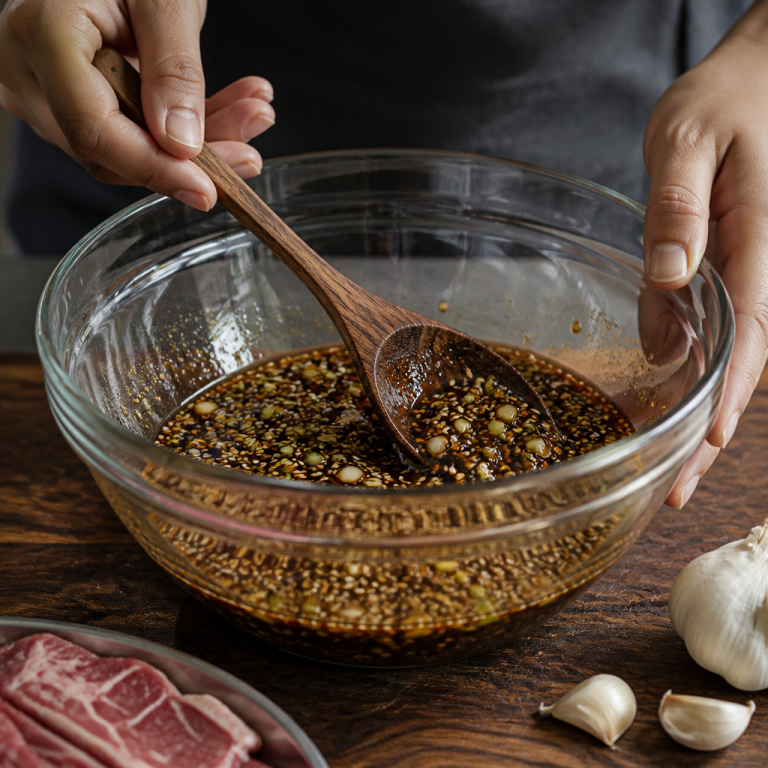
Spicy Korean BBQ marinades are carefully crafted combinations that feature gochugaru or gochujang alongside other flavor enhancers like soy sauce, minced garlic, and sesame oil. The proportion of chili components in these marinades directly determines the overall heat level of the dish. Beyond the marinades, the experience is enhanced by banchan (side dishes) like kimchi and dipping sauces like ssamjang (a soybean-chili paste), which allow diners to adjust the heat of each bite.
Chef Hooni Kim, owner of Michelin-starred restaurants Danji and Hanjan in New York, highlights the philosophy behind Korean spiciness. He notes that "The spiciness in Korean BBQ is about balance – gochugaru provides warmth without overwhelming the natural flavors of quality meat. It's fundamentally different from the sharp heat of Thai or Indian cuisine."
Is Korean BBQ sauce spicy?
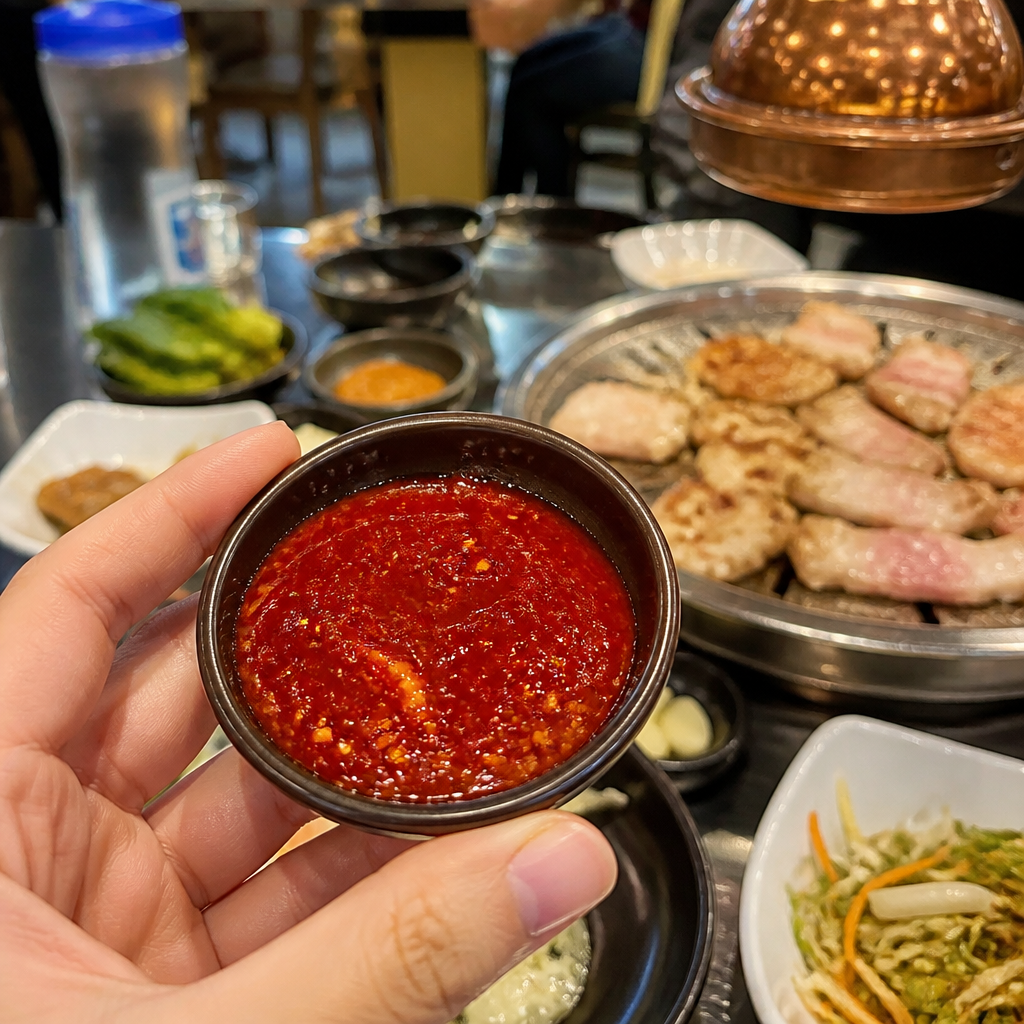
Korean BBQ sauces exhibit a wide spectrum of spiciness, ranging from completely mild to intensely hot. This diversity ensures that there's a sauce to suit nearly every preference, allowing diners to customize their meal experience. Many traditional sauces are non-spicy, focusing on savory and sweet notes, such as classic bulgogi and galbi marinades, which are soy-based. For a very simple accompaniment, a dipping sauce of sesame oil with salt (chamgireum-sogeum) lets the meat's natural flavor shine.
On the other hand, there are numerous sauces crafted to deliver a spicy kick. Yangnyeom sauce, a gochujang-based glaze, is a prime example, creating a robust, spicy-sweet flavor. Spicy bulgogi marinade, known as maewoon bulgogi, infuses the traditional base with gochugaru for a noticeable heat. When purchasing commercial sauces, brands typically have clear labels indicating their spice levels. Most Korean BBQ restaurants are also accommodating and allow customers to request specific spice levels for their sauces, _ensuring a personalized dining experience_.
Is Korean BBQ Spicy by Meat Type?
The spiciness of Korean BBQ isn't inherent to the type of meat but rather a result of the marinades and sauces used. This section explores how spiciness varies across different meat types and their associated dishes.
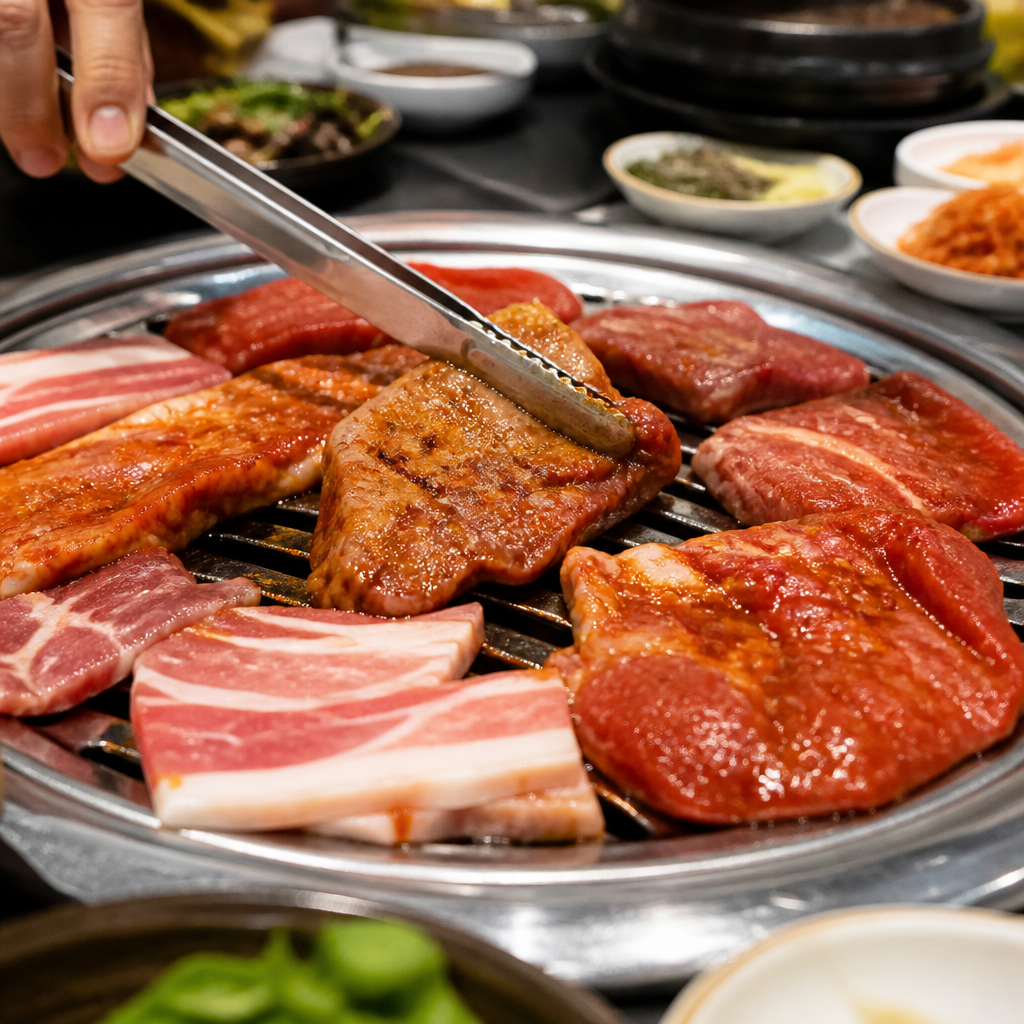
Is Korean BBQ beef spicy?
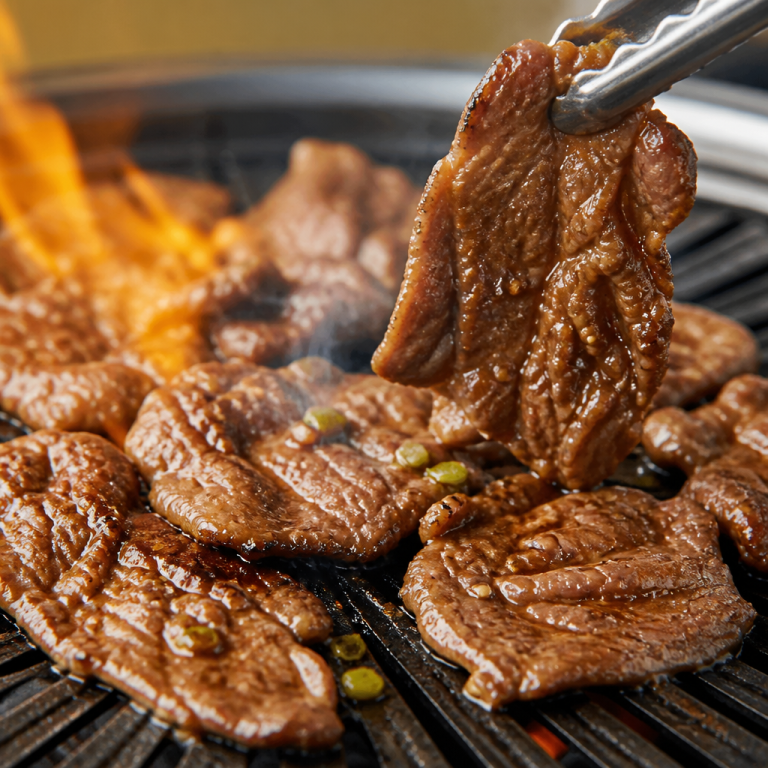
Korean BBQ beef isn't inherently spicy; its heat level depends entirely on the marinade and preparation method chosen by the chef or diner. For those who prefer non-spicy options, chadolbaegi (thinly sliced beef brisket) is typically grilled unmarinated. Traditional bulgogi and galbi (marinated short ribs) are also known for their sweet and savory soy-based marinades that do not include chili.
However, for those who enjoy heat, spicy variations are readily available. Maewoon bulgogi incorporates gochugaru into the traditional marinade for a fiery dimension. Another spicy option is yangnyeom galbi, which features short ribs marinated in a spicy gochujang sauce. High-quality unmarinated beef cuts are frequently grilled plain and served with optional spicy dipping sauces, giving diners complete control over the heat level of each bite.
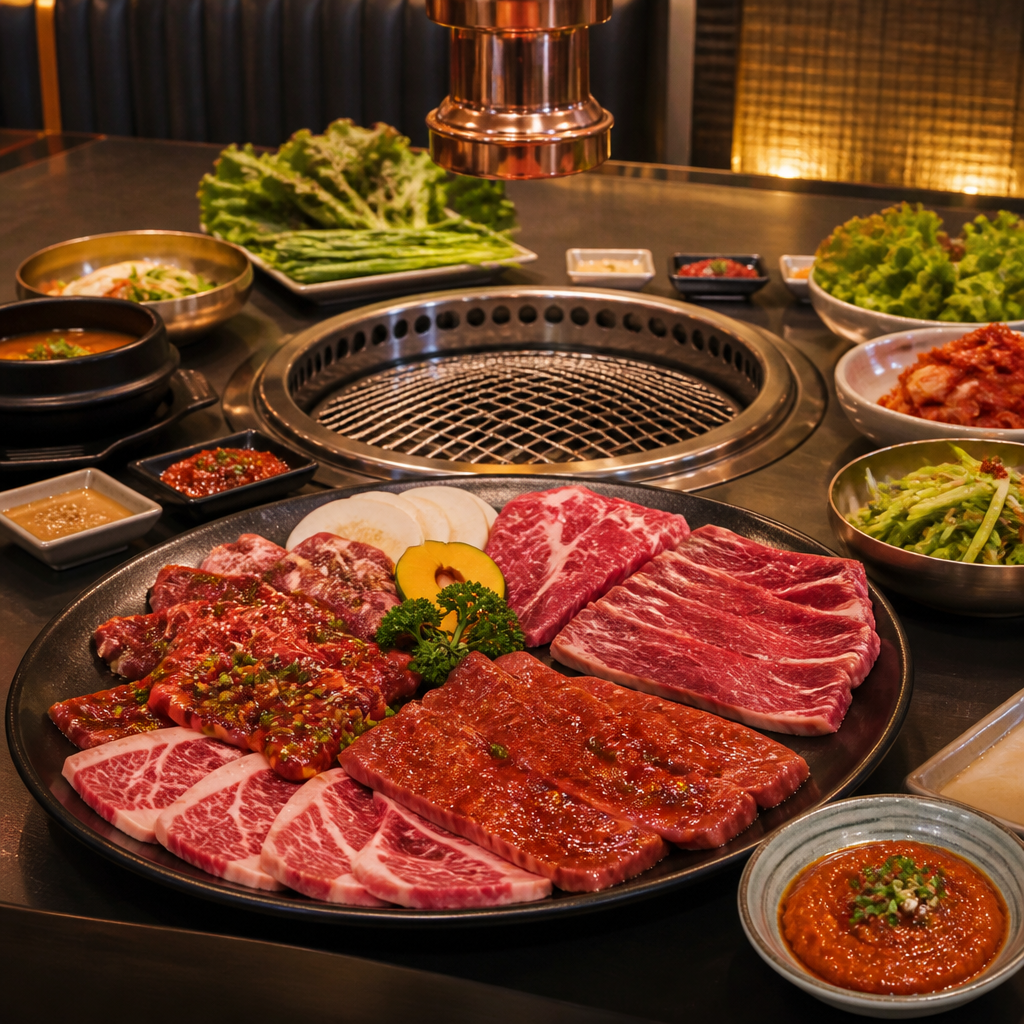
Is Korean BBQ chicken spicy?
Korean BBQ chicken often features spicy preparations, making it a popular choice for those who enjoy a bit of heat. Many beloved chicken dishes in Korean cuisine traditionally incorporate gochugaru or gochujang. One of the most iconic is dak galbi, where chicken is marinated in a robust gochujang-based sauce and stir-fried with vegetables, offering a medium-high heat level. Another popular choice is yangnyeom chicken, or Korean fried chicken, coated in a signature spicy-sweet glaze.
While spicy options are prominent, non-spicy Korean BBQ chicken dishes are also available.
- Ganjang Chicken: A soy garlic chicken that offers a savory and slightly sweet flavor without any chili heat.
- Sogeum Gui: Plain grilled chicken seasoned simply with salt.
- Honey Butter Chicken: A sweet and rich flavor profile devoid of spice.
This variety ensures that Korean BBQ offers a range of chicken dishes to satisfy different tastes.
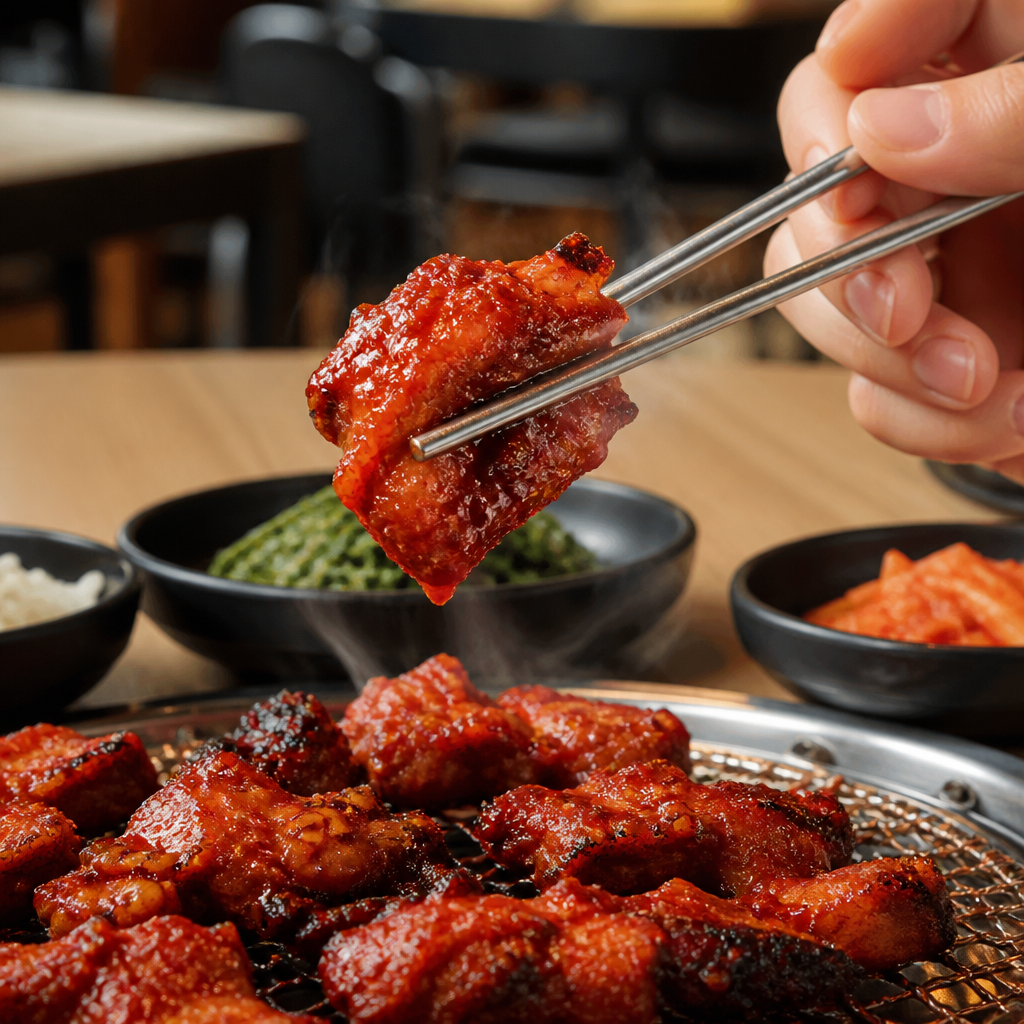
Are Korean BBQ wings spicy?
Korean BBQ wings are most commonly served spicy, with yangnyeom (spicy-sweet) being the signature flavor. The quintessential yangnyeom wing features a rich glaze combining gochujang and gochugaru, creating a sticky, moderately spicy coating that typically registers an approximate heat level of 2,000-5,000 SHU. For those seeking more intense heat, buldak ("fire chicken") wings push the heat level to 8,000 SHU or more.
Despite the popularity of spicy wings, there are plenty of non-spicy flavors. Popular mild options include ganjang (soy garlic), honey butter, and cheese powder wings. Many Korean BBQ restaurants offer wings in "half-and-half" orders (banban), which allows customers to enjoy both spicy and non-spicy flavors in a single serving. This flexibility underscores the inclusive nature of Korean BBQ.
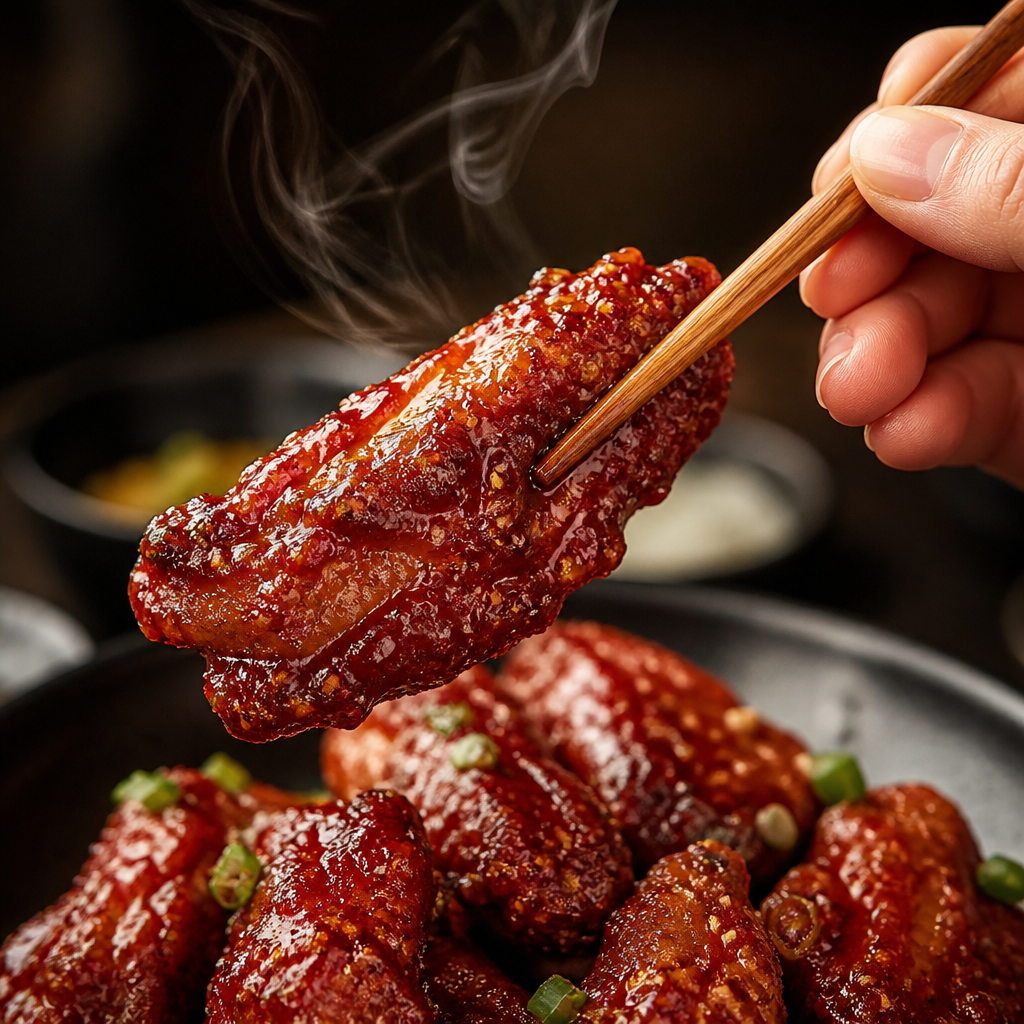
How Spicy Is Korean BBQ Compared to Other Options?
Understanding the spiciness of Korean BBQ often involves comparing it to other well-known spicy cuisines. While Korean food can pack a punch, its heat profile often differs in character and intensity.
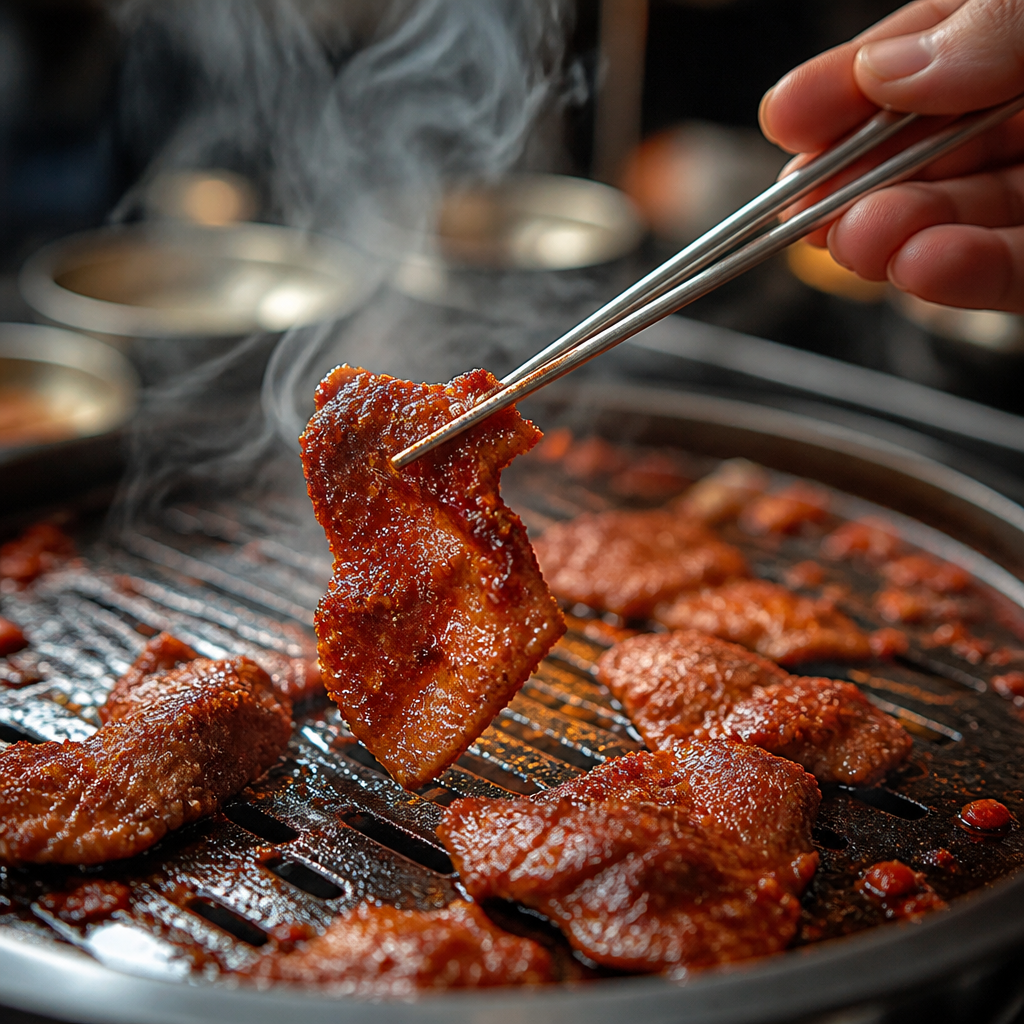
How spicy is Korean BBQ compared to other cuisines?
When comparing the spiciness of Korean BBQ to other global cuisines, it's helpful to look at the Scoville Heat Units (SHU) of the primary chili peppers used. This comparative analysis suggests that while Korean BBQ can be spicy, its heat is often more integrated and balanced within the dish, offering a different kind of chili experience. Unlike the sharp, immediate heat in some cuisines, the spiciness from gochugaru provides a more gradual, warming sensation with fruity and smoky undertones.
Chef Roy Choi, renowned for his Korean-Mexican fusion Kogi BBQ truck, offers an insightful perspective: "Korean heat is about the slow burn and depth – it builds rather than attacks. When I combine Korean gochugaru with Mexican chilies, the Korean side always plays the supporting harmony, not the lead scream."
| Cuisine | Primary Chili Source(s) | Typical Scoville Heat Units (SHU) | General Spiciness Rating (1-10) |
|---|---|---|---|
| Korean | Gochugaru, Gochujang | 1,000 – 10,000 | 3-5 |
| Thai | Bird's Eye Chilies | 50,000 – 100,000 | 7-9 |
| Indian | Various Hot Chilies | Varies Widely | 6-8 |
| Sichuan | Facing Heaven Peppers | 10,000 – 75,000 | 7-9 |
| Mexican | Jalapeño, Habanero | 2,500 – 350,000+ | 2-8 |
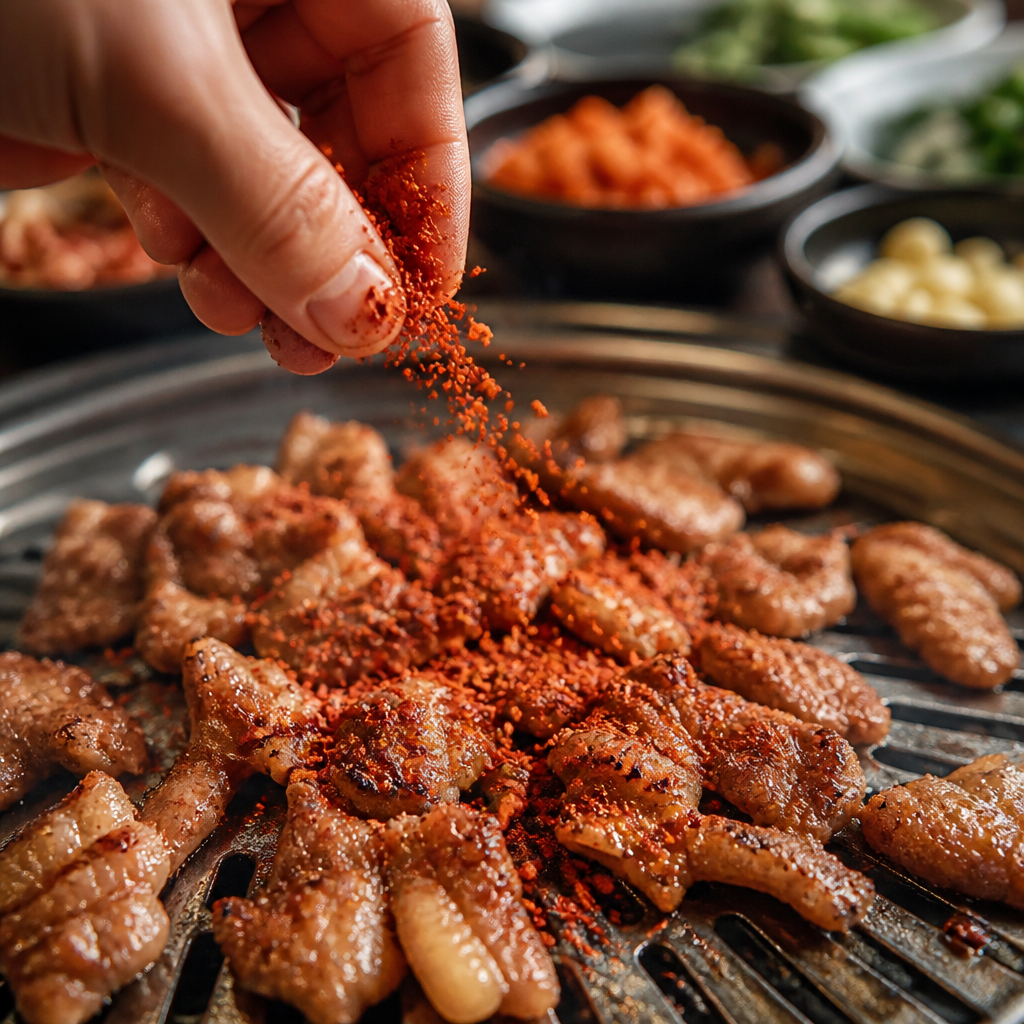
Korean BBQ: spicy vs mild options
Korean BBQ restaurants are designed to cater to a wide range of preferences, offering a clear distinction between spicy and mild options. For those avoiding spice, numerous mild classics exist, allowing the natural flavors of high-quality meats to shine. Conversely, for spice lovers, there is an equally rich selection of fiery dishes.
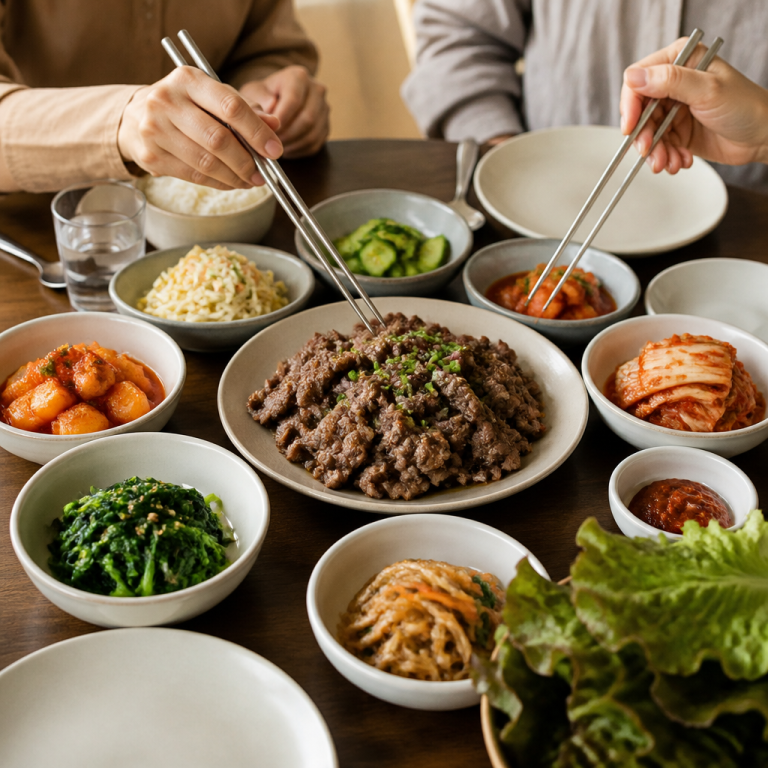
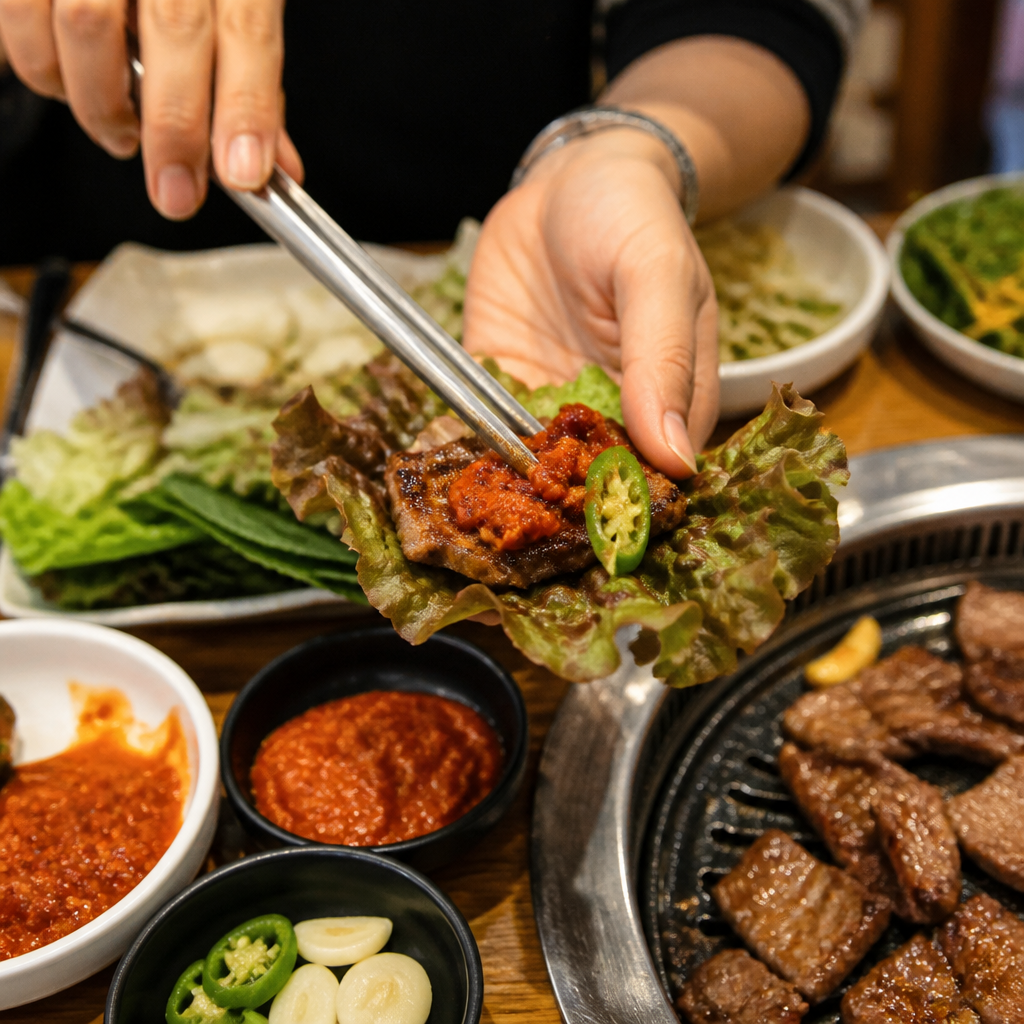
Beyond the main dishes, customization is a hallmark of the experience. The accompanying banchan (side dishes) range from non-spicy (pickled radish, steamed egg) to spicy (kimchi, spicy cucumber salad). *The traditional Korean BBQ practice of wrapping grilled meat in a lettuce leaf (ssam) with various condiments and sauces further empowers diners.* This method allows for precise control over the amount of sauce—and thus spiciness—added to each wrap, creating a highly personalized culinary journey.
FAQ
Q1: What are the main ingredients that make Korean BBQ spicy?
A1: The primary ingredients responsible for spiciness in Korean BBQ are gochugaru (Korean red pepper flakes) and gochujang (fermented red chili paste). Gochugaru typically ranges from 1,500-10,000 Scoville Heat Units (SHU), providing a fruity, smoky heat, while gochujang generally ranges from 1,000-3,000 SHU, offering a complex sweet-spicy-umami flavor.
Q2: Can I find non-spicy options at a Korean BBQ restaurant?
A2: Yes, Korean BBQ restaurants typically offer a wide range of non-spicy options. Many traditional dishes like unmarinated samgyeopsal (pork belly), chadolbaegi (beef brisket), and classic bulgogi (sweet soy-marinated beef) are served without chili. Diners can also choose mild dipping sauces and non-spicy banchan (side dishes).
Q3: How does Korean BBQ spiciness compare to other cuisines like Thai or Indian food?
A3: Korean BBQ spiciness is generally milder than many dishes in Thai or Indian cuisine. Korean heat tends to be a gradual, warming sensation with fruity-smoky undertones, whereas Thai and Indian dishes can often feature a sharper, more immediate heat. On a standardized scale, Korean BBQ typically rates 3-5, while Thai and Indian cuisines often rate higher.
Q4: Are all Korean BBQ chicken and wing dishes spicy?
A4: While many popular Korean BBQ chicken dishes are spicy, non-spicy options are also widely available. For chicken, you can find ganjang (soy garlic) chicken or plain grilled chicken. For wings, alongside the signature yangnyeom (spicy-sweet) flavor, many restaurants offer non-spicy alternatives like ganjang (soy garlic) or honey butter wings.
Q5: How can I control the spiciness of my meal at a Korean BBQ restaurant?
A5: You have several ways to control spiciness. You can choose unmarinated meats, request specific spice levels for sauces, and select non-spicy banchan (side dishes). The practice of wrapping grilled meat in a lettuce leaf (ssam) also allows you to precisely adjust the amount of spicy sauce in each bite, giving you full control over your experience.

Emily Carter is an American food lover who writes about Korean cuisine for people trying it for the first time. She covers what things taste like, how to eat them, and what to cook with them.