how to use kimchi: 15 Flavorful Ideas for Easy Meals
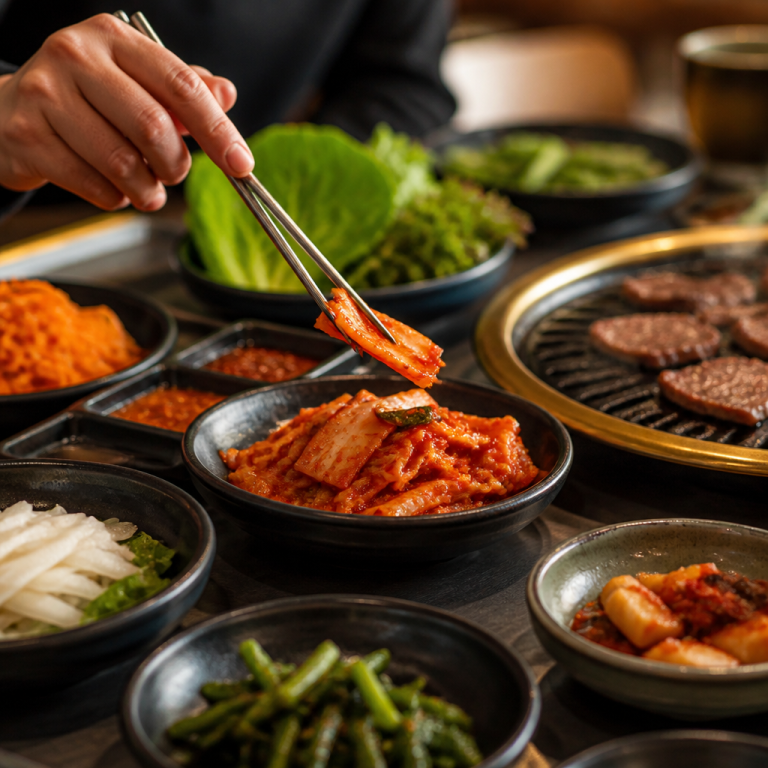
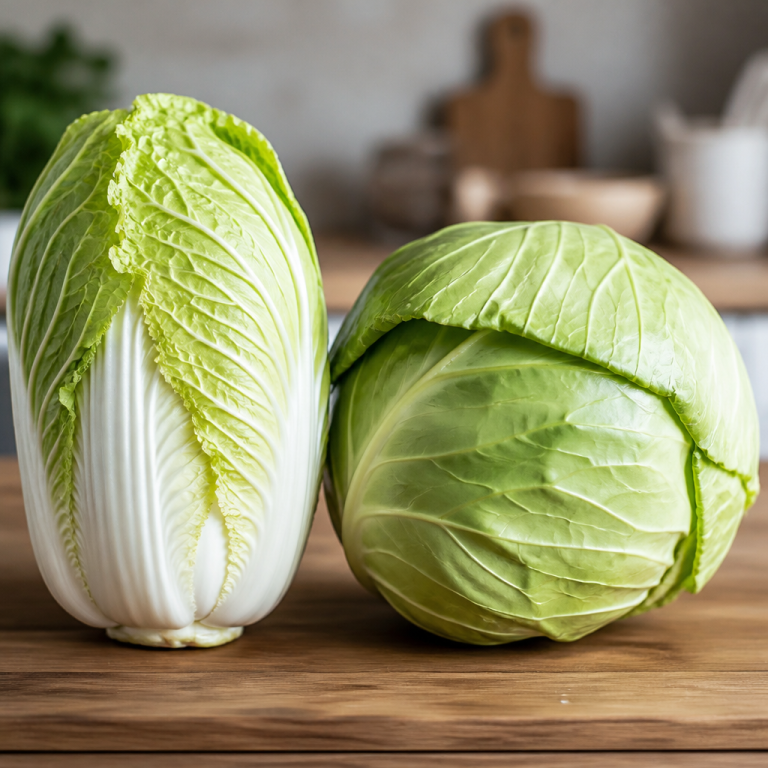
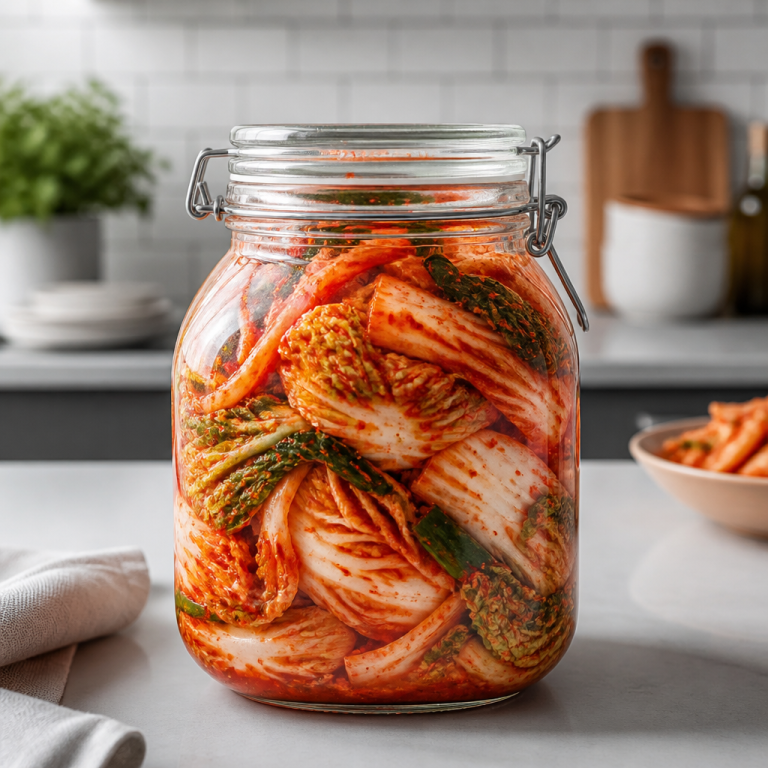
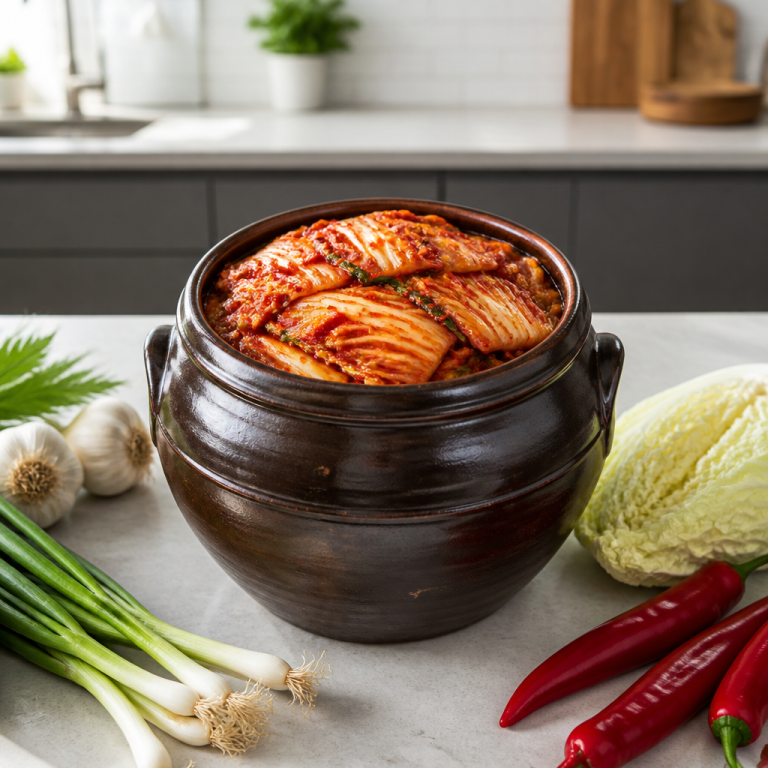
The first taste of well-made kimchi is a revelation. It’s far more than a simple fermented vegetable; it's a cornerstone of Korean cuisine, a complex and versatile ingredient that can transform a meal. Traditionally made from napa cabbage and Korean radishes, its unique flavor comes from a rich mix of seasonings, including chili powder, garlic, ginger, and _jeotgal_ (salted seafood), which adds a deep savory taste. This traditional dish is so significant that UNESCO has recognized it as an intangible cultural heritage. Beyond its incredible taste, kimchi is lauded for its health benefits, particularly the probiotics that develop during its fermentation process.
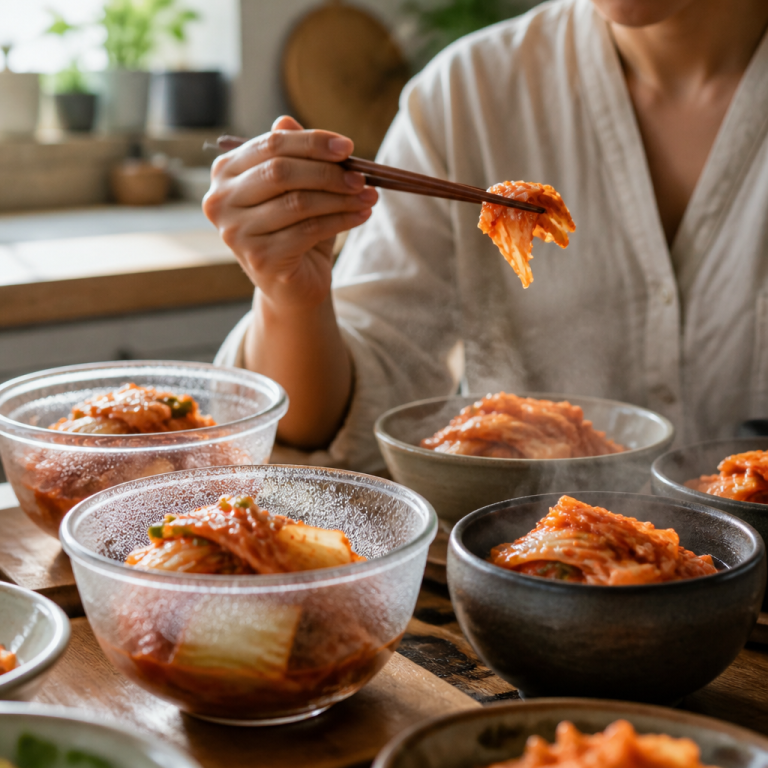
In Korean meals, kimchi plays many roles. It is a ubiquitous _banchan_ (side dish), but it also shines as a main ingredient in iconic dishes like _kimchi jjigae_ (stew) and _kimchi bokkeumbap_ (fried rice). Its strong, complex flavors make it a fantastic addition to countless modern recipes, bringing a unique twist to familiar foods. Discover how to make, cook with, and store this adaptable ingredient to unlock a whole new world of culinary possibilities in your kitchen.
Kimchi Ingredients & Seasoning Basics
Creating delicious kimchi depends on balancing the right ingredients with proper seasoning methods. The process typically begins by brining vegetables in salt water before coating them with a flavorful paste. Every component, from the salt used for brining to the spices and thickeners in the seasoning, is crucial for developing kimchi's signature taste and texture. The following sections explore these foundational elements, providing a clear guide to understanding what goes into this fermented delight.
How Much Salt to Use in Kimchi?
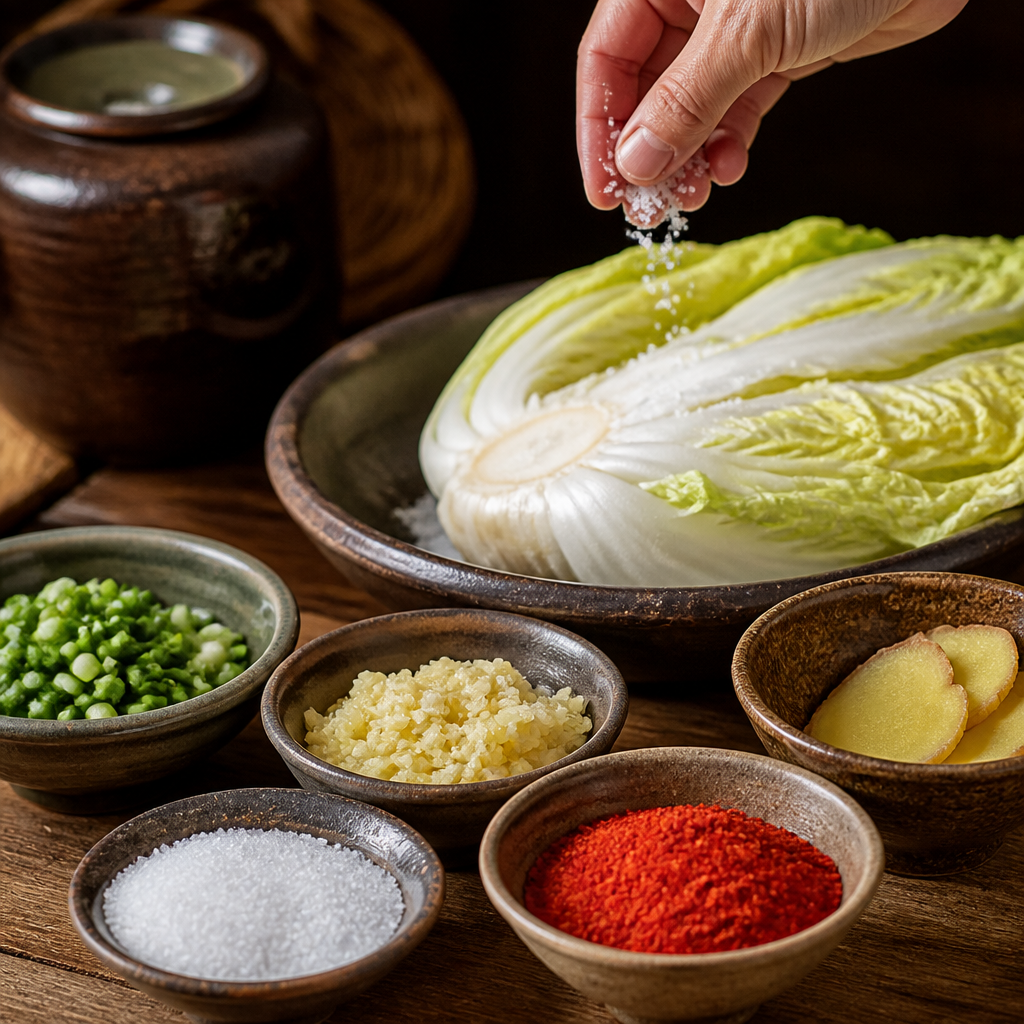
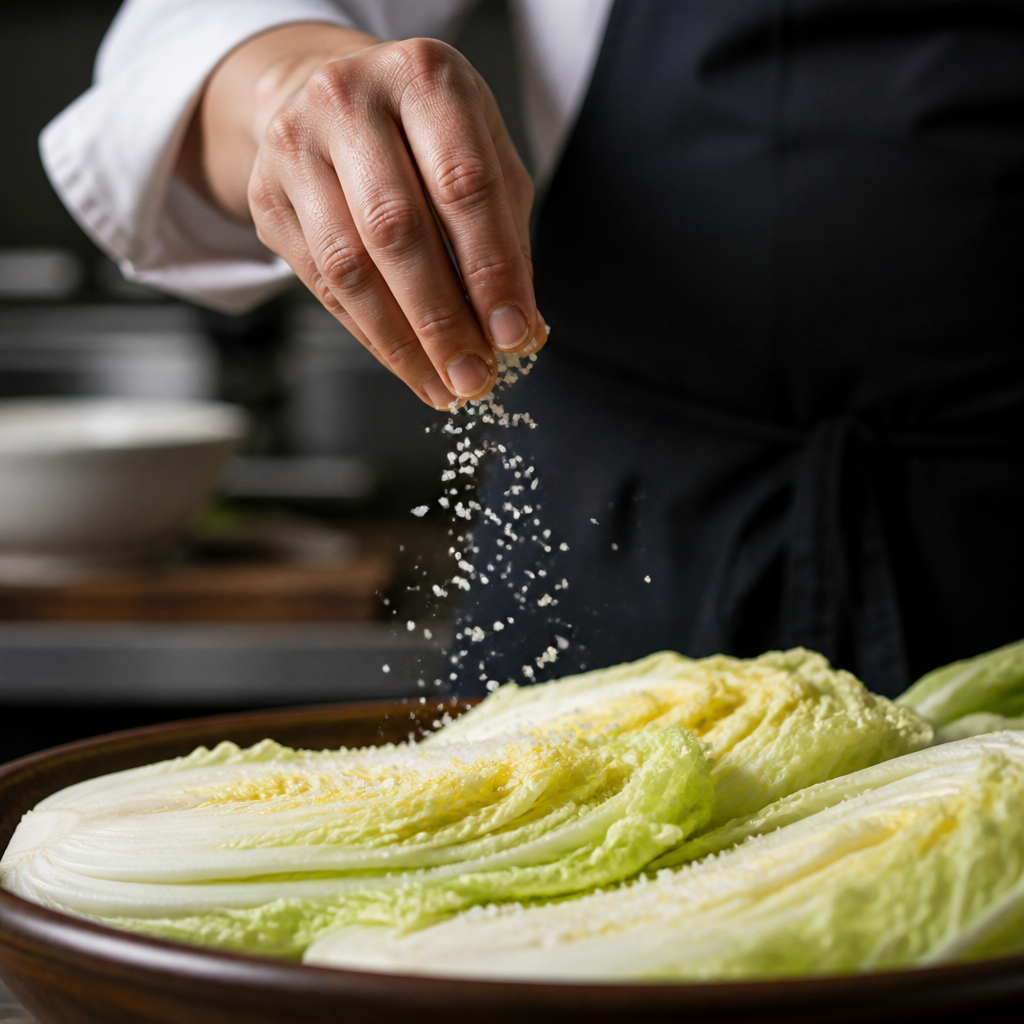
The amount of salt used in kimchi making is critical, especially for the initial brining step. This process is essential for drawing excess water out of the cabbage, helping it achieve a crisp texture while preparing it for fermentation. The salt also plays a crucial role in preventing the growth of harmful bacteria and creating the perfect environment for beneficial lactic acid bacteria to thrive.
Traditional recipes often suggest a salt concentration of about 3-5% of the cabbage's weight for brining. For a medium napa cabbage weighing about 2-3 pounds, this translates to roughly 1/2 to 3/4 cup of coarse sea salt. Experts at the Institute of Traditional Korean Food suggest a 3% salt concentration is ideal. This amount effectively inhibits spoilage microorganisms while promoting the growth of _Lactobacillus_ bacteria, which provide kimchi's signature tang and probiotic benefits.
| Salt Concentration | Result |
|---|---|
| Below 2% | High risk of spoilage, often results in a mushy texture. |
| 2.5% – 3.5% | Optimal taste, crispness, and healthy fermentation. |
| Above 5% | Overly salty taste, slowed fermentation, and less complex flavor. |
Experienced cooks also stress the precision required with salting. Maangchi (Emily Kim), a renowned Korean cooking instructor, advises:
"Using too little salt results in mushy kimchi that spoils quickly, while too much salt makes it too salty and slows fermentation—the sweet spot is 2% to 3% for crispy, well-fermented kimchi."
After brining for 4-6 hours, you must rinse the cabbage thoroughly 2-3 times under cold running water to remove excess salt. This rinsing step is vital to prevent your kimchi from becoming overly salty and to ensure the final product has an ideal residual salt content of about 2% for taste and continued fermentation.
How Much Gochujang to Use in Kimchi?
_Gochujang_, a fermented Korean red chili paste, is a staple in many Korean dishes, known for its complex blend of spicy, sweet, and savory flavors. However, when making traditional napa cabbage kimchi (_baechu kimchi_), _gochujang_ is not the primary chili ingredient. Most classic kimchi recipes call for _gochugaru_ (Korean red chili flakes), which provides a clean chili heat and vibrant red color without the added sweetness and thickness of _gochujang_.
While not traditional for _baechu kimchi_, _gochujang_ can be used in some preparations, especially quick kimchi recipes or as a flavor enhancer in cooked dishes. Its fermented soybean and rice components add a distinct umami and subtle sweetness, creating a richer flavor profile compared to kimchi made solely with _gochugaru_.
When _gochujang_ is used, it typically complements _gochugaru_ rather than replacing it entirely. A common ratio is about 2-3 tablespoons of _gochujang_ for every 2-3 pounds of cabbage. This approach allows the cook to customize the flavor, leaning toward a slightly sweeter and more robust profile. The decision to include it ultimately comes down to personal preference and the desired outcome, resulting in kimchi with a unique personality distinct from the bright, tangy notes of a classic version.
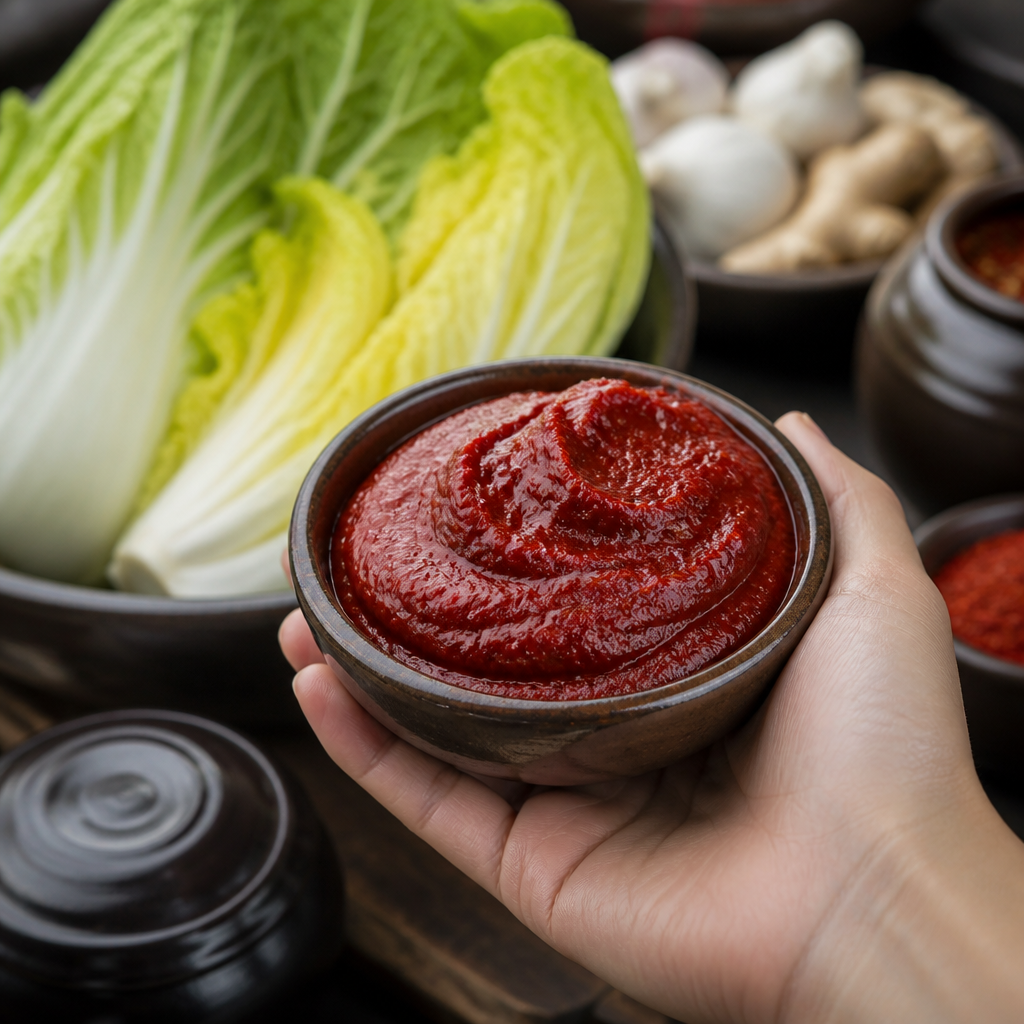
How to Use Kimchi Seasoning
Kimchi seasoning, or _kimchi yangnyeom_, is the heart of kimchi's flavor. This carefully crafted spice paste is applied to the brined vegetables, transforming them into the famous fermented dish. The paste is a complex mixture, typically including _gochugaru_ for heat, minced garlic and ginger for aromatics, fish sauce or salted seafood (_jeotgal_) for umami, sugar to balance the flavors, and often a cooked sweet rice flour paste to bind everything together.
Applying the seasoning paste is a critical, hands-on step. After the cabbage is brined and rinsed, the _yangnyeom_ is massaged thoroughly and evenly between each leaf. _Wearing gloves during this step is highly recommended, as gochugaru can irritate the skin and stain hands._ This meticulous application ensures every part of the vegetable is coated, allowing the spices to penetrate deeply during fermentation.
For a medium napa cabbage (4-5 pounds), standard seasoning amounts include about 1/2 cup of _gochugaru_, 1/4 cup of minced garlic, 2 tablespoons of minced ginger, 1/4 cup of fish sauce, 2 tablespoons of sugar, and 1/2 cup of cooked sweet rice flour paste. Home cooks often adjust these ratios to suit their taste. Once seasoned, the kimchi ferments at room temperature for 1-5 days before being refrigerated to slow the process and mature the flavors.
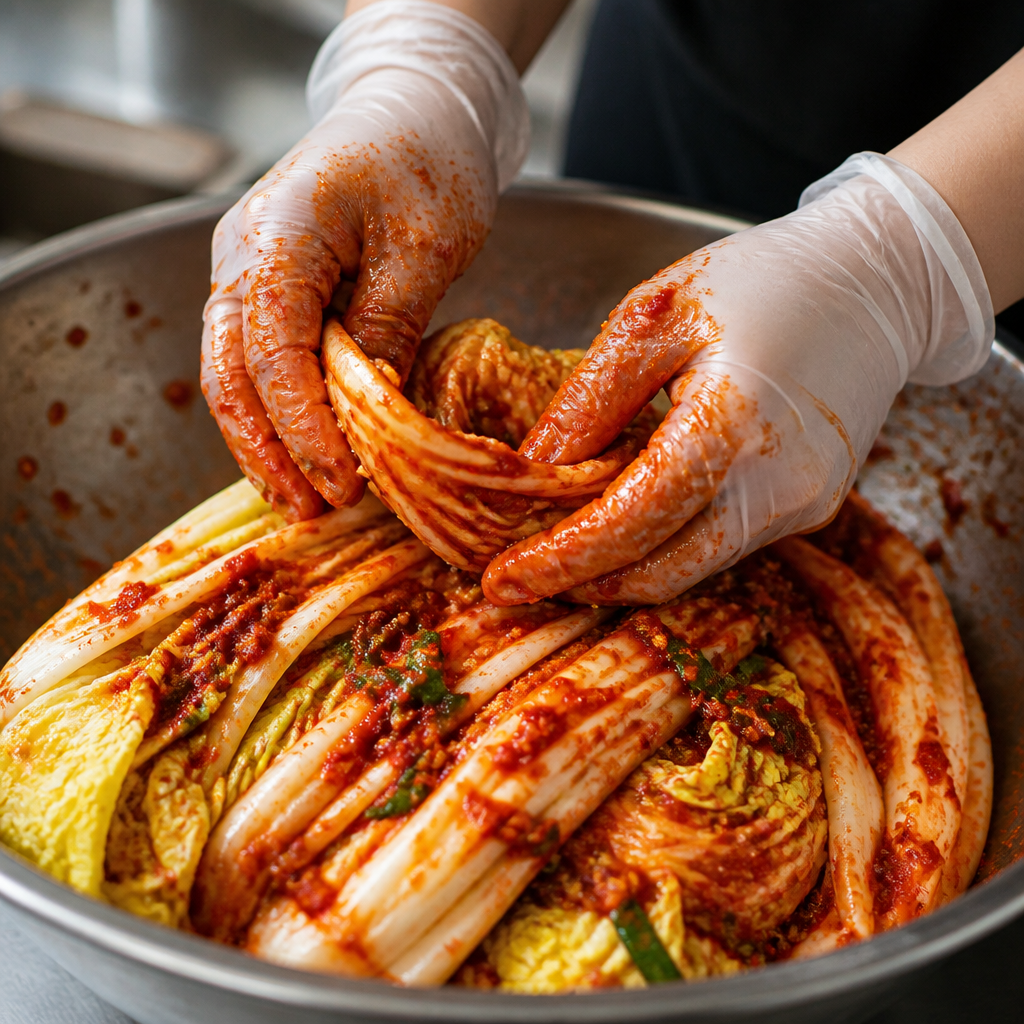
How to Use Kimchi Paste
"Kimchi paste" can refer to the homemade seasoning mixture (_yangnyeom_) or a commercially available, pre-made paste. Both serve to impart the signature kimchi flavor, but they differ in preparation and convenience.
For commercial pre-made kimchi paste, the process is straightforward: simply mix the paste with your brined and rinsed cabbage according to the package directions. These products offer great convenience for beginners or those short on time, though the flavor may vary by brand and differ from a fresh, traditional _yangnyeom_.
Homemade kimchi paste provides complete control over the flavor. It is typically made by blending _gochugaru_ with a cooked sweet rice flour porridge, minced garlic, fresh ginger, fish sauce, and sugar. The rice flour porridge acts as a binder, helping the seasonings adhere to the cabbage leaves, and provides food for the beneficial bacteria during fermentation. Regardless of the type of paste, it should be applied generously and evenly between each cabbage leaf to ensure a consistent and delicious flavor throughout the batch.
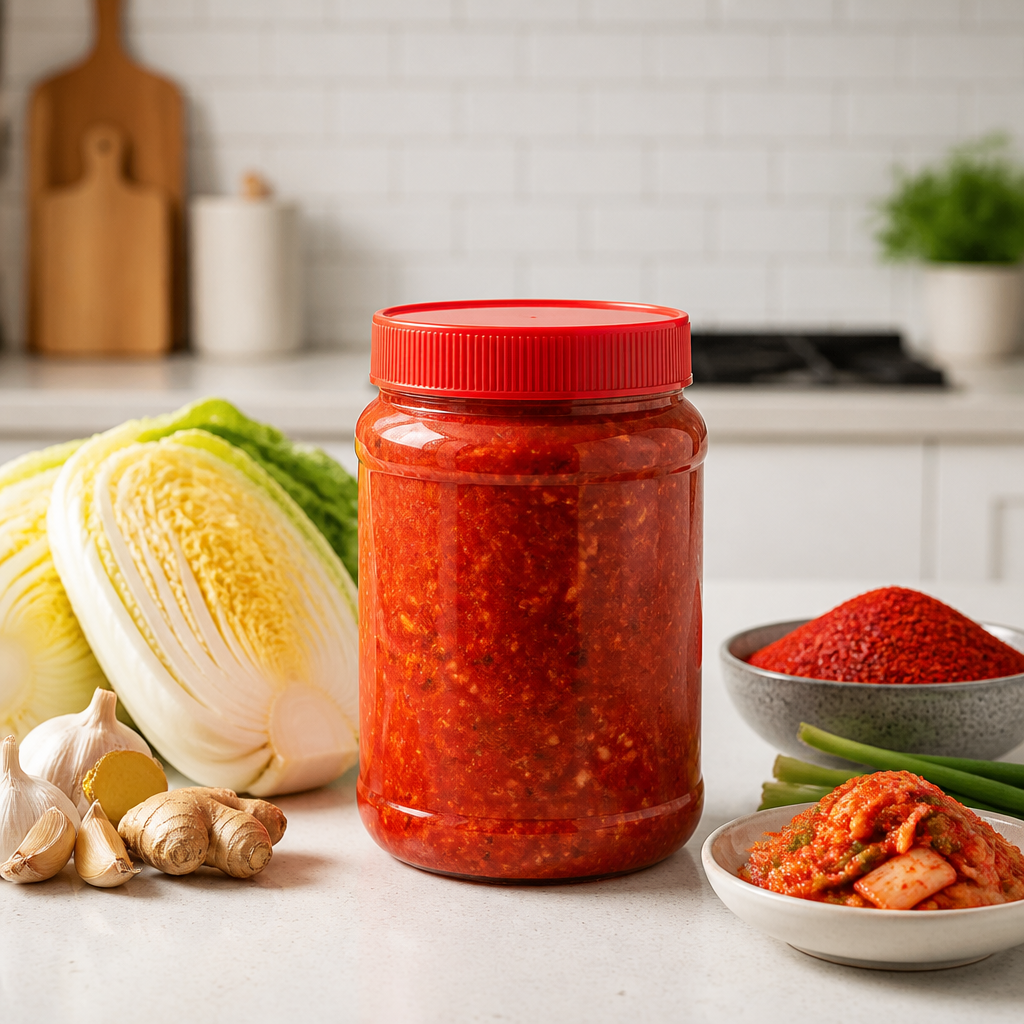
How to Use Kimchi Base
A "kimchi base" typically refers to the foundational thickener of the seasoning mixture, often a cooked rice or wheat flour porridge. This starchy component is essential for feeding the lactic acid bacteria that drive fermentation and contributes to the overall texture of the kimchi liquid. A common base is made by cooking sweet rice flour with water until it forms a thin, smooth porridge, which must be cooled completely before being mixed with other seasonings.
The starch in this base serves several vital purposes in the kimchi-making process. First, it acts as a binder, helping the seasonings stick evenly to the brined cabbage. Second, it provides a crucial food source for the lactic acid bacteria, which produce the lactic acid responsible for kimchi's tangy flavor and preservative qualities. Finally, it contributes to the body and slight thickness of the kimchi brine that develops during fermentation. While fruits like Asian pear are sometimes added for sweetness, the starch base is specifically designed to create the ideal texture and environment for perfect fermentation.
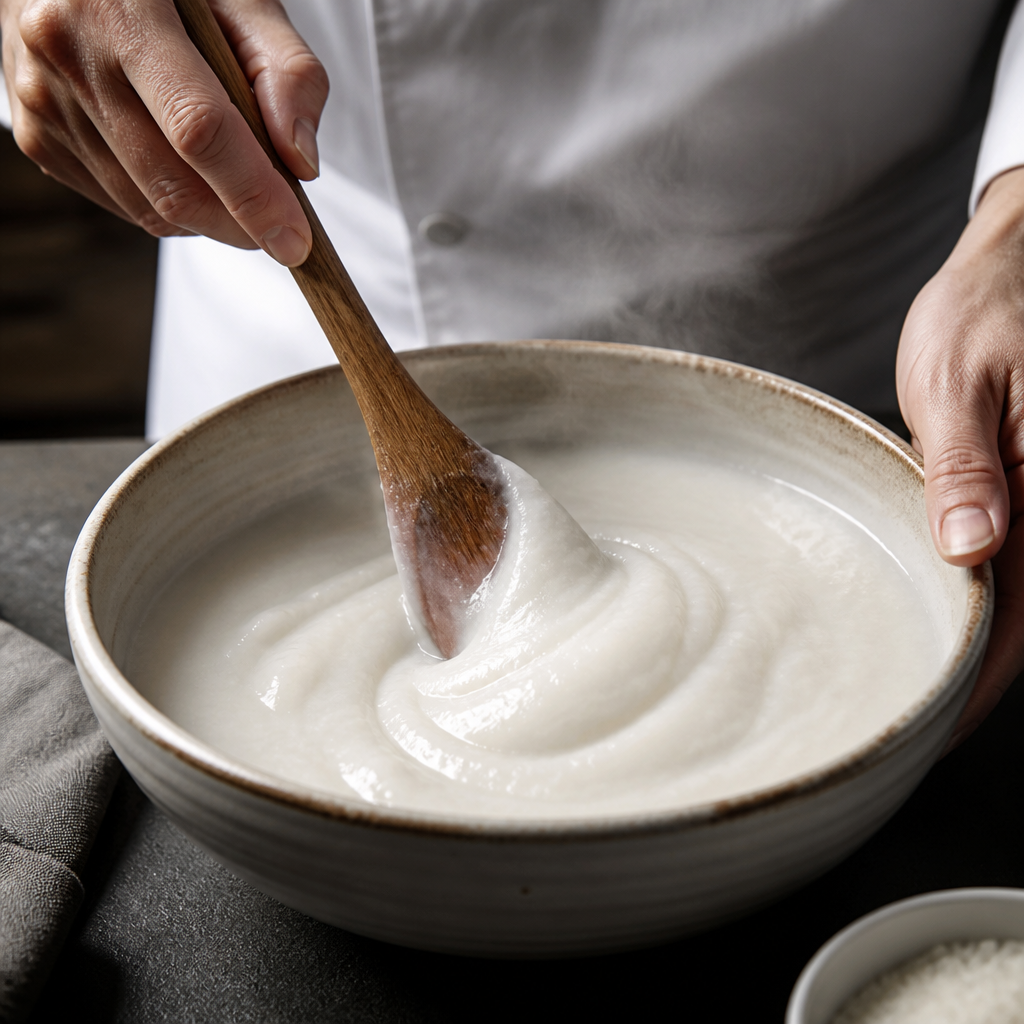
How to Use Kimchi Powder
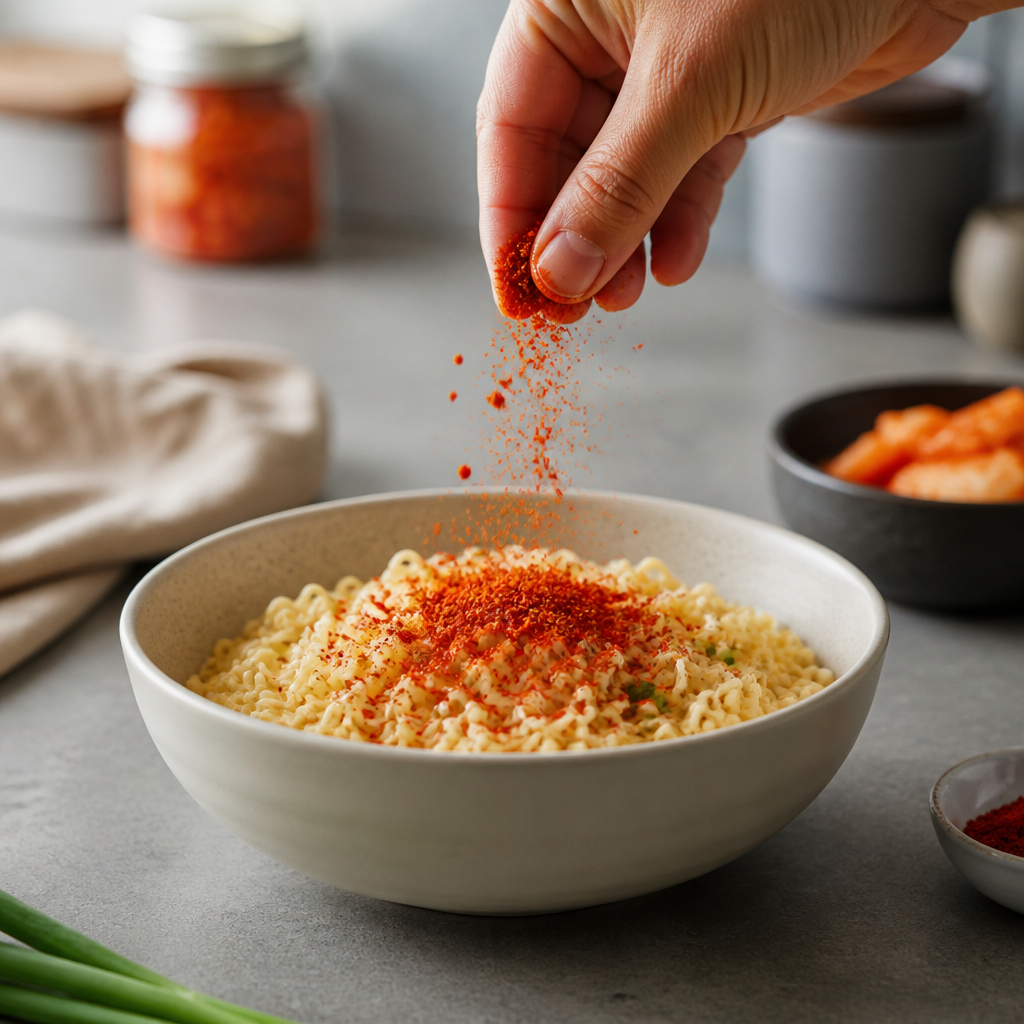
Kimchi powder is a dried seasoning blend that conveniently captures kimchi's spicy, tangy, and savory flavors without the need for fresh, fermented kimchi. It typically contains _gochugaru_, garlic powder, onion powder, salt, and sugar. It is a versatile shortcut for adding a kick of Korean flavor to a wide range of dishes.
You can use kimchi powder as a seasoning for snacks like popcorn, a dry rub for meats, or a flavor booster for instant noodles. To create a sauce, mix the powder with liquids like water, broth, or oil. It’s important to note that kimchi powder does not contain live probiotics, as the beneficial cultures are eliminated during the drying process. While it provides the characteristic taste of kimchi, it acts as a flavor enhancer rather than a source of probiotic benefits.
How to Use Kimchi in Recipes
Kimchi's culinary potential extends far beyond its role as a side dish. Its unique combination of tangy, spicy, and savory flavors makes it an incredibly versatile ingredient that can elevate a wide variety of recipes. Incorporating kimchi into cooked dishes allows its complex flavors to meld and deepen, transforming everything from soups and stews to rice dishes and modern fusion cuisine.
How to Use Kimchi in Recipes
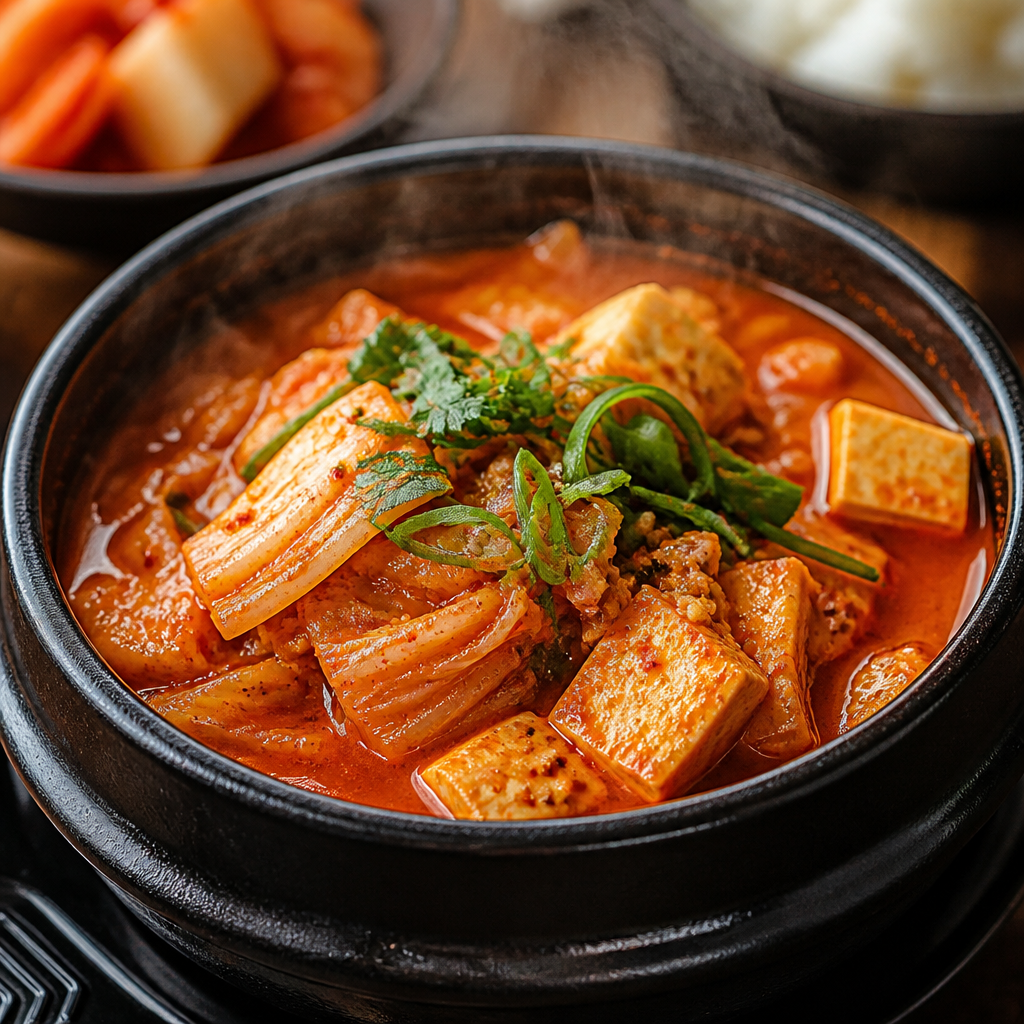
Using kimchi in recipes involves thoughtfully incorporating this fermented vegetable to enhance and define the flavor of various dishes. Its distinctive tangy, spicy, and umami characteristics make it a powerful flavor agent capable of transforming countless meals. Some of the most beloved and classic kimchi-based dishes in Korean cuisine include:
- Kimchi Jjigae: A warm and spicy stew often made with pork or tofu.
- Kimchi Bokkeumbap: A quick and satisfying kimchi fried rice.
- Kimchi Jeon: A savory pancake perfect as a snack or appetizer.
- Kimchi Mandu: Dumplings with a tangy kick from chopped kimchi.
- Budae Jjigae: A hearty fusion "army stew" combining Korean and Western ingredients.
Kimchi that is well-fermented, or "sour," is generally preferred for cooked dishes. The longer fermentation develops deeper, more robust flavors and a higher acidity that stands up to heat, cutting through richness and adding a bright, tangy balance. Fresher, less fermented kimchi is better suited for eating raw or in quick-cooked dishes where its crisp texture is desired.
Chef Edward Lee, a James Beard Award-winning chef known for his Korean-American cuisine, emphasizes its versatility:
"Kimchi's acidity and umami make it incredibly versatile—it can replace vinegar in dressings, add depth to braises, or provide funk to grain bowls. The key is balancing its strong flavor with other ingredients."
When prepping kimchi for recipes, you can squeeze out excess liquid for dishes like fried rice or dumplings, or include the flavorful juice in soups and stews to maximize tanginess.
How to Use Kimchi in Ramen
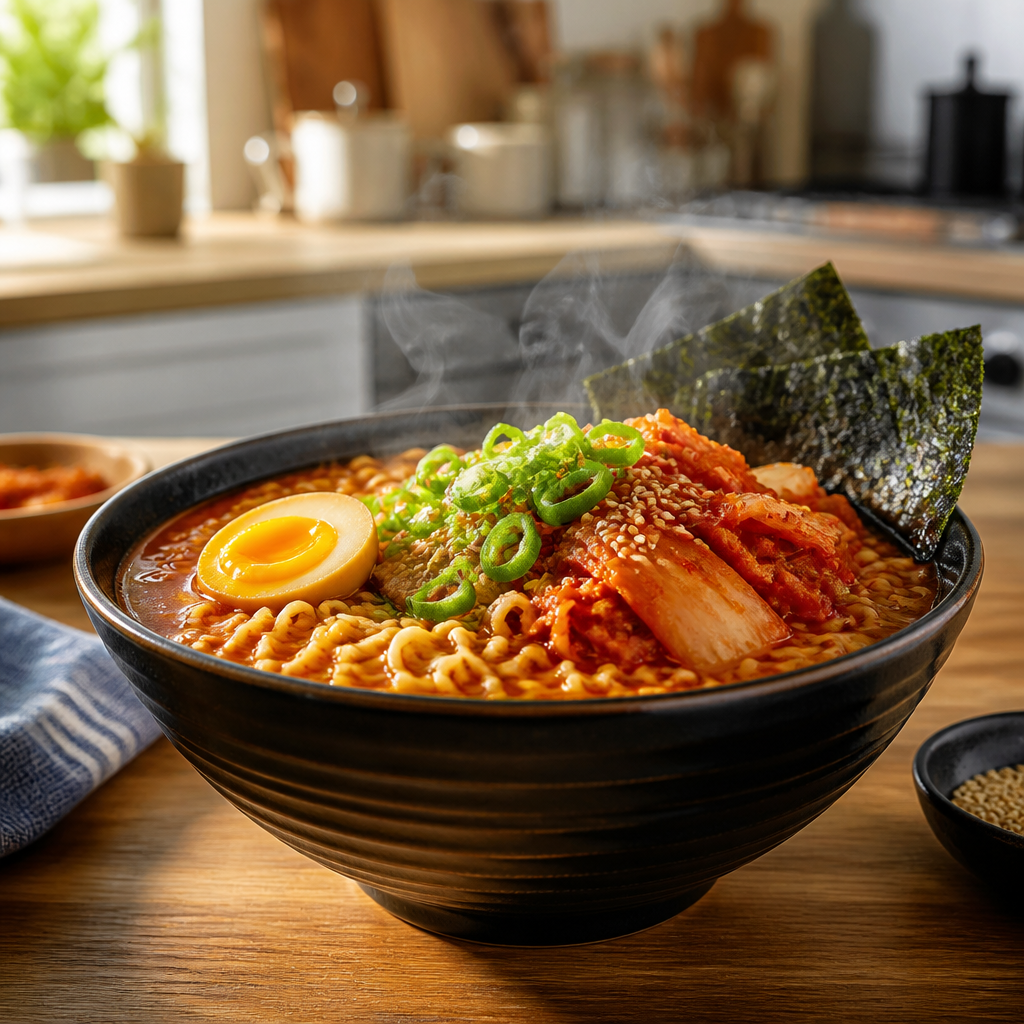
Adding kimchi to ramen is a popular way to upgrade a simple noodle dish into a more flavorful and satisfying Korean-fusion experience. The simplest method is to stir chopped kimchi and a splash of its juice directly into the prepared ramen just before serving. This immediately infuses the broth with kimchi's signature flavors and adds a pleasant crunch.
For a deeper, more complex flavor, sauté the chopped kimchi in a bit of sesame oil or butter for a few minutes before adding the ramen broth. This caramelizes the kimchi slightly, mellowing its acidity and intensifying its savory notes. Kimchi ramen is highly customizable with popular toppings like a soft-boiled egg, sliced scallions, sesame seeds, nori, and even a slice of American cheese for a creamy, indulgent twist.
How to Use Kimchi in Stir Fry
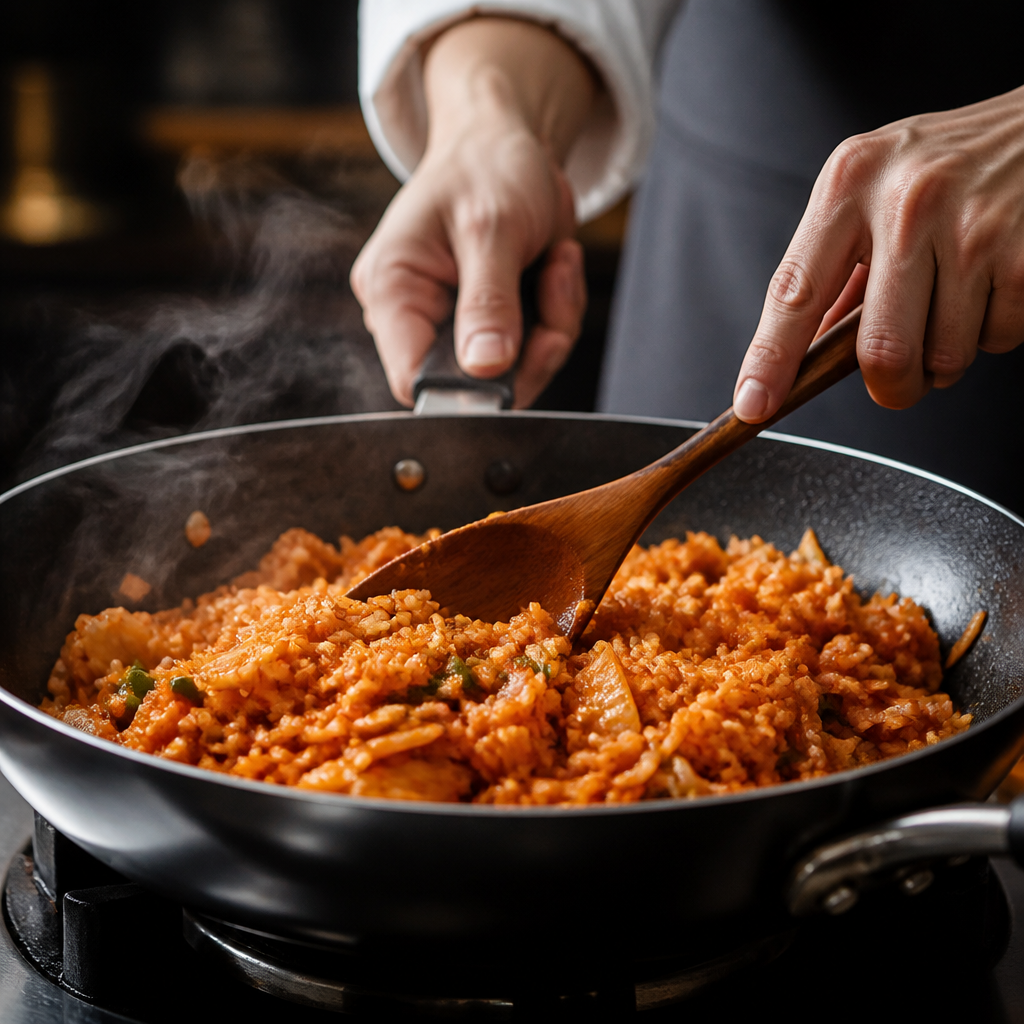
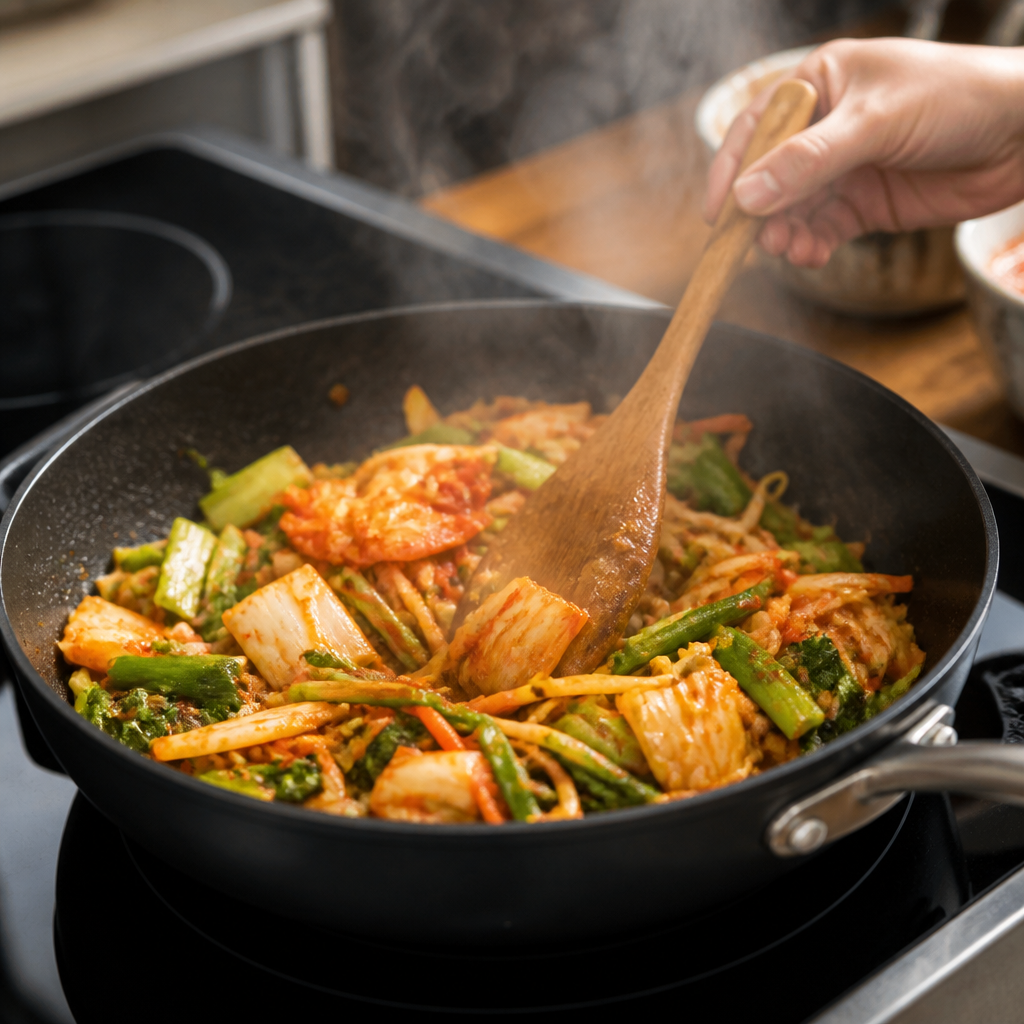
In a stir fry, kimchi brilliantly serves two roles: it acts as a vegetable, adding texture, and as a powerful seasoning, infusing the entire dish with its unique taste. The basic technique involves stir-frying your protein (like pork or tofu), then adding chopped kimchi and sautéing it for 2-3 minutes to caramelize it slightly. Finally, add other vegetables, cooked rice, or noodles and stir-fry until everything is heated through.
The most famous kimchi stir-fry is _kimchi bokkeumbap_ (kimchi fried rice), often made with day-old rice and topped with a fried egg. While pork belly is a classic pairing, other proteins like spam, chicken, or tofu work exceptionally well. _Using older, more fermented kimchi is highly recommended for stir-fries_, as its developed acidity cuts through the richness of oils and proteins beautifully. Since kimchi is already salty and spicy, be mindful when adding other seasonings like soy sauce or sugar to achieve a balanced flavor.
How to Use Kimchi Sauce
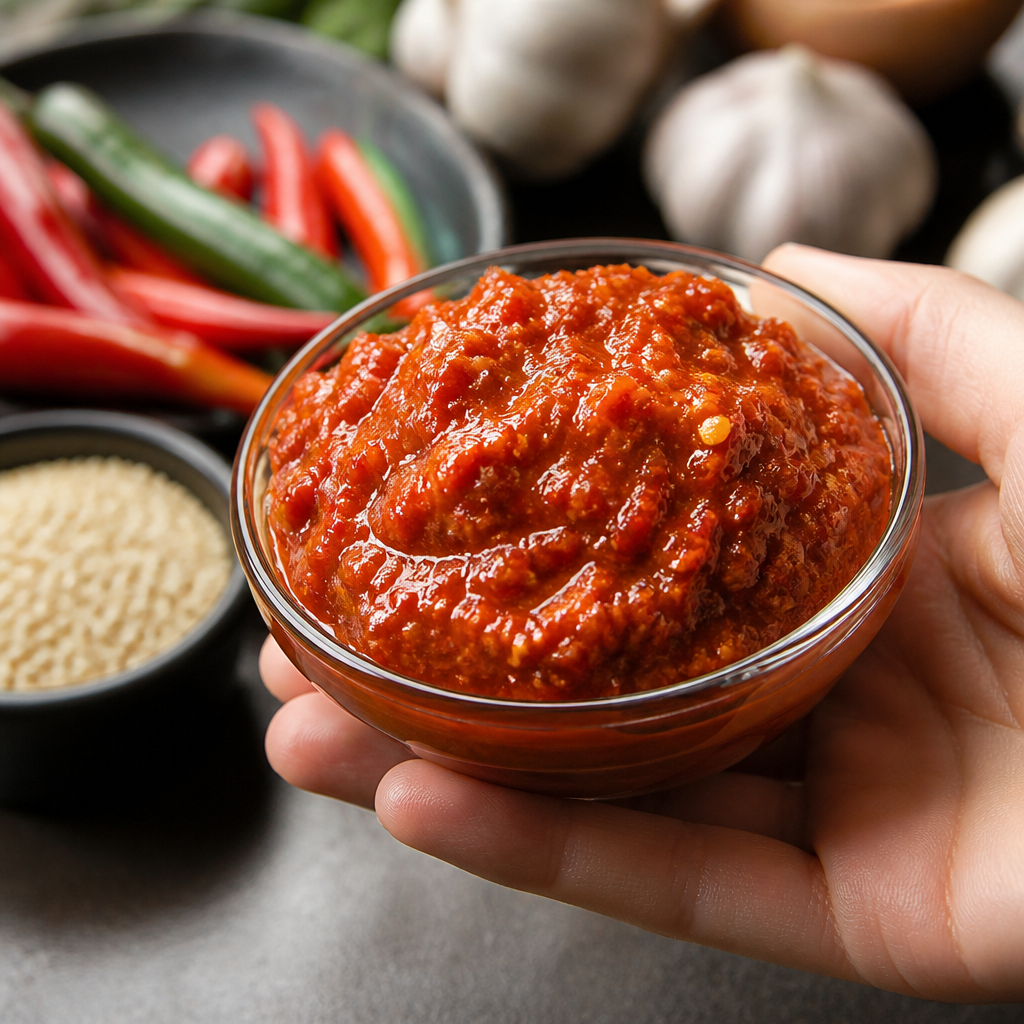
"Kimchi sauce" can refer to the natural liquid (brine) from fermented kimchi or a blended sauce made from kimchi. The kimchi brine, or _kimchi-chi_, is a flavor-packed liquid perfect for marinades, boosting soups and stews, or adding a kick to salad dressings and cocktails.
A blended kimchi sauce offers a thicker, more concentrated flavor. It can be made by blending 1 cup of kimchi with ingredients like 2 tablespoons of _gochujang_, 1 tablespoon of rice vinegar, and 1 tablespoon of sesame oil. This versatile sauce works wonderfully as a marinade for grilled meats, a glaze for roasted vegetables, a dipping sauce for fried foods, or a robust flavor base for noodle dishes and sandwiches. Homemade blended kimchi sauce can be stored in an airtight container in the refrigerator for up to two weeks.
How to Use Kimchi Juice
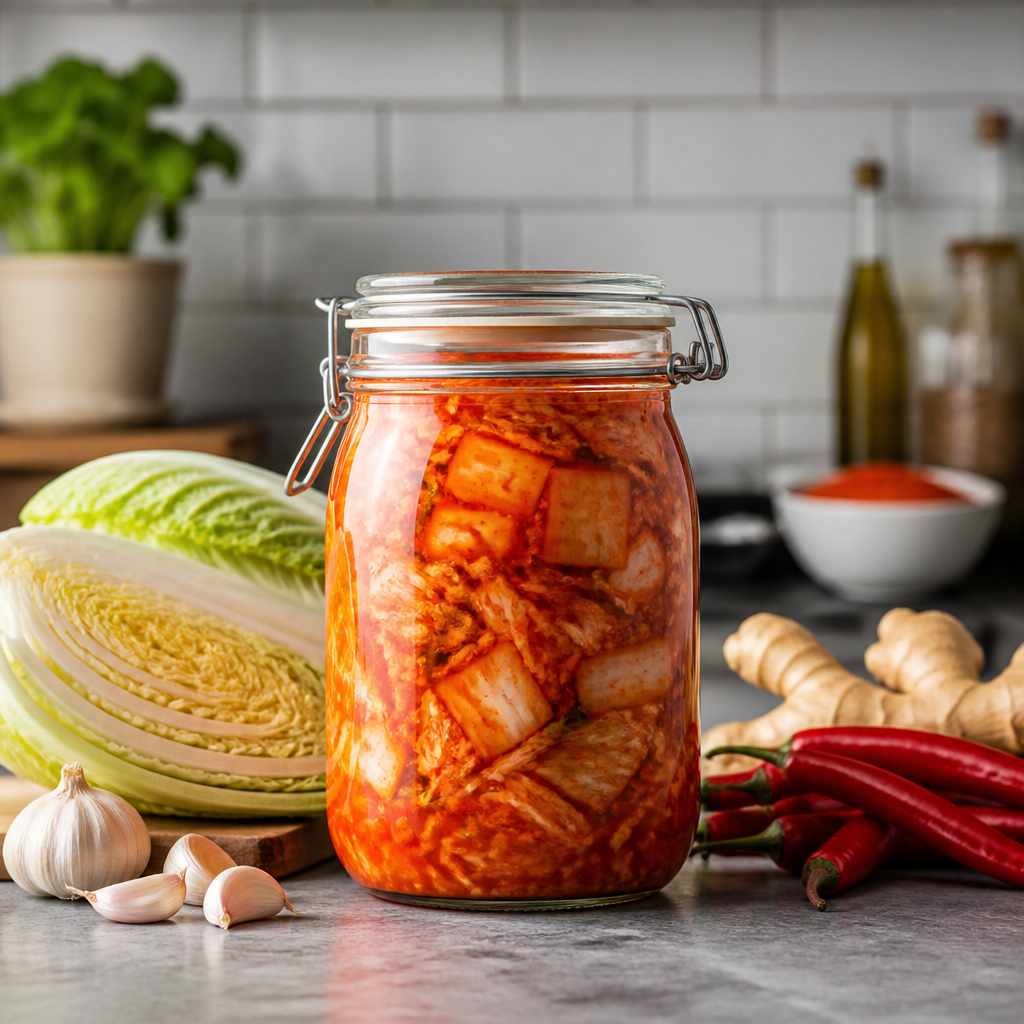
Kimchi juice, also known as _kimchi-chi_ or kimchi brine, is the flavorful liquid that collects during fermentation. This liquid is a concentrated essence of kimchi's tangy, spicy, and savory flavors, making it a valuable cooking asset. It serves as an excellent marinade for tenderizing meats, a flavor booster for soups and stews, and a unique ingredient in salad dressings and cocktails like the kimchi bloody mary.
Beyond its culinary uses, kimchi juice contains high concentrations of beneficial _Lactobacillus_ bacteria, making it a source of probiotics. While some drink it straight for its potential gut health benefits, it is more commonly used in cooking due to its intense flavor and high salt content. Adding 2-4 tablespoons of kimchi juice to dishes like fried rice or noodles near the end of cooking provides a final burst of tangy umami flavor without altering the texture.
How to Use Up Kimchi
Having a large batch of kimchi, especially one that has become very sour, presents a perfect opportunity for cooking. Older, intensely sour kimchi shines in cooked dishes where its acidity is an asset. It is ideal for classic comfort foods like _kimchi jjigae_ (stew), _kimchi jeon_ (pancakes), and _kimchi bokkeumbap_ (fried rice), where its tanginess balances rich flavors.
For large quantities, batch cooking is an efficient strategy. You can make and freeze kimchi _mandu_ (dumplings) or large pots of kimchi soup for convenient future meals. Chopped kimchi can also be frozen in portions for later use in stews or stir-fries, though its texture will soften upon thawing. It's reassuring to know that even when very sour, kimchi remains safe to eat due to its acidic, fermented environment, which naturally inhibits harmful bacteria.
Kimchi Storage & Handling
Proper storage and handling are essential for maintaining the quality, flavor, and safety of kimchi. As a living fermented food, kimchi continues to evolve, and how it is stored directly impacts its taste, texture, and probiotic activity. Choosing the right container and environment is crucial for managing its fermentation journey and ensuring it remains delicious.
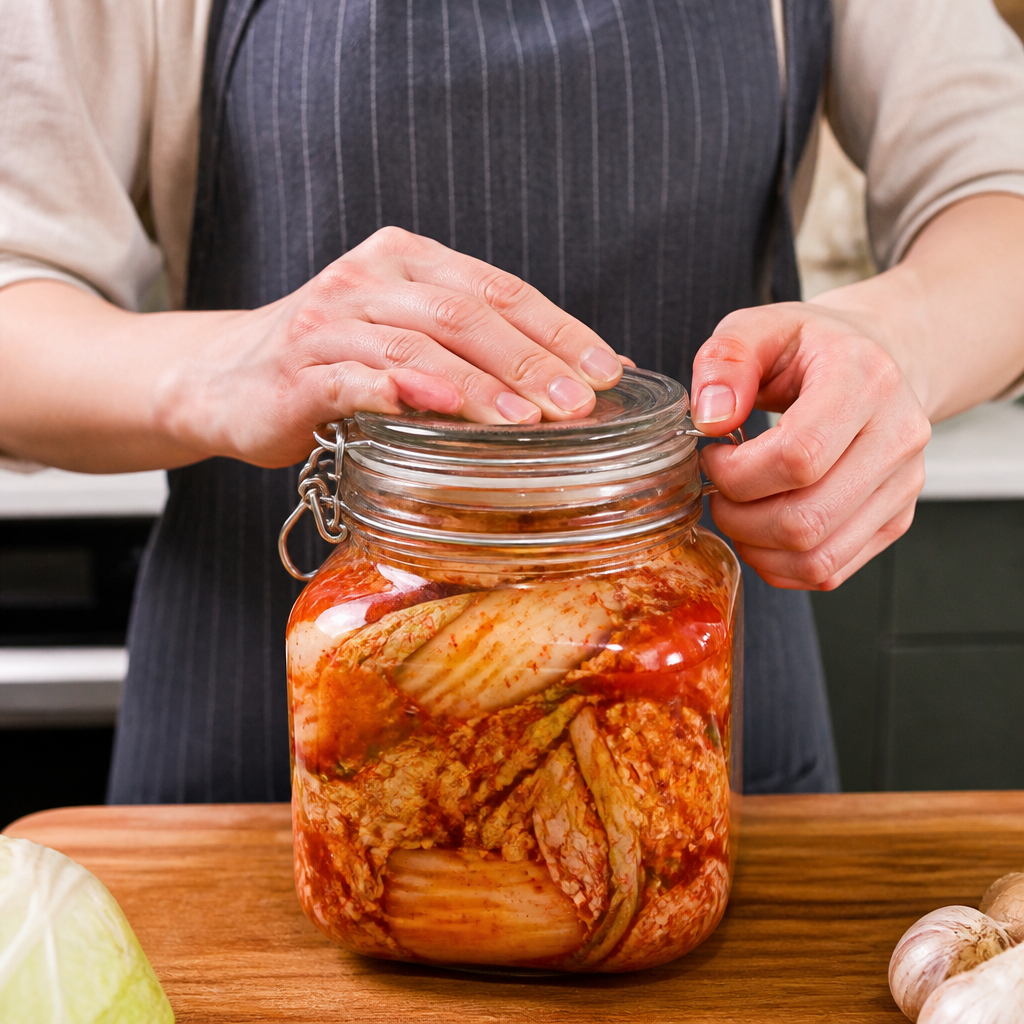
How to Use Kimchi Container
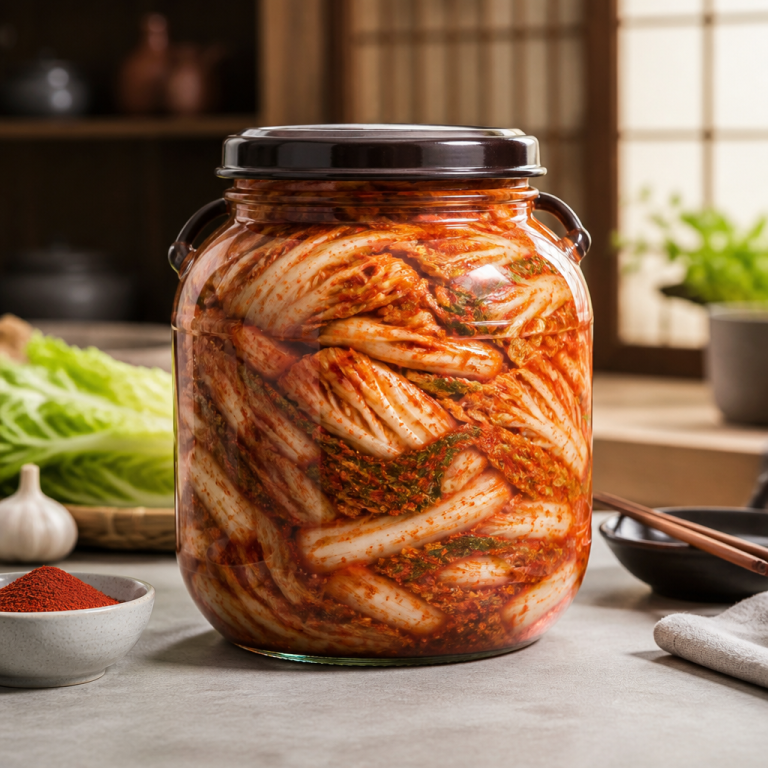
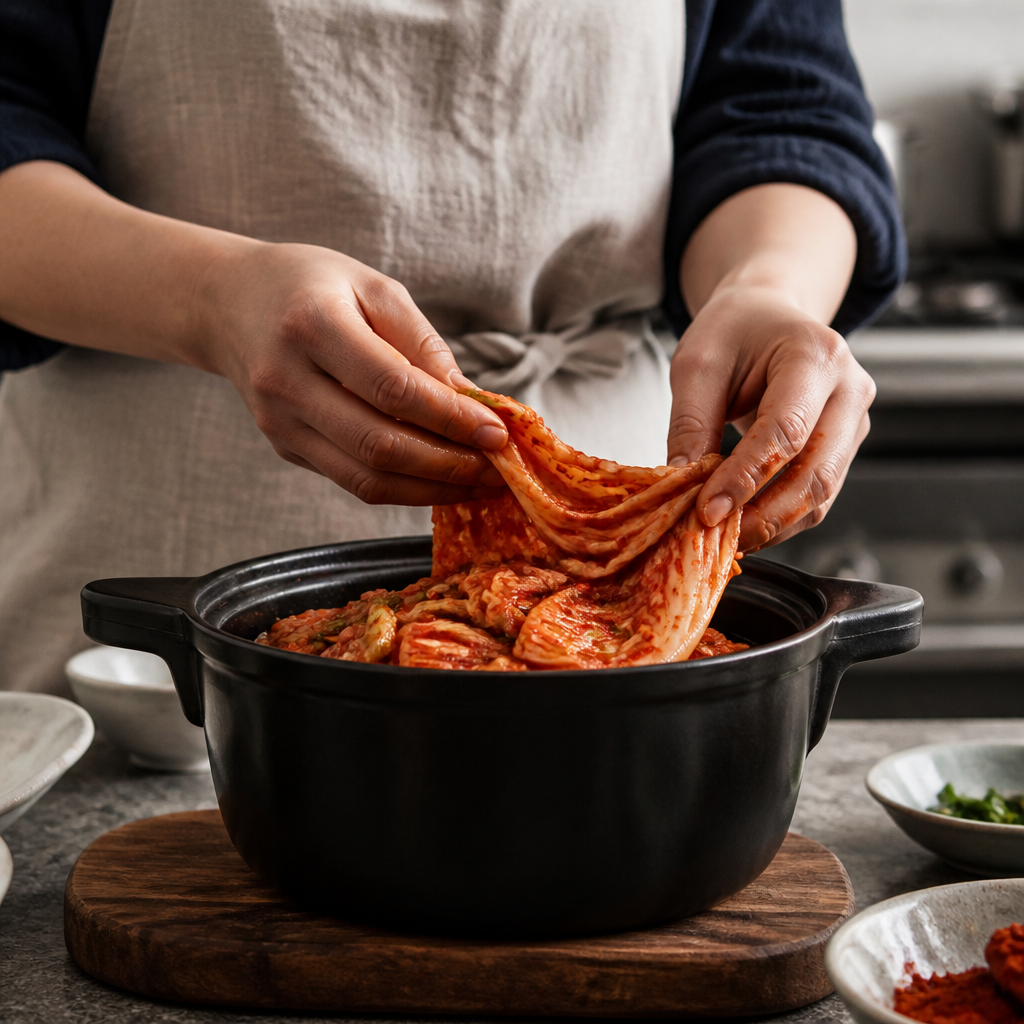
A kimchi container is a specialized vessel designed for fermenting and storing kimchi. Traditionally, Koreans used large earthenware pots called _onggi_, which are porous and allow for a slow, complex fermentation. In modern kitchens, convenient options include airtight glass jars, BPA-free plastic containers with gas-release valves, and specialized kimchi refrigerators that maintain optimal temperatures.
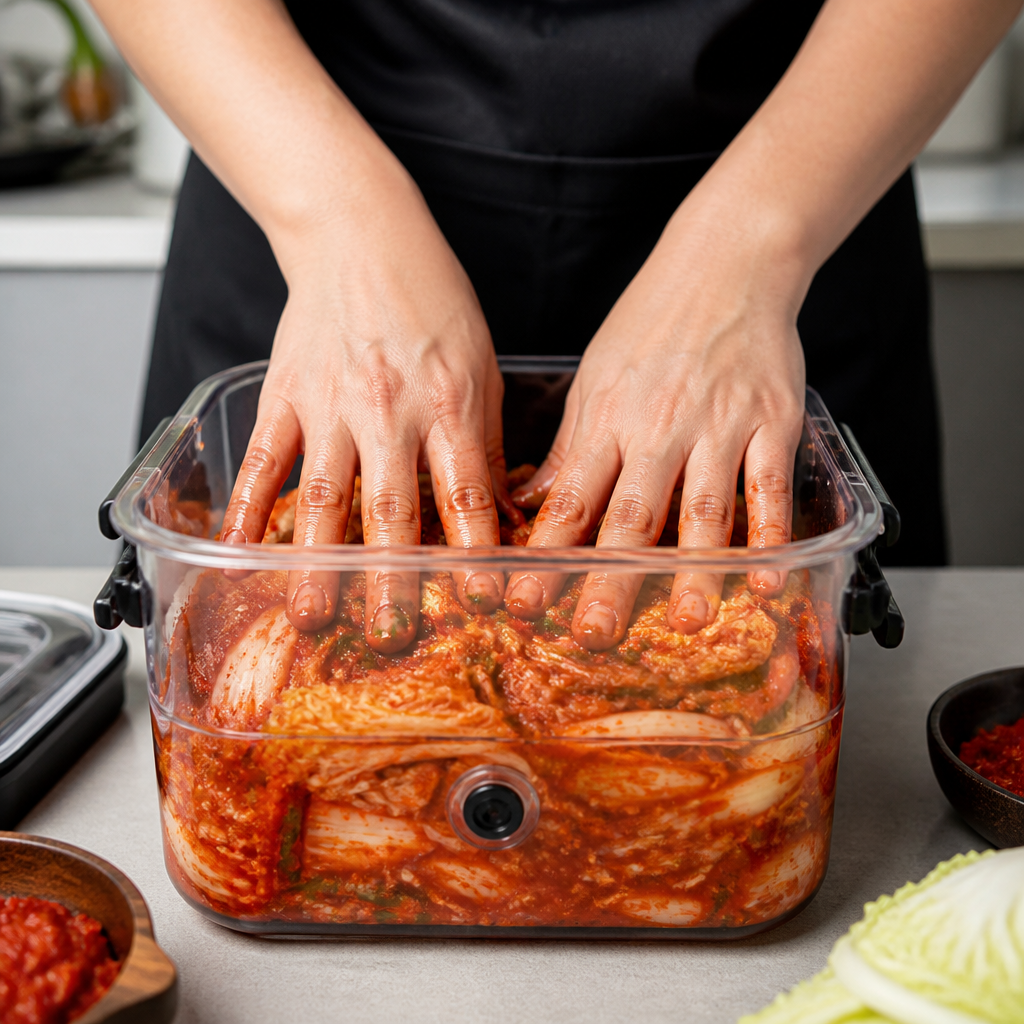
When using any container, leave 1-2 inches of headspace to allow for expansion during fermentation. It is essential to press the kimchi down firmly to ensure it remains submerged under its own brine. This creates an anaerobic (oxygen-free) environment that prevents the growth of undesirable molds and yeasts. _A proper airtight seal is vital for maintaining these conditions for safe and effective fermentation._
For initial fermentation, keep the container at room temperature (68-72°F or 20-22°C) for 1-5 days. Once it reaches your desired level of sourness, transfer the container to the refrigerator (33-39°F or 0.5-4°C) to significantly slow the fermentation process and preserve its flavor and texture for an extended period.
—
Kimchi is a remarkable food, embodying a rich cultural heritage while offering incredible versatility. From the precise science of its creation to its diverse applications in both traditional and modern cuisine, kimchi delivers a powerful punch of flavor. Whether you're savoring it as a crisp side dish, incorporating its tangy essence into a hearty stew, or experimenting with its juice in a marinade, understanding how to use kimchi opens up a world of culinary possibilities.
FAQ
Q1: What is the ideal salt concentration for making traditional napa cabbage kimchi?
A1: For traditional napa cabbage kimchi, the ideal salt concentration for brining is typically 3-5% of the cabbage's weight. Experts recommend 3% for optimal fermentation. After rinsing, the goal is a final product with about 2% residual salt.
Q2: Can I use gochujang (Korean red chili paste) when making kimchi?
A2: While _gochujang_ isn't traditionally used in classic napa cabbage kimchi, it can be incorporated into some quick kimchi recipes. If used, typical amounts are 2-3 tablespoons for every 2-3 pounds of cabbage, usually combined with _gochugaru_, to add umami and sweetness.
Q3: What are some popular Korean dishes where kimchi is a main ingredient?
A3: Kimchi is a star ingredient in many popular Korean dishes, including _kimchi jjigae_ (kimchi stew), _kimchi bokkeumbap_ (kimchi fried rice), _kimchi jeon_ (kimchi pancake), _kimchi mandu_ (kimchi dumplings), and _budae jjigae_ (army stew).
Q4: Is kimchi juice (brine) safe to consume, and what are its uses?
A4: Yes, kimchi juice is safe and nutritionally valuable, containing vitamins, minerals, and probiotics. It can be used in marinades, soups, stews, salad dressings, or even cocktails. However, it should be consumed in moderation due to its strong flavor and sodium content.
Q5: How should I store kimchi to ensure it ferments properly and stays fresh?
A5: For initial fermentation, store kimchi in an airtight container at room temperature (68-72°F or 20-22°C) for 1-5 days. Then, move it to the refrigerator (33-39°F or 0.5-4°C) to slow fermentation. Ensure the kimchi stays submerged under its brine to prevent spoilage.

Emily Carter is an American food lover who writes about Korean cuisine for people trying it for the first time. She covers what things taste like, how to eat them, and what to cook with them.