Is Bulgogi Spicy? The Surprising Mild Truth Revealed
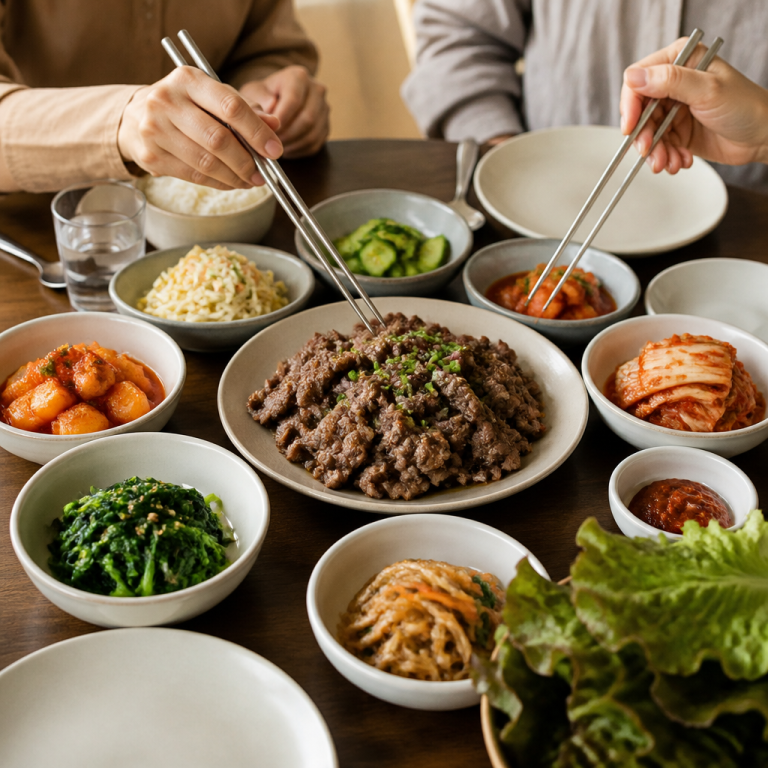
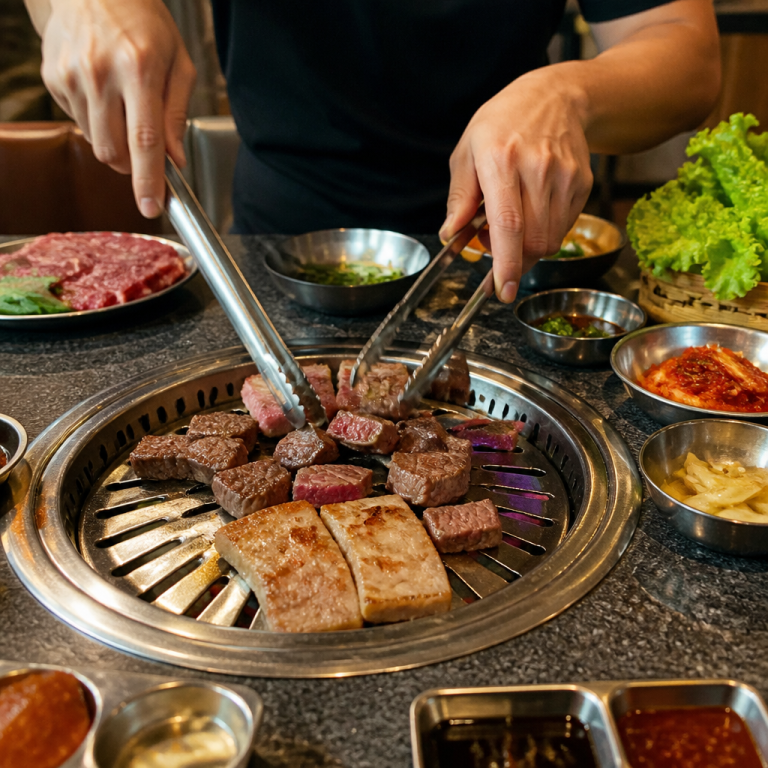
Many people hear the name “bulgogi” (불고기), which literally translates to “fire meat,” and assume the dish is intensely hot. This beloved staple of Korean cuisine often sparks curiosity, but is bulgogi spicy? The short answer is no; traditional bulgogi is not spicy at all. Discover exactly why this iconic dish is celebrated for its sweet and savory balance, making it one of the most welcoming Korean meals for beginners.
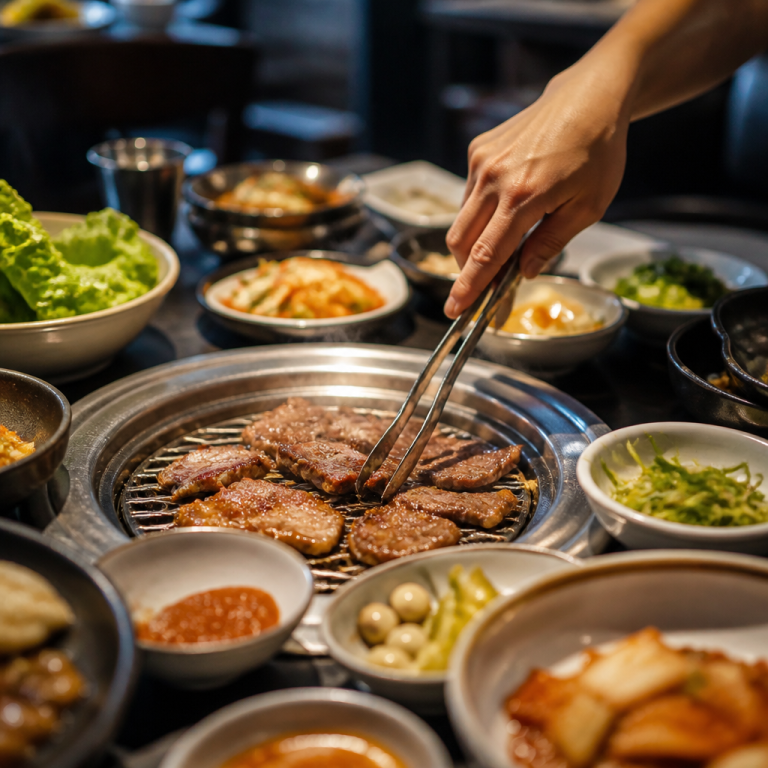
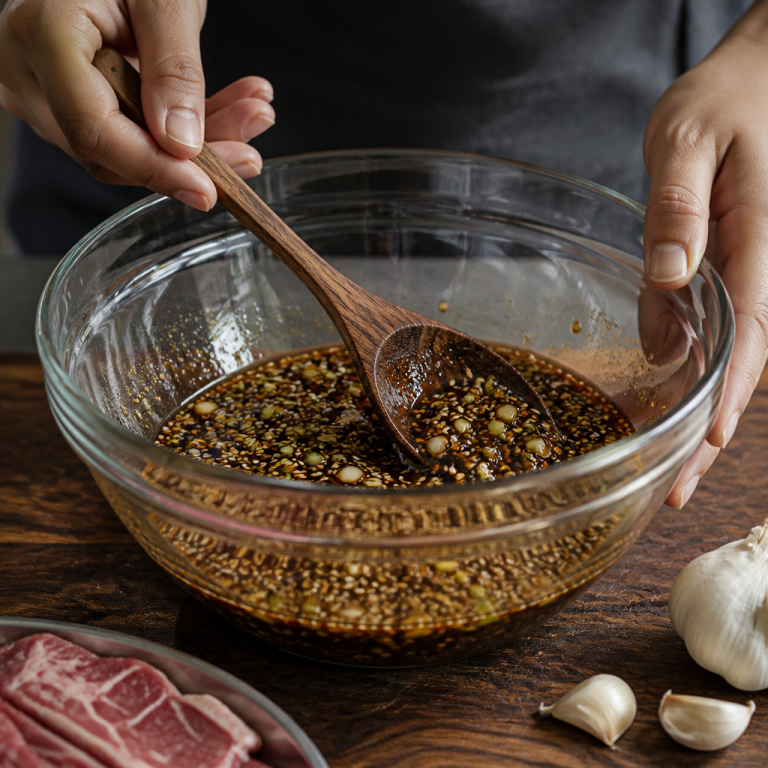
The name “fire meat” refers to the cooking method—grilling over an open flame—not the heat level of the ingredients. The dish is renowned for a carefully crafted marinade of soy sauce, sugar, sesame oil, garlic, and Asian pear. These components create a rich umami flavor without any chili peppers. In fact, bulgogi stands out as one of Korea’s mildest dishes, cementing its status as a globally cherished culinary experience.
What Is Bulgogi and What Does It Taste Like?
Bulgogi is more than just a dish; it’s a culinary tradition deeply embedded in Korean history and culture. Understanding its essence involves exploring its definition, flavor profile, and the specific ingredients that make it so unique.
What is bulgogi?
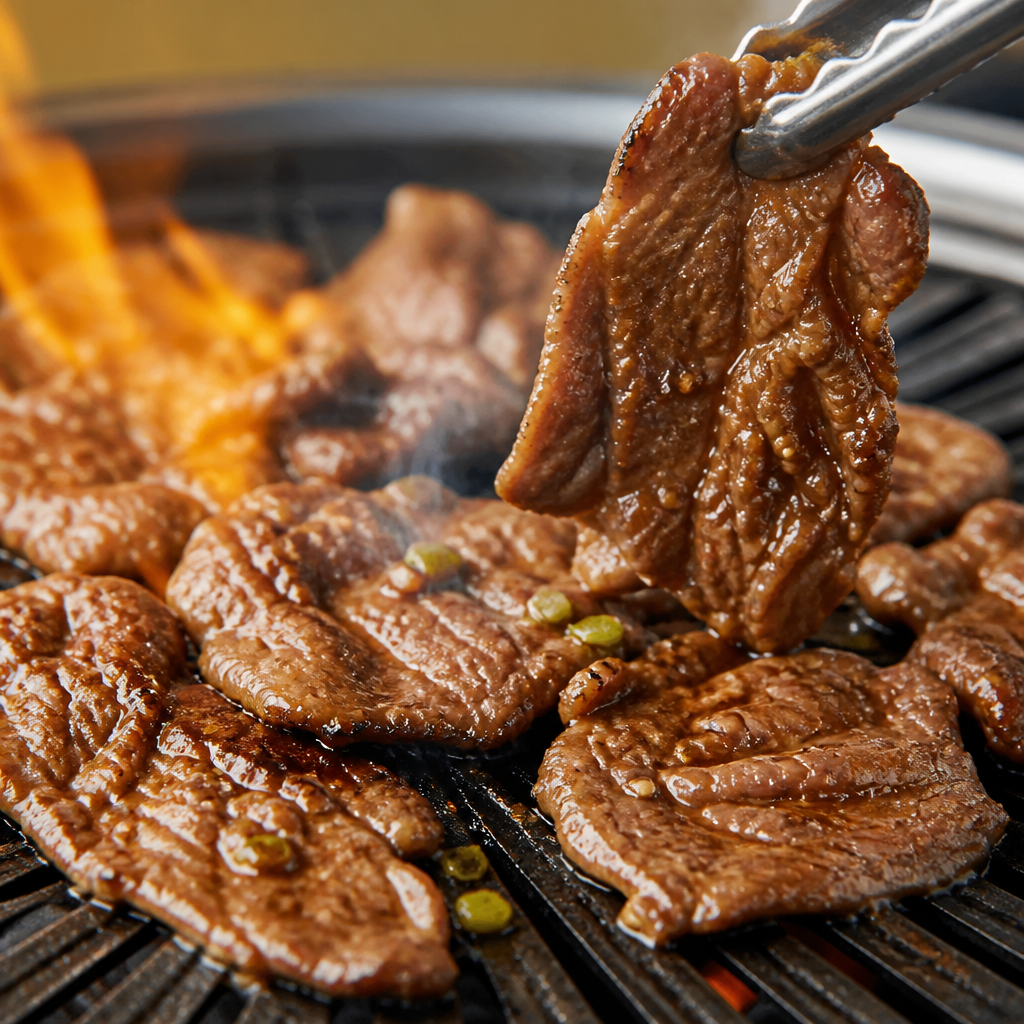
At its core, bulgogi is a Korean dish featuring thinly sliced beef, typically marinated and then grilled or stir-fried. The preparation begins with premium cuts of beef, meticulously sliced to a thickness of about 2-3mm. This precise slicing is crucial for optimal marinade absorption and ensures the meat cooks quickly and evenly.
The origins of this dish can be traced back to the Goguryeo era (37 BCE–668 CE), where it was known as “maekjeok.” Over centuries, the recipe evolved into its modern form during the Joseon Dynasty. Its enduring popularity isn’t limited to Korea; it has garnered international acclaim.
Bulgogi was listed as the 23rd most delicious food in the world by CNN Travel in 2011, highlighting its universal appeal.
Bulgogi flavor profile
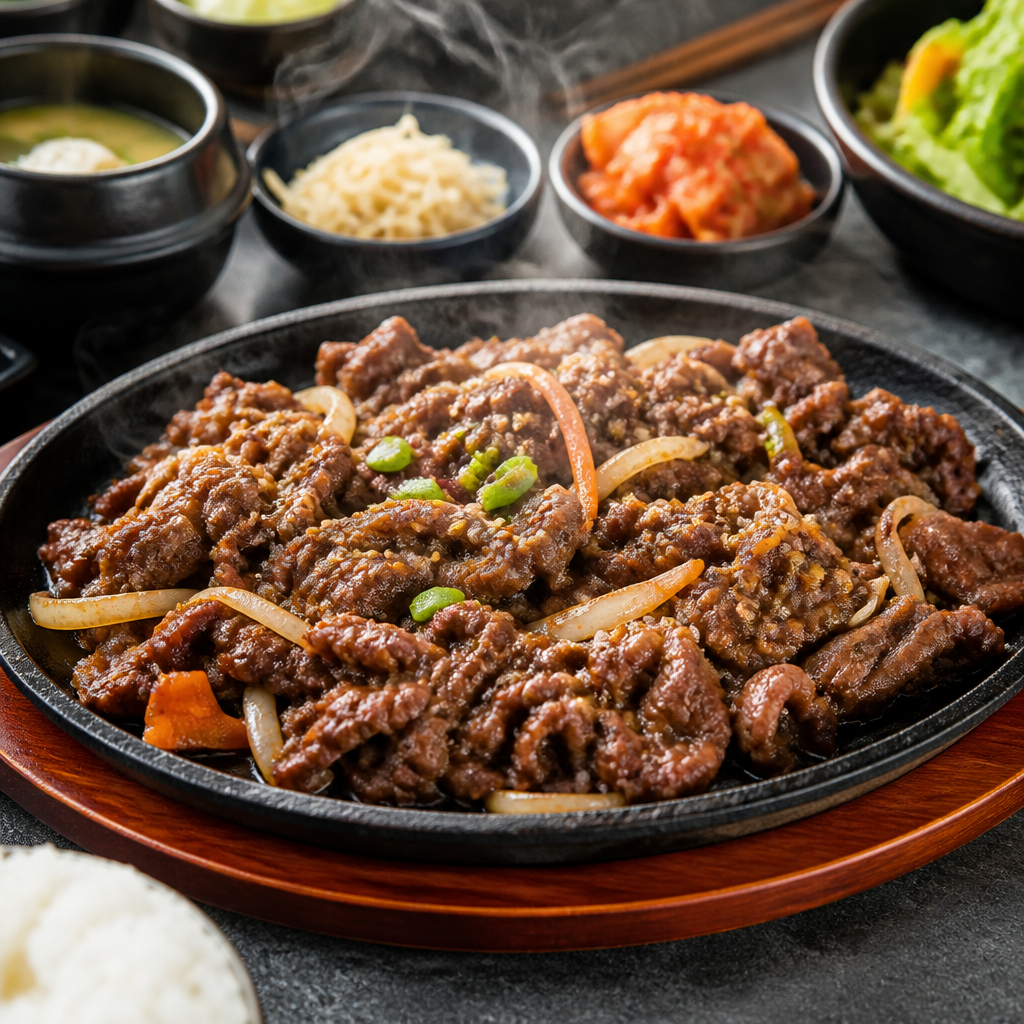
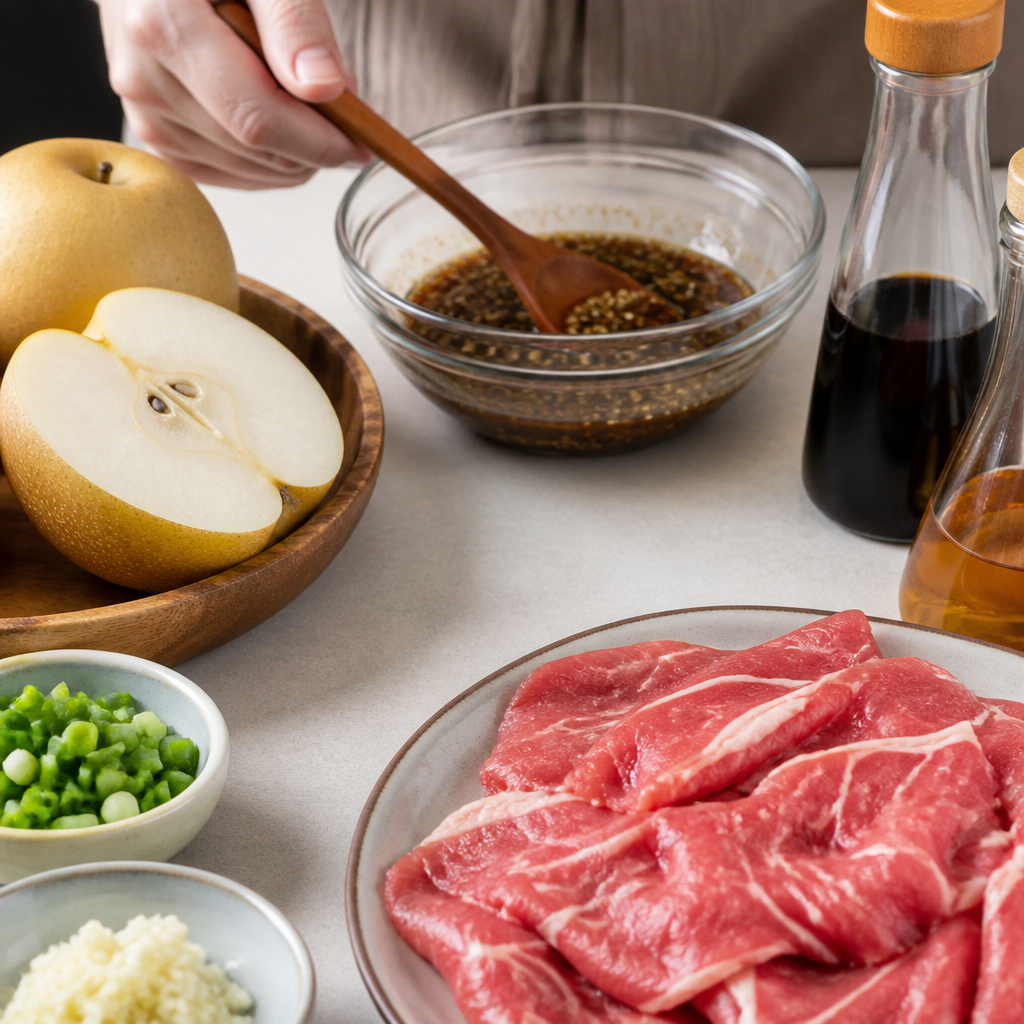
The flavor profile is a harmonious symphony of sweet, savory, and umami notes, creating a deeply satisfying culinary experience without any inherent spiciness. The marinade is the heart of this flavor, imparting a complex taste that is both rich and nuanced. A prominent characteristic is its sweet-savory balance, which comes from ingredients like sugar, honey, and Asian pear.
Asian pear plays a dual role, contributing a subtle, natural sweetness while also acting as a natural meat tenderizer through its proteolytic enzymes. The savory depth, or umami, is primarily provided by soy sauce, which forms the base of the marinade. Beyond these primary notes, the dish also features mild garlic undertones and nutty accents from sesame oil. During cooking, the marinade caramelizes over high heat, producing delightful charred edges that contrast wonderfully with the tender, juicy interior.
Bulgogi ingredients
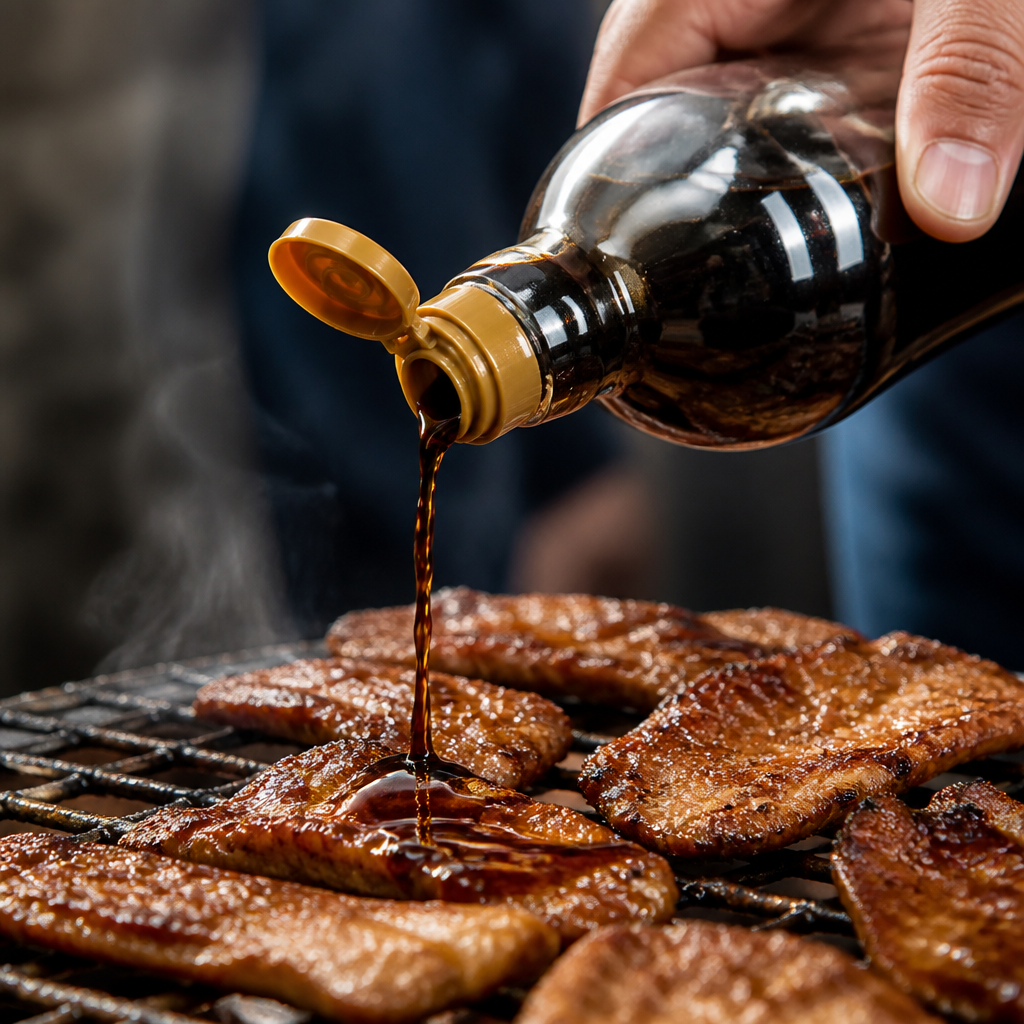
The traditional ingredients are carefully selected to create the signature sweet and savory flavor profile, notably excluding any chili elements.
- Beef: Thinly sliced, well-marbled cuts such as ribeye, chuck, or sirloin are preferred.
- Soy Sauce: Provides the savory, umami base of the marinade.
- Sweeteners: Sugar, honey, or brown sugar for the characteristic sweetness.
- Asian Pear: Adds natural sweetness and acts as a powerful meat tenderizer. _For optimal tenderness, the beef should be marinated for at least 2 to 24 hours._
- Aromatics: Minced garlic and ginger infuse aromatic depth.
- Sesame Oil: Adds a nutty aroma and flavor.
- Black Pepper & Green Onions: Included for a very mild pungency and freshness.
This precise combination of ingredients is what gives the dish its distinct and widely loved taste.
How Spicy Is Bulgogi?
When discussing the spiciness of Korean cuisine, bulgogi consistently stands out as an exception to the rule. Its heat level is minimal, making it a comfortable choice for those who are sensitive to spicy foods.
Bulgogi heat level
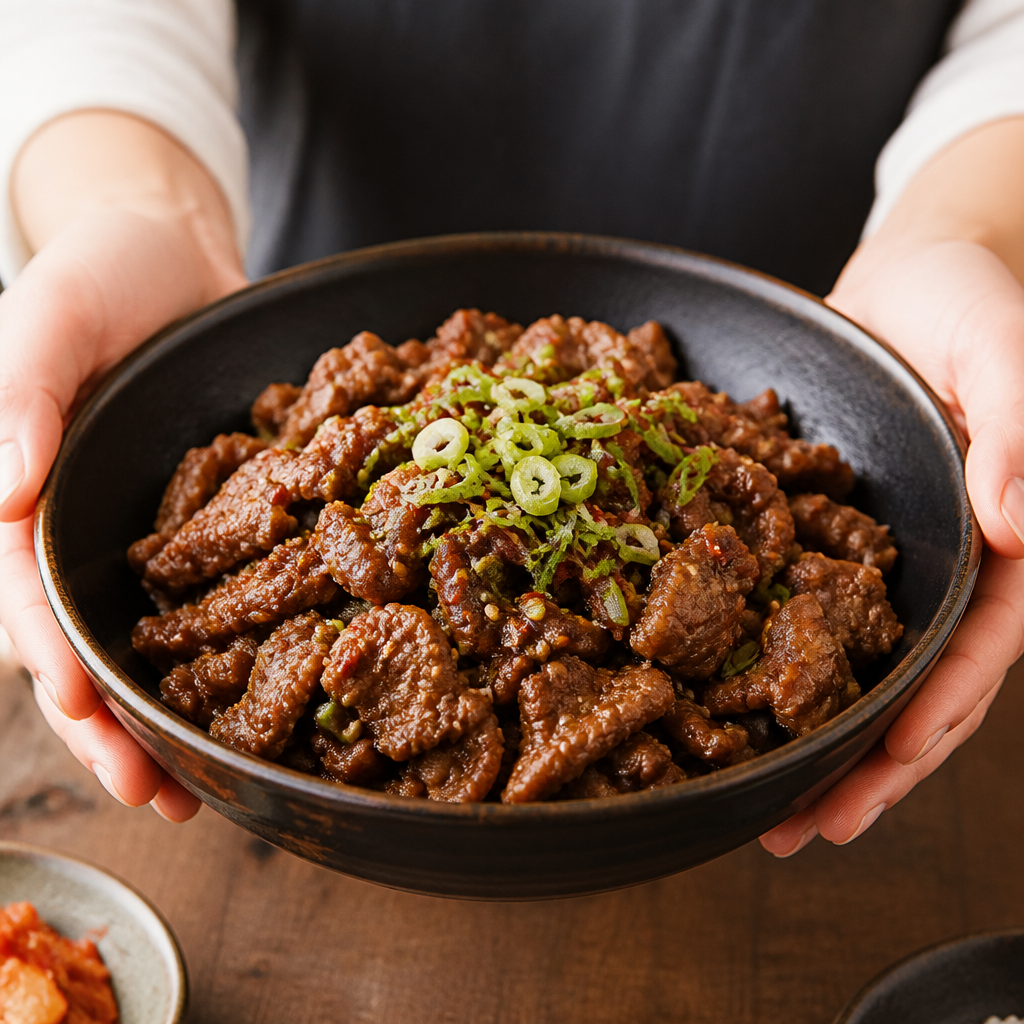
Traditional bulgogi is characterized by an extremely low heat level, registering 0 Scoville Heat Units (SHU). This is because its preparation does not involve chili peppers or capsaicin, the chemical compound that makes food spicy. Consequently, it is widely regarded as one of the mildest dishes in the vast spectrum of Korean cuisine. The only source of “heat” comes from black pepper, which provides a minimal, almost imperceptible warmth (100-1,000 SHU) compared to gochugaru (Korean chili flakes), which can range from 1,500 to 10,000 SHU.
How spicy is Korean BBQ?
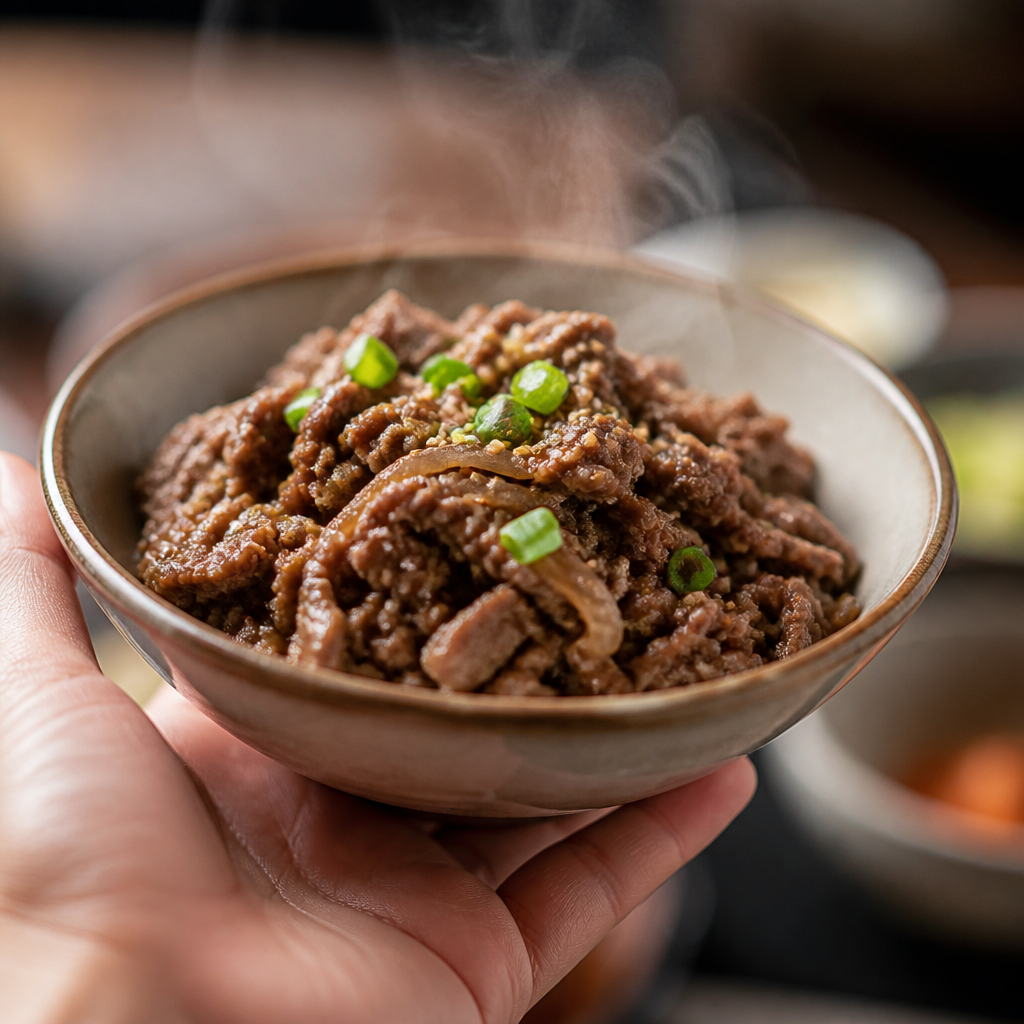
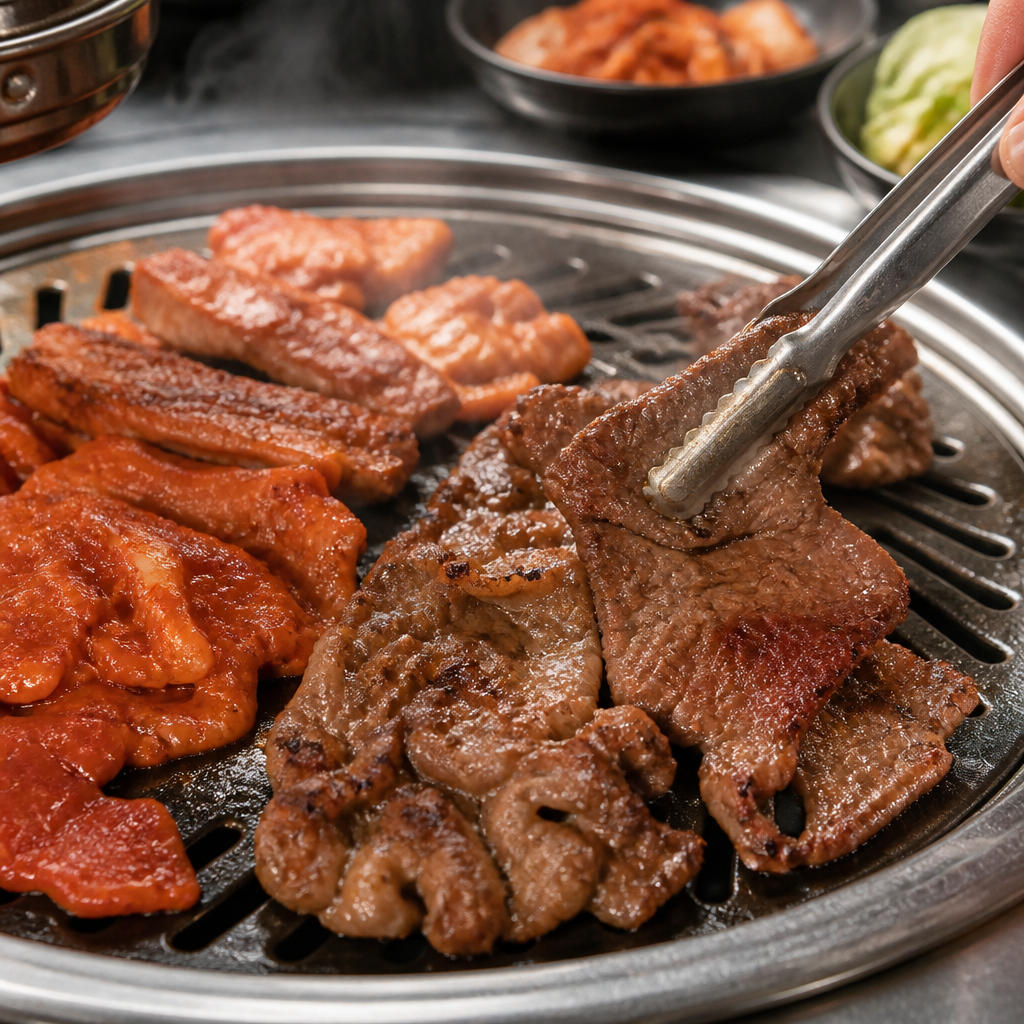
It’s a common misconception that all Korean BBQ is intensely spicy, but in reality, many popular options are mild. The spice levels can vary significantly from dish to dish. While bulgogi and galbi (marinated short ribs) are typically very mild, other dishes like spicy pork bulgogi (dwaeji bulgogi) can be quite hot. A survey of Korean BBQ restaurants in Los Angeles found that 65% of menu items were rated as mild, 25% as moderate, and only 10% as spicy. This variety makes Korean BBQ appealing to almost everyone, no matter their spice preference.
Bulgogi vs spicy Korean dishes
Bulgogi stands in stark contrast to many other well-known spicy Korean dishes due to the complete absence of gochugaru or gochujang (Korean chili paste). While it focuses on a delicate balance of sweet and savory, spicy Korean dishes intentionally incorporate heat as a central flavor component.
| Dish | Heat Rating (out of 10) | Scoville Heat Units (SHU) | Main Spice Ingredient |
|---|---|---|---|
| Bulgogi (Traditional) | 0-1 | 0 | Black Pepper |
| Kimchi | 3-5 | 1,000-8,000 | Gochugaru |
| Tteokbokki | 5-6 | 2,500-5,000 | Gochujang & Gochugaru |
| Kimchi Jjigae | 6-7 | 3,000-6,000 | Gochujang & Gochugaru |
| Buldak (Fire Chicken) | 8-9 | 4,000-8,000 | Gochugaru & Capsaicin Sauce |
This comparison clearly demonstrates why the dish is considered non-spicy.
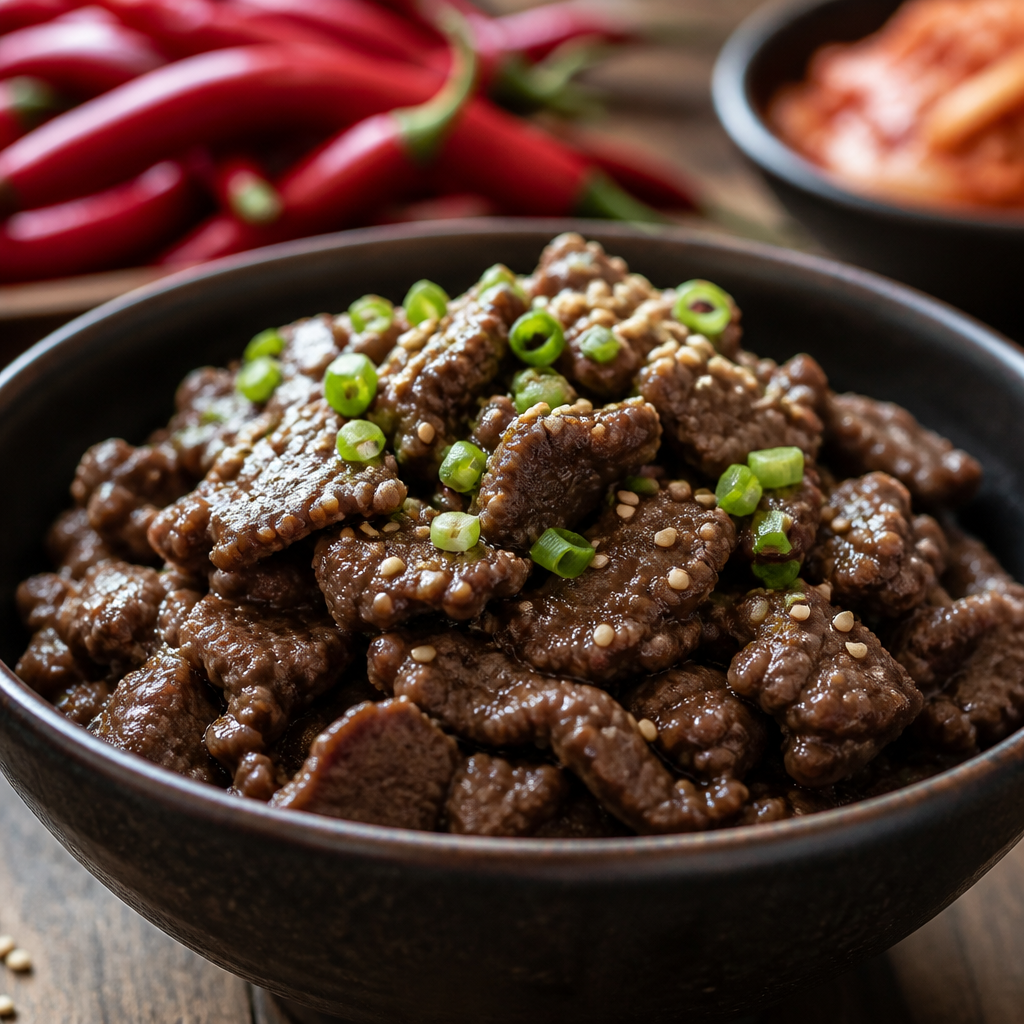
Making Bulgogi Spicy
While traditional bulgogi is known for its mild profile, it is entirely possible to adapt the dish to incorporate a spicy kick. This customization allows individuals to enjoy the rich flavors with an added layer of heat.
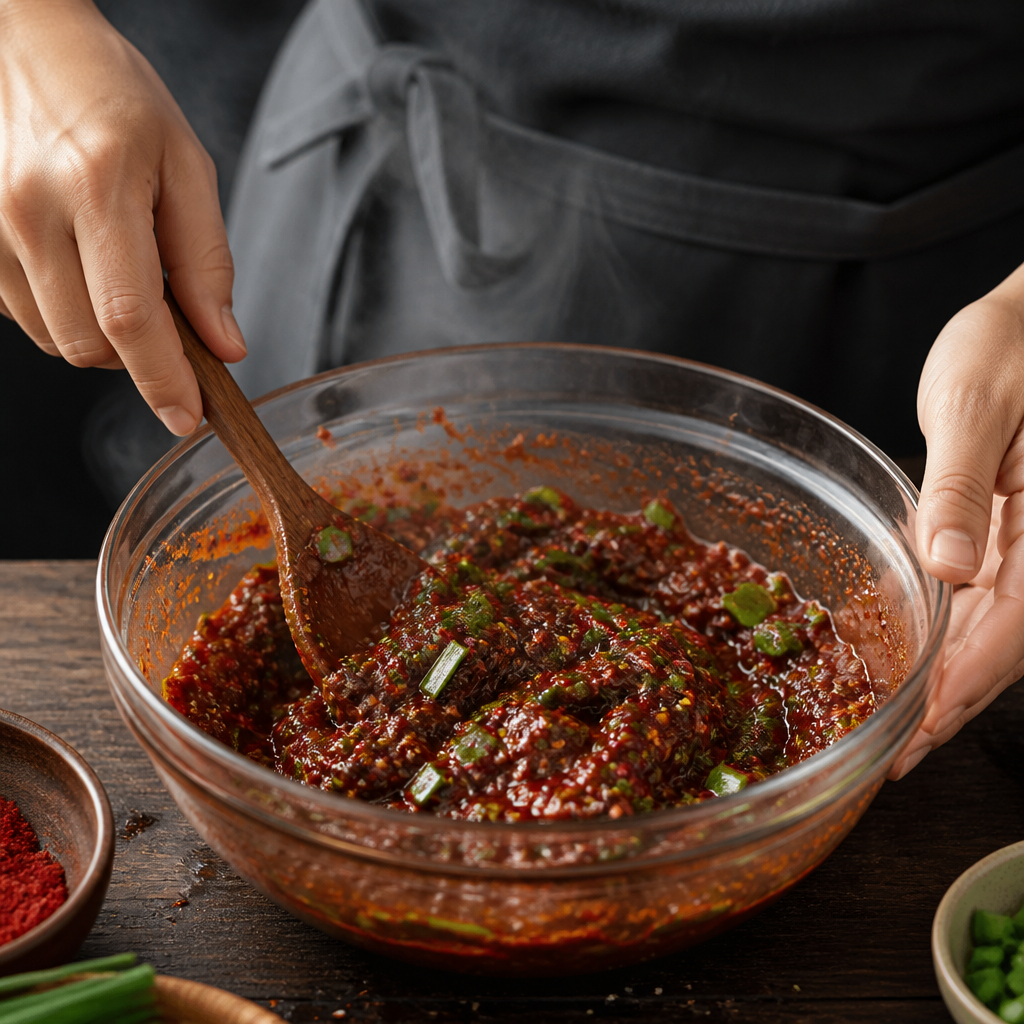
Can bulgogi be made spicy?
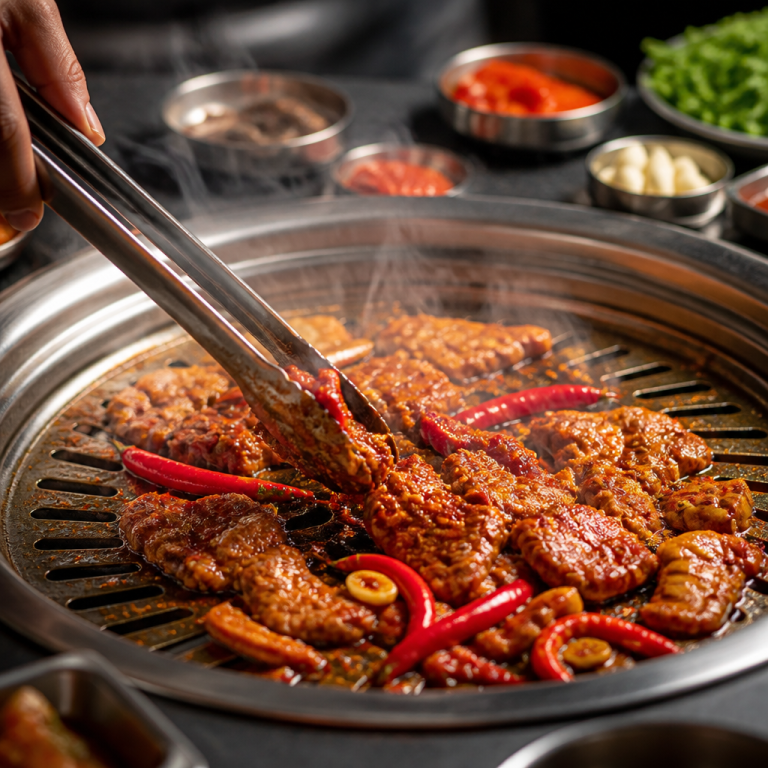
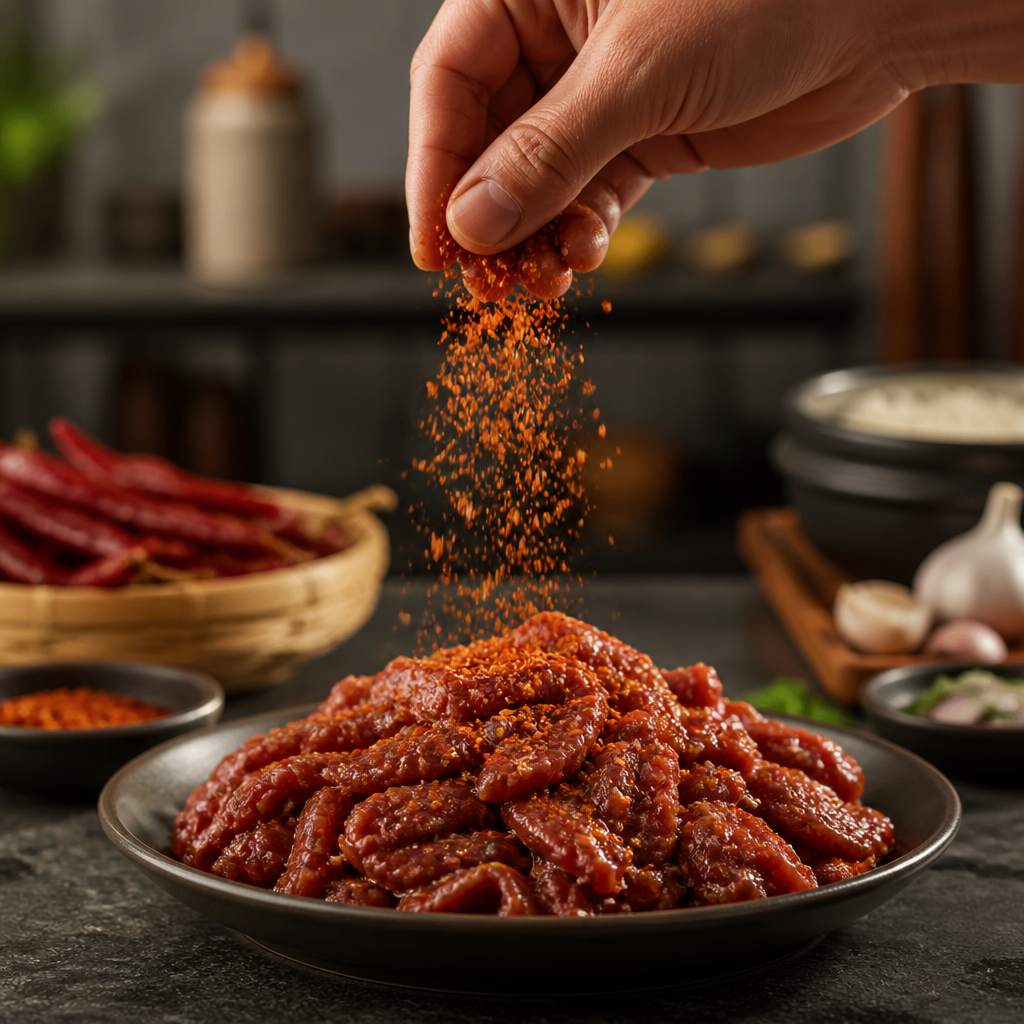
Yes, bulgogi can easily be made spicy. This creates variations often called “mae-un bulgogi” (매운불고기), which translates to spicy bulgogi. The most common way to introduce heat is by incorporating gochugaru (Korean chili flakes), gochujang (Korean chili paste), or fresh chili peppers into the traditional marinade. Adding 1 to 3 tablespoons of gochugaru or 2 to 4 tablespoons of gochujang per pound of beef can raise the heat level to a moderate 4-6/10 on a spice scale.
A popular spicy variation is “dweji bulgogi,” which uses pork and a gochugaru-based marinade that often rates a 7-8/10 for heat. _When modifying the recipe to be spicy, it is recommended to reduce the sugar content to ensure a balanced flavor profile._ This flexibility allows the dish to be customized to suit individual spice preferences while retaining its core deliciousness.
Conclusion
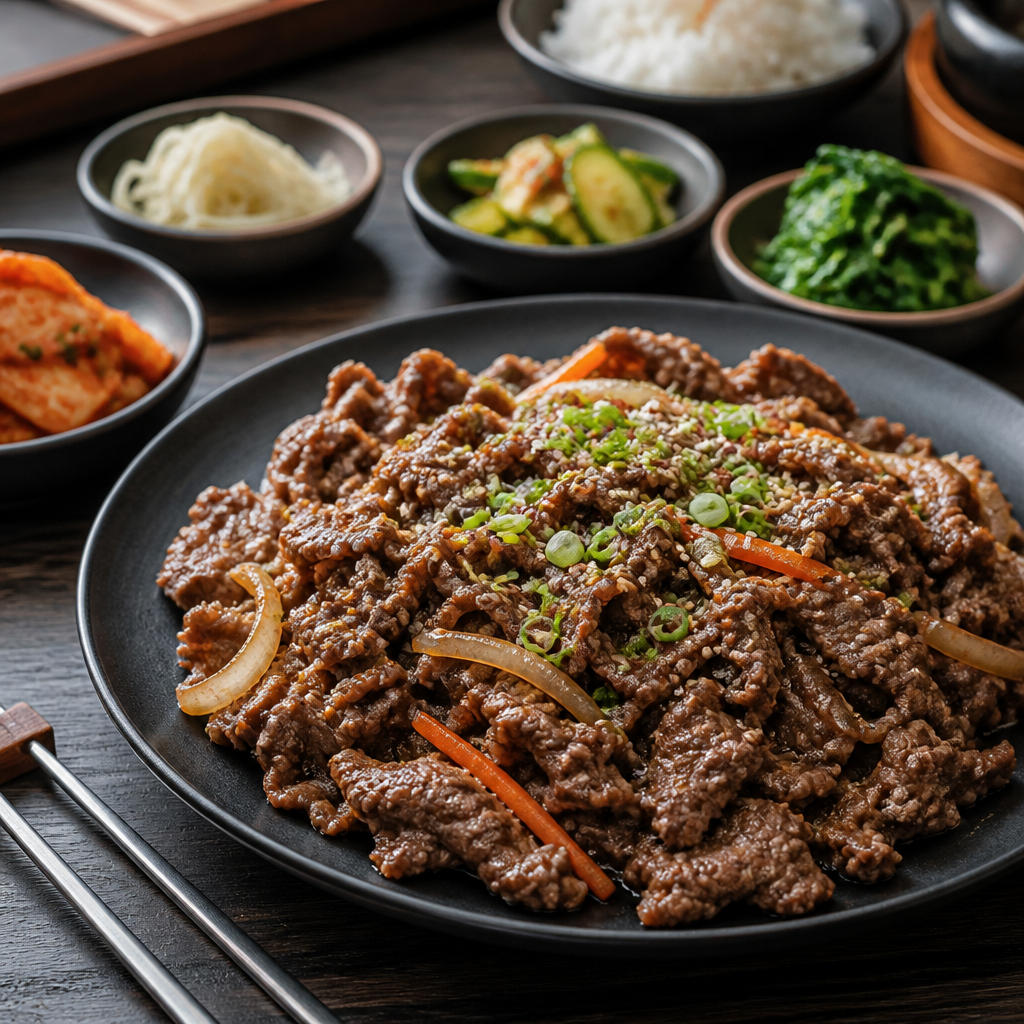
So, is bulgogi spicy? In its traditional form, the answer is a definitive no. It is a wonderfully mild, sweet, and savory dish perfect for all palates, including children and those sensitive to heat. However, its true beauty lies in its versatility. For those who crave a fiery kick, the recipe can easily be adapted with Korean chili ingredients to create a spicy version that still honors its delicious roots. Whether you prefer mild or spicy, bulgogi offers a fantastic entry into the rich world of Korean cuisine.
FAQ
Q1: What does “bulgogi” mean, and does it refer to spiciness?
A1: “Bulgogi” (불고기) translates to “fire meat.” This name refers to the traditional cooking method over an open flame or high heat, not to the dish being spicy. Traditional bulgogi is actually very mild.
Q2: What are the main flavors in traditional bulgogi?
A2: Traditional bulgogi is characterized by a sweet and savory flavor profile, rich in umami. Key notes include caramelized sweetness from sugar and Asian pear, savory depth from soy sauce, and aromatic undertones from garlic and sesame oil. It has no inherent spiciness.
Q3: Does bulgogi contain chili peppers or spicy ingredients?
A3: No, traditional bulgogi does not contain chili peppers, gochugaru (Korean chili flakes), or gochujang (Korean chili paste). The only mild pungency comes from black pepper.
Q4: How does bulgogi’s spice level compare to other Korean dishes?
A4: Bulgogi is one of the mildest Korean dishes, typically rating 0-1 out of 10 on a spice scale. In contrast, dishes like kimchi jjigae or buldak (fire chicken) use significant amounts of chili and are much spicier.
Q5: Can I make bulgogi spicy if I prefer heat?
A5: Yes, bulgogi can easily be made spicy by adding ingredients like gochugaru (Korean chili flakes), gochujang (Korean chili paste), or fresh chili peppers to the marinade. This creates variations often called “spicy bulgogi” or “mae-un bulgogi.”

Emily Carter is an American food lover who writes about Korean cuisine for people trying it for the first time. She covers what things taste like, how to eat them, and what to cook with them.