What to Serve with Bulgogi: 12 Irresistible Pairings
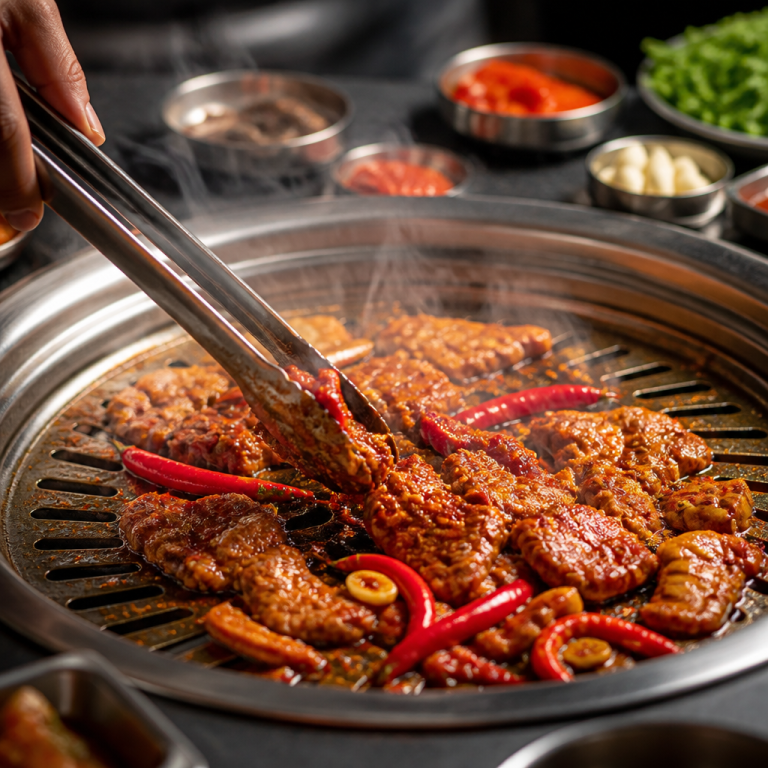
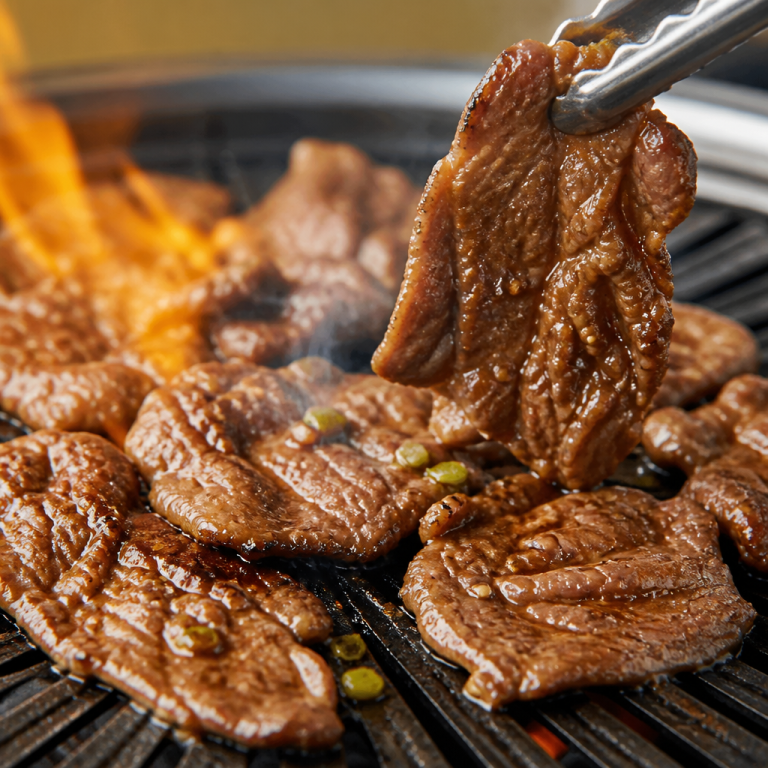
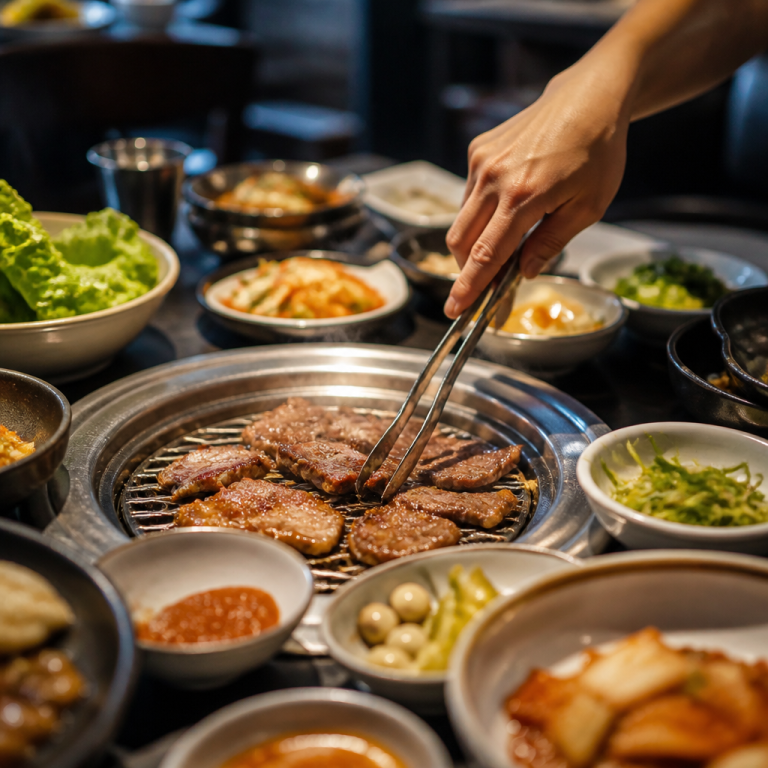
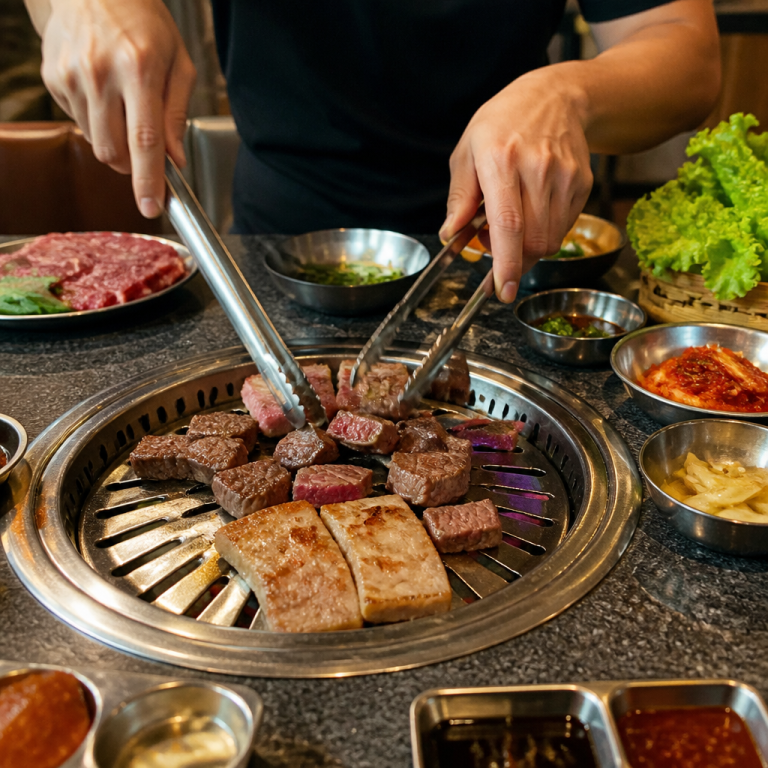
Bulgogi, the popular and flavorful Korean BBQ beef, is more than just marinated, grilled meat; it's the heart of a lively Korean dining experience. Discover the secrets to crafting a perfectly balanced meal, known as "bansang," where tender, sweet-savory slices of beef are served with small side dishes (banchan), fluffy rice, and fresh lettuce for wrapping. This traditional serving style creates a wonderful meal where every bite offers a new mix of flavors and textures that perfectly complement the rich main dish.
When planning a meal for friends or family, a good guideline is about 150-200 grams of beef per person, accompanied by 4-6 different banchan and a generous portion of rice. The meat tastes best straight off the grill, piping hot, while many side dishes are served at room temperature or cold, creating a fantastic temperature contrast. As Chef Judy Joo notes, this dish is highly versatile. It pairs well with both traditional Korean banchan and some Western-style sides, making it a crowd-pleaser for all tastes.
What Side Dishes to Serve with Bulgogi?
What Side Dishes to Serve with Bulgogi
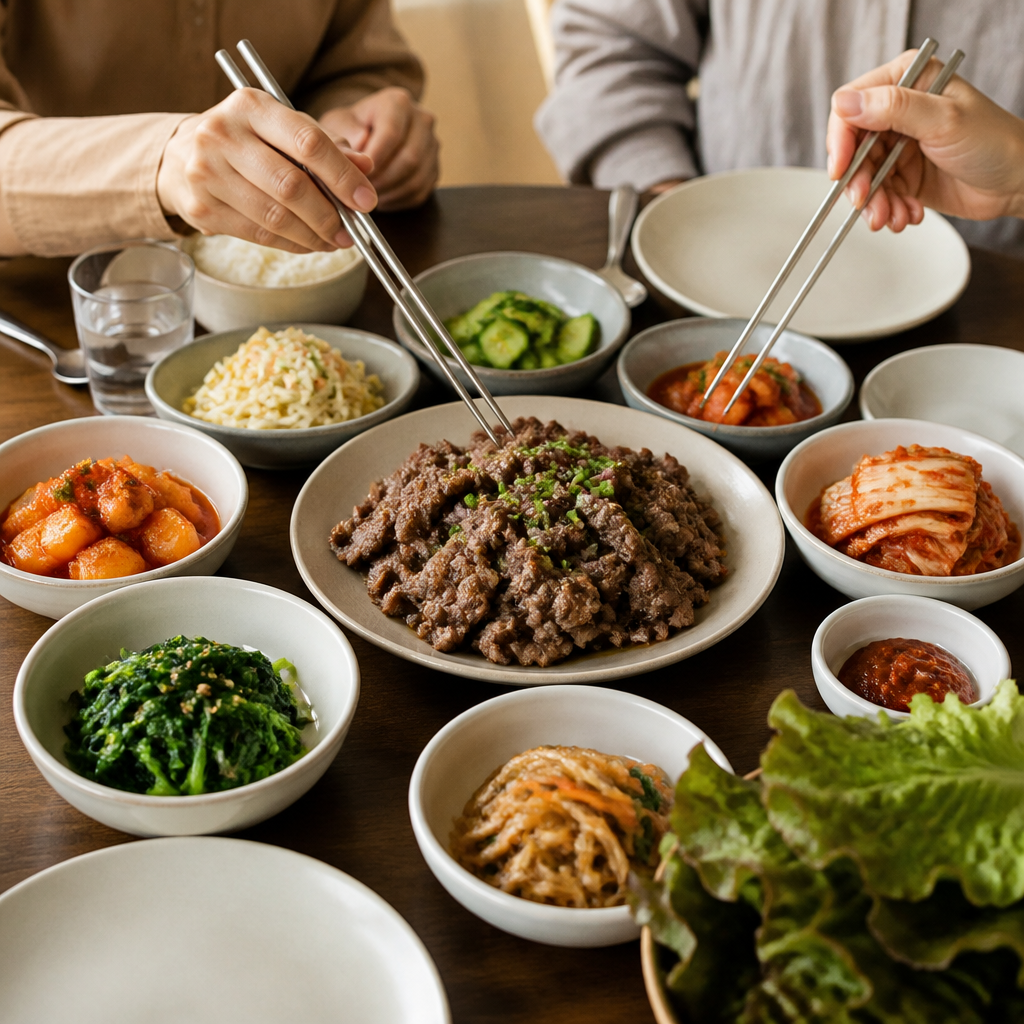
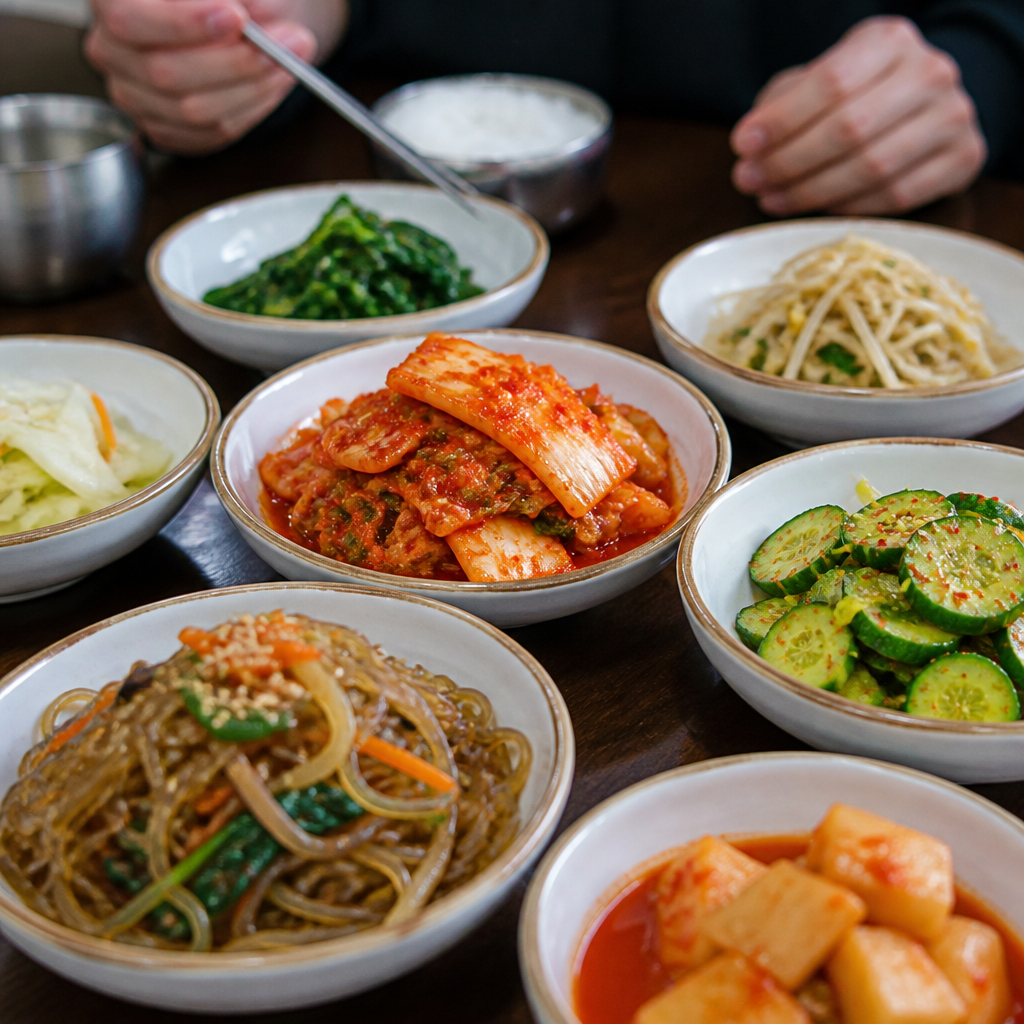
"Banchan" are the small side dishes that are an essential part of almost any Korean meal. They act as the supporting cast that makes the main star—the grilled beef—shine even brighter. They bring a whole rainbow of flavors to the table, from spicy and sour to sweet and salty. A typical feast will often feature 5-7 different banchan, each adding its own unique touch to create a truly rich and varied eating experience. Acidic and spicy banchan like kimchi and pickled radish are very effective at cutting through the richness of the marinated beef.
| Banchan (Side Dish) | Description | Flavor Profile |
|---|---|---|
| Baechu Kimchi | Fermented napa cabbage | Spicy, Sour, Umami |
| Oi Muchim | Spicy cucumber salad | Spicy, Refreshing, Tangy |
| Kongnamul Muchim | Seasoned soybean sprouts | Nutty, Crunchy, Savory |
| Japchae | Glass noodle stir-fry with vegetables | Sweet, Savory |
| Sigeumchi Namul | Seasoned spinach | Nutty, Garlicky, Light |
| Danmuji | Pickled yellow radish | Sweet, Tangy, Crunchy |
A great tip from Korean cooking expert Maangchi is to always include at least one fermented dish like kimchi, one fresh vegetable dish like cucumber salad, and one starch-based banchan like japchae. This mix ensures a wonderful variety of textures and flavors.
What Rice to Serve with Bulgogi
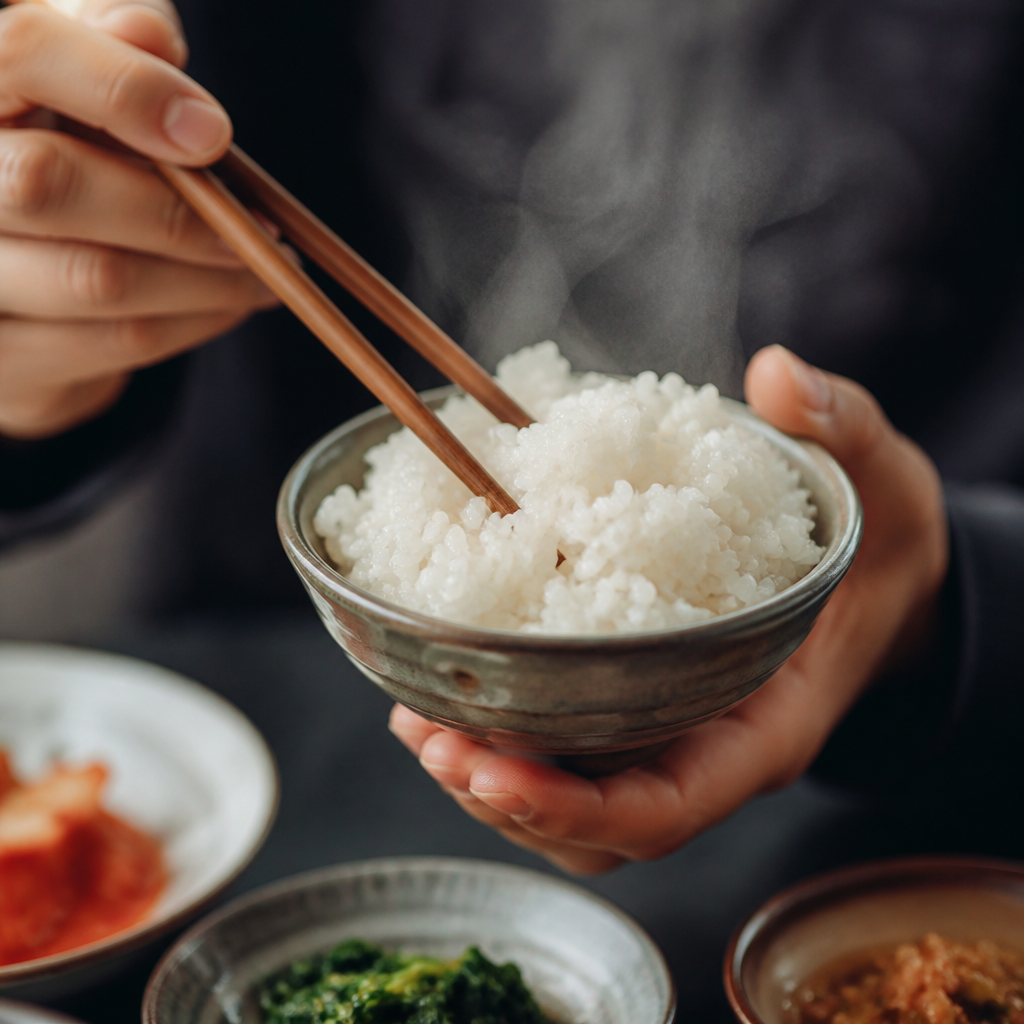
In Korea, cooked rice, or "bap," is the foundation of almost every meal. For this Korean BBQ, short-grain white rice is the ideal choice because its mild flavor and sticky texture absorb the savory juices from the meat. You might also hear it called sticky rice or sushi rice. Its natural stickiness, a result of its starch composition, is helpful for picking it up with chopsticks or wrapping it neatly in lettuce.
To get that ideal slightly sticky texture that pairs so well with bulgogi, rice is typically cooked using a ratio of about 1 cup of rice to 1.2 cups of water. The rice is usually served hot, offering a comforting warmth that contrasts beautifully with the room-temperature banchan. A good standard serving size is about 150-200 grams of cooked rice per person. For those looking for different options, "japgokbap" (multigrain rice) or brown rice are popular, healthier choices. For a visually appealing and nutritious touch, mixing purple or black rice with white rice (around a 1:4 ratio) adds a lovely color and a slightly nuttier flavor.
What Vegetables to Serve with Bulgogi
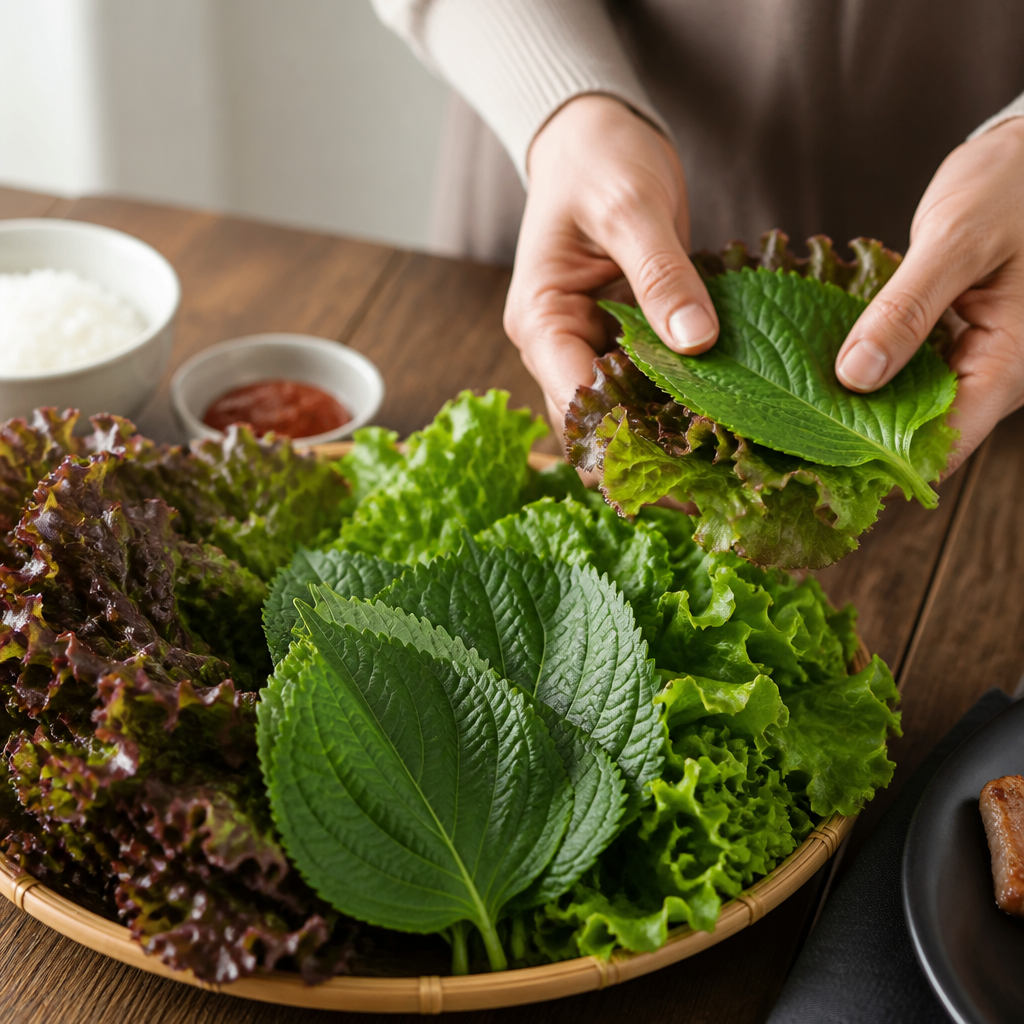
Vegetables are the unsung heroes of this meal, playing two important roles: as fresh, leafy wrappers ("ssam") and as seasoned side dishes ("namul"). For wrapping, you can't go wrong with fresh, raw leafy greens like crisp red leaf lettuce, tender green leaf lettuce, and perilla leaves ("kkaennip"). Perilla leaves offer a distinctive flavor that's a unique blend of minty and anise-like. These "ssam" vegetables are low in calories and provide essential fiber and vitamins.
As Chef Edward Lee perfectly explains, "the combination of crisp lettuce and aromatic perilla leaves creates the perfect vehicle for bulgogi," providing a great textural contrast and helping to refresh your palate.
Beyond the wrappers, grilled vegetables like sliced onions, mushrooms, bell peppers, and zucchini add a lovely char. Traditional "namul" (seasoned vegetables) include blanched spinach, crunchy bean sprouts, earthy fernbrake, and chewy bellflower root, usually seasoned with sesame oil, garlic, and salt. _The key is to include both fresh, crisp wrapping vegetables and 2-3 types of seasoned, cooked vegetables for variety._
Sauces and Appetizers to Serve with Bulgogi
What Appetizers to Serve with Bulgogi
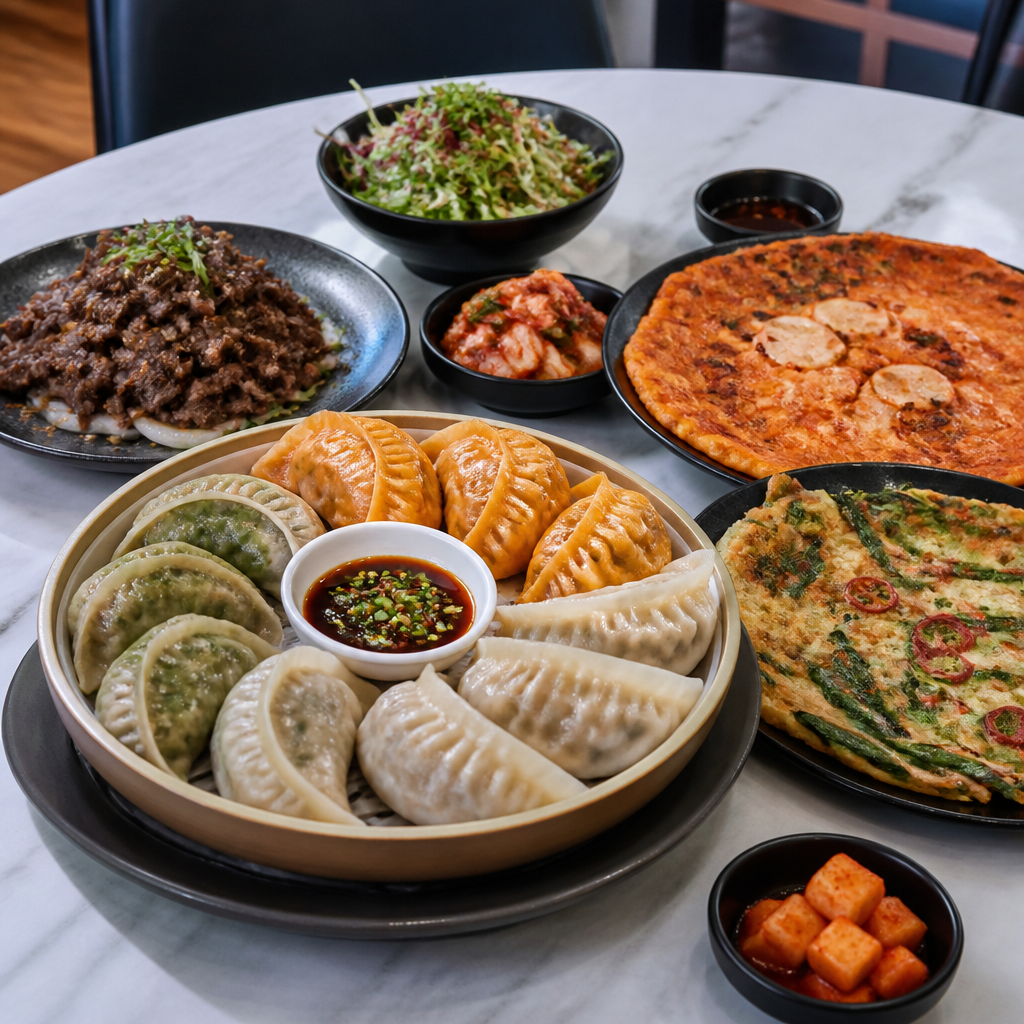
In Korean dining, appetizers are not usually a separate course. Instead, items like "jeon" (pan-fried savory pancakes) or "twigim" (deep-fried items) are typically served alongside the main course and banchan. Two of the most widely loved options you'll find in Korean restaurants are pajeon (a savory pancake loaded with scallions) and kimchi jeon (a spicy and tangy kimchi pancake).
"Mandu" (Korean dumplings) are another popular choice. You can find them steamed, pan-fried, or boiled, usually filled with a mix of pork, vegetables, and tofu. For portioning, about 2-3 pieces of "jeon" or 3-4 "mandu" per person is usually just right when they're part of a larger bulgogi meal. Modern Korean dining has also seen the rise of exciting fusion appetizers like Korean-style chicken wings and "tteokbokki" (spicy rice cakes).
What Sauce to Serve with Bulgogi
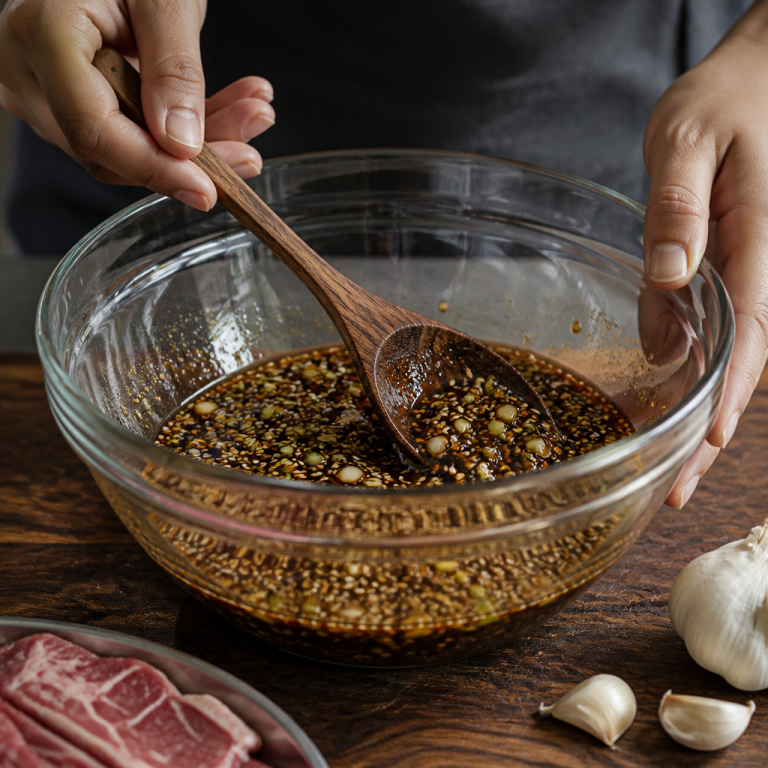
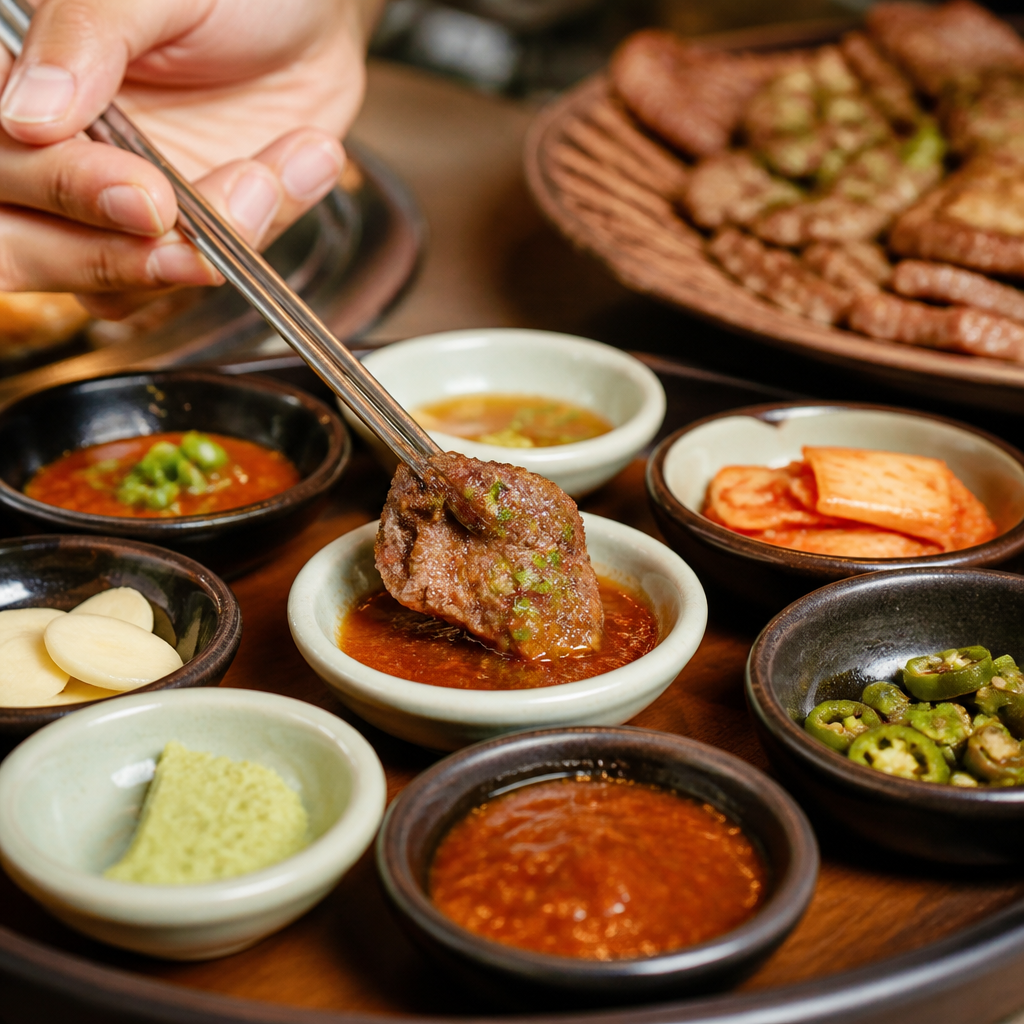
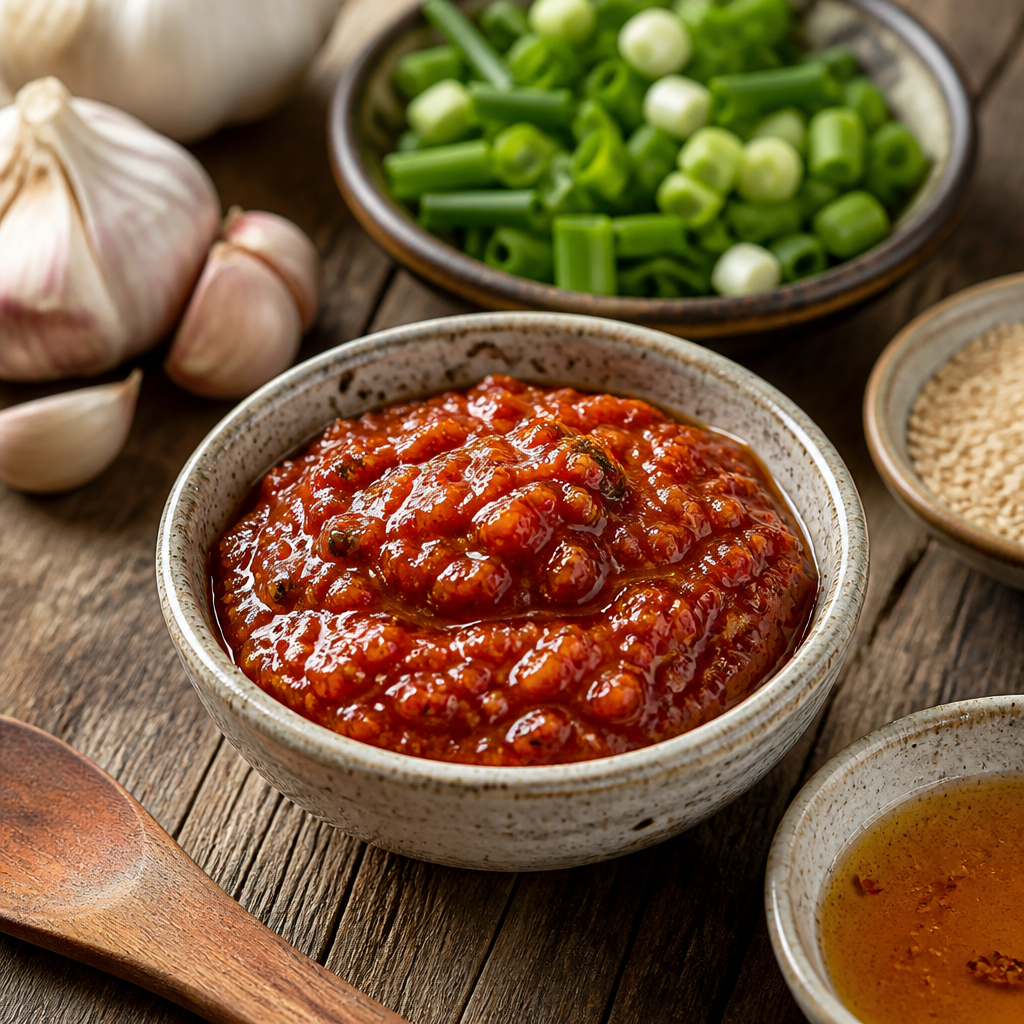
When it comes to bulgogi, especially when wrapping the meat in lettuce with rice, "ssamjang" is the classic choice for a dipping sauce. This thick, savory Korean sauce is a flavorful blend of two fundamental fermented pastes: "doenjang" (soybean paste) and "gochujang" (chili paste). A classic "ssamjang" recipe balances these two and is enhanced with sesame oil, minced garlic, chopped green onions, and sometimes a touch of honey.
Ssamjang is considered the classic dipping sauce, offering a complex blend of savory, spicy, and sweet flavors. For those who love a fiery kick, pure "gochujang" can also be served. For a lighter dip, a mix of soy sauce, sesame oil, and chopped scallions is a fantastic choice. While you can easily buy pre-made "ssamjang," making it at home lets you customize the spice and sweetness perfectly. _If you make it at home, it can be kept fresh in an airtight container in the fridge for 2-3 weeks._
What Drinks Are Best to Serve with Bulgogi?
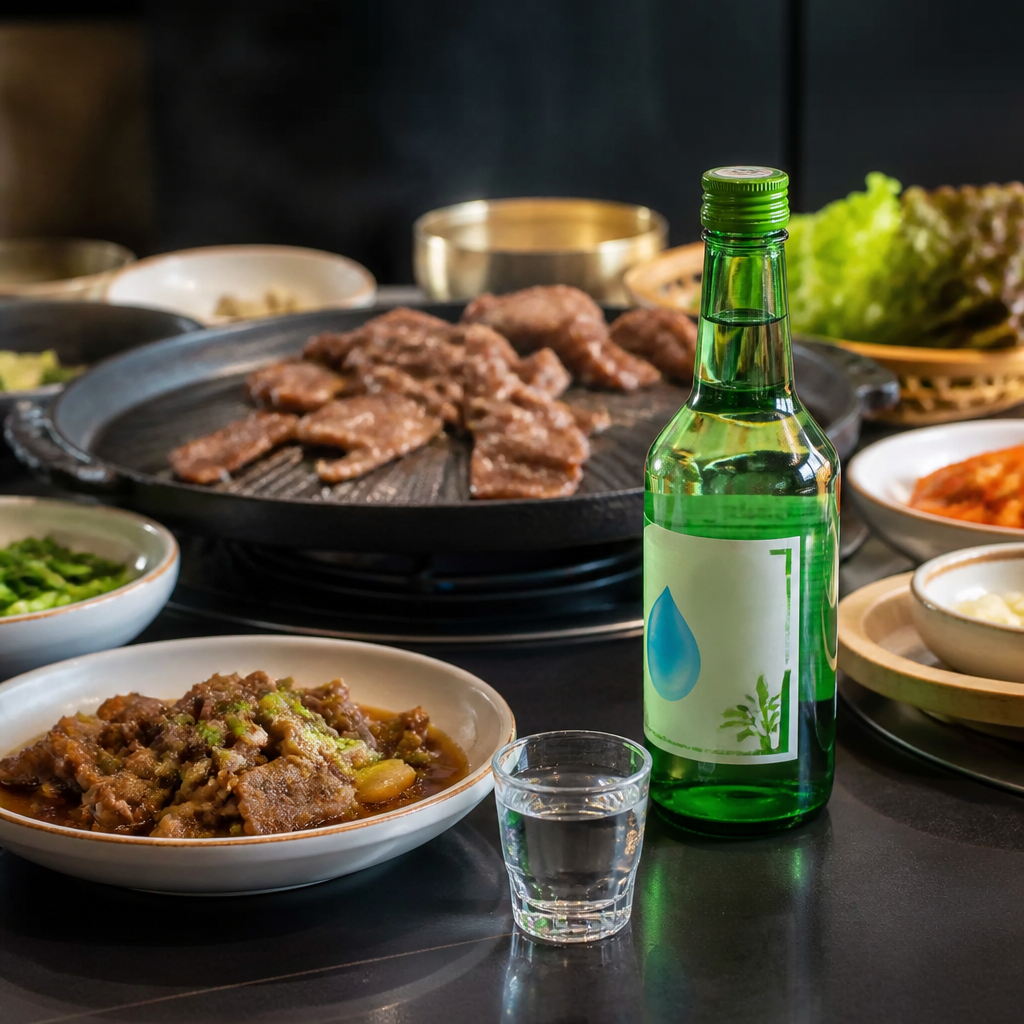
Choosing the right drink can truly complete and enhance your dining experience. _Generally, cold drinks are favored because they balance the hot, rich grilled meat and cleanse the palate between bites._
For alcoholic pairings, soju, a clear and neutral-tasting distilled spirit, is the most traditional alcoholic pairing. Its clean taste is often said to cut through the sweet marinade of bulgogi without overpowering its delicate flavors. Korean lager-style beers are also very popular, as is "makgeolli," a milky, slightly effervescent rice wine with a lower alcohol content and a sweeter taste.
When it comes to non-alcoholic choices, you have several excellent options. For a non-alcoholic option, boricha (roasted barley tea) is a common choice served either hot or cold. Its nutty flavor offers a pleasant contrast.
- Sikhye (Sweet Rice Punch): A dessert-like drink that is wonderfully soothing after a rich meal.
- Yujacha (Citron Tea): A sweet and tangy tea that offers a refreshing citrus note.
- Green Tea or Oksusu Cha (Corn Tea): These teas are full of antioxidants and can aid digestion.
- Sparkling Water with Lemon: A simple, modern choice that cleanses the palate.
Ultimately, serving bulgogi is about crafting a balanced and enjoyable meal. By pairing the sweet-savory grilled beef with a carefully chosen selection of banchan, perfectly cooked rice, a flavorful dipping sauce, and a complementary beverage, you can create an authentic, satisfying, and memorable Korean dining experience for everyone to savor.
FAQ
Q1. What is the traditional Korean dining style for serving bulgogi?
A1. Bulgogi is traditionally served in the "bansang" style, which means it's presented with multiple small side dishes (banchan), rice, and fresh lettuce wraps, creating a balanced meal with various flavors and textures.
Q2. What kind of rice is best to serve with bulgogi?
A2. Short-grain white rice, also known as sticky rice, is the standard accompaniment. Its slightly sticky texture and neutral flavor make it ideal for absorbing bulgogi juices and eating with chopsticks or in lettuce wraps.
Q3. What is ssamjang and why is it important for bulgogi?
A3. Ssamjang is a thick, savory Korean dipping sauce made from fermented soybean paste (doenjang) and chili paste (gochujang). It's considered essential for bulgogi ssam (wraps) because its complex flavor profile, combining umami depth with a touch of heat, enhances the meat without overpowering it.
Q4. Can I serve non-alcoholic drinks with bulgogi?
A4. Yes, many non-alcoholic options pair well with bulgogi. Traditional choices include boricha (roasted barley tea), while modern options include sparkling water with lemon, Korean citron tea (yujacha), or rice punch (sikhye). Green tea or corn tea are also good for digestion.
Q5. How many side dishes (banchan) should I serve with bulgogi?
A5. For a traditional Korean meal, it's common to serve 4-6 different banchan varieties with bulgogi. This range provides a good balance of contrasting flavors and textures to complement the main dish.

Emily Carter is an American food lover who writes about Korean cuisine for people trying it for the first time. She covers what things taste like, how to eat them, and what to cook with them.